In This Guide
- What weekend rv rental RV Rental Costs in Santiago (2024)
- Seasonal Pricing — Peak vs. Shoulder vs. Off-Season in Santiago
- What's Included vs. What's an Add-On
- Hidden Costs to Budget For in Santiago
- How to Save on weekend rv rental RV Rental in Santiago
- What are the specific urban driving challenges for RVs in Santiago?
- What RV types are recommended for different Chilean terrains and routes?
- How to ensure safety when wild camping or boondocking in Chile?
- What detailed safety advice should RVers know for a trip in Chile?
- What are the cultural nuances of RV travel and interaction with local communities in Chile?
- What are the border crossing procedures for RVs entering Chile from neighboring countries?
- What emergency services and roadside assistance options are available for RV travelers in remote areas of Chile?
What weekend rv rental RV Rental Costs in Santiago (2024)
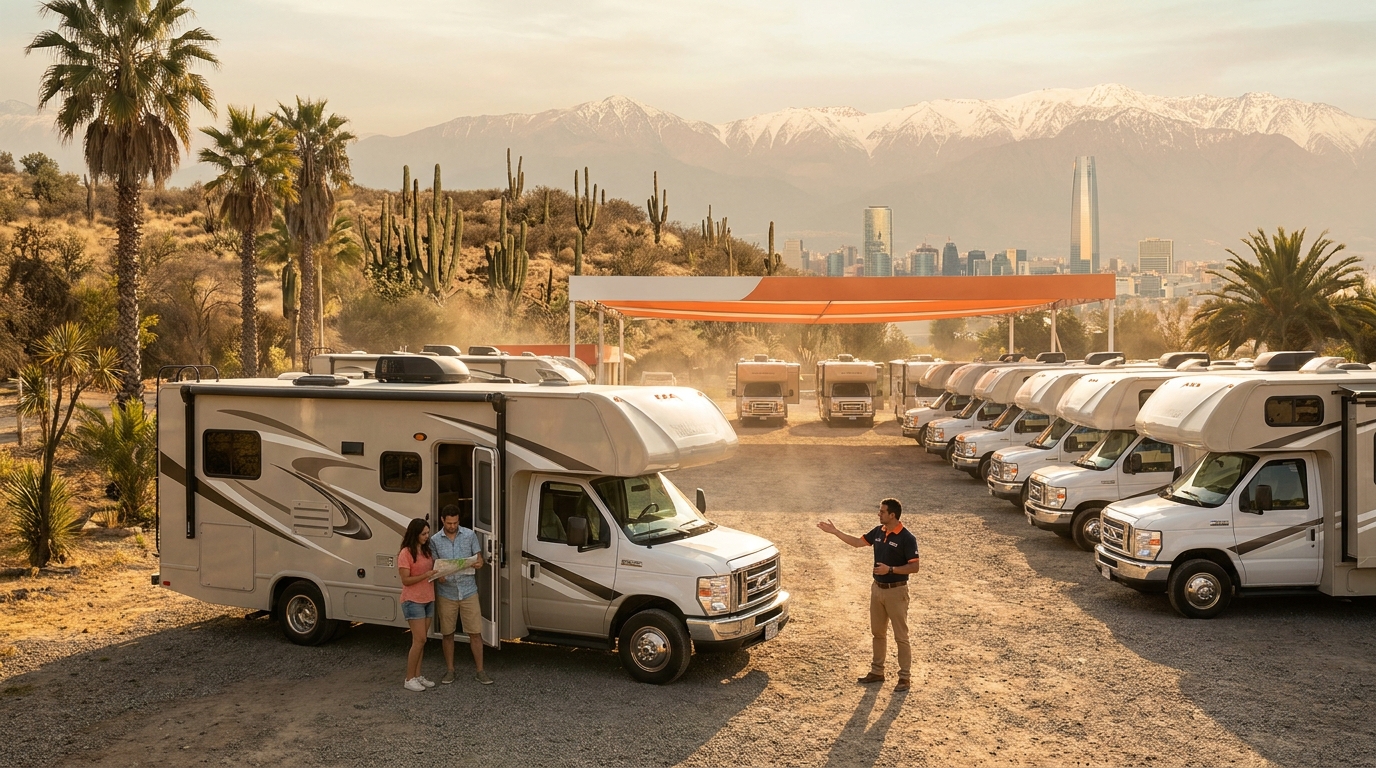
April is typically the cheapest month for RV rental in Santiago, offering daily rates that can be significantly lower than peak season. RV rental prices in Santiago vary substantially based on the chosen vehicle class, the duration of your rental, and the seasonal demand. For instance, a compact campervan like the "rv rental denver example Category Van" might range from $120-$200 USD per day in the shoulder season, while a larger "rv rentals example Comfort Class" motorhome designed for 4-6 people could cost $250-$400 USD daily during peak periods. Prices are dynamic and change daily, reflecting real-time availability and market demand, much like flight tickets. Our platform provides live flex-rate estimates for various RV classes and trip lengths from Santiago, ensuring full transparency with no hidden fees or surprises at pickup. For detailed pricing, compare Motorhome Prices for Santiago now.Cost by Group Type: Couples vs. Families with Kids in Santiago
The optimal RV rental cost for couples versus families with kids in Santiago largely depends on the size and amenities required. Couples often find compact campervans or smaller Class C motorhomes ideal, like the "rv rental denver example Category Van" with shower and toilet, which comfortably accommodates two people, costing less in both rental fees and fuel consumption, typically $120-$250 USD per day. Families with 2 adults and 2 children might prefer a medium-sized Class C like the "rv rentals example Comfort Class", offering more sleeping capacity and living space, usually ranging from $250-$400 USD daily. Larger groups or families with 4-6 people may opt for a spacious 6-berth motorhome, which would naturally incur higher daily rental rates, often upwards of $350-$500 USD, but provides ample space for comfortable travel and family meals prepared in the onboard kitchen, which you can find ideas for in our RV-friendly recipes playlist.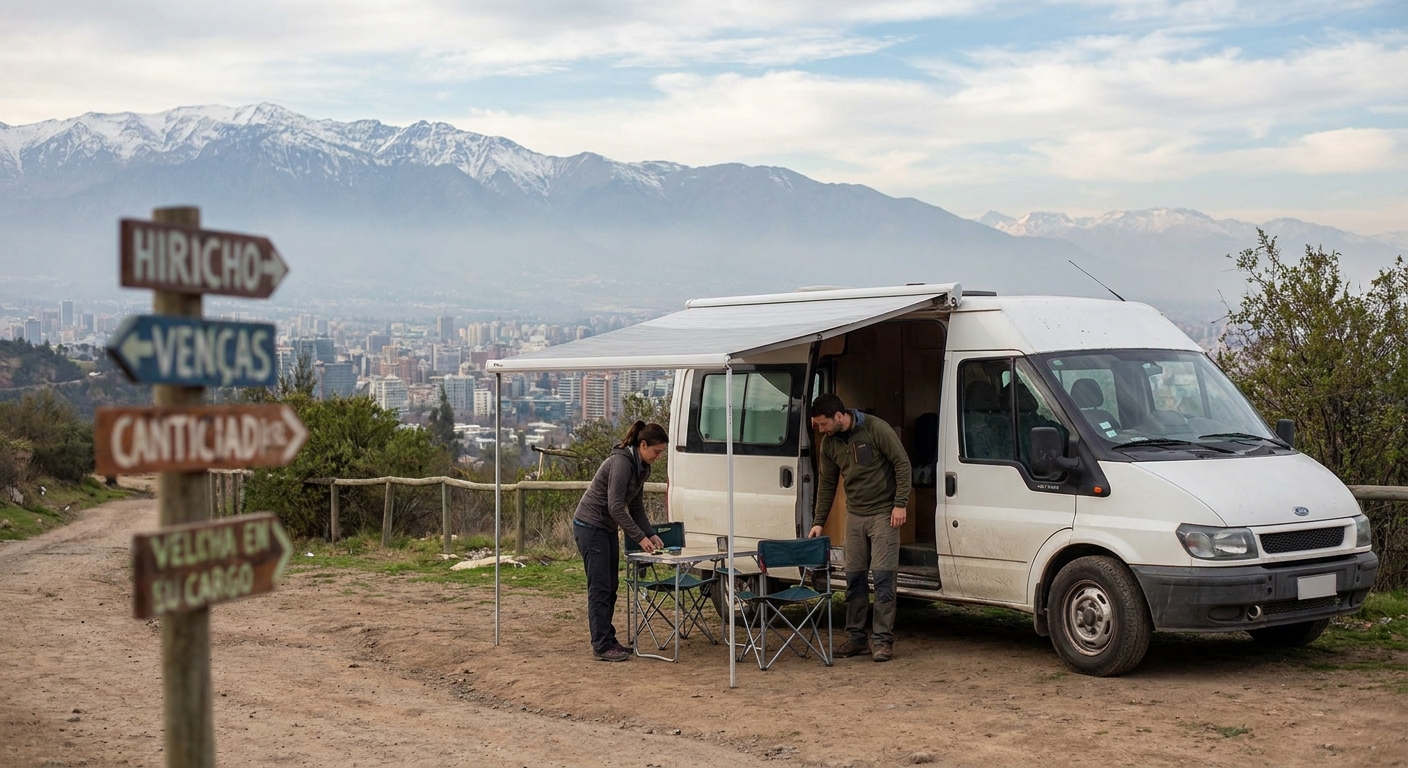
Seasonal Pricing — Peak vs. Shoulder vs. Off-Season in Santiago
RV rental prices in Santiago fluctuate significantly based on the season, directly influenced by demand and local weather conditions. Understanding these periods can help you secure better deals for your adventure.Off-Season (April – June, October – November): Lowest Prices and Mild Weather
April generally offers the lowest prices for RV rentals in Santiago, with mild weather perfect for exploring without the peak season crowds. Daily rates for a standard Class C motorhome might start from around $150-$200 USD during these months. This period avoids the extreme summer heat of January-February and the colder winter months, providing comfortable travel conditions. You might find great value and more availability, especially if you are flexible with your travel dates.Shoulder Season (March, September, December): Moderate Pricing and Pleasant Weather
These months see moderate pricing with pleasant weather, balancing cost savings with good travel conditions for your Santiago adventure. Expect moderate demand compared to the absolute peak, with Class C motorhome rentals potentially ranging from $200-$300 USD per day. March offers lingering summer warmth, while September brings spring blooms. Early December provides a pleasant atmosphere before the full holiday rush.Peak Season (July – August, late December – February): Highest Prices and High Demand
Prices are highest during Santiago's winter (July-August) and the busy summer holiday period (late December-February), driven by local vacations and favorable weather for southern trips like along the Carretera Austral. During peak season, prices for Class C motorhomes can jump to $350-$500+ USD per day, and availability for popular models like the "cruise america rv rental example Explorer" can be limited. If you plan to travel during these times, booking well in advance is highly recommended to secure your preferred vehicle and potentially save money. Many national and state parks in Chile reserve 25-30% of their spots, with the rest being first-come-first-serve, so you'll still find a spot if you call ahead.What's Included vs. What's an Add-On
Understanding the inclusions and add-ons is crucial for accurately budgeting your RV rental in Santiago, ensuring full transparency in your trip costs. Generally, basic liability insurance is always included with an RV rental, but the extent of coverage varies significantly by supplier. Many travelers choose to upgrade to a top-level deductible for extra peace of mind, which is an optional add-on that reduces your out-of-pocket expenses in case of an accident. Common add-ons you might consider for your Santiago RV trip include enhanced insurance tiers, additional mileage packages beyond a standard allowance (e.g., 100-200 km/day included), generator usage fees (if applicable, for larger Class A motorhomes like "motorhome hire usa example AF-34 Premier W"), kitchen kits with cooking utensils and tableware, and bedding or linen kits. It's essential to verify the specifics for each RV and rental station directly on our comparison platform, as inclusions can differ across various suppliers such as El Monte, Apollo, and Britz. We handle the details, so you live the journey, providing personal service from day one until your booking is confirmed, making sure you know exactly what you're getting.How to Save on weekend rv rental RV Rental in Santiago
Securing a weekend RV rental in Santiago for the best value often involves strategic planning and flexibility. For example, opting to travel during the shoulder season, specifically months like April or November, typically offers lower daily rates and fewer crowds compared to peak periods, potentially saving you 20-30% on your rental.Flexibility Tips for Cheaper RV Rentals
If your travel dates are flexible, you might find better deals by booking during off-peak days or when last-minute availability leads to price reductions. Many national parks reserve only 25-30% of their spots in advance, leaving the rest for first-come, first-serve, so even spontaneous travelers can find good camping options.Vehicle Choice and Duration
Choosing a smaller Class B campervan like the "hire campervan example Paradise S/T" or a compact Class C RV can lead to significant savings on both rental fees and fuel consumption, especially for couples or small families. Additionally, booking longer durations often results in a lower daily rate for an RV rental. For instance, a two-week adventure could offer a better per-day price than a week-long trip.Pre-payment and Discounts
Inquire about options to pre-purchase toll road usage through your rental company to avoid unexpected charges. Always ask if the rental company provides campground discount cards or fuel discount cards, which can significantly reduce travel expenses in Santiago and beyond. Remember, we are true RV specialists, not just a travel agency side department, offering expert advice before, during, and after your booking process.What are the specific urban driving challenges for RVs in Santiago?
Driving a rented RV in Santiago city presents unique challenges beyond standard vehicle navigation, including narrow streets and specific traffic regulations. Many central Santiago streets, particularly in historic neighborhoods like Barrio Lastarria or Bellavista, are narrow, making maneuvering larger motorhomes difficult and potentially restricting access to certain areas. RVers must be aware of Santiago's traffic laws, including potential restrictions on vehicle types in certain zones (e.g., during peak hours) and occasional congestion charges that apply to specific vehicle registrations within the city limits. Tolls are common on major roads surrounding and within Santiago, such as the Autopista Central or Vespucio Norte Express; ensure your RV is equipped for easy payment via a TAG device or inquire about pre-payment options with your rental company. Parking for RVs in Santiago is extremely limited, especially in downtown areas, often requiring drivers to seek dedicated parking outside the city center or utilize campgrounds like Camping Las Vertientes with shuttle services. Drive slowly and carefully, and you can drive almost anywhere without issues. No need to stress - just use common sense and pay attention.What RV types are recommended for different Chilean terrains and routes?
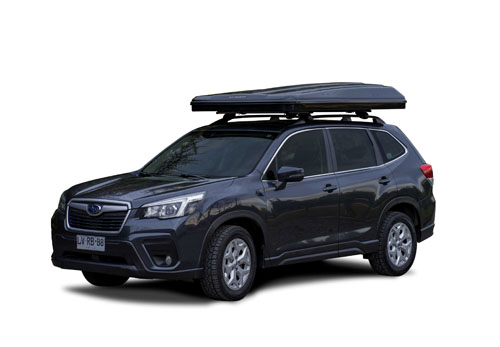
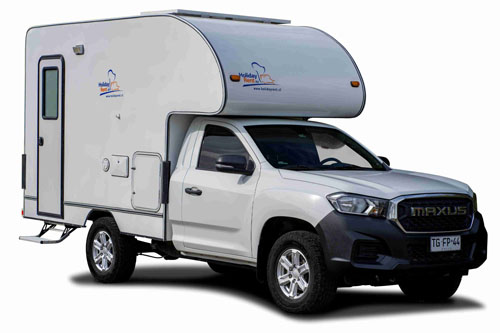
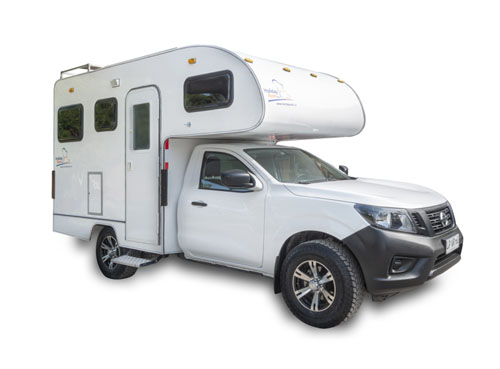
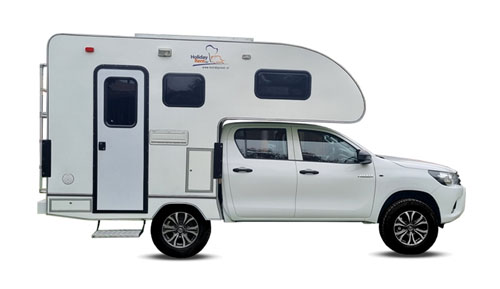
Selecting the right RV type is crucial for comfortably navigating Chile's diverse terrains, from coastal roads to rugged mountain passes. For exploring the Andes or more remote southern regions like Patagonia, a smaller 4x4 campervan or a Class TC (Truck Camper) like the "Patagonia Camper 4x4 double cab" is highly recommended. These vehicles offer enhanced maneuverability, higher ground clearance, and the ability to handle unpaved roads and gravel sections of routes like the Carretera Austral. Larger motorhomes, such as Class A or Class C models like the "rv rentals example Comfort Class", are best suited for paved routes, including the Pan-American Highway (Ruta 5) and major tourist circuits connecting cities like Santiago, Valparaíso, and Viña del Mar. These offer more interior space and amenities, making them ideal for family travel or those seeking extra comfort. For a balance of comfort and agility, a Class SI (Standard Integrated) motorhome or a medium-sized Class C might be a good choice if your itinerary includes a mix of urban areas and moderately rugged landscapes. Always assess your planned route's road conditions and your comfort level with driving larger vehicles before making a choice; smaller RVs offer more flexibility for spontaneous detours to hidden gems.How to ensure safety when wild camping or boondocking in Chile?
Wild camping, also known as boondocking, in Chile offers unique immersion opportunities in nature but requires careful planning and adherence to safety and legal guidelines. Always research the legality of wild camping in your chosen area; private land requires explicit permission, and national parks often restrict it to designated sites to protect sensitive ecosystems. Prioritize safety by selecting well-lit, visible spots, preferably where other campers are present or with positive local recommendations, especially around more remote areas near Santiago or on less-traveled routes. Inform a trusted contact of your itinerary and expected return, especially when venturing into remote areas without cell service, which can be common in regions further from Santiago like the Andes. Practice 'Leave No Trace' principles rigorously: pack out all trash, dispose of human waste properly, and avoid disturbing local flora and fauna to preserve Chile's pristine natural beauty. Familiarize yourself with local etiquette; engaging respectfully with local communities can enhance your experience and provide valuable safety insights for your RV Rental Chile - Complete Guide 2024 adventure.What detailed safety advice should RVers know for a trip in Chile?
Ensuring a safe RV trip in Chile involves specific preparations and awareness of local conditions, extending beyond general travel advice. Always carry emergency contact numbers for local authorities: police (Carabineros) dial 133, ambulance 131, and fire department 132; these numbers are standard nationwide. Be aware of local security tips, especially in urban areas like Santiago; avoid leaving valuables visible in your rented campervan and secure your RV when parked or unattended, particularly in tourist hotspots or near public transportation hubs. Common issues for RVers include navigating unpaved roads, especially outside major cities and in mountainous regions, and the potential for extreme weather shifts, particularly in the south of Chile. Always check weather forecasts and road conditions before embarking on long drives, especially when heading to mountain or remote regions from Santiago. Have a basic repair kit, comprehensive first-aid supplies, and sufficient water and food, particularly when traveling through areas with limited services. Your RV rental provider should also offer emergency contact details and some level of roadside assistance. Consider reviewing our "Driving an RV in Santiago - Complete Guide 2026" for more specific advice.What are the cultural nuances of RV travel and interaction with local communities in Chile?
Engaging respectfully with local Chilean communities enhances the RV travel experience and promotes positive cultural exchange. Always greet people with a polite 'Hola' or 'Buenos días/tardes' (good morning/afternoon) and use 'por favor' (please) and 'gracias' (thank you) frequently, especially when interacting with vendors or asking for directions in small towns around Santiago. Be mindful of noise levels, especially when camping near residential areas or in quiet natural settings; respect local siesta times, typically in the afternoon, where businesses might close. Purchasing goods and services from local vendors, such as small shops (almacenes) or markets (ferias) in neighborhoods like La Vega Central or Patronato in Santiago, is a great way to support the community and experience authentic Chilean culture and cuisine. When parking or camping your rented motorhome, ensure you are not blocking access, disturbing private property, or causing inconvenience to residents. Embrace unique opportunities for local immersion, such as participating in local fiestas (festivals) in towns like Maipú, trying traditional Chilean cuisine, or visiting artisan markets to buy locally crafted souvenirs, enriching your "RV Travel Guide to Santiago - Tips and Top Spots 2026" experience. Travel slowly, max 100-150 km per day on average. Take time to feel the place, connect to the culture, the food, and the scenery.What are the border crossing procedures for RVs entering Chile from neighboring countries?
Border crossing into Chile with an RV from countries like Argentina or Peru requires specific documentation and adherence to customs regulations. Ensure you have your valid passport, the vehicle registration (or a temporary import permit from your rental company detailing you are authorized to cross borders), and an International Driving Permit (IDP) if your home country's license is not in Spanish or English (though not mandatory, it's highly recommended for visitors from non-English speaking countries). Be prepared for thorough vehicle inspections by SAG (Servicio Agrícola y Ganadero) at the border to prevent the entry of prohibited agricultural products; declare all food items, especially fresh produce, to avoid fines. You will typically need to complete a 'Declaración Jurada de Entrada y Salida de Vehículos' (Sworn Declaration for Vehicle Entry and Exit) for the RV. Allow ample time for border crossings, especially during peak seasons or at smaller, less frequently used checkpoints like Paso Los Libertadores near Santiago, as processing can be slow and unpredictable. Always follow the instructions of border officials precisely to ensure a smooth and legal entry into Chile with your rented RV. For more detailed information on logistics, consider consulting the "One-Way RV Driving in Santiago - Route Planner 2026" guide.What emergency services and roadside assistance options are available for RV travelers in remote areas of Chile?
RV travelers in remote areas of Chile should be aware of available emergency services and roadside assistance options, especially due to varying cellular coverage. For immediate emergencies, dial 131 for ambulance, 132 for fire, and 133 for police; these numbers are standard nationwide and should be programmed into your phone. Roadside assistance can be limited in very remote areas, such as sections of the Carretera Austral or mountain passes near Santiago; ensure your rental provider offers comprehensive coverage or recommends a reliable third-party service like Automóvil Club de Chile. Consider renting a campervan equipped with a satellite phone or carrying one for communication in areas without cellular reception, a crucial safety measure in Chile's vast landscapes. Many larger towns will have mechanics (mecánicos) capable of assisting with vehicle breakdowns, but specialized RV repair might be scarce outside major cities like Santiago, Valparaíso, or Concepción. Always inform someone of your planned route and expected return, especially when venturing into truly isolated regions, as a safety precaution. Our 24/7 support means real people are behind you for pre-booking comparison, booking support, and post-booking coordination, helping you prepare thoroughly for your journey.What You Shouldn't Miss
- **Cerro San Cristóbal Views:** Drive your rented motorhome to the base of Cerro San Cristóbal in Santiago and take the funicular or cable car for panoramic views of the city and the Andes mountains. There's limited parking in the surrounding neighborhoods, so plan ahead or utilize public transport from a nearby campground.
- **Maipo Valley Wine Route:** Just an hour's drive south of Santiago, the Maipo Valley offers stunning vineyards and wine tasting experiences. Many wineries provide spacious parking for RVs, allowing you to sample local Cabernet Sauvignon and then safely overnight at a nearby rural campsite.
- **Valparaíso's Colorful Hills:** Take your campervan on a scenic 1.5-hour drive west to the vibrant port city of Valparaíso. Explore its UNESCO-listed historic quarter with steep funiculars and colorful street art. Parking a larger RV can be challenging on its narrow, winding streets, so consider parking on the outskirts and using local colectivos (shared taxis).
- **Andes Mountain Escapes:** Head east from Santiago towards Cajón del Maipo for breathtaking Andean scenery. This area offers numerous opportunities for hiking, hot springs (like Baños Morales), and designated campsites suitable for RVs. Remember to drive carefully on mountain roads, especially during winter months.
- **Coastal Charm of Viña del Mar:** Pair your visit to Valparaíso with a stop in the elegant coastal city of Viña del Mar. Enjoy its beaches, gardens, and the famous Flower Clock. RV parking can be found along the beachfront promenades, though it fills up quickly during summer.
🎬 Video coming soon
Looking for expert insights from Avi Bandana? Top 5 Adventures — recommendations from Avi Bandana
Final Thoughts
Embarking on a rented RV adventure in Santiago offers an incredible blend of urban exploration and natural beauty. From the dynamic pricing that ensures you always find competitive rates to our unwavering commitment to full transparency and 24/7 support, we're here to make your journey seamless. Imagine yourself driving through the scenic Maipo Valley, discovering charming towns, or setting up your temporary home near the majestic Andes-all at your own pace. Whether you're planning a week-long trip or a more extended road trip through Chile, Bandana RV provides the expertise and support you need every step of the way. We want you to feel confident and inspired, knowing that you're getting the best value and honest service. So, take the leap, embrace the freedom of the open road, and discover the wonders of Santiago and beyond with a rented motorhome. Your unforgettable Chilean adventure awaits! Find Motorhome Rentals in SantiagoOn the routes offered through RV PLANET routes, you can itemize and track every expense along the way for easy budgeting.