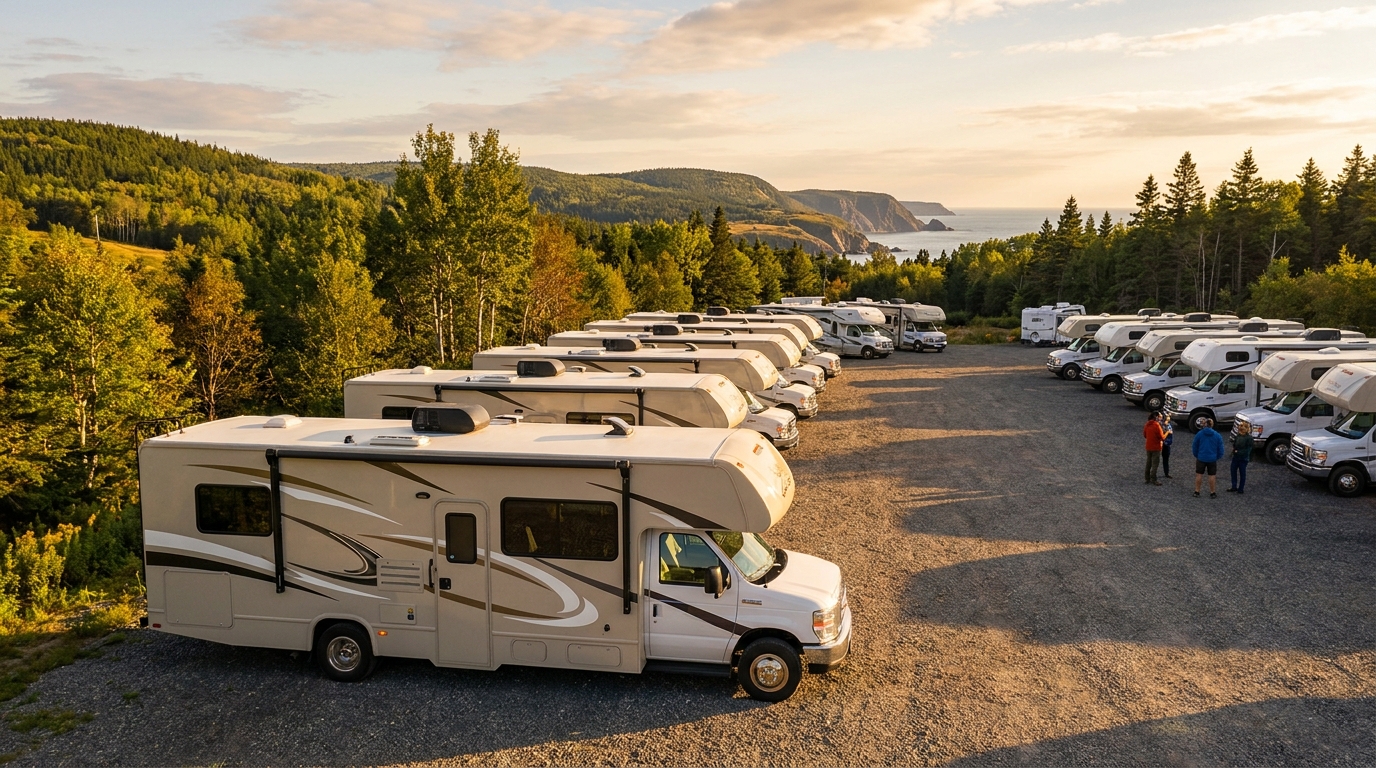
In This Guide
- What weekend rv rental RV Rental Costs in East Canada (2026)
- Seasonal Pricing - Peak vs. Shoulder vs. Off-Season in East Canada
- What's Included vs. What's an Add-On
- Hidden Costs to Budget For in East Canada
- How to Save on weekend rv rental RV Rental in East Canada
- How Much Does It Cost to Rent an RV for a Long Weekend in East Canada?
- Is it Cheaper to Rent an RV or Stay in a Hotel for an East Canada Trip?
- How Much to Budget for an RV Trip for 1 Week in East Canada?
- What is the Cheapest Way to Rent an RV for East Canada?
- Can You Sleep Anywhere in a Campervan in East Canada?
- Where Can I Camp with My RV in Eastern Canada?
- What is the Best Month to Visit the Maritimes by RV?
Embarking on a motorhome adventure in East Canada offers an unparalleled sense of freedom and discovery, but understanding the financial landscape is key to a smooth journey. East Canada, with its breathtaking coastlines, vibrant cities, and serene national parks, invites exploration at your own pace. For live availability and current prices, start with our RV Rental East Canada - Complete Guide 2026 guide.
What weekend rv rental RV Rental Costs in East Canada (2026)
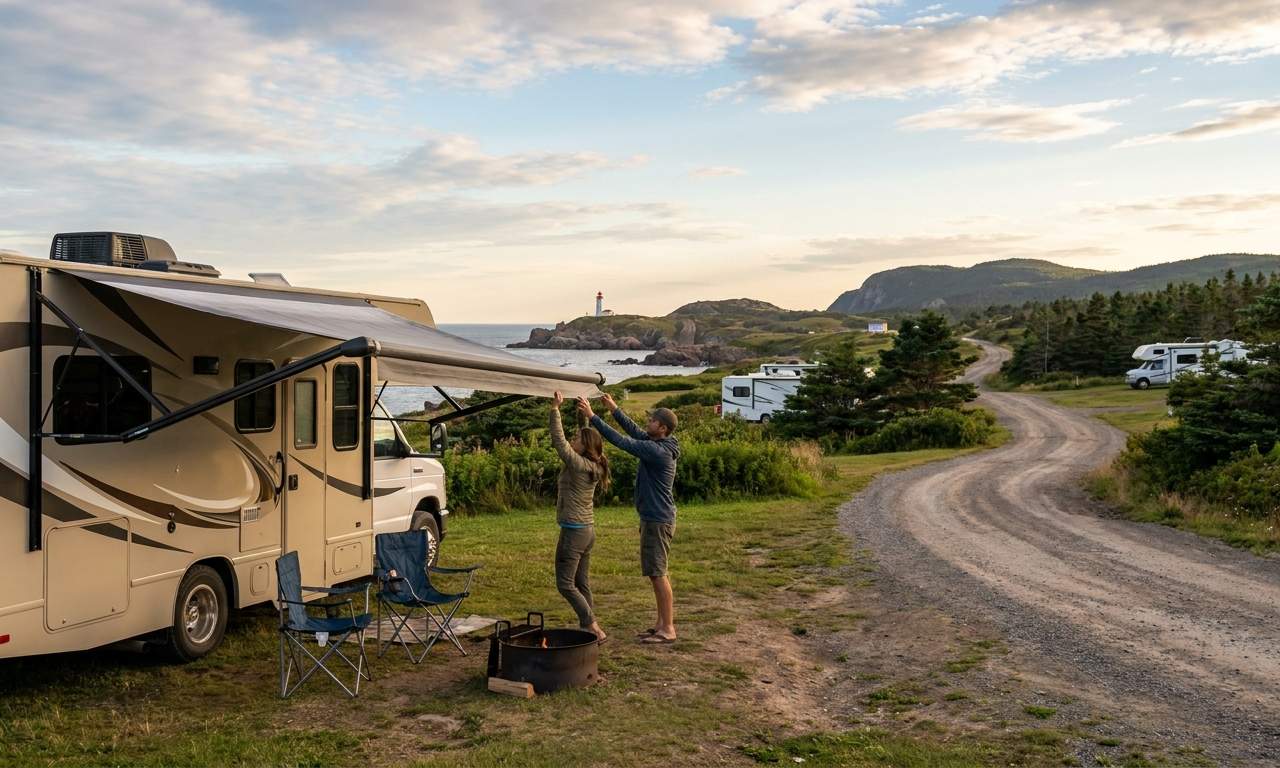
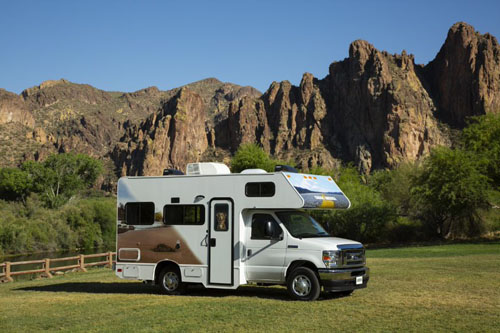
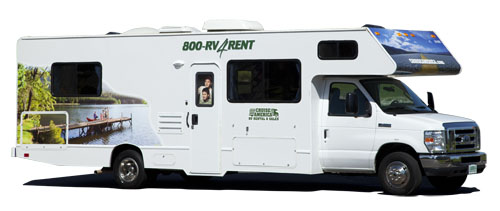
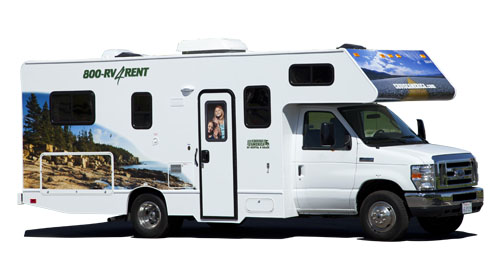
RV rental prices in East Canada vary significantly based on RV class, rental duration, and the time of year, operating on dynamic pricing similar to airline tickets. For instance, a Class C motorhome like a "cruise america rv rental example Explorer" with sleeping capacity for 4 people can range from CAD $100 per day in the off-season to over CAD $350 per day during peak summer. Smaller campervans, such as a "Category Van" or "Active Standard" model, typically cost less, while larger Class A motorhomes will command higher rates. Booking longer durations often results in a lower average daily rental rate, making extended road trips more cost-efficient per day.
Prices are dynamic and change daily, reflecting flex-rate pricing models based on demand and availability. This means that comparing prices across different suppliers and dates is crucial to finding the best deal. Always look for transparent pricing that shows all fees upfront, a commitment we uphold at Bandana RV so there are no hidden fees or surprises.
Seasonal Pricing - Peak vs. Shoulder vs. Off-Season in East Canada
East Canada's RV rental prices are highly seasonal, with distinct peak, shoulder, and off-peak periods that dramatically impact costs. Peak season, typically from July to August, sees the highest demand and thus the highest prices for rented motorhomes due to ideal weather, school holidays, and major events, with daily rates for a standard Class C reaching CAD $300-$400+. Shoulder seasons, including May-June and September-early October, offer a balance of good weather and more moderate pricing, making them popular for budget-conscious travelers, with daily rates generally ranging from CAD $180-$280.
Off-season, which runs from late October through April, provides the lowest rental rates, with April often being the absolute cheapest month to rent an RV, sometimes seeing prices as low as CAD $100-$150 per day. While weather can be less predictable during these months, and some campgrounds or attractions may be closed, it's an excellent time for those seeking solitude and significant savings. In peak season, prices change significantly day-to-day, so travelers should always check specific dates for the most accurate rates using a comparison platform.
What's Included vs. What's an Add-On
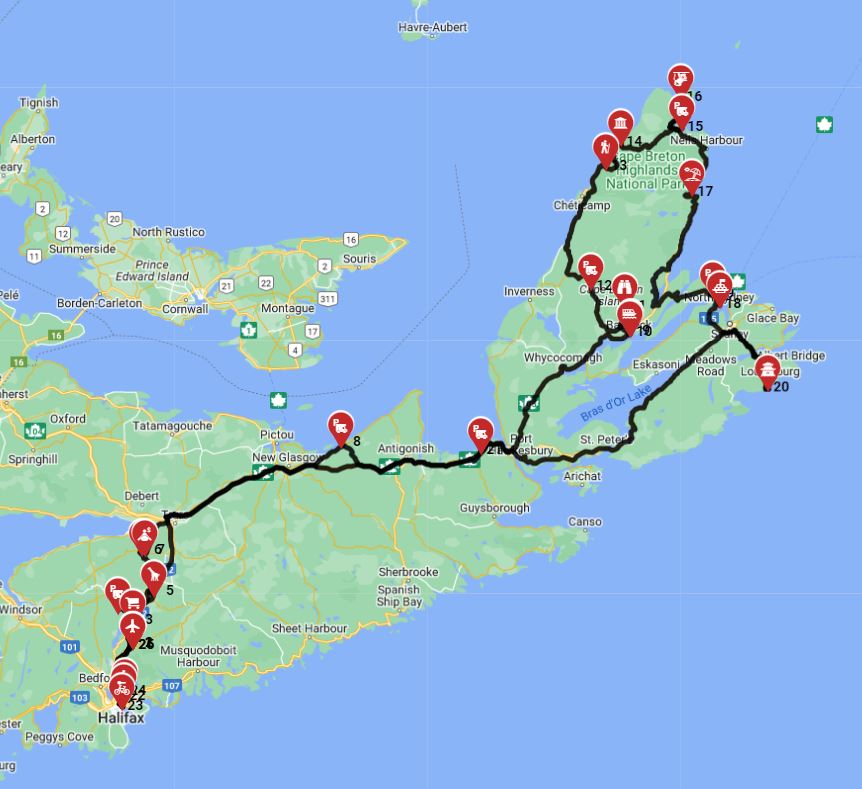
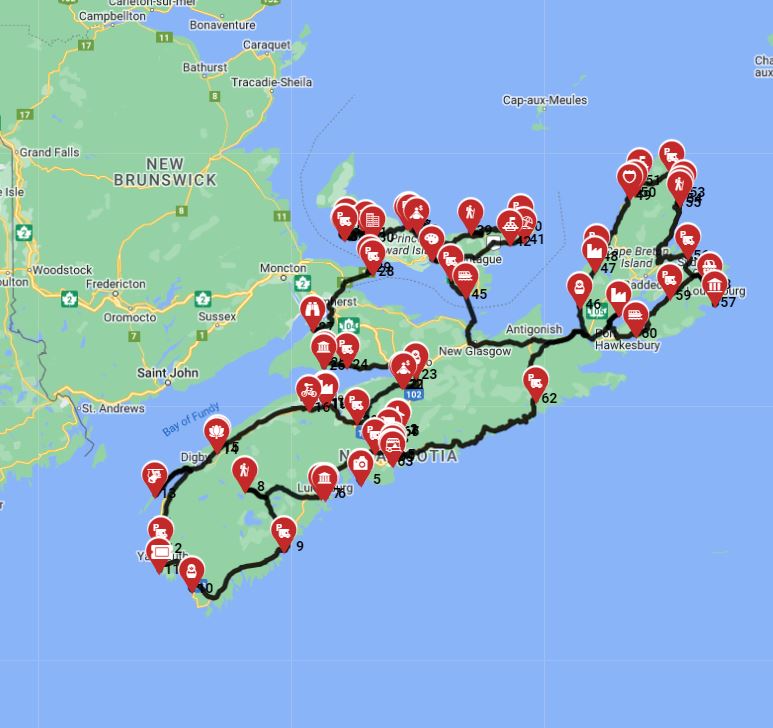
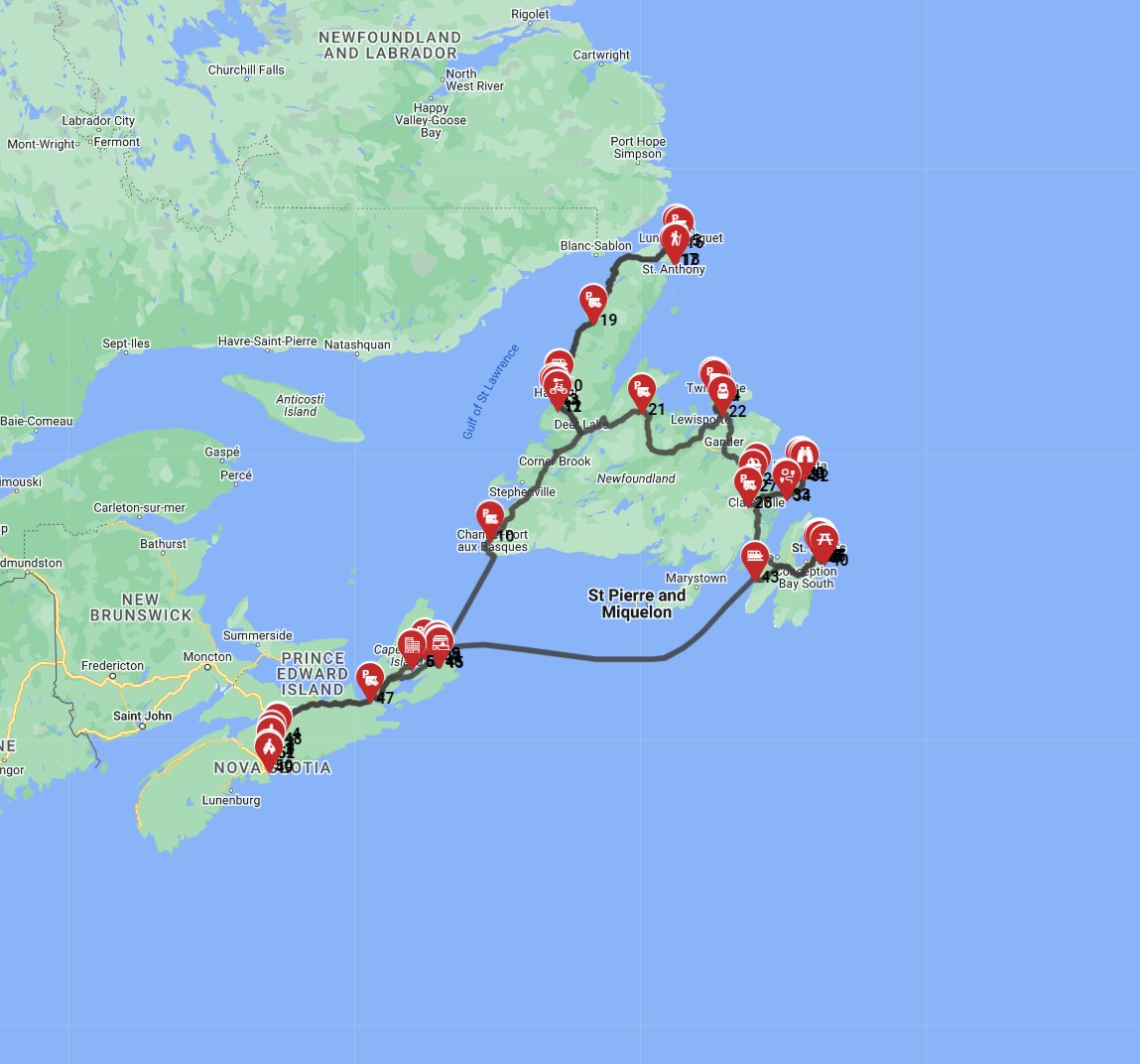
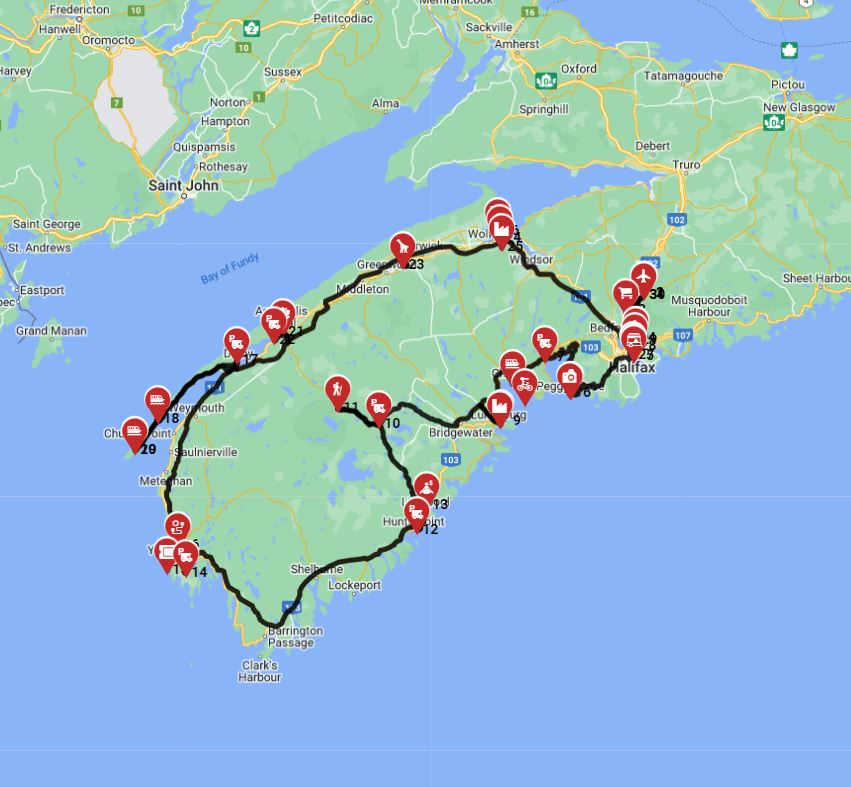
RV rental inclusions typically cover the vehicle itself and basic insurance, but many amenities are often add-ons that vary significantly by rental station and RV. Basic liability insurance is always included; however, comprehensive coverage tiers, which reduce deductibles and expand protection (like our top-level deductible reimbursement), are usually available as an extra cost for enhanced peace of mind. Renters can easily upgrade to this top-level deductible for extra security during their East Canada adventure. On the routes offered through RV PLANET routes, you can itemize and track every expense along the way for easy budgeting.
Common add-ons include additional mileage packages (some rentals include limited kilometers per day, like a "DVC" campervan with unlimited miles for longer rentals), generator usage fees, kitchen kits (utensils, cookware), bedding and linen sets, and convenience items like outdoor chairs or GPS. For example, a "24' Class C Motorhome" might offer a fully equipped kitchen, while a smaller "Active Classic" campervan might require an additional kitchen kit. Renters should always verify the specific inclusions and optional add-ons for their chosen rented motorhome directly with the rental company or through our transparent booking platform. To see prices including the most comprehensive coverage, select that option during your search; then all relevant insurance options will be shown, alongside comparison toggles for kitchen utensils, tableware, and bedding to clarify what's included.
Hidden Costs to Budget For in East Canada
Beyond the initial rental fee, an RV trip in East Canada requires careful budgeting for various additional costs such as fuel, campsite fees, and potential ferry charges. Fuel costs can be substantial, especially when exploring extensive regions like the Maritimes or Quebec's vast territories, with larger Class C motorhomes averaging 20-25 liters per 100 km. Campsite fees vary widely, from basic provincial park sites costing around CAD $30-$50 per night to full-hookup private campgrounds, which can range from CAD $50-$80+, with national parks often requiring advance booking and park passes.
Tolls are present on some major highways, particularly in Quebec (e.g., Highway 30 near Montreal), and renters should inquire if their RV rental company offers pre-purchase options to avoid surprise charges. Ferry travel, especially to destinations like Prince Edward Island or Newfoundland, represents a significant additional cost that must be factored into the overall budget; the Confederation Bridge to PEI, for instance, has a departure toll of about CAD $50 for a two-axle vehicle. Some RV rentals through Bandana may offer perks like campground discount cards or fuel discount cards, which can help mitigate these "hidden" expenses. For comprehensive planning, RV PLANET routes allow travelers to itemize and track every expense along the way for easy budgeting, ensuring full transparency with no hidden fees or surprises.
How to Save on weekend rv rental RV Rental in East Canada
One of the most effective ways to save on a motorhome rental in East Canada is by booking during the shoulder or off-peak seasons, such as April or October, when demand and prices are lower, potentially saving up to 30%. Opting for a smaller RV class, like a Class B campervan such as the "Active Standard" or a truck camper like the "TC-A", can significantly reduce rental costs and fuel consumption if your group size allows. Booking for a longer duration often yields a lower daily rate compared to short weekend rentals, which are typically priced at a premium due to high demand.
Monitoring flex-rate drops and booking early can secure better deals, especially for popular travel periods; aiming for 3-6 months in advance for summer travel is wise. Utilize any available discount cards for campgrounds or fuel, and inquire about pre-purchasing tolls through your rental provider to avoid higher on-the-spot fees. Consider making your meals in the RV kitchen to save on dining out, further reducing overall travel expenses. Our RV-friendly recipes playlist offers great ideas for delicious, budget-friendly meals on the road.
How Much Does It Cost to Rent an RV for a Long Weekend in East Canada?
Renting an RV for a long weekend (3-4 days) in East Canada typically ranges from CAD $400 to over CAD $1,000, heavily depending on the RV class, specific dates, and included amenities. For example, a compact Class B campervan like the "Combi Van" might cost around CAD $400-$600 for a long weekend during shoulder season, while a larger, more modern Class C motorhome like the "MHC24" could easily exceed CAD $800-$1,000 in peak summer. Prices for a long weekend are often at a premium compared to the average daily rate for longer rentals due to high demand for shorter trips and fixed preparation fees.
Booking a long weekend during the shoulder season (May-June, September-October) can offer more affordable rates than peak summer months. Additional costs like mileage limits (e.g., 100-150 km/day included, then CAD $0.40/km), insurance upgrades, and preparation fees (which can be CAD $50-$150) will impact the final weekend rental price. It's wise to plan your route carefully, aiming for maximum 100-150 km per day on average, to truly connect with the culture, food, and scenery of East Canada without rushing.
Is it Cheaper to Rent an RV or Stay in a Hotel for an East Canada Trip?
For many East Canada trips, a rented RV can be more cost-effective than staying in hotels, especially for families or longer durations, when considering the full scope of expenses. While initial RV rental costs might seem higher than a single night in a budget hotel (e.g., an RV daily rate of $150 vs. a hotel night of $100), an RV combines transportation and accommodation, eliminating the need for separate car rental and multiple hotel bookings. For a family of four, two hotel rooms or a large suite could easily exceed CAD $250-$400 per night, plus the cost of a rental car.
RV travel allows for significant savings on food by enabling cooking meals in the vehicle, reducing reliance on expensive restaurant dining. The "true cost" analysis for an RV includes rental fees, fuel (e.g., a "MHLUX" Class A can consume 23 liters/100 km), camping site fees, and optional insurance, whereas hotel stays encompass accommodation, car rental, and often higher dining expenses. The flexibility and immersive experience of RV travel, allowing access to diverse locations and a sense of adventure, often provide added value beyond monetary savings compared to traditional hotel trips, making a Week-Long RV Driving Tour in East Canada 2026 an appealing option.
How Much to Budget for an RV Trip for 1 Week in East Canada?
A realistic budget for a 1-week RV trip in East Canada can range from CAD $1,500 to CAD $3,000+, covering rental fees, fuel, camping, food, and activities, depending on the RV class and travel style. RV rental costs for a week typically fall between CAD $800 to CAD $1,800, varying by season and vehicle type; a Class C motorhome could be around CAD $1,200 for seven days in late spring. Fuel expenses for a week-long journey across parts of East Canada, especially areas like the scenic Cabot Trail (approximately 300 km) or Gaspesie (over 800 km loop), can easily be CAD $300-$600, influenced by gas prices and the vehicle's efficiency.
Budget approximately CAD $200-$500 for camping fees, depending on whether you opt for basic provincial parks or full-service private campgrounds with amenities. Allocating CAD $300-$600 for groceries and a few restaurant meals, plus another CAD $200-$400 for attractions, park passes (like a Parks Canada Discovery Pass for CAD $151.25), and incidental expenses, provides a comprehensive weekly budget estimate. Ferry costs, if traveling to islands like Prince Edward Island or Newfoundland, must be added to this budget, potentially increasing it by several hundred dollars, such as the Northumberland Ferries cost of about CAD $80 for an RV round trip to PEI.
What is the Cheapest Way to Rent an RV for East Canada?
The cheapest way to rent an RV for East Canada involves strategic timing, vehicle choice, and leveraging rental platform features. Booking during the off-season or shoulder seasons, particularly in April or October, offers significantly lower rental rates than peak summer months, sometimes as low as CAD $100 per day for a compact campervan like the "HiTop Campervan". Opting for smaller, more basic RVs like campervans or older Class C models will be more budget-friendly than luxury Class A motorhomes such as the "Class A - Thor ACE 30".
Utilize comparison platforms like Bandana Caravan to compare prices across multiple providers (including suppliers like El Monte and Cruise America) and vehicle types simultaneously to find the best deals. Consider booking longer rental durations, as the average daily rate often decreases with extended trips. Look for promotions, last-minute deals (though availability can be limited), or early bird discounts (booking 3-6 months out), and be flexible with your travel dates to capitalize on lower flex-rate prices. Remember, as true RV Specialists, we provide full transparency with no hidden fees, helping you budget accurately from the start.
Can You Sleep Anywhere in a Campervan in East Canada?
While the allure of sleeping anywhere in a campervan is strong in Canada, regulations vary by province and municipality across East Canada, making truly 'anywhere' often illegal or impractical. Boondocking, also known as dispersed or wild camping, is generally permitted on Crown land in many Canadian provinces, but identifying and accessing these areas requires research and often specific permits, especially in remote regions of Quebec or New Brunswick. National and provincial parks strictly enforce designated campsite policies, requiring reservations and fees for overnight stays, with booking windows often opening months in advance.
Private campgrounds offer amenities and services for a fee, providing a reliable and legal option for overnight parking. Overnight parking in urban areas, store parking lots, or roadside pull-offs is often restricted by local bylaws, with fines for illegal camping. Drive slowly and carefully, and you can drive almost anywhere without issues. No need to stress - just use common sense and pay attention to signage. Always research local regulations for your specific route in East Canada and plan your overnight stops in advance to avoid legal issues and ensure safety. For finding campsites and campgrounds during your trip, we recommend using RV PLANET (rvplan.net) - a great resource for locating available spots along your route.
Where Can I Camp with My RV in Eastern Canada?
Eastern Canada offers a diverse range of RV camping options, including national parks, provincial parks, and private campgrounds, each with unique amenities and experiences. National Parks like Fundy in New Brunswick, Kejimkujik in Nova Scotia, or Forillon in Quebec provide stunning natural beauty and well-maintained campgrounds, often requiring advance reservations, especially during peak season. Provincial parks across Quebec, New Brunswick, Nova Scotia, and Prince Edward Island (like Cavendish Beach in PEI) offer a mix of serviced (electricity, water) and unserviced sites, showcasing regional landscapes and wildlife.
Private campgrounds, such as those affiliated with KOA or independent operators, typically provide full hookups, laundry facilities, and recreational activities, catering to a more amenity-focused RV experience. For those seeking a more rustic experience, some areas of Crown land permit dispersed camping, though these spots may lack facilities and require self-sufficiency. Planning your route to include a mix of these options allows for varied experiences and ensures legal overnight parking throughout your East Canada RV adventure, accounting for specific regional challenges like extensive ferry travel for places such as Newfoundland. Remember, many national/state parks reserve only 25-30% of spots; the rest are first-come-first-serve, so you will find a spot. If not at the first campground, then the next one, just call ahead before driving.
What is the Best Month to Visit the Maritimes by RV?
The best month to visit the Maritimes by RV is typically September, offering a sweet spot of pleasant weather, fewer crowds, and vibrant fall foliage, just after the peak summer season. Average temperatures in September hover around 15-20°C (59-68°F), ideal for exploring charming coastal towns and driving scenic routes. July and August are also excellent for warm weather and ocean swimming, but they are peak tourist season, meaning higher prices for RV rentals and crowded campgrounds, especially along popular routes like the Cabot Trail in Nova Scotia, which attracts over 500,000 visitors annually.
June provides milder temperatures and blooming landscapes, making it ideal for hiking and exploring without the intense summer heat or crowds, though some attractions might have limited hours early in the month. October showcases breathtaking fall colors, particularly in New Brunswick and Cape Breton, but colder temperatures, shorter daylight hours, and the closing of some campgrounds and attractions must be considered. RV travelers should prioritize September for a balanced experience, enjoying accessible attractions, comfortable driving conditions on winding coastal roads, and a generally relaxed atmosphere across Nova Scotia, New Brunswick, and Prince Edward Island.
What You Shouldn't Miss
- **Bay of Fundy Tidal Bore:** Witness the dramatic tidal bore in rivers of New Brunswick or Nova Scotia, where the Bay of Fundy's massive tides reverse river flows, a truly unique natural phenomenon.
- **Cabot Trail, Cape Breton Island:** Drive one of the world's most scenic routes, the 300 km Cabot Trail, offering breathtaking ocean vistas, highland plateaus, and charming Acadian villages.
- **Old Quebec City:** Explore the only fortified city in North America north of Mexico, a UNESCO World Heritage site with cobblestone streets, historic architecture, and European charm.
- **Prince Edward Island Beaches:** Relax on the iconic red sand beaches of PEI, like Cavendish Beach, and indulge in fresh seafood, particularly the island's famous mussels and oysters.
- **Gros Morne National Park, Newfoundland:** Discover a landscape shaped by plate tectonics, from the barren Tablelands (Earth's exposed mantle) to Western Brook Pond's fjord-like boat tours.
- **Avi Bandana's Top 5 Adventures - recommendations from Avi Bandana**: For unique, personal insights and can't-miss experiences, check out Avi's expert recommendations for your East Canada trip.
🎬 Video coming soon
Final Thoughts
East Canada is a region brimming with natural beauty, rich history, and vibrant culture, all waiting to be explored from the comfort and flexibility of a rented RV. Imagine waking up to the sound of waves in Nova Scotia, enjoying a homemade breakfast with a view of the Bay of Fundy, or discovering a hidden gem along Quebec's Route des Vins. It's an adventure that promises unforgettable memories without the constraints of traditional travel.
By understanding the pricing dynamics, planning for additional costs, and choosing the right vehicle, you can make your dream trip a reality. Remember to travel slowly, aiming for a maximum of 100-150 km per day on average. This allows you to truly feel the place, connect to the local culture, savor the food, and immerse yourself in the stunning scenery.
We're here to support you in finding the perfect motorhome for your East Canada journey, offering transparency, expert advice, and peace of mind every step of the way. Discover top destinations and planning tips to inspire your next trip! Plan a trip itinerary in advance with minimal effort and maximum enjoyment.
Compare Motorhome Prices for East Canada Now.