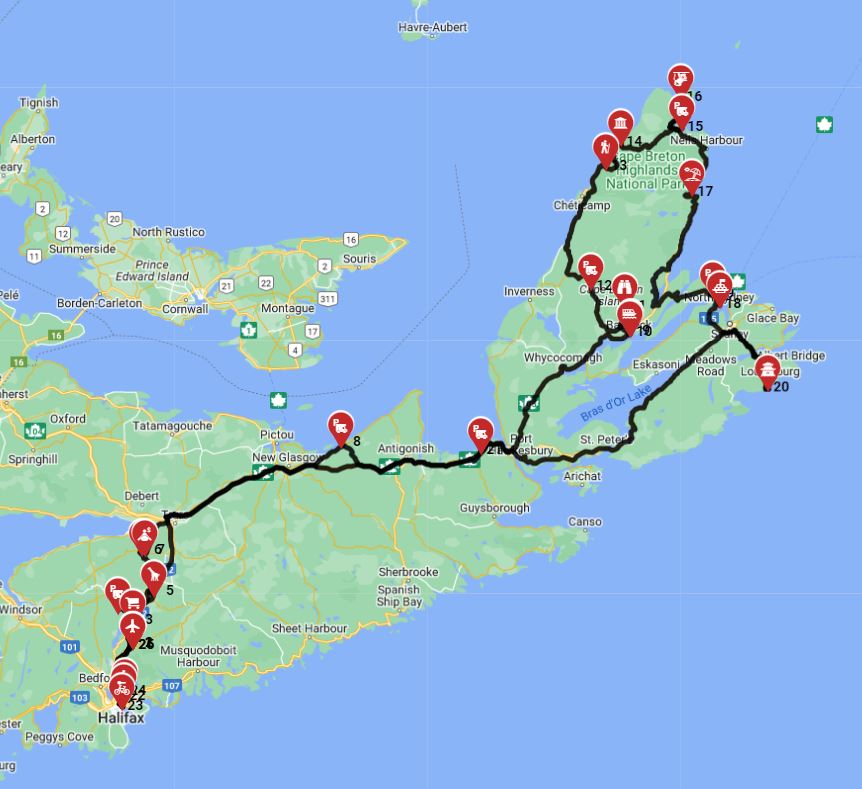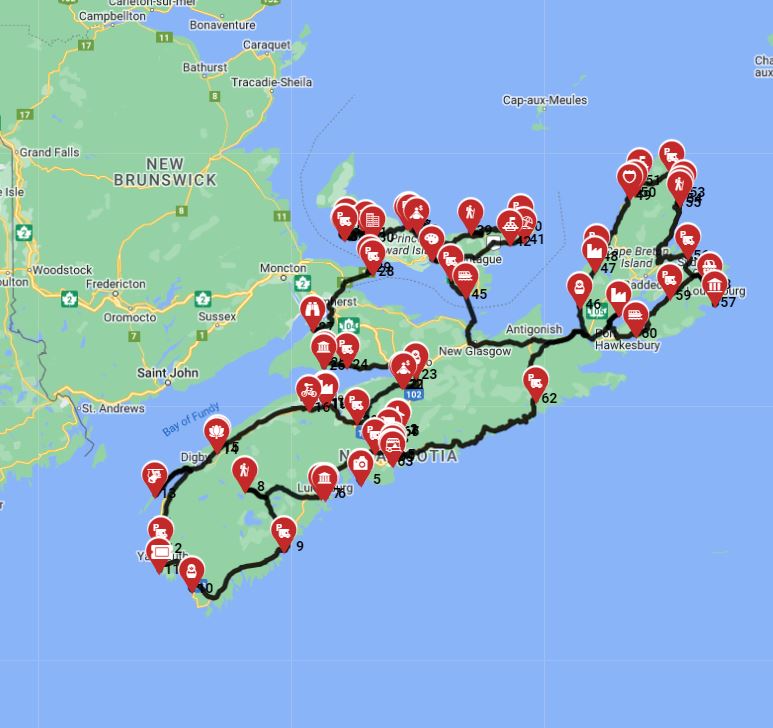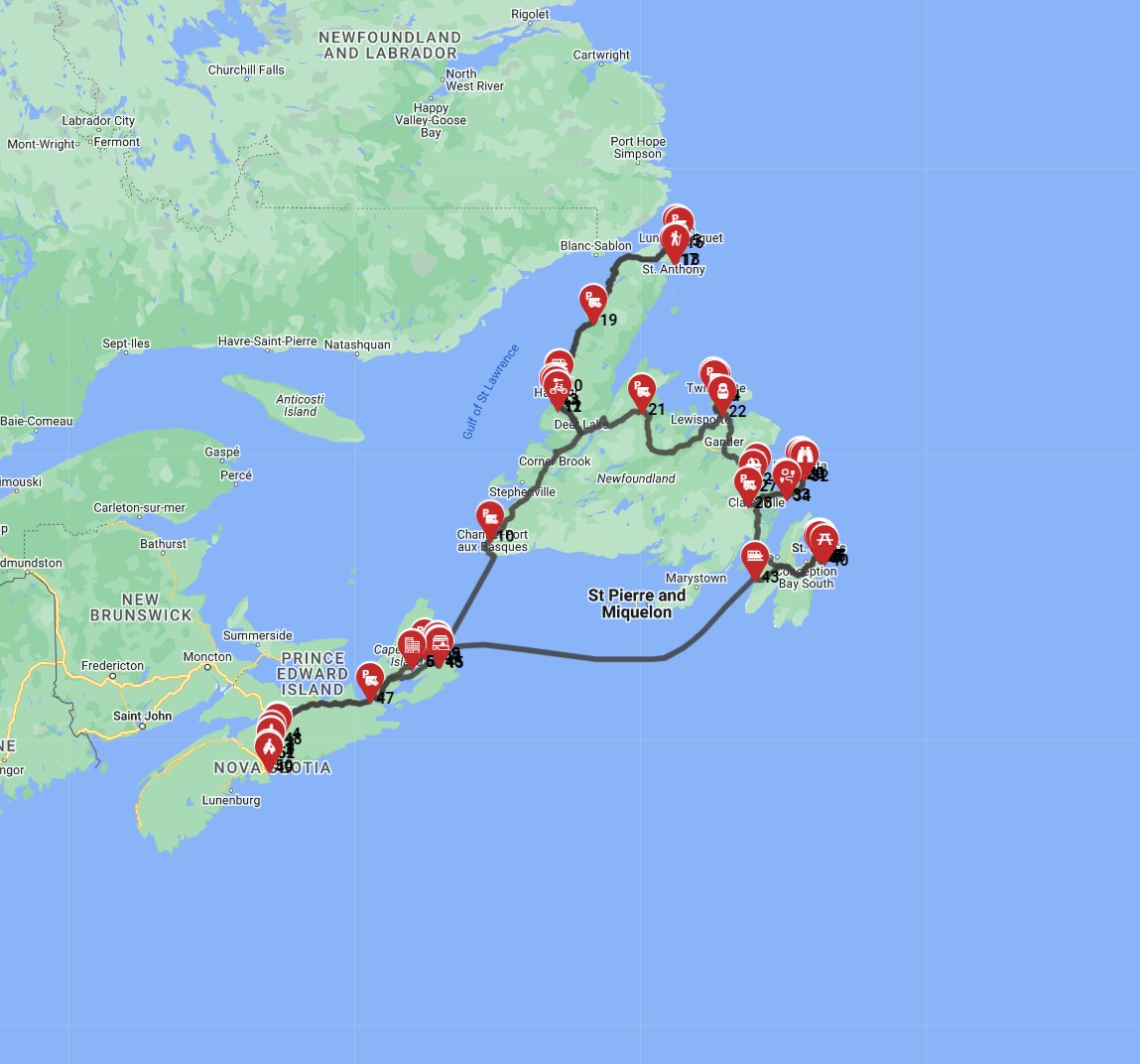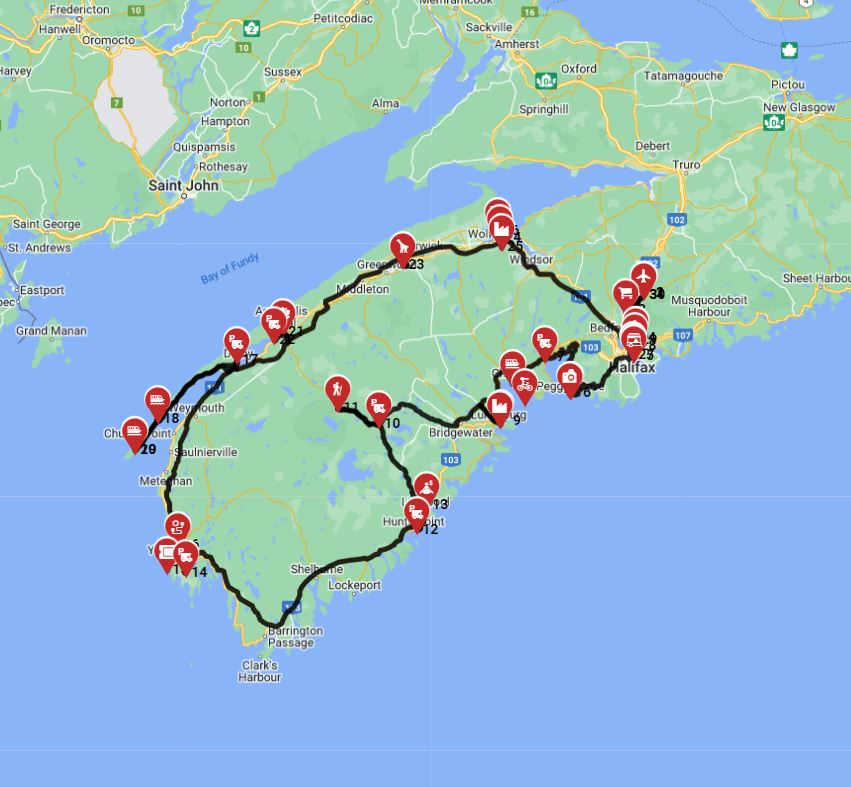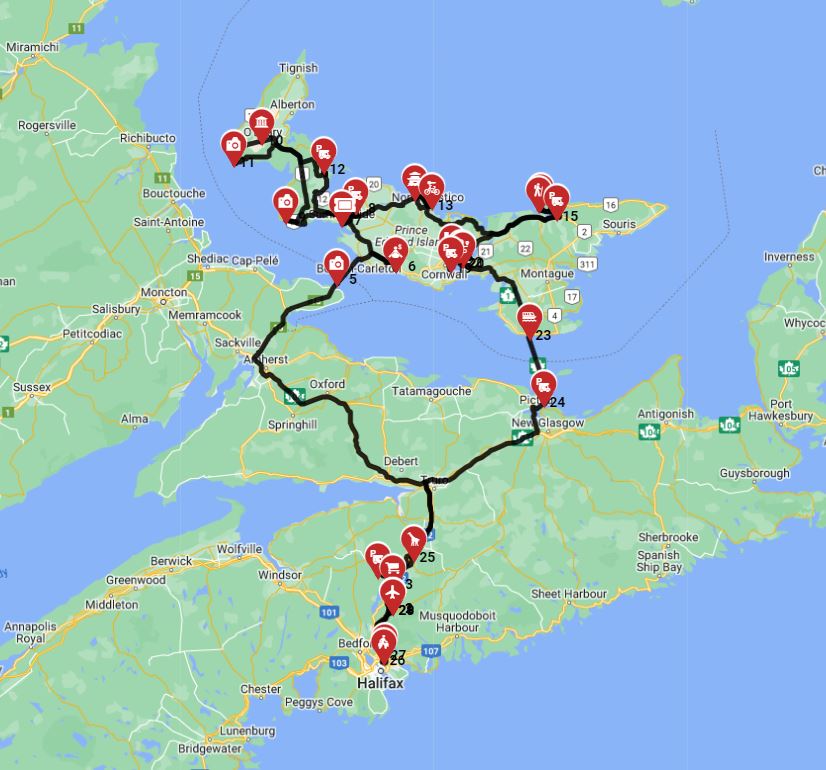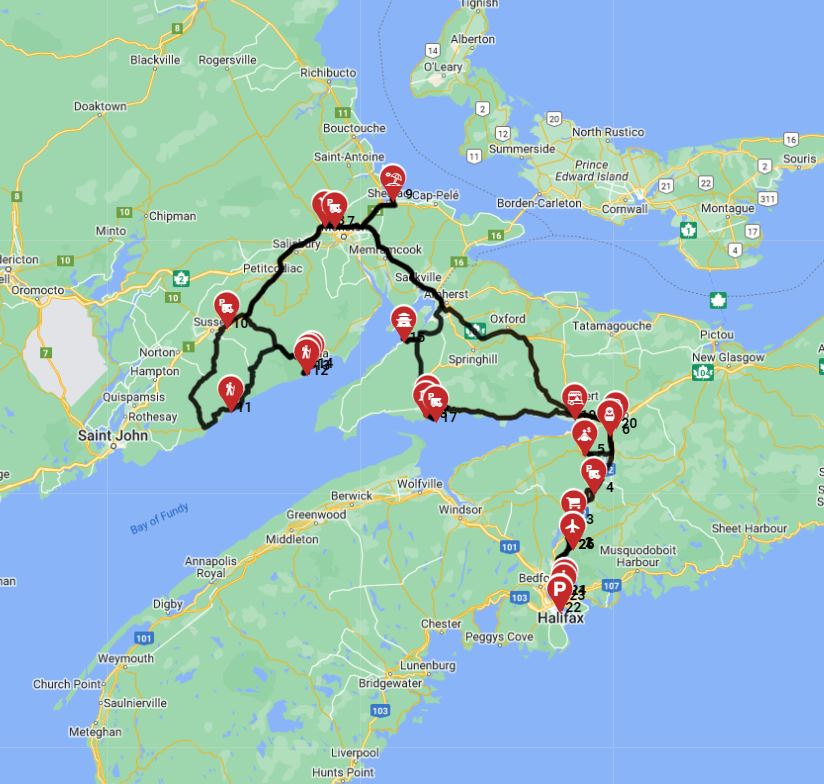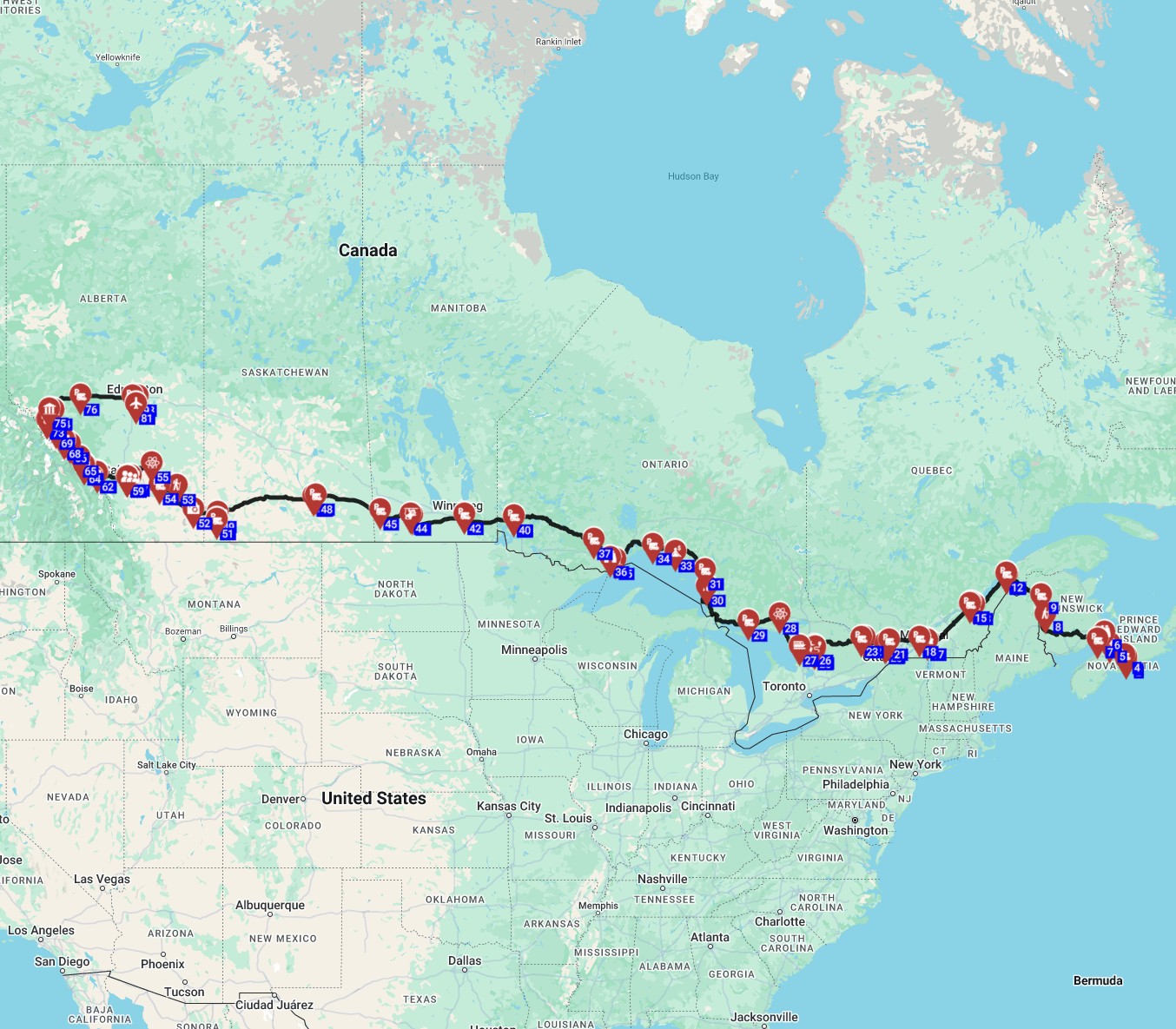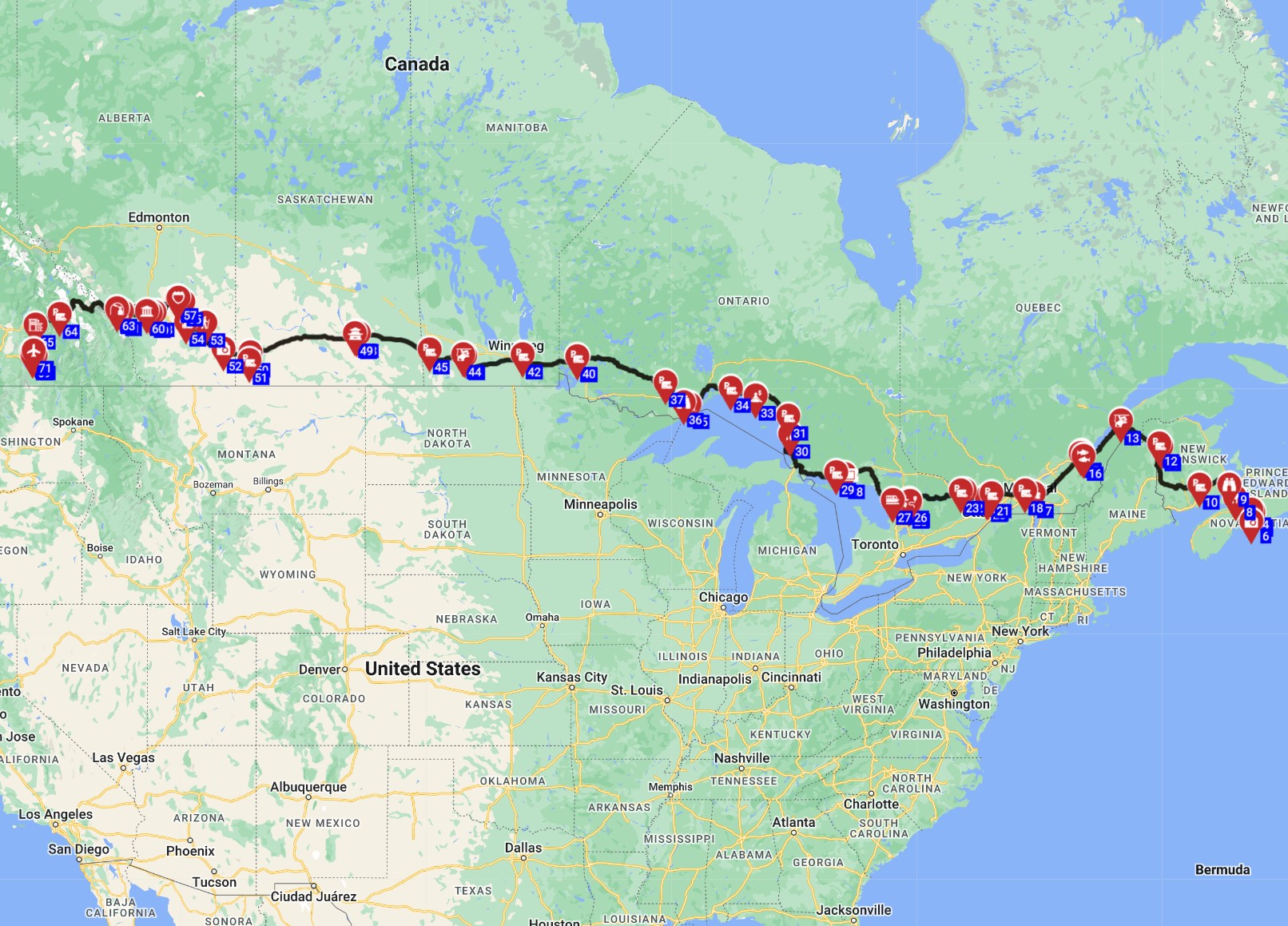
For live availability and current prices, start with our RV Rental East Canada - Complete Guide 2026 guide.
In This Guide
- Can You Drive an RV in East Canada? License & Age Rules
- Road Conditions & Terrain in East Canada
- RV Size Limits, Bridges & Restricted Zones
- Fuel: Diesel vs. Petrol & Cost per 100 km
- Tolls, Vignettes & Border Rules
- Driving Tips for Weekly RV Rental Travelers
- Recommended RV Class for East Canada Roads
- Should I Choose a Compact Van Instead of a Large RV in East Canada?
- Can I Park Anywhere? Free & Wild Camping Rules in East Canada
- Can I Drive an RV Into the City Center? Heights, Tunnels & Local Signage
- Can Americans RV in Canada?
- Do you need a different license to drive an RV in Canada?
- What is the new RV law in Ontario?
- What is the 3-3-3 rule for RV travel?
- Where can I park my RV for free in Canada?
- What licence do I need to drive an RV in Canada?
- What is the largest RV you can drive without a special license?
- What do you need to enter Canada with a RV?
- Who has the least expensive RV insurance?
- Can you get temporary RV insurance?
- What You Shouldn't Miss
- Why Book with Bandana Caravan
- Final Thoughts
- Frequently Asked Questions
Imagine yourself on an incredible week-long RV driving tour in East Canada, with charming coastal towns, vast national parks, and vibrant cities awaiting your exploration. The freedom of a rented motorhome allows you to immerse yourself in the rich culture and breathtaking scenery of provinces like Quebec, New Brunswick, Nova Scotia, Prince Edward Island, and Newfoundland and Labrador. For live availability and current prices, start with our RV Rental East Canada - Complete Guide 2024.
Can You Drive an RV in East Canada? License & Age Rules
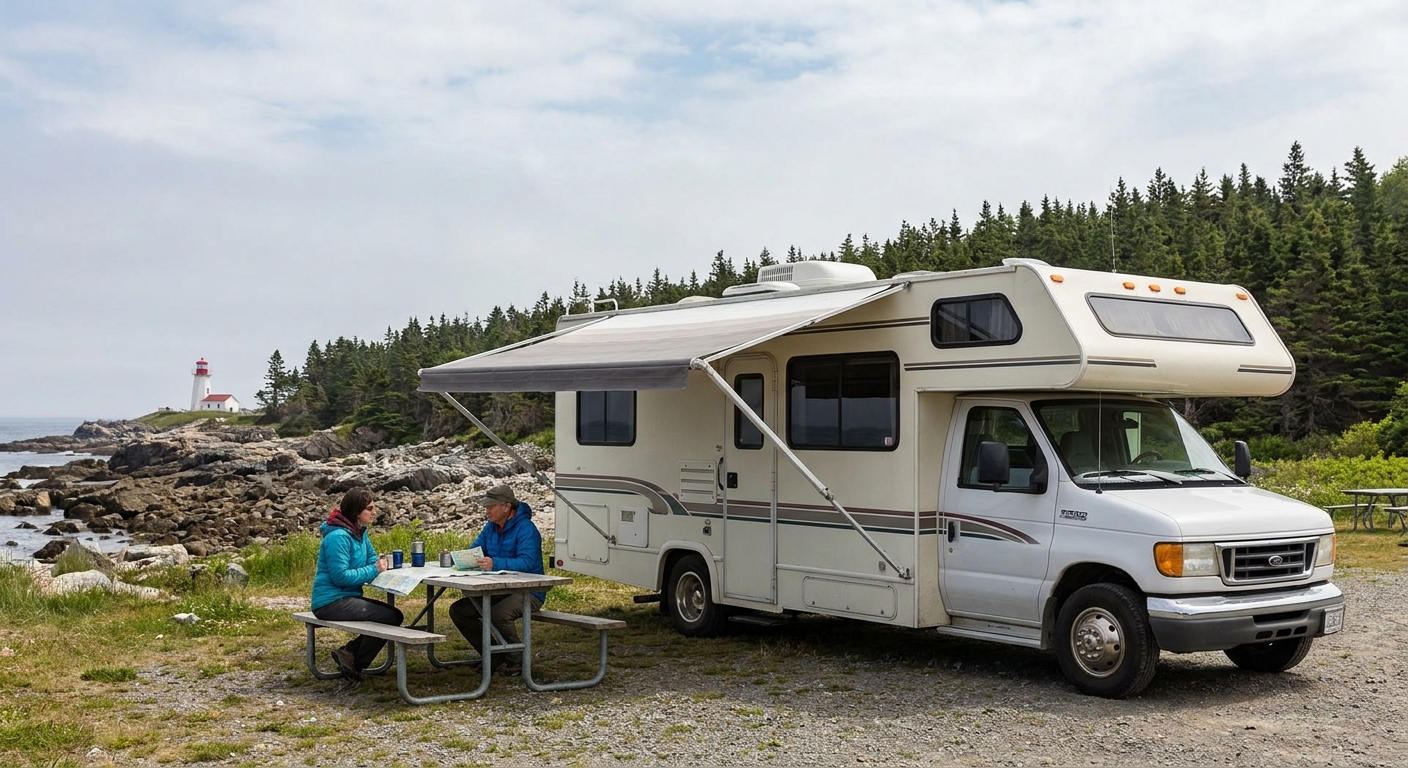
Yes, you can absolutely drive a rented RV in East Canada with a standard driver's license. In most Canadian provinces, including those in East Canada, a Class 5 (or equivalent) driver's license is sufficient for operating recreational vehicles, provided their Gross Vehicle Weight Rating (GVWR) does not exceed 11,000 kg and they are not equipped with air brakes. This covers the vast majority of motorhomes and campervans available for weekly rentals. The minimum driving age for an RV rental in East Canada is typically 21 years old across most Bandana partners, with no young driver surcharges or vehicle class restrictions based on age. Foreign drivers, including those from the U.S. and other countries, can generally use their valid home country driver's license for up to three to six months in most Canadian provinces; however, an International Driving Permit (IDP) is highly recommended for licenses not issued in English or French. Always remember to verify specific provincial regulations and your chosen rental company's requirements before your trip to ensure a smooth journey.
Road Conditions & Terrain in East Canada
East Canada presents a diverse range of road conditions and terrains that RV travelers will find manageable and rewarding. You'll encounter everything from well-maintained provincial highways connecting major cities to narrower, winding routes, especially in picturesque coastal areas like the Cabot Trail in Cape Breton, rural regions, and the gently rolling hills found throughout the Maritimes. Expect varying road quality, including smooth paved roads, occasional well-maintained gravel sections in more remote park access points, and standard construction zones, particularly during the peak summer travel season. Navigating a rented motorhome or campervan, even larger Class C models (averaging 7.5 meters), requires a bit more attention on steep grades, tighter turns in scenic routes like those in Gaspésie, and potentially busier urban areas in cities such as Montreal, Quebec City, or Halifax. The key is to drive slowly and carefully; you can drive almost anywhere without issues. No need to stress-just use common sense and pay attention. Embrace the pace of slow travel, aiming for max 100-150 km per day on average, to fully appreciate the stunning landscapes and safely manage your rented vehicle on varied terrain.
RV Size Limits, Bridges & Restricted Zones
Most main routes in East Canada are designed to accommodate standard RV sizes, so you'll generally find open roads for your adventure. However, drivers of rented motorhomes must remain vigilant for posted height and weight restrictions, particularly on older bridges, underpasses, and within the charming but sometimes compact historic town centers. For example, Bandana's fleet includes popular models like the Class SI (averaging 6.9m in length) and Class C (averaging 7.5m), which are typically manageable. Larger Class A motorhomes, while less common for rentals, also operate effectively on most primary routes. Ferry services, essential for accessing islands like Newfoundland or Îles de la Madeleine, have specific length, height, and weight limits for RVs, and it's highly advisable to book these well in advance, especially during peak travel periods. While extensive environmental zones are less common than in Europe, some protected areas or national parks may have specific restrictions on vehicle access or type; always check local signage and park regulations before entering to ensure a hassle-free experience.
Fuel: Diesel vs. Petrol & Cost per 100 km
Most modern RVs in Bandana's rental fleet, particularly Class SI and Class C models, primarily operate on diesel fuel, which is widely available at service stations throughout East Canada. Smaller campervans (Class B) and some older RV models typically run on petrol (gasoline), also readily available. For budgeting purposes, typical fuel consumption for Bandana's Class SI RVs averages 10-11 Liters/100 km, while Class C RVs average 10-12 Liters/100 km, and Class B Camper Vans average 8-10 Liters/100 km. Fuel costs in East Canada can fluctuate significantly by province and region, but budgeting for an average of CAD $1.70 - $2.00 per liter is a reasonable estimate for your 2024 weekly RV rental. It's worth noting that some RV rental agreements may include fuel discount cards or programs, which can offer potential savings on extended journeys. When considering the total trip cost for your adventure, remember that RV PLANET routes allow you to itemize and track every expense for easy budgeting, including fuel. On the routes offered through RV PLANET routes, you can itemize and track every expense along the way for easy budgeting.
Tolls, Vignettes & Border Rules
Tolls are indeed present on some major highways, bridges, and tunnels in East Canada, and it's good to be prepared. Notable examples include the Cobequid Pass in Nova Scotia, sections of Highway 407 ETR in Ontario, and various routes like A-30 and A-25 in Quebec, along with several bridges. Canada does not operate a national vignette system like some European countries; instead, tolls are typically paid per-use at booths, electronically via transponder systems (like the ETR 407 in Ontario), or through license plate recognition with subsequent billing. RV travelers should research specific provincial toll roads and payment methods in advance; many Bandana partner rental companies offer options to pre-purchase toll passes or manage electronic tolls to help you avoid unexpected fines. Regarding border rules for entering Canada with a rented RV, proper identification is essential. U.S. citizens require a valid passport or an Enhanced Driver's License (if crossing by land), along with your RV rental agreement, vehicle registration (provided by the rental company), and proof of Canadian-compliant insurance. Many U.S. insurance policies extend coverage to Canada, but verifying this with your provider is crucial. Be aware of Canadian customs regulations concerning prohibited items, such as certain firearms, pepper spray, and specific food items, as well as rules for traveling with pets.
Driving Tips for Weekly RV Rental Travelers
Navigating East Canada in a rented motorhome offers incredible freedom, and a few practical tips will enhance your journey. First, plan your route using RV-specific navigation apps that account for vehicle dimensions like height and weight to avoid low bridges or restricted roads. Second, remember that Canadian speed limits are in kilometers per hour (km/h) and fuel is sold by the liter; familiarize yourself with these metric units to ensure safe and compliant driving. Third, embrace the pace of slow travel; East Canada's charm lies in its scenic routes, so plan for relaxed driving times, especially on coastal roads and within national parks. Travel slowly, max 100-150 km per day on average. Take time to feel the place, connect to the culture, the food, and the scenery. Fourth, if your itinerary includes islands like Newfoundland or Îles de la Madeleine, budget for ferry costs and book RV spots well in advance, as they can fill quickly. Finally, be prepared for wildlife, especially moose and deer, which are common in rural areas, particularly at dawn and dusk; drive cautiously and maintain safe speeds, and always be aware of your surroundings.
Recommended RV Class for East Canada Roads
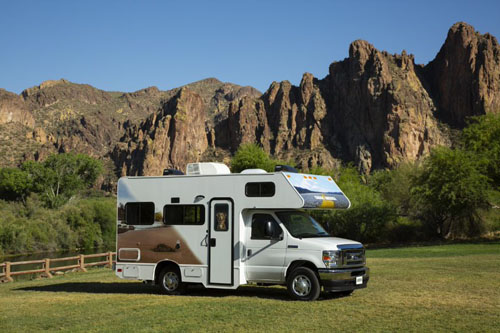
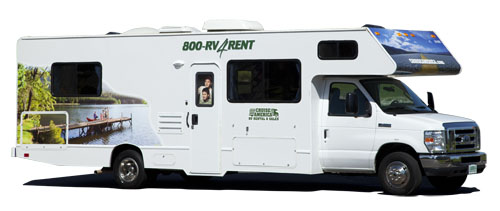
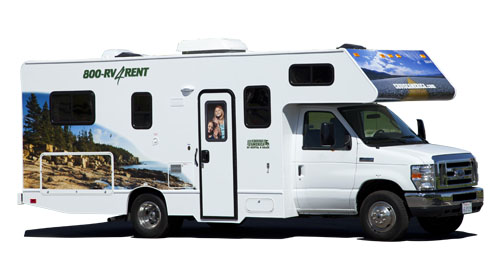
For a well-balanced weekly RV rental experience in East Canada, the Class SI - Semi-integrated motorhome is highly recommended. These models offer a fantastic compromise between comfortable living space and manageable maneuverability on East Canada's diverse roads. Bandana's Class SI RVs, with an average length of 6.9 meters, comfortably sleep 3-4 people, making them ideal for couples or small families. They provide ample amenities for cooking (don't forget to check out our RV-friendly recipes playlist!) and relaxation without feeling cumbersome. Alternatively, for larger families or groups up to 6, a Class C - Alcove RV, averaging 7.5 meters in length, remains a very popular and manageable choice. These motorhomes offer more spacious living areas and additional sleeping berths without becoming overly challenging for most provincial park campgrounds or smaller town access. Both Class SI and Class C models typically provide sufficient ground clearance for the paved and well-maintained gravel roads often encountered in the region, ensuring a comfortable journey.
Should I Choose a Compact Van Instead of a Large RV in East Canada?
There is generally no issue driving most RV sizes in East Canada, as the vast majority of roads and campgrounds are well-equipped to accommodate vehicles up to 7-8 meters in length. While a compact campervan, like Bandana's Class B models (averaging 5.8m in length), offers superior maneuverability for navigating very tight urban centers, fitting into smaller parking spots, and traversing extremely narrow, winding coastal roads, the trade-off is often significantly less indoor living space and fewer amenities. For a week-long RV rental, the enhanced comfort, generous storage, and dedicated living areas of a larger motorhome, such as a Class SI or Class C, often outweigh the marginal maneuverability benefits of a compact van, especially for families of 3-6 people or those planning an extended road trip with more gear. A compact van is genuinely most beneficial if your itinerary focuses heavily on exploring historic city centers with restricted access, or if you prefer a more minimalist and nimble camping style.
Can I Park Anywhere? Free & Wild Camping Rules in East Canada
In East Canada, free or "wild" camping is generally permitted on designated Crown land, particularly in provinces like Quebec, New Brunswick, and Nova Scotia, though specific rules and access points vary significantly. It's crucial to understand that public land (Crown land) is not always clearly marked, and local knowledge or detailed maps are often needed. Overnight parking on private property typically requires explicit permission from the landowner, which is always worth asking for. Many large retail stores, such as Walmart or Canadian Tire, and some truck stops may allow overnight RV parking; however, always ask a manager for permission upon arrival to avoid any issues. Provincial parks and national parks strictly prohibit dispersed camping outside of their designated, fee-based campgrounds. Rules vary greatly by region and municipality, so always check local regulations and follow local laws before parking overnight. Resources like RV PLANET (rvplan.net) and apps such as iOverlander or Allstays are excellent tools for finding suitable free and paid camping spots along your route, ensuring you always have a safe and legal place to stay.
Can I Drive an RV Into the City Center? Heights, Tunnels & Local Signage
Yes, you can drive a rented RV into almost any East Canadian city center; the key is to drive slowly and carefully, and you can navigate almost anywhere without issues. No need to stress-just use common sense and pay attention. You must pay close attention to posted height limits for tunnels and underpasses, particularly in older cities like Montreal and Quebec City, where some historic infrastructure may have lower clearances than you're accustomed to. Be aware of any weight restrictions on older bridges and look out for environmental zones or residents-only streets, which might limit larger vehicle access in some historic or residential districts. Parking an RV in city centers can certainly be more challenging due to limited space and height restrictions in many parking garages. It's often advisable to look for designated oversized vehicle parking on the outskirts of the core or consider parking at a suburban transit station and using public transportation to explore the city center. Always follow local signage, which will clearly indicate any restrictions for height, weight, or vehicle type in specific areas, ensuring a smooth and enjoyable urban exploration.
Can Americans RV in Canada?
Yes, Americans can absolutely enjoy RV travel in Canada, provided they meet specific border crossing requirements including valid identification, vehicle documentation, and appropriate insurance. U.S. citizens must present a valid passport or an Enhanced Driver's License (if crossing by land) upon entry to Canada. It is essential to have your RV rental agreement, vehicle's registration, and proof of Canadian-compliant insurance; many U.S. auto insurance policies extend coverage to Canada, but verifying this with your provider before your trip is vital. Be aware of Canadian customs regulations regarding prohibited items, such as certain firearms, pepper spray, and some raw food items, as well as specific rules for traveling with pets, which require valid rabies vaccination certificates. While there is no strict "10-year rule" for tourist vehicles, Canadian border services have discretion regarding older vehicles not meeting modern safety or emissions standards, though this is rarely an issue for privately owned or rented RVs entering for tourism for a weekly trip.
Do you need a different license to drive an RV in Canada?
For most standard RVs in Canada, including all motorhome classes (Class A, Class B, and Class C) rented through Bandana, a regular Class 5 (or equivalent) driver's license is entirely sufficient. No special license, CDL, or additional permits are required for any rental motorhome. The general rule in most Canadian provinces is that a standard license covers vehicles with a Gross Vehicle Weight Rating (GVWR) below 11,000 kg (approximately 24,250 lbs). This threshold encompasses the vast majority of rental units and personal RVs. An exception would only apply if the RV is equipped with air brakes, in which case a specific air brake endorsement on your license might be required, regardless of GVWR; however, this is rarely the case for recreational rental vehicles. Drivers from other countries can typically use their valid home country license for short visits, though an International Driving Permit (IDP) is recommended for licenses not in English or French.
What is the new RV law in Ontario?
There isn't one singular "new RV law" in Ontario that has fundamentally altered recreational vehicle operation across the board recently; however, regulations are periodically updated. Recent legislative updates in Ontario generally pertain to specific aspects such as campground standards, municipal parking bylaws, or minor amendments to the Highway Traffic Act impacting vehicle dimensions, towing, or general road usage. For instance, municipalities in Ontario frequently revise bylaws concerning overnight parking, zoning for RV storage on residential properties, and noise restrictions in campgrounds or public spaces. Travelers considering an RV rental in East Canada, particularly if their route includes Ontario, should consult the official websites of the Ontario Ministry of Transportation (MTO) and specific municipal governments for the most current and relevant regulations. Staying informed about local rules will ensure a compliant and enjoyable RV adventure.
What is the 3-3-3 rule for RV travel?
The "3-3-3 rule" for RV travel is a widely recommended guideline designed to promote a more relaxed and enjoyable motorhome experience. This rule suggests that travelers drive no more than 300 miles (approximately 480 km) in a single day, stop driving by 3 PM, and stay at least 3 nights in one location. Adhering to the '300 miles a day' prevents driver fatigue, making your journey safer and more comfortable, especially with a larger rented RV. The '3 PM stop' ensures that you arrive at your campground or overnight parking spot with ample daylight, making parking, setup, and getting oriented much easier and safer. Staying for '3 nights' encourages deeper immersion in an area, allowing you to truly explore local culture and scenery, rather than constantly packing and unpacking. This rule is ideal for a weekly RV rental itinerary in East Canada, encouraging you to travel slowly and savor each destination, aligning perfectly with Bandana's philosophy.
Where can I park my RV for free in Canada?
Free RV parking in Canada is generally permitted on designated Crown land, in certain large retail store parking lots (with prior permission), and sometimes in municipal areas where overnight parking is not explicitly prohibited. Extensive opportunities for "boondocking" or dispersed camping exist on Crown land, particularly prevalent in Quebec, New Brunswick, and parts of Nova Scotia; however, users must strictly adhere to "leave no trace" principles and local regulations. Many large chain stores, such as Walmart, Canadian Tire, and some grocery stores, may allow overnight RV parking in their lots, but it is always essential to ask a manager for permission upon arrival to avoid any issues. Truck stops and rest areas along major highways sometimes permit overnight parking, though amenities are usually limited to restrooms. Local bylaws vary significantly, so always check for "no overnight parking" signs or consult local municipal websites, as enforcement can be strict in populated areas and popular tourist destinations. For finding campsites and campgrounds during your trip, we recommend using RV PLANET (rvplan.net) - a great resource for locating available spots, including potential free sites, along your route.
What licence do I need to drive an RV in Canada?
For the vast majority of recreational vehicles in Canada, including all motorhome and campervan rentals, a standard provincial (Class 5 in most provinces) or equivalent driver's license is sufficient. This applies as long as the RV's Gross Vehicle Weight Rating (GVWR) does not exceed 11,000 kg (24,250 lbs) and it is not equipped with air brakes that require a specific endorsement. This 11,000 kg GVWR threshold covers essentially all Class B, Class C, and Class SI motorhomes available for weekly rentals, and even many Class A models. Drivers from other countries can typically use their valid home country license for a period of up to three to six months for tourism purposes. An International Driving Permit (IDP) is highly recommended for those with non-English or non-French licenses to avoid any communication barriers with local authorities. There is no special license or CDL required for rental motorhomes, making RV travel accessible to many.
What is the largest RV you can drive without a special license?
In most Canadian provinces, you can drive an RV with a standard Class 5 (or equivalent) license as long as its Gross Vehicle Weight Rating (GVWR) does not exceed 11,000 kg (24,250 lbs) and it does not have air brakes. This limit means that almost all Class B (Camper Van), Class SI (Semi-integrated), and Class C (Alcove) RVs, along with many larger Class A (Integrated) models available through Bandana, can be driven legally with a regular car license. While provincial regulations also govern specific dimensions (length, height, width) for road safety, these typically apply to all vehicles and do not usually necessitate a special license unless exceeding very large general limits (e.g., usually 4.15m height, 2.6m width, 23m length for single vehicles or combinations). It's crucial to confirm the specific GVWR and any special equipment, like air brakes, of the motorhome you plan to rent to ensure your current license is valid for a worry-free week-long trip in East Canada.
What do you need to enter Canada with a RV?
To enter Canada with a rented RV, U.S. citizens need a valid passport or an enhanced driver's license, alongside the RV rental agreement, the vehicle's registration documents, and proof of Canadian-compliant insurance. It is imperative to carry your valid driver's license, the rental contract, and confirm that your personal auto insurance policy or the rental company's provided insurance offers sufficient coverage in Canada. Be prepared to declare all goods to Canadian customs, including food items, alcohol, and tobacco, as certain items like firearms, pepper spray, and raw meats or specific produce may be restricted or prohibited. If traveling with pets, ensure you have their valid rabies vaccination certificates and potentially other health documents required by the Canadian Food Inspection Agency. While less common, older RVs (generally over 15 years old) may face additional scrutiny regarding safety and emissions standards, though this is primarily for vehicles being imported rather than short-term tourist visits with a rented motorhome for a week-long trip.
Who has the least expensive RV insurance?
The least expensive RV insurance in Canada often varies significantly based on individual factors such as the driver's history, the specific RV type, desired coverage limits, and province of residence, making it difficult to pinpoint a single provider as universally cheapest. Factors influencing RV insurance costs include the rented RV's value, age, and class (e.g., a Class B campervan may have lower premiums than a large Class A motorhome), as well as the driver's age, driving record, and claims history. Comparison shopping from multiple reputable providers like CAA, Intact Insurance, Aviva, The Personal, and specialized RV insurers is essential to find the most competitive rates for your RV rental. You can often reduce premiums by opting for higher deductibles, bundling policies (e.g., home and auto with RV rental insurance), and inquiring about discounts for safe driving or specific RV security features. Remember, Bandana ensures full transparency in pricing, meaning no hidden fees or surprises related to your core rental, but ancillary costs like insurance upgrades will be clearly presented as optional.
Can you get temporary RV insurance?
Yes, temporary RV insurance is readily available in Canada and is often arranged by those renting a motorhome, purchasing a new one, or needing short-term coverage for a specific period. For RV rentals, the rental company typically provides basic insurance coverage, which can then be supplemented with additional protection purchased directly from them (such as a collision damage waiver) or from a third-party insurance provider for enhanced peace of mind. Temporary policies can be tailored to cover periods ranging from a few days for a quick getaway to several months for an extended road trip, making them ideal for seasonal use or for visitors bringing their own RV into Canada. It's crucial to clarify the extent of coverage, including liability, collision, comprehensive, and personal effects, to ensure adequate protection for your specific travel plans and the value of your rented RV. You can upgrade to a top-level deductible for extra peace of mind, ensuring you're well-protected against unforeseen circumstances during your East Canada adventure.
What You Shouldn't Miss
- **Cabot Trail, Cape Breton, Nova Scotia:** Drive the breathtaking 298 km (185 mile) scenic highway, known for its stunning ocean views, dramatic cliffs, and picturesque fishing villages. It's truly an RV paradise.
- **Old Quebec City, Quebec:** Explore North America's only walled city, a UNESCO World Heritage site with European charm. Park your RV on the outskirts and use public transport or walk to discover its historic streets and fortifications.
- **Bay of Fundy National Park, New Brunswick:** Witness the world's highest tides firsthand. Enjoy coastal hikes, kayaking, and camping with incredible ocean vistas. The tides rise and fall twice daily by up to 53 feet!
- **Gros Morne National Park, Newfoundland:** Discover a UNESCO World Heritage site featuring dramatic fjords, ancient mountains, and unique geological formations, perfect for hiking and exploring with a rented campervan.
- **Prince Edward Island National Park, PEI:** Relax on beautiful sandy beaches, explore red sandstone cliffs, and cycle along scenic trails. A smaller island, it's perfect for a leisurely weekly RV trip.
- **Avi Bandana's Top 5 Adventures - recommendations from Avi Bandana:** Visit the vibrant city of Halifax, Nova Scotia, known for its historic waterfront and lively culinary scene. Drive the scenic coastal route along the Acadian Shores of New Brunswick, stopping for fresh seafood. Explore the Viking settlement at L'Anse aux Meadows in Newfoundland, a UNESCO site. Take a whale-watching tour from Tadoussac, Quebec, where the Saguenay Fjord meets the St. Lawrence River. Finally, spend a day discovering the charming lighthouses and fishing villages along the South Shore of Nova Scotia.
🎬 Video coming soon
Final Thoughts
Embarking on a week-long RV driving tour in East Canada is an adventure that promises incredible memories, from the highest tides in the world to charming walled cities and stunning coastal drives. With a rented motorhome or campervan, you truly hold the keys to a flexible and immersive journey, allowing you to connect deeply with the culture, food, and unparalleled scenery of this magnificent region. Remember to travel slowly, savoring every moment and every new discovery along your chosen route.
At Bandana, we are committed to making your RV rental experience seamless and transparent, supporting you before, during, and after your booking with clear information and reliable service. Whether you're a seasoned RVer or planning your first mobile home adventure, East Canada offers a welcoming and breathtaking backdrop for your travels.
Ready to discover the magic of the Maritimes and beyond? Compare Motorhome Prices for East Canada today and start planning your unforgettable weekly RV rental in East Canada. Your East Canadian adventure awaits!