For live availability and current prices, start with our RV Rental Texas - Complete Guide 2026 guide.
In This Guide
- The 5 RV Families Compared for Texas
- Class A (Integrated) - Best For
- Price Comparison by RV Class in Texas
- Class SI (Semi-Integrated) - Best For
- Class C (Alcove) - Best For
- Class B (Campervan) - Best For
- Class TC (Truck Camper) - Best For
- Side-by-Side Comparison Table
- Our Recommendation for Short-Trip RV Travelers in Texas
- How much does it cost to RV in Texas
- Where can I RV for free in Texas
- What is the best month to RV in Texas
- Is Texas RV Friendly
- What is the best RV for Texas roads
- Is it illegal to sleep in your RV anywhere in Texas
- Can you RV on Texas beaches
- What You Shouldn't Miss
- Why Book with Bandana Caravan
- Final Thoughts
- Frequently Asked Questions
Embarking on a short-term RV adventure in Texas offers unparalleled freedom to explore its diverse landscapes, from sun-kissed beaches to rugged desert mountains. Texas, the second-largest state in the USA, presents a unique opportunity for travelers seeking a quick getaway with the comforts of home on wheels. For live availability and current prices, start with our RV Rental Texas - Complete Guide 2024 guide, which provides extensive details on planning your adventure.
The 5 RV Families Compared for Texas
RV family choice in Texas is critical for matching the state's varied terrain, climate, and planned trip length, ensuring your short-term rental is perfectly suited for your adventure. Considering your group size and activity plans is paramount when selecting your ideal motorhome or campervan for a quick RV rental. Texas's immense size and diverse landscapes, ranging from the Gulf Coast to its sprawling deserts, significantly impact the optimal RV size and features needed for a comfortable and efficient journey. Whether you're looking for a cozy campervan for two or a spacious motorhome for a family, understanding the characteristics of each class will help you make an informed decision for your short Texas trip.Class A (Integrated) - Best For
Class A motorhomes are ideal for larger groups or families seeking maximum comfort and amenities on a short RV rental in Texas. These spacious vehicles, typically averaging 7.5 meters (24.6 feet) in length and comfortably sleeping 4-6 people, offer a luxurious "home-on-wheels" experience with ample living space, a full kitchen, and a private bathroom. Class A motorhomes are best suited for established RV parks with full hookups due to their size and higher fuel consumption, which usually ranges from 20-25 Liters/100 km (9.4-11.7 MPG), providing generous space for relaxation after exploring Texas attractions. While offering extensive living areas and impressive load capacities (averaging 209.5 kg or 462 lbs), their larger dimensions can be challenging for navigating tight spots or less developed roads found in some Texas state parks, and their rental costs are generally higher compared to other classes.🎬 Video coming soon
Price Comparison by RV Class in Texas
RV rental prices in Texas are dynamic, changing daily based on RV class, rental duration (e.g., short-term vs. extended trips), seasonality, and supplier marketing decisions. Because pricing operates on a flexible rate model, the final cost for a motorhome or campervan rental in Texas is determined at the actual booking time. Generally, smaller, more fuel-efficient RVs like Class B campervans or Class TC (Truck Camper) units tend to be more budget-friendly for short-term rentals, often starting from around $100-$180 per day during off-peak seasons. In contrast, larger Class A or Class C motorhomes, while offering more space and amenities, typically come with a higher rental fee, which can range from $180 to over $350 per day, especially during peak travel times. For more detailed pricing insights, explore our "RV Rental in Texas - Prices and Best Deals 2024" guide.Class SI (Semi-Integrated) - Best For
Class SI (Semi-integrated) motorhomes offer a balanced blend of comfort, maneuverability, and efficiency, making them excellent for short RV rentals in Texas. These vehicles, with an average length of 6.9 meters (22.6 feet) and sleeping 2-4 people, are easier to drive than larger Class A motorhomes but more spacious than compact Class B campervans. They are well-suited for small families or couples seeking a comfortable base for exploring Texas's diverse landscapes, from the rugged Big Bend National Park to the serene Gulf Coast, with a moderate fuel consumption typically ranging from 10-11 Liters/100 km (21-23.5 MPG). Class SI vehicles provide good living space, a compact kitchen for preparing meals (check out our RV-friendly recipes playlist for inspiration), and an average load capacity of 72.2 kg (159 lbs), making them a versatile option for both urban excursions to cities like Houston and Dallas and visits to state parks, often outperforming larger RVs in accessibility and smaller ones in comfort.Class C (Alcove) - Best For
Class C (Alcove) motorhomes are highly popular for short RV rentals in Texas, especially for families, due to their practical design and cost-efficiency. These RVs typically average 7.5 meters (24.6 feet) in length and comfortably sleep 4-6 people, with the signature over-cab bunk providing extra sleeping space ideal for children or additional guests. They are well-suited for Texas road trips, offering a good balance of living space, ease of driving, and moderate fuel consumption, usually around 10-12 Liters/100 km (19.6-23.5 MPG). A rented Class C's average load capacity of 42.4 kg (93 lbs) is sufficient for a quick trip's gear, making them a dependable and accessible choice for exploring Texas state parks, numerous lakes, and diverse attractions without the bulk of a Class A. Many of our partner suppliers, like Cruise America and El Monte, offer robust Class C options.Class B (Campervan) - Best For
Class B campervans are ideal for solo travelers or couples seeking ultimate maneuverability, fuel economy, and a minimalist adventure for a short RV rental in Texas. These compact RVs, with an average length of 5.8 meters (19 feet) and sleeping 2-3 people, can navigate city streets and tight parking spots with ease, much like a standard vehicle. Their excellent fuel efficiency, typically around 10 Liters/100 km (23.5 MPG), makes them economical for covering long distances across Texas's vast plains or for quick trips to national and state parks near cities like Austin and San Antonio. While offering less interior space and a smaller load capacity (averaging 37 kg or 81 lbs) compared to larger classes, campervans provide a nimble and intimate way to experience Texas's natural beauty and urban centers, perfect for those prioritizing flexibility over expansive amenities for their quick getaway.Class TC (Truck Camper) - Best For
Class TC (Truck Camper) units are excellent for adventurous short-term RV renters in Texas who prioritize flexibility, off-grid capability, and access to rugged terrain. These compact units, averaging 5.5 meters (18 feet) in length and sleeping 2-3 people, mount directly onto a pickup truck, allowing for detachment and use of the truck for daily excursions. Truck campers are uniquely suited for exploring Texas's more remote areas, such as dispersed camping spots in national forests or rougher roads leading to hidden gems like those near Big Bend National Park, offering superior off-road capability compared to integrated motorhomes. While they have a higher fuel consumption, typically 12-17 Liters/100 km (13.8-19.6 MPG), and generally less interior space than other classes, their versatility and ability to access challenging sites make them perfect for campers seeking a true Texas adventure beyond paved campgrounds, especially for smaller groups.Side-by-Side Comparison Table
This table provides a quick overview of the main RV classes available for rent in Texas, highlighting key specifications to help inform your choice for a short trip. Compare average lengths, sleeping capacities, fuel efficiency, and ideal use cases to find the perfect rented RV for your Texas quick getaway. Remember that these are averages, and specific models from suppliers like Apollo and Britz may vary.| RV Class | Average Length | Sleeping Capacity | Fuel Consumption (L/100 km) | Ideal For |
|---|---|---|---|---|
| Class A (Integrated) | 7.5 meters (24.6 feet) | 4-6 people | 20-25 | Luxury, large groups, full-service RV resorts |
| Class SI (Semi-Integrated) | 6.9 meters (22.6 feet) | 2-4 people | 10-11 | Couples, small families, balanced comfort & maneuverability |
| Class C (Alcove) | 7.5 meters (24.6 feet) | 4-6 people | 10-12 | Families, good balance of space & drivability |
| Class B (Campervan) | 5.8 meters (19 feet) | 2-3 people | 10 | Solo travelers, couples, urban exploration, maximum agility |
| Class TC (Truck Camper) | 5.5 meters (18 feet) | 2-3 people | 12-17 | Adventurers, off-grid camping, rugged terrain access |
Our Recommendation for Short-Trip RV Travelers in Texas
For most short-term RV rental travelers in Texas, a Class C (Alcove) motorhome is our primary recommendation due to its versatility. Its excellent balance of comfort, spaciousness for families (comfortably sleeping 4-6 people), relative ease of driving on Texas's varied roads, and cost-effectiveness make it an ideal choice for a quick getaway to destinations like Austin or the Gulf Coast. The dedicated sleeping space over the cab is a significant advantage for families or small groups looking to maximize living area during their trip. A strong runner-up, especially for solo travelers or couples, is the Class B (Campervan) for its superior maneuverability, excellent fuel efficiency, and the flexibility to explore both urban and natural Texas landscapes with ease. When considering a longer trip, like a "Weekly RV Rental in Texas - Pricing 2024", these recommendations still hold strong.How much does it cost to RV in Texas
The overall cost to RV in Texas for a short trip extends beyond the initial rental fee, encompassing significant expenses like fuel, campground fees, food, and activity costs. Fuel costs can be substantial given Texas's vast distances, as a motorhome's typical fuel consumption ranges from 10-17 Liters/100 km (13.8-23.5 MPG) depending on the vehicle class and driving conditions. Campground fees in Texas can vary widely, from free dispersed camping options to $50+ per night for full-service RV resorts with extensive amenities, so careful budgeting for these is essential. Additional expenses might include propane for cooking and heating, dumping fees at non-campground facilities, national or state park entrance fees, tolls on certain highways (like those around Houston and Dallas), and groceries. To help travelers itemize and track every expense along the way for easy budgeting, we highly recommend planning your route using RV PLANET routes. For more in-depth budgeting, check our "Cheap RV Rental in Texas - Budget Guide 2024".Where can I RV for free in Texas
You can find opportunities to RV for free in Texas through dispersed camping on federal lands, notably in designated areas within National Forests and Grasslands, adhering strictly to 'leave no trace' principles. For example, parts of Sam Houston National Forest permit free primitive camping. Texas also offers free primitive campsites in some State Parks, though these may require reservations or day-use fees for park entry. Boondocking is often permitted on Bureau of Land Management (BLM) lands, particularly in vast West Texas regions, which provides open spaces for self-sufficient RVers. Furthermore, some private businesses like Walmart and Cracker Barrel may allow overnight RV parking with prior permission, serving as convenient one-night stops, though amenities are limited to non-existent. Always confirm local regulations and permissions before settling down.What is the best month to RV in Texas
The best months to RV in Texas are typically spring (March to May) and fall (September to November), offering mild temperatures and comfortable conditions for outdoor activities across most of the state. Spring brings vibrant wildflowers and pleasant weather, ideal for exploring state parks and natural areas before summer's intense heat arrives. Fall provides cooler temperatures perfect for hiking, visiting major cities like Austin without sweltering conditions, and experiencing various regional festivals. Summer (June to August) can be extremely hot, especially in West Texas, making coastal areas or destinations with water activities like Lake Texoma more appealing, while winters (December to February) are generally mild but can have occasional cold snaps, particularly in the panhandle.Is Texas RV Friendly
Texas is considered very RV-friendly due to its expansive road network, numerous state and national parks, and a welcoming culture for RVers. The state boasts a wide variety of RV parks and campgrounds, from luxurious resorts with extensive amenities to rustic state park sites, catering to all preferences for a short or extended stay. Texas's vast size means plenty of open roads suitable for all RV sizes; drive slowly and carefully, and you can drive almost anywhere without issues. No need to stress - just use common sense and pay attention. With diverse landscapes ranging from Gulf Coast beaches to Hill Country forests and West Texas deserts, RVers can find endless exploration opportunities year-round, making it a prime destination for motorhome travel. For those planning a broader adventure, our "RV Rental USA - Complete Guide 2024" offers an excellent overview.What is the best RV for Texas roads
The best RV for Texas roads largely depends on your destination and travel style, but Class C and Class SI motorhomes offer a versatile balance for the state's diverse conditions. For general highway travel and accessibility to most state parks (like Big Bend Ranch State Park or Enchanted Rock State Natural Area), Class C (Alcove) and Class SI (Semi-integrated) RVs provide comfortable living space without being overly difficult to maneuver on longer stretches of road. If you plan to explore rugged terrain or remote natural areas, a Class TC (Truck Camper) or a smaller, more robust Class B (Campervan) might be more suitable due to their off-road capabilities and compact size. For city driving or navigating smaller towns like Denton or McKinney, Class B campervans offer the most agility, while larger Class A motorhomes are best suited for main highways and established RV resorts.Is it illegal to sleep in your RV anywhere in Texas
It is generally illegal to sleep in your rented RV anywhere in Texas unless you are in a designated campground, private property with permission, or specific areas explicitly allowing overnight parking. Texas state and city laws prohibit overnight parking or camping on public streets, rest stops, and most city parks unless explicitly stated otherwise by local ordinances in cities like Austin or Houston. Dispersed camping, however, is allowed in some National Forests and Grasslands (like Angelina National Forest) and Bureau of Land Management (BLM) lands, provided you follow all regulations and 'leave no trace' principles. Always check local ordinances and property rules before parking for the night, as unauthorized overnight stays can result in fines.Can you RV on Texas beaches
Yes, you can RV on certain Texas beaches, particularly along the Padre Island National Seashore and some designated stretches of Gulf Coast beaches in areas like Galveston and Port Aransas. Padre Island National Seashore allows primitive beach camping, with specific zones and regulations that often require 4x4 vehicles for access to more remote areas of its 70+ miles of undeveloped coastline. Many local communities along the Texas coast have designated areas where beach camping or driving is permitted, sometimes requiring a small pass or permit, which can be purchased locally for a nominal fee. Always check specific beach regulations, tide schedules, and permit requirements before driving or camping on any Texas beach, as rules can vary by location and time of year to ensure safety and environmental protection.What You Shouldn't Miss
Texas offers an incredible array of experiences for every RV traveler, whether you're on a quick trip or an extended adventure. Here are some must-do experiences to add to your route plans:- Explore the unique geological formations and dark skies of Big Bend National Park and the neighboring Big Bend Ranch State Park for unparalleled hiking and stargazing.
- Experience the vibrant live music scene in Austin, then escape to the natural swimming holes of the nearby Texas Hill Country.
- Relax on the sandy shores of Padre Island National Seashore, with the rare opportunity to camp directly on the beach itself.
- Immerse yourself in history at the Alamo and other Spanish missions in San Antonio, followed by a stroll along the picturesque Riverwalk.
- Discover the quirky roadside art of Cadillac Ranch near Amarillo, where you can leave your mark on the iconic spray-painted cars.
- Enjoy fishing, boating, and watersports at one of Texas's many large lakes, such as Lake Texoma or Toledo Bend Reservoir, perfect for family fun.
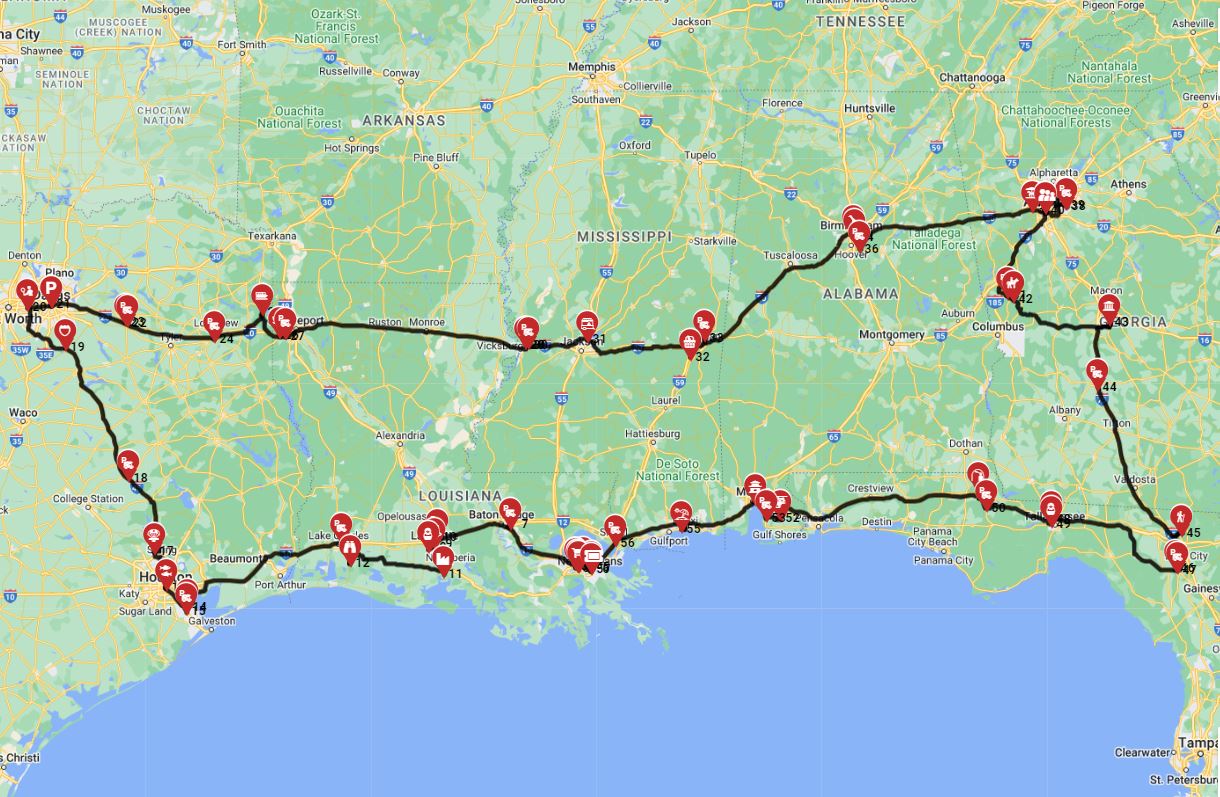
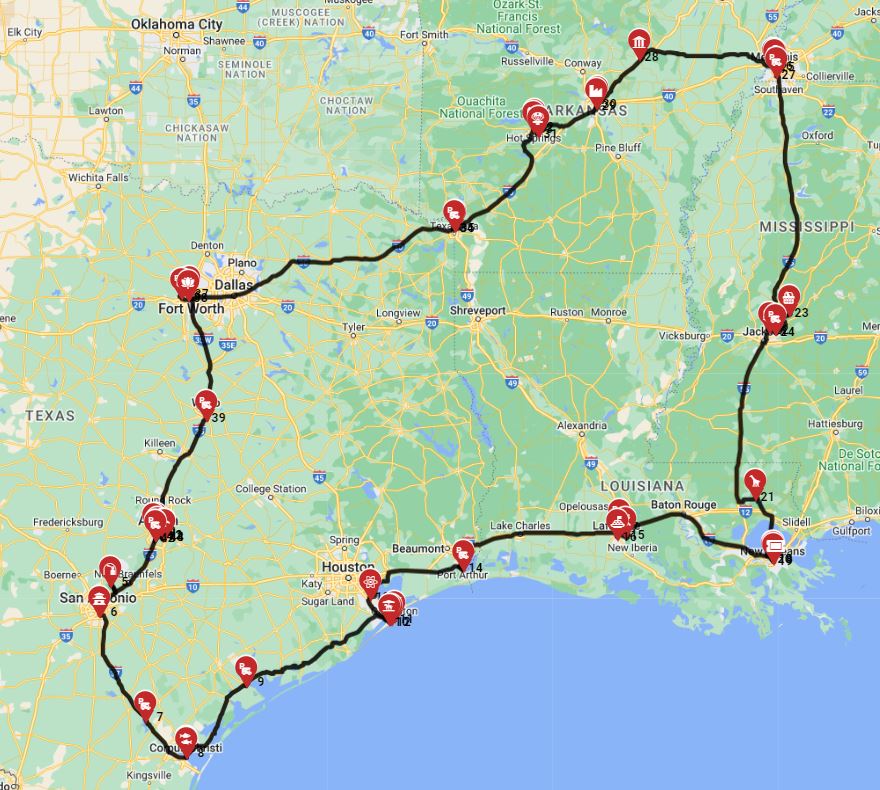
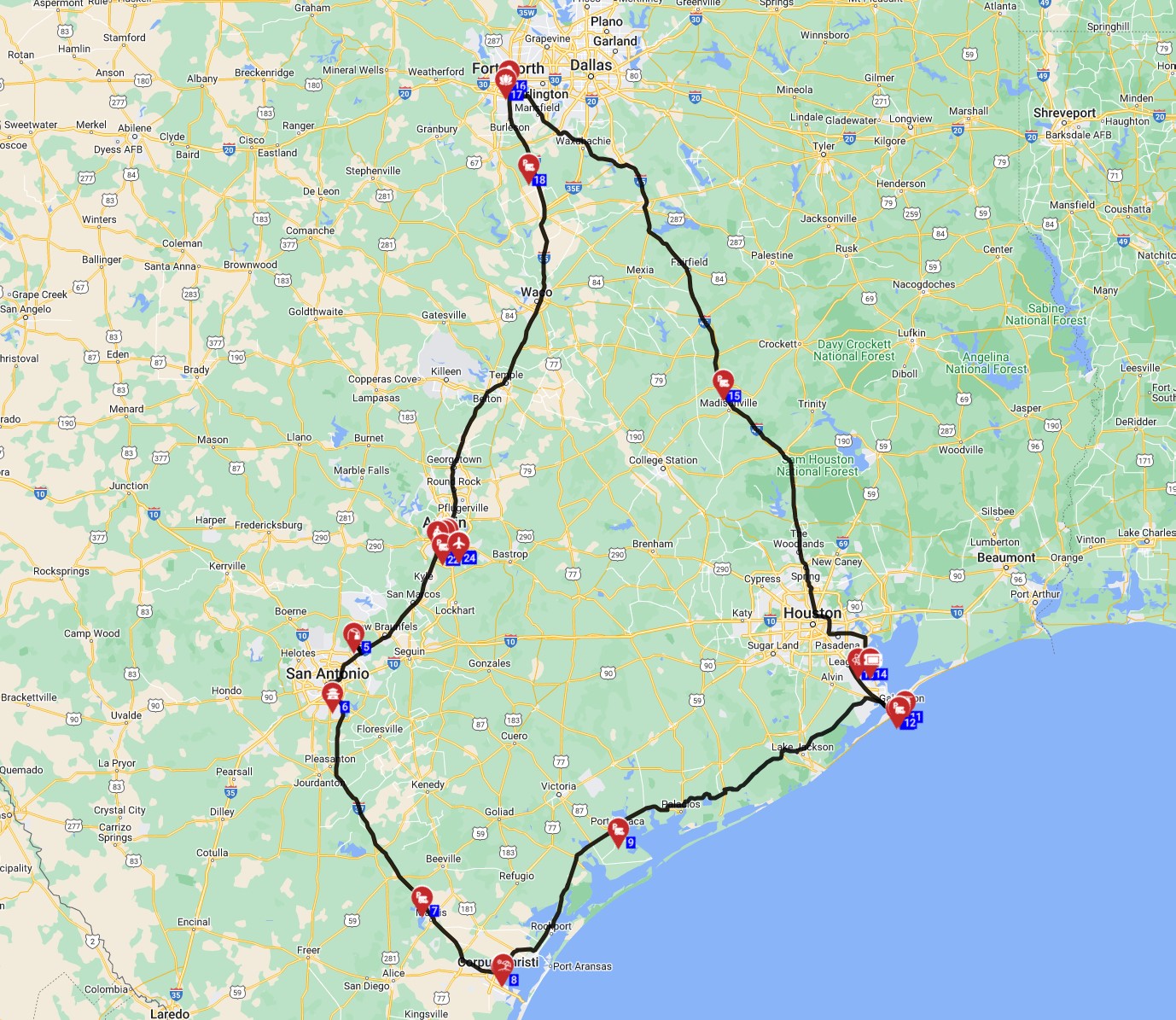
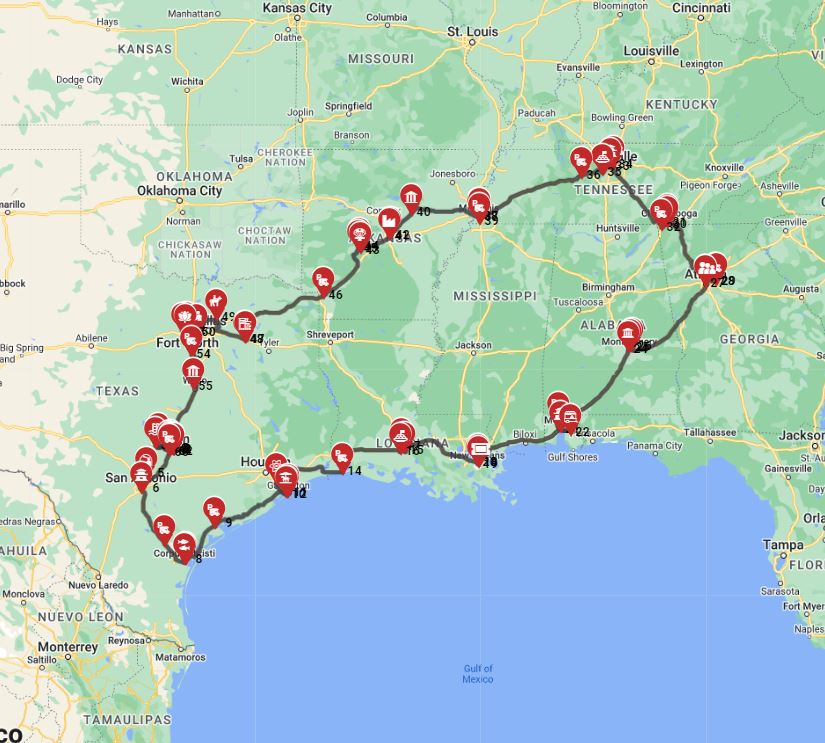
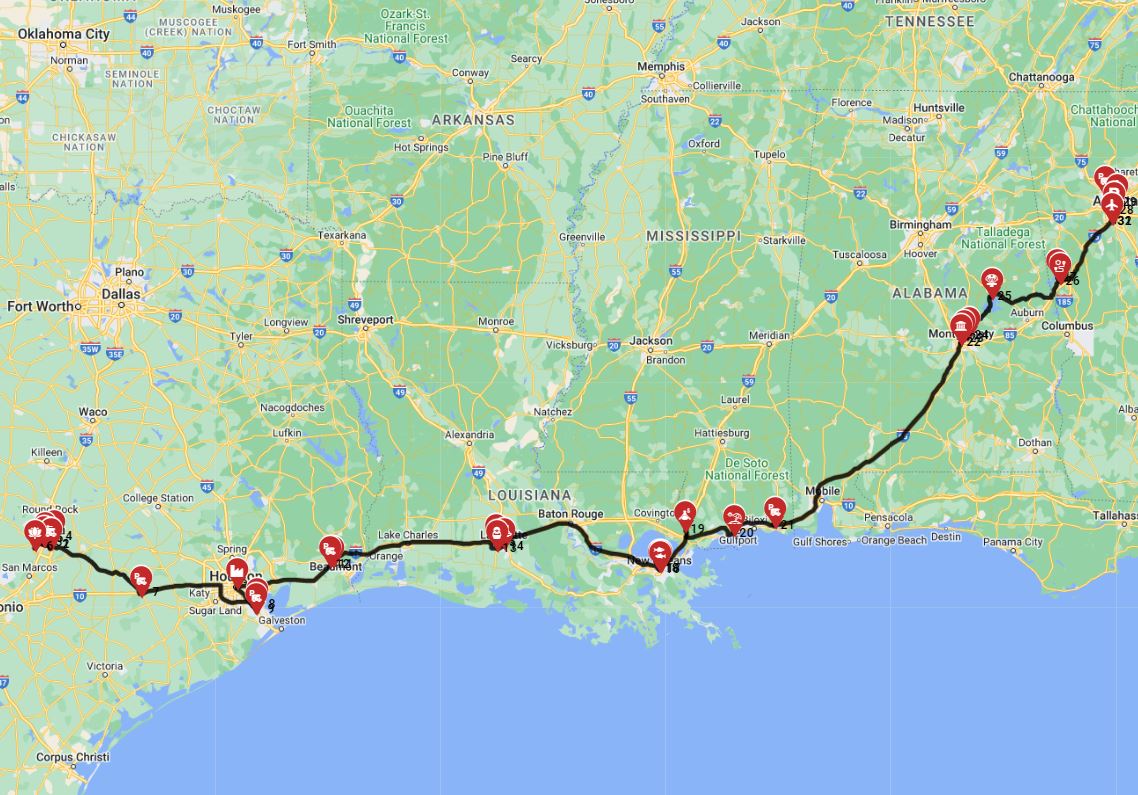
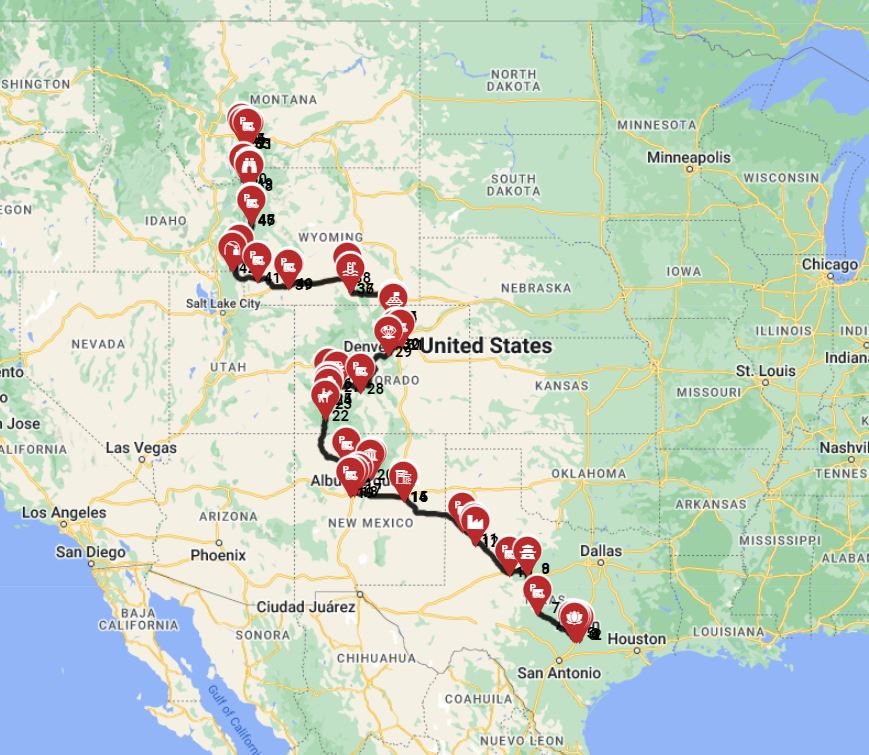
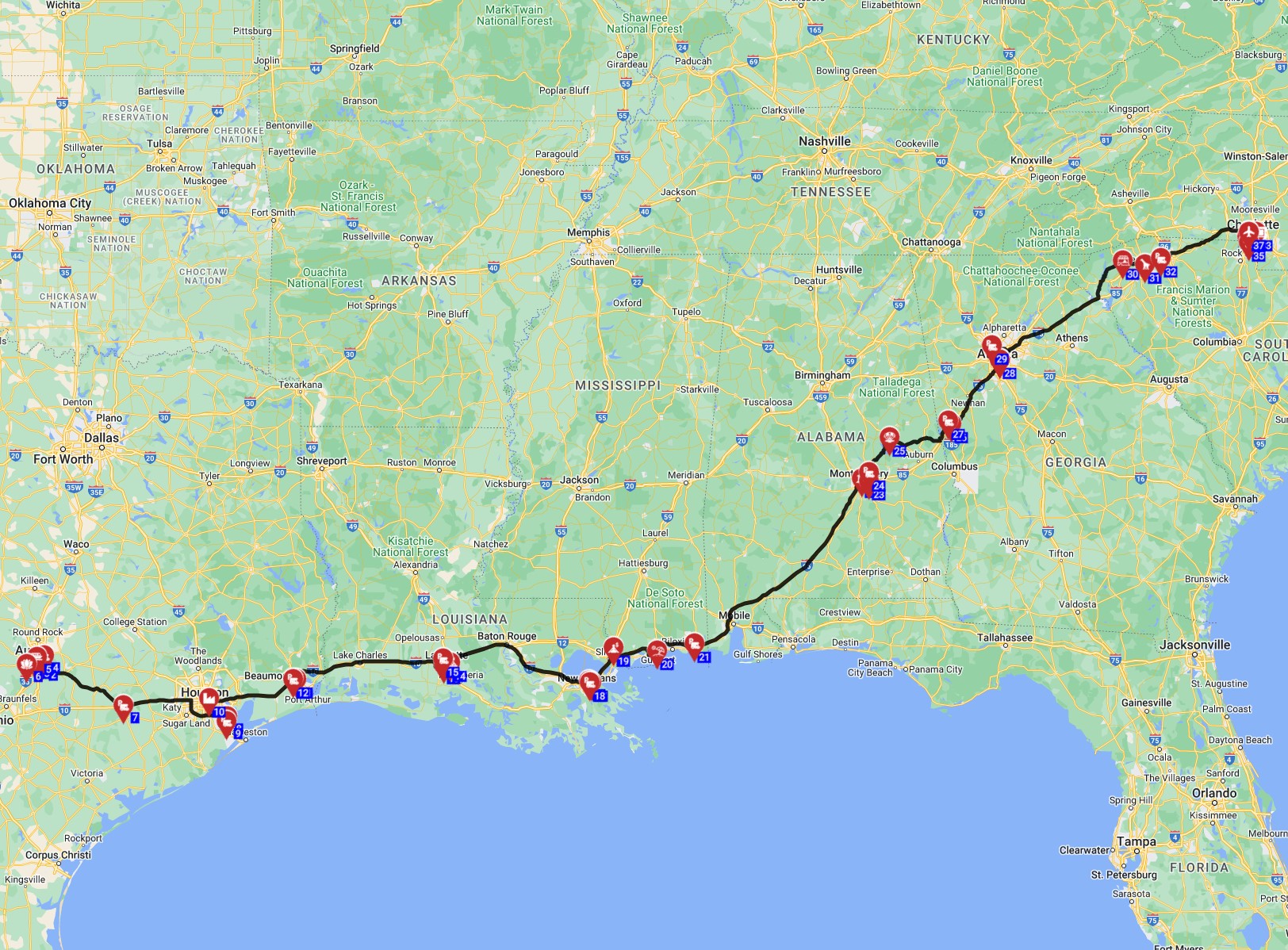
New Orleans roundtrip - New Orleans to the Heart of Texas and Beyond

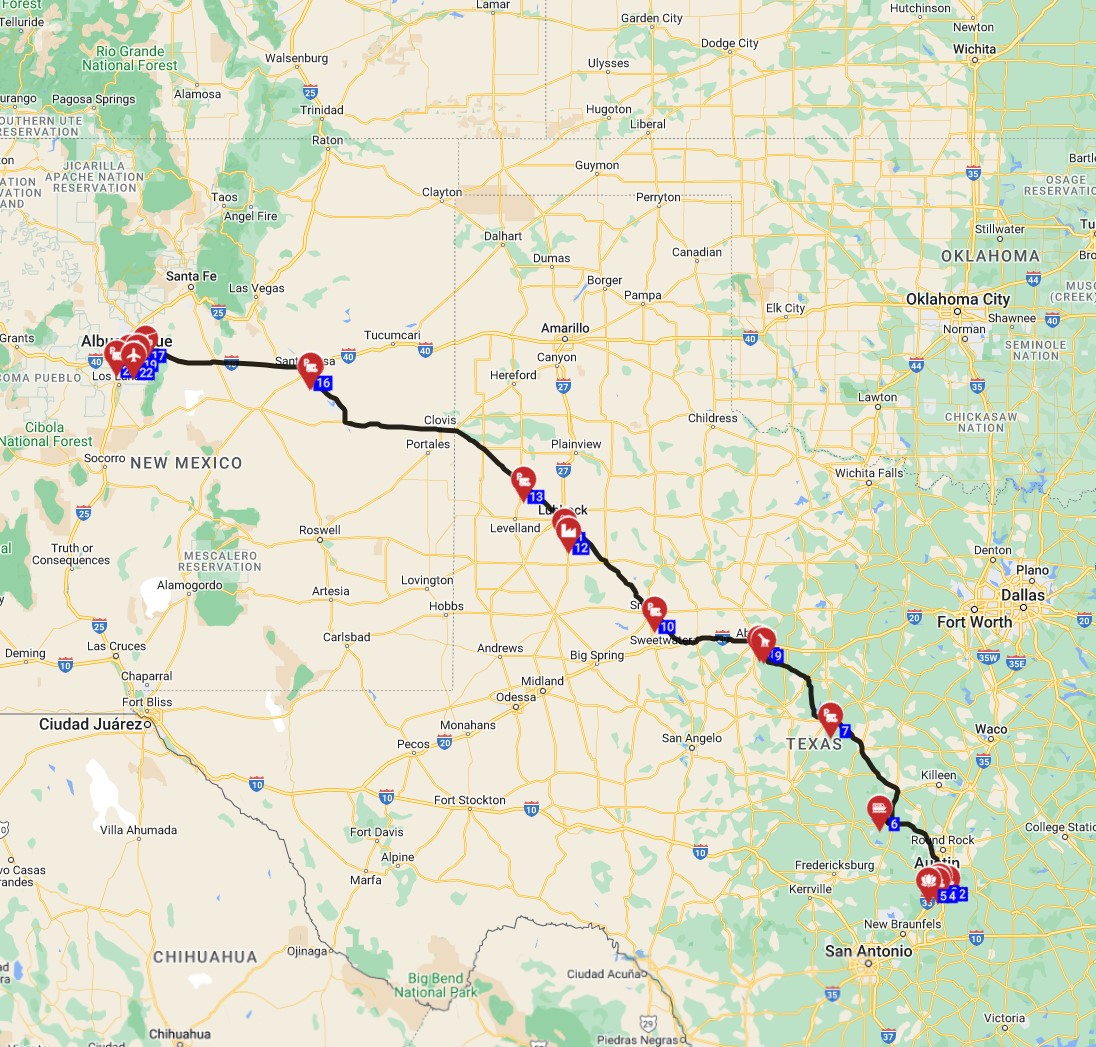
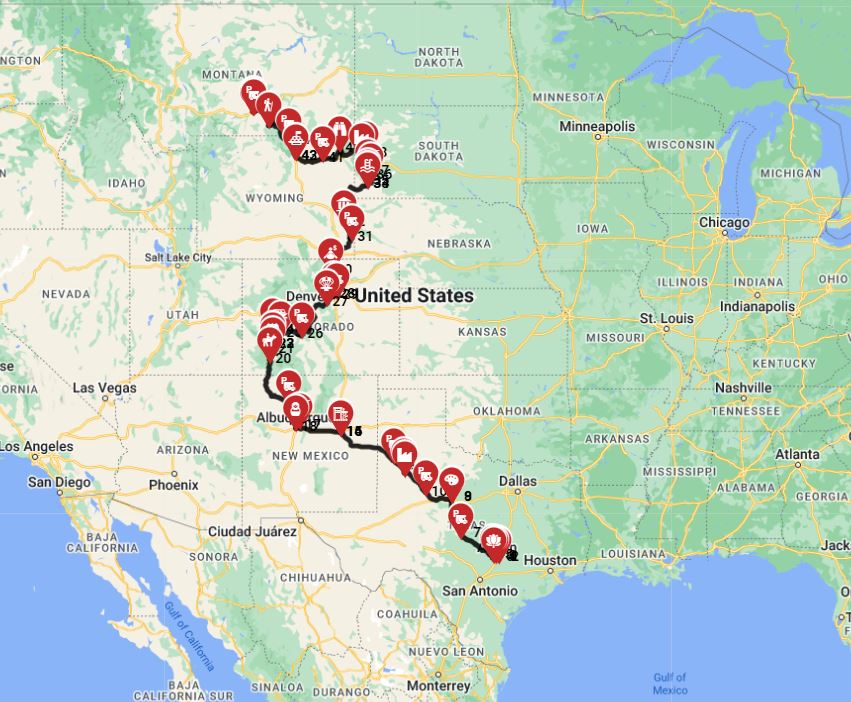
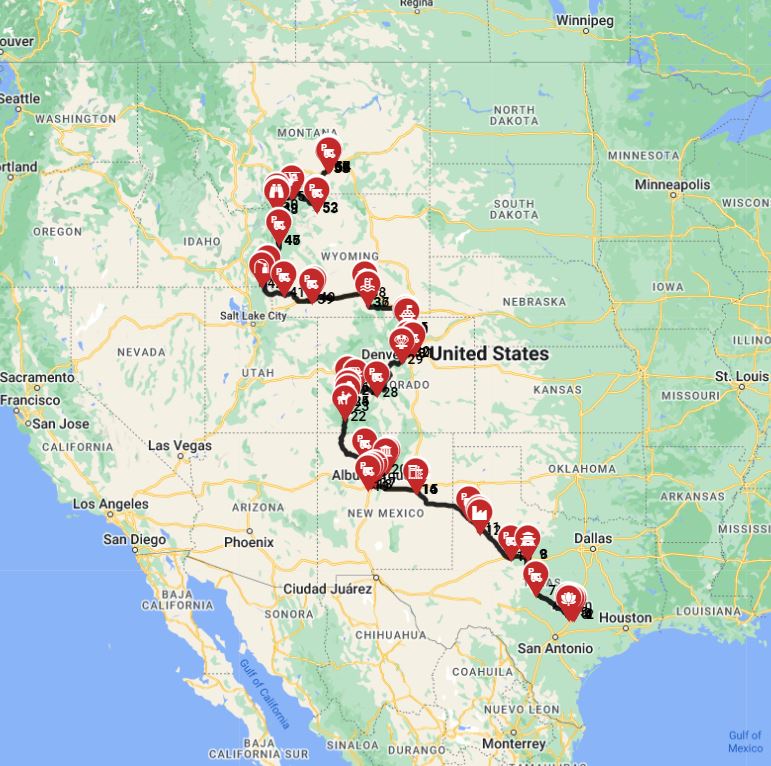
Albuquerque Roundtrip - Epic New Mexico and Texas Loop
Final Thoughts
A rented RV trip in Texas, whether a quick getaway or a longer adventure, promises unforgettable memories and the ultimate freedom to explore. From the moment you choose your perfect motorhome or campervan to the miles you log on the open road, Bandana Caravan is here to support you with full transparency and expert guidance. Remember to travel slowly, averaging a maximum of 100-150 km per day, to truly immerse yourself in the culture, food, and stunning scenery that Texas has to offer. No matter your chosen RV class or destination, the vastness of Texas awaits. We encourage you to plan your route, perhaps using the fantastic resources at RVPLANET (rvplan.net), and prepare for an incredible journey. With a standard car driver's license, you're ready to hit the road and discover the magic of Texas. Get inspired for your next trip and plan a trip itinerary in advance with minimal effort and maximum enjoyment!On the routes offered through RV PLANET routes, you can itemize and track every expense along the way for easy budgeting.