In This Guide
- The 5 RV Families Compared for South West US
- Class A (Integrated) — Best For
- Price Comparison by RV Class in South West US
- Class SI (Semi-Integrated) — Best For
- Class C (Alcove) — Best For
- Class B (Campervan) — Best For
- Class TC (Truck Camper) — Best For
- Side-by-Side Comparison Table
- Our Recommendation for weekend rv rental Travelers in South West US
- What is the best month to RV in Arizona?
- What is the best time to RV in the desert?
- What is the best month to RV in Utah?
- How much does it cost to RV in South West?
- Is the South West safe for solo travel?
- What are some hidden gems in the Southwest to RV?
- Where can you go boondocking in the South West?
- What should I pack for an RV trip to the Southwest?
The 5 RV Families Compared for South West US
Choosing the right RV family is crucial for a weekend rental in the South West US due to its diverse terrain, extreme climate variations, varied trip lengths, and group sizes. Consider factors such as maneuverability for winding roads or tight national park campgrounds, fuel efficiency for covering long distances, and ample living space for comfort in varying weather conditions. This comparison helps match your ideal South West adventure with the perfect rented motorhome or campervan type, ensuring an optimal experience for your quick getaway. For live availability and current prices, start with our RV Rental South West US - Complete Guide 2026 guide, where you can explore a wide array of options tailored to your preferences. We believe in full transparency, providing you with all the details upfront so there are no hidden fees or surprises down the road.Class A (Integrated) — Best For
Class A integrated motorhomes, averaging 7.5 meters in length and comfortably sleeping 4-6 people (typically 4 adults), are best for travelers prioritizing luxury, spacious living, and premium amenities on their South West US weekend RV rental. With an average load capacity of approximately 209.5 kg and typical fuel consumption of 11-12 Liters/100 km, these large RVs suit bigger groups or families seeking a home-like experience with ample storage for longer stays or glamping adventures. While offering superior comfort, Class A RVs require careful driving and can be more challenging to maneuver on narrow South West roads or in tighter national park campgrounds, although driving slowly and carefully allows you to navigate almost anywhere without issues. They are ideal for established RV resorts and well-paved routes to major attractions like the Grand Canyon where space is not an issue.Price Comparison by RV Class in South West US
Pricing for RV rentals in the South West US is dynamic, much like flight tickets, changing daily based on availability, seasonality, and supplier marketing decisions. The table below pulls real example prices from Bandana's live search, offering a snapshot of rental costs for various RV classes and trip durations, helping you budget for your weekend RV rental in South West US. These prices are estimates and can change daily, so always check the search box at the top of the page for the most current rates.Live April Price Comparison — RV Class × Trip Length
| Trip length | Class A | Class B | Class C | Class SI | Class TC |
|---|---|---|---|---|---|
| 1 week 15/04 → 22/04 | Check prices | 754.99 $ AU | 1,638.00 $ AU | 1,463.00 $ AU | 2,289.60 $ AU |
| 2 weeks 15/04 → 29/04 | Check prices | 1,288.82 $ AU | 2,790.77 $ AU | 2,627.65 $ AU | 4,293.00 $ AU |
| 1 month 01/04 → 30/04 | Check prices | 2,379.25 $ AU | 5,524.41 $ AU | 4,713.19 $ AU | 7,725.13 $ AU |
Estimates only — flex-rate prices change daily based on availability and season.
Class SI (Semi-Integrated) — Best For
Class SI (Semi-integrated) motorhomes, typically 6.9 meters long and sleeping up to 4 people (often 3-4 adults), offer a balanced option for weekend RV rentals in the South West US, blending comfort with improved maneuverability. These RVs, with an average load capacity of 72.2 kg and fuel consumption of 10-11 Liters/100 km, are well-suited for couples or small families seeking a comfortable base for exploring national parks and scenic byways like those detailed in "Luxury RV Driving in South West US - Scenic Routes 2026". Class SI models outperform Class A in ease of driving and fuel economy, while providing more living space and amenities than a Class B campervan, making them a versatile choice for diverse South West adventures. They are practical for accessing many popular destinations without the bulk of a larger vehicle, making them a popular choice for week-long trips.Class C (Alcove) — Best For
Class C (Alcove) motorhomes, with an average length of 7.5 meters and the highest sleeping capacity at 5-7 people (typically 4-6 adults), are ideal for families or groups on a weekend RV rental in the South West US. These RVs feature an iconic sleeping area over the cab, an average load capacity of 42.4 kg, and fuel consumption of 10-12 Liters/100 km, balancing living space with reasonable drivability. Class C models are cost-efficient, providing ample room for multiple travelers and their gear, making them excellent for family-focused trips to national parks and established campgrounds. Their size is manageable for most South West US roads; remember, drive slowly and carefully, and you can drive almost anywhere without issues. No need to stress-just use common sense and pay attention to road signs, especially for routes mentioned in "Family RV Driving in South West US - Safe Routes 2026".Class B (Campervan) — Best For
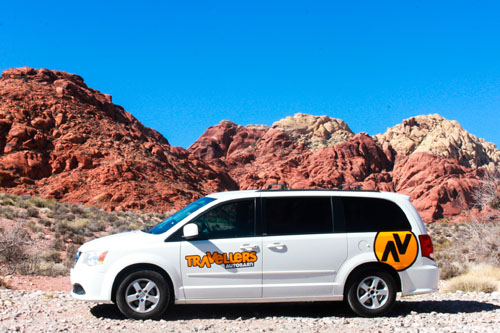
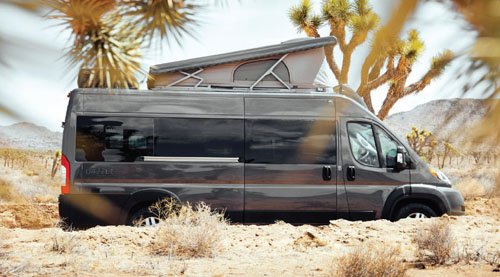
Class B (Campervan) models, averaging 5.8 meters in length and sleeping 2-3 people (typically 2 adults), are best for highly mobile and spontaneous weekend RV rentals in the South West US, prioritizing maneuverability and fuel economy. With typical fuel consumption around 10 Liters/100 km and an average load capacity of 37 kg, these compact RVs are perfect for solo travelers, couples, or small groups who value agility and easy parking. Campervans excel in navigating city streets, fitting into standard parking spaces, and accessing smaller campgrounds or remote trailheads that larger RVs cannot reach, making them ideal for exploring diverse South West scenarios. Their 'van life' appeal suits adventurers focused on experiences over extensive onboard amenities, making quick trips effortless. For travelers seeking a budget-friendly option, consider our "Cheap RV Rental in South West US - Budget Guide 2026".Class TC (Truck Camper) — Best For
Class TC (Truck Camper) units, averaging 5.5 meters in length and sleeping 2-3 people (typically 2 adults), are designed for the adventurous RV traveler in the South West US seeking off-grid capabilities and access to rugged terrain. These self-contained motorhome units, mounted on a truck chassis, offer the flexibility of a truck with the basic amenities of an RV, making them perfect for reaching remote campsites, boondocking, and tackling unpaved roads. Truck campers provide unparalleled freedom to explore the South West's more challenging landscapes and lesser-known spots, ideal for adventurers prioritizing exploration over extensive living space. While load capacity is vehicle-dependent (as the camper unit's weight is integrated into the truck's capacity), their design supports an adventurous profile for accessing unique areas often inaccessible to larger RVs. For a luxury experience, you might also consider a "Luxury RV Rental in South West US - Premium Prices 2026".Side-by-Side Comparison Table
Below is a detailed comparison of the different motorhome and campervan families, highlighting their average specifications and ideal use cases for a weekend rental in the South West US. This table aids in quickly assessing which RV type aligns best with your specific travel style and destination requirements in the South West.| Family | Avg Length (m) | Sleeps (People) | Fuel Use (L/100km) | Best Use Case in South West US |
|---|---|---|---|---|
| Class A (Integrated) | 7.5 | 4-6 | 11-12 | Luxury comfort, large groups, established resorts |
| Class SI (Semi-integrated) | 6.9 | 3-4 | 10-11 | Balanced comfort, small families/couples, national parks |
| Class C (Alcove) | 7.5 | 5-7 | 10-12 | Family-friendly, good space, accessible campgrounds |
| Class B (Campervan) | 5.8 | 2-3 | 10 | Maneuverability, fuel efficiency, solo/couples, urban/small sites |
| Class TC (Truck Camper) | 5.5 | 2-3 | 12-17 | Off-road capability, remote boondocking, adventurous exploration |
Our Recommendation for weekend rv rental Travelers in South West US
For most weekend RV rental travelers in the South West US, the Class B Campervan stands out as the primary recommendation due to its versatility and efficiency. Its compact size, averaging 5.8 meters, offers unparalleled maneuverability for navigating scenic byways, parking in bustling towns, and fitting into popular national park campsites, while its impressive fuel efficiency of approximately 10 Liters/100 km is a significant advantage for shorter trips. The Class SI (Semi-integrated) motorhome is an excellent runner-up, providing a good balance of comfort and space (averaging 6.9 meters, sleeping up to 4 people) for small families or couples seeking more amenities than a campervan without the bulk of a larger Class A or C. This recommendation prioritizes ease of travel, fuel economy, and access to a wider range of destinations, which are critical for maximizing a weekend adventure in the diverse South West.What is the best month to RV in Arizona?
Spring (March-May) and Fall (September-November) are generally the best months to RV in Arizona, offering mild temperatures averaging 70-85°F and comfortable conditions for exploring both desert landscapes and higher elevations. During these shoulder seasons, the intense summer heat of the low deserts subsides, and winter's chill in the northern mountains is less severe, providing ideal weather for hiking, sightseeing, and camping without the peak crowds. Winter (December-February) is also excellent for desert destinations like Tucson and Phoenix, where temperatures are mild (60-70°F), but higher elevations like Flagstaff or the Grand Canyon may experience snow and road closures. Summer (June-August) is best avoided for desert RVing due to extreme heat, often exceeding 100°F, though it can be perfect for exploring Arizona's cooler northern mountain regions like Prescott or the White Mountains.What is the best time to RV in the desert?
The optimal time to RV in the Southwest desert regions is typically during late fall, winter, and early spring (October to April) to avoid the extreme summer heat. Temperatures during these months are generally pleasant, ranging from 60-80°F, making activities like hiking, exploring national parks (e.g., Joshua Tree, Death Valley, Saguaro), and enjoying outdoor campsites much more comfortable. During summer (May-September), desert temperatures can frequently exceed 100°F, necessitating air conditioning, consuming significant generator fuel, and limiting daytime outdoor activity. For summer RVing in the Southwest, focus on higher-altitude desert areas or transition to mountainous regions like the Rockies or Sierra Nevada to escape the heat.What is the best month to RV in Utah?
Spring (April-May) and Fall (September-October) are generally the best months to RV in Utah, providing agreeable weather for visiting its national parks (e.g., Zion, Bryce Canyon, Arches) without the peak summer crowds or winter road closures. These shoulder seasons offer comfortable daytime temperatures (60-80°F) for hiking and exploring, with cooler nights, making for pleasant camping conditions. Summer (June-August) is popular but can be very hot in Southern Utah's canyon country, with temperatures often over 90°F, requiring strategic planning for early morning activities and RV cooling. Winter (November-March) can be beautiful, especially in the northern mountains for skiing, but many roads and campgrounds in Southern Utah's parks may be closed or have limited access due to snow and ice.How much does it cost to RV in South West?
The total cost to RV in the Southwest can vary widely, but typically includes rental fees, fuel, campground fees, national park passes, food, and activity expenses, which can range from $150-$500+ per day depending on the RV class and trip style. Rental costs, as highlighted in the price comparison table above, are the largest factor, varying significantly by RV class, season, and duration; for a weekend, expect to pay between $150-$350 per night for smaller RVs. Fuel expenses are substantial given the vast distances across the South West; for instance, a Class B campervan averages 10 Liters/100 km, while a larger Class A motorhome can consume 11-12 Liters/100 km, easily adding hundreds of dollars for a longer trip. Campground fees average $30-$70 per night for electric and water hookups, while boondocking on BLM or National Forest land is often free. National Park entry can be covered by an $80 America the Beautiful Pass for 2026. Additionally, budget for food ($50-$100/day for two people), with self-catering in your rented RV generally saving on dining out, and activities (e.g., guided tours, entrance fees for specific attractions). Remember, our RV PLANET routes allow you to itemize and track every expense for easy budgeting.Is the South West safe for solo travel?
The Southwest is generally safe for solo RV travel, provided adventurers take common precautions such as sharing itineraries with a trusted contact, staying in well-lit and populated areas, securing their rented vehicle, and having roadside assistance in place. Solo travelers should equip their motorhome with essential safety gear, including a first-aid kit, an emergency communication device (like a satellite messenger for remote areas), and extra water and food supplies. When exploring, opt for well-marked trails and inform park rangers or campground hosts of your plans. For boondocking, choose established, visible spots rather than isolated ones. Consider route plans that include popular national and state parks during daylight hours, and utilize reputable campgrounds for overnight stays, especially when starting out solo. Our general "RV Rental USA - Complete Guide 2026" offers broader advice for traveling in the US.What are some hidden gems in the Southwest to RV?
Beyond major national parks, the Southwest offers hidden RV gems like Valley of Fire State Park (Nevada), Canyon de Chelly National Monument (Arizona), and Cathedral Gorge State Park (Nevada), all providing unique scenery and fewer crowds. Explore lesser-known state parks such as Kodachrome Basin State Park in Utah for vibrant rock formations, or Kartchner Caverns State Park in Arizona for stunning underground wonders. Discover unique small towns like Bisbee, Arizona, a historic mining town with an artsy vibe, or Chloride, Arizona, one of the oldest mining towns, for a glimpse into local history and culture. Seek out non-major park adventures, including ancient indigenous cultural sites like the Butler Wash Ruins (Utah), natural hot springs (e.g., Arizona Hot Springs), or ghost towns like Calico Ghost Town (California) for off-the-beaten-path experiences. For more curated ideas, check out "RV Travel Guide to South West US - Tips and Top Spots 2026".Where can you go boondocking in the South West?
Boondocking, or dispersed camping, is widely available in the Southwest on Bureau of Land Management (BLM) and National Forest lands, with popular areas including vast stretches in Arizona, Utah, New Mexico, and Nevada. Resources like iOverlander, Campendium, and the BLM's official website are invaluable for finding designated boondocking sites, which often have 14-day stay limits and require adherence to Leave No Trace principles. Before heading out, ensure your rented RV or campervan is self-sufficient with adequate fresh water (we recommend a minimum of 1 gallon per person per day), a full propane tank, and a charged house battery. Plan for water and dump stations at nearby towns or truck stops, as these amenities are rarely available at boondocking sites. Be mindful of RV size restrictions, such as those at the Zion-Mount Carmel Tunnel in Zion National Park which has length and width limits for larger vehicles. While 4x4 capability is not mandatory for all boondocking spots, it is necessary for some rougher roads, and generator rules are often restricted to specific hours. Preparing delicious meals in your RV kitchen adds to the boondocking experience; find inspiration with our RV-friendly recipes playlist.What should I pack for an RV trip to the Southwest?
For a Southwest RV trip, essential packing includes abundant water (minimum 1 gallon per person per day), comprehensive sun protection (wide-brimmed hats, high-SPF sunscreen, sunglasses), layers of clothing for extreme temperature swings between day and night, and robust emergency supplies. Given the varied conditions, pack sturdy hiking boots, a reliable navigation system (GPS, detailed paper maps, and a compass for offline use), and appropriate gear for specific activities like swimming, climbing, or stargazing. RV-specific gear such as leveling blocks, a freshwater hose, power adapters for various hookups, a basic toolkit, and a portable air compressor are crucial for vehicle maintenance and comfort. Don't forget a well-stocked first-aid kit, non-perishable food for unexpected delays, and a charged power bank for electronics, as cell service can be spotty in remote areas.🎬 Video coming soon
What You Shouldn't Miss
- **Grand Canyon South Rim:** Witness the breathtaking scale of this natural wonder from Mather Point or Yavapai Point, offering expansive views especially at sunrise or sunset. RV camping is available at Mather Campground (reservations essential) or Ten-X Campground nearby.
- **Zion National Park, Utah:** Hike through the iconic Narrows or Angel's Landing (permit required) for an unforgettable experience among towering sandstone cliffs. Remember to check for vehicle size restrictions if driving through the Zion-Mount Carmel Tunnel.
- **Sedona's Red Rocks, Arizona:** Explore the vibrant red rock formations via scenic drives or invigorating hikes. The energy vortexes are a unique draw. Many RV parks offer stunning views of the landscape.
- **Monument Valley Navajo Tribal Park:** Drive the scenic 17-mile loop through the heart of this iconic landscape, featured in countless Westerns. Stay at The View Campground for unparalleled views of the Mittens.
- **Route 66 in Arizona:** Take a nostalgic drive along the longest remaining continuous stretch of Historic Route 66 between Seligman and Kingman, stopping at quirky roadside attractions and classic diners.
- **Valley of Fire State Park, Nevada:** Discover stunning Aztec sandstone outcrops that appear to be on fire when reflecting the sun's rays. This state park offers excellent, less crowded RV camping options compared to national parks.
Final Thoughts
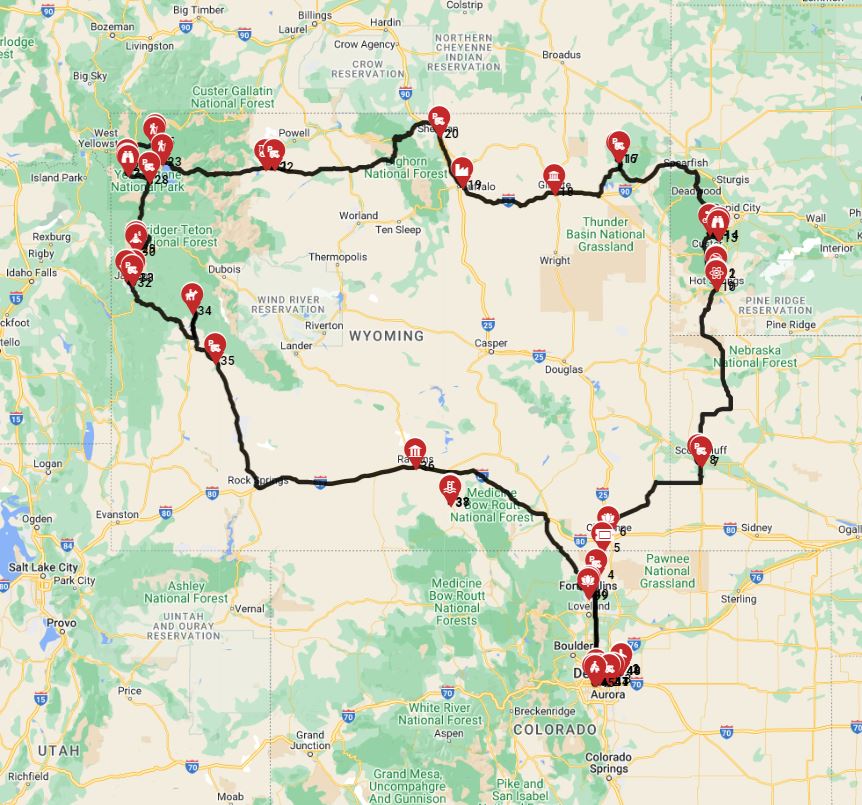
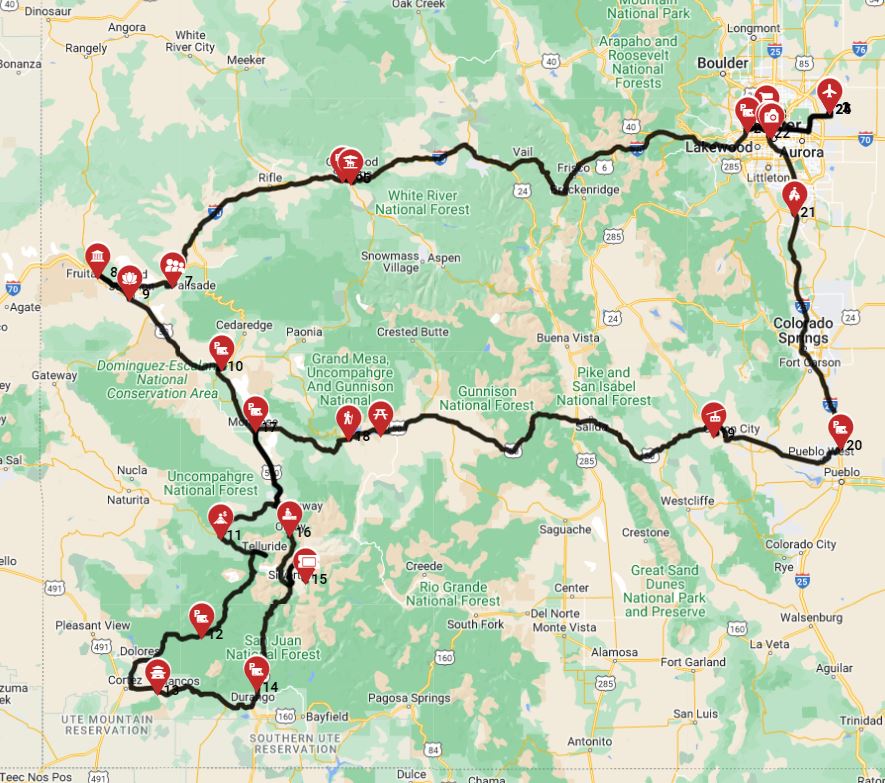
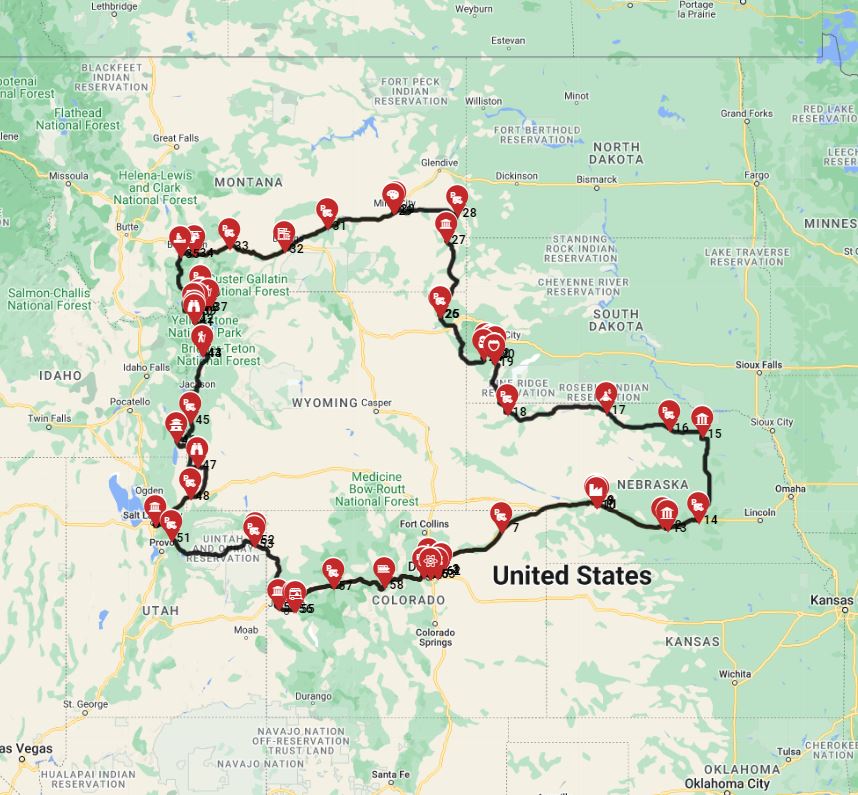
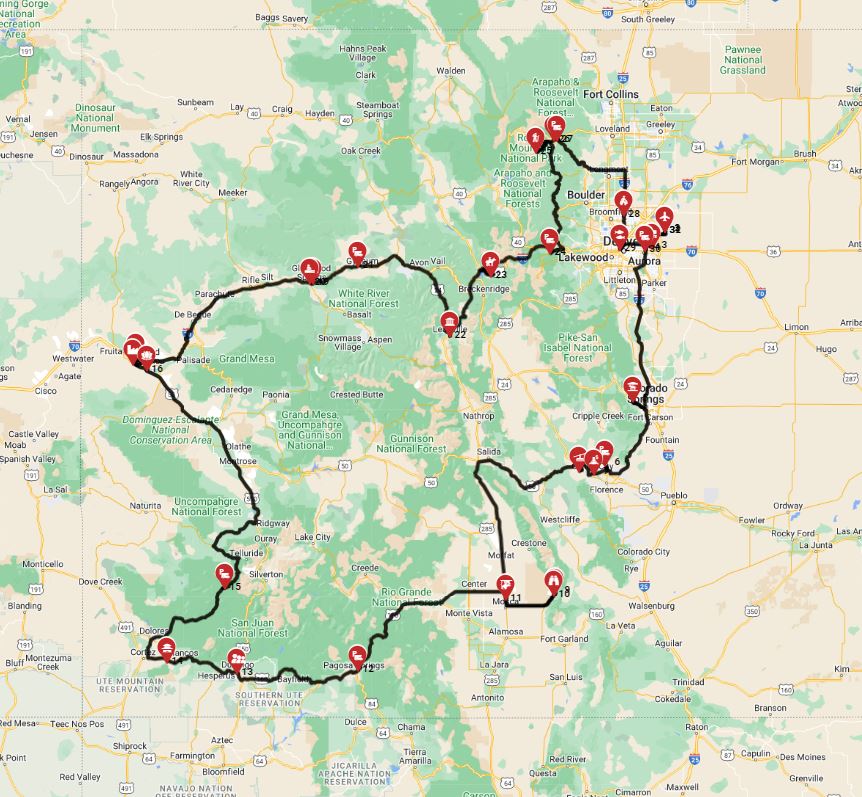
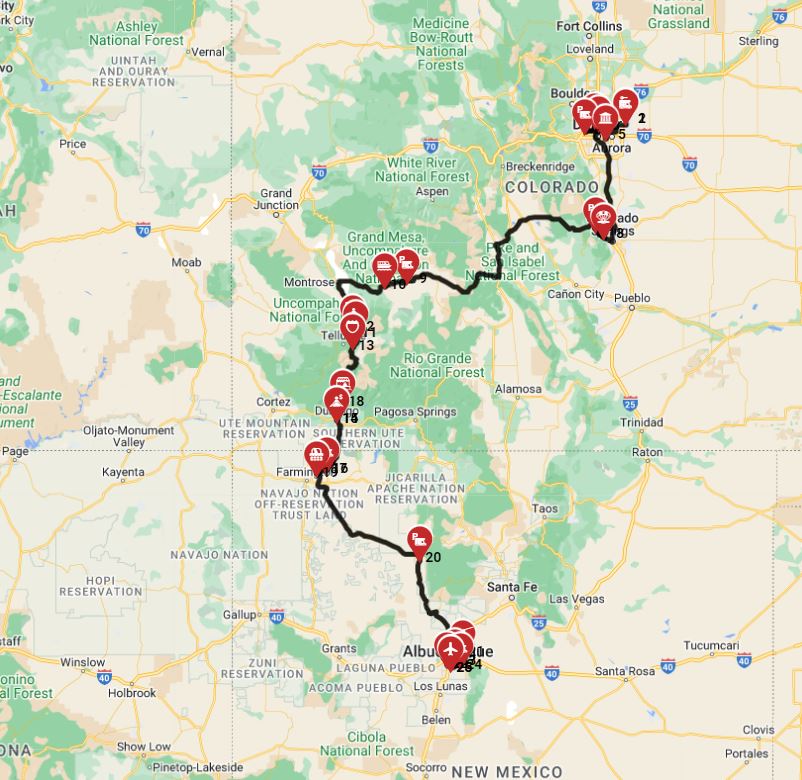
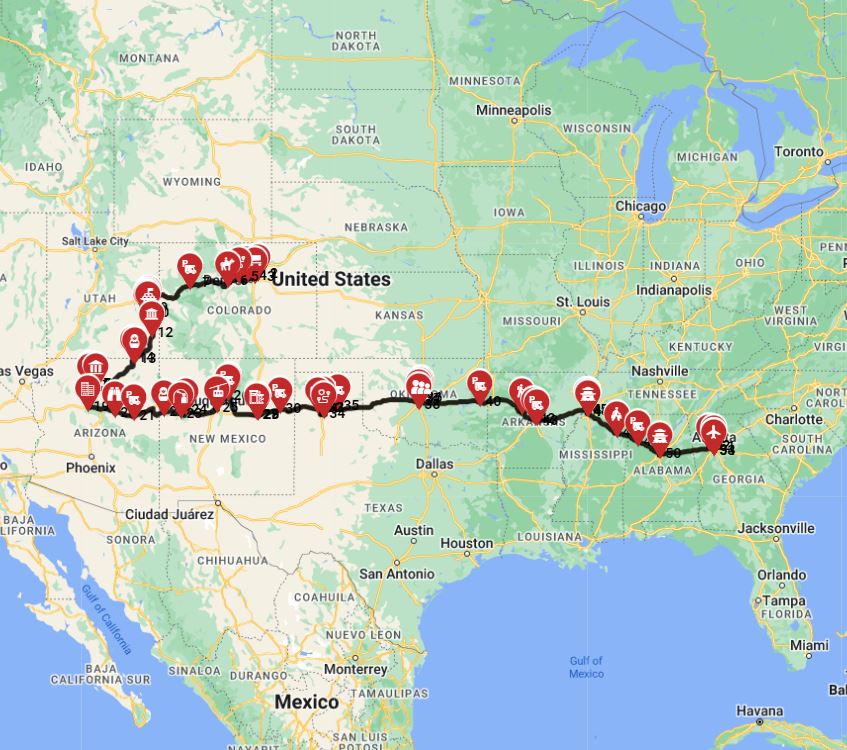
Embarking on a weekend RV rental in the South West US promises an incredible experience filled with breathtaking landscapes, rich history, and unforgettable memories. Whether you opt for the nimble Class B campervan for spontaneous exploration or a spacious Class C motorhome for a family adventure, choosing the right vehicle is the first step to unlocking the magic of this unique region. Remember to plan slowly, aiming for around 100-150 km per day on average, to truly immerse yourself in the culture, food, and scenery. At Bandana RV, we're dedicated to making your journey simple and transparent. Our commitment to no hidden fees and 24/7 support ensures you have peace of mind from the moment you start comparing prices. With our extensive network of suppliers and pre-planned routes available through RV PLANET (rvplan.net), your dream South West adventure is closer than you think. Start comparing motorhome and campervan rental prices today and prepare to hit the open road!On the routes offered through RV PLANET routes, you can itemize and track every expense along the way for easy budgeting.