In This Guide
- Best Texas RV Itinerary for weekend rv rental — Overview
- 7-Day Classic Route in Texas
- 14-Day Extended Journey in Texas
- Recommended RVPlan Trip for Texas
- Must-See Stops Along the Way (Avi Bandana Picks)
- Daily Driving Distances & Drive Times in Texas
- Best RV Class for This Itinerary — Couple & Family Picks
- Where can I find free camping and boondocking spots in Texas?
- How can I save money on an RV trip in Texas?
- What are the specific RV laws and regulations in Texas?
- How do I prepare my RV for Texas's extreme weather?
- What are Texas's off-the-beaten-path RV destinations and hidden gems?
- What is the RV lifestyle like in Texas for full-timers and short trips?
- How do I plan a pet-friendly RV trip in Texas?
- What vehicle considerations should I know for RVing in Texas?
Best Texas RV Itinerary for weekend rv rental — Overview
A typical Texas RV weekend adventure can cover 300-500 km (180-300 miles) over 3-4 days, focusing on a specific region like the Hill Country or Gulf Coast. For a truly immersive experience, Avi Bandana recommends a minimum 7-day trip, allowing for slower travel and deeper exploration. The ideal seasons for RVing in Texas are spring (March-May) and fall (September-November), offering pleasant temperatures and vibrant natural beauty. This guide outlines routes, vehicle choices, and essential tips for enjoying Texas's diverse landscapes by RV. If you're planning a broader trip, our guide RV Rental Texas - Complete Guide 2026 covers everything you need to know about the state.
7-Day Classic Route in Texas
Embark on a classic 7-day RV journey through the heart of Texas, blending history, culture, and natural beauty. This itinerary starts and ends in the Dallas/Fort Worth area, making it convenient for pickup and drop-off.
Day 1: Dallas/Fort Worth to Granbury (approx. 40 miles / 65 km)
Pick up your rented RV and head to Granbury. Explore its charming historic square, browse local shops, and enjoy the lakeside scenery at Lake Granbury. For your first night, Granbury City Park RV Campground offers convenient amenities.
Day 2: Granbury to Glen Rose (approx. 20 miles / 32 km)
A short drive brings you to Glen Rose, known for its prehistoric connections. Visit Dinosaur Valley State Park to walk among ancient footprints and explore the Fossil Rim Wildlife Center for an up-close encounter with exotic animals. Stay at the Dinosaur Valley State Park Campground for a truly immersive nature experience.
Day 3: Glen Rose to Waco (approx. 40 miles / 65 km)
Your next stop is Waco, home to the popular Magnolia Market at the Silos and the historic Dr Pepper Museum. Settle in for the night at Waco KOA Journey, offering comfortable facilities for your rented motorhome.
Day 4: Waco to Austin (approx. 100 miles / 160 km)
Journey to the vibrant state capital, Austin. Explore the Texas State Capitol, soak in the live music scene on 6th Street, or relax in the expansive Zilker Park. McKinney Falls State Park Campground provides a natural escape close to the city's attractions.
Day 5: Austin to Fredericksburg (approx. 80 miles / 130 km)
Drive into the heart of the Texas Hill Country and wine region. Fredericksburg offers charming Main Street shopping, wineries, and German heritage. Fredericksburg KOA Holiday is a great option for your RV accommodation.
Day 6: Fredericksburg to San Antonio (approx. 70 miles / 115 km)
Head south to San Antonio, a city steeped in history. Must-sees include The Alamo, the scenic Riverwalk, and the historic Spanish Missions. Alamo/San Antonio KOA Journey is a convenient choice for your motorhome rental.
Day 7: San Antonio to Dallas/Fort Worth (approx. 270 miles / 435 km)
Enjoy a final Texas breakfast before beginning the drive back to Dallas/Fort Worth for your RV drop-off. This is a longer driving day; consider breaking it up if you prefer to adhere strictly to Avi Bandana's recommended 100-mile daily limit. For ideas you can prep on the road, watch our RV-friendly recipes playlist on YouTube.
14-Day Extended Journey in Texas
For a more in-depth exploration of Texas, consider this 14-day itinerary that allows for slower travel and deeper immersion into the state's diverse attractions. This route is designed to respect Avi Bandana's recommendation of keeping daily drives to around 100 miles (160 km), maximizing your RV experience.
Days 1-3: Dallas/Fort Worth & North Texas (DFW → Granbury → Glen Rose → Waco)
Begin your adventure by picking up your RV and exploring the historical sites, dinosaur tracks, and unique attractions of North and Central Texas. These initial days involve short, scenic drives, allowing ample time for exploration and settling into your RV lifestyle.
Days 4-7: Central Texas & Hill Country (Waco → Austin → Fredericksburg → San Antonio)
Journey into the cultural heart of Texas, experiencing Austin's vibrant music scene, Fredericksburg's renowned wine country, and San Antonio's rich historical tapestry. Days 5 and 7 are specifically allocated for in-depth exploration of Austin and Fredericksburg, ensuring you have ample time to savor each destination without feeling rushed.
Days 8-10: South Texas & Gulf Coast (San Antonio → Corpus Christi → Padre Island)
Transition from historical cities to the sun-drenched beauty of the Gulf Coast. Explore the beaches, enjoy water activities, and witness marine life. Avi Bandana advises keeping these coastal drives under 100 miles to allow for full enjoyment of the seaside stops and potential beachfront camping.
Days 11-13: East Texas Piney Woods (Padre Island → Galveston → Huntsville State Park)
Head east to discover the barrier island charm of Galveston, followed by a retreat into the serene forests of the East Texas Piney Woods. Enjoy hiking, fishing, and a slower pace of travel through Huntsville State Park, offering a different natural landscape.
Day 14: Return to Dallas/Fort Worth (Huntsville State Park → DFW)
Conclude your Texas RV adventure with a final, relaxed drive back to your RV drop-off location, reflecting on the diverse experiences and landscapes you've encountered across the Lone Star State.
Recommended RVPlan Trip for Texas
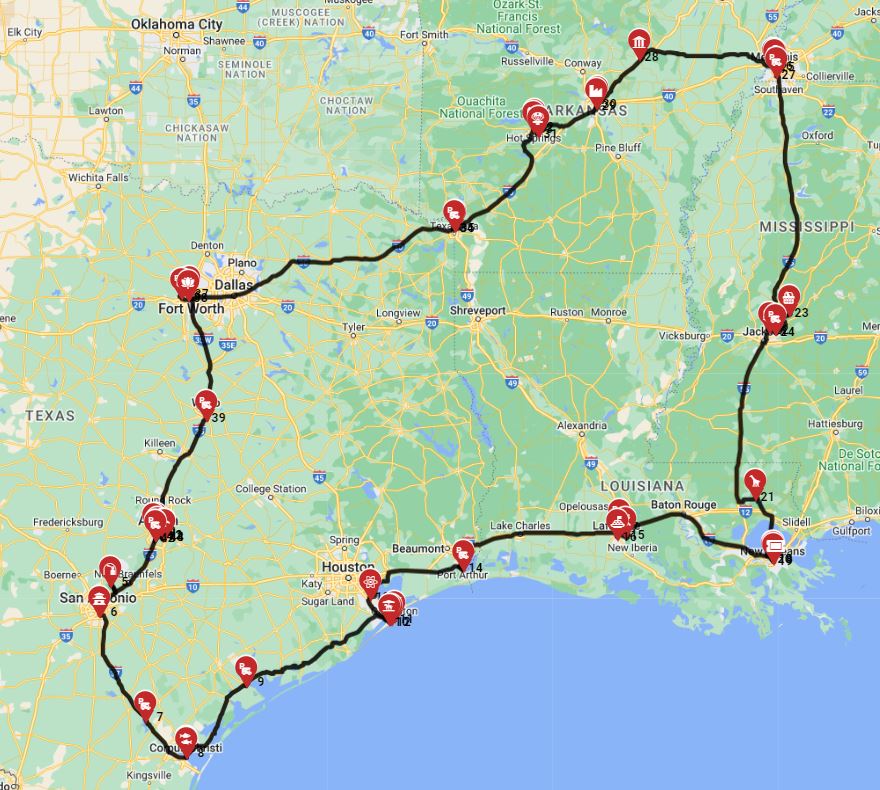
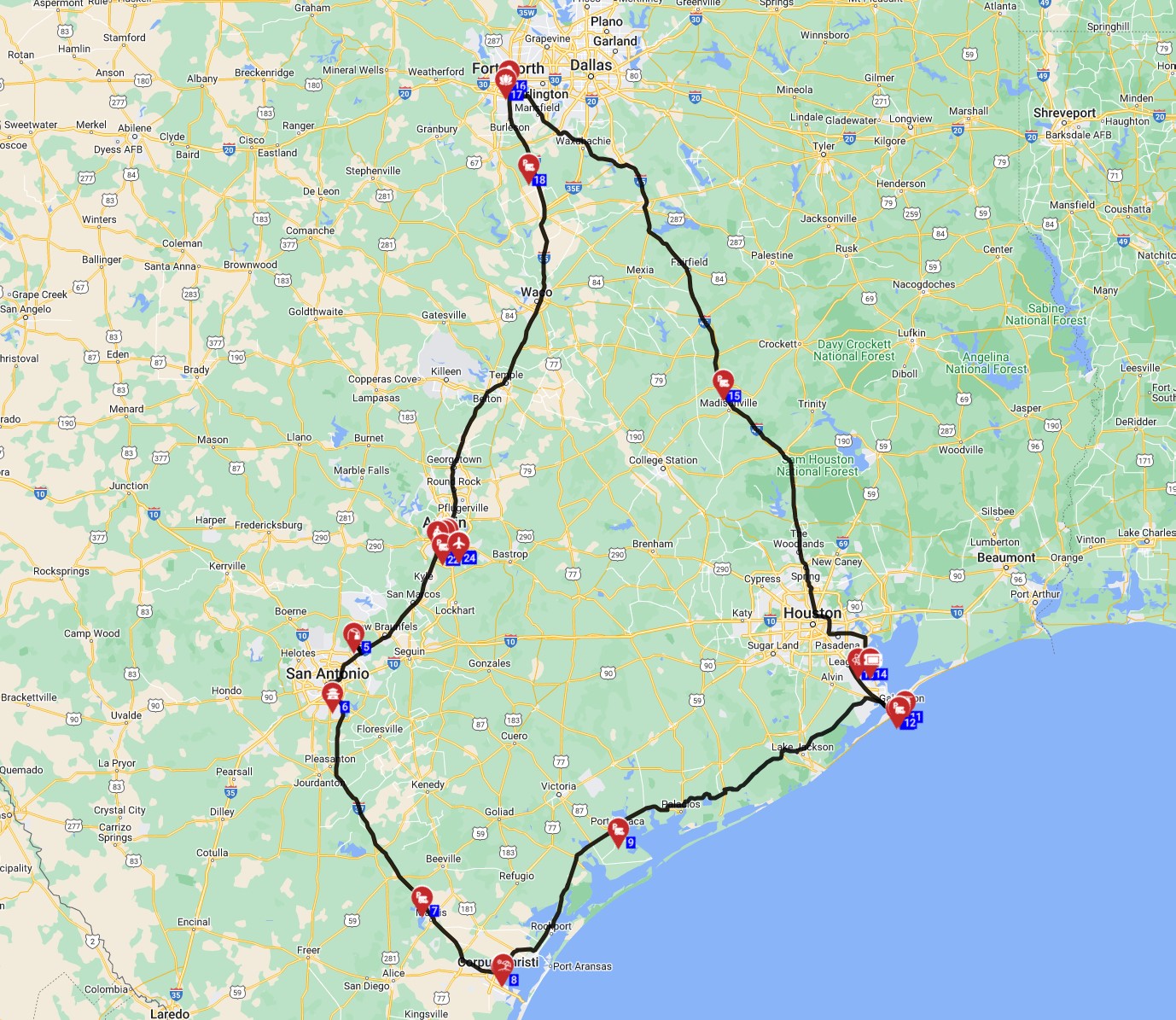
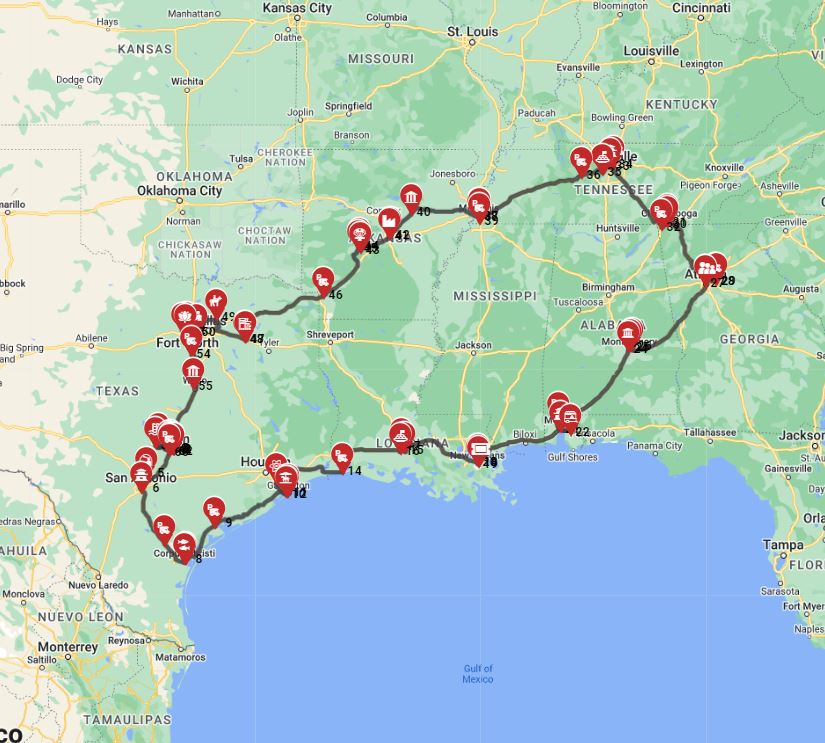
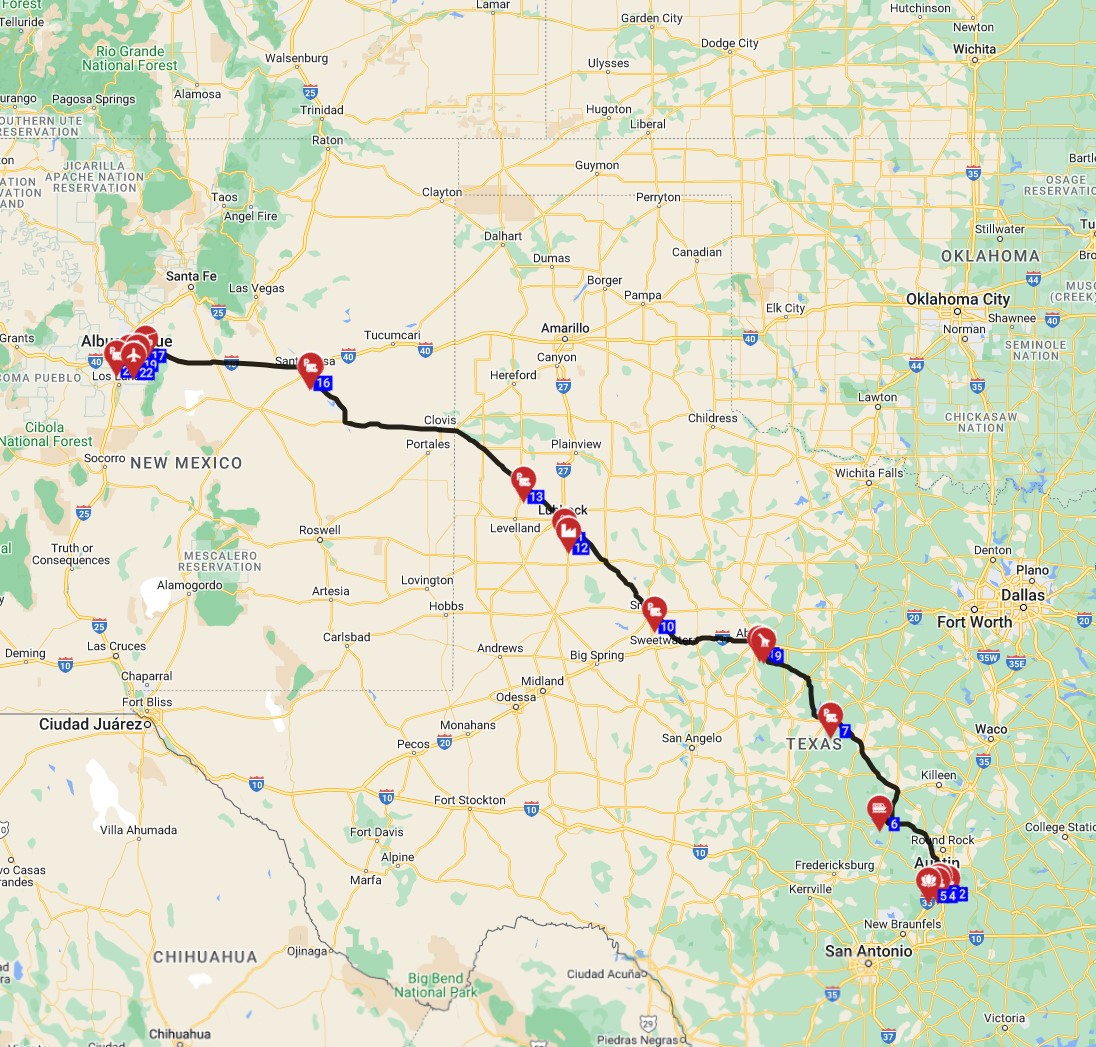
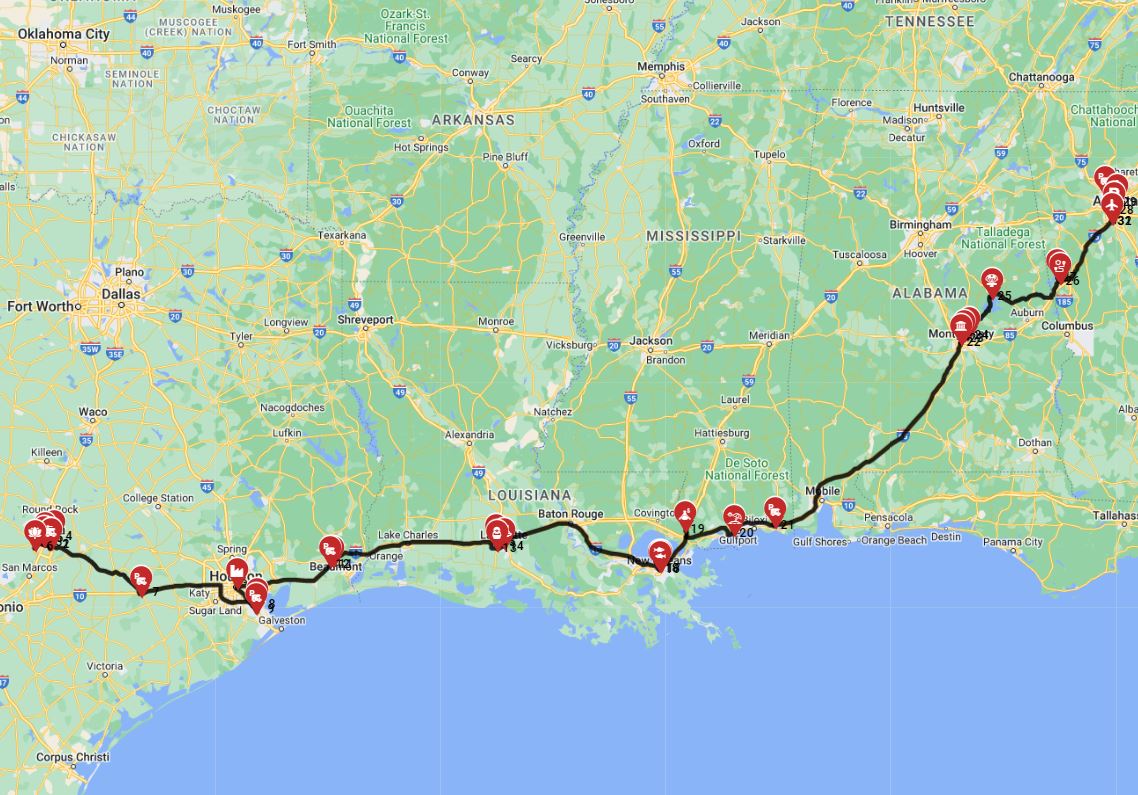
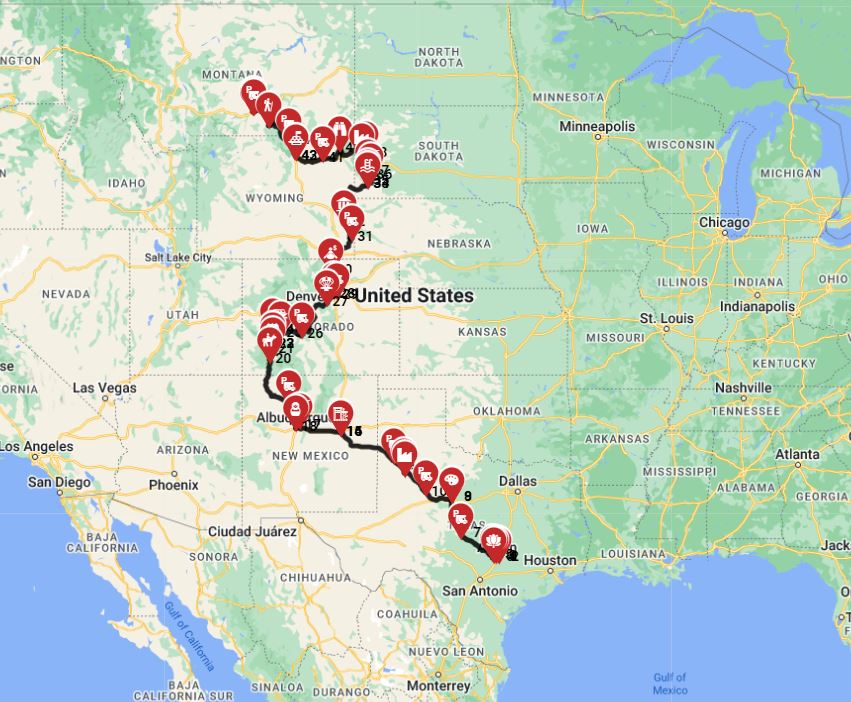
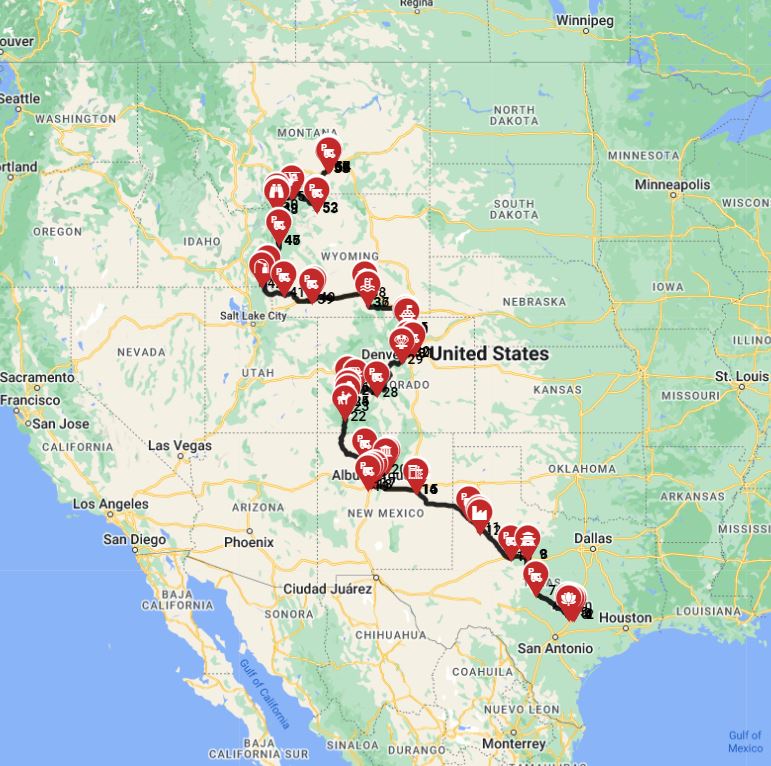
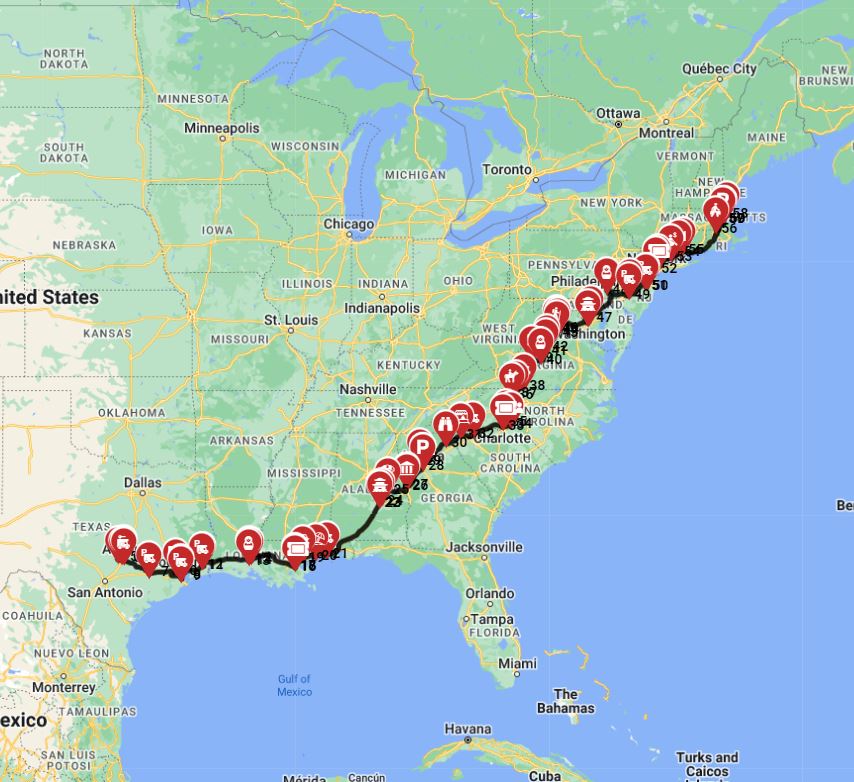
For a seamlessly planned and comprehensive exploration of Texas and its surrounding regions, consider utilizing the expert-crafted itineraries available through RV PLANET (rvplan.net). One standout option is the 21-day "
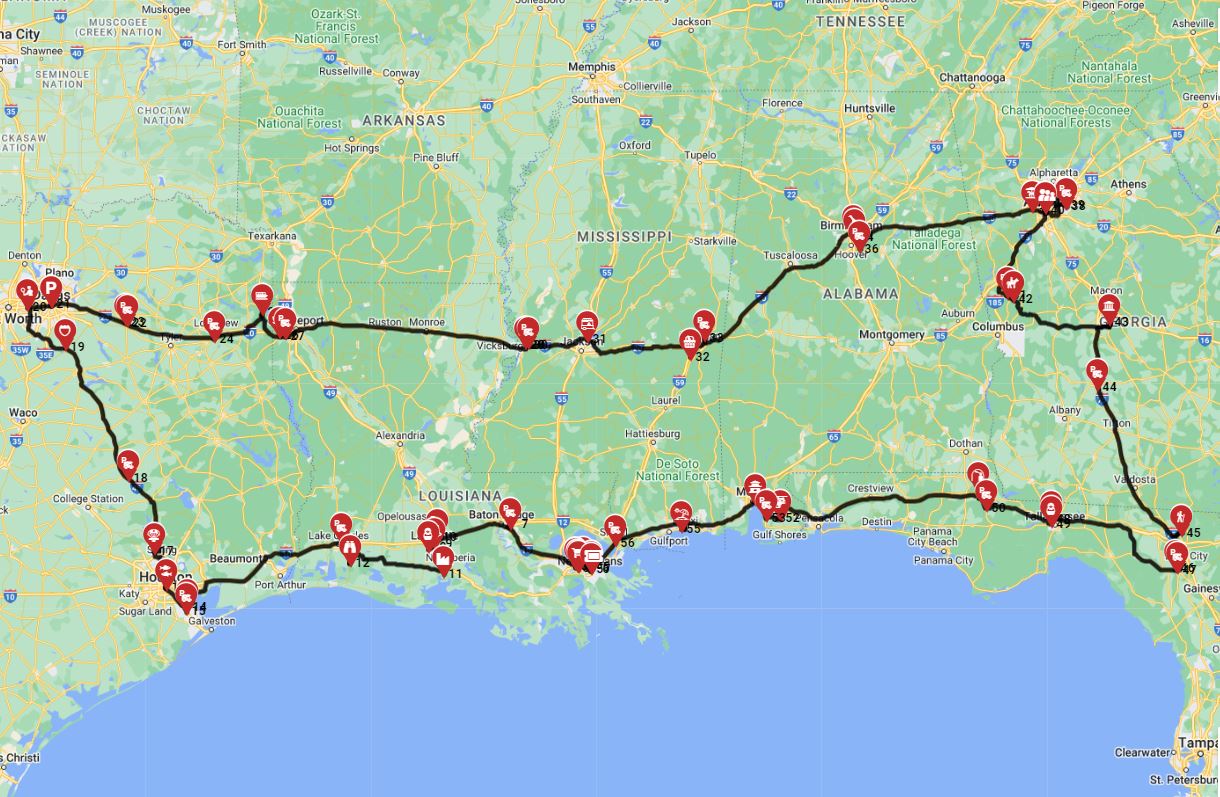
This extensive route covers approximately 4456.4 kilometers (2769 miles) over three weeks, commencing and concluding in New Orleans while making significant inroads into Texas, including visits to Houston and Fort Worth. This meticulously planned journey provides a detailed day-by-day breakdown, allowing travelers to experience a wide array of cultural and historical landscapes, from the unique flavors of Cajun Country to the vast heartland of Texas. For a visual preview of this enriching adventure, explore the route map: [RVPlan Trip Image](rv trip full route plan from new orleans_id-1772_main_c569.jpg).
Must-See Stops Along the Way (Avi Bandana Picks)
Avi Bandana, our resident RV travel expert, has curated a list of must-see experiences in Texas that capture the state's unique spirit, blending tradition with local flavor.
- Traditional Visit: Immerse yourself in Texas's rich heritage by visiting historical sites like the Spanish Missions in San Antonio or the impressive Texas State Capitol in Austin, offering profound insights into the region's past.
- Traditional Restaurant / Fine Dining: No trip to Texas is complete without savoring its authentic cuisine. Seek out highly-rated traditional restaurants, especially those specializing in world-famous Texas BBQ in Central Texas or the distinct Tex-Mex flavors found in the south.
- Traditional Market: Experience the vibrant community spirit of Texas by visiting local farmers' markets or artisan fairs. These bustling hubs are perfect for discovering unique handmade goods, sampling fresh regional produce, and connecting with local culture.
- Local Industry: Engage with the diverse local industries that shape Texas's identity. Consider visiting a boutique winery in Fredericksburg for a taste of Texas Wine Country, or explore the cutting-edge innovations at Space Center Houston to appreciate the state's contributions to science and heritage.
Daily Driving Distances & Drive Times in Texas
Avi Bandana recommends a travel pace of no more than 100 miles (160 km) per day on average. This slower approach ensures a more relaxed travel experience, allowing ample time to explore your destinations, discover roadside attractions, and truly connect with the places you visit.
Traveling slowly maximizes the joy of RVing, providing opportunities to stumble upon hidden gems and scenic overlooks that might be missed on a faster-paced journey. Here are a few examples to illustrate:
- Driving from Austin to San Antonio (approximately 80 miles / 130 km) typically takes about 1 hour and 30 minutes, leaving your afternoon free for sightseeing upon arrival.
- A trip from Houston to Galveston (approximately 50 miles / 80 km) can be completed in about 1 hour, giving you ample time to enjoy the Gulf Coast beaches and attractions.
- Traveling from Fort Worth to Waco (approximately 100 miles / 160 km) takes around 1 hour and 45 minutes, making it ideal for a morning drive followed by a full day of exploration in Waco.
Best RV Class for This Itinerary — Couple & Family Picks
Choosing the right RV is key to a comfortable Texas adventure. Bandana offers a range of options suitable for different travel styles and group sizes.
For Couples: Class B - Camper Van
The Class B Camper Van is perfect for couples seeking agility and efficiency on Texas roads. These compact RVs, typically around 5.8 meters in length, comfortably sleep two adults and are easy to maneuver through charming towns and park at popular attractions. They provide essential amenities for a cozy and convenient road trip experience.
For Families: Class C - Alcove
For families exploring Texas, the Class C Alcove RV offers an excellent balance of space, comfort, and amenities. Averaging 7.5 meters in length, these motorhomes provide ample room with dedicated sleeping areas, ensuring privacy and comfort for up to six people. Their thoughtful layout and ample storage make them ideal for family adventures, accommodating everything from luggage to camping gear.
Opting for Bandana's "Rent & Plan" service streamlines your trip planning significantly. This service combines your RV rental with a professionally designed itinerary, providing access to advanced trip-planning software and removing the stress of organizing every detail.
Where can I find free camping and boondocking spots in Texas?
Finding free camping and boondocking spots in Texas requires some research into public lands and adherence to local regulations. National Forests and certain Wildlife Management Areas (WMAs) often permit dispersed camping, provided you are self-sufficient and follow "Leave No Trace" principles. While Texas has limited Bureau of Land Management (BLM) lands, where they exist, especially in West Texas, dispersed camping is generally permitted.
Specific areas to investigate include Sam Houston National Forest, Davy Crockett National Forest, and Caddo National Grassland, which frequently offer these opportunities. For those interested in primitive camping on Texas Parks & Wildlife Department (TPWD) lands, a valid permit, such as the Annual Public Hunting Permit, might be necessary, and rules can vary seasonally. It's crucial to always verify specific regulations for any dispersed camping area you plan to visit to ensure compliance and responsible enjoyment of these free natural sites.
How can I save money on an RV trip in Texas?
Saving money on an RV trip in Texas goes beyond just finding cheaper campsites; it involves strategic planning across fuel, food, and activities. By incorporating these tips, you can significantly reduce your overall trip expenses. On the routes offered through RV PLANET routes, you can itemize and track every expense along the way for easy budgeting.
Fuel Efficiency & Route Planning: Planning efficient routes that minimize backtracking and utilizing fuel-saving apps can make a big difference, especially given Texas's vast distances. Considering smaller RV classes, like Class B Camper Vans, can also improve gas mileage.
Boondocking & Low-Cost Camping: Prioritizing free dispersed camping on public lands or utilizing discount campground memberships (like Passport America or Good Sam) can drastically cut accommodation costs. Remember to check availability and amenities, as these spots are often more rustic.
Cooking In Your RV: Preparing most meals in your RV's galley is a substantial money-saver compared to frequenting restaurants. Planning your meals, shopping at local grocery stores, and packing snacks for day trips are essential budgeting strategies.
Free Attractions & Activities: Texas offers numerous free attractions, including state capitol grounds, countless historical markers, public beaches, and hiking trails within state and national parks. Many Texas towns also host free community events or festivals, especially during peak seasons.
Off-Season Travel: Traveling during the shoulder seasons (early spring or late fall) can lead to lower campground rates and fewer crowds, making your trip more affordable and enjoyable.
What are the specific RV laws and regulations in Texas?
Understanding Texas RV laws is crucial for a smooth and legal journey. These regulations cover everything from overnight parking to the nuances of boondocking on various types of land.
Overnight Rest Stop Parking: While not explicitly prohibited, overnight parking at Texas rest stops is generally discouraged and often limited to a few hours of rest. Long-term overnight stays are typically not allowed, so it's best to plan for designated campgrounds or RV parks.
Driving Regulations: All RVs must adhere to standard traffic laws, including speed limits, which can vary for vehicles towing or exceeding certain weight thresholds. Pay attention to lane restrictions and ensure all cargo is properly secured.
Boondocking Rules: The legality of boondocking varies greatly between state and federal lands. Within Texas State Parks, boondocking is not permitted, and you must use designated campsites. On federal lands like National Forests, dispersed camping is usually allowed, but it's essential to check specific forest or district rules beforehand.
Full-Time RV Living Considerations: For those considering full-time RV living in Texas, establishing residency is popular due to the absence of state income tax. This process involves obtaining a Texas driver's license, registering your RV, and securing a mailing address, often through a mail forwarding service.
Weight and Size Restrictions: Always be mindful of your RV's weight and dimensions, especially when planning routes through urban areas or on smaller state roads. Bridge clearances and road widths can present challenges for larger rigs, so consulting detailed maps is recommended.
How do I prepare my RV for Texas's extreme weather?
Preparing your RV for Texas's diverse and often extreme weather—from intense summer heat to unexpected cold fronts and severe storms—is essential for safety and comfort. Proactive preparation ensures a pleasant experience regardless of the conditions.
Managing Intense Summer Heat: Equip your RV with efficient air conditioning, use window covers (like Reflectix or thermal curtains) to block solar heat, and consider a portable fan for better air circulation. Ensure your RV's seals are intact to maintain cool interior temperatures. Staying hydrated is critical for all occupants, including pets.
Unexpected Cold Fronts: While known for heat, Texas can experience winter fronts bringing freezing temperatures. Insulate your RV's plumbing or use antifreeze, and ensure you have a reliable heating source. Packing warm clothing is also a must.
Tornado Season Safety: Texas's tornado season is primarily in the spring. Diligently monitor local weather alerts, identify the closest community shelter options, and have an emergency plan, including a designated safe spot within your RV if shelter is unavailable.
Flash Flood Preparedness: Be aware of flash flood warnings, especially in low-lying areas or near rivers during heavy rain. Never drive or camp in areas prone to flooding, and always have an exit strategy if water levels rise rapidly.
Equipping Your RV: For diverse climates, a well-insulated RV is beneficial. Consider carrying a portable generator for power outages, extra water storage, and an emergency kit with first aid supplies, non-perishable food, and reliable communication devices.
What are Texas's off-the-beaten-path RV destinations and hidden gems?
Beyond the major cities, Texas boasts numerous off-the-beaten-path destinations offering unique cultural experiences and quirky roadside attractions perfect for RVers seeking hidden gems. These lesser-known spots provide a more intimate glimpse into the state's diverse charm.
Monahans Sandhills State Park (West Texas): Experience a unique desert landscape where you can slide down sand dunes, hike, and camp. This park offers a refreshing contrast to typical Texas scenery.
Dinosaur Valley State Park (Glen Rose): Walk in real dinosaur footprints preserved in the Paluxy River bed, combining natural history with an immersive outdoor adventure.
Terlingua Ghost Town (Big Bend Region): Explore this historic mercury mining town near Big Bend National Park, known for its rustic charm, desert vistas, and lively atmosphere, offering a truly unique cultural experience.
Quirky Roadside Attractions: Keep an eye out for local oddities like Houston's "Beer Can House," the iconic "Cadillac Ranch" near Amarillo, or the intriguing "UFO Watchtower" in Presidio for memorable and fun stops on your journey.
Small-Town Festivals & Local Music Scenes: Beyond Austin's famous music scene, many smaller Texas towns host vibrant local music festivals and unique cultural events. Check local tourism boards for schedules, especially in the Hill Country or East Texas regions.
Hidden Local Gems: Discover unique food trails like the Texas BBQ Trail, explore regional culinary specialties, and visit small-town museums that highlight local history, art, or industries, offering a more intimate understanding of Texas culture.
What is the RV lifestyle like in Texas for full-timers and short trips?
The RV lifestyle in Texas offers a compelling blend of community, diverse landscapes, and unique experiences for both full-time residents and weekend adventurers. The state's vastness and varied climate contribute to a dynamic RVing scene.
Community & Belonging: Texas is home to a large and welcoming RV community. Many RV parks and campgrounds organize social events, while online forums and local meetups provide ample opportunities to connect, share tips, and foster a sense of belonging among fellow travelers.
Challenges for Full-Timing: Key considerations for full-time RVers include managing mail, establishing legal residency (often for tax benefits), and navigating the state's immense size, which demands careful route planning and consistent RV maintenance.
Local Customs for RVers: Texans are generally hospitable, and you'll likely encounter friendly interactions at campgrounds and local businesses. Embracing the local culture, whether it's enjoying authentic BBQ, attending a rodeo, or exploring small-town events, significantly enhances the RVing experience.
Seasonal Considerations: Full-timers often adjust their travel plans seasonally, heading north during the intense summer heat and returning to Texas for its milder winters, effectively leveraging the state's diverse climate zones.
Advantages for Short Trips: Weekend RVers benefit greatly from Texas's variety of destinations. From the coastal beaches to arid deserts and lush forests, most regions are within a reasonable driving distance from major urban hubs, making it easy to experience different facets of the RV lifestyle without a long-term commitment.
How do I plan a pet-friendly RV trip in Texas?
Planning a pet-friendly RV trip in Texas involves considering specific park rules, ensuring your pet's safety in the heat, and identifying attractions that welcome furry companions. Careful planning ensures a comfortable journey for everyone.
Pet-Friendly Parks & Campgrounds: Many Texas State Parks and private RV campgrounds are pet-friendly, but it's essential to verify their specific rules regarding leash lengths, pet fees, and restricted areas before booking. Always check the campground's website or call ahead.
Heat Safety for Pets: Texas summers are intensely hot. Never leave pets unattended in an RV without adequate air conditioning. Plan outdoor activities for the cooler parts of the day (early morning or late evening), ensure constant access to fresh water, and be vigilant for signs of heatstroke.
Pet-Friendly Attractions: Look for dog parks, designated pet-friendly hiking trails (especially within National Forests), and outdoor patios at restaurants that welcome dogs. Many Texas towns offer public spaces where leashed pets are permitted, allowing you to explore together.
Veterinary Preparedness: Research emergency veterinary clinics along your planned route, particularly when traveling through rural areas. Always carry your pet's vaccination records and any necessary medications.
Specific Park Rules: Be aware that some natural areas, especially those with sensitive wildlife habitats or specific animal control ordinances, may have strict pet restrictions or prohibitions designed to protect wildlife and visitors. Always confirm these rules before your visit.
What vehicle considerations should I know for RVing in Texas?
When RVing in Texas, specific vehicle considerations are crucial, ranging from navigating routes with larger rigs to understanding the amenities available for van life and assessing off-road capabilities.
Navigating Large Rigs: Texas's highway system is generally accommodating for larger RVs, but urban driving, historic districts, and some older state parks may feature narrower roads, lower clearances, or limited parking. Always consult maps and park information for size restrictions before arrival.
Fueling Stops: Plan your fuel stops carefully, especially in West Texas or rural areas. Larger RVs require stations with ample space for maneuvering and the correct fuel type (diesel is common for many larger motorhomes).
Van Life Amenities: For those embracing the van life, Texas offers numerous opportunities for dispersed camping, particularly in National Forests and on BLM land. However, amenities like potable water, dump stations, and reliable internet access can be scarce, necessitating self-sufficiency.
Off-Road Considerations for Overlanding RVs: While most popular RV destinations are accessible via paved roads, Texas also has trails and backroads suitable for overlanding. If planning such excursions, ensure your RV is equipped with appropriate tires, sufficient clearance, and recovery gear, and always check trail conditions and legality beforehand.
Maintenance & Emergency Preparedness: Given the vast distances and varying climates, ensure your RV is in excellent mechanical condition. Carry a comprehensive toolkit, spare tires, and emergency supplies suitable for potential breakdowns in remote areas.
What You Shouldn't Miss
- Explore the Historic Texas Hill Country: Combine scenic drives with visits to charming towns like Fredericksburg and Luckenbach, known for their German heritage, wineries, and live music.
- Discover Dinosaur Valley State Park: Walk in the actual footprints of ancient creatures along the Paluxy River bed – a truly unique experience for all ages.
- Experience Austin's Live Music Scene: Immerse yourself in the "Live Music Capital of the World" by catching a show on or around South Congress Avenue or Red River Cultural District.
- Step Back in Time at The Alamo and San Antonio Riverwalk: Delve into Texas history at The Alamo and then enjoy a relaxing stroll or boat ride along the iconic San Antonio Riverwalk.
- Marvel at Big Bend National Park's Vastness: For the more adventurous, venture further west to Big Bend National Park for stunning desert landscapes, incredible stargazing, and challenging hiking trails. (Note: This is a significant detour but offers unparalleled natural beauty).
- Taste Authentic Texas BBQ: Embark on a culinary journey to find the best brisket and ribs, from legendary spots in Lockhart and Luling to acclaimed establishments across the state.
Final Thoughts
Renting an RV in Texas for a weekend or a longer adventure opens up a world of possibilities. From the bustling cities to the wide-open spaces and unique cultural attractions, there’s a Texas RV experience waiting for everyone.
With Bandana Caravan, planning your dream RV trip is straightforward and transparent. We're here to support you every step of the way, ensuring a seamless booking process and providing peace of mind so you can focus on the journey and the incredible memories you'll create on the road.
Get inspired for your next trip! Discover top destinations, planning tips, all in one place, and plan a trip itinerary in advance with minimal effort and maximum enjoyment.