In This Guide
- Can You Drive an RV in South West US? License & Age Rules
- Road Conditions & Terrain in South West US
- RV Size Limits, Bridges & Restricted Zones
- Fuel: Diesel vs. Petrol & Cost per 100 km
- Tolls, Vignettes & Border Rules
- Driving Tips for weekend rv rental Travelers
- Recommended RV Class for South West US Roads
- Should I Choose a Compact Van Instead of a Large RV in South West US?
- Can I Park Anywhere? Free & Wild Camping Rules in South West US
- Can I Drive an RV Into the City Center? Heights, Tunnels & Local Signage
- What RV-Specific Practicalities Should I Know for Camping in the South West US?
- How Do I Find and Prepare for Boondocking and Dispersed Camping in the South West US?
- How to Prepare Your RV for Weather Extremes and Seasonal Changes in the South West US?
- What Off-the-Beaten-Path RV Destinations and Local Cultural Experiences are in the South West US?
- What are the Best Connectivity Tips for RV Digital Nomads in the South West US?
- How to Travel Safely with Pets and Handle Wildlife in an RV in the South West US?
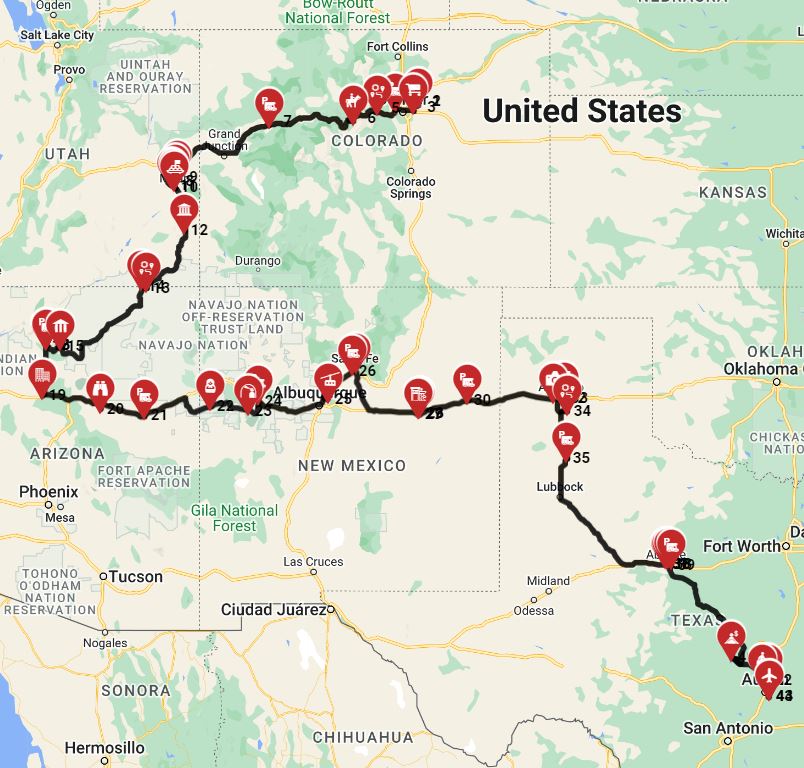
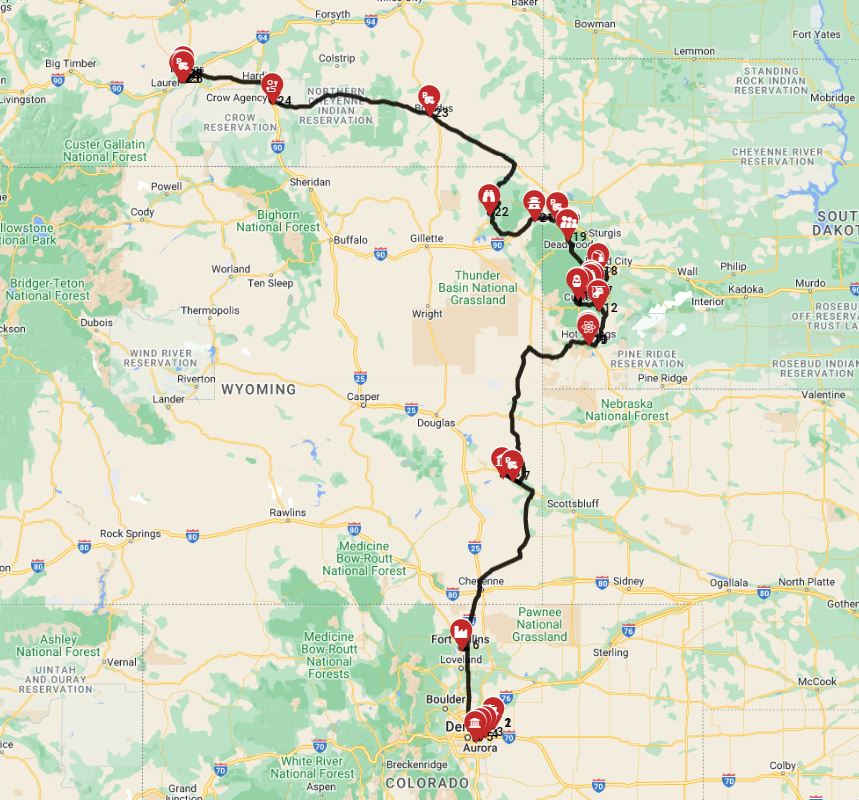
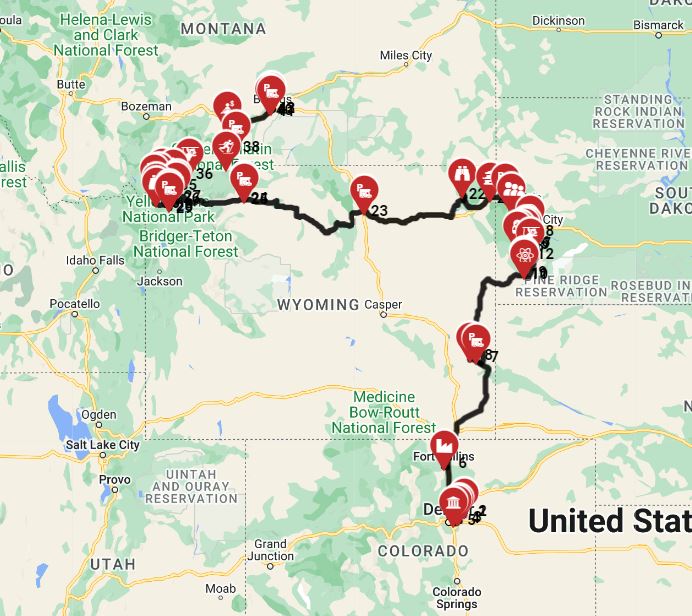
The South West US, with its iconic deserts, majestic canyons, and vibrant cultural landscapes, is a dream destination for a motorhome adventure. Imagine waking up to a sunrise painting the red rock formations, enjoying breakfast with unparalleled views from your rented campervan, and then hitting the open road with total freedom. Whether you're planning a week-long trip or an extended road trip, understanding the nuances of RV driving in this region will ensure a smooth and unforgettable journey. For live availability and current prices, start with our RV Rental South West US - Complete Guide 2026 guide.
Can You Drive an RV in South West US? License & Age Rules
Yes, you can absolutely drive an RV in the South West US with a standard car driver's license (Class D) for most rental motorhomes, provided the vehicle's Gross Vehicle Weight Rating (GVWR) is under 26,001 pounds.
For most travelers, a standard driver's license from their home country is sufficient for driving rental motorhomes like a Class C, Class B Campervan, or Class A RV. If your rented RV has a GVWR of 26,001 pounds or more, or if you plan on towing a trailer weighing over 10,000 pounds (though Bandana exclusively rents motorhomes, making trailer towing irrelevant for our clients), some states might require a non-commercial Class A or B license. It's always best practice to carry an International Driving Permit (IDP) if your home country's license is not in English, as it provides a translation and avoids any potential misunderstandings with local authorities, though it is not strictly mandatory in all cases.
The minimum driver age for renting a weekend RV in the South West US is 21 years old across most of our partner suppliers, and notably, Bandana does not impose any young driver surcharges or vehicle class restrictions based on age, giving younger adventurers the same freedom as seasoned travelers. This full transparency ensures you know exactly what to expect from day one, without hidden fees or surprises.
Road Conditions & Terrain in South West US
Road conditions in the South West US are generally excellent, featuring well-maintained interstates and state highways that seamlessly connect major cities and national parks, making RV travel smooth and enjoyable.
The region’s terrain is incredibly diverse, offering everything from vast, flat deserts perfect for long scenic drives to towering mountain ranges, deep canyons, and high plateaus, all generally navigable by a rented RV or campervan. While primary roads are smooth, you'll find that secondary roads, especially those leading to more remote trailheads, smaller national monuments, or dispersed camping areas, can be unpaved, gravel, or dirt. These require extra caution and a slower pace. Driving slowly and carefully, you can navigate almost anywhere without issues. No need to stress - just use common sense and pay attention. We always recommend slow travel, averaging a maximum of 100-150 km per day, allowing you to truly feel the place and connect to the diverse scenery. For a visual journey and expert tips, you might enjoy our RV Travel Guide to South West US - Tips and Top Spots 2026.
🎬 Video coming soon
RV Size Limits, Bridges & Restricted Zones
Most main roads and highways throughout the South West US are designed to accommodate all standard RV sizes, with overall vehicle length limits typically around 65 feet for a single motorhome.
While low bridges are an uncommon concern on major interstate routes, it's always wise for travelers to be mindful of posted height restrictions, particularly when venturing into smaller, historic towns, specific scenic byways, or certain state and national park entrances. Environmental zones, like those that restrict vehicle access in some European cities, are generally not a concern for RVs in the South West US. However, certain protected areas such as national parks or tribal lands may have specific access rules, require permits, or have size restrictions for certain interior roads or campgrounds. Ferry limits are typically not relevant for RV travel in the South West US, as most major routes do not involve ferry crossings. Bandana is committed to full transparency, so if any specific rental motorhome has unique restrictions, we ensure you know upfront.
Fuel: Diesel vs. Petrol & Cost per 100 km
In the South West US, petrol (gasoline) is readily available at virtually all gas stations, while diesel is widely found at larger truck stops and many standard stations, particularly along major interstates, ensuring convenient refueling for most RV rentals.
Many of Bandana's global fleet RVs, including Class SI (Semi-integrated) and Class B (Camper Van) models, primarily use diesel fuel, which is often more fuel-efficient. Based on Bandana's global fleet averages, a Class SI RV typically consumes 10-11 Liters/100 km, while a Class B Camper Van uses 8-10 Liters/100 km. Larger Class C motorhomes, such as a Cruise America Explorer (7.1 meters long with a 75 Liter fuel tank), often run on petrol and might consume around 11 Liters/100 km. Assuming an average diesel price of $1.15 per liter (approximately $4.35/gallon) in the South West US, the cost per 100 km for a Class B Camper Van would be roughly $9.20-$11.50, for a Class SI it would be $11.50-$12.65, and for a petrol Class C around $12.65. Travelers should inquire if their rented motorhome includes fuel discount cards to help manage costs. When planning your budget, remember that fuel is a significant ancillary cost; RV PLANET routes offer tools to itemize and track every expense along the way for easy budgeting. On the routes offered through RV PLANET routes, you can itemize and track every expense along the way for easy budgeting.
Tolls, Vignettes & Border Rules
The South West US generally does not utilize vignettes (pre-paid road tax stickers) common in some other countries, though electronic tolls are present on certain highways, bridges, and tunnels, particularly in states like Texas and California.
These toll roads often operate with cashless systems, so it’s advisable to plan ahead. Look for 'EZ-Pass' or 'SunPass' compatibility, or 'Pay-by-Mail' options, which can often be linked to your rental vehicle. Some of our rent-motorhome RVs may allow pre-purchasing toll passes or include transponders, simplifying payments and helping travelers avoid potential fines. Crucially, there are no internal border rules or checkpoints when driving a rented RV between states within the South West US or with neighboring US states. This allows for seamless travel across state lines, offering immense freedom to explore the vast landscapes without interruption.
Driving Tips for weekend rv rental Travelers
For successful weekend RV rental travel in the South West US, planning frequent stops, diligently monitoring resources, and preparing for diverse weather are key to a safe and enjoyable journey.
- Plan Frequent Stops: The vast distances in the South West US make regular breaks essential. For families, aim for stops every 2-3 hours at well-equipped rest areas, scenic overlooks, or charming small towns to stretch legs and explore. Remember, travel slowly, max 100-150 km per day on average, to fully soak in the experience.
- Monitor Fuel & Water: Services can be sparse in remote desert areas, so always know your next fuel and potable water stop. Keep your fresh water tank topped up and waste tanks managed, and never let your fuel tank get too low. Bandana RV takes care of the big details, and we encourage you to stay on top of the small ones for a carefree trip.
- Prepare for Weather Changes: The South West US experiences significant weather variations. Always carry extra drinking water, check forecasts for extreme heat (especially in summer, where temperatures can exceed 40°C), flash flood warnings (during monsoon season from July-September), or sudden cold fronts in higher desert and mountain areas.
- Utilize Navigation Apps: Use RV-specific GPS applications (such as RV Life GPS) that consider your vehicle's height and weight. This helps you avoid unsuitable roads, low clearances, or tight turns, especially with a larger Class C motorhome like the Cruise America Explorer (7.1 meters in length).
- Budget Consciously: Ancillary costs like fuel, campground fees, and groceries can add up. Consider utilizing free dispersed camping on Bureau of Land Management (BLM) lands and preparing meals in your rented RV's kitchen to save on dining expenses. For great recipe ideas, check out our RV-friendly recipes playlist. Remember, on RV PLANET routes, you can itemize and track every expense for easy budgeting.
Recommended RV Class for South West US Roads
For RV rentals in the South West US, Class B Camper Vans and Class SI Semi-integrated RVs are highly recommended due to their optimal balance of maneuverability, fuel efficiency, and comfortable amenities.
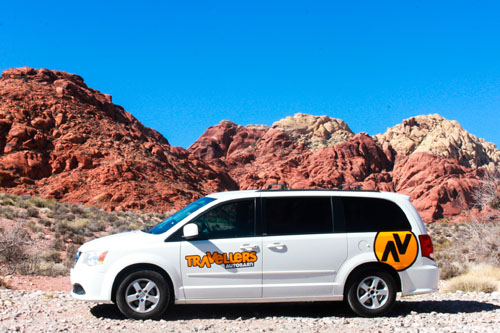
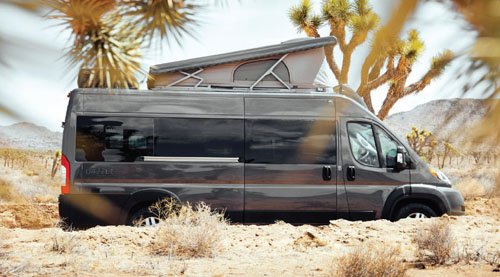
Class B Camper Vans, like an "rv rental denver example Category Van" (average length 5.8 meters, equipped with front air condition, shower, and toilet), offer exceptional agility for navigating smaller roads, parking in standard spaces, and accessing less-developed camping areas. These are perfect for couples or solo adventurers seeking flexibility. Class SI Semi-integrated RVs, such as a "2 Berth Tamar" (averaging 6.9 meters in length), provide more interior space and amenities than a Class B, while remaining manageable on most South West US roads and easier to park than larger Class C or A models. While Class C (averaging 7.5 meters, e.g., a "24' Class C Motorhome" with generator and TV) and Class A (also averaging 7.5 meters, e.g., an "Exclusive First") motorhomes are also perfectly suitable for major routes and established RV parks, their larger size might present a slight challenge for tight turns or crowded national park campgrounds. Choosing the right size ensures peace of mind, allowing you to travel and explore with confidence. You can easily compare options for a "RV Rental in South West US for Couples - Pricing 2026" or find "Cheap RV Rental in South West US - Budget Guide 2026" directly on Bandana.
Should I Choose a Compact Van Instead of a Large RV in South West US?
You can genuinely drive almost any RV size in the South West US without inherent issues, as the region generally features expansive highways and ample space, making comfort and indoor amenities often more valuable than extreme maneuverability for many travelers.
A compact campervan, like Bandana's Class B "Active Classic" (a small RV, ideal for a couple, with shower and toilet), which averages 5.8 meters in length, certainly offers advantages if your itinerary heavily emphasizes frequent city driving, navigating narrow historic streets in towns like Santa Fe, or seeking out remote boondocking spots with limited access. However, for most South West US travel, especially when visiting iconic national parks or staying at well-equipped campgrounds, a larger RV, such as a Class SI (like a "Comfort Family 5" at 6.9 meters) or even a Class C (like a "camper for rent example Big Six" at around 7.5 meters), provides superior comfort, more generous living space, better cooking facilities, and often a full bathroom. The trade-off truly depends on your primary travel style and desired level of comfort: compact for ultimate agility and rugged exploration, or larger for comfortable living and longer, more amenity-rich stays. For those seeking premium options, a "Luxury RV Rental in South West US - Premium Prices 2026" might feature larger, more appointed Class A or C models.
Can I Park Anywhere? Free & Wild Camping Rules in South West US
No, you cannot park an RV anywhere in the South West US; however, the region offers extensive, legal opportunities for free and wild camping (boondocking) on designated public lands.
Boondocking or dispersed camping is widely permitted on Bureau of Land Management (BLM) and National Forest Service (NFS) lands, typically with a 14-day stay limit within a 28-day period in a specific area. It's crucial to always research specific regulations for the area you plan to visit, as rules can vary. Additionally, designated overnight parking is allowed at many Walmart stores, larger truck stops, and some casinos across the South West US, but always make it a point to ask permission from management first. Parking overnight on private property, random city streets, or in undesignated areas within national/state parks is generally prohibited and can result in fines. Always check local regulations before parking overnight, and strictly adhere to Leave No Trace principles when wild camping to preserve the natural beauty of the South West US. For finding campsites and campgrounds during your trip, we recommend using RV PLANET (rvplan.net) - a great resource for locating available spots along your route.
Can I Drive an RV Into the City Center? Heights, Tunnels & Local Signage
Yes, you can almost always drive a rented RV into city centers in the South West US, but careful attention to local signage, particularly regarding height limits, tunnels, and low bridges, is crucial for safe navigation.
Major cities in the South West US, such as Phoenix, Las Vegas, and Albuquerque, are generally RV-friendly, featuring wide arterial roads that accommodate larger vehicles. While parking can be more challenging than in rural areas, look for designated RV parking lots or peripheral parking with shuttle services. Smaller, historic towns, like Santa Fe, New Mexico, or Sedona, Arizona, may indeed have narrower streets or more restricted parking zones, so driving slowly and carefully is key. No need to stress - just use common sense and pay attention. You can drive almost anywhere without issues. Environmental zones are not typically a concern in South West US cities, unlike some European counterparts, but always be aware of local residential parking restrictions or residents-only streets. Always pay close attention to posted height and weight limits for tunnels, underpasses, and parking garages, as these can vary significantly and differ from the vehicle's actual height, especially for a taller Class A motorhome like an "E3" (up to 3 years old, exclusive).
What RV-Specific Practicalities Should I Know for Camping in the South West US?
When RV camping in the South West US, understanding RV-specific practicalities beyond general camping is vital for a smooth trip, encompassing aspects like big rig access, generator rules, and water/waste management tailored to the region's diverse environments.
- Big Rig Access: While many major campgrounds and RV parks, especially those near national parks, are designed to accommodate large RVs (Class A, Class C like the "MHC28"), some lesser-known spots, older state parks, or remote BLM areas might have tighter turns, smaller sites, or unpaved access roads. Always check campground reviews and details if you're in a bigger motorhome like a "MHLUX" (10.7 meters long).
- Generator Rules & Van Life Amenities: Many campgrounds in the South West US have specific hours for generator use to minimize noise pollution, typically limiting use to certain daytime windows. When boondocking, you'll have more flexibility with generator use but must carefully manage your power; solar panels are highly beneficial given the abundant sunshine. Van life in the Southwest often prioritizes stealth camping and fully self-contained amenities, so ensure your rental campervan, like a "Category Van" (with 95 Liter fresh water tank), is well-equipped.
- Potable Water & Dump Stations: The availability of potable water and dump stations can be sparse in remote South West US areas, making careful planning essential. Route your travels to include regular stops at RV parks, larger truck stops, or specific public facilities for refilling your fresh water tank (e.g., a "MH-A" has a 167 Liter tank) and emptying your waste tanks. Using RV PLANET for route planning can help identify these critical service points.
- Leveling & Hookup Types: Sites in the South West US can be uneven, so always carry leveling blocks for your rented RV to ensure comfort and proper functioning of onboard systems. Understand the electrical hookup types (commonly 30 or 50 amp), water connections, and sewer hookups at your chosen campground; having appropriate adapters is always a good idea.
How Do I Find and Prepare for Boondocking and Dispersed Camping in the South West US?
Finding and preparing for boondocking and dispersed camping in the South West US involves utilizing specific online resources and adhering strictly to Leave No Trace principles for a safe, responsible, and enjoyable off-grid experience.
- Finding Sites: The vast public lands of the Southwest are prime for dispersed camping. Utilize dedicated apps like iOverlander, Campendium, and FreeCampsites.net, which provide user-generated reviews and GPS coordinates for free sites. Additionally, consult maps from the Bureau of Land Management (BLM) and National Forest Service to locate designated free camping areas on their respective lands. For instance, many areas in Arizona and Utah offer plentiful BLM access.
- Solar Power Considerations: The South West US boasts abundant sunshine for much of the year, making solar panels a highly effective and eco-friendly way to maintain power for lights, charging devices, and small appliances while off-grid. Many modern campervans and motorhomes, even those for rent, are increasingly equipped with or offer solar charging options, like some "Koru Star 4 Freedom" models (280-watt solar system with 2.88 kilowatt-hours storage).
- Cell Service Dead Zones: Be aware that many remote boondocking locations across the South West US will have limited or no cell service, especially in national parks or deep canyons. Consider investing in a cellular signal booster or, for critical communication, a satellite communication device for emergencies. Always download offline maps of your planned routes and camping areas.
- Leave No Trace Principles: Practicing strict Leave No Trace (LNT) principles is paramount when wild camping to preserve the fragile desert and mountain ecosystems. This includes packing out all trash, properly disposing of human and pet waste, minimizing campfire impacts (if fires are allowed), and respecting wildlife. Always leave your campsite cleaner than you found it.
How to Prepare Your RV for Weather Extremes and Seasonal Changes in the South West US?
Preparing your rented RV for the South West US's distinct weather extremes and seasonal changes is critical for both safety and comfort, covering everything from intense summer heat to unexpected winter snow in higher elevations.
- Extreme Heat Preparedness: During summer, temperatures in low desert areas can easily exceed 40°C. Ensure your RV's air conditioning unit is in top working condition before your trip. Consider using reflective window covers to keep the interior cooler, and always carry an abundance of extra water for drinking and cooling. Monitor your RV's tire pressure regularly, as heat can cause air expansion and increase the risk of blowouts. Vehicles like the "rv rentals utah example Sunrise Escape" (length 7.6m) or the "cruise america example R 27-30" (210 Liter fresh water tank) are well-equipped for warmer climates.
- Flash Flood & Monsoon Season: The late summer months (typically July through September) bring the monsoon season to parts of the South West US, characterized by sudden, heavy rains. Be vigilant for flash flood warnings, especially when traveling through washes, slot canyons, or low-lying areas. Avoid parking or camping in dry riverbeds (arroyos) which can quickly become dangerous.
- High Desert Snow/Ice: While often associated with heat, higher elevations in states like Arizona, New Mexico, Utah, and Colorado can experience freezing temperatures and significant snowfall in winter. If traveling during colder months, winterize your RV's water system (or ensure your rental is already winterized) to prevent pipes from freezing, and carry tire chains if you plan on venturing into mountainous regions where snow is possible.
- Impact on RV Systems & Fuel Consumption: Extreme temperatures, whether hot or cold, can significantly affect your RV's systems. Running the air conditioning extensively in summer or the furnace in winter will increase fuel (petrol or propane) consumption, impacting your overall trip costs. Diesel RVs like the "DVC" (fuel consumption 11-15 Liters/100 km) might be more efficient. Plan your itinerary accordingly and account for these factors in your budget.
What Off-the-Beaten-Path RV Destinations and Local Cultural Experiences are in the South West US?
Beyond the universally popular national parks, the South West US offers numerous off-the-beaten-path RV destinations and rich local cultural experiences that provide a deeper, more authentic immersion into the region's unique charm.
- Lesser-Known State Parks & BLM Areas: While iconic, don't limit yourself. Explore hidden gems like Valley of Fire State Park (Nevada), known for its stunning red sandstone formations and ancient petroglyphs, or Kodachrome Basin State Park (Utah) with its unique sandstone spires. The vast recreation opportunities on Bureau of Land Management (BLM) lands, such as Gold Butte National Monument (Nevada) or portions of the Owyhee Canyonlands (touching parts of Oregon/Idaho, near the Southwest), offer incredible dispersed camping and hiking for adventurous souls.
- Tribal Lands & Respectful Visiting: Many unique geological and cultural sites, such as Canyon de Chelly National Monument (Arizona) or Monument Valley (Arizona/Utah), are on Native American tribal lands. Always research entry requirements, obtain necessary permits, and show utmost respect for local customs, sacred sites, and indigenous communities. Supporting local businesses on these lands is a great way to experience the true culture.
- Local Cultural Events: Seek out local festivals, art markets, and community events in smaller towns. Examples include the cowboy poetry gatherings in Elko, Nevada, the vibrant art scene and historic adobe architecture in Bisbee, Arizona, or the numerous Pueblo feast days in New Mexico (always check public access guidelines). These events offer a glimpse into the local way of life that large cities often miss.
- Unique Dining Experiences: Venture beyond tourist traps to discover authentic regional cuisine. Indulge in New Mexican green chile dishes in Albuquerque, sample a Sonoran hot dog in Tucson, Arizona, or find incredible Navajo fry bread at roadside stands. Cooking in your rented RV, especially after gathering fresh local ingredients, is also a fantastic way to enjoy the regional flavors. Our RV-friendly recipes playlist offers inspiration.
What are the Best Connectivity Tips for RV Digital Nomads in the South West US?
For RV digital nomads traversing the South West US, optimizing connectivity is paramount, requiring a strategic approach to cell service, signal boosters, and alternative internet solutions to stay productive in often remote areas.
- Reliable Cell Service: Research which mobile carriers offer the strongest presence along your planned route, as coverage can vary significantly. Verizon and AT&T generally provide the best coverage in rural South West US areas and national parks. Consider having SIM cards or hotspot plans from multiple providers (e.g., a "motorhome hire new zealand example Hippie Hitop" often has basic connectivity options) to maximize your chances of a signal.
- Cell Boosters: Invest in a cellular signal booster, such as a WeBoost, which can significantly amplify weak signals, often making usable internet available in areas where connectivity might otherwise be non-existent. These devices work by taking a weak signal from outside your RV and rebroadcasting a stronger signal inside.
- Starlink Viability: Starlink has emerged as a transformative solution for RVers, providing high-speed internet in even the most remote locations across the Southwest, as long as you have a clear view of the sky. While it requires an upfront investment, it offers unparalleled reliability for digital nomads needing constant connectivity.
- WiFi Availability: While often unreliable for consistent work, public WiFi can be found at various locations. Many libraries, coffee shops, and even some national and state park visitor centers offer free Wi-Fi. Many private campgrounds also offer Wi-Fi, though quality can vary. Always have a backup plan for crucial work tasks, perhaps by downloading content or working offline.
How to Travel Safely with Pets and Handle Wildlife in an RV in the South West US?
Traveling safely with pets and understanding precautions for encountering wildlife are essential for RVers exploring the South West US, ensuring a harmonious trip for both human and animal companions.
- Pet-Friendly Trails & Attractions: Research pet-friendly trails, parks, and attractions in advance, as many national parks have strict rules limiting pets to paved roads, developed areas, and campgrounds (e.g., Grand Canyon National Park's South Rim Trail is largely pet-friendly, but inner canyon trails are not). State parks and national forests often offer more pet-friendly hiking opportunities. Some Bandana RV rentals, like the "24' Class C Motorhome," are explicitly pet-friendly.
- National Park Pet Rules: Be aware that, generally, pets are not allowed on unpaved trails or inside buildings within US National Parks, with exceptions made for service animals. Always check the specific park regulations on their official website before arriving to avoid disappointment or fines. Never leave pets unattended in your rented motorhome in extremely hot or cold weather.
- Precautions for Desert Wildlife: Understand and respect common desert wildlife. Be vigilant for snakes (rattlesnakes), scorpions, javelina, and coyotes. Keep your pets on a leash at all times, supervise them closely, especially at dawn and dusk, and never, under any circumstances, feed wild animals. Store food securely in your RV to avoid attracting wildlife.
- Pet Safety in RV: Never leave pets unattended in your RV, especially during hot weather, as interior temperatures can rise rapidly and dangerously, even with windows cracked. Ensure they have constant access to fresh water and a cool, comfortable environment. For longer trips, consider renting an RV with good climate control systems.
What You Shouldn't Miss
- Grand Canyon National Park: Witness the awe-inspiring scale of the South Rim, easily accessible with your RV. Enjoy sunrise or sunset views from Mather Point or Yavapai Point, and hike some of the rim trails.
- Zion National Park, Utah: Explore the majestic sandstone cliffs and the Virgin River. Camp at Watchman Campground and take the shuttle to popular hikes like Angels Landing or The Narrows.
- Monument Valley Navajo Tribal Park, Arizona/Utah: Drive the scenic loop through iconic buttes and mesas, immersing yourself in the rich Navajo culture and breathtaking landscapes.
- Sedona, Arizona: Experience the vibrant red rock country with numerous hiking trails, spiritual vortexes, and a charming arts community.
- Route 66 in Arizona: Drive a historic stretch of the "Mother Road" from Seligman to Kingman, passing through classic roadside attractions and ghost towns.
- Looking for expert insights from Avi Bandana? Top 5 Adventures - recommendations from Avi Bandana:
- White Sands National Park, New Mexico: Camp nearby and walk among the dazzling white gypsum dunes, especially magical at sunset.
- Valley of Fire State Park, Nevada: Just an hour from Las Vegas, this park offers stunning red rock formations and petroglyphs with accessible RV camping.
- Canyonlands National Park (Island in the Sky district), Utah: Experience dramatic desert landscapes and overlooks with fewer crowds than its neighbor, Arches.
- Bisbee, Arizona: Explore this historic copper mining town turned artsy haven, with charming streets and unique boutiques.
- Big Bend National Park, Texas: A truly remote and vast park offering desert, mountains, and river activities along the US-Mexico border – perfect for an extended, slow RV adventure.
Final Thoughts
Exploring the South West US by a rented RV or campervan offers unparalleled freedom and a deep connection to some of America's most stunning natural and cultural landscapes. From navigating expansive highways to discovering hidden gems on unpaved roads, the region welcomes RV travelers with open arms and diverse experiences. With a little planning and common sense, you're set for an incredible adventure.
Remember, we're here to support you in finding the perfect motorhome, ensuring full transparency, and helping you prepare for the road ahead. Don't rush your journey; travel slowly, allowing yourself to truly experience each destination and create lasting memories. The South West US awaits your exploration!
Ready to embark on your epic South West US road trip? Discover top destinations, planning tips, all in one place! Compare Motorhome Prices for South West US today.