In This Guide
- Can You Drive an RV in California? License & Age Rules
- Road Conditions & Terrain in California
- RV Size Limits, Bridges & Restricted Zones
- Fuel: Diesel vs. Petrol & Cost per 100 km in California
- Tolls, Vignettes & Border Rules in California
- Driving Tips for RV Rental Travelers in California
- Recommended RV Class for California Roads
- Should I Choose a Compact Van Instead of a Large RV in California?
- Can I Park Anywhere? Free & Wild Camping Rules in California
- Can I Drive an RV Into the City Center? Heights, Tunnels & Local Signage
- What is the Best Season to RV in California - Regional Travel Advice
- What are the Driving Challenges for RVs on California Roads?
- What RV Infrastructure and Services Are Available in California?
- Are RV Rentals Pet-Friendly in California - Tips for Traveling with Pets
- What Unique Off-the-Beaten-Path RV Experiences Can I Find in California?
- How Much Does an RV Trip in California Cost - A Budget Breakdown
- How to Reserve RV Parks in California - Strategies for Popular Parks
California, with its breathtaking coastline, majestic mountains, and vast deserts, offers an unparalleled canvas for a rented RV adventure. Whether you dream of cruising scenic Highway 1 or exploring the depths of Death Valley, a motorhome gives you the freedom to craft your perfect journey. At Bandana RV, we believe in full transparency and supportive service from the moment you start planning your trip to California, ensuring your journey is seamless and unforgettable. For live availability and current prices, start with our RV Rental California - Complete Guide 2026 guide.
Can You Drive an RV in California? License & Age Rules
Yes, most standard rented RVs (under 26,000 lbs Gross Vehicle Weight Rating or GVWR) can be comfortably driven in California with a regular Class C driver's license. This applies to popular motorhome classes like Class B campervans, Class C alcove models, and even many Class A integrated RVs, making RV travel accessible to almost everyone with a standard car license. Drivers must typically be at least 21 years old to rent an RV in California, though specific suppliers might have minimum age requirements of 25 for certain larger Class A models, always check the rental terms carefully.
Foreign drivers visiting California can use their valid home country driver's license for up to one year, but carrying an International Driving Permit (IDP) is highly recommended. The IDP serves as an official translation of your license, which can be invaluable if you encounter any unexpected situations or need to communicate with local authorities. This ensures peace of mind as you navigate California's diverse landscapes in your rented caravan.
Road Conditions & Terrain in California
California offers incredibly diverse road conditions and terrains, ranging from impeccably maintained interstate highways to winding mountain passes and, occasionally, unpaved roads leading to remote campgrounds. Expect varied terrain that includes stunning coastal routes, bustling urban freeways in cities like Los Angeles and San Francisco, and steep grades in regions such as the Sierra Nevada. These varied landscapes are part of what makes RV travel in California so exciting; just remember to adjust your driving style accordingly.
Driving a rented RV in California, whether a compact campervan or a spacious motorhome, encourages slow, scenic travel. This allows you to fully appreciate the stunning and varied landscapes safely and comfortably. Always pay attention to road signs, especially when entering mountainous areas or winding coastal roads, and you'll find navigating California to be a manageable and rewarding experience. There's no need to stress; just use common sense and pay attention.
RV Size Limits, Bridges & Restricted Zones
While California generally accommodates large rented RVs on its main highways, drivers must be aware of specific restrictions, particularly concerning height, weight, and length on certain scenic routes and in localized zones. For instance, many urban areas and older tunnels have height restrictions, with 14 feet being a common general clearance, though lower limits exist in specific spots, so always check signs. Additionally, some national park roads, such as certain sections of Highway 1 or Yosemite's Tioga Pass, may have length limits for motorhomes and campervans, requiring prior research to avoid surprises.
California does not widely implement environmental zones with specific restrictions for RVs, but local ordinances may include idling restrictions or specific access rules in certain areas. It's always a good practice to check local signage as you drive. Planning your routes in advance, perhaps utilizing tools available on rvplan.net, can help you identify and navigate around these potential restrictions, ensuring a smooth journey in your rented RV.
Fuel: Diesel vs. Petrol & Cost per 100 km in California
Fuel availability in California is abundant for both diesel and petrol (gasoline), catering to the diverse range of rented motorhomes and campervans available through Bandana RV. Most of our partner suppliers, like El Monte and Cruise America, offer models that utilize either fuel type, making it easy to find a suitable vehicle. When planning your budget for an RV rental in California, fuel costs are a significant consideration, as prices can vary by region and fluctuate daily. On the routes offered through RV PLANET routes, you can itemize and track every expense along the way for easy budgeting.
Based on our global fleet averages, fuel consumption for a rented RV typically ranges from 8-17 Liters per 100 km. A compact Class B Camper Van, like the "rv rental denver example Category Van" with its efficient design, might average 8-10 L/100km, while a larger Class C motorhome such as the "cruise america rv rental example Explorer" (which has a 2.5 Liter Turbo diesel engine with 11 Liter / 100 Km fuel consumption) could be in the 11-17 L/100km range. Assuming an average fuel price of $1.45/liter (current market price is dynamic and subject to change), estimated costs per 100 km would be approximately $11.60-$14.50 for a Class B Camper Van and $15.95-$24.65 for a Class C motorhome. Remember that actual costs vary significantly by market price, vehicle model, and your driving style. To help you budget effectively, RV PLANET routes allow you to itemize and track every expense, including fuel, for easy budgeting throughout your journey.
Tolls, Vignettes & Border Rules in California
California primarily utilizes electronic tolling systems on specific bridges (like the iconic Golden Gate Bridge and the Bay Bridge) and designated express lanes, rather than a statewide vignette system found in some other countries. You won't find traditional toll booths that accept cash on many of these routes, so familiarizing yourself with FasTrak, California's electronic toll collection system, is important. This system allows for seamless payment via a transponder or by paying online after your trip, avoiding post-trip fines.
Many Bandana RV suppliers offer options to pre-purchase toll passes or utilize electronic payment solutions, which can be a convenient add-on to your rental agreement. This helps ensure smooth passage on tolled routes and prevents unexpected charges after your adventure. Regarding border rules, California shares a border with Mexico to the south; however, taking a rented motorhome or campervan into Mexico typically requires specific permissions, additional insurance, and explicit approval from your rental supplier. For interstate travel within the USA, there are no specific border rules, allowing for easy transitions between California and neighboring states.
Driving Tips for RV Rental Travelers in California
🎬 Video coming soon
To ensure a smooth and enjoyable RV adventure in California, prudent planning and careful driving are key. Always plan your route carefully, especially considering your rented RV's larger size and weight. This means allowing for extra braking distance and making wider turns, particularly in urban areas like San Diego or on winding mountain roads. Remember, you can drive slowly and carefully, and you can drive almost anywhere without issues. No need to stress - just use common sense and pay attention.
Take frequent breaks, especially during longer stretches of driving, to prevent driver fatigue and allow everyone to stretch and explore. Utilize RV-specific GPS navigation to help avoid roads with height, weight, or length restrictions that may be unsuitable for your rented motorhome or campervan. Diligently monitor your fuel gauge, particularly in remote areas of California's deserts and national parks where gas stations can be sparse. Most Bandana RV models, like the "Paradise Family 5" or "4 Berth Adventurer", come with automatic transmissions, which can make navigating California's diverse terrain and city traffic much more comfortable and less tiring.
Recommended RV Class for California Roads
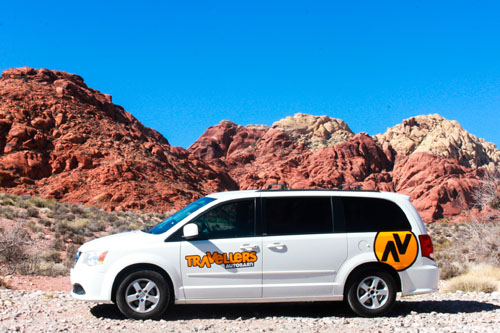
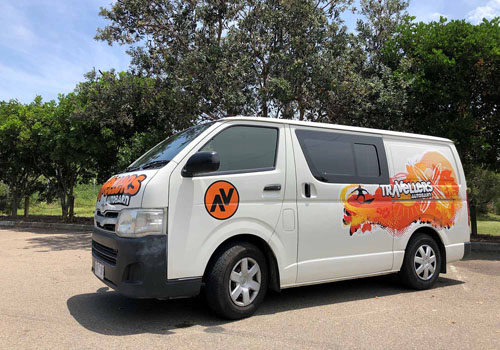
For a balanced experience of maneuverability and onboard comfort on California roads, Class B Camper Vans and Class C motorhomes are highly recommended. Class B Camper Vans, often averaging around 5.8 meters in length, are exceptionally agile and fuel-efficient, typically consuming 8-10 Liters/100 km. This makes them ideal for navigating tighter coastal roads, city streets, and accessing smaller campsites in popular areas like Big Sur or the national parks. They offer features like a shower and toilet, perfect for couples or solo travelers.
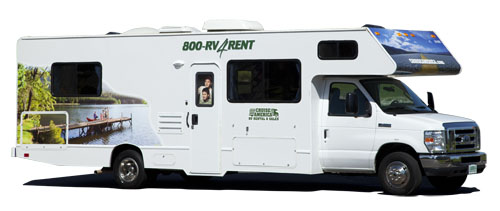
Class C motorhomes, with an average length of 6.5-9 meters, offer a superb compromise, providing more interior space and amenities suitable for small families of 2+2, without being overly cumbersome for most California routes. Models like the "24' Class C Motorhome" (sleeping 5 with a 166 Liter fresh water tank) or the "C-MEDIUM PLUS" (sleeping 5 with a 158 Liter fresh water tank) typically offer a comfortable living experience and manageable dimensions (11-17 Liters/100km fuel consumption) for exploring, including many national parks. For those seeking extra space, a Class A motorhome like the "Class A - Thor ACE 30" (sleeping 6, 302 Liter fuel tank) provides luxurious amenities, though its larger size may require more careful navigation on very narrow or winding roads.
Should I Choose a Compact Van Instead of a Large RV in California?
While a rented compact campervan, such as a "Category Van" or "Active Standard" (both ideal for a couple), offers superior maneuverability and easier parking in California's urban settings and smaller towns, larger motorhomes are generally well-suited for most California roads and provide significantly more comfort and living space. A compact van is genuinely beneficial in very tight, historic city centers like parts of San Francisco or on extremely narrow mountain passes. However, for general highway travel, extended adventures, and spacious camping, a larger Class C or Class SI Semi-integrated RV often provides a better trade-off in terms of amenities and comfort.
The primary benefit of a larger rented RV in California is the enhanced onboard amenities, including more spacious kitchens for preparing meals, larger sleeping areas, and often separate shower and toilet facilities. This allows for a more comfortable travel experience without significant limitations on most popular routes and state/national parks. For instance, a Class C motorhome like the "Adak Argonaut 23 - Gold" offers room for a family of 2+2, whereas a campervan is typically ideal for a couple. You can find comprehensive details for various vehicles in our "RV Rental in California - Prices and Best Deals 2026" guide. For ideas you can prep on the road, watch our RV-friendly recipes playlist on YouTube.
Can I Park Anywhere? Free & Wild Camping Rules in California
Free and wild camping, often referred to as boondocking or dispersed camping, is generally permissible on much of California's vast public lands managed by the Bureau of Land Management (BLM) and within National Forests, provided specific regulations are followed. These lands offer incredible opportunities to find secluded spots away from developed campgrounds, perfect for stargazing in regions like Anza-Borrego Desert State Park, one of the designated Dark Sky Parks. Most areas have a 14-day stay limit within a 28-day period, require camping at least one mile from developed recreation sites, and mandate strict adherence to 'Leave No Trace' principles, which includes packing out all trash and properly disposing of all waste.
It's crucial to understand that rules vary significantly by region and specific land management unit, so always check local regulations, signage, and follow local law before parking your rented motorhome overnight anywhere in California. Urban and private areas typically prohibit unauthorized overnight parking, so avoid attempting to boondock in city limits. Resources like RV PLANET (rvplan.net) can help you identify legal and suitable free camping spots along your route, ensuring you travel responsibly and within regulations.
Can I Drive an RV Into the City Center? Heights, Tunnels & Local Signage
Yes, you can generally drive a rented RV into California city centers, but doing so requires careful attention to local signage, potential height limits, and parking availability. Major cities like San Francisco, Los Angeles, and San Diego have expansive road networks designed to handle various vehicle sizes. However, within the dense urban cores, you must be particularly watchful for low bridges, tunnel height restrictions, and the often scarce and challenging parking options. Always confirm your rented campervan or motorhome's height and cross-reference it with any posted clearances.
Many city centers may also have local environmental zones or specific residential parking rules that restrict larger vehicles. Prioritize local signage and consider parking your RV rental outside the immediate core, utilizing public transport to explore the heart of the city. This approach not only alleviates parking stress but also allows for a more relaxed exploration of city attractions. Remember, driving slowly and carefully, and using common sense, will ensure you can navigate almost any city without issues.
What is the Best Season to RV in California - Regional Travel Advice
The best season to explore California in a rented RV highly depends on your desired region, as the state experiences incredibly diverse climates from its sunny coastlines to arid deserts and snowy mountain ranges. Spring (April-May) and Fall (September-October) are generally ideal for RV travel across most of California, offering mild temperatures, fewer crowds, and vibrant scenery. These shoulder seasons are perfect for exploring both the iconic coastlines (like Big Sur, if your RV fits the length restrictions) and the stunning desert areas such as Joshua Tree National Park.
Summer, while popular for mountain regions like the Sierras (including Yosemite and Sequoia & Kings Canyon National Parks where Giant Sequoias, the largest trees on Earth, reside), can bring high heat to desert areas and significant crowds along the coast. Winter offers unique snow-based adventures in the mountains, but requires vigilance for road closures, potential tire chain requirements, and reduced access. For more specific seasonal pricing, consider checking our "RV Rental in California - Prices and Best Deals 2026" or "Luxury RV Rental in California - Premium Prices 2026" resources. We always recommend slow travel, averaging max 100-150 km per day, to truly immerse yourself in the place, culture, food, and scenery, regardless of the season.
What are the Driving Challenges for RVs on California Roads?
RV drivers in California frequently encounter a range of driving challenges due to the state's varied geography. Navigating tight turns and length restrictions on scenic routes, such as specific portions of Highway 1 south of Big Sur, requires particular attention. Always check for posted signs, as some sections may be impassable for longer motorhomes or campervans. Mountain passes, especially within the Sierra Nevada, present steep grades, demanding careful braking and often necessitating tire chains during winter months. It's crucial to check road conditions before heading into these areas.
Narrow national park roads within destinations like Yosemite, Sequoia, or Kings Canyon can be challenging for larger RVs, often requiring slower speeds and careful maneuvering around tight corners and other vehicles. Always check park-specific vehicle restrictions and advisories before arrival to ensure your rented RV is suitable for the roads you plan to travel. Being prepared for these conditions will make your journey much more enjoyable and safe.
What RV Infrastructure and Services Are Available in California?
California boasts an extensive network of RV-specific infrastructure and services, ensuring that your rental RV adventure is well-supported across the state. You'll find numerous dump stations for waste disposal, freshwater access points, and propane refill stations, which are particularly abundant along major highways and near popular tourist destinations. Major RV service hubs and parts stores are concentrated around Southern California and the Central Valleys, ensuring reliable repair services are never too far away should you need them.
The state offers a vast array of camping options, including hundreds of private campgrounds, picturesque state parks (many with full hookups), and well-equipped national park campgrounds. While national park campgrounds often require advance reservations due to high demand, state parks and private campgrounds can sometimes offer more last-minute availability. Various online resources and apps, such as rvplan.net, are invaluable for locating nearby services, available campsites, and even planning your entire route with detailed points of interest for your California motorhome rental.
Are RV Rentals Pet-Friendly in California - Tips for Traveling with Pets
Many RV rental companies in California understand that pets are part of the family and offer pet-friendly motorhomes and campervans, allowing you to bring your furry companions along for an unforgettable adventure, usually for an additional fee or deposit. Bandana RV partners with suppliers who often provide pet-friendly options, so it's worth checking the specific vehicle details when booking. Traveling with pets requires a bit of extra planning to ensure their comfort and safety, as well as adherence to local rules.
When traveling with pets in California, always research park-specific rules; many state and national parks have restrictions on where dogs are allowed. For example, dogs are often permitted on paved roads, in campgrounds, and on designated pet-friendly trails, but may be prohibited on unpaved hiking trails or certain beaches. Consider California's diverse climates: ensure adequate hydration and shade in the desert heat, and proper protection from cold in mountain regions. Identifying dog-friendly beaches, parks, and trails beforehand using resources like RV PLANET can make your trip much more enjoyable for everyone. Remember to include pet essentials like food, water, bowls, a leash, waste bags, and any necessary medications in your packing list.
What Unique Off-the-Beaten-Path RV Experiences Can I Find in California?
Beyond California's major tourist attractions, a rented RV opens the door to unique, off-the-beaten-path experiences that reveal the state's hidden gems. Imagine exploring the desolate beauty of Anza-Borrego Desert State Park, which offers unparalleled stargazing opportunities as one of the best 'dark sky' viewing locations in the U.S. Or discover the rugged charm of the Eastern Sierra, with its remote hot springs and lesser-known hiking trails. These are the kinds of adventures that truly allow you to connect with nature.
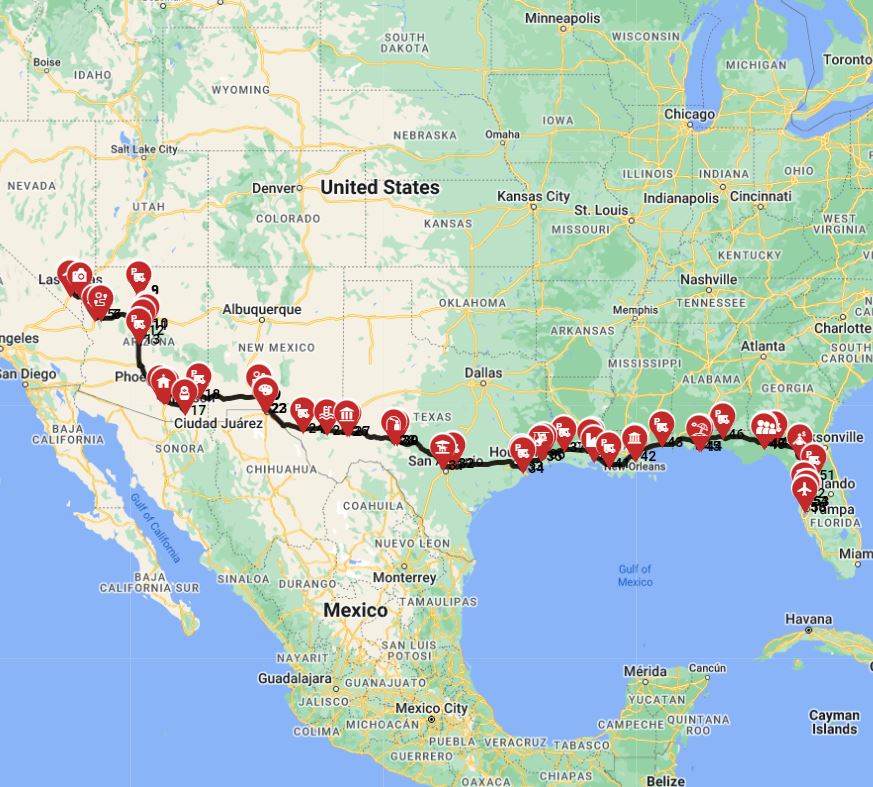
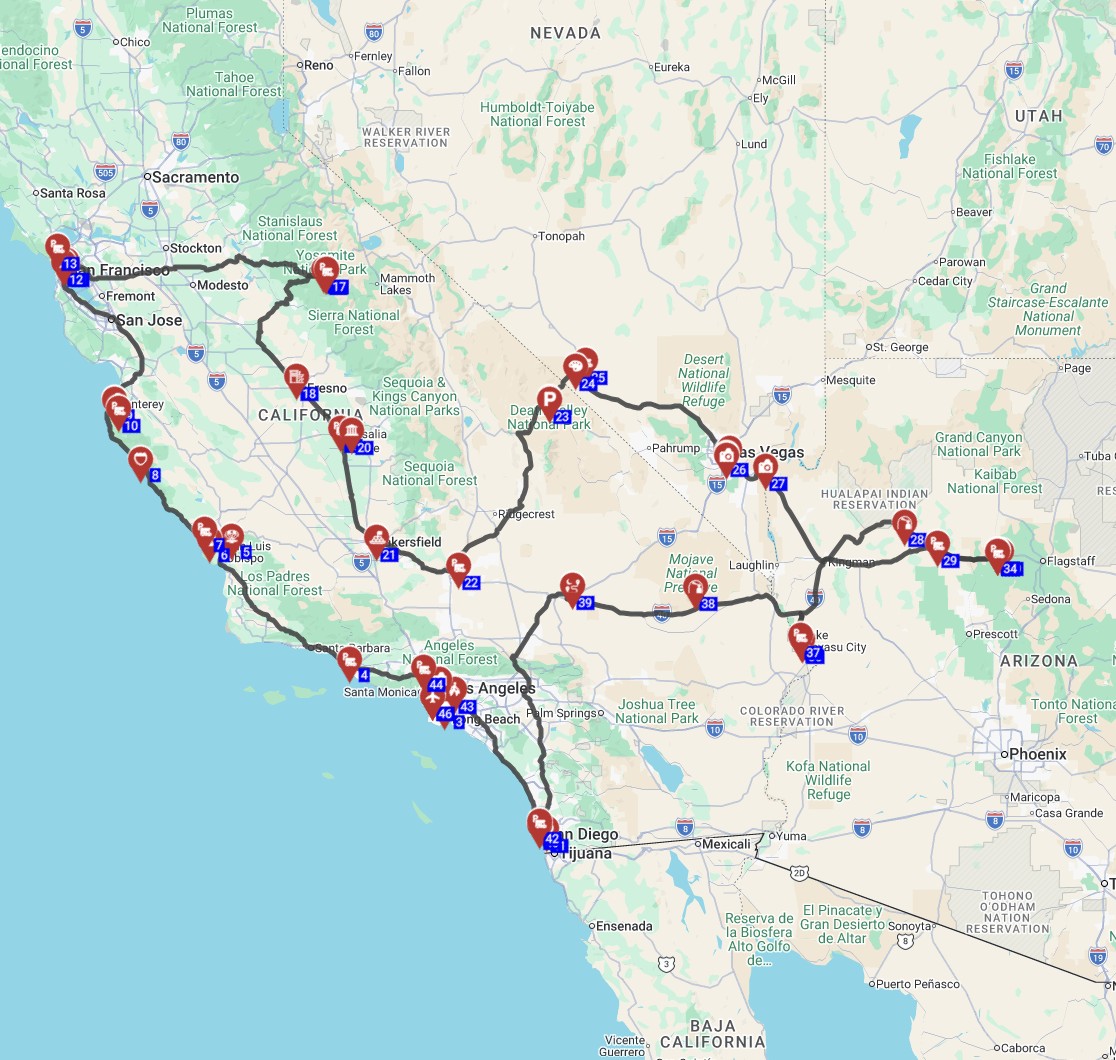
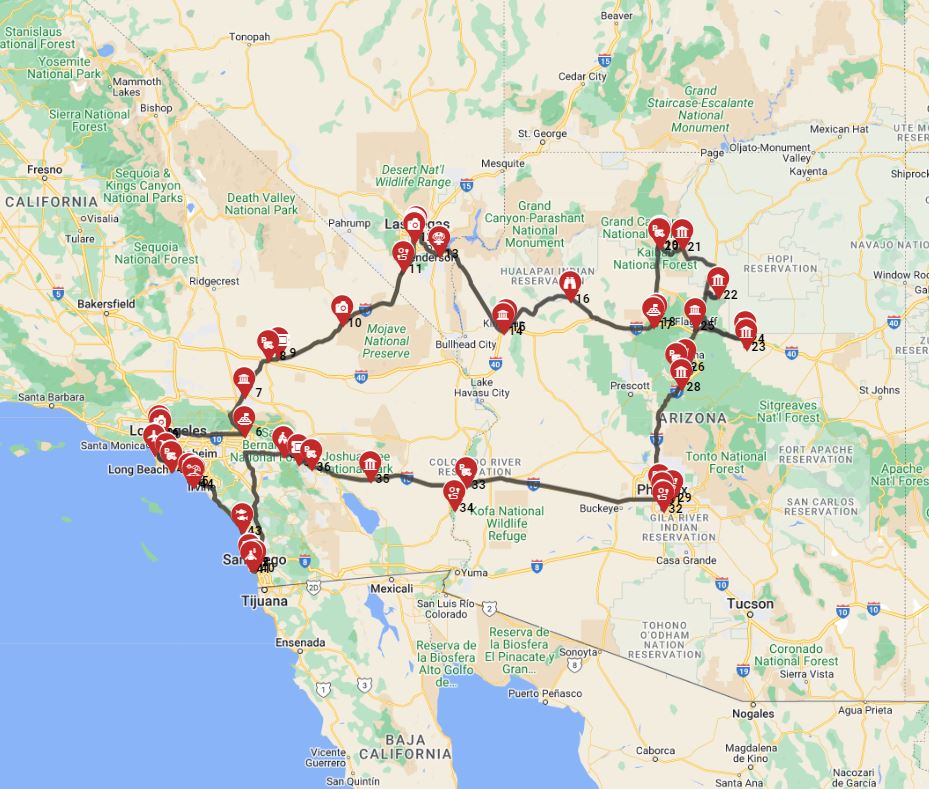
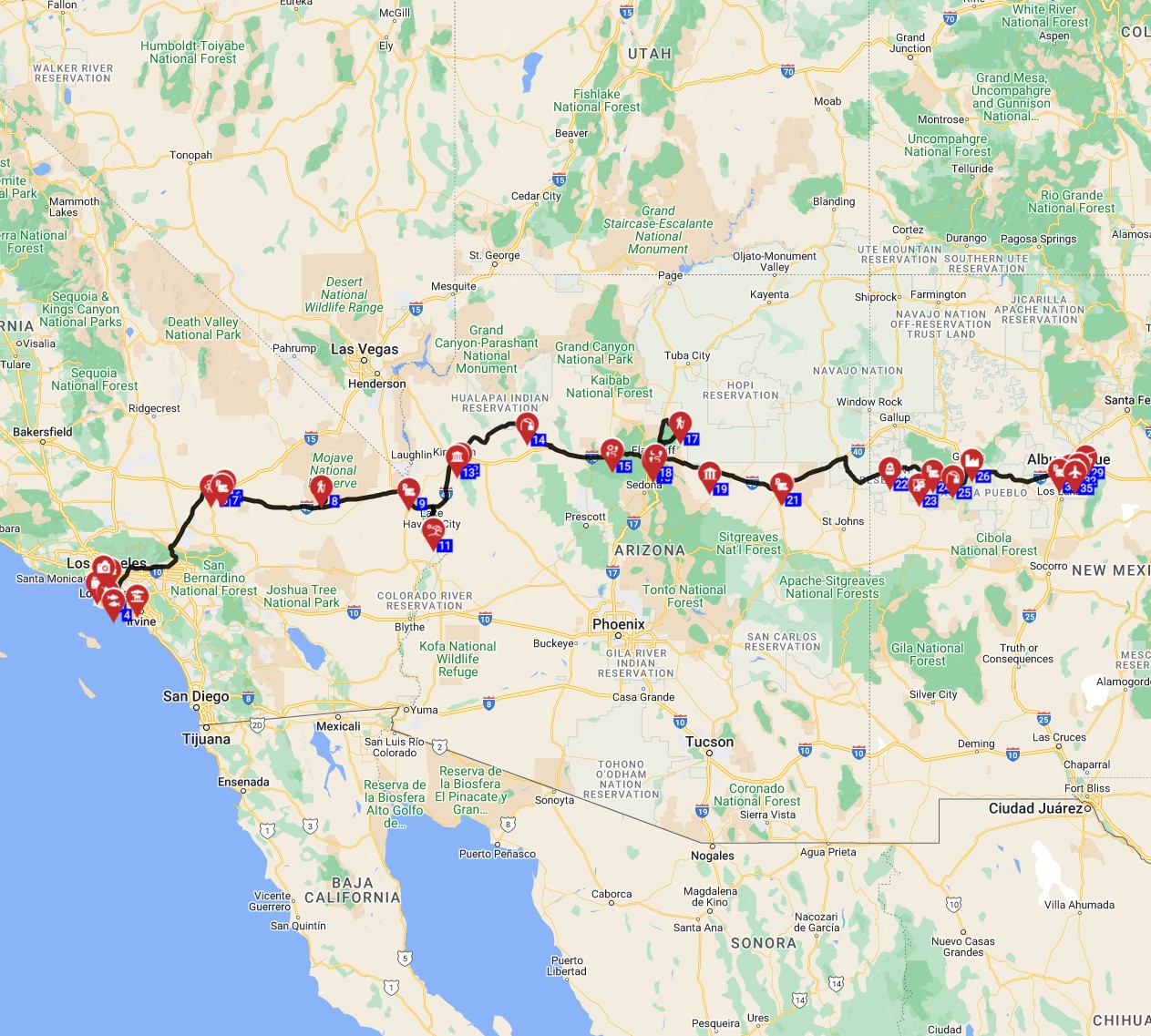
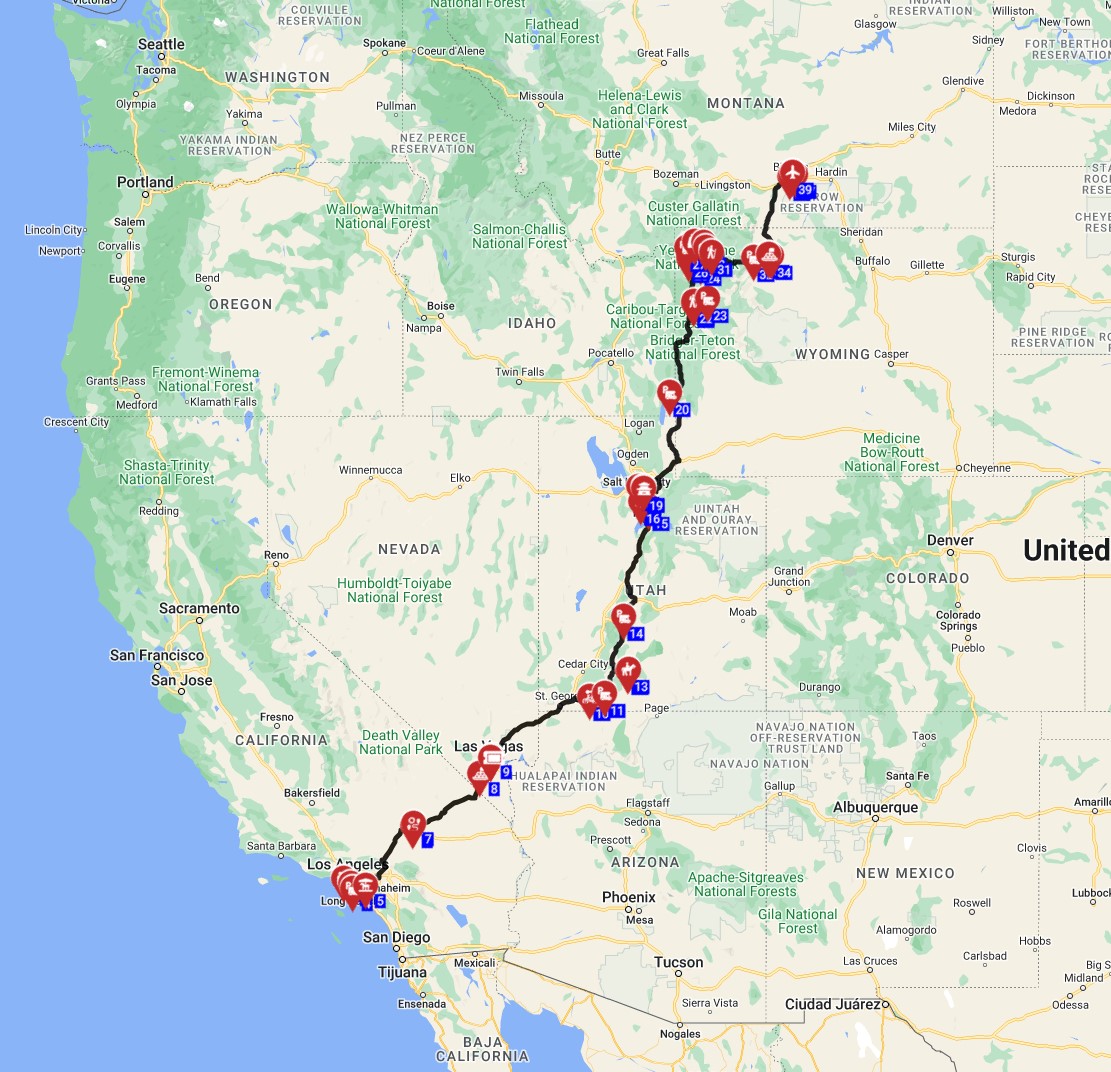
Seek out local cultural immersion by visiting less-known agricultural towns in the Central Valley, exploring historic Gold Rush sites in the foothills, or camping near small, charming coastal communities that offer a glimpse into local life away from the bustling cities. Utilizing dispersed camping (boondocking) opportunities on BLM land and in National Forests can grant you access to secluded spots for stunning stargazing and peaceful natural settings far from crowded conventional RV parks. With a rented mobile home, you truly have a mobile headquarters to venture out and create your own authentic California story. Our San Francisco Roundtrip - The Best of the Southwest by Motorhome: From California’s Coast to Arizona’s Canyons route plan (25 days, 4463.4 km) guides you through 8 hiking areas and 4 scenic routes, ensuring you don't miss these incredible experiences.
How Much Does an RV Trip in California Cost - A Budget Breakdown
The total cost of a rented RV trip in California varies widely depending on your rental duration, chosen vehicle type, season of travel, and personal spending habits. Typically, your budget will need to cover the RV rental itself, fuel, campground fees, activities, and food. Rental costs for a motorhome or campervan are dynamic, fluctuating daily based on availability, seasonality, and supplier marketing decisions. For example, a "Category Small AT" campervan might be more affordable than a larger "Luxury" motorhome.
Fuel expenses will be significant given California's vast distances and often higher gas prices; refer to the Fuel section above for consumption estimates (e.g., 8-17 Liters/100 km). Campground fees can range from $20-$70 per night for developed campsites with hookups, while boondocking on public lands is free. Cost-saving strategies include opting for off-peak travel, utilizing free camping spots where permissible, cooking most meals in your fully equipped RV kitchen, and booking popular campgrounds well in advance for better rates and availability. For planning and tracking these expenses, RV PLANET routes are an invaluable tool, allowing you to itemize and track every expense for easy budgeting. Don't forget to check our "RV Rental Deals in California - Latest Offers 2026" for potential savings.
Remember, the top-level deductible reimbursement is an optional upgrade you can purchase for extra peace of mind, not an included feature by default. This is part of our full transparency, ensuring no hidden fees or surprises.
How to Reserve RV Parks in California - Strategies for Popular Parks
To secure RV sites in California's highly popular state and national parks, advanced planning and prompt reservation strategies are absolutely essential due to overwhelming demand. Many of the 9 National Parks in California, such as Yosemite and Sequoia, utilize a 6-month or even 12-month rolling reservation window. This means you often need to book immediately as the reservation window opens, especially for weekends, holidays, and peak seasons (typically summer and popular fall dates).
However, if popular parks are fully booked, don't despair! Consider alternative options such as nearby private campgrounds, Bureau of Land Management (BLM) land, National Forests, or county parks. These alternatives often have more availability and can offer equally unique and memorable experiences. Many national and state parks also reserve 25-30% of their spots for first-come, first-served arrivals, especially during off-peak times. While this can involve a bit of a gamble, a good strategy is to call ahead to inquire about availability before driving, and if the first campground is full, try the next one. You'll find a spot!
Final Thoughts
A rented RV trip through California is an unparalleled way to experience the Golden State's diverse beauty, from its sunny beaches to its towering redwoods and stark deserts. With a little planning and the right information, you're set for an incredible journey. Remember, the road is your oyster, and flexibility is your best friend when exploring by motorhome or campervan.
Whether you're looking for quick routes to make the most of a few days as part of an extended road trip or a long week-long adventure exploring the entire state, California has something for every type of traveler. We're here to help you every step of the way, providing transparent pricing and expert advice. So, pack your bags, choose your perfect rented RV, and get ready to create memories that will last a lifetime.
Discover top destinations, planning tips, all in one place! Find rv Rentals in California today and start planning your epic California road trip. Happy travels!