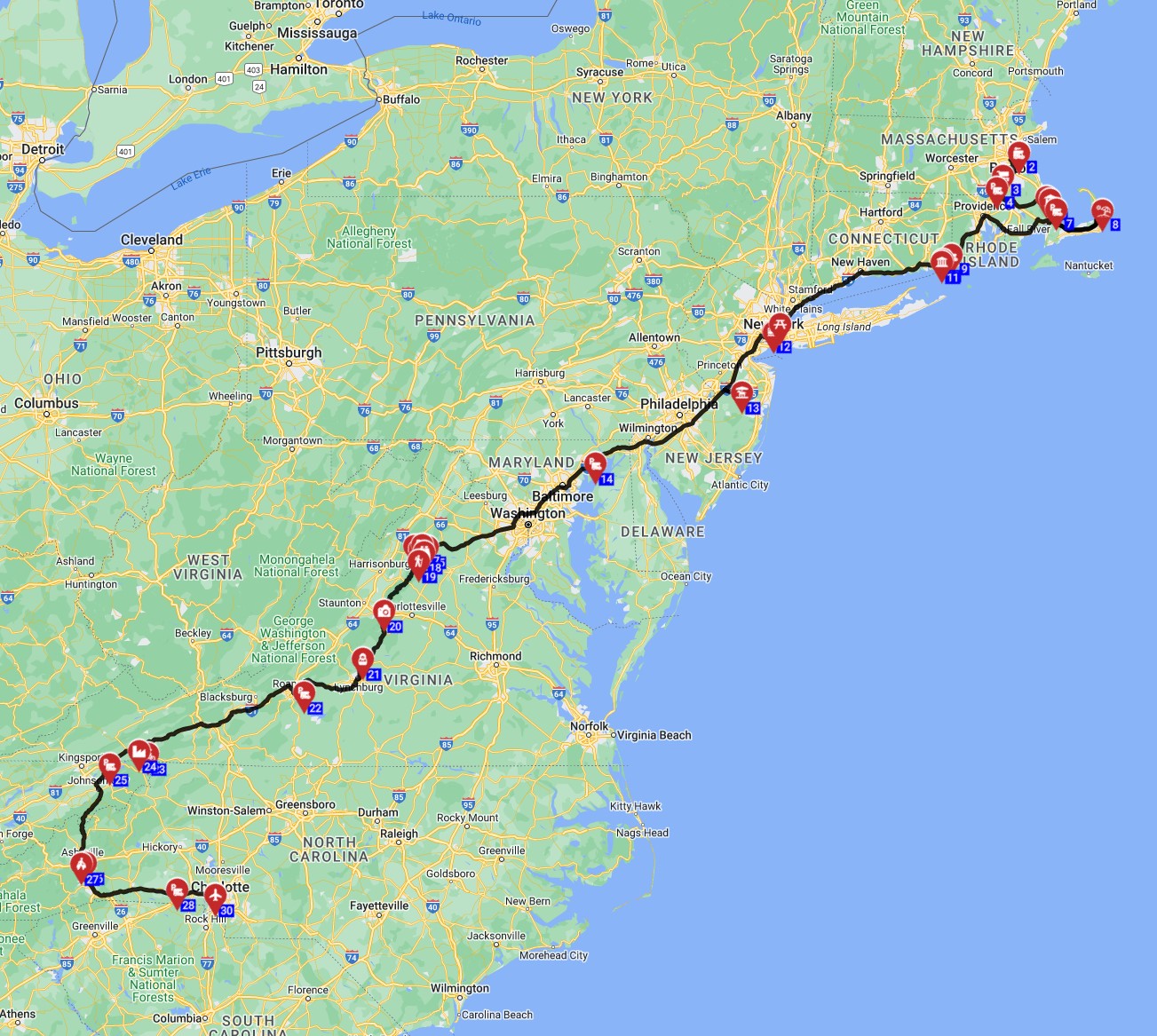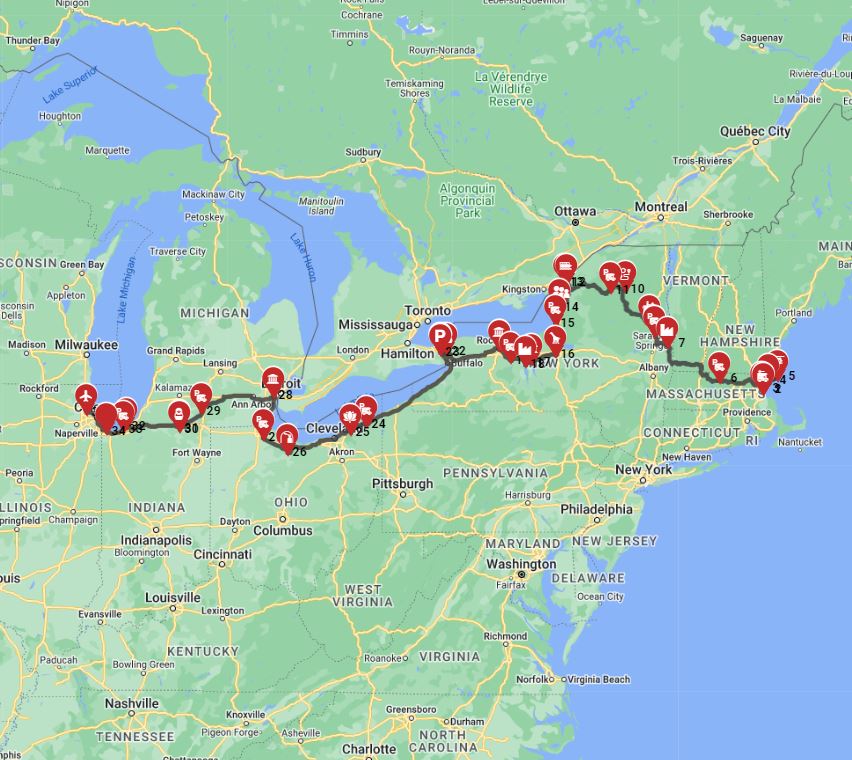
In This Guide
- Can You Drive an RV in Boston? License & Age Rules
- Road Conditions & Terrain in Boston
- RV Size Limits, Bridges & Restricted Zones in Boston
- Fuel: Diesel vs. Petrol & Cost per 100 km in Boston
- Tolls, Vignettes & Border Rules for RVs in Massachusetts
- Driving Tips for Weekend RV Rental Travelers in Boston
- Recommended RV Class for Navigating Boston Roads
- Can I Park Anywhere? Free & Wild Camping Rules in Boston
- Can I Drive an RV Into the City Center? Heights, Tunnels & Local Signage
- Essential RV Insurance for Your Boston Trip
Boston, with its rich history, vibrant culture, and proximity to stunning New England landscapes, offers an incredible backdrop for a weekend RV adventure. Exploring this iconic city and its surroundings in a rented motorhome gives you the freedom to craft your own itinerary and truly connect with the region. Whether you're planning a quick getaway or an extended road trip, understanding the nuances of RV driving in Boston is key to a smooth and enjoyable experience. For live availability and current prices, start with our RV Rental Boston - Complete Guide 2026.
Can You Drive an RV in Boston? License & Age Rules
A standard Class D driver's license is sufficient to drive most rented RVs in Massachusetts, provided the vehicle's Gross Vehicle Weight Rating (GVWR) is under 26,001 pounds. This threshold comfortably covers the majority of popular Class B campervans, Class SI semi-integrated motorhomes, and Class C alcove RVs available for rent.
Drivers must typically be at least 21 years old to rent an RV in the Boston area, with Bandana Caravan ensuring no young driver surcharges are applied based on age for any vehicle class. Foreign drivers can operate a rented RV in Massachusetts for up to one year with a valid foreign driver's license, though an International Driving Permit (IDP) is recommended for clarity and ease of translation, simplifying any interactions with local authorities.
For those considering a week-long RV rental, our Find Weekly RV Rentals in Boston tool can help you compare options from various suppliers like El Monte and Cruise America. Our dedicated support team is available before, during, and after your booking to answer any questions you have about licensing or vehicle requirements, ensuring full transparency with no hidden fees or surprises.
Road Conditions & Terrain in Boston
Boston's road conditions are characterized by a unique blend of historic cobblestone streets, bustling urban highways, and winding suburban roads, demanding a careful and attentive driving approach for RV operators. The city center and coastal areas typically feature flat terrain, which gradually transitions into more rolling hills as you venture into the surrounding Massachusetts suburbs and toward the scenic New England region.
Urban density means frequent stops, heavy traffic, and often narrower lanes, particularly within Boston's older districts like the North End or Beacon Hill. For instance, navigating Hanover Street in a larger motorhome requires precision. While driving any size RV slowly and carefully allows you to navigate almost anywhere without issues, a more deliberate pace is especially beneficial here. Taking your time not only ensures safety but also allows you to soak in the charming atmosphere and scenic routes, particularly along coastal drives like Route 1A, when exploring beyond the immediate city of Boston. Discover top destinations and planning tips in our "RV Travel Guide to Boston - Tips and Top Spots 2026".
RV Size Limits, Bridges & Restricted Zones in Boston
RV drivers in Boston must be highly aware of specific height and weight restrictions, particularly due to the numerous historic low bridges and tunnels found within the city and surrounding areas of Massachusetts. A critical restriction to remember is that the Ted Williams, Sumner, and Callahan Tunnels, which provide main access into and out of downtown Boston, strictly prohibit vehicles carrying propane tanks, meaning most rented RVs will need to plan significant detours through surface streets like Storrow Drive (which itself has height restrictions) or use I-93 North/South routes. On the routes offered through RV PLANET routes, you can itemize and track every expense along the way for easy budgeting.
Bridge heights across the region can be as low as 10 to 12 feet, necessitating prior route planning and constant attention to posted signage to avoid costly collisions and delays. Always check your RV's height and cross-reference with route information. While Boston doesn't have specific environmental zones restricting RV entry based on emissions, the inherent congestion and the physical dimensions of larger vehicles naturally deter them from the tightest, oldest sections of the city. To find suitable Class C and Class B campervan options for your trip, check out our "Weekend RV Rental in Boston - Pricing 2026" guide.
Fuel: Diesel vs. Petrol & Cost per 100 km in Boston
Rented RVs in Boston primarily utilize either diesel or petrol (gasoline), with both fuel types being widely available across Massachusetts. Bandana's fleet data indicates that Class SI (Semi-integrated) RVs typically consume 10-11 Liters/100 km (around 21-24 MPG), while Class C (Alcove) RVs average 10-12 Liters/100 km (approximately 19-21 MPG).
More fuel-efficient Class B (Camper Van) RVs often consume around 10 Liters/100 km (about 24 MPG), offering better mileage for urban exploration and shorter weekend trips. The exact cost per 100 km will fluctuate with current fuel prices, but budgeting approximately $15-$25 per 100 km is a realistic estimate for your travels in the Boston area. When planning your route, consider adding fuel stops and managing your budget effectively. For a comprehensive overview of trip costs, including fuel and other expenses, RV PLANET routes allow you to itemize and track every expense along the way for easy budgeting.
Tolls, Vignettes & Border Rules for RVs in Massachusetts
Drivers of weekend RV rentals in Massachusetts will primarily encounter electronic tolls, particularly along the Massachusetts Turnpike (I-90) and on several bridges, such as the Tobin Bridge, a major route into Boston. Massachusetts operates an "All-Electronic Tolling" system, meaning there are no traditional toll booths for cash payments, so tolls are collected via E-ZPass transponders or through "Pay By Plate" (where your license plate is photographed and a bill is mailed).
It's highly recommended to utilize an E-ZPass transponder, which some RV rental providers offer as a pre-purchase option or have integrated into their vehicles, to avoid higher "Pay By Plate" rates and potential late fines. Our partners, such as Cruise America and El Monte, can provide guidance on E-ZPass options. Since Massachusetts does not border another country, international border rules are not a concern for a typical weekend rental in Boston; however, extending your trip to neighboring states like New Hampshire or Rhode Island will involve different state-specific toll systems and local driving rules. For longer trips, consider exploring our "RV Rental Massachusetts - Complete Guide 2026" for broader state-wide advice.
Driving Tips for Weekend RV Rental Travelers in Boston
Successfully navigating Boston in a rented RV requires strategic planning and a patient approach. Firstly, plan your route meticulously, as Boston's historic layout includes numerous one-way streets and critical tunnel restrictions; for instance, the Ted Williams, Sumner, and Callahan Tunnels famously prohibit vehicles carrying propane tanks, which impacts most RVs and necessitates alternative surface routes or avoiding the tunnels altogether.
Always be aware of your RV's height and diligently check for low bridge height restriction signs, especially on parkways like Storrow Drive, where clearance can be as low as 10 feet. For visiting downtown Boston, the most practical approach is to park your RV at a designated RV-friendly campground outside the city and use "The T" (MBTA subway/bus system) for stress-free sightseeing. When budgeting for your Weekend RV Rental in Boston, remember to account for Massachusetts' electronic tolls and potential RV-specific parking fees, as these can accumulate quickly. Finally, Boston traffic can be congested, particularly during peak hours, so drive defensively, allow ample extra time for travel, and anticipate sudden stops. Remember, slow travel, averaging max 100-150 km per day, allows you to truly feel the place and connect with the culture and scenery.
Recommended RV Class for Navigating Boston Roads
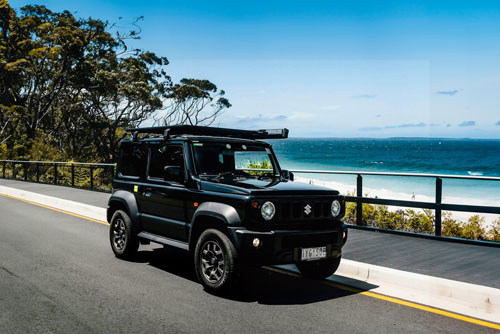
For successfully navigating Boston's unique road conditions and historic infrastructure, a Class B - Camper Van or a Class SI - Semi-integrated RV is often the most recommended choice due to their more manageable sizes. Class B Camper Vans, such as the "rv rental denver example Category Van" with its compact design, averaging around 5.8 meters in length, offer excellent maneuverability for tight urban streets and much easier parking, akin to driving a large SUV. These smaller units are ideal for couples or small families embarking on a Weekend RV Driving in Boston trip.
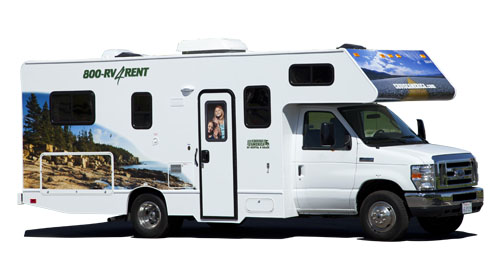
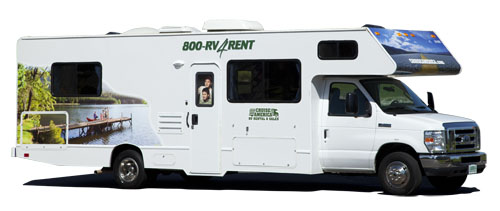
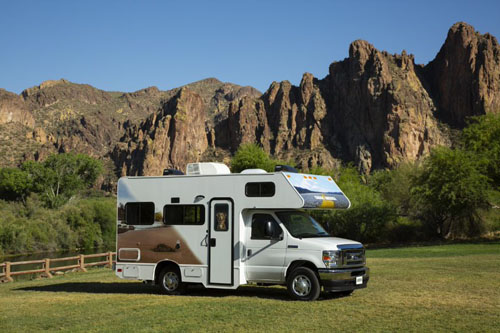
Class SI Semi-integrated RVs, typically averaging 6.9 meters in length, provide more interior space and amenities like a shower and toilet, while still being significantly less cumbersome than larger Class C or Class A motorhomes. While Class C (average 7.5m, like the "cruise america rv rental example Explorer") and Class A (average 7.5m) RVs offer greater comfort and sleeping capacity for families (e.g. "rv rentals example Comfort Class" can accommodate a big family), their larger dimensions can make navigating Boston's narrow streets, low bridges, and finding suitable parking extremely challenging. It's about balancing your desired amenities with the practicalities of urban driving.
Ultimately, a compact van's smaller footprint makes it easier to find parking outside the immediate city center, and it is less daunting to drive in heavy traffic, freeing you up to explore more spontaneously. For those seeking luxury, our "Luxury RV Rental in Boston - Premium Prices 2026" guide features larger, well-appointed RVs, though their size needs careful consideration for Boston city travel.
Can I Park Anywhere? Free & Wild Camping Rules in Boston
Free or "wild camping" is generally not permitted within Boston city limits or most developed areas of Massachusetts, particularly for rented RVs, due to strict local ordinances against overnight parking in public spaces. Attempting to park a large vehicle like a motorhome on Boston's narrow residential streets can also lead to significant inconvenience and fines. Finding suitable RV parking in Boston itself is a substantial challenge; street parking for large vehicles is rare, and many multi-story garages have height restrictions as low as 6 feet 8 inches, far too low for most RVs.
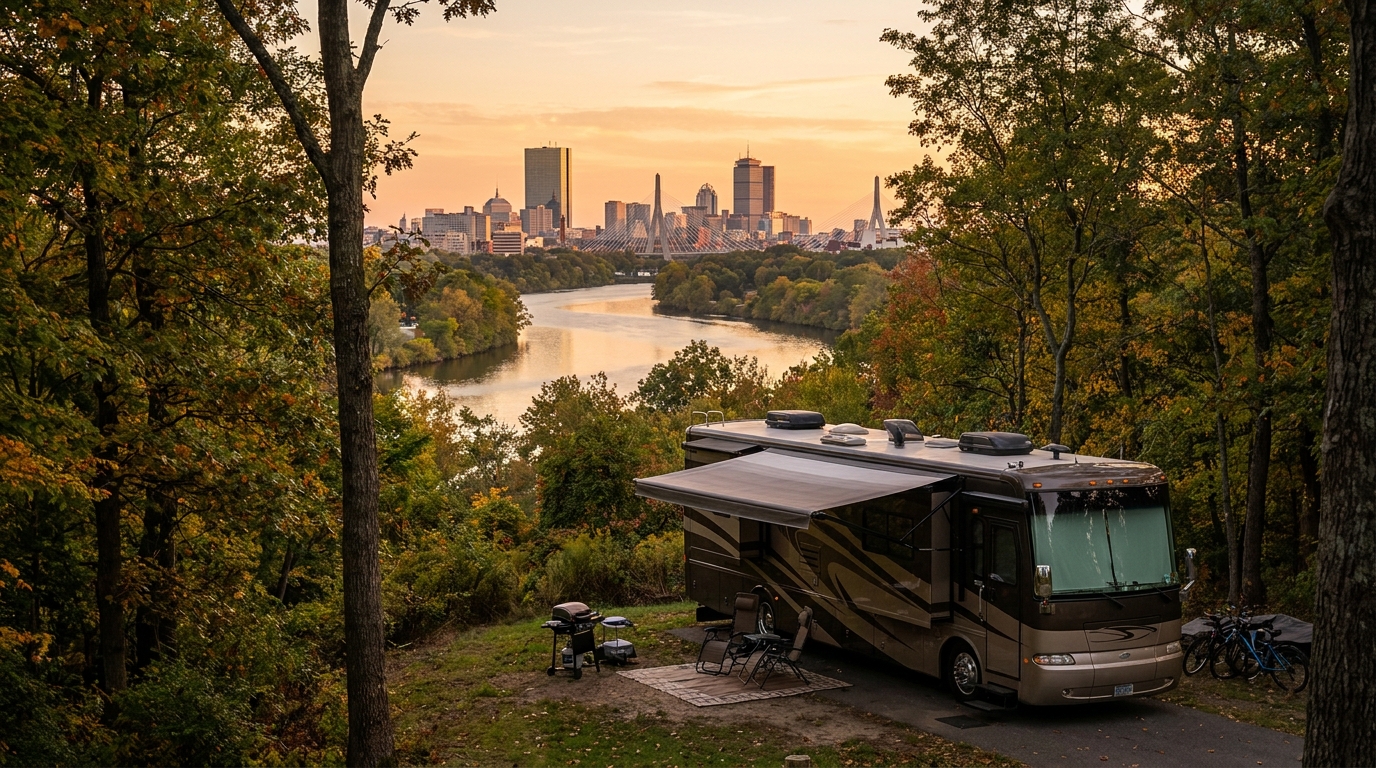
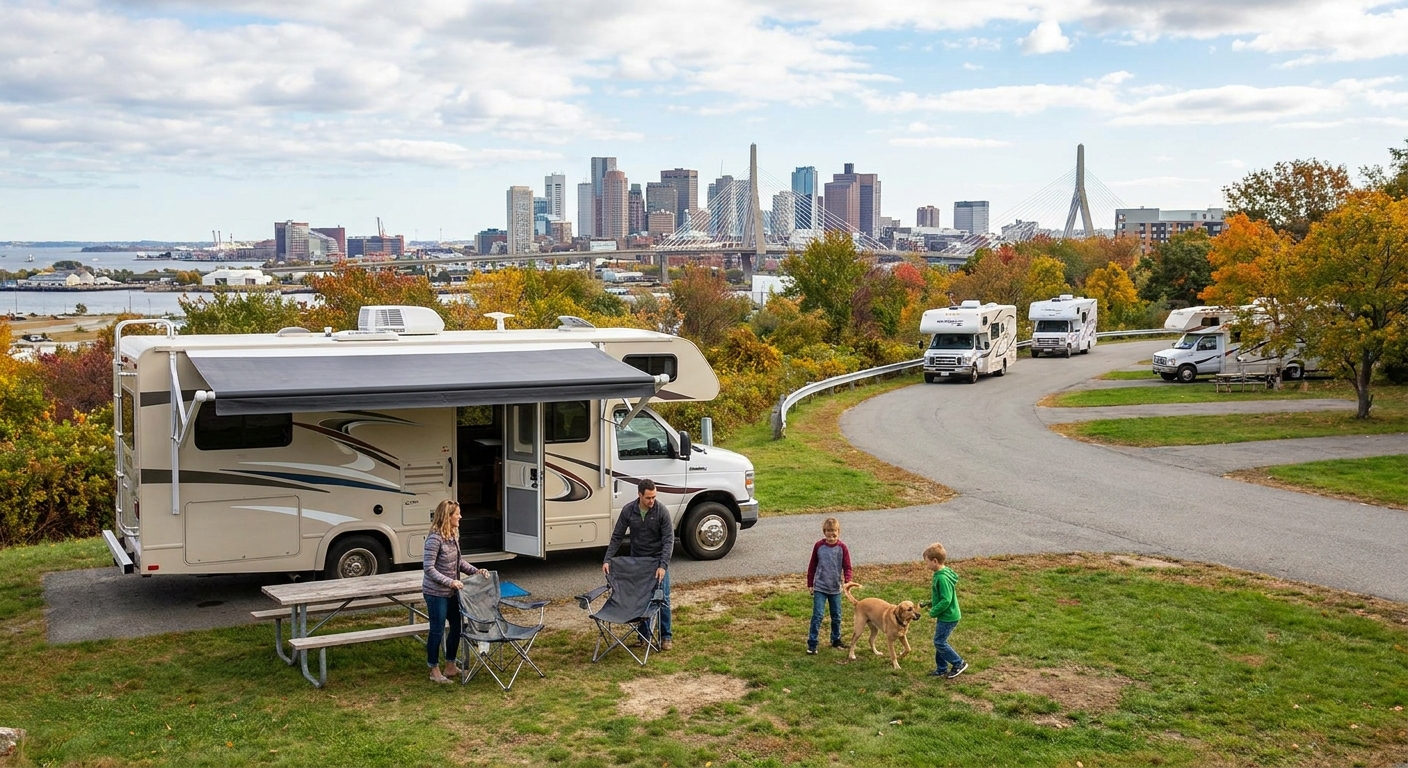
Designated RV parking is typically limited to private campgrounds, RV parks, or specific parking lots located on the outskirts of the city. RV-friendly campgrounds with convenient public transport access to Boston are your best option for overnight stays. For example, Wompatuck State Park in Hingham, about 20 miles south of Boston, offers 262 campsites, many suitable for RVs, and provides access to public transit for downtown excursions. Always check local regulations and adhere to local laws before parking overnight, as fines for illegal parking can be substantial. For help planning your campground stays, consider routes offered on rvplan.net, which include recommendations for convenient RV sites. Check out our "Cheap RV Rental in Boston - Budget Guide 2026" for more budget-friendly camping solutions.
Can I Drive an RV Into the City Center? Heights, Tunnels & Local Signage
While technically possible, driving a rented RV into Boston's city center is generally not recommended for larger units due to significant logistical challenges. The city presents a maze of extremely low bridge heights (some as low as 10-12 feet on parkways like Storrow Drive, notorious for "can opener" incidents), narrow historic streets, and a complex network of winding roads and one-way systems.
Crucially, propane tanks are strictly banned in Boston's major tunnels- the Ted Williams, Sumner, and Callahan Tunnels - making direct access to many parts of downtown for most RVs impossible without significant detours. Always pay close attention to all local signage, especially for height limits, weight restrictions, and any residents-only or restricted-access streets common in older neighborhoods. The most practical approach for a weekend RV rental is to park your campervan or motorhome at an RV-friendly campground on the outskirts, such as Harold Parker State Forest or Wompatuck State Park, and then utilize Boston's robust public transportation system, "The T," to explore downtown attractions like the Freedom Trail or Quincy Market. This strategy ensures a stress-free visit, avoiding the headaches of urban RV navigation and parking. Find more tips in "RV Travel Guide to Boston - Tips and Top Spots 2026".
Essential RV Insurance for Your Boston Trip
Temporary RV insurance is readily available and highly recommended for short-term rentals, ensuring peace of mind for your weekend RV trip to Boston. Many personal auto insurance policies offer a rider or extension that can cover rental RVs, making it wise to first check with your existing insurer for coverage details. Alternatively, most RV rental companies, including Bandana's partners like El Monte and Cruise America, provide options for purchasing temporary coverage directly from them or through their affiliated insurance partners.
These temporary policies typically cover liability, physical damage to the rented motorhome, and often include roadside assistance, protecting you throughout your adventure. The cost for temporary coverage can vary, ranging from approximately $20 to $60 per day depending on the level of protection selected and the value of the RV. Remember, you can also upgrade to a top-level deductible for extra peace of mind, which offers enhanced protection against unforeseen incidents. It's advisable to obtain specific quotes during the booking process to accurately budget for your trip, keeping in mind that prices are dynamic and can change daily.
🎬 Video coming soon
What You Shouldn't Miss
- Explore the Freedom Trail: Walk the 2.5-mile path through downtown Boston, connecting 16 historically significant sites like Paul Revere's House and Faneuil Hall. Park your RV outside the city and use public transit (the T) to reach the start of the trail.
- Visit the New England Aquarium: Discover marine life from around the world at this renowned aquarium on Boston's Central Wharf, a perfect activity for families with kids on a weekend rv trip.
- Drive the Scenic Coastal Route 127/127A: Venture north of Boston in your rented campervan along the picturesque coast through charming towns like Rockport and Gloucester, enjoying breathtaking ocean views and fresh seafood.
- Hike at Blue Hills Reservation: Just a short drive south of Boston, this expansive state park offers 125 miles of hiking trails, panoramic views from Great Blue Hill, and a chance to immerse in nature, easily accessible with a rented motorhome.
- Enjoy a Lobster Roll in Kennebunkport, Maine: Take a scenic detour about 90 miles north of Boston for a classic New England culinary experience in this charming coastal town. You can prepare other delicious meals right in your RV kitchen, too. RV-friendly recipes playlist
Looking for expert insights from Avi Bandana? Top 5 Adventures - recommendations from Avi Bandana
Final Thoughts
A weekend RV adventure in Boston promises a unique blend of historical discovery and natural beauty, offering the freedom to explore at your own pace. With careful planning, choosing the right sized rented motorhome or campervan, and knowing the local driving nuances, you'll find navigating this iconic city and its stunning surroundings to be an incredibly rewarding experience. Remember to embrace the spirit of slow travel, allowing yourself to fully immerse in the vibrant culture, delicious food, and picturesque scenery that Massachusetts has to offer.
At Bandana Caravan, we are committed to making your RV rental journey simple and transparent from the moment you start comparing prices. With our expert knowledge and comprehensive support, you can focus on making unforgettable memories. So, imagine yourself on the route, windows down, ready for an adventure. Your perfect Boston RV getaway awaits!
Find Motorhome Rentals in Boston