For live availability and current prices, start with our RV Rental Chile - Complete Guide 2026 guide.
In This Guide
- What are the wild camping regulations in Chile?
- What is the best RV for specific routes in Chile?
- How to get reliable internet and utilities for an RV in Chile?
- What to do in case of an RV breakdown in Chile?
- Are there RV travel tips for families or pet owners in Chile?
- Where to Camp in Chile - Top Options
- Campground Types in Chile (National, Private, Wild)
- Featured RV Park or Campground in Chile
- Hookups & Amenities - What to Expect in Chilean Campgrounds
- Booking Windows & Reservations in Chile for RV Rentals
- Nearby Supermarkets & Resupply Points for your Chile RV Trip
- Best RV Class for Camping in Chile
- How to Save on Campgrounds in Chile
Exploring Chile by a rented motorhome offers unparalleled freedom, allowing travelers to immerse themselves in landscapes ranging from the lunar deserts of the Atacama to the majestic glaciers of Patagonia. Whether you're planning quick stays to hit several highlights or a leisurely extended road trip, Chile presents an incredible RV adventure. Our aim at Bandana RV is to make your planning seamless, offering full transparency with no hidden fees and dedicated support before and after your booking. For live availability and current prices, start with our RV Rental Chile - Complete Guide 2024 guide.
What are the wild camping regulations in Chile?
Wild camping in Chile, also known as 'free camping' or 'boondocking,' is generally tolerated in many remote, non-private, non-protected areas, but specific regulations can vary by region and national park. It is crucial to avoid private land unless explicit permission is granted and to respect all signage regarding camping restrictions, especially within national parks and reserves where designated campsites are often mandatory. Travelers should rigorously practice Leave No Trace principles: pack out all trash, dispose of human waste properly, and minimize environmental impact to ensure continued access and preserve Chile's diverse ecosystems. Always prioritize safety by choosing well-lit, visible spots if possible, and be aware of local customs and potential security concerns, especially when camping in very isolated areas. For more detailed insights into budget-friendly travel, check out Cheap RV Rental in Chile - Budget Guide 2026.
What is the best RV for specific routes in Chile?
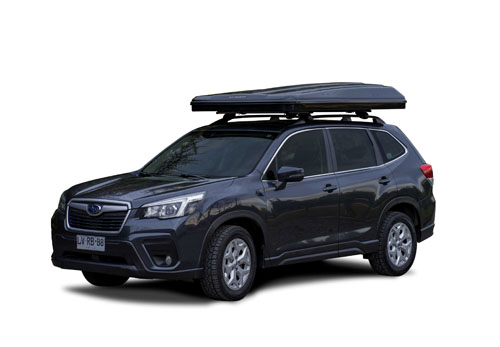
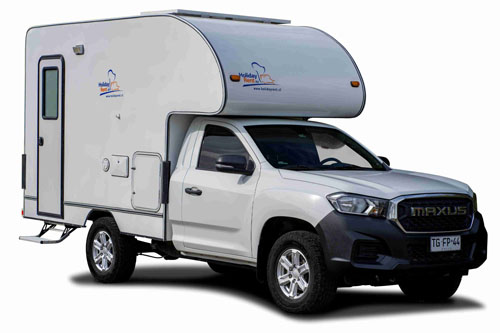
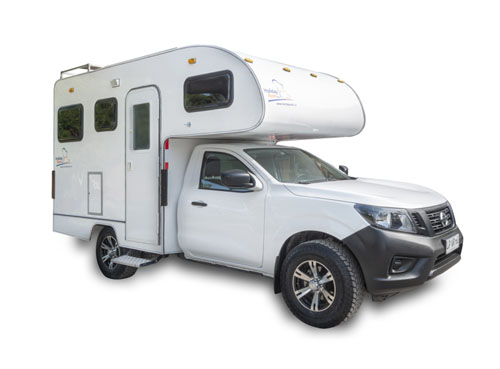
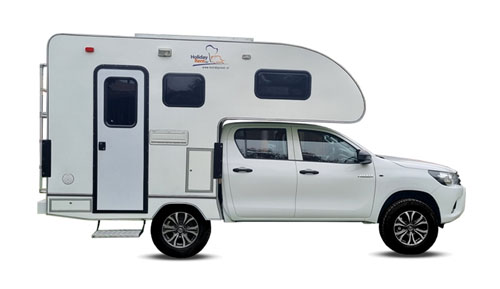
The best RV for routes in Chile largely depends on the terrain and your itinerary, with smaller, more agile Class B Camper Vans or Truck Campers generally recommended for rugged or unpaved roads like parts of the Carretera Austral. For challenging routes or off-the-beaten-path exploration, a 4x4 capable RV, like some Truck Campers or modified Camper Vans such as the "Patagonia Camper 4x4 double cab" or "4x4 Scout Adventure Truck Camper Gold," is often advisable to handle unpaved sections and varied topography. Larger Class C Alcove or Class SI Semi-integrated RVs offer more comfort and space and are suitable for well-maintained paved roads and established campgrounds, though their size can be a limitation on narrow or winding routes. Consider the vehicle's length and ground clearance carefully, as longer RVs (e.g., a typical Class C averaging 7.5 meters) may struggle on tight turns or steep inclines, while lower clearance vehicles might be damaged on rougher roads. Drive slowly and carefully, and you can drive almost anywhere without issues. No need to stress - just use common sense and pay attention to road conditions.
How to get reliable internet and utilities for an RV in Chile?
Reliable internet in Chile for an RV trip typically involves purchasing a local SIM card from providers like Entel, Movistar, or Claro upon arrival, which offer prepaid data plans suitable for mobile hotspots or smartphone tethering. Coverage can be spotty in remote areas, especially when traveling along extensive routes like the Carretera Austral, so it is advisable to download offline maps and entertainment before venturing off the main routes. For utilities, fresh water refills are generally available at established campgrounds, larger gas stations, or sometimes municipal points in towns, while LPG (propane) can be refilled at larger gas stations or specialized depots in urban centers. Dump stations for grey and black water are primarily found at private RV parks and some national park campgrounds, requiring careful planning in less serviced regions. Planning ahead for these essentials is key to a smooth journey. To help plan your routes and track expenses, look into RV PLANET routes, where you can itemize every cost along the way for easy budgeting. On the routes offered through RV PLANET routes, you can itemize and track every expense along the way for easy budgeting.
What to do in case of an RV breakdown in Chile?
In the event of an RV breakdown in Chile, the first step is to contact your rental company's emergency assistance number immediately, as they will have established protocols and local contacts. Ensure you have basic emergency supplies onboard, including a first-aid kit, reflective triangles, and a charged cell phone, as cellular service can be unreliable in very remote areas, particularly in parts of Patagonia or the high Andes. If in a remote region, attempt to flag down passing vehicles for assistance, as Chileans are often helpful, or proceed to the nearest town to seek a mechanic if the vehicle is drivable. Be prepared for potential language barriers; having a basic Spanish phrasebook or translation app can be very useful for communicating with local assistance. Bandana RV's support team is with you before and during your booking process, ensuring all details are handled and your trip gets off to the right start, including coordination for any post-booking assistance from your chosen supplier.
Are there RV travel tips for families or pet owners in Chile?
Families traveling in a rented RV in Chile should prioritize child-friendly campgrounds with amenities like playgrounds, swimming pools, or activity programs, often found at private resorts, especially in the popular Lake District. When traveling with children, consider an RV class like a Class C Alcove, which averages 5.8 sleeping places and 4.4 adults, providing ample space for family comfort and separate sleeping areas, such as the "29′ Class C Motorhome" with a large living area. For pet owners, research pet-friendly accommodations and national park regulations in advance, as many national parks in Chile do not allow pets on trails or in certain areas to protect wildlife. Always keep pets on a leash, ensure they have up-to-date vaccinations and documentation, and be prepared for potential import requirements or specific regulations at border crossings if traveling internationally. To explore options for different group sizes and budgets, check out RV Rental in Chile - Prices and Best Deals 2026.
Where to Camp in Chile - Top Options
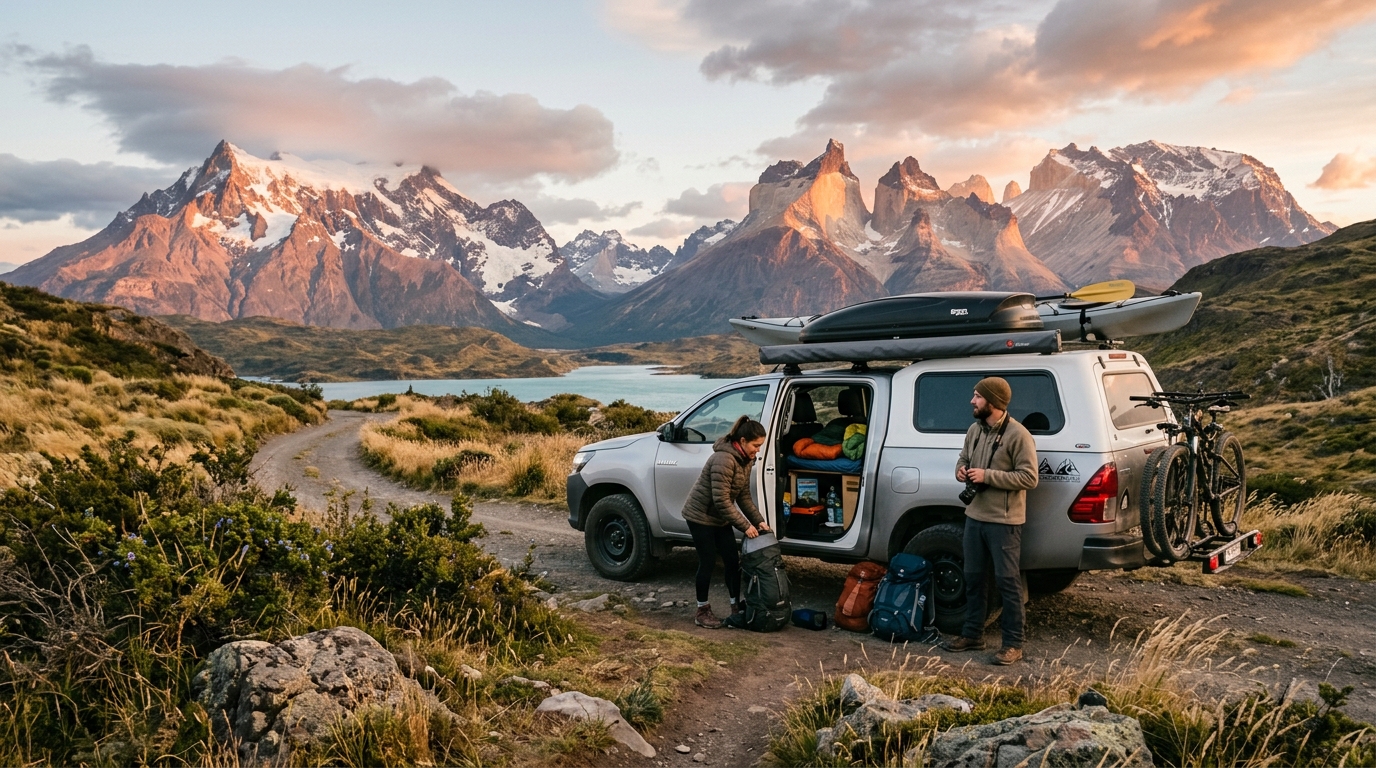
Chile offers diverse camping experiences, from coastal sites along the Pacific to Andean retreats, catering to all RV types. Popular regions for RV camping include the stunning Torres del Paine National Park in Patagonia, known for its dramatic landscapes and well-maintained campsites, often requiring advance booking for its limited 25-30% reservable spots. The Lake District, particularly around Pucón and Puerto Varas, provides picturesque lakeside campgrounds with volcanic backdrops and access to outdoor activities like hiking and watersports. For a unique desert experience, the Atacama region, while less dense with dedicated RV parks, offers breathtaking scenery and a few remote camping options, perfect for stargazing. Coastal areas like La Serena and the Valparaíso region also offer excellent options for shorter stays or quick trips, providing a mix of beaches and cultural experiences for your rented motorhome adventure. Remember, travel slowly, max 100-150 km per day on average, to fully experience each place.
Campground Types in Chile (National, Private, Wild)
Chile offers three primary types of RV camping: national park campgrounds, private campgrounds, and wild camping (or freedom camping). National park campgrounds, managed by CONAF (Corporación Nacional Forestal), provide basic facilities, stunning natural settings, and are typically well-regulated, though they often require reservations, especially during peak season. These sites can range from simple clearings to those with basic services like water and pit toilets. Private campgrounds and RV parks offer a wider range of amenities, including hookups (typically 220V with European-style two-pin plugs), laundry, and sometimes recreational facilities, varying from basic to resort-style. Wild camping is generally tolerated in many remote, non-private, non-protected areas, but always confirm local regulations, practice Leave No Trace principles, and avoid private land without permission. It’s always a good idea to call ahead before driving to a specific location to confirm availability, especially during busy travel periods.
Featured RV Park or Campground in Chile
While specific data for a featured RV park is not provided, travelers seeking a comprehensive camping experience in Chile should look for parks offering a blend of natural beauty and essential amenities, such as Camping Pehoé in Torres del Paine, celebrated for its dramatic views of the Cuernos del Paine mountains. A highly-rated RV park typically features spacious sites, full hookups (electricity, water, sewer), clean restrooms with hot showers, and often includes amenities like Wi-Fi access, laundry facilities, and perhaps even a general store. Consider parks located near popular attractions or within scenic regions, such as those nestled along the coast, beside a lake in the Lake District, or at the base of a mountain range, to maximize your RV adventure. Always check recent reviews and photos to ensure the park meets your expectations for comfort, safety, and accessibility, particularly for your specific rented motorhome size. For finding campsites and campgrounds during your trip, we recommend using RV PLANET (rvplan.net) - a great resource for locating available spots along your route.
Hookups & Amenities - What to Expect in Chilean Campgrounds
In Chilean campgrounds, what to expect for hookups and amenities can vary significantly between private RV parks and national park sites. Private RV parks often provide full hookups (electric, water, sewer), Wi-Fi, laundry facilities, and hot showers, typically using European-style two-pin plugs for 220V electricity. Many rented motorhomes like the "rv rentals example Comfort Class" come equipped with internal living amenities such as showers and toilets, making self-contained travel convenient. National park campgrounds, especially in more remote areas, frequently offer only basic facilities such as dry camping (no hookups), shared water points, and pit toilets, with showers and flush toilets being less common. When planning your quick RV stays in Chile, confirm the specific amenities available at your chosen campground and consider bringing appropriate adapters for electrical hookups if renting an RV designed for other standards. Even if full hookups aren't available, modern campervans and motorhomes are designed for comfortable dry camping for several days.
Booking Windows & Reservations in Chile for RV Rentals
For RV rentals in Chile, planners should book popular campgrounds, especially national park sites or private parks in high-demand areas like Patagonia or the Lake District, several months in advance, particularly for peak season (December to February). Many national park campgrounds only release 25-30% of spots for reservations online, with the remaining available on a first-come, first-served basis, offering options for spontaneous travelers. While you will almost certainly find a place - if not at the first campground, then the next - it is highly recommended to call ahead before driving to a specific location, especially for shorter trips, to confirm availability. During the shoulder seasons (spring and fall), more flexibility exists, allowing spontaneous travelers a better chance to find same-day or next-day bookings. For those seeking last-minute opportunities, our guide Last-Minute RV Rental in Chile - What to Expect 2026 provides helpful strategies.
🎬 Video coming soon
Nearby Supermarkets & Resupply Points for your Chile RV Trip
When planning your RV trip in Chile, resupply points are crucial, with major cities and larger towns offering a good selection of supermarkets for groceries and other essentials. Look for national supermarket chains such as Jumbo, Lider (Walmart), Tottus, or Santa Isabel, which are widely available in urban centers and often have larger selections than smaller local stores. For rural or remote areas, smaller local 'minimarkets' or 'almacenes' will provide basic necessities, though variety may be limited and prices potentially higher. Always ensure your rented RV is fully stocked before heading into very remote regions, as resupply options become sparse outside of major population centers. Preparing meals in your motorhome is part of the adventure, and many models like the "Paradise S/T" or "rent rv example A3" offer well-equipped kitchens. For some great ideas to get started, check out our RV-friendly recipes playlist.
Best RV Class for Camping in Chile
For camping in Chile, the best RV class depends on your travel style, with Class B Camper Vans and Class SI Semi-integrated models often providing the ideal balance of maneuverability and comfort for varied Chilean terrain. Class B Camper Vans, averaging 5.8 meters in length, are highly versatile for both established campgrounds and more adventurous boondocking, offering easier navigation on narrower roads and an average sleeping capacity for 3.2 people, such as the "rv rental denver example Category Van." Class SI Semi-integrated RVs, typically around 6.9 meters long, provide more living space and amenities for up to 3.8 sleeping places while remaining relatively agile for Chilean roads. For those prioritizing comfort and space on primarily paved routes, Class C Alcove models (averaging 7.5 meters with 5.8 sleeping places) or Class A Integrated RVs (also 7.5 meters, 4.4 sleeping places) offer extensive facilities, though their larger size can be a limitation on unpaved or winding roads. Truck Campers, averaging 5.5 meters, offer excellent off-road capability and are suitable for adventurous couples (averaging 2.4 sleeping places) wanting to explore remote regions, though they typically have more basic amenities. Opting for a suitable vehicle ensures a comfortable and adaptable trip through Chile's diverse landscapes.
How to Save on Campgrounds in Chile
To save on campgrounds in Chile for your RV rental, leverage campground discount cards, if offered by your rental provider, as these can provide significant savings at participating RV parks. Booking during the shoulder season (spring or fall) rather than the peak summer months can result in lower rates and fewer crowds at popular campgrounds. Opt for municipal or regional campgrounds over private resorts when possible, as they often provide more basic amenities at a fraction of the cost. Consider staying 3+ nights to qualify for weekly rates, even if your short stay is less, as some parks may offer discounted extended stay packages. If traveling in a group with multiple RVs, inquire about sharing hookups or group rates, which can further reduce the per-unit cost. Planning your stops strategically and being flexible with your dates can significantly reduce your total trip costs. Our detailed guide RV Rental in Chile - Prices and Best Deals 2026 offers more strategies for managing your budget.
What You Shouldn't Miss
- Drive the Carretera Austral: Experience one of the world's most epic road trips, a 1,240-kilometer (770-mile) journey through Patagonia's fjords, rainforests, and glaciers.
- Explore Torres del Paine National Park: Hike iconic trails and witness towering granite peaks, turquoise lakes, and unique wildlife like guanacos and condors.
- Stargaze in the Atacama Desert: Camp under some of the clearest skies on Earth, near world-class observatories like ALMA or ESO Paranal, for an unforgettable celestial display.
- Relax in the Lake District: Enjoy picturesque towns like Pucón and Puerto Varas, surrounded by volcanoes, clear lakes, and opportunities for hot springs and water sports.
- Discover Valparaíso's Street Art: Wander through the colorful, bohemian hills of this UNESCO World Heritage city, renowned for its vibrant murals and charming funiculars.
- Taste Local Delicacies: Stop at local markets and try traditional Chilean foods like empanadas, curanto (a seafood and meat stew), and fresh seafood from coastal towns.
Looking for expert insights from Avi Bandana? Top 5 Adventures - recommendations from Avi Bandana
Final Thoughts
A rented motorhome adventure in Chile promises an experience filled with breathtaking scenery, cultural immersion, and the unparalleled freedom of the open road. From the vastness of the Atacama Desert to the wild beauty of Patagonia, every turn offers a new discovery. Remember to embrace slow travel, allowing yourself the time to truly connect with the local culture, savor the incredible food, and soak in the diverse landscapes.
Whether you're a meticulous planner or prefer spontaneous exploration, Chile welcomes RV travelers with a variety of campgrounds and boondocking opportunities. By choosing Bandana RV, you're not just booking a vehicle; you're gaining a partner dedicated to ensuring your journey is as smooth, transparent, and enjoyable as possible. We’re here to help you navigate the options and make your trip truly unforgettable.
It's time to turn those travel dreams into reality. Get inspired for your next trip! Discover top destinations, planning tips, all in one place!