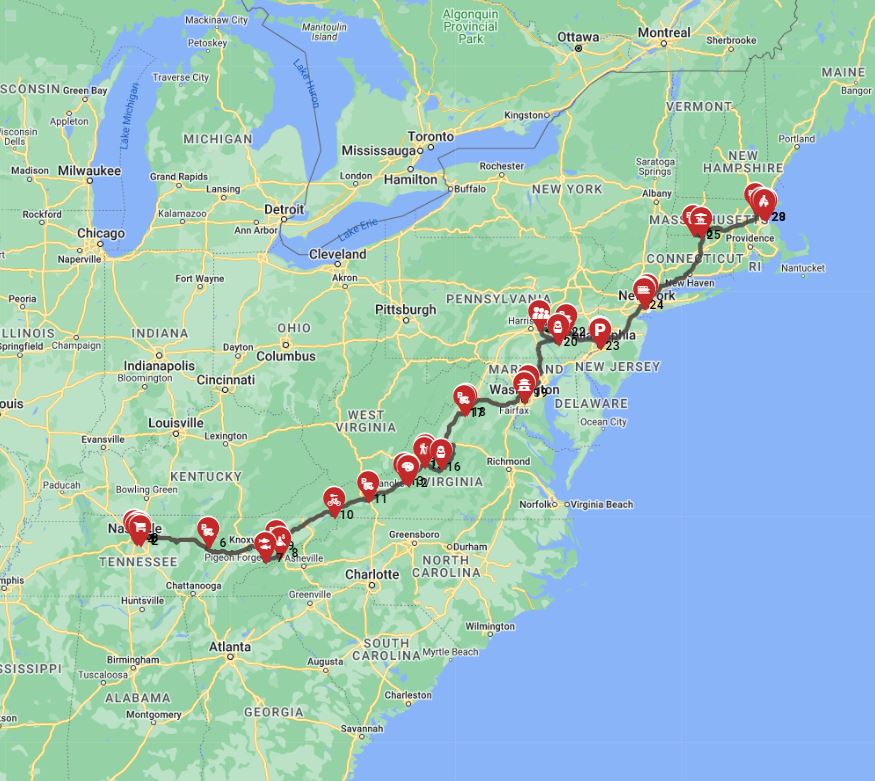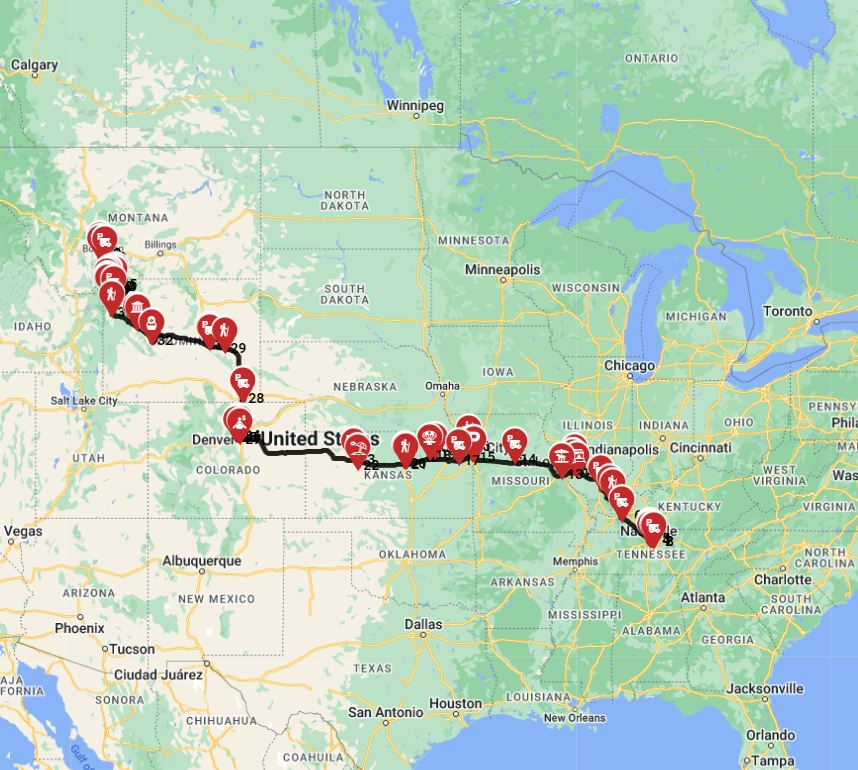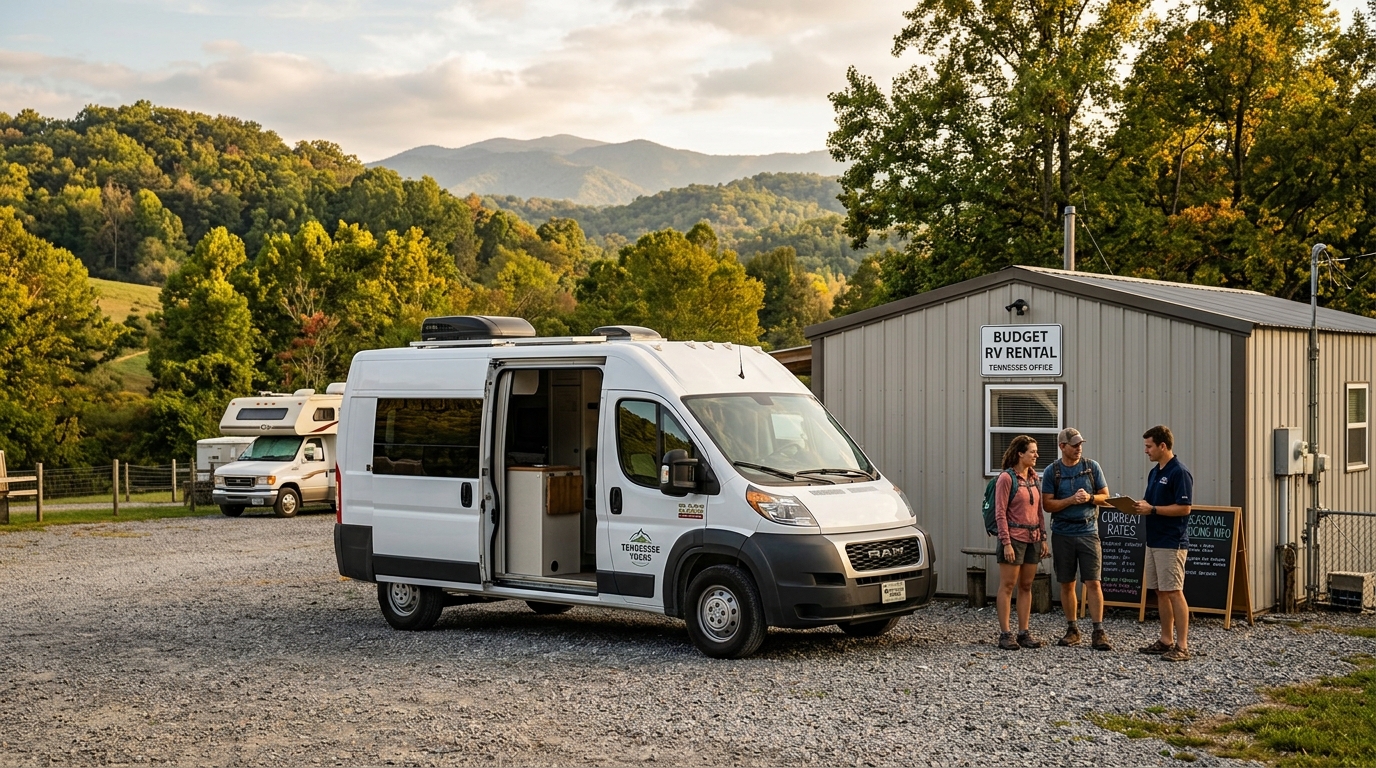
For live availability and current prices, start with our RV Rental Tennessee - Complete Guide 2026 guide.
In This Guide
- Can You Drive an RV in Tennessee? License & Age Rules
- Road Conditions & Terrain in Tennessee
- RV Size Limits, Bridges & Restricted Zones
- Fuel: Diesel vs. Petrol & Cost per 100 km
- Tolls, Vignettes & Border Rules
- Driving Tips for Weekly RV Rental Travelers
- Recommended RV Class for Tennessee Roads
- Should I Choose a Compact Van Instead of a Large RV in Tennessee?
- Can I Park Anywhere? Free & Wild Camping Rules in Tennessee
- Can I Drive an RV Into the City Center? Heights, Tunnels & Local Signage
- What is the best month to RV in Tennessee?
- How much does it cost to rent an RV for a week in Tennessee?
- What is the average gas mileage for an RV in Tennessee?
- Can you stay in an RV year round in Tennessee?
- Is it safe to live in an RV in Tennessee?
- Are RV parks in Tennessee expensive?
- What is the best way to travel around Tennessee?
- Is the Dragon's Tail RV friendly?
- What are the RV laws in Tennessee?
- Where can I boondock in Tennessee?
Tennessee offers an incredible backdrop for a week-long RV adventure, blending vibrant music cities, majestic mountains, and serene countryside into an unforgettable experience. Imagine waking up to the mist rising over the Great Smoky Mountains or enjoying a leisurely breakfast cooked right in your rented motorhome before heading out to explore historical sites. With a rented RV, you're not just booking transportation; you're securing a mobile home base for freedom, flexibility, and discovery across the Volunteer State. For live availability and current prices, start with our RV Rental Tennessee - Complete Guide 2024 guide, your ultimate resource for planning.
🎬 Video coming soon
Can You Drive an RV in Tennessee? License & Age Rules
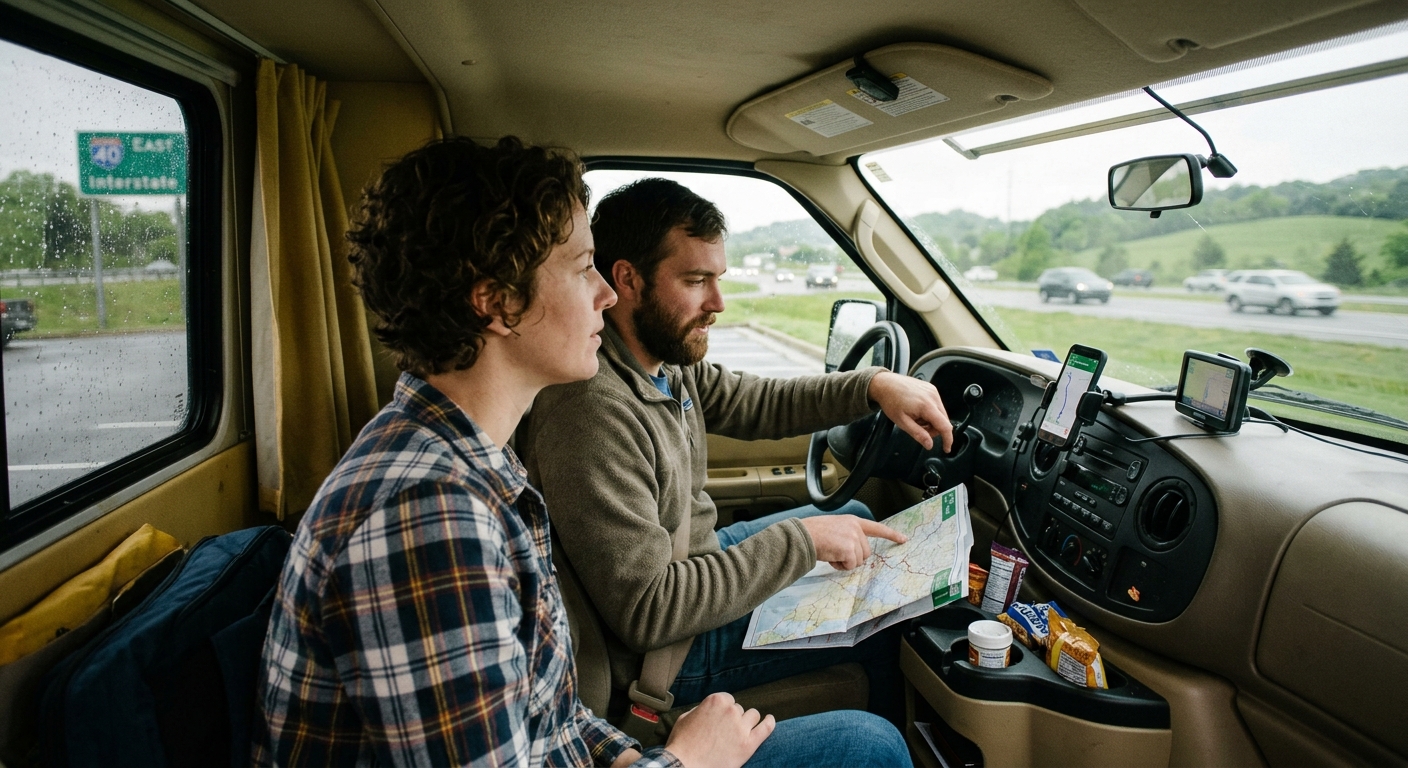
In Tennessee, most recreational vehicles (RVs) with a Gross Vehicle Weight Rating (GVWR) under 26,001 pounds can be driven with a standard Class D driver's license, which is the same as a regular passenger vehicle license. A commercial driver's license (CDL) is generally only required for RVs exceeding 26,001 lbs GVWR, which are quite rare among typical weekly rentals. Most Bandana partner RV rental companies in Tennessee require drivers to be at least 21 years old, providing accessibility for a broader range of travelers without imposing additional young driver surcharges or vehicle class restrictions based on age. Foreign drivers can operate a rented RV in Tennessee with a valid driver's license from their home country for up to six months; while an International Driving Permit (IDP) is highly recommended for translation purposes, it is not legally required in most cases.
We understand that navigating these rules can feel like a hurdle, but our team of true RV specialists is here to help clarify any licensing questions before you book. We've been helping tens of thousands of travelers since 2001, so you can count on our expert knowledge. This full transparency ensures you have no surprises when planning your weekly RV rental in Tennessee, giving you peace of mind before you even hit the road.
Road Conditions & Terrain in Tennessee
Tennessee's road conditions offer a diverse range, from well-maintained interstate highways and urban routes to winding, mountainous roads and scenic byways, particularly prevalent in the eastern Appalachian region and the Cumberland Plateau. RV drivers should be prepared for varied terrain, including steep grades, tight curves, and occasional gravel roads, especially when exploring state parks or national forests. While most main roads provide a smooth travel experience, rural routes can have varying surface quality, which necessitates slower speeds and careful driving to ensure comfort and safety in your rented motorhome. We encourage you to embrace the journey and travel slowly, aiming for a maximum of 100-150 km per day on average, to fully appreciate Tennessee's natural beauty and ensure a relaxed pace on less-traveled paths.
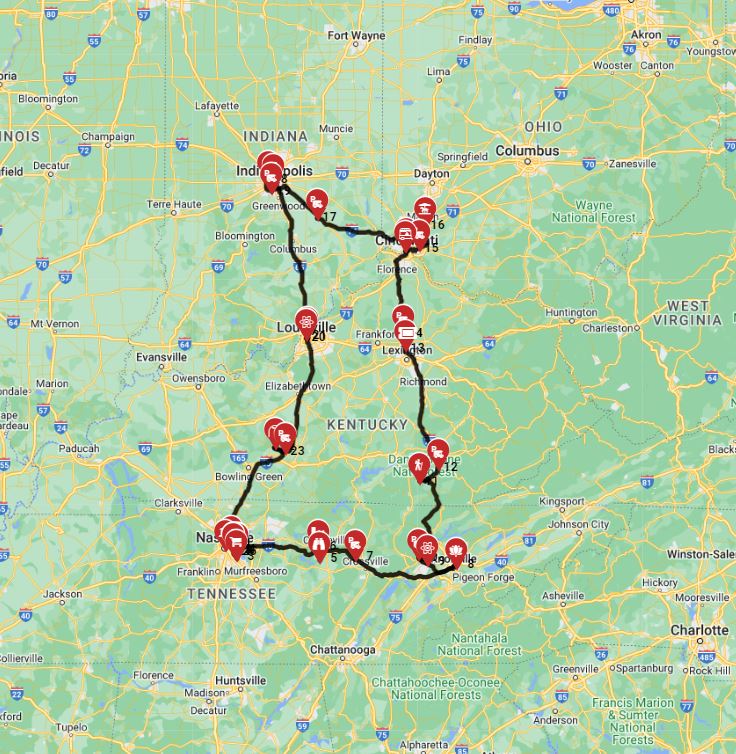
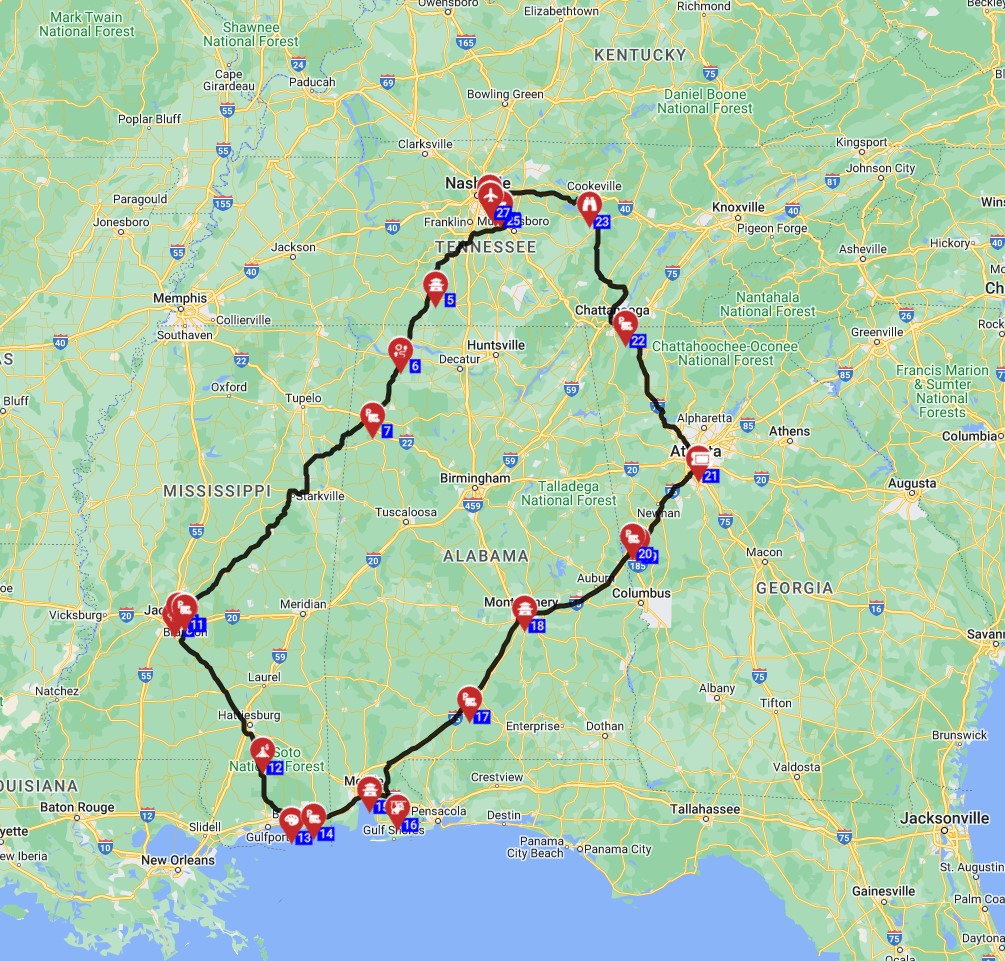
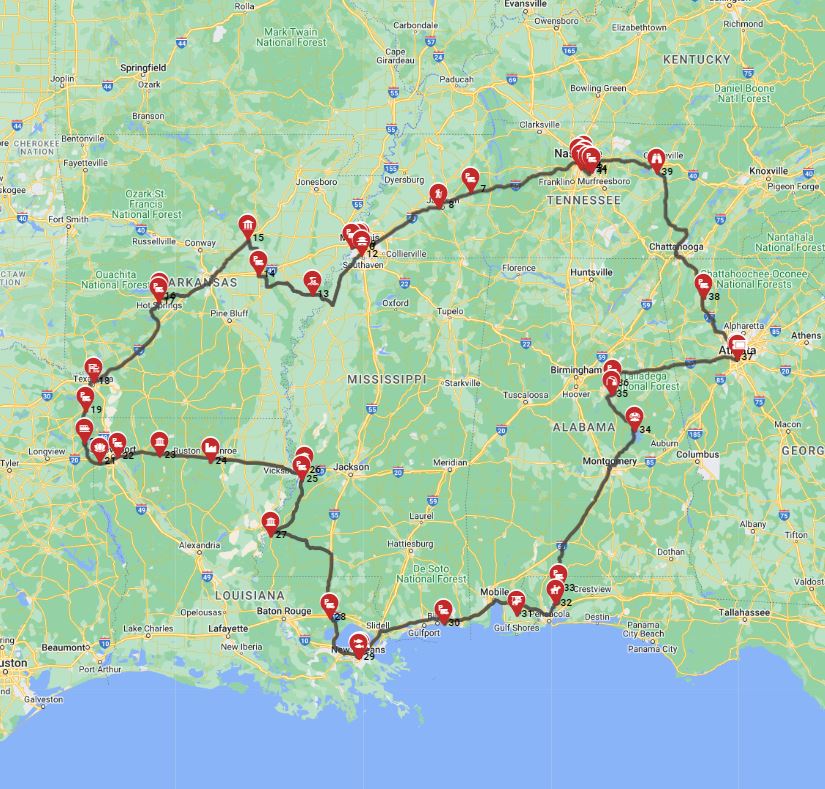
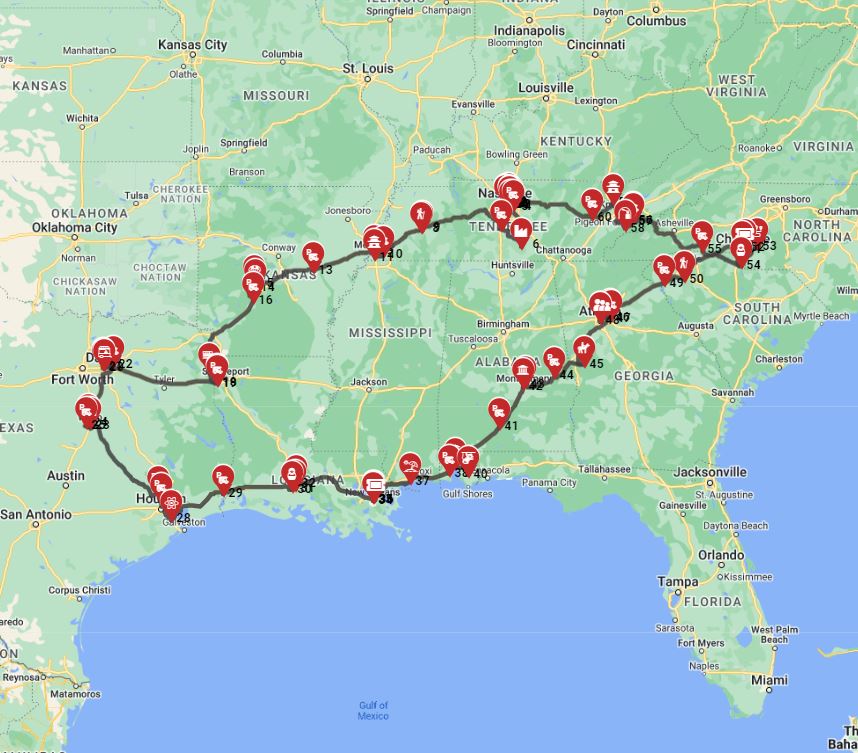
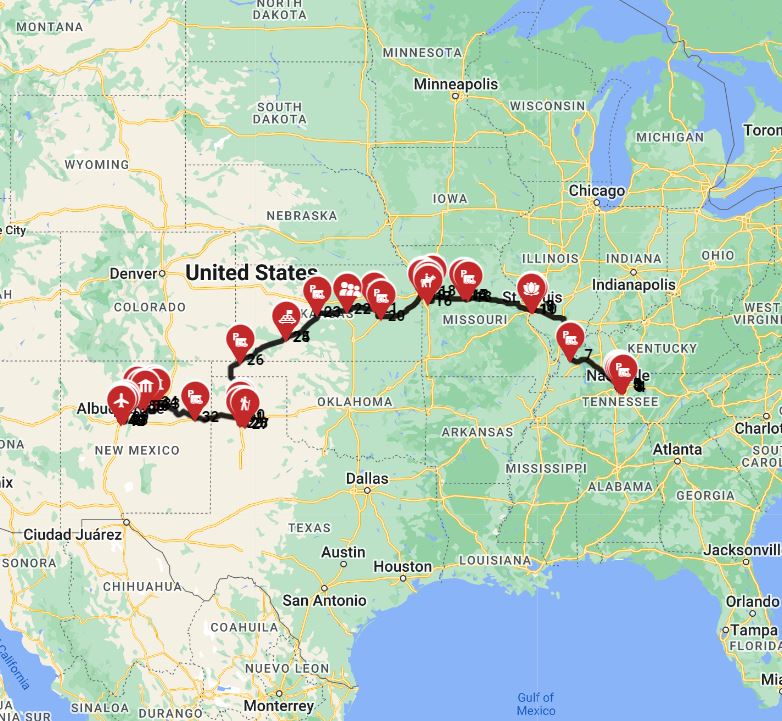
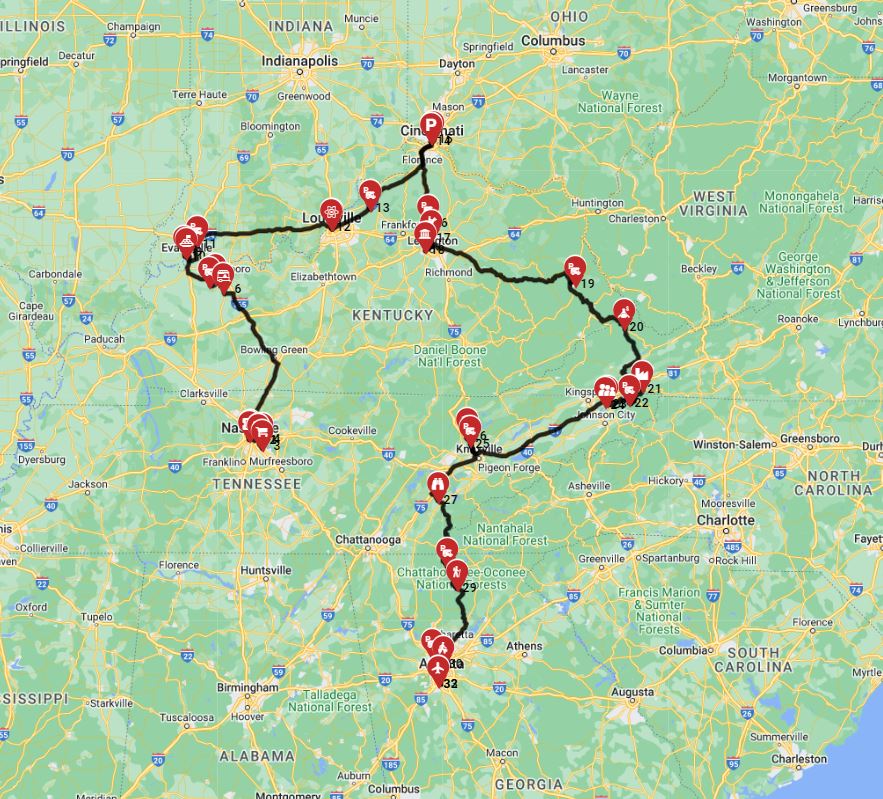
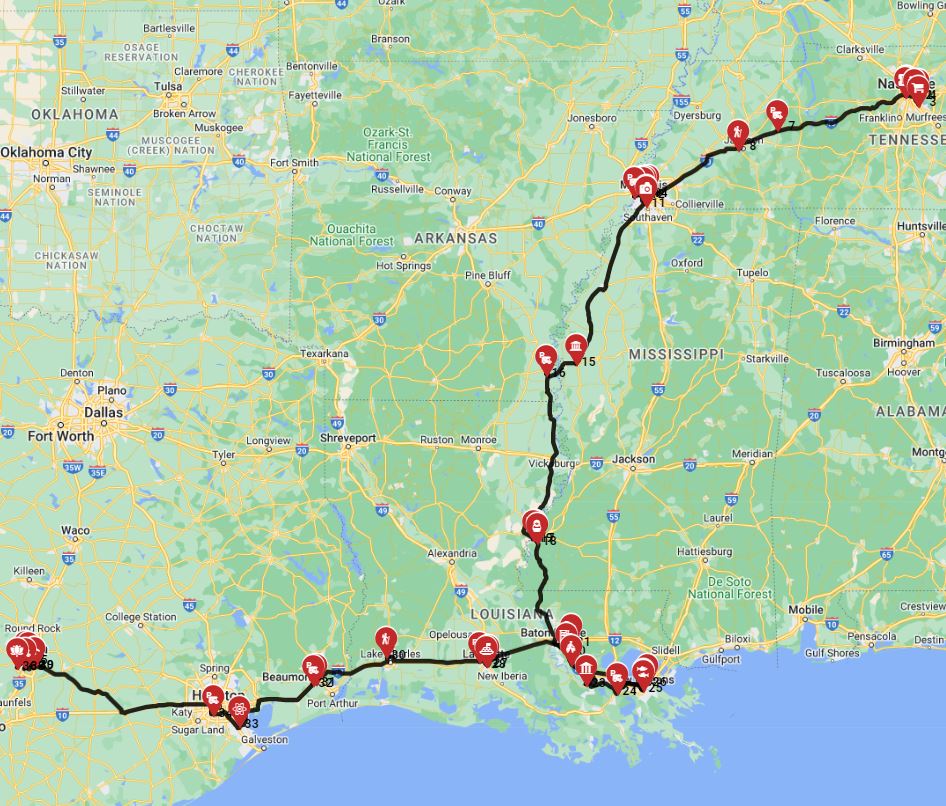
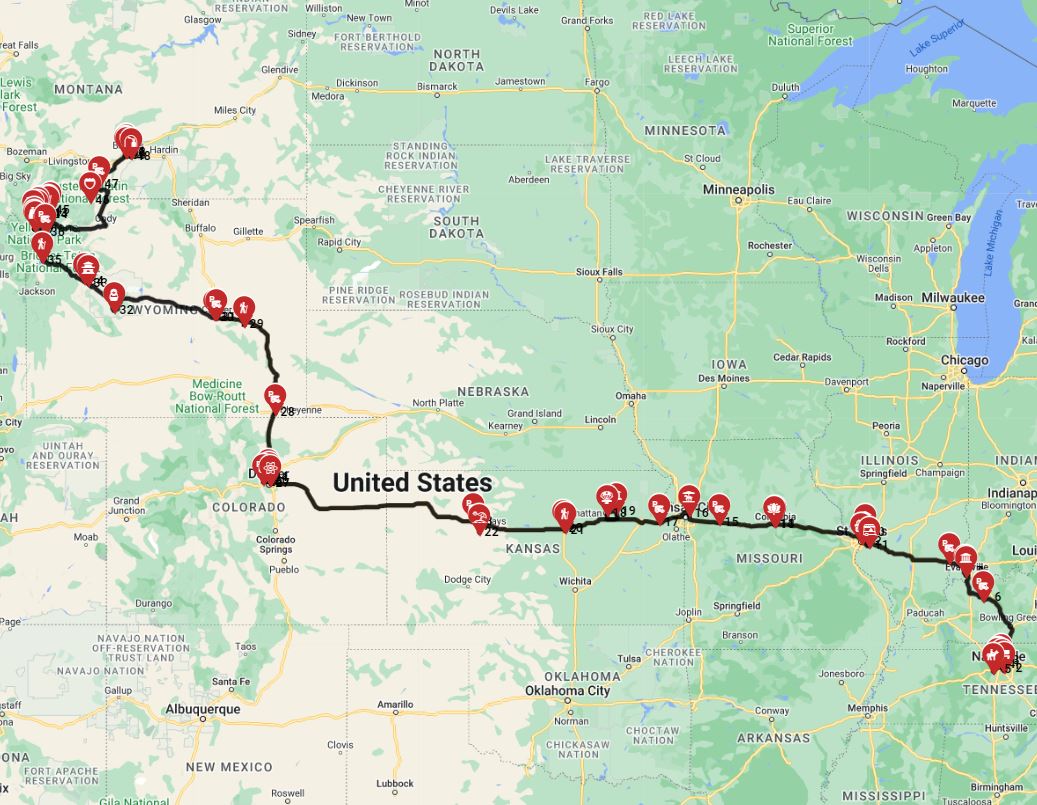
Before embarking on your adventure, consider familiarizing yourself with Tennessee's unique landscapes through RV PLANET routes, which can offer insights into road types and potential challenges. Our expert planning resources can help you anticipate everything from gentle country roads to more demanding mountain ascents, ensuring your weekly RV rental in Tennessee is smooth and enjoyable. Remember, the journey is just as important as the destination.
RV Size Limits, Bridges & Restricted Zones
Tennessee adheres to federal RV size limits, generally allowing maximum lengths of 45 feet for single motorhomes and 65 feet for combination vehicles, though local restrictions for bridges and tunnels can exist. The maximum legal height for a rented RV in Tennessee is 13 feet 6 inches, which aligns with standard regulations across most U.S. states; always pay careful attention to signage for any lower clearances, especially on older, secondary roads or within historic town centers. While there are no broad environmental zones restricting RV access based on emissions in Tennessee, drivers should always check local municipal regulations for specific city centers or historical districts to avoid any unexpected issues.
An RV-specific GPS can be an invaluable tool to help identify and avoid low bridges and underpasses, particularly when navigating unfamiliar routes. Drive slowly and carefully, and you can drive almost anywhere without issues. No need to stress - just use common sense and pay attention. This detailed attention to planning is a hallmark of Bandana's approach, ensuring our travelers experience full transparency and enjoy their motorhome rental without surprises.
Fuel: Diesel vs. Petrol & Cost per 100 km
RVs in Tennessee typically run on either diesel or petrol (gasoline), with fuel availability generally good across the state, though diesel might be less common at smaller, rural stations. Based on Bandana's global fleet averages, fuel consumption varies by rented RV class: Class B Camper Vans average 8-10 Liters/100 km, Class SI Semi-integrated RVs average 10-11 Liters/100 km, Class C Alcove RVs average 10-12 Liters/100 km, and Class A Integrated RVs average 8-12 Liters/100 km. The average cost per 100 km will fluctuate significantly with current fuel prices, but these consumption rates provide a realistic starting point for renters to budget for their weekly journey. On the routes offered through RV PLANET routes, you can itemize and track every expense along the way for easy budgeting.
When planning your weekly RV trip in Tennessee, remember that ancillary costs like fuel, campground fees, and propane are part of the adventure. Our RV PLANET routes allow travelers to itemize and track every expense along the way for easy budgeting, making sure there are no surprises. Some RV rental providers may also offer fuel discount cards, which can help offset costs over a week of travel in Tennessee, enhancing your budgeting efforts. Always check the fuel type required for your specific rented motorhome before filling up.
Tolls, Vignettes & Border Rules
Tennessee does not have state-wide tolls on its major highways, meaning you will not typically encounter toll booths on interstates or state routes within the state. Unlike some European countries, there are no vignettes or special passes required for RV travel in Tennessee, simplifying your planning. While Tennessee itself is largely toll-free, travelers venturing into neighboring states like Florida, Georgia, or Kentucky might encounter toll roads, especially around major metropolitan areas or on specific bridges. For instance, if you're taking your rented campervan into areas covered by our RV Rental USA - Complete Guide 2026, you'll find comprehensive information about interstate travel.
To ensure a smooth journey beyond Tennessee's borders, some Bandana partner RV rental providers allow pre-purchasing toll passes for states where tolls are common. This proactive approach can help avoid potential fines for missed tolls and offers full transparency in your travel expenses. Our direct partnerships with 50+ leading RV suppliers worldwide, including El Monte and Cruise America, ensure we can provide consistent advice regardless of where your rented RV journey takes you.
Driving Tips for Weekly RV Rental Travelers
For weekly RV renters in Tennessee, prioritizing safety, planning routes to accommodate your rented RV's size, and preparing for diverse terrain are crucial for an enjoyable journey. First, if traveling with family, plan frequent stops every 2-3 hours at rest areas or attractions to allow passengers to stretch and for the driver to rest and stay alert. Second, for mountain driving, particularly in eastern Tennessee, be prepared for steep ascents and descents; use lower gears to control speed and prevent brake overheating, and always downshift before beginning a long downhill. Third, utilize an RV-specific GPS that factors in vehicle height, weight, and length to avoid low bridges, tight turns, or unsuitable roads. This tool will be your best friend when exploring areas like Nashville and Goodlettsville.
Before heading out for your week-long trip, perform a thorough pre-trip vehicle check of tire pressure, fluid levels, and lights, especially if unfamiliar with the rented RV. Finally, particularly during peak season (spring/fall) or for popular destinations like the Great Smoky Mountains National Park, always pre-book RV campsites to ensure you have a secure and legal spot each night. Our Rent&Plan service offers pre-planned routes by professionals, making it easier to arrange your itinerary. When you use rvplan.net for planning, you also receive a 25% planning discount, rewarding you for smart travel!
Recommended RV Class for Tennessee Roads
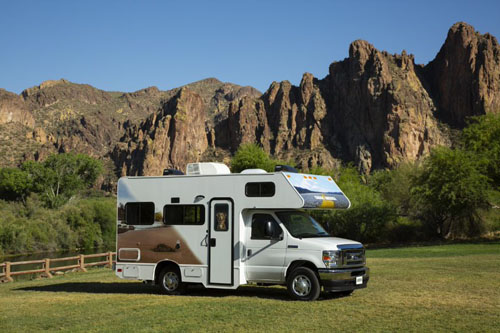
For navigating Tennessee's diverse roads, a Class SI - Semi-integrated or Class C - Alcove motorhome from Bandana's fleet offers an excellent balance of comfort and maneuverability, suiting both highway travel and access to most state parks. For instance, Bandana's Class SI Semi-integrated RVs, with an average length of 6.9 meters and sleeping up to 3.8 people, are ideal for couples or small families seeking a comfortable yet manageable vehicle for scenic drives and exploring varied terrain. These models often feature modern amenities like a refrigerator and shower, as seen in options like the "2 Berth Rover" or "2 Berth Tamar" from our partners.
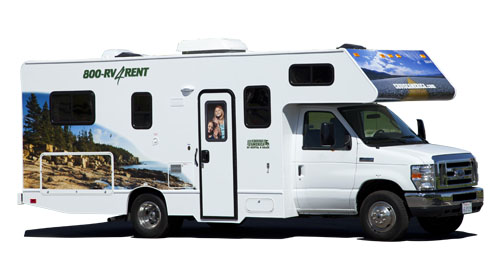
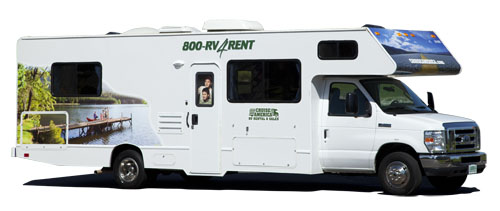
For larger families or groups planning their weekly RV rental in Tennessee, our Class C Alcove RVs, averaging 7.5 meters in length and sleeping up to 5.8 people, provide ample living space and amenities while still being relatively straightforward to drive on Tennessee's main routes. Options like the "24' Class C Motorhome" typically include a kitchen with a 3-burner gas stove and a full toilet, ensuring you have all the comforts of home on the road. While Class B Camper Vans (avg. 5.8m) offer superior agility for the tightest mountain roads and Class A Integrated RVs (avg. 7.5m) provide maximum luxury, the semi-integrated and alcove classes strike the best balance for a typical week-long adventure, allowing you to easily enjoy cooking delicious meals using our RV-friendly recipes playlist.
Should I Choose a Compact Van Instead of a Large RV in Tennessee?
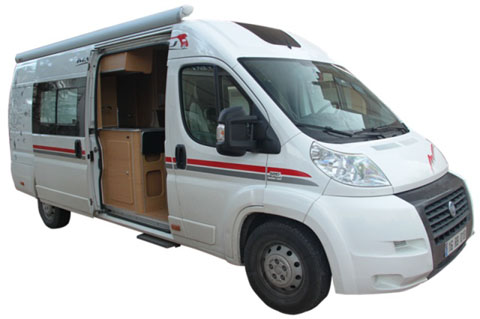
While a compact van offers superior maneuverability for extremely tight city centers, narrow mountain passes, or limited parking, a larger RV generally provides significantly more comfort, amenities, and living space, which often outweighs the slight driving advantage in most Tennessee travel scenarios. For weekly rentals focused on comfort and extended stays at campgrounds, the extra space of a Class C or Semi-integrated motorhome often enhances the overall experience, providing dedicated sleeping areas, larger kitchens, and private bathrooms. A compact campervan, like Bandana's Class B models averaging 5.8 meters, excels for adventurous couples prioritizing agility, easier parking in urban areas, and potentially lower fuel consumption at 8-10 Liters/100km.
Most of Tennessee's popular attractions, national parks, and state parks are well-equipped to accommodate larger RVs, making the need for a compact van less critical unless your itinerary specifically involves navigating very restricted historical districts or highly challenging backroads. The decision between a smaller campervan and a larger motorhome for your weekly RV rental in Tennessee ultimately depends on your group size, desired amenities, and preferred travel style. To compare options, explore our "RV Rental in Tennessee - Prices and Best Deals 2026" to find the perfect fit.
Can I Park Anywhere? Free & Wild Camping Rules in Tennessee
In Tennessee, legal free and wild camping (boondocking) is generally restricted to designated dispersed camping areas within national forests, such as the extensive Cherokee National Forest, or specific state forest lands that explicitly permit it. Unauthorized overnight parking on roadsides, in store parking lots, or on other private properties without explicit permission is typically not allowed and may result in fines or towing. Dispersed camping in national forests requires strict adherence to 'leave no trace' principles, including packing out all trash, minimizing environmental impact, and camping a specified distance from water sources and roads to preserve natural habitats. This practice ensures that Tennessee's beautiful wilderness remains pristine for all.
Always verify specific regulations with the managing authority, such as the Forest Service or a State Park office, for any intended boondocking location, as rules can vary by region and change seasonally. For finding campsites and campgrounds during your trip, we recommend using RV PLANET (rvplan.net) - a great resource for locating available spots along your route, ensuring you have a safe and legal place to park your rented RV each night. This proactive planning helps maintain full transparency and avoids any unexpected issues during your weekly RV rental in Tennessee.
Can I Drive an RV Into the City Center? Heights, Tunnels & Local Signage
Yes, a rented RV can generally be driven into most Tennessee city centers like Nashville, Memphis, or Chattanooga, but drivers must be vigilant for specific local signage regarding height restrictions, low bridges, tunnel clearances, and parking limitations. Major urban areas typically have well-marked routes suitable for larger vehicles, though smaller, older streets in historic districts might present challenges due to narrowness or low overhead clearances. Drive slowly and carefully, and you can drive almost anywhere without issues. No need to stress - just use common sense and pay attention. Always consult an RV-specific GPS or mapping application that considers your vehicle's dimensions to avoid problematic routes and unexpected detours. For instance, navigating Nashville in a "Class C - Alcove" motorhome (avg. 7.5 meters long) requires careful attention to signs.
Parking a rented RV in city centers is usually the biggest challenge, often requiring utilizing designated oversized vehicle lots or parking further out and using public transport or ride-shares. Consider parking your motorhome at a peripheral RV park and commuting into the city for sightseeing. This strategy allows you to experience city attractions without the stress of urban RV navigation, offering the best of both worlds during your weekly RV rental in Tennessee. For more detailed insights, consider consulting a "Weekly RV Rental in Tennessee - Pricing 2026" guide to help plan your urban stops efficiently.
What is the best month to RV in Tennessee?
The best months to RV in Tennessee are typically spring (April-May) and fall (September-October) when temperatures are mild, humidity is lower, and the natural scenery is at its most vibrant. Spring offers pleasant weather for hiking and exploring state parks, along with numerous local festivals and events, though occasional rain showers are possible. For example, a trip in a rented "campervan hire example Active Classic" (RV size - Small) during April could be perfect for exploring new blooms.
Fall in Tennessee is renowned for its spectacular autumn colors, especially in the Great Smoky Mountains, making it a prime time for scenic drives and outdoor activities. Imagine cruising through vibrant landscapes in a comfortable motorhome. Summer (June-August) can be hot and humid with larger crowds at popular attractions, while winter (November-March) brings colder temperatures, potential snow or ice in mountainous areas, and some seasonal park closures, requiring RV winterization. For those seeking cooler weather and fewer crowds, late autumn provides a charming experience for your weekly RV rental in Tennessee. Booking in these shoulder seasons might also lead to more favorable prices, as detailed in our "RV Rental Deals in Tennessee - Latest Offers 2026".
How much does it cost to rent an RV for a week in Tennessee?
The cost to rent an RV for a week in Tennessee can range from approximately $700 for a smaller campervan to over $2,000 for a luxury Class A motorhome, depending on the season, RV class, age of the vehicle, and included amenities. Prices are dynamic, similar to flight tickets, and are typically higher during peak seasons such as summer, spring break, and the fall foliage period, and for newer or more luxurious models, like a "luxury rv rentals example Carthago Malibu 600". Beyond the base rental fee, expect additional costs such as mandatory insurance, mileage fees if exceeding a set limit, preparation and cleaning fees, and potential add-ons like kitchen kits or linen packages.
Factoring in fuel, estimated at 8-17 Liters/100 km depending on your chosen motorhome like a "cruise america rv rental example Explorer" (11 Liters/100 Km), as well as campground fees (ranging from $30-100+ per night), food, and attraction admissions, a comprehensive weekly budget for an RV trip in Tennessee could realistically range from $1,200 to $3,000+ depending on your travel style and preferences. For detailed pricing information and budgeting tools, be sure to consult our "RV Rental in Tennessee - Prices and Best Deals 2026" and our comprehensive RV PLANET routes, which allow you to track every expense.
What is the average gas mileage for an RV in Tennessee?
The average gas mileage for a rented RV in Tennessee typically ranges from 8-17 liters per 100 kilometers (L/100km), depending heavily on the RV class, weight, terrain (e.g., mountainous vs. flat), and driving style. Smaller Class B Camper Vans from Bandana's fleet, averaging 5.8m in length, tend to be the most fuel-efficient, often achieving 8-10 L/100km. For example, a "rv rental denver example Category Van" would fall into this efficient range. Mid-size Class SI Semi-integrated and Class C Alcove RVs, averaging 6.9m to 7.5m in length like the "24 Class C Motorhome," typically get 10-12 L/100km, offering a good balance of space and efficiency.
Larger Class A Integrated motorhomes (avg. 7.5m) vary widely but generally fall within the 8-12 L/100km range, while Class TC Truck Campers (avg. 5.5m) can consume 12-17 L/100km due to their design, such as the "rv rentals phoenix example T17 Truck Camper." Driving through Tennessee's mountainous regions, maintaining higher speeds on interstates, and frequent idling can all significantly decrease fuel efficiency, contributing substantially to the overall weekly RV rental cost. Planning your routes with fuel stops in mind and driving conscientiously can help optimize your budget.
Can you stay in an RV year round in Tennessee?
Staying in an RV year-round in Tennessee is possible in dedicated long-term RV parks or through extended dispersed camping in permitted national forest areas, though it requires significant planning for seasonal weather and adherence to specific local regulations. Long-term RV parks often offer amenities like full hookups for water, sewer, and electricity, along with community facilities, but availability and pricing for extended stays should be inquired about directly with the park management. During winter, proper RV winterization is essential to protect plumbing from freezing, while summers necessitate robust air conditioning and shade to combat heat and humidity effectively.
For any stays exceeding six months in Tennessee, individuals may need to consider state residency requirements for aspects like mail, vehicle registration, and driver's licenses, as well as maintaining a permanent address. Bandana RV caters exclusively to RV rental travelers on vacation, so while year-round living is a possibility in the state, our focus remains on providing excellent rental experiences for trips lasting a week or more. For inquiries about longer-term rentals, we recommend checking our options in the "RV Rental USA - Complete Guide 2026" for broader availability.
Is it safe to live in an RV in Tennessee?
Living in an RV in Tennessee can be safe, provided individuals choose secure locations such as reputable RV parks, take standard precautions against theft, and are adequately prepared for the state's diverse weather patterns, including severe thunderstorms and occasional winter cold snaps. RV parks generally offer a more secure environment with amenities and may even foster a strong sense of community among long-term residents. It's crucial for anyone considering this to be aware of local crime rates in areas they plan to visit or reside in and to secure their RV with proper locks and deterrents.
Emergency preparedness for weather events, having a reliable communication method, and understanding local emergency services are vital for year-round RV living in Tennessee. While Bandana specializes in RV rentals for vacation travel rather than full-time living, our commitment to traveler safety extends to providing well-maintained vehicles and transparent information. For those planning an extended road trip or a long weekly RV rental in Tennessee, we ensure you have the necessary information to travel confidently.
Are RV parks in Tennessee expensive?
RV park fees in Tennessee vary widely, ranging from $30-50 per night for basic state park sites to $70-100+ per night for luxury private resorts with extensive amenities, making them a significant component of weekly RV rental costs. State parks and national forest campgrounds often provide the most budget-friendly options, though they may offer fewer amenities like full hookups (water, sewer, electric) or Wi-Fi. Private RV resorts and campgrounds, especially those near major attractions like Gatlinburg, Nashville, or the Great Smoky Mountains National Park, tend to be more expensive but include features like swimming pools, clubhouses, cable TV, and often full hookups.
Prices are also influenced by the season, with peak tourism times seeing higher rates, and many parks offer weekly or monthly discounts for longer stays. When budgeting for your week-long RV trip in Tennessee, it's wise to factor in these varying campground costs. Our full transparency means you can estimate these ancillary costs accurately when you plan your itinerary using resources like RV PLANET (rvplan.net), ensuring there are no surprises during your stay. You might also find varying prices when comparing suppliers in our "Luxury RV Rental in Tennessee - Premium Prices 2026" guide.
What is the best way to travel around Tennessee?
The best way to travel around Tennessee, especially for a weekly RV rental, is by planning a flexible route that balances iconic attractions with scenic drives and unique local experiences, allowing ample time to explore its diverse regions. RV travel provides the unparalleled freedom to easily transition between vibrant cities like Nashville and Memphis, historic battlefields, charming small towns, and the stunning natural beauty of the Appalachian Mountains and the Mississippi Delta. Imagine parking your rented motorhome at a peaceful campground and venturing out each day to discover a new facet of Tennessee culture and food.
Consider themed itineraries such as a 'Music Trail' exploring legendary venues like the Grand Ole Opry, a 'Foodie Tour' sampling local BBQ and Southern cuisine, or a 'Nature Escape' focusing on state and national parks. Utilizing RV parks as a comfortable base camp allows for convenient day trips in your rented RV, maximizing exploration while enjoying the comforts of your mobile home. This slow travel approach, averaging 100-150 km per day, lets you truly feel the place, connect to the culture, the food, and the scenery, making your weekly RV rental in Tennessee truly special.
Is the Dragon's Tail RV friendly?
While the Tail of the Dragon (US-129) is a world-renowned stretch of road for motorcyclists and sports car enthusiasts, it is generally not recommended or considered 'RV friendly' for larger recreational vehicles due to its extreme winding nature, boasting 318 curves in just 11 miles. This road is extremely challenging for long or wide vehicles like a Class C motorhome (avg. 7.5 meters in length), presenting significant safety risks due to oncoming traffic, sharp blind corners, and minimal turning radius. RV drivers attempting this route risk considerable difficulty navigating, potential damage to their vehicle, and creating traffic hazards for others.
It is strongly advised for RVers to avoid the Tail of the Dragon; instead, consider alternative scenic routes in the Great Smoky Mountains or park your rented RV at a nearby campground, for example, near Townsend or Maryville, and explore the area in a smaller tow vehicle or car. Prioritizing safety and enjoyment means choosing routes appropriate for your vehicle, a principle Bandana always emphasizes to ensure peace of mind during your weekly RV rental in Tennessee. For suitable routes, explore our RV PLANET routes for alternatives.
What are the RV laws in Tennessee?
RV laws in Tennessee encompass regulations for driver's licenses (standard Class D for most RVs under 26,001 lbs GVWR), vehicle registration, maximum dimensions, and specific rules regarding towing and overnight parking and waste disposal. For your driver's license, a standard Class D license is sufficient for operating most rented RVs and motorhomes, with a Commercial Driver's License (CDL) only required for vehicles over 26,001 pounds GVWR, which are uncommon for rental fleets. Regarding vehicle dimensions, the maximum length for a single motorhome is 45 feet, and for a combination (RV towing a car) is 65 feet; the maximum height is 13 feet 6 inches, and the maximum width is 8 feet 6 inches.
If you plan on towing, trailers weighing over 1,500 pounds must have independent braking systems, and all towed vehicles must be properly secured and lit. Overnight parking and boondocking are generally prohibited on public roadsides and private property without permission; legal boondocking is typically restricted to designated dispersed camping areas in national forests like the Cherokee National Forest. Finally, RV waste must be disposed of at designated dump stations found at campgrounds, rest areas, or private facilities, as improper disposal is illegal and environmentally harmful. Our full transparency means we want you informed on all local regulations for your weekly RV rental in Tennessee.
Where can I boondock in Tennessee?
Legal boondocking, or dispersed camping without hookups, opportunities in Tennessee are primarily found within the Cherokee National Forest, which offers designated dispersed camping areas along its extensive network of forest service roads. Within the Cherokee National Forest, campers with a rented motorhome or campervan can typically find free, undeveloped campsites. These spots often require self-sufficiency for water, waste, and power, and strict adherence to 'leave no trace' principles to protect the environment. It is crucial to check with the local ranger district office for current regulations, as rules can vary by specific location and change seasonally, impacting your ability to boondock in areas like the Tellico Ranger District or the Unicoi Mountain range.
While some state-managed lands or Wildlife Management Areas (WMAs) may permit primitive camping, explicit rules and permits are often required, and unauthorized overnight parking outside of designated campgrounds is generally prohibited across Tennessee. For those seeking true wilderness experiences during their week-long RV driving tour in Tennessee, researching these specific areas thoroughly and calling ahead is key. Remember, part of the Bandana promise is supporting you before your booking by providing comprehensive, authoritative information, so you can plan your adventures wisely and with full transparency.
What You Shouldn't Miss
- Great Smoky Mountains National Park: Explore breathtaking mountain scenery, diverse wildlife, and historic structures. Drive the scenic Newfound Gap Road or Cades Cove Loop in your rented RV, offering stunning vistas and wildlife viewing opportunities.
- Nashville's Music Scene: Immerse yourself in the "Music City" with visits to the Country Music Hall of Fame, Ryman Auditorium, and vibrant live music venues downtown. Park your motorhome on the outskirts and use public transport for easy city access.
- Memphis's Rich History: Discover the home of blues, soul, and rock 'n' roll. Visit Graceland, Beale Street, and the National Civil Rights Museum.
- Chattanooga's Outdoor Adventures: Experience the Tennessee Aquarium, Rock City Gardens, and Lookout Mountain. Enjoy easy access to hiking and outdoor activities, perfect for active RV travelers.
- Cherokee National Forest: Ideal for nature lovers seeking dispersed camping and a range of outdoor activities from hiking to fishing, truly connecting with the state's natural beauty.
- The Jack Daniel's Distillery Tour in Lynchburg: Enjoy a taste of Tennessee history and hospitality. This iconic stop is easily accessible for rented motorhomes and offers a unique cultural experience.
Looking for expert insights from Avi Bandana? Top 5 Adventures - recommendations from Avi Bandana
Final Thoughts
A week-long RV driving tour in Tennessee promises an adventure filled with diverse landscapes, rich cultural experiences, and the freedom only a rented motorhome can provide. From the foot-tapping rhythms of Nashville to the tranquil trails of the Great Smoky Mountains, Tennessee is a destination that truly caters to the RV traveler. Remember our simple advice: travel slowly, embrace the local charm, and don't hesitate to reach out to our team of specialists if you have any questions along the way.
At Bandana, we're with you from the moment you start comparing prices to the successful confirmation of your booking, ensuring every detail is handled with care and transparency. Whether you're a seasoned RVer or embarking on your first weekly RV rental in Tennessee, we're here to make your journey incredible. Get inspired for your next trip and discover top destinations, planning tips, all in one place!
Ready to hit the road? Compare Motorhome Prices for Tennessee and start planning your perfect week-long adventure today. With Bandana Caravan, your journey is always in capable hands.