In This Guide
- Can You Drive an RV in South West US - License and Age Rules
- Road Conditions and Terrain in South West US
- RV Size Limits, Bridges and Restricted Zones
- Fuel - Diesel vs Petrol and Cost per 100 km
- Tolls, Vignettes and Border Rules
- Driving Tips for Weekly RV Rental Travelers
- Recommended RV Class for South West US Roads
- Should I Choose a Compact Van Instead of a Large RV in South West US
- Can I Park Anywhere Free and Wild Camping Rules in South West US
- Can I Drive an RV Into the City Center - Heights, Tunnels and Local Signage
Embarking on a week-long RV driving tour in the South West US offers an unparalleled sense of freedom and adventure. This guide will provide you with all the essential information to plan a smooth and memorable journey across this magnificent region. For live availability and current prices, start with our RV Rental South West US - Complete Guide 2026 guide, where you'll find comprehensive details and booking options tailored to your adventure.
Can You Drive an RV in South West US - License and Age Rules
Driving most rented motorhomes and campervans in the South West US requires only a standard Class D driver's license, which is the common license for non-commercial vehicles in the United States. This applies to nearly all Class B Camper Vans, Class C Alcove models (like the 24' Class C Motorhome from our partners, which can sleep up to 5 people), and even many Class A Integrated RVs, as long as their Gross Vehicle Weight Rating (GVWR) is below 26,000 pounds. For international visitors, a valid driver's license from your home country is required, and while not legally mandatory in all states, an International Driving Permit (IDP) is highly recommended for translation purposes and ease of communication with law enforcement, helping to prevent any misunderstandings.
The minimum driver age for renting a weekly RV in the South West US is typically 21 years old across most Bandana partner suppliers, unlike some regions that require 25. Importantly, there are no young driver surcharges or vehicle class restrictions based on age when renting with Bandana, making RV adventures more accessible for young adults. We believe that everyone should have the chance to experience the open road. If you're a couple looking for adventure, our "RV Rental in South West US for Couples - Pricing 2026" guide offers tailored options and budget insights.
Road Conditions and Terrain in South West US
Road conditions in the South West US are incredibly diverse, ranging from smooth, multi-lane interstates that connect major cities like Phoenix and Las Vegas, to rugged, unpaved backcountry roads winding through towering mountains, vast deserts, and deep canyons. Travelers should prepare for significant elevation changes, particularly when navigating iconic routes such as the Million Dollar Highway in Colorado, which features steep passes and dramatic vistas, or traversing the Mogollon Rim in Arizona. Always drive slowly and carefully, and you can drive almost anywhere without issues. No need to stress - just use common sense and pay attention to conditions.
Many unique state parks, tribal lands, and Bureau of Land Management (BLM) areas offer access via well-maintained gravel or dirt roads, encouraging slower, scenic driving to explore lesser-known gems beyond major national parks. Seasonal considerations are critical for travel planning: summer heat can significantly impact tire pressure and engine performance, necessitating regular checks and proper cooling system maintenance. Winter months bring snow and ice to higher elevations, potentially closing roads, so always check local forecasts and road conditions before heading out. Monsoon season, typically from July to September, carries risks of flash floods on desert roads, requiring heightened awareness and preparedness. Planning your route thoughtfully with these conditions in mind will ensure a safe and enjoyable journey, allowing you to truly immerse yourself in the South West's stunning landscapes.
RV Size Limits, Bridges and Restricted Zones
While the vast majority of highways and primary routes across the South West US easily accommodate all standard RV sizes, drivers must remain vigilant for specific size restrictions on scenic byways, older infrastructure, or within certain parks. Always pay close attention to posted signage for bridge heights, tunnel clearances, and weight limits, especially when venturing onto secondary roads or into charming historic towns. Some national parks or monuments, such as Zion National Park in Utah, have specific length or height restrictions, which might require a special permit for larger vehicles through certain tunnels, so researching these details in advance is crucial.
Generally, environmental zones are not a widespread concern for RVs in the South West US; however, it's always advisable to check local municipal regulations for specific city centers if your itinerary includes urban exploration. While larger Class A motorhomes like the El Monte Explorer, at 7.1 meters long, offer spacious living, even smaller Class C or B campervans require careful navigation in tight spots. With proper planning and attention to signage, you can confidently explore this diverse region without unexpected surprises. For a deeper dive into vehicle options and what might suit your adventure, check out our "RV Rental in South West US - Prices and Best Deals 2026" guide.
Fuel - Diesel vs Petrol and Cost per 100 km
RV rentals in the South West US commonly utilize either diesel or petrol fuel, with many modern motorhomes featuring efficient engines designed for long-haul travel. Diesel engines generally offer better fuel efficiency and higher torque, which is particularly beneficial for tackling the mountainous terrain and high elevations found in areas like Utah and Colorado. Based on Bandana's global fleet averages, Class SI Semi-integrated RVs typically consume 10-11 Liters/100 km, while Class C Alcove models like the Cruise America Explorer average 10-12 Liters/100 km. Smaller Class B Camper Vans (for example, a typical 2 Berth Hi Top with an automatic transmission) are more fuel-efficient, averaging 8-10 Liters/100 km, whereas larger Class A Integrated RVs generally consume 8-12 Liters/100 km. For those considering a more rugged adventure, a 4x4 Truck Camper like the Adventure Truck Select averages 12-17 Liters/100 km.
Budgeting for fuel costs in the South West US should always account for varying prices, which are often higher in remote areas or near popular national parks. A general estimate for a typical RV, based on current year averages and our global fleet consumption data, is approximately $15-25 USD per 100 km. These figures are dynamic and can change daily, so it's wise to check current prices regularly. To help manage all your trip expenditures, remember that RV PLANET routes allow you to itemize and track every expense along the way for easy budgeting, ensuring full transparency in your travel costs. On the routes offered through RV PLANET routes, you can itemize and track every expense along the way for easy budgeting.
Tolls, Vignettes and Border Rules
Most major highways in the South West US are toll-free, making RV travel straightforward and cost-effective. However, electronic toll roads may exist around larger metropolitan areas, particularly if you venture into adjacent states like Texas or Oklahoma. These electronic tolls often do not accept cash payments and may require a transponder or online payment after use to avoid fines, so it is always wise to check your planned route for any specific local regulations. Some RV rental companies, including Bandana, may offer the option to pre-purchase toll passes or provide detailed information on managing tolls, simplifying your journey and preventing unexpected charges.
When traveling within the South West US, there are no internal border rules for RV travel between states. You can freely drive your rented motorhome across state lines, moving between Arizona, New Mexico, Utah, and Colorado, for example, without any special documentation. However, if your adventure extends to international borders, such as into Mexico or Canada, you will need specific vehicle documentation, appropriate international insurance, and potentially additional permits. Always verify current requirements well in advance of any international border crossing. Our comprehensive "RV Rental USA - Complete Guide 2026" offers more details for wider US travel planning.
Driving Tips for Weekly RV Rental Travelers
Planning your route meticulously is paramount for a successful weekly RV trip in the South West US, as the region’s vast distances and diverse landscapes require careful consideration for fuel, water, and rest stops every 2-3 hours, especially when traveling with children or pets. Be prepared for highly diverse conditions: extreme summer heat in the deserts, potential winter snow in higher elevations like the Rocky Mountains, and be vigilant for monsoon season from July to September, which can bring flash flood warnings. Always check local forecasts and road closures before you depart each day.
Remote area safety is another critical aspect; limited cell service is common in the South West's expansive and unpopulated areas. Download offline maps, carry extra water, food, and emergency supplies, and always inform others of your itinerary for added connectivity and safety. We strongly recommend slow travel, averaging a maximum of 100-150 km per day, allowing ample time to feel the place, connect to the local culture, savor the unique food, and absorb the breathtaking scenery. Embrace cultural immersion by seeking out Native American heritage sites (always following respectful guidelines), exploring regional cuisines, and discovering small-town festivals that offer authentic experiences beyond standard tourist routes. When planning your route, consider a pre-planned route from our Rent&Plan service for a seamless experience.
For finding campsites and campgrounds during your trip, we recommend using RV PLANET (rvplan.net) - a great resource for locating available spots along your route. This is particularly helpful in the South West, where popular parks often fill up quickly. Many national and state parks reserve only 25-30% of spots, with the rest being first-come-first-serve. Don't stress too much about booking months ahead, you'll find a spot. If not at the first campground, then the next one. Just call ahead before driving.
Recommended RV Class for South West US Roads
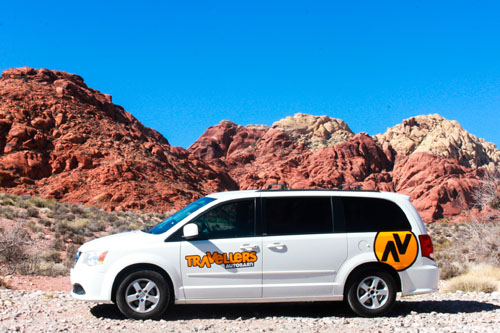
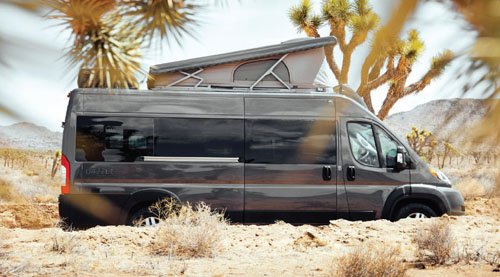
For a weekly RV rental in the South West US, Class B Camper Vans and Class SI Semi-integrated RVs are highly recommended due to their optimal blend of maneuverability, comfort, and suitability for varied terrain. Class B Camper Vans, like the '2 Berth Hi Top' with an automatic transmission or a 'Minivan/Station Wagon' often chosen by our clients, average around 5.8 meters in length, offering exceptional ease of driving, parking, and access to more remote boondocking locations or tighter scenic byways. These are ideal for 2-3 adults, providing a nimble base for spontaneous exploration.
Class SI Semi-integrated RVs, with an average length of 6.9 meters (such as the '2 Berth Rover'), provide more spacious living quarters, often featuring a separate bedroom and increased storage, without sacrificing too much maneuverability for most Southwestern roads and national park access points. They comfortably accommodate 3-4 adults or a family with younger children. While larger Class C Alcove models (like the 29’ Class C Motorhome, averaging 8.8 meters in length) and Class A Integrated RVs (such as the Class A - Thor ACE 30, at 9.37 meters) offer maximum space and amenities, their larger size can be a significant consideration for navigating smaller towns or certain national park areas with restricted access. The choice ultimately depends on your group size, desired amenities, and preferred level of agility.
Should I Choose a Compact Van Instead of a Large RV in South West US
Choosing between a compact van (Class B Camper Van) and a larger RV (Class SI, C, or A) for a South West US trip largely depends on your travel style and comfort priorities, as both are generally suitable for the region's main roads. A compact van, such as an 'Active Small' or 'Camper Van for 2 - Automatic', genuinely helps for navigating tight historic city centers like Santa Fe, narrow mountain passes, or reaching secluded dispersed camping spots on unpaved roads where a larger RV might feel cumbersome. For instance, a typical Class B Camper Van with a length of 5.99 meters offers excellent maneuverability and fuel economy, with models like the 'Deuce' or 'Double Down' being popular choices for couples or small families.
However, opting for a larger RV, such as a Class C Alcove like the 'MHC28' (around 7.3 meters long) or a Class A motorhome like the 'MHLUX' (up to 10.7 meters long), often provides a significant trade-off in terms of indoor space, more extensive amenities, a full bathroom, and dedicated sleeping areas. This enhanced comfort is a major benefit for longer week-long trips or larger groups. Consider the needs of your group: a family of 2+2 might prefer the extra space of a 'Family Standard Automatic' Class SI or a 'Comfort Family' Class C for cooking meals and relaxing. While a compact van excels in agility, the added living space of a larger motorhome often outweighs the minor maneuverability benefits, unless your itinerary heavily focuses on extreme off-grid exploration or primarily urban sightseeing. Remember to always travel slowly, taking in the sights and sounds, no matter your vehicle size. For ideas you can prep on the road, watch our RV-friendly recipes playlist on YouTube.
Can I Park Anywhere Free and Wild Camping Rules in South West US
In the South West US, free and wild camping - often referred to as boondocking or dispersed camping - is widely permitted on vast tracts of public lands managed by the Bureau of Land Management (BLM) and in many National Forests. These lands offer incredible opportunities to immerse yourself in nature, often with breathtaking views and solitude. Federal lands generally allow dispersed camping for up to 14 days in one specific location within a 28-day period, though specific regulations can vary by district, so always check local signage or agency websites. It’s crucial to understand that amenities like water, electricity, or sewage are typically absent, requiring full self-sufficiency from your rented motorhome or campervan, which typically includes fresh water tanks of 80-150 liters (like the 167-liter tank on an 'RV rentals utah example Sunrise Escape').
It is imperative to practice 'Leave No Trace' principles by packing out all trash, properly disposing of human waste (using your RV's onboard toilet and dumping at designated stations), and adhering strictly to any fire restrictions, especially during dry periods common in the arid Southwest. Rules for wild camping vary significantly by region and land management agency, so always check local regulations and follow local law before parking overnight. Pay particular attention to private property, tribal lands (which require specific permits and cultural sensitivity), and local municipal ordinances. Never assume overnight parking is allowed without verifying, especially in populated areas. For help finding suitable spots, RV PLANET (rvplan.net) is an excellent resource for locating available campgrounds and dispersed camping areas along your route.
🎬 Video coming soon
Can I Drive an RV Into the City Center - Heights, Tunnels and Local Signage
Yes, you can drive almost any rented RV into city centers in the South West US, but it absolutely requires diligent attention to local signage, particularly regarding height limits, tunnel clearances, and parking restrictions. Many of the cities in the Southwest, while vibrant, were not designed with large motorhomes in mind. For example, a typical Class C motorhome like the 'Cruise America C-30' can be up to 9.1 meters long and 3.6 meters high, requiring careful navigation. Always watch for posted height restrictions on underpasses, parking garages, and tunnels; these can vary significantly from city to city and even block to block.
Be aware of specific local signage for low bridges, potential environmental zones (though less common for RVs, always a possibility in some metro areas), and residents-only streets, which might restrict access or parking for larger vehicles. Drive slowly and carefully, and you can drive almost anywhere without issues. No need to stress - just use common sense and pay attention to what the signs tell you. For ease and comfort, it's often more practical to park your RV at designated lots or campgrounds on the outskirts of major cities like Phoenix, Las Vegas, or Albuquerque and use public transportation, ride-sharing services, or a towed vehicle (if your rental allows one) for urban exploration. This approach minimizes stress and maximizes your enjoyment of both city attractions and your RV adventure. For detailed tips on navigating this vibrant region, explore our "RV Travel Guide to South West US - Tips and Top Spots 2026" itinerary.
What You Shouldn't Miss
- **Grand Canyon National Park:** Drive your rented motorhome to the South Rim for iconic views and scenic overlooks. Stay at Mather Campground for easy access to trails.
- **Zion National Park, Utah:** Explore the stunning sandstone cliffs and Virgin River. Remember to check for shuttle-only access during peak season and large vehicle restrictions for the Zion-Mount Carmel Tunnel.
- **Route 66 in Arizona:** Journey along historic sections of "The Mother Road" through towns like Seligman and Winslow, capturing the nostalgia of a bygone era.
- **Sedona's Red Rocks, Arizona:** Experience the spiritual beauty of the red rock formations with numerous hiking trails and stunning photo opportunities.
- **Monument Valley Navajo Tribal Park:** Drive through this iconic landscape, recognized from countless Western films, and immerse yourself in Navajo culture.
- **Chaco Culture National Historical Park, New Mexico:** Discover ancient Puebloan ruins and enjoy unparalleled stargazing at this remote UNESCO World Heritage site and International Dark Sky Park.
Looking for expert insights from Avi Bandana? Top 5 Adventures - recommendations from Avi Bandana.
Final Thoughts
The South West US by RV is truly an experience that combines breathtaking natural wonders with rich cultural history, all at your own pace. Imagine waking up to a desert sunrise, preparing breakfast in your rented motorhome, and heading out to explore ancient canyons or vibrant red rock landscapes. The flexibility of an RV rental allows you to craft a personalized itinerary, whether you're a pre-planner or a spontaneous adventurer.
At Bandana, we're passionate about making your RV dreams a reality. We're here to support you before, during, and after your booking, ensuring you have the tools and information to confidently embark on your journey. Embrace the open road, discover hidden gems, and create lasting memories on your weekly RV driving tour in the South West US.
Discover top destinations, planning tips, all in one place!