In This Guide
- Top 5 Tips for RV Rental for Seniors in Tokyo - Airport
- Before You Book - Class, Dates, Insurance
- Pre-Trip Prep - Packing Checklist for Tokyo - Airport
- On the Road - Driving, Fueling, Navigation
- At the Campground - Setup, Hookups & Etiquette
- RV Rental for Seniors-Specific Tips for Tokyo - Airport
- Common Mistakes to Avoid in Tokyo - Airport
- What is the RV Rental Process and Requirements in Japan?
- Which Airport is Better for RV Pick-up: NRT or HND?
- How to Manage RV Logistics from Tokyo Airports (NRT/HND)
- What Are the Challenges of Navigating Japanese Roads with an RV?
- How Does RV Travel Cost Compare to Public Transport in Tokyo?
- Where Can RVs Park Overnight in Tokyo and Near Airports?
Embarking on an RV rental adventure in Tokyo - Airport as a senior traveler offers an unparalleled blend of comfort, flexibility, and discovery. Imagine the freedom of setting your own pace, waking up to new landscapes, and exploring Japan's rich culture and breathtaking nature with all the conveniences of home on board. This guide is crafted to help you navigate your motorhome journey from Tokyo - Airport with ease, ensuring a memorable and comfortable experience. For live availability and current prices, start with our RV Rental Tokyo - Airport - Complete Guide 2026 guide.
Top 5 Tips for RV Rental for Seniors in Tokyo - Airport
Planning an RV rental adventure in Tokyo - Airport as a senior traveler requires attention to a few key details to ensure comfort and ease. By focusing on smart vehicle choices and local regulations, you can transform your trip into a serene exploration of Japan. Bandana RV's true RV specialists are here to guide you through every step, ensuring you feel confident and prepared.
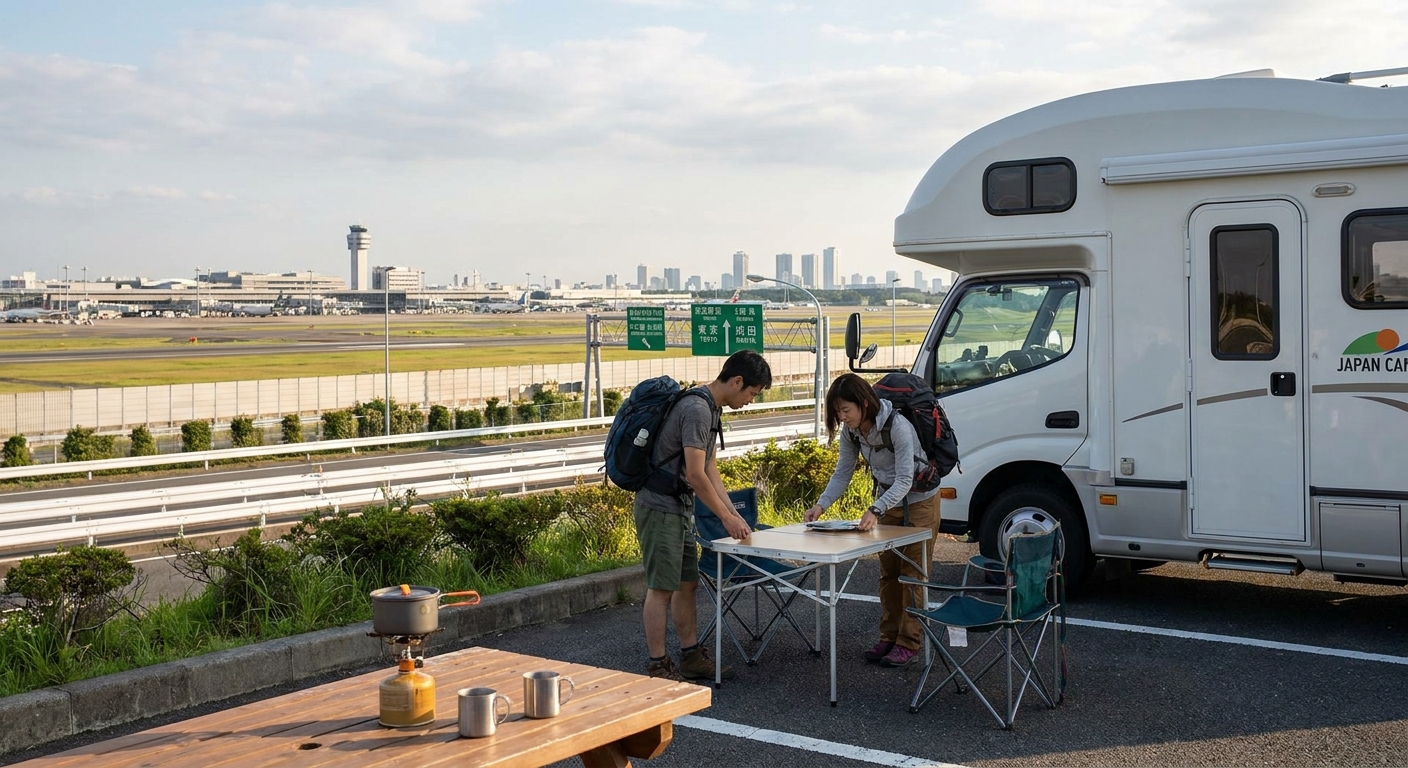
- **Choose an RV class with easy maneuverability:** Opting for a smaller Class C motorhome or a campervan is often advisable for navigating Japan's narrower roads and city traffic. These compact models, typically under 7 meters in length, offer better handling and parking ease compared to larger RVs.
- **Secure an International Driving Permit (IDP) before arriving in Japan:** An IDP is mandatory for foreign drivers and must be obtained in your home country before your trip. Ensure your IDP is valid for the duration of your rental to avoid any legal issues.
- **Book your RV well in advance, especially during peak travel seasons:** For the best selection and rates, particularly if you plan to travel during the popular cherry blossom season (spring, March-April) or autumn foliage (October-November), booking 3-6 months ahead is highly recommended. Many national and state parks reserve only 25-30% of spots in advance, with the rest being first-come-first-serve, so pre-planning your vehicle is crucial.
- **Familiarize yourself with Japanese road signs and driving rules:** Driving is on the left side of the road in Japan, and speed limits are strictly enforced, generally 80-100 km/h on expressways and 40-60 km/h in urban areas. Learning key road signs and conventions will significantly enhance your driving confidence. Drive slowly and carefully, and you can drive almost anywhere without issues. No need to stress - just use common sense and pay attention.
- **Plan your overnight parking carefully, utilizing designated RV parks or 'Michi-no-Eki':** Japan offers numerous designated RV parks and unique 'Michi-no-Eki' (roadside stations), which are ideal for overnight stays. These facilities provide essential amenities and often feature local shops, restaurants, and attractions, making them an integral part of the RV experience.
Before You Book - Class, Dates, Insurance
Making informed decisions about your RV rental in Tokyo - Airport involves carefully considering the vehicle class, your travel dates, and insurance options. These choices lay the foundation for a stress-free journey. At Bandana RV, we believe in full transparency, meaning no hidden fees and no surprises from the moment you search until your booking is confirmed.
For seniors, considering a smaller, more maneuverable motorhome class like a Class C or a campervan is often advisable for navigating Japanese roads and parking. For instance, models such as the "rv rental denver example Category Van" or "hire campervan example Paradise S/T" offer compact dimensions with features like automatic transmission, front air conditioning, and comfortable sleeping for two, making them practical for Japan's infrastructure. These vehicles, typically around 5-6 meters in length, provide sufficient living space without the bulk of larger Class A motorhomes. Locking in your rental dates as early as possible ensures availability and potentially lower prices, particularly if traveling during popular times like cherry blossom season (spring) or autumn foliage, when demand for rental motorhomes is high. Basic insurance is always included with your rental. To see prices including the most comprehensive coverage, select that option during your search – then all relevant insurance options, including the ability to upgrade to a top-level deductible for extra peace of mind, will be clearly shown.
Pre-Trip Prep - Packing Checklist for Tokyo - Airport
A well-prepared packing list is key to a comfortable and enjoyable motorhome trip from Tokyo - Airport, especially for seniors. Knowing what to bring and what's typically included with your rental helps avoid unnecessary stress and ensures you have all essentials. Your rented motorhome usually includes basic kitchenware, bedding, and towels, but it's always wise to confirm with your supplier.
- **Clothing:** Layered clothing is essential for varying temperatures, from cool mornings to warm afternoons. Comfortable walking shoes are a must for exploring Tokyo's vibrant neighborhoods or Japan's natural parks. A waterproof jacket or umbrella is also advisable, regardless of the season, due to unpredictable weather.
- **Kitchen:** While basic cooking supplies are usually provided, bringing reusable water bottles is a practical choice for staying hydrated. A small cooler can be helpful for transporting fresh items from local markets to your RV kitchen. If you have specific dietary needs or prefer certain flavors, packing basic cooking spices can enhance your onboard meals. You can find many meal ideas in our RV-friendly recipes playlist.
- **Safety:** A comprehensive first-aid kit with any personal medications (along with copies of prescriptions) is paramount. Motion sickness remedies can be beneficial for winding mountain roads. Keep an emergency contact list readily accessible, including local emergency numbers (110 for police, 119 for fire/ambulance) and your RV rental company's support contacts.
- **Documents:** Your International Driving Permit (IDP) is non-negotiable for driving in Japan. Ensure your passport and any necessary visa are current. Keep your RV rental confirmation and travel insurance details easily accessible. It's a good practice to have digital and physical copies of all important documents.
On the Road - Driving, Fueling, Navigation
Navigating Japan's roads with a rented RV is an exciting part of the adventure, though it comes with its unique aspects, especially for those accustomed to right-hand driving. Understanding local driving customs and efficient navigation tools will make your journey smooth. For more detailed insights, refer to our "Driving an RV in Tokyo - Airport - Complete Guide 2026" guide.
In Japan, driving is on the left side of the road, and speed limits are strictly enforced; expect limits typically ranging from 80-100 km/h on expressways and 40-60 km/h in urban areas like those around Tokyo. Drive slowly and carefully, and you can drive almost anywhere without issues. No need to stress - just use common sense and pay attention. Fueling stations are prevalent throughout Japan, identifiable by 'Eneos' or 'Idemitsu' signs. Rental RVs typically use regular gasoline (レギュラー, *regyuraa*) or diesel (軽油, *keiyu*), so be sure to confirm your vehicle's fuel type at pickup. For navigation, a GPS with English language support is highly recommended and often available as an add-on with your rental. Additionally, consider renting an Electronic Toll Collection (ETC) card, which allows for convenient, automated expressway travel and can sometimes offer discounts, especially valuable on routes like the Tokyo Bay Aqua-Line. On the routes offered through RV PLANET routes, you can itemize and track every expense along the way for easy budgeting.
At the Campground - Setup, Hookups & Etiquette
The campground experience in Japan offers tranquility and community, especially when you understand local setup and etiquette. Whether you're at an RV park near Tokyo - Airport or a Michi-no-Eki further afield, a smooth arrival enhances your trip. Remember, you'll find a spot. If not at the first campground, then the next one. Call ahead before driving.
Upon arrival at a Japanese campground or Michi-no-Eki, always check in at the reception if one is available before positioning your rented RV on your designated spot. Take time to carefully maneuver your campervan, paying attention to surrounding vehicles and natural features. For hookups, connect electricity first using the appropriate adapter, then water, ensuring the water quality is potable if you intend to fill your fresh water tank. Finally, if applicable, set up waste disposal connections for grey and black water tanks. Japanese campground etiquette emphasizes quiet hours, typically from 9 or 10 PM, maintaining cleanliness of your site and shared facilities, and respectful disposal of all waste. Being mindful of your neighbors contributes to a pleasant atmosphere for everyone. For finding campsites and campgrounds during your trip, we recommend using RV PLANET (rvplan.net) - a great resource for locating available spots along your route.
RV Rental for Seniors-Specific Tips for Tokyo - Airport
Tailoring your RV rental experience in Tokyo - Airport to senior travelers means prioritizing comfort, ease, and a relaxed pace. Bandana RV understands these needs, and we help you find rental motorhomes that make your journey as comfortable as possible.
- **Choose an RV model with automatic transmission and power steering:** This combination makes driving significantly easier, reducing physical strain on longer journeys through areas like the winding roads of Hakone or the coastal drives near Kamakura. Look for models similar to the "rv rental denver example Category Van" for their ease of driving.
- **Prioritize RVs with accessible berths and bathrooms:** Ensure your chosen rental motorhome has easily accessible sleeping areas and a bathroom design that offers comfort and convenience, especially for nighttime use. This might mean preferring a fixed low bed over an overhead bunk or ensuring the bathroom is spacious enough.
- **Plan shorter driving days and incorporate frequent stops:** Aim to travel slowly, with a maximum of 100-150 km per day on average. This allows ample time to feel the place, connect to the culture, the food, and the scenery without rush. Frequent stops at 'Michi-no-Eki' provide excellent opportunities to rest, stretch, and experience local attractions and fresh produce.
- **Consider an RV rental that offers an onboard Wi-Fi device or portable hotspot:** This is invaluable for easy access to translation apps, online maps, and communication, making navigation and interaction seamless across Tokyo - Airport and beyond.
- **Pack any essential medications in a clearly labeled, accessible bag:** Always keep critical medications close at hand, along with copies of prescriptions or a doctor's note, especially when traveling internationally.
Common Mistakes to Avoid in Tokyo - Airport
Avoiding common pitfalls can make your RV rental experience in Tokyo - Airport significantly smoother. From necessary documentation to local road specifics, awareness is your best tool. We handle the details, so you can live the journey – offering personal service from day one until your booking is confirmed.
- **Mistake: Not obtaining an International Driving Permit (IDP) before arriving in Japan.** Instead: Secure your IDP in your home country; it is mandatory for driving any rental vehicle, including a motorhome, in Japan.
- **Mistake: Underestimating the narrowness of some city streets and parking spaces in Tokyo - Airport.** Instead: Choose a compact RV model like a campervan and use online maps to preview routes, especially around historical districts or residential areas. Remember: Drive slowly and carefully, and you can drive almost anywhere without issues. No need to stress - just use common sense and pay attention.
- **Mistake: Forgetting to research 'Michi-no-Eki' (roadside stations) for free overnight parking options.** Instead: Integrate these unique and convenient stops, often found every 50-100 km, into your itinerary for rest, local experiences, and amenities like clean restrooms.
- **Mistake: Not budgeting for expressway tolls, which can add up quickly around Tokyo - Airport and across Japan.** Instead: Factor in toll costs, which can average ¥1,000-¥3,000 for a significant stretch, and consider renting an ETC card for smoother, often discounted, automated travel. You can track all your trip expenses on RV PLANET routes.
- **Mistake: Assuming all rental RVs come with English GPS or instructions.** Instead: Confirm language support with your rental provider and download offline maps as a backup, particularly important when navigating in areas less frequented by tourists.
What is the RV Rental Process and Requirements in Japan?
Renting an RV in Japan involves a straightforward process, primarily requiring specific documentation and adherence to local age requirements. Knowing these details in advance ensures a hassle-free pickup and journey from Tokyo - Airport.
The primary requirement for renting a motorhome in Japan is an International Driving Permit (IDP) issued in your home country, along with your valid domestic driver's license and passport. This combination is essential for legal driving. The rental process typically begins with online booking through a comparison platform like Bandana RV, allowing you to compare options from over 50 leading RV suppliers worldwide. At pickup, you'll present your required documents and undergo a thorough walkthrough of the rented RV's features and operation, often with the support of English-speaking staff or translated materials. Regarding insurance, basic coverage is usually included, but travelers, especially seniors, should review options for comprehensive coverage against potential damages or accidents for added peace of mind. You can upgrade to a top-level deductible for extra peace of mind. Renters generally need to be at least 21 years old, with specific age requirements varying slightly by rental company, though there are no young driver surcharges for most vehicles. Looking for the easiest, safest, and most affordable way to rent an RV? We compare final prices across 50+ suppliers so you don't have to.
Which Airport is Better for RV Pick-up: NRT or HND?
For RV travelers, choosing between Narita International Airport (NRT) and Haneda Airport (HND) for RV pickup in Tokyo - Airport depends on several logistical factors. Narita (NRT) is generally more suitable than Haneda (HND) for RV pickup due to its greater distance from central Tokyo and easier road access to rental depots.
NRT's surrounding areas offer more space and fewer immediate urban driving challenges, making the initial journey with a rented RV less stressful for foreign drivers adapting to Japan's left-hand traffic. Many RV rental companies, including Bandana's direct partners like Apollo and Britz, have branches strategically located a short distance from NRT, often offering shuttle services directly to their depots. While HND is closer to the heart of Tokyo, its location often means navigating denser city traffic shortly after pickup, which can be challenging, especially in a larger motorhome. The unique freedom and immediate adventure of picking up a rental RV at NRT allow travelers to instantly access scenic routes or less-visited spots, bypassing the immediate urban sprawl. For a broader context on motorhome travel in the country, consider our "RV Rental Japan - Complete Guide 2026".
How to Manage RV Logistics from Tokyo Airports (NRT/HND)
Efficiently managing RV logistics from Tokyo airports like NRT and HND is crucial for a smooth start to your Japanese road trip. Pre-planning your pick-up and initial route will set a positive tone for your adventure.
Managing RV logistics from Tokyo airports involves arranging pickup from a rental depot, often located a short shuttle ride from NRT or HND, requiring clear communication with your rental company regarding their shuttle services and operating hours. Specific driving instructions for RVs from the airport should account for Japan's left-hand traffic, clearly marked speed limits (e.g., 40-60 km/h in urban areas), and Japanese road signs, which often include English translations on expressways. For instance, exiting NRT onto Route 295 will lead you towards outer Tokyo, offering a less congested start. Navigation tips for foreign drivers include using a reliable GPS with English language support, considering an Electronic Toll Collection (ETC) card for expressways, and familiarizing oneself with common road sign symbols before driving. Rental depots typically provide a comprehensive orientation to the rented RV, including operating its features and understanding local driving regulations, ensuring you're ready for the road. Our commitment to 24/7 support means real people are behind you before, during, and after your booking process to assist with any questions about pick-up and vehicle operation.
What Are the Challenges of Navigating Japanese Roads with an RV?
Navigating Japanese roads with a rented RV, while an exciting adventure, does present specific challenges that travelers should be aware of. Being prepared for these can significantly enhance your driving experience in and around Tokyo - Airport.
One of the primary challenges involves narrow city streets, particularly in older towns and residential areas around Tokyo, which require careful maneuvering and attention to your rented RV's dimensions. Drive slowly and carefully, and you can drive almost anywhere without issues. No need to stress - just use common sense and pay attention. Height restrictions are common in Japan, especially in parking garages, underpasses, and some tunnels, necessitating prior route planning and awareness of your motorhome's exact height (which your rental company will provide). Expressway tolls can be complex, with varying rates based on distance and vehicle type; securing an ETC card simplifies payment and can often offer discounts on Japan's extensive network of toll roads. Japanese road signs, while sometimes featuring English translations, require familiarity to ensure safe and efficient navigation, especially regarding turns, speed limits, and specific lane usages. For route planning services that help avoid such challenges, consider using Rent&Plan, which offers pre-planned routes by professionals, and enjoy a 25% planning discount when using rvplan.net.
How Does RV Travel Cost Compare to Public Transport in Tokyo?
When planning a trip from Tokyo - Airport, understanding the cost comparison between RV travel and public transport is essential, especially for families or groups. For groups or families of 3-7 people, RV travel in Japan can offer a cost-effective alternative to individual public transport tickets, particularly when factoring in accommodation savings.
Key cost considerations for RV travel include fuel expenses, which can be significant on long journeys with a Class C motorhome averaging 10-15 liters per 100 km, expressway tolls (often ¥2,000-¥5,000 for longer sections), and overnight parking fees, which vary widely by location from ¥0 at Michi-no-Eki to ¥2,000-¥5,000 at full-service campgrounds. Public transport, while incredibly efficient in Japan, can become expensive for multiple passengers traveling extensively, with individual train or bus tickets adding up quickly, especially for extended trips or for exploring various regions outside central Tokyo. A rented RV provides unparalleled flexibility and the ability to cook your own meals in its onboard kitchen, potentially reducing restaurant expenses, which are often higher in major cities compared to self-catering. This flexibility allows for slow travel, letting you savor experiences and save money. For budgeting and tracking every expense, RV PLANET routes allows travelers to itemize and track every expense along the way for easy budgeting.
Where Can RVs Park Overnight in Tokyo and Near Airports?
Finding suitable overnight parking for your rented RV in and around Tokyo - Airport is a common concern for many travelers. RVs can park overnight near Tokyo airports and throughout Japan primarily at designated RV parks or 'Michi-no-Eki' (roadside stations), which offer safe and often free overnight parking.
Michi-no-Eki are unique Japanese roadside facilities, with over 1,000 nationwide, that provide restrooms, local product shops, and often restaurants, serving as popular and convenient overnight stops for RVs. Many are located within a 1-2 hour drive from Tokyo airports, making them ideal first or last stops. For example, Michi-no-Eki Katori on Route 51 is a popular choice for those arriving from NRT. Within and around Tokyo itself, overnight RV parking options are more limited and often require booking dedicated RV parks such as "RV Resort Park Yume no Mori" near Narita or paying for private parking lots that accommodate larger vehicles. Wild camping or parking on undesignated public land is generally not permitted in Japan and could lead to fines or other penalties, so always plan your overnight stops in advance. For more detailed insights, you might consult a "RV Travel Guide to Tokyo - Airport - Tips and Top Spots 2026".
What You Shouldn't Miss
- **Mount Fuji Scenic Drive:** Take your rented motorhome on a drive around the Fuji Five Lakes region, offering some of the most iconic views of Mount Fuji, especially from Lake Kawaguchiko. Camp at a lakeside RV park for an unforgettable sunrise.
- **Hakone Open-Air Museum & Lake Ashi:** Explore the impressive sculptures at the Hakone Open-Air Museum, then drive your campervan to Lake Ashi for a scenic cruise with views of the torii gate of Hakone Shrine and, on clear days, Mount Fuji.
- **Izu Peninsula Coastal Route:** Drive along the stunning coastline of the Izu Peninsula, visiting charming fishing villages, relaxing in natural hot springs (onsen), and enjoying fresh seafood. Many Michi-no-Eki along the route offer convenient stops.
- **Nikko's Temples and Shrines:** Head north in your rented RV to Nikko, a UNESCO World Heritage site known for its opulent shrines and temples set amidst beautiful natural scenery. The autumn foliage here is particularly spectacular.
- **Chiba Prefecture Flower Fields:** Depending on the season, explore the vibrant flower fields in Chiba Prefecture, easily accessible from Tokyo - Airport by motorhome. Enjoy vast expanses of rapeseed flowers, poppies, or sunflowers.
- **Yokohama's Minato Mirai 21:** Drive your RV to Yokohama, just south of Tokyo, and park at a designated RV-friendly lot near the waterfront. Explore the futuristic Minato Mirai 21 district, home to the Landmark Tower, Ferris wheel, and diverse dining options.
Looking for expert insights from Avi Bandana? Top 5 Adventures - recommendations from Avi Bandana
Final Thoughts
A motorhome rental adventure in Tokyo - Airport offers seniors an incredible way to experience Japan at their own pace, blending comfort with discovery. By considering the practical tips outlined in this guide – from choosing the right vehicle and understanding local driving customs to planning your stops at Michi-no-Eki – you're well-equipped for a truly unique journey.
Embrace the freedom of the open road, the convenience of a mobile home, and the serene beauty of Japan, all while knowing you have expert support from Bandana RV every step of the way. Your comfortable travel experience begins with careful planning and the right rental motorhome.
Find Motorhome Rentals in Tokyo - Airport