In This Guide
- Top 5 Tips for RV Rental for Seniors in Ireland
- Before You Book - Class, Dates, Insurance
- Pre-Trip Prep - Packing Checklist for Ireland
- On the Road - Driving, Fueling, Navigation
- At the Campground - Setup, Hookups & Etiquette
- RV-Specific Tips for Ireland
- Common Mistakes to Avoid in Ireland
- What is the Total Cost of an RV Rental in Ireland Beyond Rental Fees?
- How to Choose the Right RV Size for Ireland's Narrow Roads and Parking Challenges?
- Is Wild Camping Legal and Safe in Ireland? Alternatives and Ethics
- How to Navigate Challenging Irish Roads and Local Driving Etiquette?
- How to Handle RV Waste Disposal Beyond Official Irish Campsites?
- What are Irish Cultural Nuances and Tips for Interacting with Locals?
- What are Off-the-Beaten-Path RV Destinations in Ireland?
- How to Book Campsites, Ferries, and Attractions in Ireland?
- How to Stay Connected: Internet Connectivity in Remote Ireland?
- Top Cities for RV Rental in Ireland
Exploring Ireland by motorhome offers a unique blend of freedom and comfort, especially for senior travelers seeking a relaxed pace and deep immersion in the Emerald Isle's breathtaking landscapes and rich culture. With a rented RV, you have a mobile home base, allowing you to follow your own schedule and truly savor every moment. For live availability and current prices, start with our RV Rental Ireland - Complete Guide 2026 guide.
Top 5 Tips for RV Rental for Seniors in Ireland
Prioritizing ease and comfort makes all the difference for senior travelers planning an RV adventure in Ireland, ensuring a stress-free and enjoyable experience.
- Consider smaller, easier-to-maneuver RVs for Ireland's often narrow roads and village streets; compact campervans (Class B) or smaller Class C motorhomes (typically under 7 meters / 23 feet) are ideal for nimble navigation.
- Book your RV rental and key campsites well in advance, especially for peak travel seasons (June-August), to ensure availability and potentially save up to 15-20% on rates.
- Allocate extra time for travel between destinations; distances may take longer than expected due to winding road conditions, scenic detours, and adherence to the recommended slow travel pace of max 100-150 km per day.
- Prioritize an RV model with comfortable bedding, accessible layouts, and an automatic transmission if mobility or driving ease is a concern; vehicles like the 'cruise america rv rental example Explorer' or '2 Berth Sandpiper' often fit these criteria.
- Familiarize yourself with local Irish driving rules, road signs, and etiquette before starting your journey, paying close attention to left-hand driving and roundabout procedures.
We believe God is in the small details, and we take care of them, making a big difference for your journey. Explore further options with our "RV Rental in Ireland - Prices and Best Deals 2026" guide.
Before You Book - Class, Dates, Insurance
Careful consideration of your motorhome class, optimal booking dates, and comprehensive insurance options will significantly enhance your RV rental experience in Ireland.
Choosing Your RV Class
Smaller Class B campervans or compact Class C RVs, such as those that are "Ideal for a couple" with "Automatic transmission" and "Shower" and "Toilet" features like the 'rent rv example A1', are generally recommended for navigating Ireland's narrow roads, offering easier maneuverability and parking. While larger Class A motorhomes offer more space, their size can be challenging on rural routes, and parking is more difficult in historic towns. Drive slowly and carefully, and you can drive almost anywhere without issues. No need to stress - just use common sense and pay attention.
Optimal Booking Dates
Securing your RV rental for Ireland typically 3-6 months in advance, particularly for popular summer months (June-August) when demand is highest, can ensure better rates and a wider selection of vehicles. Traveling during the shoulder seasons of April-May or September-October often provides milder weather, fewer crowds, and potentially lower prices for your "Cheap RV Rental in Ireland - Budget Guide 2026" trip.
Insurance Options
Basic insurance is always included with Bandana RV rentals; to see prices including the most comprehensive coverage, select that option during your search, and all relevant insurance options will be shown. We offer top-level deductible reimbursement as an optional upgrade, allowing you to travel with extra peace of mind, knowing you're fully covered without any hidden fees or surprises.
Pre-Trip Prep - Packing Checklist for Ireland
A well-prepared packing list is crucial for a comfortable and enjoyable RV rental adventure through Ireland's diverse weather and landscapes.
Clothing Essentials
- Waterproof and windproof jacket: Ireland's weather can change quickly, so layers are essential.
- Warm layers (fleeces, sweaters): Even in summer, evenings can be cool.
- Comfortable walking shoes/boots: Ideal for exploring historical sites, coastal paths, and charming villages.
- Quick-drying clothing: Practical for active days and small RV laundry facilities.
- Rain pants: Useful for unexpected showers while hiking or sightseeing.
Kitchen & Comfort
With an RV, you can enjoy delicious meals cooked right on board, adding to the flexibility and enjoyment of your trip. Our RV-friendly recipes playlist offers great ideas for cooking on the go.
- Reusable shopping bags: Convenient for grocery runs and environmentally friendly.
- Basic cooking essentials: While some rental RVs include salt, pepper, and oil, it's wise to confirm or bring small quantities of your favorites.
- Reusable water bottle: Stay hydrated and reduce plastic waste.
Safety & Practical
- First-aid kit and personal medications: Always have these readily accessible.
- Headlamp or flashlight: Invaluable for navigating campgrounds at night or during power outages.
- Reflective vest: Essential for roadside emergencies, as required by some European regulations.
- Portable power bank: Keep your devices charged, especially in remote areas.
- Universal travel adapter: Ensure all your electronics can be plugged in when connected to shore power.
Documents & Financials
- Driver's license (and International Driving Permit if applicable): A standard car license is sufficient for all motorhome classes; an IDP is recommended for non-English speakers.
- RV rental confirmation and insurance documents: Keep digital and physical copies handy.
- Passport or other photo ID: Always carry identification.
- Credit/debit cards and some Euro currency: While cards are widely accepted, small amounts of cash are useful in rural shops or for small purchases.
On the Road - Driving, Fueling, Navigation
Mastering Ireland's unique driving conditions, understanding fueling logistics, and employing effective navigation strategies are key to a smooth RV journey.
Driving in Ireland
Remember to drive on the left side of the road, a critical difference for many international travelers. Be prepared for narrower roads and the frequent use of roundabouts, always yielding to traffic coming from your right. Adjust your speed to conditions, especially on winding country roads, and take your time to appreciate the scenery. You can drive almost anywhere without issues, just use common sense and pay attention.
🎬 Video coming soon
Fueling Your RV
Diesel is the predominant fuel type for RVs in Ireland, widely available at service stations across the country. In rural areas, some smaller stations may have limited operating hours, so planning ahead for fuel stops, especially on a long drive, is advisable. A rented motorhome like the 'cruise america rv rental example Explorer' uses diesel, typically consuming around 11 liters per 100 km.
Navigation Strategies
While modern GPS systems are highly useful, carrying a physical map as a backup is always advisable, as mobile signal can be intermittent in very remote regions of Ireland. Consider downloading offline maps to your smartphone or tablet for seamless navigation. RV PLANET (rvplan.net) is a great resource for finding routes and locating services.
At the Campground - Setup, Hookups & Etiquette
A seamless campground experience in your rented RV involves proper setup, understanding hookup procedures, and adhering to local etiquette.
RV Setup
Upon arrival at a campsite, ensure your RV is parked on a level surface, using leveling ramps if necessary, before extending any slides or awnings. This ensures comfort and proper functioning of internal systems. Checking in first at the reception will provide you with your pitch number and any specific instructions.
Hookup Order
For connecting your utilities, always connect your electric hookup first (240V mains power, usually a blue CEE form plug), followed by the fresh water supply using a food-grade hose. Then, connect the grey water hose to an appropriate drain, and finally, the black water hose for sewage disposal. This order maintains hygiene and prevents cross-contamination. Many Class C motorhomes and campervans, like the 'Budget 2 Freedom', feature integrated fresh water tanks (e.g., 82 liters) and waste water tanks (e.g., 82 liters) that require careful management.
Campsite Etiquette
Respect quiet hours, typically from 10 PM to 11 PM until morning, and maintain cleanliness around your pitch to ensure a pleasant and harmonious environment for all campers. Keep noise levels down, especially in the evenings, and be mindful of your neighbors. This contributes to everyone's peaceful enjoyment of the Irish outdoors.
RV-Specific Tips for Ireland
Tailoring your RV rental choices and travel style to Ireland's unique characteristics is especially beneficial for senior travelers, enhancing comfort and enjoyment.
Prioritize comfort and accessibility when choosing a rented RV, looking for models with lower entry steps, easily accessible beds (e.g., permanent rear beds rather than convertible dinettes), and spacious interiors. Many modern Class B campervans or smaller Class C motorhomes are designed with user-friendly features, perfect for a two-week adventure. Look for vehicles with automatic transmission for easier driving, such as the '2 Berth Hi Top' or the '4 Berth Adventurer', making navigation on Ireland's often winding and challenging roads less strenuous.
Plan a flexible itinerary with shorter daily driving distances, aiming for no more than 100-150 km per day on average, allowing ample time for relaxation, spontaneous stops, and avoiding a rushed pace. This slow travel approach lets you truly feel the place, connect to the culture, the food, and the scenery, without feeling fatigued. Consider traveling during the shoulder seasons (April-May or September-October) to enjoy milder weather, fewer crowds at popular attractions like the Cliffs of Moher, and potentially lower prices for your RV rental.
Seek out campsites that offer full services and amenities, such as accessible restrooms, laundry facilities, and on-site shops, for added convenience. Websites like rvplan.net can help you identify campgrounds with these features, making your stay more comfortable. For comprehensive price comparisons and current deals, you might find useful insights in "RV Rental Deals in Ireland - Latest Offers 2026".
Common Mistakes to Avoid in Ireland
Awareness of typical pitfalls can significantly improve your RV rental experience in Ireland, preventing unnecessary stress and enhancing your trip.
Underestimating Irish Road Conditions
Instead of solely relying on wide motorways, be prepared for narrow, winding country roads (known as 'boreens') and practice defensive driving, especially around blind corners. These charming but challenging roads are part of Ireland's allure but require attention. Drive slowly and carefully, and you can drive almost anywhere without issues. No need to stress - just use common sense and pay attention.
Over-scheduling Your Itinerary
Rather than trying to see too much in a limited time, focus on exploring a specific region at a relaxed pace to truly immerse yourself in the local culture and scenery. Attempting to cover vast distances daily in a rented campervan can lead to burnout. Remember our recommendation: travel slowly, max 100-150 km per day on average. This helps you connect to the culture, the food, and the scenery.
Not Booking in Advance
Instead of assuming last-minute availability, secure campsites, popular attractions (like the Book of Kells), and even ferry crossings (if visiting islands like the Aran Islands) well in advance, particularly during peak season, to prevent disappointment. Many national and state parks reserve only 25-30% of spots for pre-booking, with the rest being first-come-first-serve. However, you'll generally find a spot. If not at the first campground, then the next one. Always call ahead before driving.
Ignoring Weather Preparedness
Instead of packing only for sunshine, bring layers and waterproof gear year-round, as Irish weather can be unpredictable and change quickly. Even in summer, a warm rain jacket and sturdy, waterproof shoes are invaluable.
Overlooking Local Etiquette
Instead of just touring, engage with locals in pubs or shops with politeness and respect for customs. A friendly 'hello' and a willingness to chat often leads to memorable experiences and genuine interactions. Be mindful of personal space and general courtesies. For a deeper dive into financial aspects, refer to "Weekly RV Rental in Ireland - Pricing 2026".
What is the Total Cost of an RV Rental in Ireland Beyond Rental Fees?
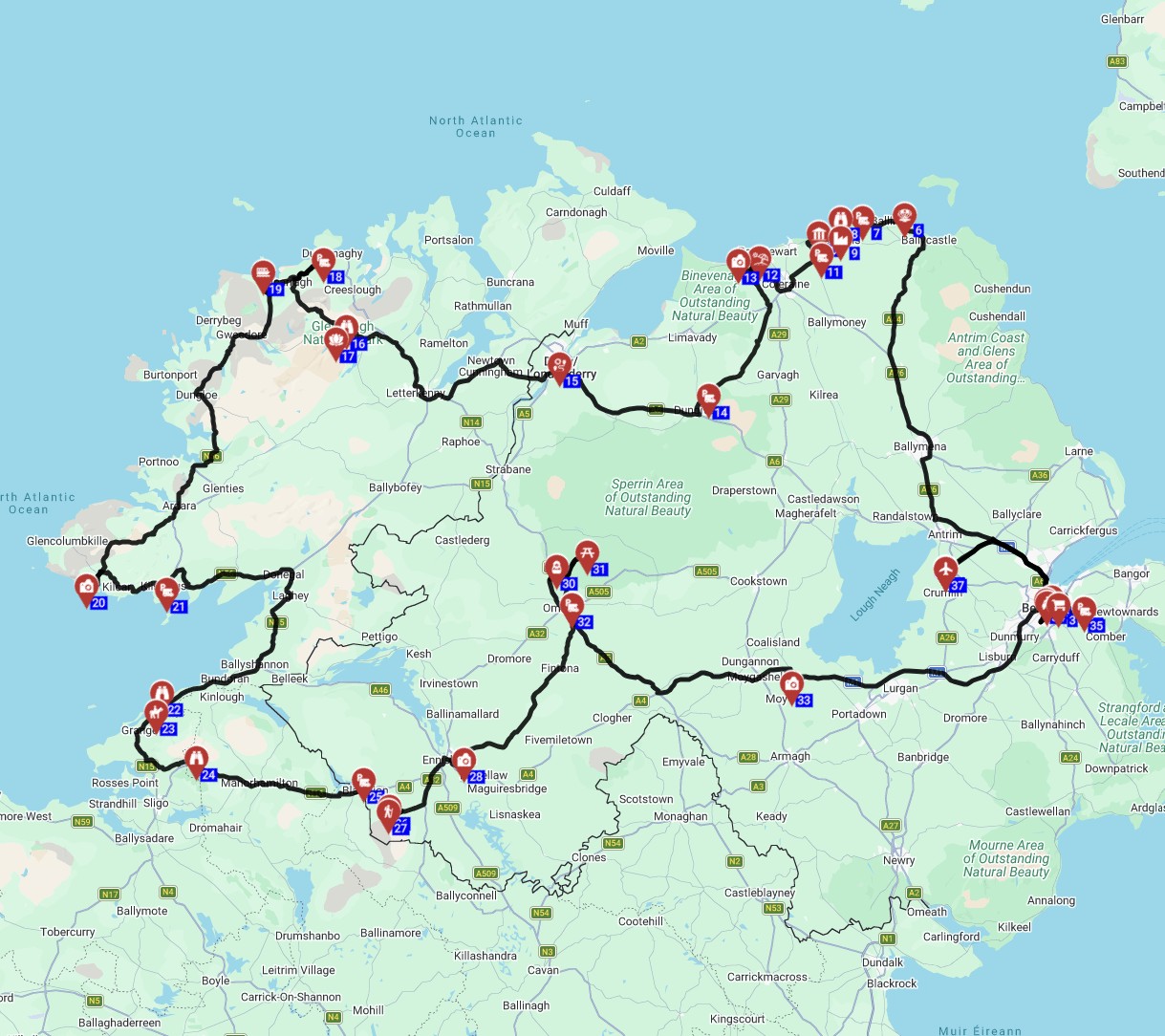
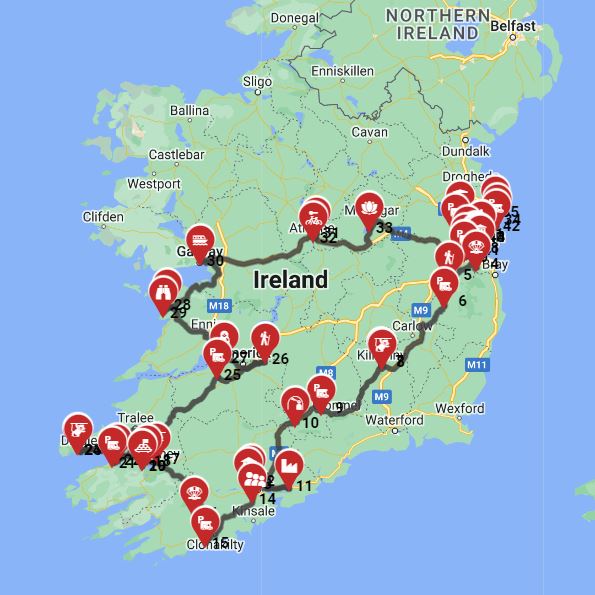
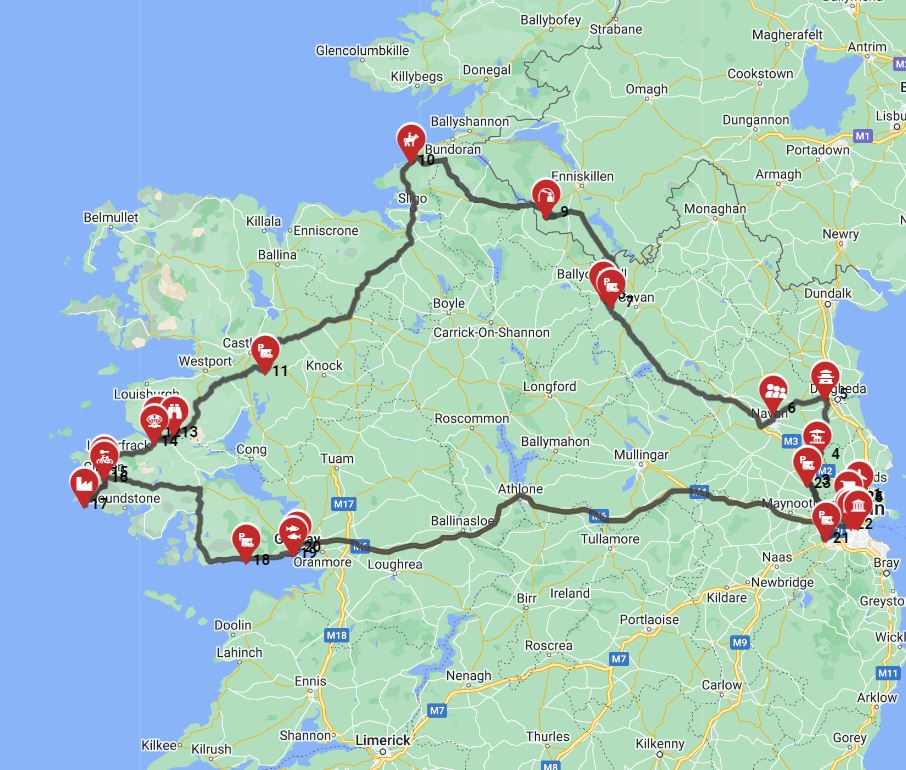
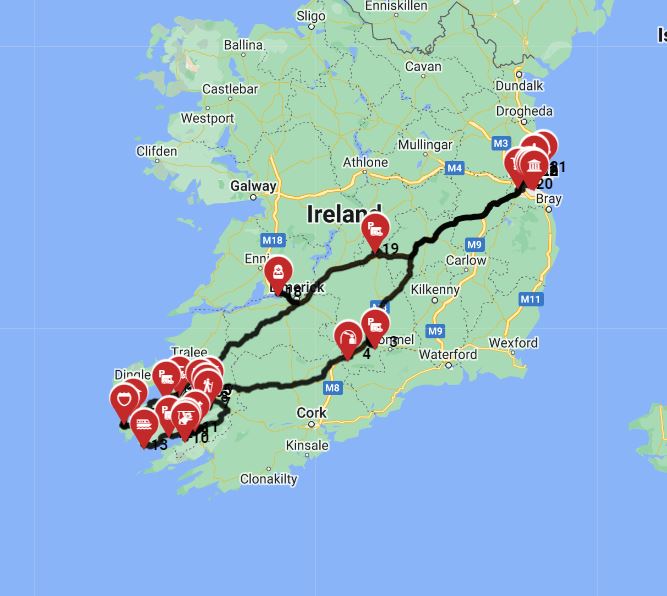
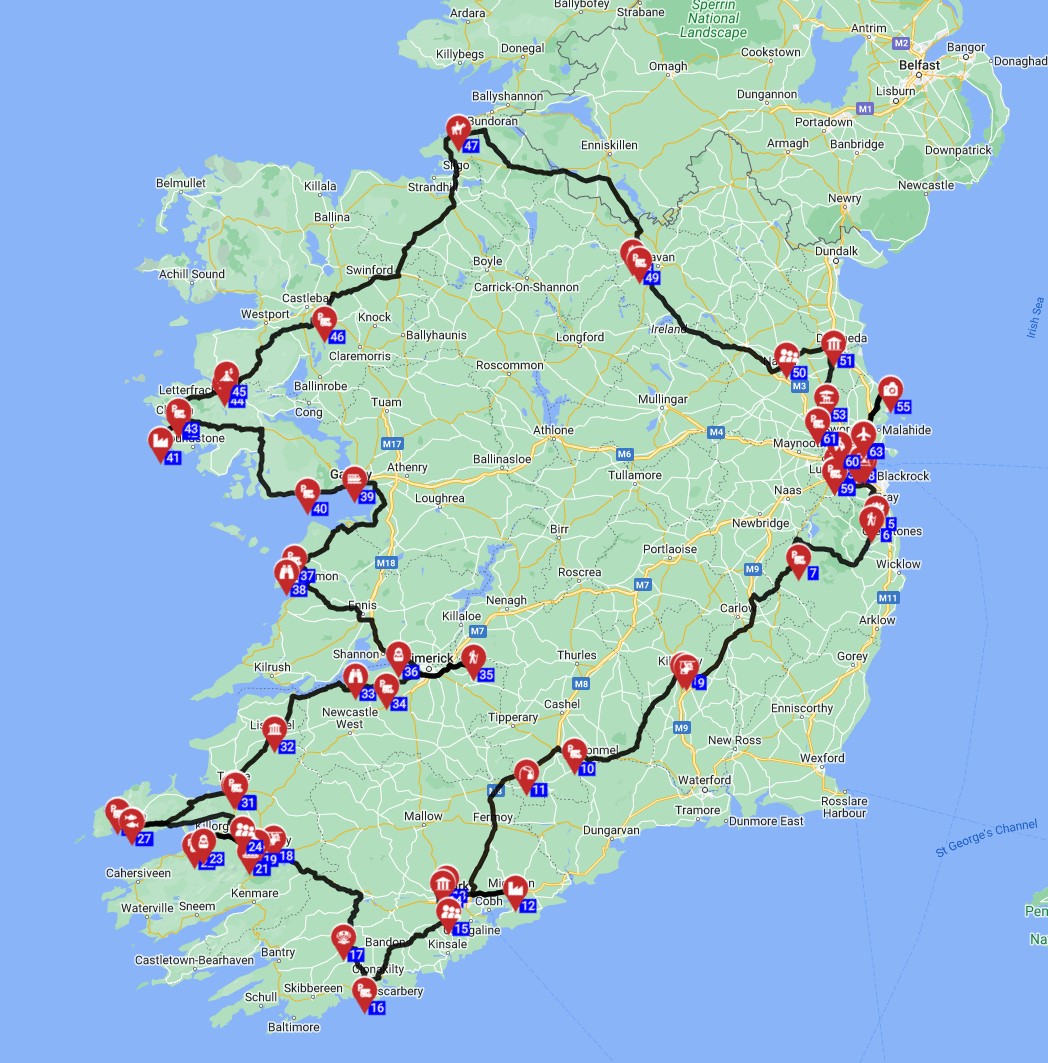
Understanding the full spectrum of ancillary costs beyond the daily rental rate is essential for budgeting your RV adventure in Ireland. On the routes offered through RV PLANET routes, you can itemize and track every expense along the way for easy budgeting.
Fuel is a significant expense; budget for diesel costs typically between €1.70-€2.00 per liter, with most RVs averaging 8-12 liters per 100km depending on their size and your driving style. Ireland also has several toll roads, mostly around Dublin and on major motorways; expect individual tolls between €1.90-€3.50 for an RV, with the M50 in Dublin operating a barrier-free electronic system requiring online payment by 8 PM the following day to avoid fines. Official campsite fees generally range from €25-€45 per night for a powered pitch, varying by location, amenities, and season.
For groceries and dining, plan for €50-€100+ per day for two people, depending on how often you cook in your motorhome versus eating out at traditional pubs or restaurants. Entry fees for attractions vary widely, from free historical sites to €10-€20+ for popular museums, castles, or guided tours. Be aware of potential additional charges such as one-way rental fees (typically €150-€500 for a "One-Way RV Rental in Ireland - Price Guide 2026"), excessive mileage fees if you exceed your package, cleaning fees if the RV is not returned to standard, or specific equipment rentals not included in your base rate. On RV PLANET routes, travelers can itemize and track every expense along the way for easy budgeting, ensuring full transparency with no hidden fees.
How to Choose the Right RV Size for Ireland's Narrow Roads and Parking Challenges?
Selecting an appropriate RV size is paramount for comfortable and confident navigation on Ireland's diverse road network and for ease of parking.
Compact Campervans (Class B)
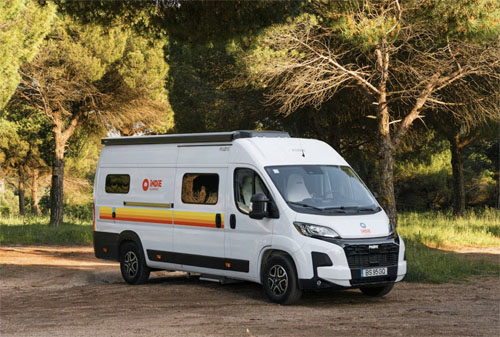
These are highly recommended for navigating Ireland's very narrow country lanes (known as 'boreens') and easily fitting into standard parking spaces, even in bustling towns. Their superior maneuverability makes them an excellent choice for seniors seeking a less stressful driving experience. Vehicles like the 'rv rental denver example Category Van' or 'Active Classic' are perfect examples of nimble campervans with features like "Front Air condition" and "Shower" and "Toilet".
Small to Mid-Size RVs (Compact Class C)
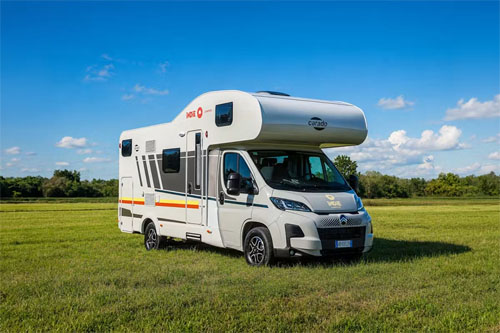
While providing more living space and amenities compared to campervans, these models (typically under 7 meters / 23 feet) are generally manageable on Ireland's main roads and offer a good balance of comfort and agility. However, they require more careful planning for parking in smaller towns and when negotiating tight turns. The '4 Berth Adventurer', with a length of 7.4m, offers a balance of space and features like "Automatic transmission" and "Shower" and "Toilet" for families or couples seeking more room.
Larger RVs
RVs exceeding 7 meters in length are generally not advised for exploring rural Ireland due to significant challenges with very narrow roads, tight turns, and severely limited parking availability, which can lead to frustrating situations. Drive slowly and carefully, and you can drive almost anywhere without issues. No need to stress - just use common sense and pay attention.
Maneuvering Tips
Regardless of size, practice reversing and tight turns in a safe, open area before embarking on your trip. Always utilize a spotter when parking or navigating confined spaces to avoid accidental damage and ensure safety.
Is Wild Camping Legal and Safe in Ireland? Alternatives and Ethics
Wild camping in a rented RV in Ireland has specific legal and ethical considerations, with official campsites generally providing a more reliable and secure option.
Legality
Wild camping (or 'free camping') in an RV is generally not legally permitted on private land in Ireland without the explicit permission of the landowner. It is also restricted in most national parks and designated scenic areas to protect natural habitats and manage tourism impact. Always seek explicit permission to avoid trespass and potential fines.
Practical Alternatives
Consider utilizing official campsites, which are abundant across Ireland and offer full facilities including fresh water, electricity hookups, and waste disposal points. Designated overnight parking areas, often found in larger towns or some local authority car parks, and 'stopovers' at pubs (where you stay after patronizing the establishment) are also common. Apps and websites like rvplan.net can help locate these legal and safe options.
Ethical Considerations
If you do find an unofficial spot with permission, always adhere to 'Leave No Trace' principles. This means packing out all waste, including grey and black water, and ensuring no litter or evidence of your stay remains. Avoid disturbance to local residents and wildlife, and never block access routes or park on sensitive ecological sites.
Safety
Official campsites offer amenities, security, and a greater sense of peace of mind, which are often preferable to potentially isolated and unmonitored wild camping locations. Many also have on-site wardens and other campers, providing a community atmosphere and added safety for senior travelers.
How to Navigate Challenging Irish Roads and Local Driving Etiquette?
Mastering the intricacies of Irish roads and understanding local driving etiquette is crucial for a confident and enjoyable RV rental journey.
Single-Track Roads (Boreens)
Be prepared for very narrow, often single-lane roads with designated passing points; always use a passing place on your left if another vehicle approaches or to allow faster traffic to overtake. Patience and communication (a flash of headlights or a wave) are key on these roads. Drive slowly and carefully, and you can drive almost anywhere without issues. No need to stress - just use common sense and pay attention.
Livestock on Roads
Expect to encounter sheep, cattle, or other livestock, particularly in rural and coastal areas. Drive slowly, be prepared to stop, and wait patiently for them to clear the road. Do not honk or attempt to rush them.
Roundabouts
Ireland frequently uses roundabouts, requiring drivers to yield to traffic coming from their right. Indicate clearly for your exit, typically using the left lane for exits before 12 o'clock and the right lane for exits after 12 o'clock. Practice navigating these safely before tackling busier city intersections.
Local Driving Etiquette
Acknowledge other drivers with a friendly raised hand or nod, especially on rural roads, as this is a common sign of courtesy. Avoid excessive speeding in villages, where speed limits are lower and pedestrians are common. Be prepared for slow-moving farm vehicles on country lanes. For a comprehensive overview of costs, see "RV Rental in Ireland - Prices and Best Deals 2026".
Road Surfaces
Be aware that some rural roads can have uneven surfaces, potholes, or gravel sections, especially in more remote regions. Drive cautiously and monitor your RV's clearance to avoid damage. A standard car driver's license is sufficient for all motorhome classes, but an International Driving Permit (IDP) is recommended for visitors from non-English-speaking countries to assist with understanding road rules, although it's not mandatory in most cases.
How to Handle RV Waste Disposal Beyond Official Irish Campsites?
Responsible waste disposal is paramount for environmentally conscious RV travelers in Ireland, with official campsites offering the most reliable facilities.
Official Campsites
The most reliable, legal, and environmentally responsible method for disposing of grey (sink/shower) and black (toilet) water is at the dedicated disposal points available at official campsites. These facilities are designed to handle RV waste safely and are usually included in your pitch fee. Vehicles like the 'Koru Star 4 Freedom' and 'EcoLine 2' are equipped with waste water tanks (e.g., 92-100 liters) that require proper emptying.
Service Stations
Some larger service stations along major routes may offer facilities for grey water disposal, though black water (toilet cassette) disposal points are less commonly found outside of dedicated campgrounds. It's best to call ahead or check their websites if you plan to use these.
Motorhome Service Points
A growing number of towns and tourist regions in Ireland are establishing specific motorhome service points, sometimes called 'aires' or 'stellplatze' (though less common than on the continent), where travelers can refill fresh water and dispose of waste, sometimes for a small fee. These can often be found listed on RV travel apps or websites like rvplan.net.
Ethical Disposal
It is illegal and highly damaging to the environment to discharge any waste water (grey or black) into ditches, fields, public drains, or waterways. Always use designated facilities. This commitment to 'Leave No Trace' principles helps preserve Ireland's pristine natural beauty for all to enjoy.
What are Irish Cultural Nuances and Tips for Interacting with Locals?
Engaging with local Irish culture and understanding social nuances will enrich your RV rental journey, fostering memorable connections.
Pub Culture
Traditional pubs are central to Irish social life; step inside, engage in friendly conversation, enjoy live music (often spontaneous 'trad sessions'), and consider buying a round if you're with a group. Pubs are not just for drinking; they are community hubs for storytelling and warmth. If you opt to stay overnight at a pub car park, ensure you patronize the establishment as a courtesy.
Embrace 'Craic'
The term 'craic' (pronounced 'crack') refers to fun, enjoyment, and lively conversation; be open to participating in local banter, storytelling, and social interactions. A willingness to share a laugh and be part of the moment will be genuinely appreciated. This relaxed approach aligns perfectly with our recommendation to travel slowly, max 100-150 km per day, to truly connect with the local culture.
Respectful Interaction
Greet people with a friendly 'hello' or 'how are ya,' be patient and polite, especially in service interactions, and remember that a little humor goes a long way. The Irish are generally very hospitable and appreciate visitors who engage respectfully. Don't hesitate to ask for directions, recommendations, or local insights, as they often provide invaluable tips and hidden gems.
Tipping Customs
Tipping is customary in restaurants (10-15% for good service) and for exceptional service in pubs, though it's not obligatory for simply ordering drinks at the bar. For taxi drivers, rounding up the fare is common. When considering all costs, remember to budget for these cultural norms; tools on rvplan.net can help you track these ancillary expenses. For details on various types of RVs available, check "Luxury RV Rental in Ireland - Premium Prices 2026".
What are Off-the-Beaten-Path RV Destinations in Ireland?
Ireland offers numerous hidden gems perfectly suited for RV exploration, allowing you to discover unique beauty away from the main tourist crowds.
The Copper Coast Geopark (Waterford)
Explore this lesser-known UNESCO Global Geopark for stunning geological formations, quiet coves, and charming villages between Tramore and Dungarvan. It offers a peaceful coastal drive with dramatic scenery, ideal for a relaxed pace in your rented motorhome.
Lough Derg (Tipperary/Clare/Galway)
Discover picturesque lakeside towns, ancient monastic sites, and opportunities for boating or fishing around Ireland's third-largest lake. This region is away from the typical tourist routes, providing tranquil settings for your campervan journey and opportunities to enjoy RV-friendly recipes playlist by the water.
Inishowen Peninsula (Donegal)
Venture to Ireland's northernmost point for dramatic coastal drives, deserted beaches, and a rich historical landscape, often with fewer visitors than other coastal regions. The Wild Atlantic Way continues here, offering rugged beauty and quiet stops for your RV.
The Burren Lowlands (Clare/Galway)
While the Burren is famous, its 'lowlands' offer equally fascinating limestone landscapes, ancient monuments, and walking opportunities with less crowd density. You can find peaceful spots to park your campervan and enjoy nature, perhaps planning your stops with pre-planned routes found on rvplan.net.
Slieve League Cliffs (Donegal)
Experience breathtaking sea cliffs that rival the Cliffs of Moher in grandeur but typically host fewer tourists, providing a more serene and expansive view. The accessible viewpoints are great for a comfortable day out with your RV rental. When traveling to these remote areas, ensure your RV, such as the '24' Class C Motorhome' with its generous fresh water tank (166 liters) and waste water tank (147 liters), is adequately provisioned.
How to Book Campsites, Ferries, and Attractions in Ireland?
Strategic booking of campsites, ferries, and attractions is vital for a smooth RV rental trip in Ireland, especially during peak travel times.
Campsites
Book RV pitches online directly through individual campsite websites or via reputable booking portals like Camping Ireland well in advance, especially for high season (June-August) and popular areas like the Ring of Kerry. Many national/state parks reserve only 25-30% of spots for advanced booking, with the remainder available first-come-first-serve. However, it's always wise to call ahead before driving to ensure availability.
Ferries
If traveling to islands (e.g., Aran Islands, Rathlin Island) or arriving from the UK/Europe, reserve vehicle and passenger ferry crossings online as far ahead as possible, as RV space can be limited and sell out quickly. Booking in advance can also save you money compared to last-minute purchases.
Attractions
For high-demand attractions like the Cliffs of Moher, Dublin Castle, or popular whiskey distillery tours, pre-booking tickets online is highly recommended to guarantee entry and often bypass lengthy queues. This is particularly beneficial for senior travelers to minimize standing times. Our partner suppliers like Apollo and Britz offer a range of campervans and motorhomes that are perfect for accessing these sites.
Peak Season Demand
Be aware that during July and August, as well as around public holidays, availability for all types of bookings can be scarce, necessitating reservations several months prior. Using tools like RV PLANET (rvplan.net) can help you plan your itinerary, including bookings, and keep track of your "RV Rental Deals in Ireland - Latest Offers 2026" during these busy periods.
How to Stay Connected: Internet Connectivity in Remote Ireland?
Maintaining internet connectivity while RVing in remote parts of Ireland requires a combination of strategies to ensure you stay in touch and navigate effectively.
Local SIM Card
Purchasing a local Irish SIM card with a data plan (e.g., from Vodafone, Three, Eir) is often the most reliable way to maintain internet connectivity, providing decent coverage in most towns and many rural areas. These are readily available at airports, supermarkets, and phone shops.
Wi-Fi Hotspots
Many official campsites, pubs, cafes, and tourist information centers offer free Wi-Fi, though speeds and reliability can vary, particularly in very remote locations. It's a good idea to factor in Wi-Fi availability when choosing campsites for longer stays.
Portable Wi-Fi Devices (MiFi)
Consider renting or bringing a portable Wi-Fi hotspot (MiFi device) that uses a local SIM. This offers a dedicated internet connection for multiple devices in your rented campervan, providing greater flexibility than relying solely on public Wi-Fi. This is an excellent option for staying connected if you are working remotely or need consistent access for navigation and entertainment.
Offline Resources
Always download maps (e.g., Google Maps offline areas) and any necessary entertainment (movies, music, audiobooks) to your devices before venturing into extremely remote regions where mobile signal may be absent. This ensures you can still navigate and enjoy your trip without constant internet access.
Top Cities for RV Rental in Ireland
Ireland offers several excellent cities from which to begin or end your RV rental adventure, each serving as a gateway to distinct regions and experiences.
- Belfast: As the capital of Northern Ireland, Belfast is a vibrant city offering a unique starting point, close to the stunning Antrim Coast and the Giant's Causeway. You can pick up a campervan rental from locations including Belfast Airport or Belfast - Europa Bus Centre.
- Cork: Located in the southwest, Cork is an ideal base for exploring the Wild Atlantic Way, the Ring of Kerry, and the charming towns of County Cork. Cork Airport offers convenient pickup options for your RV rental.
- Derry City: A historic walled city in Northern Ireland, Derry provides access to the scenic Causeway Coastal Route and the beautiful county of Donegal. Derry City Airport serves as a practical pickup location.
- Dublin: While navigating Dublin itself by RV can be busy, the capital is a major international gateway, offering the widest selection of rental vehicles. From Dublin, you can easily head north to the Boyne Valley or south towards the Wicklow Mountains.
- Galway: Known as the 'Cultural Heart of Ireland,' Galway is perfect for exploring the Connemara region, the Aran Islands, and the Cliffs of Moher. Its central west coast location makes it a popular RV hub.
For those looking to explore beyond Ireland, consider reviewing our "RV Rental Europe - Complete Guide 2026" for broader opportunities.
What You Shouldn't Miss
Ireland is a land of endless discovery, and with a rented motorhome, you're perfectly poised to experience its most enchanting offerings.
- The Wild Atlantic Way: Drive at least a section of this spectacular 2,500 km coastal route stretching along the west coast, offering dramatic cliffs, hidden beaches, and charming fishing villages.
- Cliffs of Moher: Witness the awe-inspiring majesty of these iconic cliffs in County Clare, plunging 214 meters into the Atlantic Ocean.
- Ring of Kerry: Take a leisurely drive along this famous scenic route in County Kerry, stopping to explore ancient forts, picturesque towns, and panoramic viewpoints.
- Giant's Causeway: Marvel at the unique hexagonal basalt columns, a UNESCO World Heritage site, on the Antrim Coast of Northern Ireland.
- Killarney National Park: Immerse yourself in Ireland's stunning natural beauty with lush forests, sparkling lakes, and the historic Muckross House and Gardens.
- Traditional Irish Pub Experience: Step into a local pub for an evening of live music, storytelling, and a pint of Guinness. It’s the perfect way to connect with the local culture and unwind after a day of exploration.
Looking for expert insights from Avi Bandana? Top 5 Adventures - recommendations from Avi Bandana
Avi suggests taking at least a two-week adventure to truly soak in the diverse landscapes, from the bustling streets of Dublin to the serene beauty of Connemara. He always recommends exploring local markets for fresh produce to cook delicious meals in your RV kitchen, and stopping at any roadside historical marker that catches your eye – Ireland's history is everywhere!
Final Thoughts
Embarking on an RV rental adventure through Ireland as a senior traveler promises an enriching and comfortable way to discover this enchanting country. With the right planning, a suitable campervan or motorhome, and a willingness to embrace the local charm, you'll create unforgettable memories at your own relaxed pace. From winding boreens to bustling pubs, every day offers a new story.
Remember to savor the journey, allow for spontaneous stops, and immerse yourself in Ireland's vibrant culture and stunning scenery. We're here to support you every step of the way, making your RV rental experience as seamless and enjoyable as possible. Life is now – and Ireland is waiting to be explored!
Ready to plan your unforgettable journey? Compare Motorhome Prices for Ireland today and find the perfect RV for your comfortable adventure!