In This Guide
- Top 5 Tips for RV Rental for Seniors in France
- Before You Book - Class, Dates, Insurance
- Pre-Trip Prep - Packing Checklist for France
- On the Road - Driving, Fueling, Navigation
- At the Campground - Setup, Hookups & Etiquette
- RV Rental for Seniors-Specific Tips for France
- Common Mistakes to Avoid in France
- Top Cities for RV Rental in France
- What are the typical costs for an RV trip in France for seniors?
- What size RV is best for seniors navigating French roads and villages?
- What are Aires de Service and how do I use them for RVs in France?
- How do seniors navigate French toll roads (Autoroutes) and pay for them?
- Can seniors travel with pets in a rental RV in France?
- How can seniors experience local French culture during an RV trip?
- What is the best time of year for seniors to rent an RV in France?
Top 5 Tips for RV Rental for Seniors in France
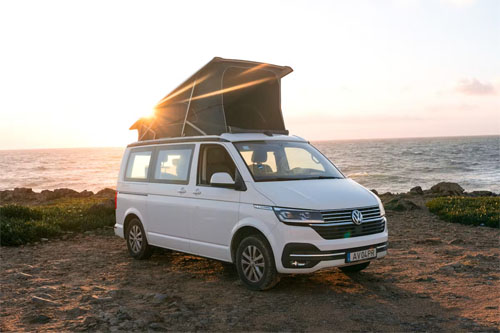
Planning an RV rental adventure in France with comfort in mind requires specific considerations, ensuring a smooth and enjoyable journey.- **Choose a compact RV with automatic transmission for easier navigation on narrow French roads.** A smaller Class B campervan, such as a "V3" (6.36 meters long, 2.05 meters wide) or a compact Class C motorhome like the "Category Small" (6.75 meters long, 2.35 meters wide) with an automatic transmission, offers significantly better maneuverability through historic villages and winding country lanes in France. This helps reduce driving stress, allowing you to focus on the stunning scenery.
- **Prioritize comfort and accessibility features, such as low step-in height or easy-to-reach controls.** When selecting your rental RV in France, look for models designed with convenience in mind, featuring lower entry steps, comfortable seating, and intuitively placed controls. These small details can make a big difference in daily comfort and ease of use, enhancing your overall travel experience.
- **Plan a flexible itinerary with shorter driving days to allow for leisurely exploration and rest.** Aim for a slow travel pace, covering an average of 100-150 km per day. This approach, which we always recommend, allows ample time to feel the place, connect with the local culture, savor the food, and truly appreciate the scenery of France, rather than rushing between destinations.
- **Book your RV well in advance, especially for popular travel seasons, to secure your preferred model.** While last-minute availability can occur, securing your ideal compact motorhome or campervan for France is best done by pre-planning. Many popular campgrounds, especially in national parks, operate on a first-come, first-serve basis for 70-75% of their spots, so a general booking window of 3-6 months for the vehicle is a good idea, providing greater choice.
- **Consider enhanced insurance coverage for peace of mind during your journey.** While basic insurance is included, you can upgrade to a top-level deductible reimbursement for extra peace of mind, protecting against unexpected costs from minor incidents. This optional upgrade, available through our trusted partners, ensures you travel with confidence.
Before You Book - Class, Dates, Insurance
Choosing the right RV class, optimal dates, and appropriate insurance are crucial steps before confirming your RV rental in France. For instance, a couple traveling in France might find the "V2L" campervan, measuring 5.99 meters in length, perfect for a cozy yet comfortable week-long trip.Selecting an RV class suitable for comfort and French roads
France's charming, often winding roads and compact village centers make smaller RVs particularly appealing for seniors. Class B campervans, like a "Combi Van" with comfortable sleeping for 4 and automatic transmission, or compact Class C motorhomes, are often the most recommended. These vehicles balance interior amenities with ease of driving and parking, ensuring a more relaxed experience. Larger Class A motorhomes, while luxurious, may present challenges in tighter spaces, though with slow and careful driving, you can drive almost anywhere without issues. No need to stress - just use common sense and pay attention. When considering your ideal vehicle, think about factors such as interior space, bed configurations (e.g., twin beds or a permanent double bed to avoid daily setup), and essential features like a fully equipped kitchen, which is standard in many rental units.Optimal booking times for availability and pricing
Prices for RV rentals in France are dynamic, similar to flight tickets, changing daily based on availability, seasonality, and supplier decisions. Generally, booking your motorhome 3 to 6 months ahead for a two-week adventure or longer provides the best selection and potentially more favorable rates. However, flexible travelers can sometimes find competitive deals closer to their departure, especially during the shoulder seasons (April-May or September-October) when demand is lower. If your dates are flexible, you might save on the overall rental cost by comparing dates, as highlighted in our guide "RV Rental in France - Prices and Best Deals 2024".Understanding basic versus comprehensive insurance options
All RV rentals in France come with a basic level of third-party liability insurance. For enhanced protection and peace of mind, particularly for seniors, we highly recommend upgrading to a top-level deductible reimbursement. This optional addition covers a larger portion of potential repair costs in case of an accident or damage, reducing your financial exposure. Always review the specific terms and conditions of your chosen supplier and consider additional coverage, ensuring full transparency regarding what is and isn't included in your final price. Our expertise, built over more than 20 years in the industry since Bandana Caravan was founded in 2001, ensures we help you navigate these details.Pre-Trip Prep - Packing Checklist for France
A well-prepared packing list for your RV rental in France ensures comfort and convenience throughout your journey. This preparation can significantly enhance your experience, leaving you free to enjoy every moment of your adventure.Essential clothing for varied French climates
France experiences diverse climates, from the sunny Mediterranean in the south to cooler, rainier conditions in the north and mountains. Packing versatile layers is crucial for your RV trip. Include lightweight shirts, comfortable trousers, a warm sweater or fleece, and a waterproof jacket, even in summer. Comfortable walking shoes are a must for exploring charming French towns and natural sites. Don't forget swimwear if your itinerary includes coastal areas or campgrounds with pools. Remember, a rented motorhome allows you the flexibility to carry more than you might on a flight, but efficient packing still makes for a more organized interior.Kitchen items for self-catering convenience
One of the joys of a rented RV adventure is the ability to cook your own meals, making dining both flexible and potentially more affordable. Most Bandana RV rental motorhomes and campervans in France come equipped with basic kitchenware such as pots, pans, plates, and cutlery. However, consider bringing a few personal favorites like a sharp chef's knife, a compact coffee maker (if not provided), or specialty spices. A reusable shopping bag is also handy for picking up fresh produce at local French markets, which are an essential part of the cultural experience. For inspiration on what to whip up in your compact kitchen, check out our RV-friendly recipes playlist.Safety gear and important documents for travel in France
Before departing for your RV trip in France, ensure all occupants have a high-visibility safety vest and a reflective warning triangle in the vehicle; these are legally mandatory and can result in fines if not present. Keep your standard car driver's license, an International Driving Permit (recommended for non-EU visitors, though not always mandatory), passport, and travel insurance documents easily accessible. It's also wise to have copies of all important papers stored separately, perhaps digitally on your phone or in a cloud service. For navigating unexpected challenges, always have emergency contact numbers, including your rental provider's 24/7 support line (for pre-booking, booking, and post-booking coordination), readily available.On the Road - Driving, Fueling, Navigation
Mastering French driving customs, understanding fuel stations, and employing effective navigation are key to a stress-free RV rental trip in France. With a rented mobile home, you're in command of your journey, and knowing these basics makes it even smoother.Understanding French driving regulations and road signs
In France, you drive on the right side of the road, and speed limits are generally 130 km/h on motorways (Autoroutes), 110 km/h on dual carriageways, 80 km/h on rural roads, and 50 km/h in urban areas. It is mandatory for all vehicles to carry a reflective warning triangle and a high-visibility safety vest for each occupant, readily accessible within the cabin. French road signs are typically intuitive and image-based, but familiarize yourself with common ones, especially those indicating "péage" (toll), "sens unique" (one-way), and "interdit" (forbidden). Remember, Class B campervans and Class C motorhomes can handle most roads, including city streets; just drive slowly and carefully, and you can drive almost anywhere without issues. No need to stress - just use common sense and pay attention.Identifying correct fuel types and finding stations
Most rental motorhomes and campervans in France run on diesel, known as "gazole" or "gasoil" at fuel stations. Unleaded petrol is called "essence" or "sans plomb 95/98." Always confirm your vehicle's fuel type at pickup to avoid costly mistakes. Fuel stations are readily available along Autoroutes and in towns, but rural areas may have fewer options, so plan your refills. Prices per liter are clearly displayed. For extended road trips, consult resources like "RV Rental Europe - Complete Guide 2024" for broader insights into fueling across the continent.Effective navigation strategies, including GPS and physical maps
A reliable GPS system is invaluable for navigating in France, particularly one that allows for RV dimensions to avoid unsuitable routes. Many modern rental motorhomes and campervans come with integrated GPS, or you can use smartphone apps like Google Maps or Waze. However, always carry a physical map as a backup, especially when venturing into remote regions where cellular signal might be weak. Before each driving day, plot your route, noting any potential tolls or tricky areas. Remember, driving slowly, averaging 100-150 km per day, allows for spontaneous detours and a more authentic exploration of France.At the Campground - Setup, Hookups & Etiquette
Efficiently setting up your rented RV at campgrounds in France ensures a comfortable and hassle-free stay. This helps make your temporary home away from home truly relaxing.Step-by-step RV setup upon arrival at campsites
Upon arriving at your chosen campsite or aire de service in France, begin by locating your designated pitch. First, ensure the ground is level for comfortable sleeping and proper refrigerator function; use leveling blocks if necessary. Next, connect your electricity if available; French campsites typically use standard European two-pin plugs (Type E or F), so ensure you have the correct adapter. Then, connect your fresh water hose and open the tap slowly to fill your tank, or directly connect if a permanent hookup is available. Finally, attach the grey water hose (for sink and shower water) and black water hose (for toilet waste) to the appropriate drains, or position buckets for collection if no direct drain is present. It’s all part of the routine of enjoying a rented motorhome adventure.Proper use of electrical and water hookups
France's campsites usually offer 220-240V electricity outlets, compatible with European appliances, and a typical pitch provides 6 or 10 amps. Always verify the amperage at your site to prevent overloading. For water, standard European hose connectors are used, so a universal adapter is a wise addition to your packing list. When connecting, ensure all connections are secure to prevent leaks. Remember to monitor your water and waste tank levels daily, even at full hookup sites, to avoid any overflow or running out of fresh water, especially during a longer trip like a two-week adventure. Knowing these small details means we're with travelers, supporting them before, during, and after their booking with clear guidance.Adhering to campground quiet hours and general etiquette
French campgrounds, like most across Europe, have established quiet hours, typically from late evening (around 10 PM) until early morning (around 7-8 AM), and often during lunchtime (12-2 PM) in some areas. Respecting these times, along with keeping noise levels down and maintaining clean surroundings, is basic RV etiquette. Ensure your outdoor setup, including awnings and chairs, does not encroach on neighboring pitches. Disposing of trash in designated bins and leaving your pitch tidy upon departure contributes to a pleasant experience for everyone. For finding campsites and campgrounds during your trip, we recommend using RV PLANET (rvplan.net) - a great resource for locating available spots along your route.RV Rental for Seniors-Specific Tips for France
Tailoring your RV rental experience in France to senior-specific needs ensures maximum comfort, safety, and enjoyment. Our goal is to make your adventure seamless and delightful.Opt for an RV with ergonomic design, such as an automatic transmission and comfortable seating.
For seniors, ease of operation is paramount when renting an RV in France. Prioritize motorhomes or campervans equipped with automatic transmissions, which reduce fatigue on longer drives and simplify navigation in stop-and-go traffic or hilly terrain. Comfortable, adjustable seating in the cabin and adequate lumbar support in the living area are also important for reducing strain. Consider models with accessible beds that don't require climbing, such as a low-profile fixed double bed, for better rest and safety. Features like the "cruise america rv rental example Explorer" with automatic transmission and comfortable beds are great choices.Plan a slower travel pace with ample time for rest stops and exploring at leisure.
Slow travel is particularly beneficial for seniors exploring France by rented RV. Instead of rushing between destinations, aim to cover a maximum of 100-150 km per day on average. This allows for frequent rest stops, enables more time to explore villages and natural sites, and reduces driving stress. Building flexibility into your itinerary means you can linger longer in places you love or adjust plans based on weather or energy levels, truly connecting with the culture, food, and scenery without feeling rushed. Our Rent&Plan service offers pre-planned routes by professionals, designed with a relaxed pace in mind.Ensure all necessary medications are packed with prescriptions and that you have travel insurance.
When traveling by RV rental in France, carrying all essential medications in their original packaging, along with copies of prescriptions (including generic names), is critical. This documentation is vital for potential refills or if you need to explain medications to healthcare professionals. Secure comprehensive travel insurance that covers medical emergencies, trip cancellations, and any RV-specific incidents. Having these details organized contributes to peace of mind, allowing you to focus on the joy of your motorhome adventure.Look for campsites with accessible facilities and services, like easy-access showers.
Many campsites in France are well-equipped with modern amenities, but for seniors, accessibility can be a key factor. When booking, inquire about sites with level pitches, paved paths, and accessible sanitary blocks featuring low-step showers or grab bars. Campsites with on-site restaurants, grocery stores, or shuttle services to nearby attractions can also add convenience. RV PLANET (rvplan.net) is an excellent resource to research campsites based on their specific amenities and accessibility features, helping you find the perfect spot for your rented campervan.Consider an RV rental with included navigation or a SIM card for easy connectivity.
Staying connected and finding your way effortlessly enhances any RV trip for seniors in France. Many rental motorhomes come with integrated GPS systems, which can be invaluable. Alternatively, securing a local SIM card upon arrival provides reliable data for smartphone navigation apps, campsite searches, and communication. Some rental packages may offer Wi-Fi hotspots as an add-on, providing consistent internet access. For instance, a campervan like "V2L" features a 75-liter fuel tank and manual transmission, offering practical travel, while having your own connectivity ensures you can easily find your way.Travel during shoulder seasons for milder weather and fewer crowds.
The shoulder seasons (late spring: May-June; early autumn: September-October) are particularly favorable for seniors undertaking an RV trip in France. During these periods, the weather is generally milder and more predictable, making outdoor activities more comfortable. Moreover, popular tourist sites and campsites are significantly less crowded than in peak summer, leading to a more relaxed and authentic experience. Traveling off-peak can also result in more competitive rental prices for your motorhome or campervan.Common Mistakes to Avoid in France
Avoiding common pitfalls during your RV rental trip in France ensures a smoother, more enjoyable experience for seniors. Being prepared helps you embrace the adventure rather than getting bogged down by minor issues.Avoiding over-ambitious itineraries by planning realistic daily distances.
A frequent mistake is trying to see too much in too little time. France is vast and offers endless beauty, but over-scheduling can lead to exhaustion, especially for seniors. Instead, embrace the concept of slow travel, planning a maximum of 100-150 km per day on average. This allows for spontaneous stops, leisurely meals, and genuine relaxation in your rented motorhome. Our Rent&Plan routes, for example, are crafted by professionals to ensure a balanced pace, and using RV PLANET routes, travelers can itemize and track every expense along the way for easy budgeting.Booking campsites and popular attractions in advance, especially during peak season.
While some campsites in France offer first-come, first-serve spots (about 70-75% of pitches in national/state parks), popular areas and attractions, particularly during summer, can fill up quickly. To avoid disappointment and last-minute stress, it's wise to book your campsites and any must-see attractions ahead of time, especially if your adventure is a two-week trip or longer. This is particularly true for regions like the Loire Valley or Provence. Remember to call ahead to campgrounds before driving long distances.Familiarizing yourself with basic French phrases for smoother local interactions.
Although many French people in tourist areas speak English, making an effort to use basic French phrases ("Bonjour," "Merci," "S'il vous plaît," "Excusez-moi," "Parlez-vous anglais?") can significantly enhance your interactions and show respect for the local culture. It often leads to warmer welcomes and more helpful assistance from locals. Small gestures like this make your rented campervan journey feel more immersive.Understanding road regulations and required safety equipment for vehicles in France.
Beyond general driving rules, France has specific requirements for vehicles. All RVs, motorhomes, and campervans must carry a reflective warning triangle and a high-visibility safety vest for each occupant. These items must be easily accessible. Additionally, for visitors from non-English speaking countries, an International Driving Permit (IDP) is recommended, though not strictly mandatory in all cases, as your standard driver's license is sufficient for all motorhome classes. Knowing these details upfront avoids potential fines and disruptions to your trip.Using a GPS that accounts for RV dimensions to avoid narrow or low-clearance routes.
French villages can have incredibly narrow streets, and some tunnels or bridges may have height or weight restrictions. Using a GPS system specifically designed for RVs, which allows you to input your rented motorhome's dimensions, is highly recommended. This helps you avoid inadvertently navigating unsuitable routes, preventing frustrating detours or potentially damaging situations. If your rental doesn't include one, consider a dedicated RV GPS unit or a reliable app. Drive slowly and carefully, and you can drive almost anywhere without issues.Top Cities for RV Rental in France
France offers numerous fantastic starting points for your RV rental adventure, each providing unique access to different regions and experiences. These cities serve as excellent hubs for picking up your motorhome or campervan and launching your exploration.RV Rental in Agen
Agen, located in the Nouvelle-Aquitaine region of southwestern France, is a charming city known for its prunes and a relaxed pace of life. Renting an RV here offers easy access to the Lot-et-Garonne countryside, dotted with vineyards, historic bastide towns like Monflanquin, and picturesque river valleys. It's an ideal starting point for a tranquil week-long trip, allowing seniors to explore at a leisurely pace without the hustle of larger urban centers.RV Rental in Ajaccio - Corsica
For a truly unique experience, consider an RV rental in Ajaccio, the capital of Corsica. This island destination offers stunning coastal roads, mountainous interiors, and vibrant port towns. A campervan allows you to chase the sun along the beaches, hike scenic trails, and discover hidden coves. While island driving can be more challenging, the flexibility of a rented motorhome makes it an unforgettable adventure, giving you a mobile base to truly immerse yourself in Corsica's wild beauty.RV Rental in Alencon
Alençon, in Normandy, is a historic town famous for its lace-making tradition. Beginning your RV rental journey here provides a gateway to exploring the scenic Normandy countryside, including the Perche Regional Natural Park and charming villages. It's also a convenient spot for those looking to tour historical sites and enjoy the peaceful rural landscapes of northern France in their rented mobile home.RV Rental in Annecy
Often called the "Venice of the Alps," Annecy is a stunning city nestled beside a pristine lake and surrounded by mountains. An RV rental from Annecy opens up adventures into the French Alps for breathtaking scenery, hiking, and watersports on Lake Annecy. It's a perfect base for outdoor enthusiasts, offering a blend of natural beauty and vibrant town life, making for an inspiring European RV trip.RV Rental in Auteuil
Located near Paris, Auteuil provides a suburban pick-up option for those who prefer to avoid city driving immediately after arrival. Renting a motorhome here allows for convenient access to the Île-de-France region, with its historical châteaux and forests, before heading out to wider France. It’s a strategic choice for a comfortable start to your RV holiday without the immediate density of the capital.What are the typical costs for an RV trip in France for seniors?
The typical costs for an RV rental trip in France for seniors can vary significantly, generally ranging from €70 to €180 per day for the vehicle itself, depending on the season and chosen model. For instance, a compact Class B campervan like a "V2L" might start around €70-€100 per day in low season, while a more spacious Class C motorhome such as the "Euro Deluxe" could be €120-€180+ per day during peak summer. This flexibility allows for diverse budgeting.Rental fees for the RV, which vary by season and vehicle size.
RV rental prices in France are dynamic and depend heavily on seasonality and demand. Peak season (July-August) will see the highest rates, while shoulder seasons (May-June, September-October) offer a good balance of weather and more affordable prices, potentially saving 10-25% on a two-week rental. Booking several months in advance can also secure better deals. For an accurate quote tailored to your specific travel dates and preferred motorhome, checking prices on Bandana Caravan's comparison platform is the best approach. Our platform offers full transparency, ensuring no hidden fees are added later. You can explore options like RV Rental in France for Couples - Pricing 2024 for specific rate estimates.Fuel expenses, considering diesel is generally more common and potentially cheaper.
Fuel is a significant variable cost in any RV trip. In France, diesel ("gazole") is the most common fuel type for motorhomes and campervans and is generally more affordable per liter than petrol ("essence"). A typical 6-meter Class C motorhome, like a "Category Medium" for a family of 2+2, might consume around 10-12 liters per 100 km. For a 1000 km trip, you could expect to spend €180-€240 on diesel (based on an average of €1.80-€2.00/liter). These costs can be tracked easily using RV PLANET routes, allowing you to itemize every expense along the way for easy budgeting.Toll road fees, which can add up on Autoroutes.
France's Autoroutes (motorways) are mostly toll roads ("péages"), and these fees can accumulate, especially on longer journeys. For a standard Class B campervan or Class C motorhome, you'll be categorized as "Class 2" for tolls. A trip from Paris to Nice (around 900 km) can incur €60-€80 in tolls one-way. Planning routes using smaller, toll-free "Routes Nationales" (N-roads) or "Routes Départementales" (D-roads) can save money, though they are often slower. Exploring "Cheap RV Rental in France - Budget Guide 2024" can provide more insights into managing these expenses.Campsite or 'Aire de Service' fees for overnight stays.
France offers a fantastic network of over 4,000 Aires de Services specifically for motorhomes, many of which are free or charge a minimal fee (e.g., €5-€15 per night) for services like water and waste disposal. Commercial campsites typically cost €20-€40 per night for a pitch with electricity, depending on the region and season. Planning a mix of free Aires and paid campsites can significantly manage your accommodation budget for your rented RV.Food costs, with significant savings possible by cooking in the RV.
Cooking in your rented RV's fully equipped kitchen offers substantial savings over eating out for every meal. Groceries from local supermarkets or fresh produce from vibrant French markets are considerably cheaper than restaurant dining. A couple could budget €40-€60 per day for groceries, compared to €80-€150+ for eating out. Occasional restaurant meals to sample local cuisine will enhance the experience without breaking the bank. Don't forget to check our RV-friendly recipes playlist for inspiration!Activity and attraction entrance fees.
Entrance fees for museums, châteaux, and other attractions are an additional cost. Many popular sites offer senior discounts, so always inquire. For example, a visit to a major château might cost €10-€15 per person. Budgeting approximately €20-€40 per person per day for activities allows flexibility to enjoy France's cultural riches. Planning a two-week adventure could mean around €280-€560 for activities per person.What size RV is best for seniors navigating French roads and villages?
A compact Class B campervan or a smaller Class C motorhome is generally best for seniors navigating French roads and villages due to their superior maneuverability and ease of parking. These smaller models, often under 6.5 meters in length, are far more agile.Compact Class B campervans (van conversions) offer excellent maneuverability.
Class B campervans, often referred to as van conversions, are typically 5.5 to 6.5 meters long, making them highly maneuverable for France's winding rural roads and narrow village streets. Models like the "V3" or "Combi Van" offer features like a double bed (135/200cm), compact kitchen, and often a small toilet/shower, providing essential amenities without the bulk. Their car-like handling also reduces driving fatigue, which is a key advantage for senior travelers. They are also easier to park in city centers or smaller car parks.Smaller Class C models (semi-integrated or alcove) up to 6.5 meters provide more space with manageable size.
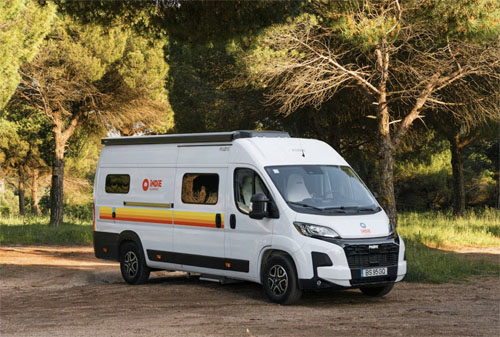
If a bit more living space and amenities are desired, smaller Class C motorhomes (semi-integrated or alcove style) up to 6.5 meters, such as "Category Small," strike a good balance. These vehicles often feature a fixed double bed (e.g., 110/200cm), a more substantial kitchen with a larger refrigerator, and a separate shower and toilet, offering enhanced comfort for a two-week trip. While slightly larger than campervans, they remain manageable for most French roads and offer a good compromise between space and agility.Avoid larger RVs for navigating historic village streets and smaller rural roads.
While Bandana RV believes you can drive almost any RV size with care, for seniors, it is generally recommended to avoid very large Class A or long Class C motorhomes (over 7 meters) if your itinerary focuses on historic village centers or very minor rural roads in France. These larger vehicles can be challenging to navigate and park, potentially limiting access to some charming locations. However, with slow and careful driving, and planning your parking outside town centers, even a "Class A - Thor ACE 30" (9.37 meters long) can be driven without issues. No need to stress - just use common sense and pay attention.Automatic transmissions are highly recommended for ease of driving.
For all RV classes in France, an automatic transmission is strongly recommended for seniors. French roads, especially in hilly regions or bustling towns, can be demanding. An automatic gearbox greatly simplifies driving, reducing the need for constant gear changes and minimizing driver fatigue. Many modern rental motorhomes and campervans offer this option, and it's a worthwhile upgrade for a more relaxed and comfortable journey.What are Aires de Service and how do I use them for RVs in France?
Aires de Service are designated RV stopovers in France that provide essential services such as water, waste disposal, and often overnight parking, serving as a unique and convenient part of the French RV infrastructure. France boasts over 4,000 such spots.Aires de Service are designated RV stopovers providing essential services like water and waste disposal.
These specialized service areas for motorhomes are found across France, ranging from basic rest stops to full-service locations. They are primarily designed for gray water (sink/shower) and black water (toilet) emptying, and often include a fresh water refill point. Some Aires are free, while others charge a nominal fee, typically €5-€15, which might also include electricity hookups for a set duration, which is great for a longer trip.Many Aires also offer free or low-cost overnight parking.
In addition to services, a significant number of Aires de Service provide dedicated parking spaces where you can stay overnight, often for free or a minimal fee. These are popular alternatives to traditional campgrounds, particularly for those on a budget or seeking a more spontaneous travel style. Be mindful of any stated time limits for parking, which commonly range from 24 to 48 hours.Apps like Campercontact or Park4Night are invaluable for finding Aires.
To easily locate Aires de Service during your RV rental trip in France, mobile applications such as Campercontact, Park4Night, or CaraMaps are indispensable. These apps provide detailed maps, user reviews, photos, and information on available services, pricing, and accessibility, ensuring you can plan your stops efficiently. They are far more current and comprehensive than traditional maps for this specific purpose.Etiquette includes leaving the site clean and adhering to time limits.
Proper etiquette at Aires de Service is crucial to maintain this valuable network. Always leave the area clean and tidy, disposing of trash in designated bins. Use the waste disposal points correctly, and ensure fresh water connections are sterile. Respect quiet hours, especially if staying overnight, and adhere to any posted time limits for parking to allow other RVers access.They offer a cost-effective alternative to traditional campsites.
For seniors on a budget or those preferring a more flexible itinerary for their RV rental in France, Aires de Service provide a highly cost-effective alternative to commercial campsites. Integrating a mix of free or low-cost Aires with occasional stays at full-service campgrounds can significantly reduce overall accommodation expenses while still providing necessary amenities for your motorhome or campervan.How do seniors navigate French toll roads (Autoroutes) and pay for them?
Seniors navigating French toll roads, known as Autoroutes, can pay for them using several methods, including cash, credit/debit cards, or an electronic 'Télépéage' transponder, ensuring a smooth transit through the country. These roads are typically faster but come with a fee.French Autoroutes are typically toll roads, with charges based on distance and vehicle class.
France's extensive network of Autoroutes provides fast and efficient travel between major cities, but most are subject to tolls (péages). The cost is determined by the distance traveled and your vehicle's class. For RVs and motorhomes, most will fall into "Class 2" (vehicles between 2 and 3 meters high with a maximum weight of 3.5 tons), which is more expensive than standard cars. For detailed planning of your itinerary, consider the costs involved, as outlined in "RV Rental in France - Prices and Best Deals 2024".Payment options at 'péage' booths include cash, credit/debit cards, and electronic 'Télépéage' transponders.
At péage booths, you'll find various payment lanes. Lanes marked with a green arrow accept all payment methods (cash, cards). Lanes with a blue "CB" logo are for cards only. Some booths may also have lanes for specific credit cards. For maximum convenience and to avoid queues, especially during busy travel times, using an electronic Télépéage transponder is the most efficient option for your rented RV.Using a Télépéage badge (e.g., Liber-t) allows for automatic payment and avoids queues.
A Télépéage badge, such as the Liber-t tag, is a small electronic device affixed to your RV's windshield that allows automatic payment of tolls. As you approach a designated "t" lane (often marked with an orange "t"), the barrier opens automatically, deducting the toll from a linked bank account. This system significantly streamlines travel, saving time and hassle, especially for longer RV trips in France. You can often rent these devices in advance or upon arrival.Alternative 'Routes Nationales' (N-roads) are often toll-free but can be slower.
For budget-conscious seniors or those preferring a more scenic, leisurely pace in their rented motorhome, France offers an excellent network of toll-free 'Routes Nationales' (N-roads) and 'Routes Départementales' (D-roads). While these routes are generally slower and pass through more towns and villages, they provide a richer cultural experience and significant savings on tolls. This aligns perfectly with our recommendation for slow travel, allowing you to explore the local food and scenery more intimately.Ensure you select the correct lane at toll booths (e.g., green arrow for all payments, 't' for Télépéage only).
When approaching a péage station with your RV rental in France, pay close attention to the lane signs. Choosing the wrong lane can cause delays. Look for lanes with a green arrow for cash or card payments, or the orange "t" symbol if you are using a Télépéage transponder. Avoiding the height-restricted lanes (often indicated by height limits) is also crucial for larger motorhomes.Can seniors travel with pets in a rental RV in France?
Yes, seniors can absolutely travel with pets in a rental RV in France, as many RV rental companies offer pet-friendly vehicles, often for an additional cleaning fee. This allows furry companions to join in on the adventure.Many RV rental companies offer pet-friendly vehicles, often for an additional cleaning fee.
Bandana RV partners with numerous suppliers in France who understand that pets are part of the family. When searching for your motorhome or campervan rental, you'll find options specifically marked as "Pet Friendly." Be aware that there's typically an extra cleaning fee, ranging from €50-€150, to ensure the vehicle is thoroughly cleaned for the next renter. It's an honest and transparent approach to pet travel.Pets traveling to France require an EU Pet Passport, up-to-date rabies vaccinations, and microchipping.
Bringing a pet into France, even in a rented RV, requires adherence to EU regulations. Your pet must have an EU Pet Passport, be microchipped, and have up-to-date rabies vaccinations (administered at least 21 days before travel). It's essential to consult your veterinarian well in advance of your trip to ensure all requirements are met and documented. This ensures a smooth entry into France and continued travel throughout Europe.Researching pet-friendly campsites and attractions in advance is advisable.
While many campsites in France welcome pets, some may have restrictions or charge a small additional fee per night. Researching pet-friendly locations beforehand, possibly using resources like RV PLANET (rvplan.net) which often includes pet policies in campsite listings, saves time and avoids disappointment. Similarly, check the pet policies for attractions, national parks, or public transport you plan to use with your rented motorhome.Always keep pets restrained while driving and ensure they have adequate ventilation and water.
For your pet's safety and your own, it's crucial to ensure they are properly restrained in your rental RV while the vehicle is in motion. This could be in a secure crate or with a specialized pet seatbelt. Always provide fresh water, especially during warmer months, and ensure adequate ventilation in the living area. On hot days, never leave pets unattended in the RV. Regular breaks for walks and hydration are important for their well-being during your French adventure.How can seniors experience local French culture during an RV trip?
Seniors can immerse themselves in local French culture during an RV trip by actively seeking out authentic experiences like visiting local markets, learning basic French phrases, and engaging with communities in charming villages. A rented motorhome provides the flexibility to pursue these opportunities at your own pace.Visiting local village markets ('marchés') for fresh produce and regional specialties.
French village markets are vibrant hubs of local culture and an ideal way to experience authentic France. With your rented RV, you have the freedom to visit these weekly markets, stocking up on fresh, seasonal produce, artisanal cheeses, local wines, and regional delicacies. It's not just about shopping; it's about soaking in the atmosphere, interacting with vendors, and tasting the flavors of the region. This is a quintessential part of any authentic RV trip in France.Learning a few basic French phrases to facilitate interactions with locals.
While English is spoken in many tourist areas, making an effort to use simple French phrases like "Bonjour" (hello), "Merci" (thank you), "S'il vous plaît" (please), and "L'addition, s'il vous plaît" (the bill, please) can greatly enrich your cultural interactions. Locals often appreciate the effort, leading to more friendly and helpful exchanges. This can transform a transactional interaction into a memorable cultural moment during your motorhome adventure.Attending local festivals or events, often listed on regional tourism websites.
France is renowned for its countless local festivals and events, from wine harvests in autumn to music festivals in summer. Checking regional tourism websites or local tourist offices upon arrival can reveal unique opportunities to experience traditional celebrations, food fairs, or village fêtes. Attending these events in your rented campervan is a fantastic way to connect with the authentic rhythm of French life, offering unforgettable cultural insights.Sampling regional cuisine and wines directly from producers.
With a rented RV, you have the freedom to explore France's gastronomic regions, stopping at roadside stands, local farms, or small vineyards to sample and purchase directly from producers. Taste freshly made goat cheese in the Loire Valley, olive oil in Provence, or regional wines in Bordeaux. This direct engagement with local food and drink producers offers a deeper understanding of French culinary traditions than simply dining in restaurants.Choosing smaller campsites or Aires de Service near villages to foster local engagement.
To truly connect with French culture, consider staying at smaller municipal campsites or Aires de Service located close to villages and towns. These spots often attract more local or seasoned European RVers, offering opportunities for relaxed conversation and cultural exchange. You're also more likely to be within walking or cycling distance of bakeries, cafes, and local shops, encouraging daily immersion in village life.What is the best time of year for seniors to rent an RV in France?
The best time of year for seniors to rent an RV in France is during the shoulder seasons, specifically late spring (May-June) or early autumn (September-October), as these periods offer ideal weather conditions and significantly fewer crowds. This makes for a more relaxed and enjoyable trip.The shoulder seasons (late spring: May-June; early autumn: September-October) offer ideal weather.
During May and June, France typically enjoys warm, pleasant weather across most regions, with blooming wildflowers and lush green landscapes. Temperatures are comfortable for outdoor activities and sightseeing in your rented motorhome, without the intense heat sometimes experienced in July and August. Similarly, September and October bring crisp, clear days, spectacular autumn foliage, and mild temperatures, perfect for exploring vineyards and historic sites. This makes for a great two-week adventure or longer.These periods also see fewer tourists, leading to more relaxed travel and easier campsite availability.
Traveling in the shoulder seasons for your RV rental in France means you'll encounter significantly fewer tourists compared to the crowded summer months. This translates to more relaxed experiences at popular attractions, shorter queues, and easier access to campsites and Aires de Service. The roads are less congested, and you'll find more opportunities for spontaneous stops and genuine local interactions, enhancing your overall enjoyment of the cultural experiences.Summer (July-August) can be very hot and crowded, especially in coastal and popular tourist areas.
While summer offers the warmest weather and longest daylight hours, July and August are France's peak tourist months. This means higher prices for RV rentals, hotels, and flights, as well as crowded campsites, beaches, and attractions. Temperatures in the south can be quite high, making daytime exploration less comfortable. For seniors seeking a tranquil and unhurried RV trip in France, summer might be less ideal.Winter travel is possible in some regions, particularly for winter sports, but many campsites close.
Winter RV travel in France (November-April) can be a unique experience, especially for winter sports enthusiasts, with designated 'Caravaneige' campsites near ski resorts. However, many standard campgrounds and Aires de Service, particularly in rural and coastal areas, close down for the season. Weather can be cold, wet, and snowy, requiring a well-insulated rental motorhome with good heating. Planning is crucial for winter trips, considering specific needs for "Winter RV Rental in France - Pricing Guide 2024".What You Shouldn't Miss
- **The Lavender Fields of Provence:** Experience the breathtaking sight and scent of vast lavender fields in bloom from mid-June to mid-July, particularly around the Valensole plateau. This iconic route is perfect for leisurely driving in your rented campervan.
- **Mont Saint-Michel:** Visit this stunning tidal island monastery in Normandy. Arrive early or stay late to avoid crowds and witness the magic of the changing tides. Many RV-friendly parking options are available nearby.
- **Driving the Millau Viaduct:** If your route takes you through the Massif Central (A75 autoroute), make sure to drive across the Millau Viaduct. This architectural marvel offers incredible panoramic views, a truly memorable RV experience in France.
- **Exploring the Dordogne's Châteaux and Caves:** Discover the prehistoric cave paintings of Lascaux and the numerous fairy-tale castles scattered along the Dordogne River. The region is well-suited for RV exploration, with charming villages and local markets.
- **The Alsatian Wine Route:** Journey through picturesque villages like Colmar and Eguisheim, sampling local Rieslings and Gewürztraminers. The region is flat and easy to navigate for an RV rental, offering beautiful scenery and culinary delights.
Final Thoughts
Embarking on an RV rental adventure through France as a senior traveler promises an enriching and comfortable journey. With careful planning, a suitable motorhome or campervan, and an open heart for discovery, you'll find the beauty of France unfolds at your own pace. From picturesque villages to stunning coastlines, the freedom of a rented RV allows you to create lasting memories, without the stress of constant packing and unpacking.Remember, we're here to handle the details so you can live the journey. From ensuring full transparency in pricing to offering top-level deductible reimbursement, Bandana RV provides the support and expertise you need before, during, and after your booking. So, pack your bags, plan your route, and get ready to experience the magic of France on the open road. Life is now!
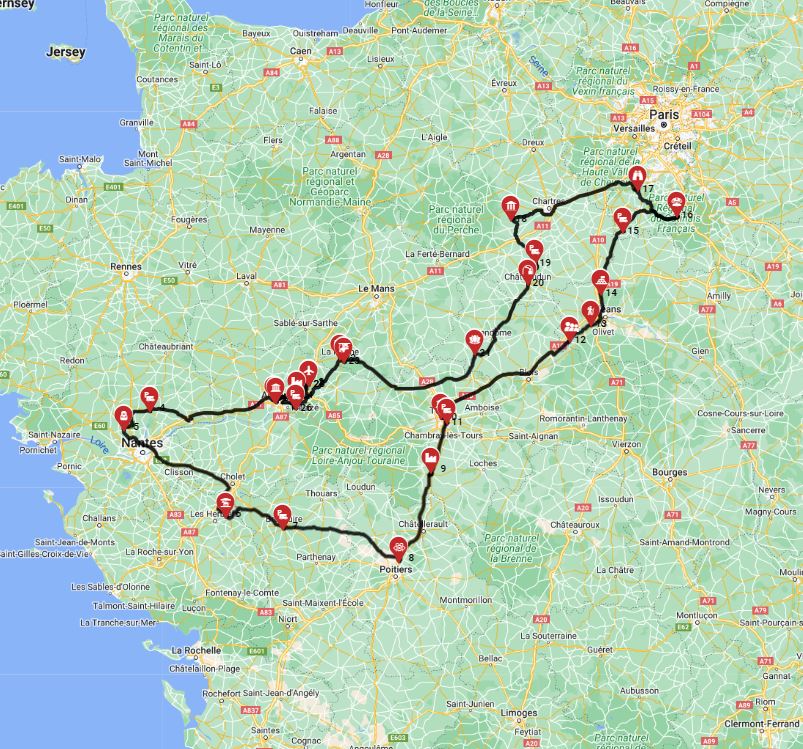
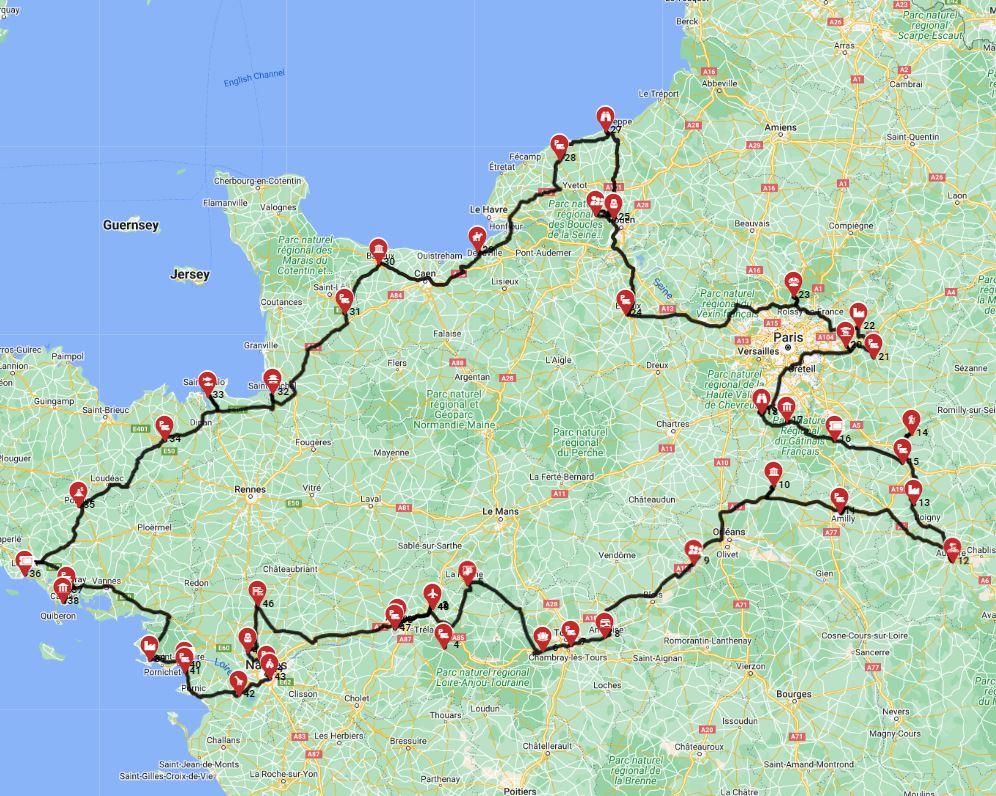
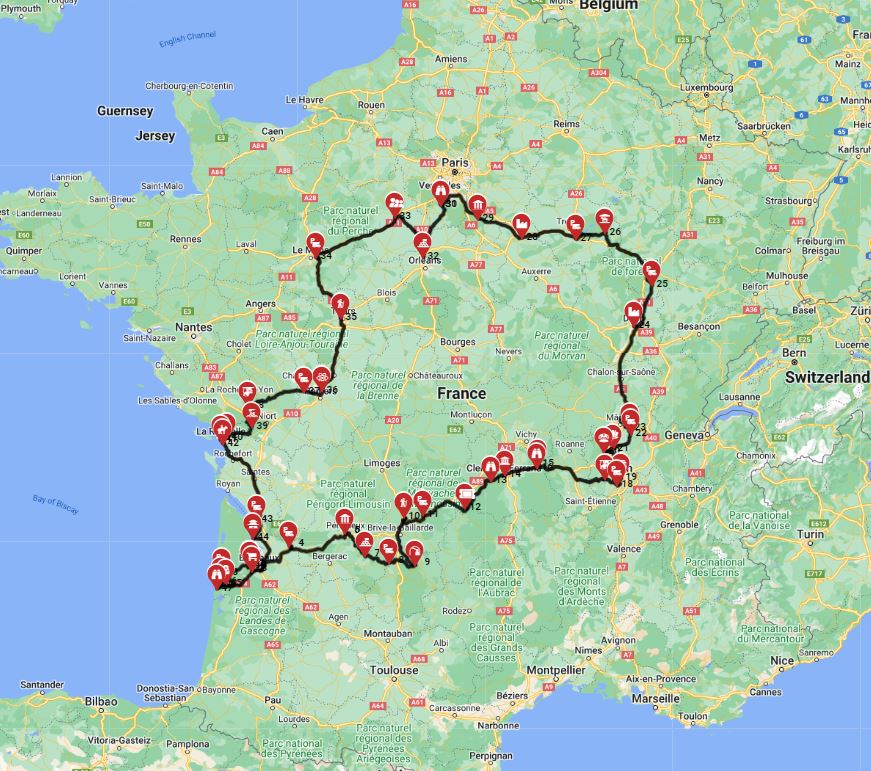
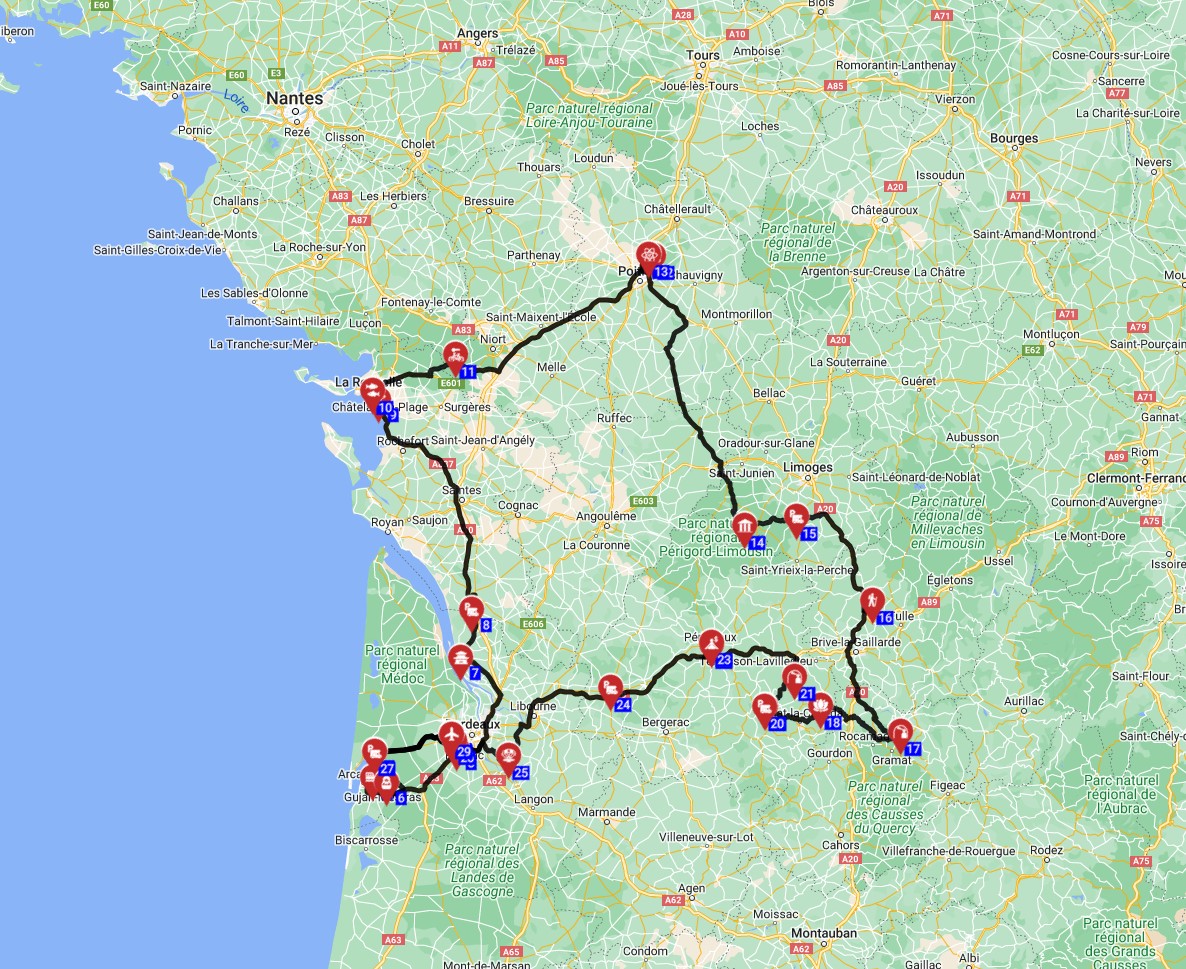
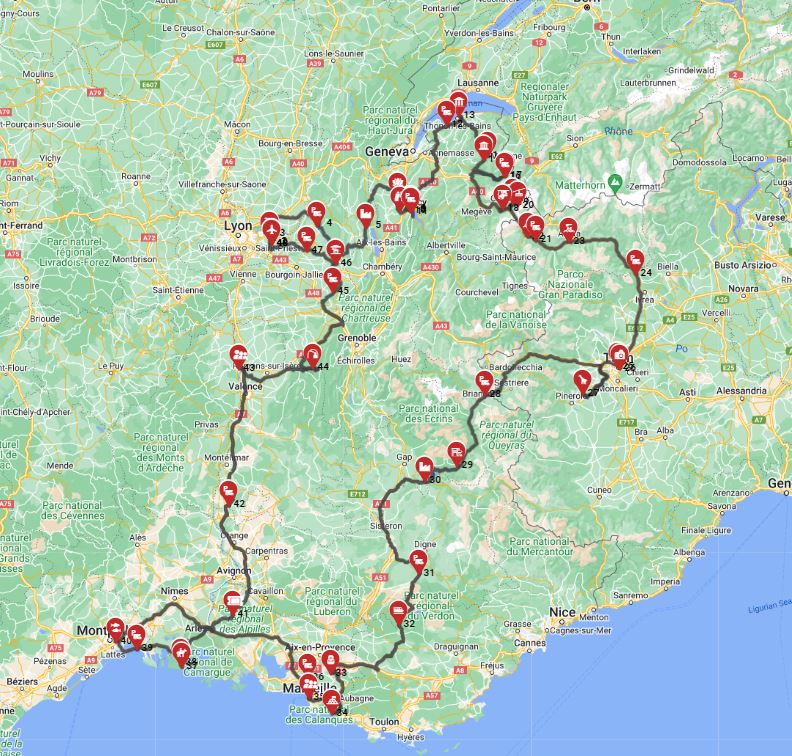
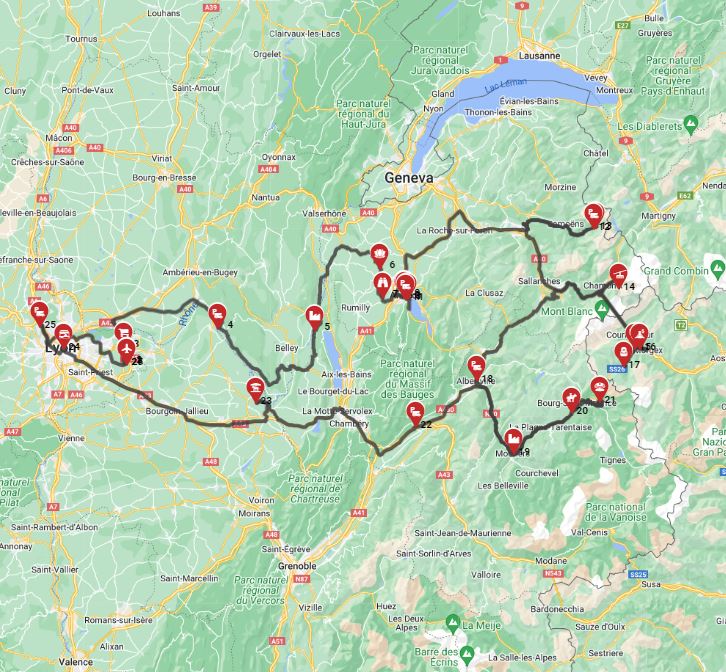
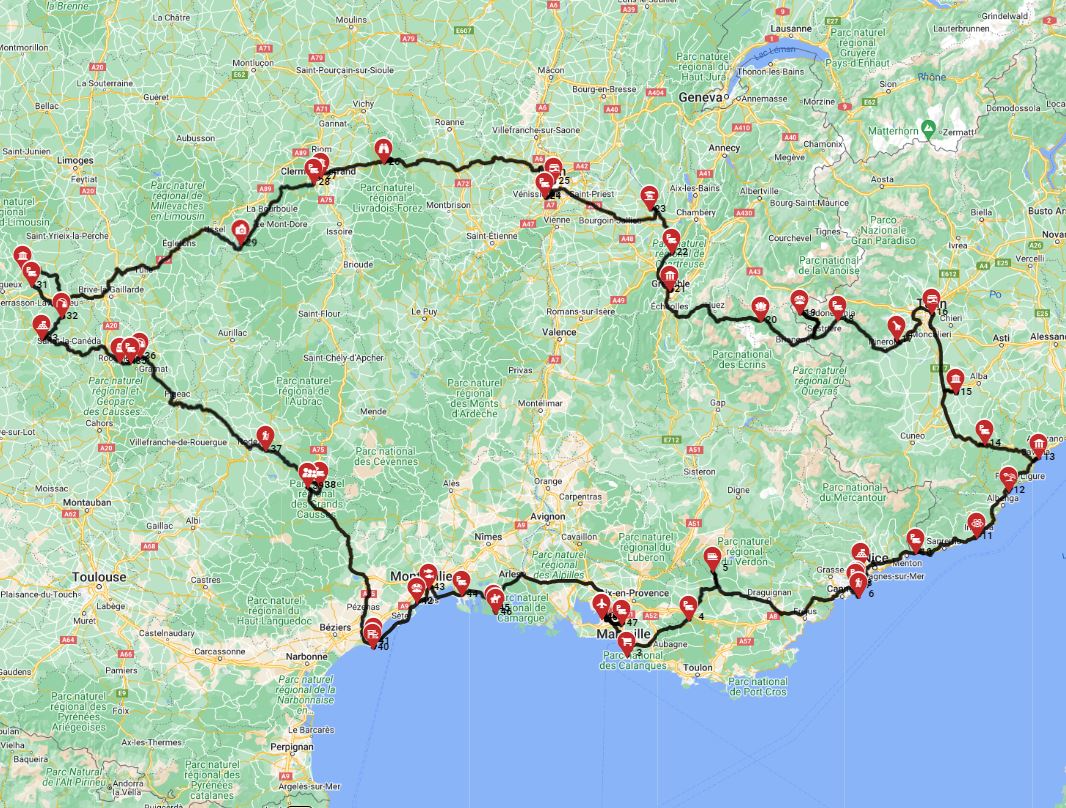
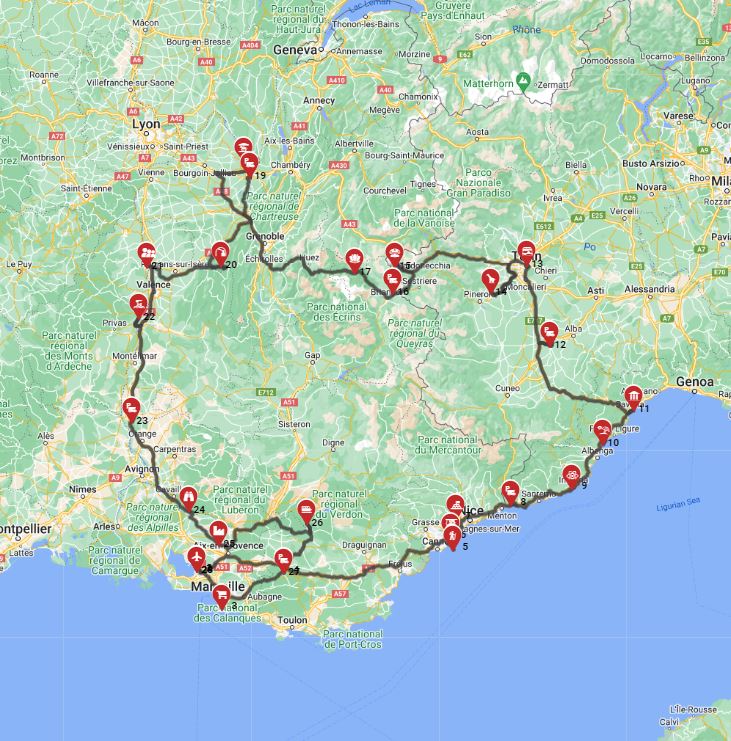
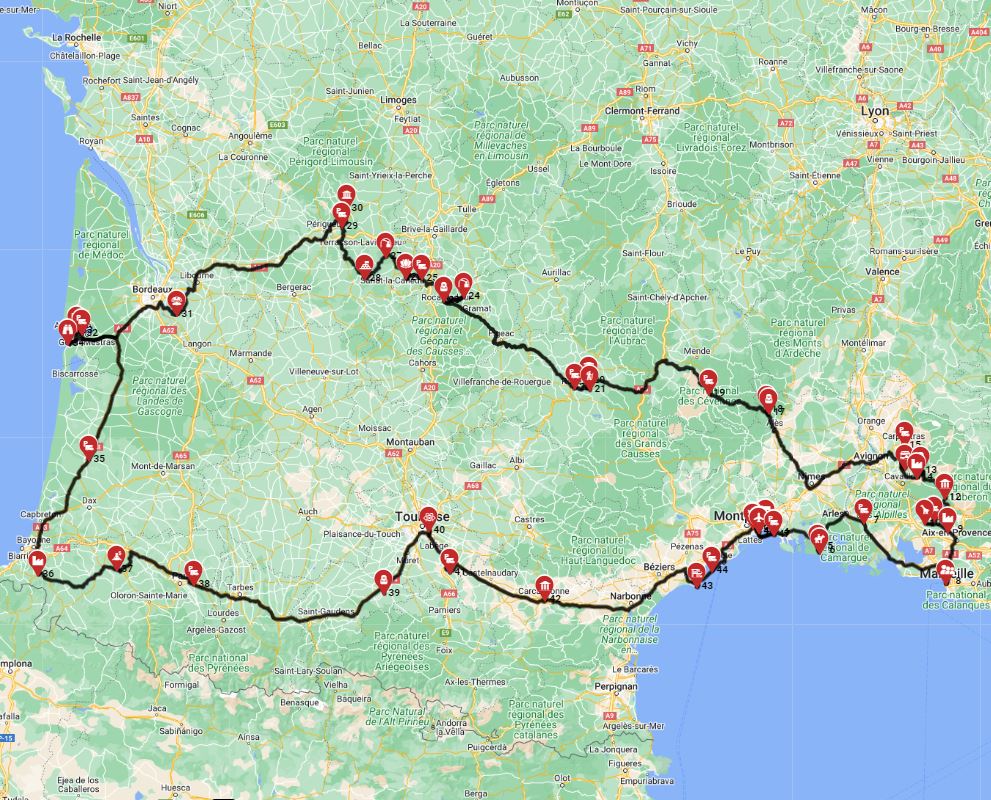
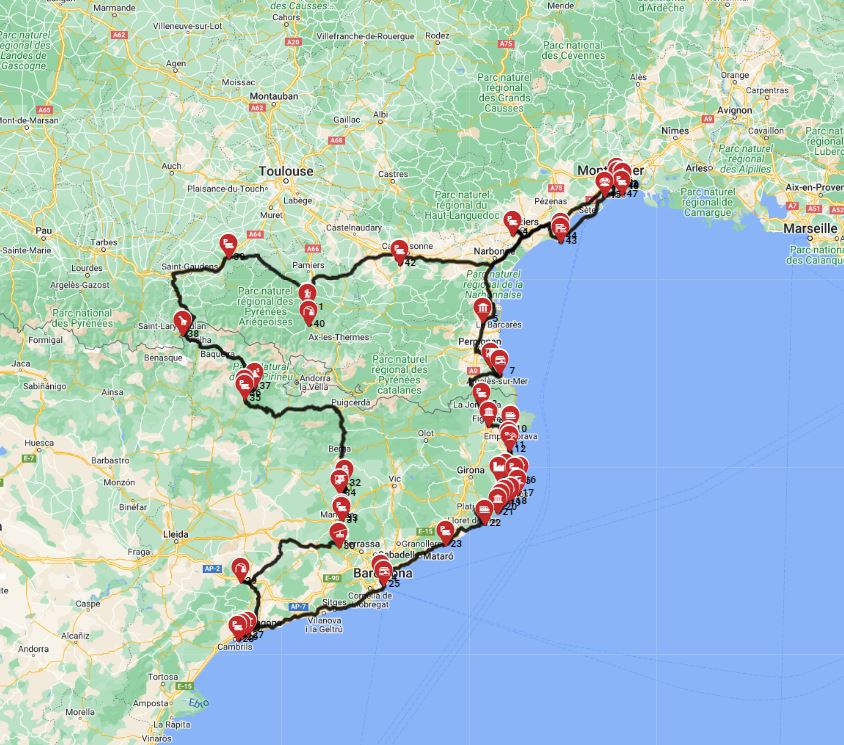
Discover top destinations, planning tips, all in one place! Plan a trip itinerary in advance with minimal effort and maximum enjoyment.
🎬 Video coming soon
On the routes offered through RV PLANET routes, you can itemize and track every expense along the way for easy budgeting.