In This Guide
- Top 5 Tips for RV Rental in Chile for Seniors
- Before You Book - Class, Dates, Insurance for Seniors in Chile
- Pre-Trip Prep - Packing Checklist for Chile RVers
- On the Road - Driving, Fueling, Navigation in Chile
- At the Campground - Setup, Hookups & Etiquette in Chile
- RVing-Specific Tips for Seniors in Chile
- Common Mistakes for RV Renters to Avoid in Chile
- How much does it cost to rent an RV in Chile for seniors?
- Can I take a rental RV from Chile across international borders?
- What are the legal requirements for RV camping and parking in Chile?
- What are the best strategies for connectivity and utility access in remote Chilean RV routes?
- How can seniors ensure safety and emergency preparedness while RVing in Chile?
- How can RVers immerse themselves in Chilean culture and local communities?
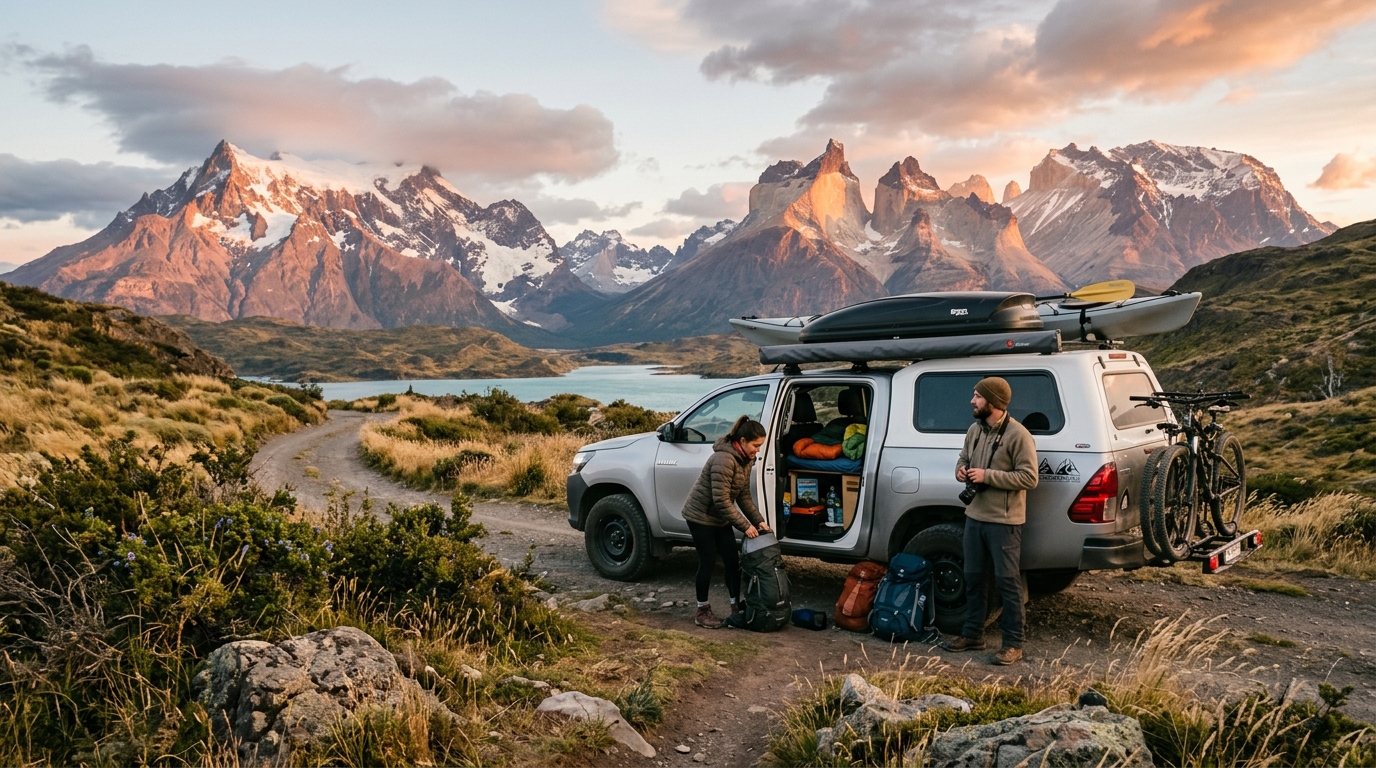
Exploring Chile by a rented motorhome offers an unparalleled sense of freedom and discovery, especially for seniors seeking comfortable travel at their own pace. Imagine waking up to the dramatic peaks of Patagonia, enjoying breakfast overlooking the Pacific Ocean, or stargazing from the heart of the Atacama Desert-all from the comfort of your own mobile home. Bandana RV, with over two decades of expertise since its founding in 2001, is dedicated to making these dreams a reality for tens of thousands of travelers.
For live availability and current prices, start with our RV Rental Chile - Complete Guide 2026 guide. We are true RV specialists, not just a travel agency side department, ensuring you receive honest and transparent advice with no hidden fees or surprises. We're here to support you before, during, and after your booking, offering 24/7 support through real people who genuinely understand RV travel.
Top 5 Tips for RV Rental in Chile for Seniors
Choosing an ergonomic RV class, like a compact Class B campervan or a smaller Class C motorhome, is a top tip for ease of driving and living while touring Chile.
- Prioritize a Flexible Itinerary: Enjoying Chile at a comfortable pace means building flexibility into your schedule, allowing for spontaneous stops and longer stays. Aim for slow travel, covering a maximum of 100-150 km per day on average, to truly connect with the culture, food, and scenery.
- Confirm Comprehensive Insurance Coverage: Ensure your rental includes robust insurance, and consider upgrading to a top-level deductible reimbursement for extra peace of mind against unexpected incidents.
- Research Accessible Campsites: Before embarking, investigate campgrounds that offer amenities specifically suited for seniors, such as paved paths, accessible restrooms, and easy hook-up access. Using resources like RV PLANET (rvplan.net) can help locate suitable spots.
- Utilize Local Rental Support: Partner with a rental company that offers strong local support, providing destination insights and clear emergency contacts. This ensures you have real people behind you, ready to help with pre-booking comparison, booking support, and post-booking coordination.
- Select the Right Vehicle: Opt for RV models with automatic transmissions, low entry steps, and spacious interiors for maximum comfort and accessibility. Vehicles like a 'Category Van' or a 'rent rv example A1' (both ideal for a couple and easy to maneuver) can make a significant difference.
Before You Book - Class, Dates, Insurance for Seniors in Chile
For seniors renting an RV in Chile, opting for compact, easy-to-drive campervans or smaller Class C motorhomes with ergonomic features is highly recommended to enhance comfort and maneuverability.
When selecting your motorhome, consider vehicles like the 'rv rental denver example Category Van' with features such as a shower and toilet, or the 'hire campervan example Paradise S/T' that offers automatic transmission and is ideal for a couple. These smaller vehicles are easier to navigate through diverse Chilean landscapes and into campgrounds. We compare final prices across over 50 leading RV suppliers worldwide, including trusted names like El Monte, Cruise America, Apollo, and Britz, to help you find the perfect fit with full price transparency.
To secure better availability and rates, especially for high season (December to February), it is generally advisable to book your rental 3-6 months in advance. However, don't worry if you're a spontaneous traveler; many national and state parks reserve 25-30% of spots on a first-come, first-served basis. You'll find a spot; if not at the first campground, then the next one. Just remember to call ahead before driving.
Regarding insurance, basic coverage is always included with your rental. For comprehensive protection, you can easily select options that include top-level deductible reimbursement during your search on our platform. This optional upgrade provides peace of mind, ensuring you're covered without hidden fees or surprises.
Pre-Trip Prep - Packing Checklist for Chile RVers
Packing layered clothing is essential for an RV trip in Chile, given the country's vast latitudinal range and diverse climates, from the dry Atacama Desert to the glaciers of Patagonia.
Your checklist should include waterproof gear for unexpected rain, comfortable walking shoes for exploring, and sun protection (hat, sunglasses, high-SPF sunscreen) for sunny days. In addition to personal clothing, remember essential kitchen items if your rental doesn't supply them. Many RVs, such as the 'rv rentals example Comfort Class,' come with a refrigerator, stove, and shower, allowing you to prepare meals on board and save on dining out. Don't forget reusable water bottles, basic spices, and perhaps a small French press for your morning coffee. For delicious meal ideas on the go, check out our RV-friendly recipes playlist.
A comprehensive first-aid kit is crucial, stocked with personal medications, pain relievers, bandages, antiseptic wipes, and any specific items recommended by your doctor. It's also wise to include safety tools such as a flashlight, multi-tool, and an emergency blanket. Finally, organize all necessary documents: your standard car driver's license (which is sufficient for all motorhome classes), passport, and printed copies of your RV rental agreement and insurance details. An International Driving Permit (IDP) is recommended for visitors from non-English speaking countries, though it's not strictly mandatory in most cases.
On the Road - Driving, Fueling, Navigation in Chile
Driving a rented RV in Chile means anticipating a variety of road conditions, from well-maintained highways to potentially unpaved or gravel routes, especially in more remote and scenic areas.
Drivers should expect to encounter varying speed limits, which are typically 50 km/h in urban areas, 100 km/h on rural roads, and 120 km/h on highways. Always drive slowly and carefully, and you can drive almost anywhere without issues. No need to stress-just use common sense and pay attention. Chilean driving is on the right-hand side of the road. Strategizing fueling stops is vital, particularly in remote regions like Patagonia, where service stations can be sparse and spread out. Major highways may have toll costs, so factor these into your budget, and remember that on RV PLANET routes, you can itemize and track every expense for easy budgeting. On the routes offered through RV PLANET routes, you can itemize and track every expense along the way for easy budgeting.
For reliable navigation, utilize a dependable GPS system. Downloading offline maps from services like Google Maps or Maps.me is crucial, as cellular service can be intermittent in isolated areas. While many RVs like the 'cruise america rv rental example Explorer' come equipped with features like front air conditioning and spacious interiors, ensuring you have clear navigation tools will enhance your safety and enjoyment on Chile's diverse roads.
At the Campground - Setup, Hookups & Etiquette in Chile
Upon arrival at a Chilean campground, following a structured setup process is key to a smooth experience: first, level your rented RV, then securely chock the wheels, and finally, connect utilities like electricity and water.
Chilean campgrounds typically provide 220V electricity, so ensure your RV's electrical system is compatible, and use a water pressure regulator to protect your RV's plumbing. Always adhere to quiet hours, usually between 10 PM and 8 AM, and maintain a tidy campsite to show respect for fellow campers and the environment. Disposing of waste responsibly is also paramount: locate designated grey and black water dump stations, which are common at established campgrounds or larger service stations.
When cooking in your RV, whether it's a campervan like a 'Category Van' or a larger motorhome, having a good kitchen setup makes a huge difference. Many come with a gas stove and refrigerator, perfect for preparing meals with local ingredients. For more culinary inspiration, our RV-friendly recipes playlist is packed with ideas. Remember that God is in the small details, and we take care of them, helping you plan for every aspect of your trip, including finding comfortable campgrounds through resources like rvplan.net.
RVing-Specific Tips for Seniors in Chile
When selecting an RV for your Chilean adventure, seniors should prioritize models that offer automatic transmissions, low entry steps, and spacious, easily navigable interiors for maximum comfort and accessibility.
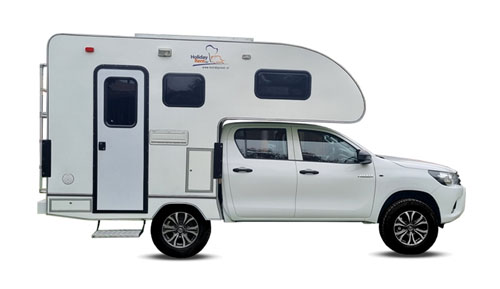
Vehicles like the 'Patagonia Camper 4x4 double cab' (a truck camper often ideal for a couple) or a 'rent rv example MiniVan' are excellent choices for their compact size and ease of handling. Planning a flexible, unhurried itinerary is also crucial, with shorter driving days (ideally max 100-150 km per day) and longer stays in appealing locations to allow ample time for relaxation and exploration. Always carry a well-stocked personal first-aid kit and all necessary prescription medications, along with copies of prescriptions, for any health needs. Research accessible campgrounds and attractions beforehand to ensure ease of access, and consider checking our guides like "Cheap RV Rental in Chile - Budget Guide 2026" or "Luxury RV Rental in Chile - Premium Prices 2026" for vehicle options suited to your travel style and budget.
Additionally, selecting a rental company that offers robust roadside assistance and clear emergency protocols, such as our 24/7 support for pre-booking, booking, and post-booking coordination, is vital. Pre-program your GPS with key points of interest, fuel stations, and campsites to minimize stress on the road. Bandana RV offers true RV specialists who understand these nuances, ensuring you're well-prepared for your journey.
Common Mistakes for RV Renters to Avoid in Chile
A common mistake for first-time RV renters in Chile is underestimating travel times; instead, plan realistic driving days of no more than 100-150 km, accounting for diverse road conditions and mountainous terrain.
Another pitfall to avoid is opting for minimal insurance. Always choose comprehensive coverage, and consider upgrading to a top-level deductible reimbursement for greater peace of mind, especially when navigating unfamiliar roads. We ensure full price transparency, so you'll always know what's included and what's an optional extra. Don't fall into the trap of wild camping without thorough research; familiarize yourself with local laws regarding camping legality. While tolerated in very remote, non-private areas, wild camping is generally prohibited in national parks, urban centers, and private land without explicit permission.
Additionally, avoid relying solely on cell service for navigation; plan for offline maps and consider purchasing a local SIM card from providers like Entel or Movistar upon arrival. Overlooking hidden costs such as tolls, national park entry fees, and varying fuel prices (which can be higher in remote regions) is another common mistake. For a detailed breakdown of potential expenses, our "RV Rental in Chile - Prices and Best Deals 2026" guide can be a useful resource, and remember RV PLANET routes help itemize and track expenses. Lastly, resist the urge to overpack; efficiently layer clothing suitable for Chile's seven major climate zones.
How much does it cost to rent an RV in Chile for seniors?
Daily rental costs for RVs in Chile generally range from $100 to $300 USD, significantly influenced by the vehicle class, season, and total rental duration.
For example, a compact campervan like the 'rent rv example A1' might be on the lower end, while a larger Class C motorhome like the 'rv rentals example Comfort Class' could be higher. These prices are dynamic, much like flight tickets, changing daily based on availability and supplier marketing decisions, with the final price set at actual booking time. Beyond the base rental, budget for variable ancillary costs such as fuel, tolls on major highways (which can add up), and specific national park entry fees (e.g., Torres del Paine National Park often has an entry fee of around $30 USD per person for foreign visitors). Also, anticipate potential waste disposal fees at non-campground locations and be aware that fuel prices can be higher in remote regions like Patagonia.
While basic insurance is always included, comprehensive insurance options, including the top-level deductible reimbursement, will add to the base price but offer enhanced financial protection and peace of mind. Bandana RV ensures full price transparency, comparing final prices across 50+ suppliers globally, so you won't encounter hidden fees or surprises. For more detailed budgeting insights, explore our "RV Rental Deals in Chile - Latest Offers 2026" or "One-Way RV Rental in Chile - Price Guide 2026" resources.
Can I take a rental RV from Chile across international borders?
Taking a rented RV from Chile to neighboring countries, most commonly Argentina, is indeed possible, but it explicitly requires prior authorization from your RV rental company and involves several logistical steps.
The primary requirement is obtaining a special 'permiso de salida' (exit permit) for the vehicle. This permit incurs an additional fee, which can range from $150-$300 USD, and typically requires several weeks for processing, so it must be arranged well in advance of your trip. You will also need specific vehicle insurance coverage that is valid for international travel, which your rental supplier can help arrange. It's crucial to familiarize yourself with the exact border crossing procedures for both Chile and your destination country, including all required documentation such as vehicle registration, your passport, driver's license, and the international permit. Many of our direct partners, such as El Monte and Apollo, offer options for international travel, and Bandana's 24/7 support can assist with pre-booking inquiries related to these complex cross-border logistics. We aim to offer you the easiest, safest, and most affordable way to rent an RV, even for ambitious cross-country adventures.
What are the legal requirements for RV camping and parking in Chile?
RV camping in Chile is primarily permitted and most convenient in designated campgrounds and RV parks, which provide essential facilities like water, electricity, and sewage disposal, along with enhanced security.
Wild camping, or free overnighting, is generally tolerated in very remote, non-private areas but is largely prohibited in national parks, urban centers, and private land without explicit permission. Always look for signage and respect private property. Specific Chilean laws mandate carrying certain safety equipment in vehicles, including reflective triangles (at least two) and a safety vest, which must be accessible inside the cabin, not in the trunk. Parking restrictions for RVs can vary significantly: urban areas might have size limitations or specific zones where overnight parking is restricted, whereas rural areas typically offer more flexible options for daytime parking, but overnight stays should always be at designated sites. Check with local municipalities or tourist information centers for specific regulations in areas you plan to visit. Resources like rvplan.net can help you find suitable campgrounds and plan your routes accordingly.
What are the best strategies for connectivity and utility access in remote Chilean RV routes?
For seniors RVing remote Chilean routes, purchasing a local SIM card from major providers like Entel or Movistar upon arrival offers the most reliable cellular coverage, though service will remain sparse in truly isolated areas of Patagonia or the high Andes.
Downloading offline maps (e.g., Google Maps, Maps.me) is absolutely crucial for consistent navigation where internet access is unavailable. These can guide you through areas without cell signal. Potable water refill stations and designated grey/black water dump stations are primarily found at established campgrounds or larger service stations along main routes, making careful planning essential, especially when venturing off the beaten path. Look for campgrounds that specify "full hook-ups" if you prioritize these amenities. Consider investing in a portable Wi-Fi device for slightly better connectivity in areas with weak signals, or for very isolated regions, renting a satellite communication device for emergency use is a wise safety measure. This proactive approach ensures you maintain essential utilities and communication, allowing you to travel slowly, up to 100-150 km per day, and fully enjoy Chile's breathtaking scenery.
How can seniors ensure safety and emergency preparedness while RVing in Chile?
To ensure safety and emergency preparedness while RVing in Chile, seniors should always carry a comprehensive first-aid kit, all necessary prescription medications with copies of prescriptions, and clear personal emergency contact information.
It's important to keep local emergency numbers readily accessible: 131 for an ambulance, 133 for the police (Carabineros), and 132 for firefighters. Learning a few basic Spanish emergency phrases can significantly aid communication. Equip your rented RV with a fully charged cell phone and, for very remote areas, consider renting a satellite communication device for reliable contact outside of cellular range. Additionally, thoroughly familiarize yourself with your rental company's roadside assistance procedures and contact information for breakdowns, as Bandana RV partners with suppliers offering robust support. We compare final prices across 50+ suppliers so you don't have to, ensuring you're connected to reputable providers.
🎬 Video coming soon
How can RVers immerse themselves in Chilean culture and local communities?
To deeply immerse themselves in Chilean culture and local communities, RVers should actively seek out local markets, known as ferias, and patronize family-run restaurants to experience authentic Chilean cuisine and interact directly with vendors.
Learning basic Spanish phrases, such as greetings and common courtesies, can significantly enhance interactions with local communities and demonstrate respect, often opening doors to more genuine connections. Support local businesses by purchasing artisan crafts (artesanía) directly from creators and opting for small, independent shops rather than larger chains. Attend regional festivals and community events to gain invaluable insight into local customs and traditions; always remember to ask permission before taking photos of people. Traveling slowly, a maximum of 100-150 km per day on average, allows you to truly feel the place, connect to the culture, the food, and the scenery. For example, stopping at a small village to enjoy a traditional curanto (a seafood and meat stew cooked in an earth oven) on Chiloé Island provides a rich cultural experience. Utilize RV PLANET routes to discover unique local stops and integrate cultural experiences into your itinerary. We believe that God is in the small details, and by embracing these local interactions, your RV journey through Chile will be truly unforgettable.
What You Shouldn't Miss
- Explore Patagonia's Wild Beauty: Drive through Torres del Paine National Park, marveling at granite spires, turquoise lakes, and glacier-fed rivers. Book your campground spots in advance, especially during peak season, as they can fill up.
- Discover the Atacama Desert: Venture into the driest desert on Earth, visit the Valley of the Moon for stunning sunsets, and experience world-class stargazing at observatories in the Elqui Valley. A 4x4 campervan like the 'Andino 4x4' could enhance your desert exploration.
- Cruise the Coastal Highway: Drive along the scenic Pacific coast, from La Serena down to Valparaíso, stopping at charming fishing villages and enjoying fresh seafood.
- Visit the Lake District: Explore the lush, volcanic landscapes around Puerto Montt and Pucón, with opportunities for hiking, hot springs, and water activities.
- Savor Chilean Cuisine: Stop at local markets and small eateries to try empanadas, fresh ceviche, and a traditional asado (barbecue).
Final Thoughts
An RV rental adventure in Chile offers seniors an unmatched opportunity for discovery, comfort, and flexibility. From the dramatic landscapes of the Atacama to the pristine beauty of Patagonia, traveling in a motorhome allows you to immerse yourself in the country's diverse culture and stunning nature at your own comfortable pace. We understand that every detail counts, and our commitment to transparency, comprehensive support, and expert planning ensures your journey is smooth and enjoyable.
Whether you're a meticulous planner or prefer spontaneity, Chile's vast network of campgrounds and open roads beckons. Remember, the journey itself is the destination. Embrace slow travel, savor local flavors, and let the incredible Chilean scenery unfold outside your RV window.
Ready to start your unforgettable Chilean RV adventure? Compare RV Rental Prices for Chile and find your perfect home on wheels today!