In This Guide
- Top 5 Tips for RV Rental in West Canada
- Before You Book - Class, Dates, Insurance
- Pre-Trip Prep - Packing Checklist for West Canada
- On the Road - Driving, Fueling, Navigation
- At the Campground - Setup, Hookups & Etiquette
- RV Rental-Specific Tips for West Canada
- Common Mistakes to Avoid in West Canada
- How much does it cost to RV in Canada for a month?
- What are the best RV destinations in West Canada beyond the national parks?
- How do I choose the right RV type for my West Canada trip?
- What are essential safety tips for RVing in West Canada?
- How can I experience local culture while RVing in West Canada?
- How can I RV sustainably in West Canada?
- How can I stay connected while RVing in West Canada?
Top 5 Tips for RV Rental in West Canada
Embarking on an RV adventure in West Canada offers unparalleled freedom to explore its breathtaking landscapes. To ensure a smooth and memorable journey, consider these essential tips. For live availability and current prices, start with our RV Rental West Canada - Complete Guide 2026 guide. With a rented RV, you have a mobile headquarters to venture out to national parks and discover hidden gems. Planning your trip is key to maximizing your experience.
Book your RV and campgrounds far in advance, especially for peak summer travel. Popular destinations like Banff and Jasper National Parks, as well as coastal areas, fill up quickly. Aim to secure your vehicle and campsites at least 6-12 months ahead for summer trips. This advance planning can also lead to significant savings, potentially up to 25% on peak season rates.
Select an RV size and type that aligns with your group size, comfort needs, and itinerary. Options range from compact campervans, ideal for couples and easier navigation, to larger Class A motorhomes that offer more living space and amenities for families or groups of up to six or seven. Consider the type of roads you'll be traveling on; smaller vehicles are more agile in mountainous terrain.
Thoroughly understand your RV rental insurance options beyond basic coverage. While standard insurance is usually included, consider upgrading for roadside assistance, increased liability, or deductible reimbursement for added peace of mind. Bandana Caravan offers top-level deductible reimbursement for travel with peace of mind, ensuring you're covered against unexpected issues.
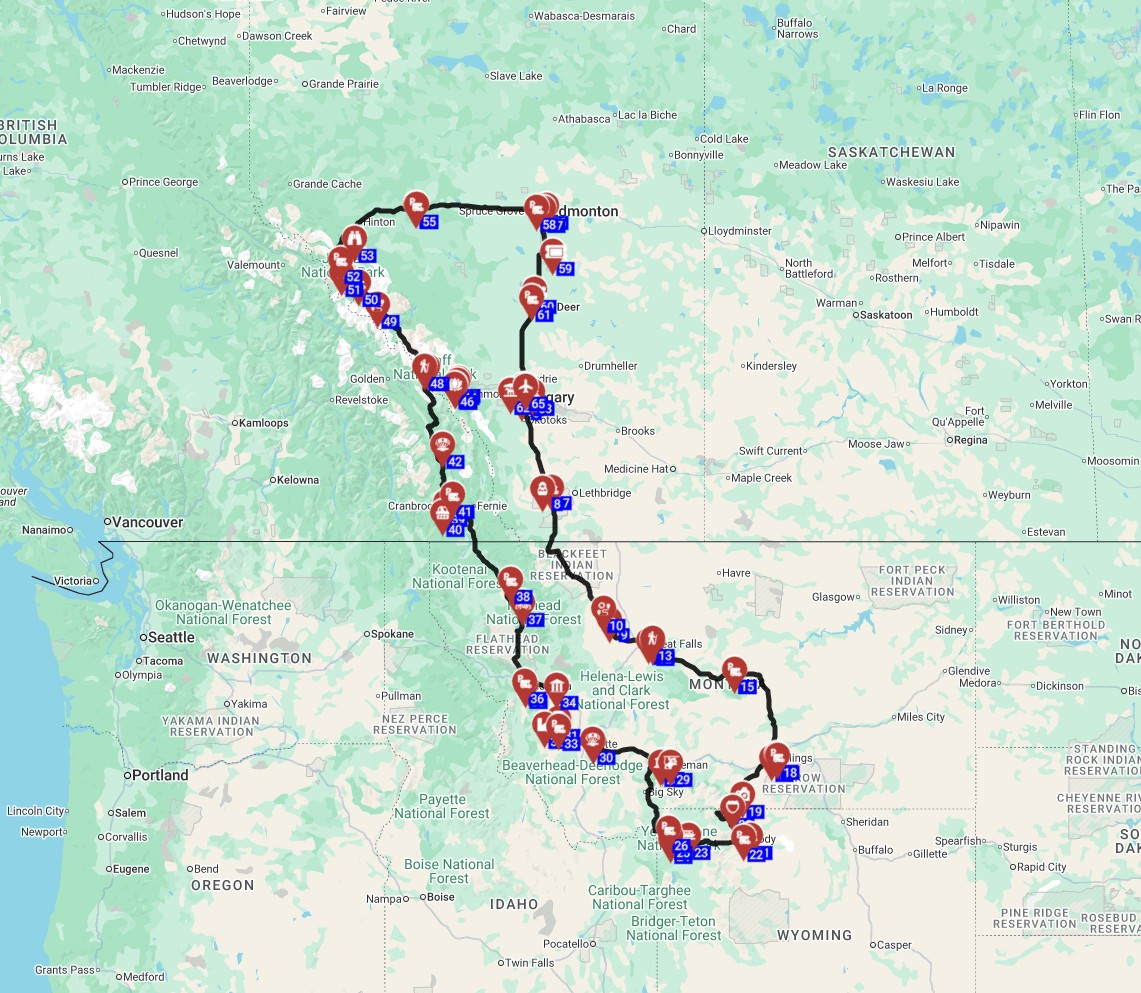
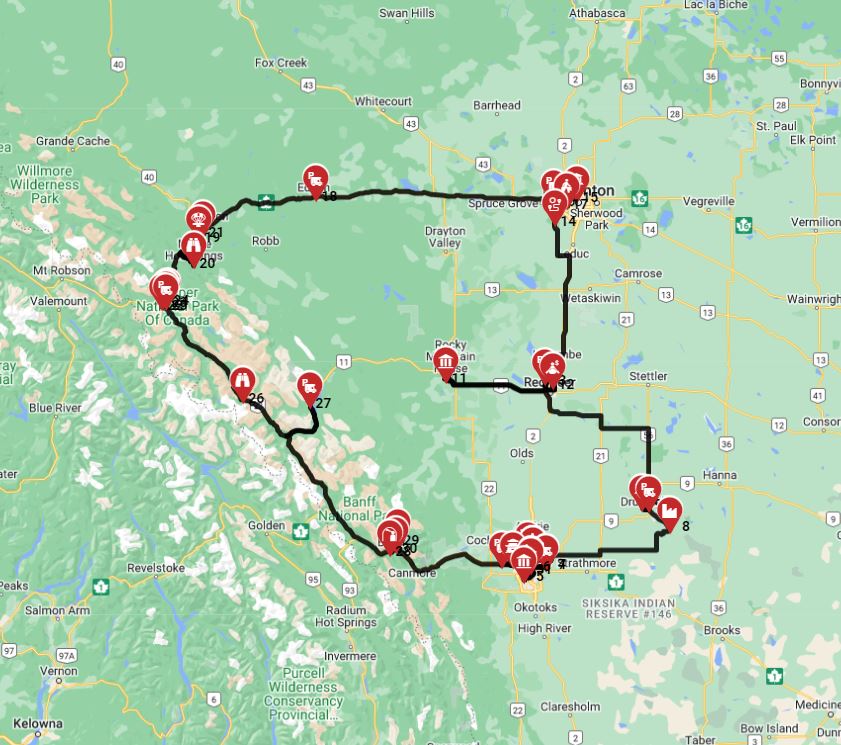
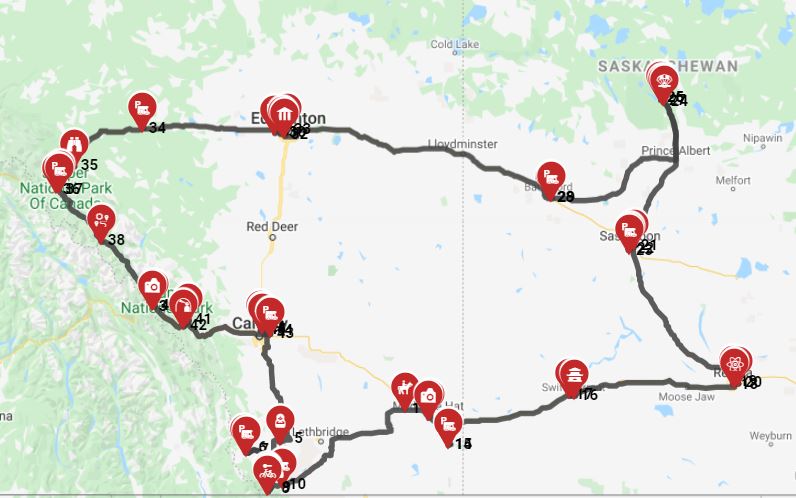
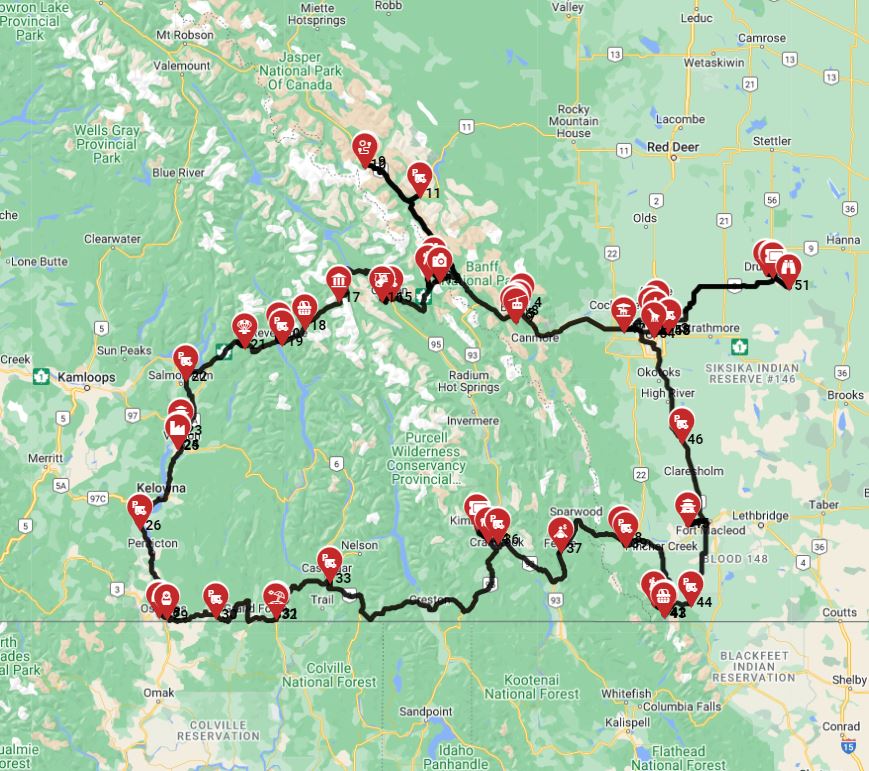
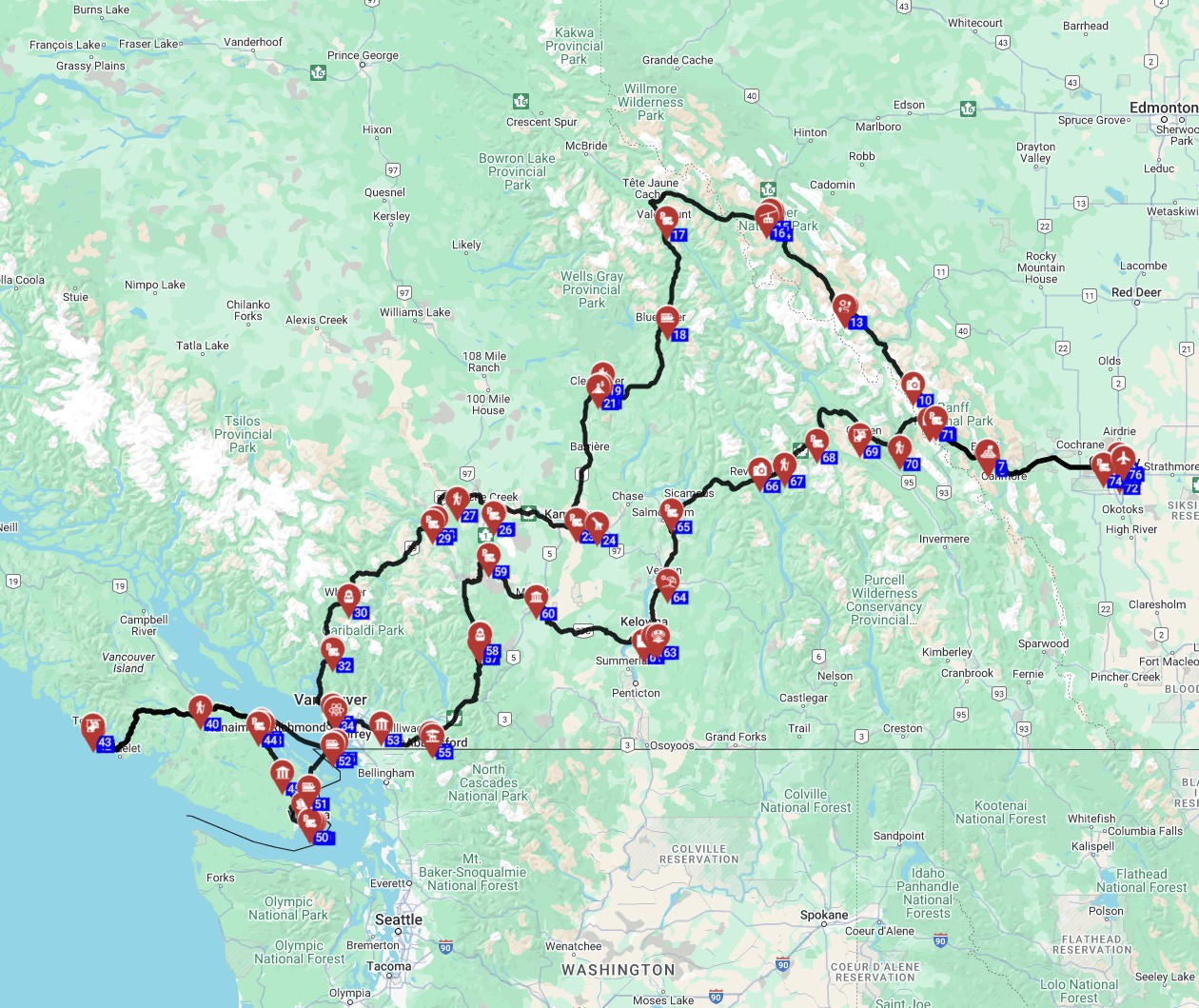
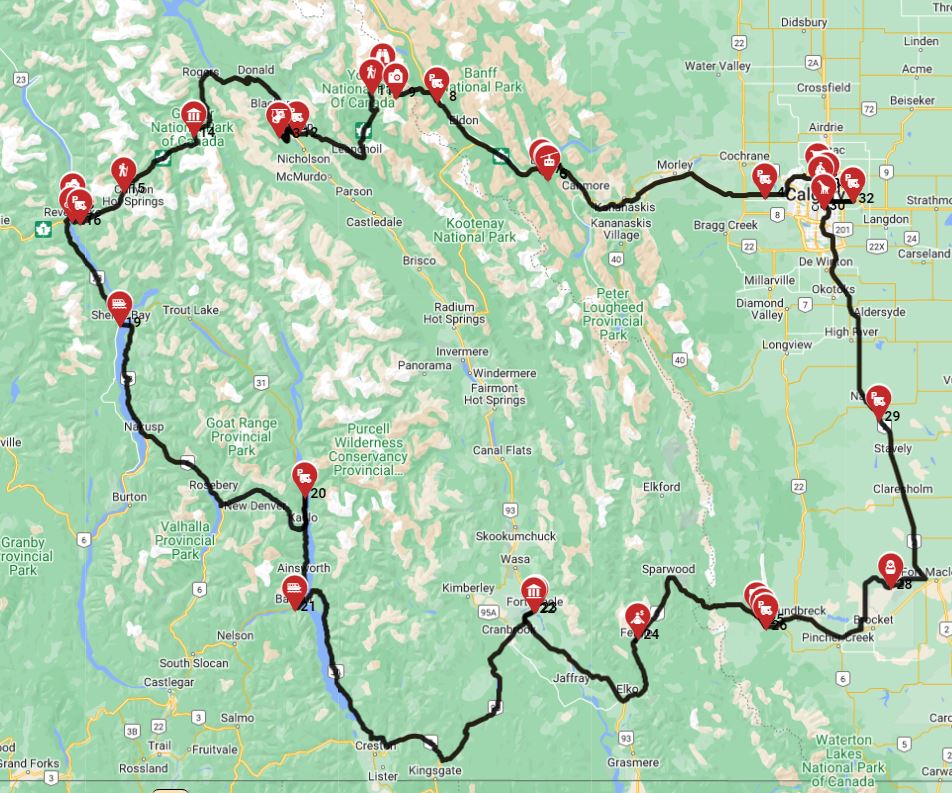
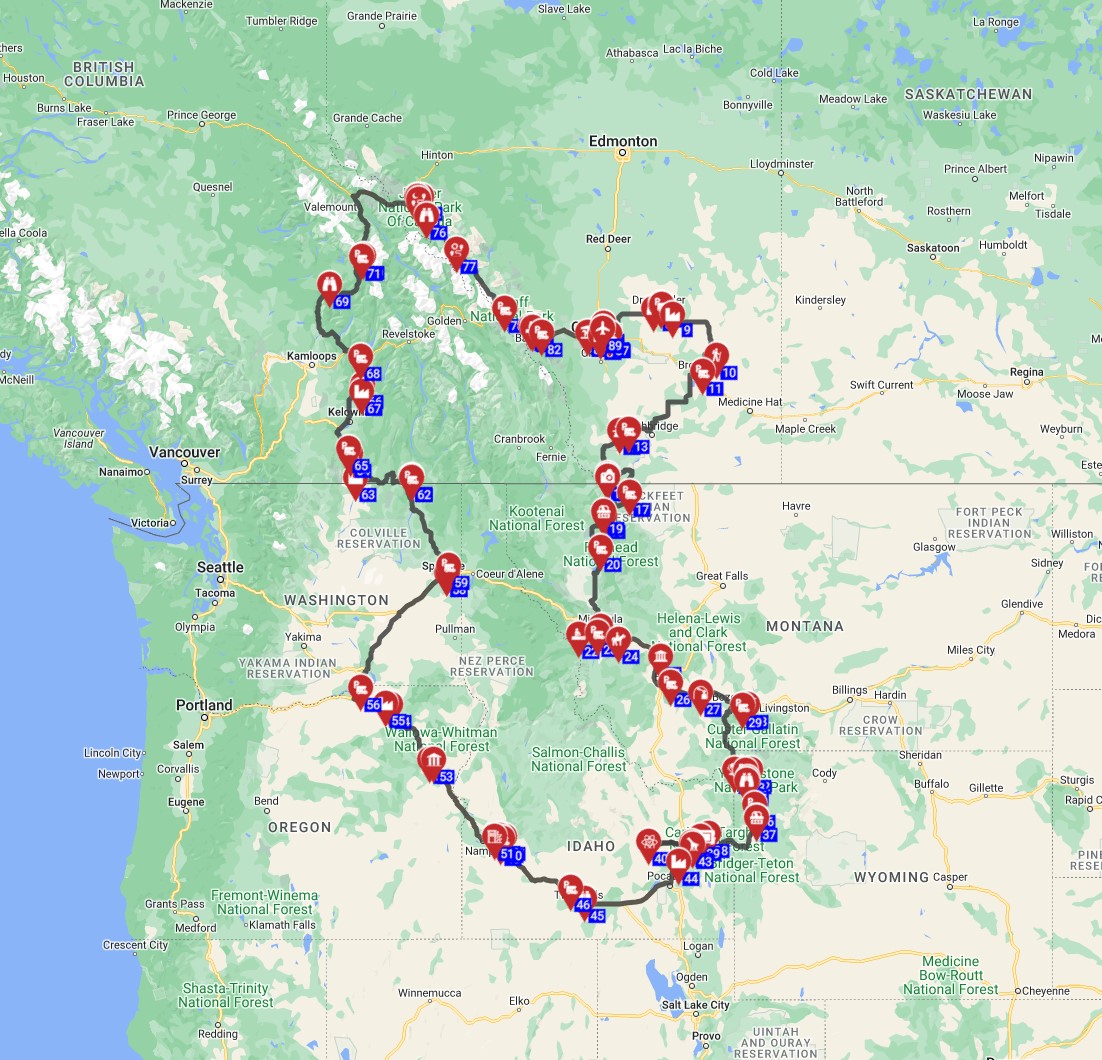
Map out your route and secure campground reservations before you depart. West Canada's vastness means planning is crucial. Having your itinerary and campsites booked in advance prevents stress and ensures you can relax and enjoy the scenery. For finding campsites and campgrounds during your trip, we recommend using RV PLANET (rvplan.net) — a great resource for locating available spots along your route.
Pack versatile layers for West Canada's unpredictable weather conditions, even in summer. Mountainous regions can experience dramatic temperature swings, so pack clothing suitable for layering, including waterproof outer shells and warm base layers. This adaptability ensures comfort whether you're hiking in the Rockies or exploring coastal trails.
Before You Book - Class, Dates, Insurance
Choosing the right RV is paramount to a successful West Canada adventure. For live availability and current prices, start with our RV Rental in West Canada - Prices and Best Deals 2026 guide. The variety of RVs available means there's a perfect fit for every type of traveler, from solo explorers to large families. If you're looking for a more comprehensive overview, our RV Rental USA - Complete Guide 2026 can also offer broader insights.
Selecting the appropriate RV class is crucial for your West Canada adventure, with options like Class B campervans for nimble travel, Class C motorhomes for families, or Class A for luxury and space. A Class B campervan, like the "rv rental denver example Category Van" or "hire campervan example Paradise S/T," is perfect for couples seeking flexibility and ease of parking. For families or groups of 4-6, a Class C motorhome such as the "24' Class C Motorhome" or "4 Berth Henty" offers a comfortable balance of space and amenities. For ultimate luxury and space, a Class A motorhome, like the "RV rentals utah example Sunrise Escape," provides ample room and high-end features.
Locking in your rental dates 6-12 months ahead is recommended for summer trips, while shoulder seasons (spring/fall) offer more flexibility and potentially lower rates. Traveling during the shoulder seasons can provide a more relaxed experience with fewer crowds and often better pricing. For those seeking premium experiences, explore our Luxury RV Rental in West Canada - Premium Prices 2026 guide.
Basic insurance is always included. To see prices including the most comprehensive coverage, select that option during search — then all relevant insurance options will be shown. Understanding your coverage is essential. Bandana Caravan focuses on ensuring you have the necessary peace of mind for your travels.
Consider additional insurance coverage for roadside assistance, increased liability, or deductible reduction for peace of mind. Investing in comprehensive coverage can save you from unexpected costs and provide a safety net during your journey. We believe in transparent pricing – what you see is what you pay, with no surprise fees at pickup.
Factor in rental duration, pickup/drop-off locations, and one-way fees when budgeting and booking. One-way rentals are a popular option for those exploring extensive routes, but be aware of potential relocation fees. Check out our One-Way RV Rental in West Canada - Price Guide 2026 for more details on this convenient option. On the routes offered through RV PLANET routes, you can itemize and track every expense along the way for easy budgeting.
Pre-Trip Prep - Packing Checklist for West Canada
A well-prepared packing list is essential for a comfortable RV journey through West Canada's diverse environments. For those seeking expert planning assistance, consider utilizing the Rent&Plan service, which offers pre-planned routes by professionals, and enjoy a 25% planning discount when using rvplan.net. A rented RV can be a home away from home, but smart packing makes all the difference.
A comprehensive packing checklist tailored to West Canada's diverse climate ensures you're prepared for any adventure, from mountain hikes to lakeside relaxation. Remember that RV storage space is limited, so prioritize multi-functional items. This guide to RV Rental Deals in West Canada - Latest Offers 2026 might also offer inspiration for your trip planning.
Pack clothing suitable for layering, including waterproof outer shells and warm base layers, even during summer months when mountain temperatures can drop. Think merino wool or fleece for base layers, insulated mid-layers, and a waterproof and windproof outer jacket and pants. Comfortable, broken-in hiking boots are a must.
Bring essential kitchen items like reusable water bottles, basic spices, and a cooler for fresh provisions. While many RV rentals come equipped with basic kitchenware, having your own reliable cooler for snacks and drinks is invaluable, especially for day trips. For culinary inspiration, check out our RV-friendly recipes playlist. For ideas you can prep on the road, watch our RV-friendly recipes playlist on YouTube.
Ensure your safety kit includes a first-aid kit, bear spray (with proper training), and headlamps for navigating campgrounds after dark. Familiarize yourself with bear safety protocols if you plan to hike or camp in bear country. Headlamps are incredibly useful for nighttime trips to the bathroom or for setting up camp in low light.
Have all necessary documents readily accessible, including your driver's license, RV rental booking confirmations, and any required park passes. Planning ahead also extends to having digital or printed copies of important documents, maps, and reservation details.
- Layered Clothing (warm, cool, rain-proof)
- Hiking Boots & Comfortable Shoes
- Swimsuit
- Reusable Water Bottles
- Basic Cooking Spices & Oils
- Cooler/Insulated Bag
- First-Aid Kit
- Bear Spray (and knowledge of how to use it safely)
- Headlamps/Flashlights
- Valid Driver's License & International Driving Permit (if needed)
- RV Rental Booking Confirmation
- National/Provincial Park Passes
- USB Chargers & Power Bank
- Offline Maps & GPS Device
On the Road - Driving, Fueling, Navigation
Navigating West Canada in a rented RV is an adventure in itself, offering incredible flexibility. For those planning a broader trip, our Rent a Motorhome in California - Prices, Routes & Tips 2026 can provide valuable context for North American RVing. Driving an RV requires attention to its dimensions and handling characteristics, especially on the diverse terrains West Canada presents. Our sister company, RV PLANET (rvplan.net), offers curated itineraries that can simplify your route planning.
Navigating West Canada's roads in an RV requires careful attention to vehicle dimensions, mountain driving techniques, and planning for fuel and navigation in remote areas. Always be aware of your RV's height, width, and length, particularly when approaching bridges, tunnels, or low overpasses. Many Class A motorhomes are quite large, so pre-trip checks of bridge clearances are wise.
Always be mindful of your RV's height, length, and weight, especially when encountering bridges, tunnels, and winding mountain passes. Many Class A motorhomes can be 13 feet tall or more, so bridge and tunnel clearances are critical considerations. Driving slowly and carefully, and you can drive almost anywhere without issues. No need to stress — just use common sense and pay attention.
Practice defensive driving and understand how to use engine braking when descending steep grades common in the Canadian Rockies. Utilizing lower gears to control your speed on descents will prevent brake overheating and maintain better control. Consider a Class C motorhome like the "4 Berth Seeker" for a good balance of size and maneuverability.
Plan your fuel stops carefully in less populated regions, ensuring your RV has enough range, and be aware of whether your vehicle requires gasoline or diesel. Fuel stations can be sparse in remote areas, so topping up whenever you see a station is a wise practice. Most rental RVs run on gasoline, but always check your specific vehicle.
Utilize offline maps and consider a dedicated RV-specific GPS that can factor in vehicle dimensions to avoid unsuitable routes. Mobile data can be unreliable in many parts of West Canada, making offline maps indispensable. An RV-specific GPS can help prevent you from taking routes with low clearances or weight restrictions.
Maintain vigilance for wildlife on roadsides, particularly at dawn and dusk, by reducing speed and being prepared to stop. Wildlife encounters are common in West Canada; always keep a safe distance and never feed wild animals. Being prepared to stop suddenly is crucial for avoiding accidents.
At the Campground - Setup, Hookups & Etiquette
Setting up camp and being a good RV neighbor are crucial for a pleasant experience in West Canada's many campgrounds. Understanding basic hookups and campground etiquette will make your stay smoother and more enjoyable. Many private campgrounds offer full hookups, while national and provincial parks may have varying levels of service. For a smoother planning experience, consider the comprehensive route plans available through RV PLANET (rvplan.net); on these routes, travelers can itemize and track every expense along the way for easy budgeting.
Efficient campground setup, correct hookup procedures, and respectful etiquette ensure a smooth and enjoyable RV experience in West Canada. Arriving at a campground ready to set up efficiently means you can start relaxing sooner. If you're interested in discovering new RV destinations and routes, our RV Travel Guide to West Canada - Tips and Top Spots 2026 (video) might be a great resource.
Upon arrival, first position your RV carefully on your site, ensuring it's level and clear of obstacles before extending slides. Before connecting any utilities, take a moment to assess the site and position your RV correctly. Ensuring the RV is level is important for the proper functioning of appliances like refrigerators.
Follow the standard hookup order: connect electricity first, then water, and finally the sewer hose to your RV and the dump station. While the order can vary slightly, it's generally recommended to connect power first to run the RV's internal systems, then water. Always ensure your grey and black water tanks are properly connected to the dump station or your RV's termination valve.
Adhere to campground quiet hours, typically from 10 PM to 7 AM, and use generators only during designated hours to respect fellow campers. Being mindful of noise levels is essential for a peaceful camping environment. Generators are generally permitted only during specific hours, usually between 8 AM and 8 PM.
Store all food and scented items securely in your RV or bear-proof lockers to prevent attracting wildlife. This is particularly important in areas known for bear activity, such as national parks. Properly securing food is a critical wildlife safety measure.
Dispose of all waste properly in designated bins and utilize dump stations for grey and black water, never on the ground. Responsible waste disposal is a core tenet of RVing and is crucial for environmental protection.
RV Rental-Specific Tips for West Canada
Tailoring your RV rental choice to your specific travel needs will significantly enhance your West Canada experience. Whether you're a family, a senior couple, a budget-conscious traveler, or seeking a luxury escape, there's an RV that fits. Explore options from compact campervans like the "Campervan for 2 - Automatic" to more spacious motorhomes like the "6 Berth Derwent." For more insights into different RV classes, consult our Class A vs Class B vs Class C - Which is Right for Your Trip in West Canada? comparison guide.
Tailoring your RV rental experience to your specific travel profile, whether family, senior, budget-conscious, or luxury-seeking, enhances your West Canada adventure. Bandana Caravan truly understands that not all RV trips are the same, and we pride ourselves on being true RV specialists, not just a travel agency side department.
For families, choose RVs with multiple sleeping areas and child-friendly amenities, planning shorter driving days with plenty of stops for active kids. Look for models like the "32' Class C Motorhome" or "Category Large 5 AT" that offer ample sleeping capacity and often dedicated areas for children.
Senior travelers often benefit from easy-to-drive Class B or smaller Class C RVs that offer comfortable access, walk-around beds, and convenient amenities. Compact campervans, such as the "Campervan for 2 - Manual" or "Aero Plus - convertible twin beds," provide greater maneuverability and are easier to manage on winding mountain roads.
Budget-conscious RVers can save by utilizing free overnight parking options (where permitted), cooking most meals, and traveling during the more affordable shoulder seasons. Consider vehicles like the "Budget Camper" or "Campervan Australia example El Cheapo Sleeper" for more economical travel. Cooking onboard can significantly reduce food costs compared to dining out frequently.
Luxury travelers might opt for high-end Class A motorhomes equipped with premium features, considering full-service resorts and concierge RV services. For an elevated experience, explore options that may include multiple slide-outs and advanced amenities, ensuring a truly comfortable journey.
Off-grid enthusiasts should look for RVs equipped with solar panels and larger fresh/grey/black water tanks to support extended stays in more remote provincial parks or Crown land. Models with enhanced off-grid capabilities offer greater freedom to explore less developed areas.
Common Mistakes to Avoid in West Canada
RV travel in West Canada is incredibly rewarding, but avoiding common pitfalls can make your trip even more enjoyable. Understanding these potential mistakes can help you plan a smoother, more memorable adventure. For example, not booking early enough is a frequent oversight for popular national parks.
Instead of not booking early enough, reserve your RV and all desired campgrounds 6-12 months in advance, especially for popular national parks and summer dates. This proactive approach is key to securing your preferred vehicle and campsites in high-demand areas.
Instead of underestimating driving times, account for mountain terrain, scenic stops, and potential wildlife encounters, which naturally slow down travel in West Canada. West Canada's stunning scenery often tempts travelers to stop frequently, and mountain passes require slower, more cautious driving.
Instead of ignoring wildlife safety, educate yourself on bear awareness, store all food securely, and maintain a safe distance from all animals. Encounters with wildlife are exciting but require respect and knowledge to ensure safety for both you and the animals.
Instead of failing to plan for connectivity, download offline maps and research campground Wi-Fi or satellite communication options for remote areas. While many towns offer connectivity, vast stretches of West Canada have limited or no cell service, making offline navigation essential.
Instead of overpacking, bring versatile layers and essential items, as RV storage space is limited and West Canada's climate allows for adaptable clothing. Focus on multi-purpose items that can be layered for changing weather conditions.
Instead of neglecting road condition checks, regularly consult provincial road reports (e.g., DriveBC, Alberta 511) for updates on closures, construction, and weather conditions. Road conditions in mountainous regions can change rapidly due to weather, so staying informed is crucial.
How much does it cost to RV in Canada for a month?
The cost of an RV trip in West Canada for a month can vary significantly based on your choices, but typically ranges from CAD $4,000 to $8,000+. This estimate includes rental fees, fuel, campground expenses, and activity budgets. For a detailed breakdown and cost comparison, our RV Rental in West Canada - Prices and Best Deals 2026 guide is an excellent resource. Understanding these costs upfront is vital for effective budgeting, and for finding the cheapest RV rental, flexibility with dates and vehicle type is key.
The cost to RV in Canada for a month typically ranges from CAD $4,000 to $8,000+, depending significantly on the RV class chosen, travel season, fuel consumption, and activity preferences. This broad range accounts for different comfort levels and travel styles. For instance, a Family RV Rental in West Canada - Pricing Guide 2026 will likely differ from a trip for couples.
RV rental fees can vary widely: expect approximately $100-$200 per day for a Class B campervan, $150-$300 for a Class C motorhome, and $250-$500+ for a luxury Class A. These figures are general estimates and can fluctuate based on demand, season, and specific rental companies. Always compare final prices across suppliers to avoid surprise fees at pickup.
Fuel is a major expense; budget $800-$1500+ for a month, considering distances traveled and fluctuating gas prices across provinces. West Canada's vast distances mean fuel consumption will be a significant portion of your budget. Factor in that RVs are less fuel-efficient than standard vehicles.
Campground fees range from $30-$60 per night in National/Provincial Parks to $40-$80+ in private campgrounds, with options for free boondocking in some areas to reduce costs. While national parks offer stunning locations, private campgrounds often provide more amenities and hookups. Exploring free camping options can significantly lower your monthly expenses.
Food expenses average $500-$1000 for a month if primarily cooking in the RV, which is more economical than frequent restaurant dining. Preparing meals onboard is one of the most effective ways to manage your budget. For recipe ideas, check out our RV-friendly recipes playlist.
Additional costs include National Park passes (e.g., Discovery Pass), attraction entrance fees, and any tours or recreational activities you plan to enjoy. These can add up, so research your desired activities and factor them into your overall budget. On the RV PLANET routes, you can find itineraries that often include suggestions for attractions and activities.
What are the best RV destinations in West Canada beyond the national parks?
While iconic national parks like Banff and Jasper are must-sees, West Canada offers a wealth of diverse RV destinations beyond the most famous spots. Exploring these lesser-known gems can provide unique cultural and natural experiences, often with fewer crowds. For those seeking expert recommendations, our RV Travel Guide to West Canada - Tips and Top Spots 2026 (video) highlights many of these. Discovering these regions aligns with Bandana's philosophy of enabling travelers to explore the world by RV, offering unique adventures.
Beyond the national parks, West Canada boasts a wealth of diverse RV destinations, including the Okanagan Valley, the Kootenays, and Haida Gwaii, offering unique landscapes and cultural experiences. These regions often provide a different pace and perspective on West Canada's natural beauty.
The Okanagan Valley in British Columbia, Canada's only desert climate, is renowned for its vineyards, lakeside recreation, and fruit orchards, making it ideal for culinary and outdoor enthusiasts. Imagine waking up to stunning lake views and spending your days wine tasting or cycling through orchards. This region is a stark contrast to the typical images of BC's west coast.
The Kootenay Rockies region offers hot springs, historic towns like Nelson and Kaslo, and access to less crowded provincial parks, providing a quieter alternative to the more frequented national parks. These areas are perfect for travelers seeking a more laid-back RV experience, with opportunities for relaxation and historical exploration.
Haida Gwaii, a remote archipelago off BC's coast, provides a deep dive into Indigenous culture, ancient rainforests, and pristine coastal beauty, though it requires specific ferry planning and reservations. This UNESCO World Heritage Site offers a profound cultural and natural immersion, best explored with pre-planned routes that account for ferry schedules.
Northern British Columbia serves as a gateway to rugged wilderness and the Alaska Highway, featuring unique natural wonders like Liard River Hot Springs and opportunities for remote wildlife viewing. This is the true frontier, offering unparalleled adventure for those willing to venture off the beaten path.
Explore lesser-known areas of Vancouver Island, such as Strathcona Provincial Park's interior or the untouched beauty of the north and west coasts beyond typical tourist hubs. While Tofino and Victoria are popular, venturing further afield can reveal hidden coves and quieter, more natural camping experiences.
How do I choose the right RV type for my West Canada trip?
Selecting the ideal RV type for your West Canada trip hinges on your group size, comfort expectations, budget, and planned activities. Bandana Caravan, as true RV specialists, can help you navigate these choices. Whether you're drawn to the agility of a campervan or the spaciousness of a larger motorhome, understanding the pros and cons of each class is key. Our Family RV Rental in West Canada - Pricing Guide 2026 offers specific advice for those traveling with children.
Choosing the ideal RV type for your West Canada trip depends on your group size, comfort preferences, budget, and the specific activities you plan to undertake, ranging from compact campervans to expansive Class A motorhomes. Consider how you'll be using the RV – are you planning mostly scenic drives and quick overnight stops, or longer stays in campgrounds where space is more of a luxury? A rented RV offers flexibility, but the right type maximizes that flexibility.
Campervans (Class B) are excellent for solo travelers or couples seeking maneuverability, fuel efficiency, and ease of parking in towns and smaller campsites, often suitable for budget-conscious or semi-off-grid travel. Models like the "Campervan for 2 - Automatic" or the "Active Bunk Auto" are great examples of efficient and nimble vehicles. Their smaller size makes them ideal for navigating smaller roads and finding parking in busy areas.
Class C motorhomes provide a versatile balance of space and drivability, accommodating families or small groups (2-6 people) with amenities like a bathroom, kitchen, and dedicated sleeping areas. These are often the most popular choice for families, offering a good compromise between comfort and manageability. Look into options like the "4 Berth Adventure Camper" or the "Camper hire example Cat A - SKY 25" for family-friendly features.
Truck campers offer rugged versatility, fitting onto a pickup truck bed, ideal for accessing more remote fishing, hunting, or hiking locations where larger RVs cannot go. For the truly adventurous, a truck camper provides access to off-road destinations and a more rugged camping experience.
Class A motorhomes are best for those prioritizing luxury, maximum living space, and extensive amenities for longer trips or larger groups, though they are less fuel-efficient and require more cautious driving on winding roads. If space and comfort are paramount, a Class A like the "Motorhome rental example Pegasus" or "EL Monte RV rentals example Taurus" might be your choice. However, be mindful of their larger size and driving considerations on mountainous routes.
Consider an RV's off-grid capabilities, such as solar panels and tank sizes, if you plan to frequently boondock or stay in provincial parks with limited hookups. For extended stays away from campgrounds, RVs with larger water tanks and solar power options offer greater independence.
What are essential safety tips for RVing in West Canada?
Safety is paramount when RVing in West Canada, a region known for its stunning but sometimes challenging natural environment. From pre-trip checks to understanding wildlife protocols, a prepared traveler is a safe traveler. For a deeper understanding of local conditions, regular checks of provincial road reports, such as DriveBC for British Columbia or Alberta 511 for Alberta, are crucial. Bandana Caravan provides you with the confidence to explore safely, knowing you have true RV specialists supporting your booking.
Essential safety for RVing in West Canada encompasses comprehensive pre-trip checks, understanding unique mountain driving challenges, and strict adherence to wildlife encounter protocols. Being prepared is your best strategy for a worry-free adventure.
Before setting out, perform a thorough safety check of your RV's tires, brakes, fluid levels, and all onboard systems, especially before tackling long distances or mountainous terrain. A pre-trip inspection ensures your rented RV is in good working order, minimizing the risk of breakdowns. Always confirm your rental includes a thorough handover.
Familiarize yourself with mountain driving techniques, including downshifting to control your speed on descents and using engine braking to prevent brake overheating. Descending steep grades in an RV requires a different approach than driving a car; proper gear selection is key.
Practice vigilant wildlife safety: store all food in bear-proof containers, never approach animals, and carry bear spray while knowing how to use it effectively in emergency situations. West Canada is home to diverse wildlife, including bears. Understanding how to coexist safely is vital.
Prepare for West Canada's highly variable weather; always pack layers, monitor local forecasts, and be aware that mountain microclimates can lead to sudden shifts, including summer snow. Mountain weather can change rapidly, so being prepared for all conditions is essential for comfort and safety.
Regularly check provincial road condition websites (e.g., DriveBC, Alberta 511) for updates on road closures, construction, or adverse weather affecting passes and remote routes. Staying informed about road conditions can prevent significant delays or detours.
For remote travel, carry extra water, food, fuel, and consider a satellite communication device as cell service can be unreliable in vast wilderness areas. Being self-sufficient is crucial when exploring remote regions, as help may be hours away.
How can I experience local culture while RVing in West Canada?
RV travel in West Canada offers a unique opportunity to immerse yourself in local culture, moving beyond the typical tourist trail. By actively seeking out Indigenous experiences, community events, and local businesses, you can gain a richer understanding of the region's heritage and contemporary life. For inspiration on unique destinations, check out our RV Camping in Las Vegas - Best Campgrounds & Tips 2026 for a different perspective on road trip planning. Discovering local flavors and traditions is a hallmark of RV travel.
To deeply immerse in local culture while RVing in West Canada, travelers should actively seek out Indigenous cultural experiences, engage with community events, and support local businesses and culinary traditions. This approach transforms a sightseeing trip into a cultural journey.
Visit Indigenous cultural centers and museums, such as the Squamish Lil'wat Cultural Centre in Whistler or the Haida Gwaii Museum, to learn about the rich history and contemporary life of First Nations communities. These centers offer invaluable insights into the deep cultural heritage of the land. Understanding the Indigenous history is a vital part of appreciating West Canada's cultural tapestry.
Explore local farmers' markets for regional produce, artisan crafts, and direct interaction with community members, offering a taste of authentic local life. Farmers' markets are vibrant hubs where you can sample local delicacies and connect with the community.
Attend community festivals, fairs, or events advertised on local tourism websites, which provide unique opportunities to witness local traditions, music, and gatherings. Checking local event listings is a great way to discover authentic cultural experiences during your travels.
Support local eateries, breweries, and wineries – particularly in regions like the Okanagan Valley – to savor regional flavors and contribute directly to local economies. Exploring local culinary scenes is a delicious way to connect with the culture of West Canada.
Look for opportunities to participate in guided tours led by local residents or Indigenous interpreters, who offer unique perspectives and stories of the land and its people. Local guides can share stories and insights that bring the landscape and its history to life.
How can I RV sustainably in West Canada?
Embracing sustainable RV practices is essential for preserving West Canada's pristine environments for future generations. By adhering to Leave No Trace principles, conserving resources, and supporting local eco-friendly businesses, your RV adventure can be both memorable and responsible. Considering the impact of our travel is a key aspect of modern exploration. For inspiration on planning sustainable routes, RV PLANET (rvplan.net) offers many itineraries that prioritize eco-friendly travel.
RVing sustainably in West Canada involves consciously minimizing environmental impact by adhering to Leave No Trace principles, conserving resources, and supporting local, eco-friendly businesses. This mindful approach enhances the travel experience for everyone.
Strictly follow the seven Leave No Trace principles: plan ahead, travel on durable surfaces, dispose of waste properly, leave what you find, minimize campfire impacts, respect wildlife, and be considerate of others. These principles are the foundation of responsible outdoor recreation.
Conserve water and electricity within your RV, and ensure all grey and black water is disposed of only at designated dump stations, never on natural landscapes. Water and power are precious resources, especially when dispersed camping. Proper waste disposal is critical to preventing environmental contamination.
Recycle all appropriate materials at campground facilities or municipal recycling centers and strive to reduce waste by using reusable containers and bags. Minimizing your waste footprint is a simple yet effective way to travel more sustainably.
Support local economies by purchasing groceries, fuel, and supplies from small businesses in the towns you visit, opting for locally produced goods when possible. Supporting local businesses not only contributes to the community but also often provides a more authentic travel experience.
Practice ethical wildlife viewing by observing animals from a distance, never feeding them, and ensuring your presence does not disturb their natural behaviors. Responsible wildlife viewing protects both the animals and your safety.
How can I stay connected while RVing in West Canada?
Staying connected while RVing in West Canada requires a strategic approach due to the vastness of its wilderness and the often-limited cellular service. Planning ahead with offline resources and understanding connectivity options is crucial for a smooth trip. For those who need consistent connectivity, consider mobile hotspots or satellite devices. If your itinerary involves extensive travel across provinces, checking our RV Rental Deals in West Canada - Latest Offers 2026 might help you find more affordable options.
Staying connected while RVing in West Canada requires strategic planning due to extensive wilderness areas with limited cellular service, necessitating a combination of offline tools and potential satellite solutions. While the digital detox can be appealing, staying connected for navigation, safety, or work often requires forethought.
Major Canadian cell service providers like Telus, Bell, and Rogers offer the widest coverage, but reception remains sporadic or non-existent in many remote regions and national parks. Before you depart, check coverage maps for your specific carrier in the areas you plan to visit.
Download offline maps (e.g., Google Maps, iOverlander) for your entire route before departing, as GPS will still function even without cellular data. Offline maps are essential for navigation in areas with no cell service. Apps like iOverlander are also excellent for finding free campsites and points of interest.
While many private campgrounds offer Wi-Fi, it can be slow or unreliable, and national/provincial park campgrounds typically do not provide internet access. Campground Wi-Fi is often shared and can be impacted by the number of users. Don't rely solely on campground Wi-Fi for critical tasks.
Consider purchasing a local SIM card or renting a portable Wi-Fi hotspot for improved personal connectivity, understanding that these still depend on available cellular networks. For extended trips, a local SIM might be more cost-effective than international roaming. However, remember these still rely on the main cellular networks.
For truly remote travel or safety, a satellite communication device (e.g., Garmin inReach) or a satellite phone offers reliable two-way communication independent of cell service. These devices provide a critical safety net in areas where cell service is non-existent.
Plan your stops in towns or known service areas if you anticipate needing to make calls, check emails, or upload content, as connectivity can be a luxury in West Canada's vast landscapes. Identify towns along your route where you can reliably access Wi-Fi or cell service.
What You Shouldn't Miss
- Drive the Icefields Parkway: Connecting Banff and Jasper National Parks, this iconic route is considered one of the most scenic drives in the world, with glaciers, turquoise lakes, and abundant wildlife. Allow ample time for stops at viewpoints like Peyto Lake and Athabasca Glacier.
- Explore the Okanagan Valley's Wine Region: Beyond the stunning lakes, British Columbia's Okanagan Valley offers world-class wineries, fresh fruit markets, and a unique desert climate perfect for RV exploration. Consider a route that includes wine tasting tours and visits to local orchards.
- Experience Haida Gwaii's Indigenous Culture: This remote archipelago off BC's coast offers a deep connection to Haida culture, ancient rainforests, and unique wildlife. Planning ferry reservations is essential, so consider a route specifically designed for this unique destination.
- Witness the Northern Lights in Yukon Territory: While further north, RVing into Yukon offers a chance to see the Aurora Borealis, particularly between August and April. This requires planning for colder weather and longer travel, but the reward is spectacular.
- Hike in Whistler's Alpine Meadows: Easily accessible with many RV-friendly campgrounds, Whistler offers incredible hiking trails, gondola rides with panoramic views, and vibrant village life, making it a fantastic destination for outdoor enthusiasts.
- Discover the Kootenay Rockies' Hot Springs: Relax and rejuvenate in the natural hot springs scattered throughout the Kootenays, offering a peaceful contrast to the rugged mountain landscapes.
Final Thoughts
West Canada offers an RVing experience like no other, from its majestic mountains to its serene coastlines. By planning ahead, choosing the right vehicle, and embracing the journey with a spirit of adventure, you're set for an unforgettable trip. Remember that travel slowly is key to truly appreciating the scenery and local culture.
Whether you're drawn to the iconic national parks or the hidden gems beyond, your rented RV provides the perfect gateway to explore. With Bandana Caravan, you can compare prices transparently and book with confidence, knowing you're backed by true RV specialists. Get inspired for your next trip and discover the unparalleled freedom of the open road!
Plan a trip itinerary in advance with minimal effort and maximum enjoyment. Your West Canada adventure awaits!