In This Guide
- Top 5 Tips for RV Rental in Japan
- Before You Book - Class, Dates, Insurance
- Pre-Trip Prep - Packing Checklist for Japan
- On the Road - Driving, Fueling, Navigation
- At the Campground - Setup, Hookups and Etiquette
- RV Rental-Specific Tips for Japan
- Common Mistakes to Avoid in Japan
- What do I need to rent an RV in Japan?
- What are the road rules in Japan for RVs?
- Can you sleep in an RV in Japan?
- Is Japan good for RV travel?
- How much does it cost to rent an RV in Japan?
- What is the best month to RV in Japan?
- What are the best RV routes in Japan?
Embarking on a motorhome adventure in Japan offers an unparalleled way to explore this incredible country, blending stunning natural landscapes with rich cultural experiences. A rented RV provides the freedom and flexibility to truly immerse yourself in Japan's diverse regions, from bustling cities to serene national parks. For live availability and current prices, start with our RV Rental Japan - Complete Guide 2026 guide. Bandana RV has been helping tens of thousands of travelers discover the world by rented RV since 2001, and we're here to help you navigate the unique aspects of a Japan RV rental.
Top 5 Tips for RV Rental in Japan
To secure the best RV rental deals in Japan and ensure a smooth journey, several key planning elements are crucial. Booking your motorhome well in advance, especially for peak seasons like spring cherry blossom season (March-May) or autumn foliage (September-November), can often lead to savings of up to 20% and guarantees your preferred vehicle type, such as a compact Kei camper for nimble navigation.
Understanding Michinoeki (roadside stations) culture is paramount for respectful overnight parking and accessing amenities, as these are not traditional campgrounds but offer essential services across Japan's extensive road network. Opting for comprehensive insurance is highly recommended for peace of mind, covering potential incidents on Japan's diverse roads, and Bandana offers top-level deductible reimbursement upgrades to ensure you travel with confidence. When planning your route, consider Japan's often narrow roads and be aware of potential natural disaster risks during specific seasons, utilizing flexible booking options for spontaneous adjustments. Finally, local apps for navigation and translation are invaluable tools to overcome language barriers and enhance your overall travel experience.
Before You Book - Class, Dates, Insurance
Choosing the right RV class in Japan is crucial for your comfort and ease of travel, with options ranging from compact Kei campers, ideal for navigating narrower roads, to larger, more spacious Class C motorhomes, perfect for families. Securing your rental dates as early as possible, particularly for popular spring and autumn seasons, can lead to better availability and potentially more favorable pricing, as rates are dynamic and fluctuate based on demand. Basic insurance is always included with RV rentals in Japan; however, for the most comprehensive coverage, which is highly recommended for worry-free travel, select the relevant option during your search on Bandana RV. This commitment to full transparency means no hidden fees or surprises.
Insider tip: Basic insurance is always included. To see prices including the most comprehensive coverage, select that option during search - then all relevant insurance options will be shown. Consider the unique vehicle types in Japan, such as the fuel-efficient Kei camper, which is perfectly suited for navigating smaller towns and rural routes with an impressive fuel consumption of 15-20 km/L. Our true RV specialists are here to guide you through these choices, ensuring you select the perfect rented motorhome for your Japanese adventure. For those seeking premium options, researching Luxury RV Rental in Japan - Premium Prices 2026 can provide insights into higher-end vehicles and features.
Pre-Trip Prep - Packing Checklist for Japan
Preparing a detailed packing checklist tailored for Japan's climate and unique RV travel conditions ensures a smooth and enjoyable journey. Clothing should include layers suitable for seasonal variations, waterproof outerwear for unexpected rain, and comfortable shoes for exploring bustling cities and scenic trails. For your rented motorhome's kitchen, remember to include reusable bags, compact cooking essentials like a portable coffee maker, and a water filter for convenience and to minimize waste. Cooking meals on board can save significantly on overall trip costs, which you can track meticulously with RV PLANET routes.
Safety is paramount: prepare an emergency kit with basic first aid supplies, a power bank for your devices, a reliable flashlight, and a small disaster preparedness kit (e.g., whistle, emergency blanket) due to Japan's natural disaster potential. For documents, ensure you have your International Driving Permit (IDP), your passport, your national driver's license, and relevant translation apps downloaded for navigating potential language barriers. A standard car driver's license is sufficient for all motorhome classes, but an IDP is strongly recommended for non-Japanese speakers. Remember, Bandana RV handles the rental details, so you can focus on packing for your incredible journey.
On the Road - Driving, Fueling, Navigation
Navigating Japan by a rented RV requires familiarity with left-hand traffic, which is standard throughout the country, and an understanding of local road conditions. Driving in Japan often involves narrower roads, especially in rural and mountainous areas, so selecting a smaller campervan or a compact Class C motorhome can be advantageous. Drive slowly and carefully, and you can drive almost anywhere without issues. No need to stress - just use common sense and pay attention.
Fueling stations are widespread, but be aware of different fuel types (gasoline and diesel) and ensure you use the correct one for your rental motorhome; typical fuel costs average around ¥175 per liter. For seamless navigation, utilize GPS systems with English options or reliable navigation apps that can interpret Japanese addresses and points of interest. Considering a portable Wi-Fi device or a local SIM card (available from ¥3,000 for 10GB) is also smart for staying connected. Additionally, consider purchasing an Expressway Toll Card (ETC card) for convenient electronic toll payments on Japan's extensive highway network, as tolls can be a significant ancillary cost, sometimes reaching ¥1,000-¥3,000 for longer sections. On the routes offered through RV PLANET routes, you can itemize and track every expense along the way for easy budgeting.
At the Campground - Setup, Hookups and Etiquette
Proper setup at a Japanese campground or Michinoeki (roadside station) involves understanding local etiquette and utility connections. When arriving at a designated spot, begin by leveling your rented RV for comfort and proper appliance function, using leveling blocks if necessary. Connecting to hookups, if available, typically follows an order: first electricity (often 100V, requiring an adapter), then water, and finally wastewater disposal, ensuring a stable connection.
Respecting Michinoeki culture is paramount; these are rest areas, not full campgrounds, so limit your stay to overnight resting and dispose of all waste responsibly. Traditional 'wild camping' outside of designated areas is generally illegal and highly frowned upon in Japan due to cultural norms around land use and privacy. For finding campsites and campgrounds during your trip, we recommend using RV PLANET (rvplan.net) - a great resource for locating available spots along your route. Always adhere strictly to quiet hours, usually from evening until morning, to maintain a peaceful environment for all visitors and local communities. For ideas on preparing delicious meals in your RV, check out our RV-friendly recipes playlist.
RV Rental-Specific Tips for Japan
For RV travelers, choosing a rented RV over Japan's efficient public transport unlocks unique experiences, providing unparalleled flexibility to explore remote onsen, local festivals in small towns, and hidden natural spots that trains and buses often miss. Imagine waking up to a serene mountain view, preparing breakfast in your motorhome, and then setting off on a leisurely drive, averaging no more than 100-150 km per day to truly savor each location.
Families with children benefit immensely from the flexibility of a rented RV, allowing for nap-friendly drives and spontaneous stops at kid-friendly attractions without the hassle of hotel check-ins. Retired couples or smaller groups of friends might prefer a compact campervan like the "rv rental denver example Category Van", offering a comfortable sleeping place, shower, and toilet, perfectly sized for two. Budget-conscious travelers can maximize savings by utilizing Michinoeki for free overnight parking and preparing most meals in their RV, significantly reducing accommodation and dining costs, which you can easily manage and track through RV PLANET routes. Luxury RV renters can enhance their experience with premium add-ons, such as portable Wi-Fi (approx. ¥500-¥1,000/day), high-end kitchen appliances, or delivery services for gourmet local produce. Our team of true RV specialists is dedicated to ensuring you find the best RV rental in Japan tailored to your specific needs.
Common Mistakes to Avoid in Japan
A common mistake first-time RV renters make in Japan is misunderstanding Michinoeki; instead, view them as cultural hubs for rest and local produce, not primary campgrounds, and respect their specific usage rules. Attempting illegal 'wild camping' can lead to issues and is generally frowned upon due to Japan's cultural norms around land use and privacy. Instead, seek out designated campgrounds or Michinoeki for respectful and legal overnight parking options.
Neglecting to prepare for language barriers can significantly hinder communication; instead, download reliable offline translation apps and learn a few basic Japanese phrases specific to RV travel, such as "Sumimasen" (Excuse me) or "Toire wa doko desu ka?" (Where is the restroom?). Underestimating the narrowness of rural roads is frequent; instead, opt for a smaller vehicle like a Kei camper or a Class B campervan such as the "Combi Van" (5m length) or plan routes carefully to avoid challenging passages. Failing to prepare for potential natural disasters (e.g., earthquakes or typhoons) is a risk; instead, carry an emergency kit and stay updated on local weather and safety advisories through a local SIM card or portable Wi-Fi.
What do I need to rent an RV in Japan?
To rent an RV in Japan, you primarily need a valid national driver's license from your home country, an International Driving Permit (IDP) which acts as an official translation, your passport for identification, and a credit card for payment and the security deposit (typically ¥50,000-¥100,000). Drivers must typically be at least 21 years old, depending on the rental company, and have held their license for a minimum period of one year. It's essential to understand the different vehicle classes available, including the unique Japanese Kei camper (engines under 660cc), which offers excellent maneuverability on smaller roads, or larger options like a Class C motorhome.
Having a basic understanding of Japanese road signs and traffic rules, often explained in rental agreements, is also beneficial. While basic insurance is always included, considering optional rental insurance beyond the basic coverage is highly recommended for comprehensive protection during your trip, and Bandana RV offers options for top-level deductible reimbursement for extra peace of mind. We pride ourselves on full transparency, ensuring you know exactly what is required and what is included without hidden fees.
What are the road rules in Japan for RVs?
Road rules for RVs in Japan largely mirror those for cars, with all vehicles driving on the left side of the road, and specific speed limits enforced. Speed limits are typically 40 km/h in urban areas, 60 km/h on general roads, and up to 100 km/h on expressways, with variations for larger vehicles. Drive slowly and carefully, and you can drive almost anywhere without issues. No need to stress - just use common sense and pay attention.
Rented RVs must adhere to weight and height restrictions, especially when navigating narrow village roads, low bridges (some as low as 2.8m in rural areas), or multi-story parking garages. Toll roads are common on expressways, and using an ETC (Electronic Toll Collection) card can streamline payments and often offers discounts. Parking a campervan requires adherence to local regulations; illegal parking can result in fines of up to ¥10,000, so always use designated parking areas or paid lots, especially in urban centers like Tokyo or Kyoto. Japan's roads are generally well-maintained, ensuring a smooth journey for your mobile home adventure.
Can you sleep in an RV in Japan?
Yes, you can legally and respectfully sleep in a rented RV in Japan primarily at designated campgrounds and Michinoeki (roadside stations). Japan offers over 1,100 Michinoeki across the country, many equipped with clean restrooms, local food vendors, and even onsen, providing a safe and convenient option for overnight stays. While Michinoeki are excellent for overnight parking, understanding their cultural context means minimizing your footprint; they are for resting, not extended camping with awnings, outdoor furniture, or extensive setups.
Traditional 'wild camping' outside of designated areas is generally illegal and highly frowned upon in Japan due to strong cultural norms around land use, privacy, and cleanliness. For a more complete camping experience with full hookups and amenities suitable for motorhomes, seek out private or public campgrounds. Always call ahead to confirm availability and rules before driving long distances. You'll find a spot. If not at the first campground, then the next one. Our Rent&Plan service can also help you with pre-planned routes that include designated campsites for a stress-free trip.
Is Japan good for RV travel?
Japan is exceptionally good for RV travel, offering a unique blend of modern convenience, stunning natural beauty, and deep cultural experiences, especially for those seeking adventure beyond its efficient public transport system. A rented motorhome provides unparalleled flexibility to access remote onsen, explore local festivals in small towns, and discover hidden natural spots that trains and buses often miss, allowing you to travel slowly, max 100-150 km per day on average, to truly connect with the culture and scenery.
The country boasts well-maintained roads and an extensive network of over 1,100 Michinoeki, making self-drive touring practical and enjoyable. While navigating narrower roads and language barriers can be challenges, these are easily managed with proper planning and the use of modern navigation and translation tools. The ability to carry your accommodation with you allows for spontaneous itinerary changes and a more immersive exploration of Japan's diverse landscapes, from the snowy peaks of Hokkaido to the subtropical islands of Kyushu. With Bandana's 24/7 support (pre-booking, booking, and post-booking coordination) and our commitment to full transparency, your RV rental in Japan will be a memorable and worry-free experience.
How much does it cost to rent an RV in Japan?
RV rental costs in Japan vary significantly based on vehicle type, rental duration, season, and insurance choices, typically ranging from ¥10,000 to ¥30,000+ per day. Prices are dynamic, similar to flight tickets, changing daily based on availability, seasonality, and supplier marketing decisions. The final price is always set at the actual booking time.
Trip cost estimation by duration: "How much does a 1-week / 2-week / 1-month rv rental trip cost in Japan?"
For a 1-week RV rental trip in Japan, expect costs to range from ¥70,000-¥210,000 ($450-$1,350 USD) for the vehicle alone. A two-week adventure could cost ¥140,000-¥420,000 ($900-$2,700 USD), while a one-month extended road trip might range from ¥300,000-¥900,000 ($1,950-$5,800 USD) or more. These estimates exclude ancillary costs like fuel (approx. ¥175/L), campground fees (¥2,000-¥5,000/night), tolls (variable), and groceries. To itemize and track every expense, consider using RV PLANET routes for easy budgeting.
Cost by group type: "RV rental rental cost for couples vs. families with kids in Japan"
For couples, a compact campervan like a "Paradise Camper 4x4 double cab" or a small Class C motorhome (e.g., 2-3 berth, 5-6 meters long) will be most economical, typically costing ¥10,000-¥20,000 per day. Families with kids, requiring a 4-6 berth motorhome such as a "rent rv example D1" or "6 Berth Deluxe" (typically 7-8 meters long with bunk beds), will incur higher rental fees, usually ¥20,000-¥30,000+ per day, due to the larger size and increased amenities. Vehicle features like "Front Air condition," "Shower," and "Toilet" are common across most classes, offering essential comforts.
Last-minute booking: "Can I find last-minute RV rental rental deals in Japan?"
Yes, last-minute RV rental deals in Japan are possible to find, but availability will be significantly limited, especially for popular vehicle types or during peak seasons. Prices are dynamic and can fluctuate, so while a deal might appear, you risk having fewer choices or being unable to find a suitable motorhome. For the best selection and rates, booking 3-6 months in advance is generally recommended, potentially saving up to 25%. For more detailed insights, you might check out Last-Minute RV Rental in Japan - What to Expect 2026.
Flexibility tips: "I'm flexible - how do I find the cheapest RV rental rental?"
To find the cheapest RV rental in Japan, flexibility is your greatest asset. Firstly, consider traveling during off-peak seasons, such as late May-early June or late November-early March, when demand is lower and rates are significantly reduced. Secondly, be flexible with your pickup and drop-off locations; sometimes moving your rental by just 50-100 km to a less popular depot can yield better prices. Thirdly, compare different vehicle sizes and types, as smaller campervans like a "Category Van" or "Active Classic" are generally more affordable than larger Class C motorhomes. Finally, utilize comparison platforms like Bandana RV, which partner with 50+ leading global suppliers (including local Japanese partners) to provide full price transparency and allow you to easily compare options. Check out Cheap RV Rental in Japan - Budget Guide 2026 for more ideas.
What is the best month to RV in Japan?
The best months for RV travel in Japan are typically spring (March-May) and autumn (September-November), offering pleasant weather and iconic seasonal attractions. Spring allows for cherry blossom viewing across the country, with temperatures ranging from 10-20°C, while autumn provides stunning fall foliage, creating picturesque driving routes with similar comfortable temperatures. Both seasons are popular, so booking your campervan or motorhome rental several months in advance is advisable.
Summer (June-August) can be hot and humid with potential for typhoon season, particularly in the south of Japan, though Hokkaido offers cooler temperatures averaging 20-25°C. Winter (December-February) is ideal for those interested in snow sports and onsen, especially in regions like Hokkaido and Tohoku, but requires preparation for cold weather and potential road closures due to heavy snowfall. Each season provides unique opportunities, so the 'best' month depends entirely on your interests and tolerance for specific weather conditions.
What are the best RV routes in Japan?
Ideal RV routes in Japan often encompass regions known for natural beauty, cultural sites, and a network of Michinoeki, offering diverse and memorable experiences for your motorhome rental. Hokkaido, in northern Japan, is a premier destination for RVs, with vast open spaces, national parks like Daisetsuzan National Park, and excellent winter sports facilities, making it perfect for scenic drives that can cover hundreds of kilometers.
The Tohoku region, stretching across northern Honshu, offers rugged coastlines, serene hot springs (onsen), and historical sites like the samurai district of Kakunodate, providing a less-traveled but equally rewarding RV adventure over a week-long trip. Kyushu, the southernmost main island, features volcanic landscapes, unique hot springs such as Beppu Onsen, and delicious local cuisine, with routes that can take you through diverse natural settings. Other popular options include the Chubu region for its Japan Alps and traditional villages like Shirakawa-go, and specific coastal routes that offer access to remote beaches and fishing towns. For detailed itineraries and pre-planned routes, consider exploring RV PLANET (rvplan.net), which offers over 1,300 professionally crafted itineraries across 5 continents, including many for Japan. As a Bandana customer, you receive a 25% planning discount when using rvplan.net.
What You Shouldn't Miss
- **Explore Hokkaido's National Parks:** Drive through Daisetsuzan National Park in a rented campervan, Japan's largest national park, known for its active volcanoes, alpine wildflowers, and abundant wildlife.
- **Visit a Traditional Onsen Town:** Experience the rejuvenating hot springs culture in places like Hakone or Beppu, often found near Michinoeki or dedicated campgrounds, perfect for unwinding after a day of driving your mobile home.
- **Discover the Flavors of Kyoto:** Park your motorhome on the outskirts and take public transport into the city to explore ancient temples, serene gardens, and indulge in world-renowned Japanese cuisine.
- **Drive the Noto Peninsula:** Take a leisurely pace, adhering to slow travel principles, along the scenic coastal roads of Ishikawa Prefecture, discovering charming fishing villages and dramatic cliffs in your rented RV.
- **Experience a Michinoeki with Local Charm:** Seek out Michinoeki that offer more than just a rest stop, such as those with unique regional museums, local craft markets, or even foot baths (ashiyu), to truly immerse yourself in local culture.
Looking for expert insights from Avi Bandana? Top 5 Adventures - recommendations from Avi Bandana.
Final Thoughts
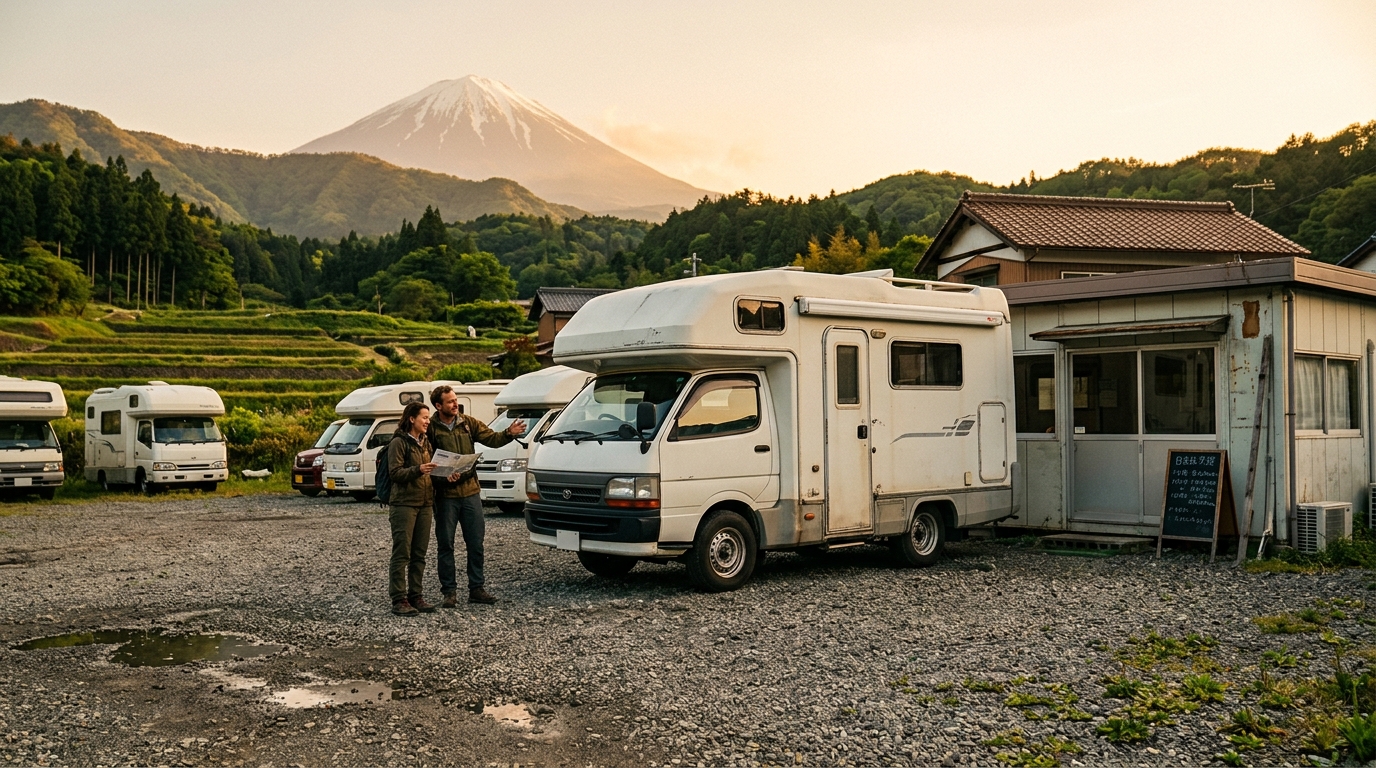
A rented motorhome vacation in Japan is more than just a trip; it's an opportunity to embrace adventure, discover hidden gems, and experience a unique blend of ancient traditions and modern wonders at your own pace. Imagine waking up to the gentle sounds of a Japanese forest, enjoying your morning coffee with a view of Mount Fuji, or savoring fresh local cuisine from a Michinoeki's market. This is the freedom a campervan rental offers.
At Bandana RV, we're with you every step of the way, from comparing prices and selecting the perfect RV rental in Japan to coordinating your booking with complete transparency. Our expertise as true RV specialists, combined with resources like RV PLANET, ensures your journey is not just a rental, but a true discovery. We handle the details, you live the journey – it's our promise.
So, are you ready to chart your own course through the land of the rising sun? Start comparing motorhome prices for Japan today and embark on an unforgettable journey!