In This Guide
- Top 5 Tips for RV Rental in Dublin
- Before You Book - Class, Dates, Insurance
- Pre-Trip Prep - Packing Checklist for Dublin
- On the Road - Driving, Fueling, Navigation
- At the Campground - Setup, Hookups & Etiquette
- RV Rental Tips for Dublin - Traveler-Specific Advice
- Common Mistakes to Avoid in Dublin
- What is the best app for campervan in Ireland?
- Should Americans rent a car in Ireland?
- What You Shouldn't Miss
Top 5 Tips for RV Rental in Dublin
Securing the best RV rental deals in Dublin involves strategic planning, vehicle selection, and comprehensive budgeting, ensuring a seamless and economical RV adventure across Ireland. Booking your preferred campervan or motorhome well in advance is crucial, especially during peak travel months.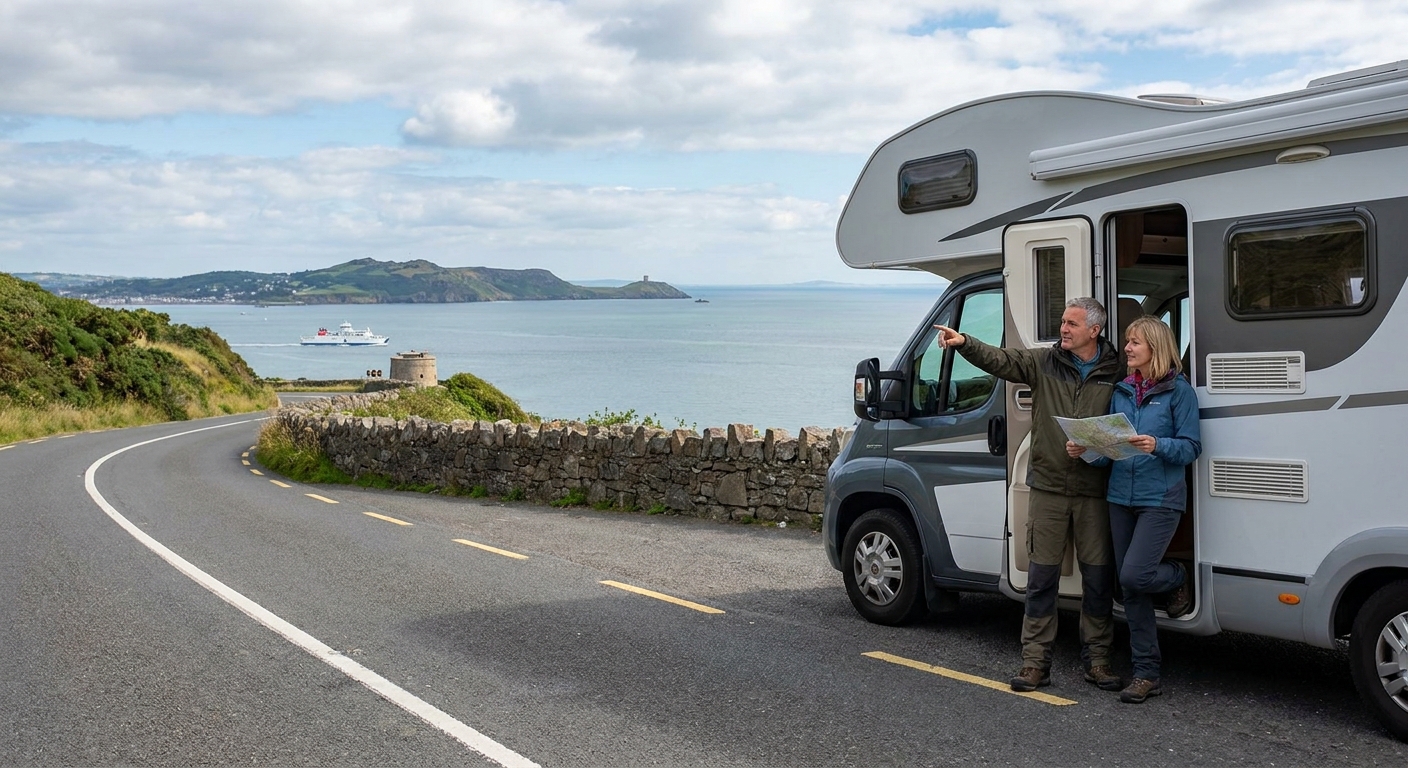
- Book in Advance: To lock in competitive prices and your preferred vehicle, aim to book your RV rental several months ahead, particularly for summer (June-August) or holiday periods, which can save you up to 25% on average.
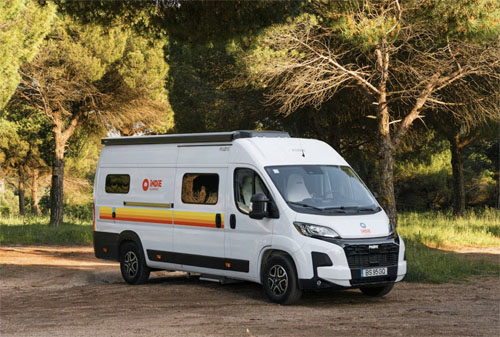
- Right-Sized Vehicle: Ireland's scenic routes can be narrow, and city parking in Dublin is limited; consider a smaller, more maneuverable campervan like an "rv rental denver example Category Van" for easier navigation. Drive slowly and carefully, and you can drive almost anywhere without issues. No need to stress - just use common sense and pay attention.
- Comprehensive Budgeting: Beyond the dynamic daily rental fee, account for fuel (which is generally more expensive than in the US, typically €1.70 per liter), potential tolls (e.g., the M50 around Dublin uses eFlow, a barrier-free electronic system), camping site fees (averaging €25-€45 per night), and groceries. For tracking every expense, RV PLANET routes allow you to itemize and budget along the way.
- Campsite Planning: Ireland has over 100 excellent RV-friendly campsites; plan your overnight stops and book them, especially during busy times. Many national/state parks reserve only 25-30% of spots, with the rest available first-come, first-serve. You'll find a spot. If not at the first campground, then the next one. Call ahead before driving.
- Seasonal Awareness: Summer offers the best weather but also the most crowds and highest prices, with average daily rates increasing by 30-50%. Shoulder seasons (April-May, September-October) provide a balance of decent weather, fewer tourists, and potentially better deals, often seeing prices drop by 15-20%.
Our team at Bandana RV is dedicated to offering full transparency: no hidden fees, no surprises, just clear pricing from the start. We have spent over 20 years helping tens of thousands of travelers explore the world by RV, and we handle the details so you can live the journey.
Before You Book - Class, Dates, Insurance
Careful consideration of vehicle class, booking dates, and insurance options is essential before finalizing your RV rental in Dublin, as these decisions significantly impact both your experience and overall budget. Understanding your needs will help you select the ideal mobile home for your Irish adventure.🎬 Video coming soon
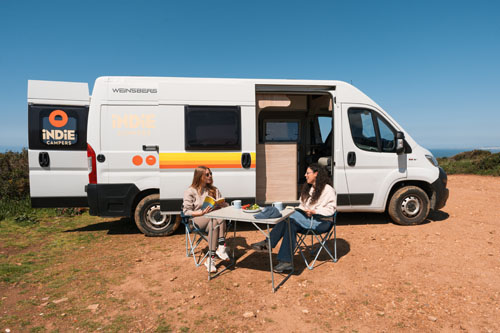
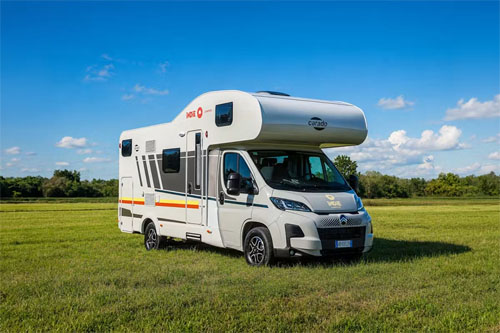
Choosing Your RV Class: Dublin offers a range of motorhome and campervan options tailored to different group sizes and comfort levels. For instance, a compact campervan, like a "Patagonia Camper 4x4 double cab," is ideal for couples or small families seeking maneuverability on narrow Irish roads, typically measuring under 6 meters in length. For larger groups or families with 4-6 people, a Class C motorhome such as an "rv rentals example Comfort Class" provides more space, separate sleeping areas, and enhanced amenities, often ranging from 7 to 9 meters. Remember that a standard car driver's license is sufficient for ALL motorhome classes in Ireland, so no special permits are required.
Strategic Date Selection: Prices for RV rentals are dynamic, much like flight tickets, changing daily based on availability, seasonality, and supplier marketing decisions. Traveling during the off-peak season (November-March) can yield the lowest prices, often 30% or more below peak summer rates, though some campsites may have reduced services. Pre-planners often book 6-9 months in advance to secure specific models and dates, while spontaneous travelers can still find last-minute availability, as many campgrounds maintain first-come, first-serve policies.
Understanding Insurance Options: Basic insurance is always included with your rental, typically covering third-party liability and damage to the vehicle with a high excess (deductible). For added peace of mind, you can upgrade to a top-level deductible reimbursement option, which covers the excess in case of an incident. We compare final prices across 50+ suppliers, including comprehensive coverage options, so you know exactly what’s included and what’s optional. This commitment to full transparency means no hidden fees or surprises.
For more in-depth planning, consider our "RV Rental in Dublin - Prices and Best Deals 2026" guide or the "Family RV Rental in Dublin - Pricing Guide 2026" if traveling with children.
Pre-Trip Prep - Packing Checklist for Dublin
A thoughtful packing list is essential for any RV trip in Dublin, ensuring comfort and readiness for Ireland's variable climate and the practicalities of motorhome living. A well-prepared campervan will enhance your journey and minimize stress, allowing you to focus on the stunning scenery.Clothing: Ireland's weather is notoriously unpredictable, often experiencing "four seasons in one day." Pack versatile layers, including a waterproof and windproof jacket, warm fleeces or sweaters, and comfortable walking shoes or hiking boots. Even in summer, a hat and gloves can be useful for cooler evenings or exposed coastal walks. Remember that quick-drying trousers are more practical than jeans.
Kitchen Essentials (Check what's included with rental): Most RV rentals in Dublin come equipped with basic kitchenware. However, it's always wise to confirm what's supplied. Consider bringing reusable water bottles, coffee or tea supplies, and essential cooking ingredients like salt, pepper, and your preferred oil. Having your own dish soap and sponge is also a good idea. Preparing meals in your RV is a fantastic way to save money and enjoy local produce. Discover creative meal ideas with our RV-friendly recipes playlist.
Safety & Navigation: Essential items include a first-aid kit, a high-visibility vest (mandatory in many European countries for roadside emergencies), a headlamp or flashlight, and copies of roadside assistance contact details. For navigation, download offline maps (e.g., Google Maps, Maps.me) and consider RV-specific routing apps to avoid unsuitable roads. A portable power bank is invaluable for charging devices.
Documents: Always carry your valid driver's license – a standard car license is sufficient for all motorhome classes. While not always mandatory for US citizens, an International Driving Permit (IDP) is recommended for visitors from non-English-speaking countries as it provides a translation. Also, keep your passport/ID, RV rental agreement, and insurance documents readily accessible. Don't forget credit cards and some Euros in cash for smaller purchases or emergencies.
On the Road - Driving, Fueling, Navigation
Driving an RV in Ireland, especially around Dublin, requires careful attention to left-hand traffic, adapting to narrower roads, understanding speed limits, and planning for fuel and appropriate parking. These adjustments are manageable with a mindful approach.Driving on the Left: For drivers accustomed to right-hand traffic, adjusting to driving on the left-hand side of the road is the most critical change. Take your time, especially at junctions and the numerous roundabouts. Always yield to traffic coming from your right. Drive slowly and carefully, and you can drive almost anywhere without issues. No need to stress - just use common sense and pay attention.
Narrow Roads and Roundabouts: Beyond Ireland's major motorways, many routes, particularly scenic country lanes and those passing through quaint villages, are significantly narrower, often lacking shoulders. This is especially true on routes like the Ring of Kerry. Speed limits for RVs and larger motorhomes may also differ from cars; always adhere to local signage, with typical RV limits being around 80 km/h on national roads. For a deeper dive into driving nuances, check out our "RV Travel Guide to Dublin - Tips and Top Spots 2026".
Fueling: Diesel is the prevalent fuel type for most RVs in Ireland, often labeled as 'Diesel' or 'Gasoil.' Fuel stations are widely available, but it's wise to plan your stops in more remote areas, as costs are generally higher than in North America. Keep an eye on your tank, especially when venturing into less populated regions like the Wild Atlantic Way.
Navigation: While general navigation apps like Google Maps or Waze are useful for real-time traffic updates, consider using specialized RV navigation apps or consulting route plans from RV PLANET (rvplan.net). These resources can help you avoid low bridges or extremely narrow lanes unsuitable for larger vehicles. Remember, our Rent&Plan service offers pre-planned routes by professionals, saving you the hassle of mapping out an RV-friendly itinerary yourself.
RV Parking in Dublin: Parking a larger RV in Dublin city center is extremely challenging and generally not recommended due to limited space and strict regulations. Instead, utilize campsites on the city's outskirts or designated park-and-ride facilities, like those near the Red Cow Luas stop or Heuston Station, and use Dublin's efficient public transport system (DART train or bus) to reach city attractions. This approach helps you avoid potential fines related to the barrier-free M50 tolls, which you must pay online or at designated shops by 8 PM the following day. On the routes offered through RV PLANET routes, you can itemize and track every expense along the way for easy budgeting.
At the Campground - Setup, Hookups & Etiquette
Setting up your rented RV at an Irish campground involves specific procedures for leveling, connecting utilities, and adhering to local etiquette, all of which contribute to a comfortable and respectful camping experience. Planning your stops ensures you have access to necessary facilities.Step-by-Step Setup: Upon arrival at your chosen pitch, first ensure your RV is level using leveling blocks, as this is important for your refrigerator to function correctly and for overall comfort. Next, secure your vehicle by engaging the parking brake and placing chocks on the wheels. Then, proceed to connect your utilities: plug your RV's power cable into the electrical hookup, connect your potable water hose to the campground's spigot, and attach your sewer hose to the waste outlet, keeping the black and grey water valves closed until ready to dump.
Waste Disposal (Dump Stations): Most campsites in Ireland provide designated dump stations for emptying your black and grey water tanks. Always empty the black water tank first, then use the grey water to rinse the hose. Remember to wear gloves and use a dedicated flushing hose, separate from your drinking water hose. Outside of official campsites, finding public dump stations can be challenging, so it's best to plan your route around sites with these facilities or consult apps like Park4Night for locations. RV PLANET itineraries often include verified service points along your route.
Campground Etiquette: Respect for fellow campers and the environment is paramount. Observe quiet hours, typically from 10 PM to 7 AM, minimizing noise from generators, music, and conversations. Keep your pitch tidy and dispose of all rubbish in designated bins. If you're traveling with pets, always adhere to the campground's specific rules regarding leashes and waste disposal. Many national and state parks only reserve 25-30% of spots, so calling ahead for availability is always a good idea.
RV Rental Tips for Dublin - Traveler-Specific Advice
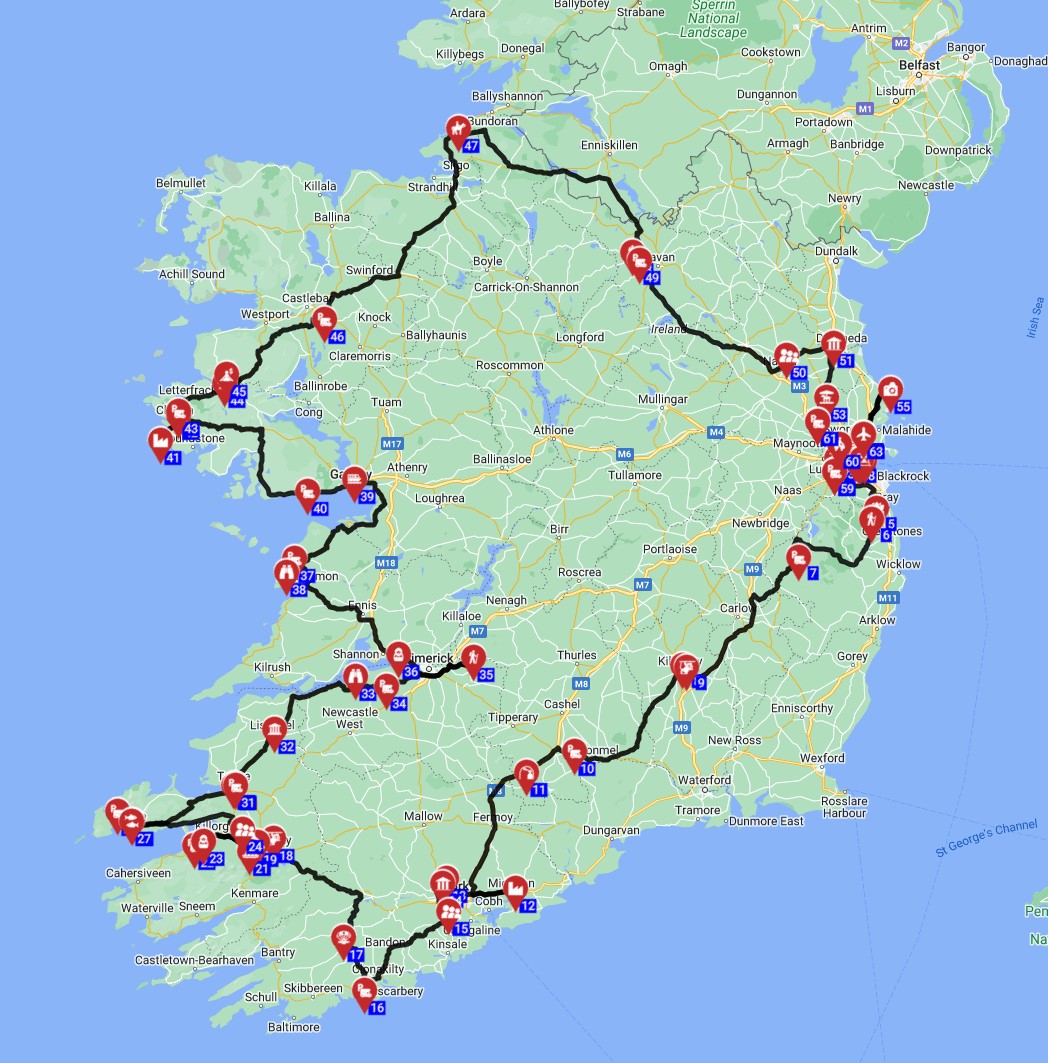
Tailoring your RV rental experience in Dublin to your specific traveler profile significantly enhances your trip, whether you're a family, a senior, a budget-conscious explorer, or someone seeking luxury. Considering your group's needs allows for a more personalized and enjoyable adventure.For Families: Families of 4-6 people will appreciate Class C motorhomes like the "Motorhome MC6 Gold" with multiple sleeping areas, such as a large double bed (160x209cm) over the cab and additional sleeping for up to 4 in the living area. Consider planning stops at kid-friendly attractions just outside Dublin, such as Tayto Park or Dublin Zoo, which often have better RV parking options than the city center. Our Rent&Plan service offers family-focused route plans, like the "
For Seniors: Senior travelers often prioritize comfort and ease of driving. Opt for a campervan or smaller Class C motorhome equipped with an automatic transmission for simpler navigation on Ireland's left-hand roads. Vehicles like the "Combi Van" offer automatic transmission and a compact size (5m length), ideal for couples. Plan a relaxed itinerary with fewer daily moves, averaging 100-150 km per day, allowing for longer stays at each location. Research attractions for accessibility features and look for campsites with easy access to facilities.
For Budget Travelers: To minimize costs, utilize your RV's kitchen to prepare most meals. This can be a significant saving compared to dining out, as even basic meals can be made with fresh local produce. Seek out off-peak travel times (e.g., "Cheap RV Rental in Dublin - Budget Guide 2026") and explore options for low-cost overnight parking, always confirming legality and safety with local establishments. Comparing prices across Bandana's 50+ suppliers ensures you find the most affordable options, with full transparency on all costs.
For Luxury Seekers: For a premium experience, consider high-end motorhomes with enhanced amenities. Models such as the "Active First" motorhome offer luxurious living spaces, private showers and toilets, and entertainment systems. You can also opt for add-ons like premium bedding packages or outdoor furniture. Our Rent&Plan service can also help craft bespoke itineraries that include gourmet dining experiences and luxury campsites across Ireland. Remember, you can upgrade to a top-level deductible for extra peace of mind, allowing you to travel without worry.
Common Mistakes to Avoid in Dublin
To ensure a smooth and enjoyable RV trip from Dublin, proactive planning to avoid common pitfalls like underestimating road conditions, neglecting timely waste disposal, and overlooking suitable parking options is essential. Anticipating these challenges will prevent disruptions and lead to a more relaxed journey.1. Underestimating Irish Road Conditions: Instead of assuming all roads are wide and easy, expect narrow, winding country lanes, especially off major routes, which can be challenging for larger RVs. Practice driving on the left in a less busy area initially and always take your time, especially when encountering oncoming traffic or large vehicles. Drive slowly and carefully, and you can drive almost anywhere without issues. No need to stress - just use common sense and pay attention.
2. Not Planning RV Parking in Dublin: Instead of attempting to park your large motorhome or campervan directly in Dublin's city center, which is often difficult or prohibited, plan to use park-and-ride facilities on the outskirts. Locations like the Red Cow Luas car park or Tallaght Square offer good public transport links into the city. You can then comfortably reach attractions like the Guinness Storehouse without parking hassles.
3. Neglecting Waste Disposal: Instead of waiting until your tanks are full, regularly check your grey and black water levels and plan stops at campsites with dump stations. Proper waste management is crucial for hygiene and to avoid environmental issues, especially since dedicated public dump stations (aires) are scarce in Ireland. Our RV PLANET routes often highlight available service points.
4. Failing to Book Campsites in Advance: Instead of arriving at popular campsites hoping for a spot, especially during summer (June-August) or bank holidays, book your pitches well in advance. Many Irish campsites, particularly along popular routes like the Wild Atlantic Way, fill up quickly, often 2-3 months prior. Remember that 25-30% of spots are usually first-come, first-serve, but pre-booking guarantees your place.
5. Ignoring Seasonal Weather: Instead of packing for only one type of weather, prepare for all conditions regardless of the season. Ireland's weather can change rapidly, so bring layers, waterproofs, and be prepared for potential strong winds or rain, particularly impacting driving an RV on exposed coastal roads. For insights into seasonal travel, consult "Weekly RV Rental in Dublin - Pricing 2026".
6. Not Budgeting for Ancillary Costs: Instead of focusing solely on the rental rate, account for all potential expenses like M50 toll charges (which can lead to fines if not paid promptly), higher fuel prices (averaging €1.70 per liter for diesel), camping fees, and any optional extras from the rental company. Bandana is committed to full transparency, showing you the final price upfront, but budgeting for these additional costs is crucial for a stress-free trip.
What is the best app for campervan in Ireland?
The best app for campervan travel in Ireland often depends on specific needs, but popular choices include Park4Night for finding overnight spots, Google Maps for navigation, and resources from Camping Ireland for official sites, providing essential tools for an RV journey. Combining these tools enhances planning and convenience on the road.1. Park4Night: This highly recommended crowdsourced app is invaluable for finding suitable overnight parking spots across Ireland, including official campsites, designated wild camping locations (where permitted), service areas for water/waste, and even pub car parks that welcome overnight stays. Users contribute reviews, photos, and tips, giving you real-time information.
2. Google Maps / Apple Maps / Waze: For general navigation, these apps are indispensable, offering real-time traffic updates and helping you locate routes, fuel stations, and amenities. However, remember they are not specifically designed for RVs, so they might suggest routes unsuitable for larger vehicles, such as very narrow roads or low bridges. Always cross-reference routes, especially on minor roads.
3. Camping Ireland: While not a single app, the official website and associated mobile-friendly resources from Camping Ireland provide comprehensive lists and details of registered campsites throughout the country. This resource is excellent for planning official campsite stays, which are crucial given Ireland's strict wild camping regulations, especially near popular tourist areas and Dublin.
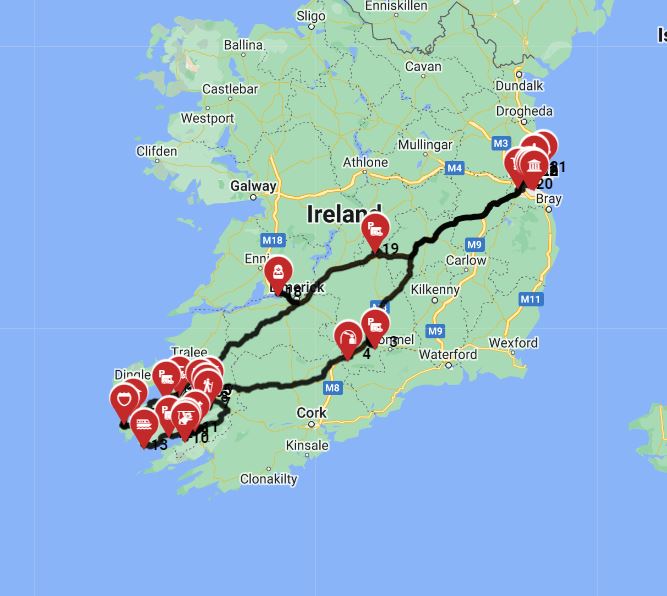
4. PetrolPrices Ireland: Given that fuel costs in Ireland are generally higher than in North America (diesel around €1.70/liter), an app that helps you find the cheapest petrol or diesel can lead to significant savings over your week-long trip. This is particularly useful when planning longer routes like the "
5. AllTrails / Komoot: If your RV trip involves hiking or cycling, these apps provide detailed maps and information for trails across Ireland, helping you explore the natural beauty beyond your campervan. For comprehensive route planning that incorporates these apps, consider a pre-planned route from RV PLANET.
Should Americans rent a car in Ireland?
Americans can certainly rent a car or an RV in Ireland, but they must be prepared for driving on the left-hand side of the road, often narrower routes, and the prevalence of manual transmissions, which are key considerations when deciding between a car and a larger RV. The choice depends on your comfort with these adjustments and your preferred travel style.Driving on the Left: This is the primary adjustment for visitors from countries that drive on the right. The driver's seat is on the right side of the vehicle, and you drive on the left side of the road. While this takes some getting used to, particularly at roundabouts and when turning, it's a manageable change with practice. Drive slowly and carefully, and you can drive almost anywhere without issues. No need to stress - just use common sense and pay attention.
Vehicle Size: Renting a smaller car allows for easier navigation on Ireland's often narrow country roads and through tight village streets. Parking is also generally simpler. However, renting a motorhome (Class A, B, or C) or campervan offers the freedom of mobile accommodation and a self-sufficient travel experience. While larger RVs, such as a "cruise america rv rental example Explorer" (7.1m length), require more cautious driving, they are perfectly viable on Irish roads. The minimum driver age for any RV rental in Dublin is 21 years old, and there are no young driver surcharges or vehicle class restrictions based on age.
Transmission Type: Manual transmission (stick shift) vehicles are more common in Ireland. If you prefer or require an automatic transmission, ensure you specify this when booking your rental car or RV, as they are less prevalent and may command a higher rental price. Bandana offers options for both, making it easy to filter for your preference.
Rental Age and Licensing: Most rental companies in Ireland require drivers to be at least 21 years old, and a full, valid US driver's license is typically sufficient for short-term tourist rentals. While not always legally mandatory for US citizens, an International Driving Permit (IDP) is recommended by some for visitors from non-English-speaking countries as a supplementary translation document.
Insurance: Always ensure you have adequate insurance coverage for your rental. Check if your personal car insurance or credit card offers international rental coverage, but often specific rental insurance in Ireland, including an optional top-level deductible reimbursement, is advisable, especially for RVs. Ultimately, both cars and RVs offer excellent ways to explore Ireland, with the RV providing unmatched flexibility to explore at your own pace, typically averaging 100-150 km per day for slow travel.
What You Shouldn't Miss
When you set out from Dublin in your rented RV, a world of incredible experiences awaits, from historic sites to breathtaking natural beauty. Planning a route that balances iconic landmarks with serene stops will make your Irish road trip truly special.- Explore the Dublin City Centre: Dedicate a day or two to explore Dublin's rich history and culture. Park your RV at a peripheral campsite like Camac Valley Caravan & Camping Park (about 12 km southwest of Dublin city center, offering 300 pitches) and take public transport to visit Trinity College, the historic Dublin Castle, and the vibrant Temple Bar district.
- Drive the Scenic Coastal Routes: Discover the beauty of the Dublin Bay Biosphere. Take your campervan on picturesque drives around Howth Head to enjoy stunning sea views and fresh seafood, or head south to Killiney Bay for its charming beaches and cliff walks. These areas often provide easier parking than central Dublin.
- Uncover Ancient History at Newgrange: Just an hour north of Dublin, Newgrange is a 5,200-year-old passage tomb, older than the pyramids of Egypt. Its mystical winter solstice alignment makes it a must-see. The Brú na Bóinne Visitor Centre offers RV parking and shuttle services.
- Journey through the Wicklow Mountains National Park: Known as the "Garden of Ireland," the Wicklow Mountains are a stunning natural escape less than an hour south of Dublin. Drive the scenic routes, stopping at Glendalough, an ancient monastic settlement with two picturesque lakes and 4 hiking areas. There are several RV-friendly campsites, like Roundwood Caravan & Camping Park, nearby.
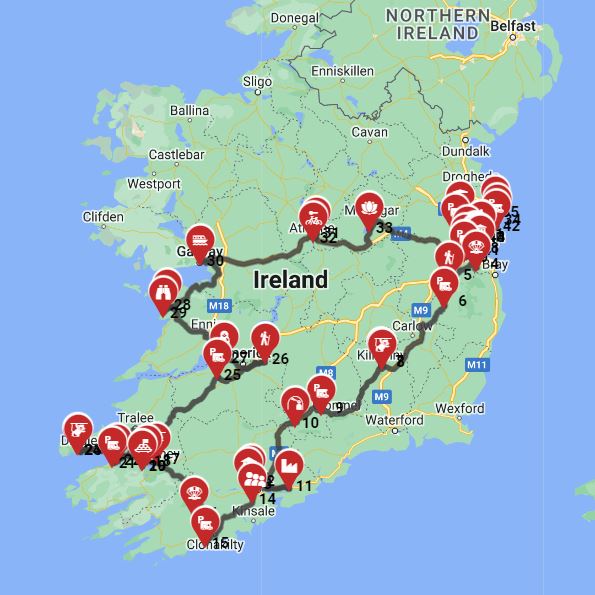
- Experience the "Dublin Roundtrip - Ring of Kerry" Route: This 8-day, 986 km journey from Dublin takes you through some of Ireland's most iconic landscapes, featuring 2 animal shows, 1 bike rental opportunity, 1 canoe/kayak/rafting spot, a visit to a cave, and 1 historic site. It's a fantastic way to immerse yourself in Irish culture and scenery.
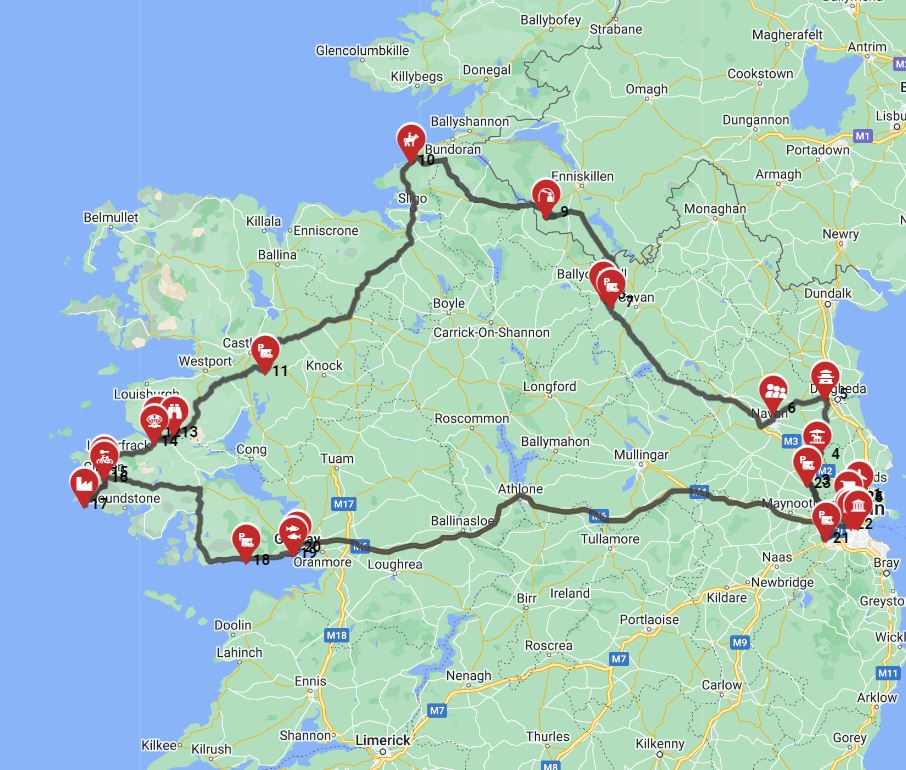
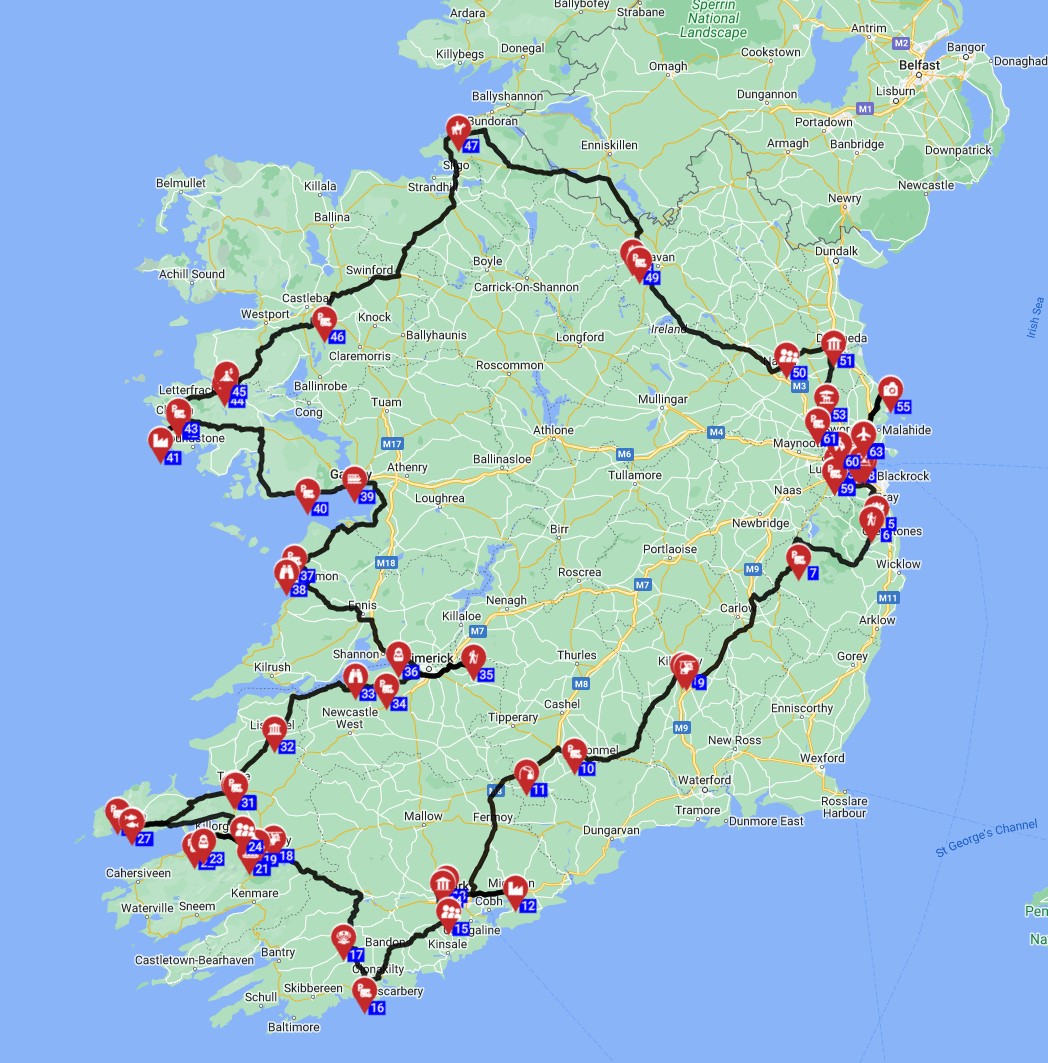
- Embark on the "Dublin Roundtrip - Wild Atlantic Way" Adventure: For a longer, more extensive journey, this 22-day, 1866.9 km route covers the famous Wild Atlantic Way. It includes 2 amusement parks, 3 wildlife watch opportunities, an aquarium, 1 botanical garden, 1 cave, 2 extreme activities, 3 family activities, 4 hiking areas, 2 historical sites, and many more points of interest. It's the ultimate RV exploration of Ireland's western coastline.
Looking for expert insights from Avi Bandana? Top 5 Adventures - recommendations from Avi Bandana.