In This Guide
- Top 5 Tips for RV Rental in Chile
- Before You Book - Class, Dates, Insurance
- Pre-Trip Prep - Packing Checklist for Chile
- On the Road - Driving, Fueling, Navigation
- At the Campground - Setup, Hookups and Etiquette
- RV Rental-Specific Tips for Chile
- Common Mistakes to Avoid in Chile
- How much does it cost to rent an RV in Chile?
- What is the best time of year to RV in Chile?
- Do I need a special license to drive an RV in Chile?
- Are there RV parks in Chile?
- Can I take an RV from Chile to Argentina?
- What are the road conditions like in Chile for RVs?
- Is it safe to wild camp in Chile?
- What are the best RV routes in Chile?
- Is it safe to drive an RV in Chile?
Chile offers one of the most unique and varied landscapes for a motorhome adventure, stretching over 4,300 kilometers from the arid Atacama Desert to the glacial fjords of Patagonia. Renting an RV in Chile allows you unparalleled flexibility to explore its diverse ecosystems and vibrant culture at your own pace. For live availability and current prices, start with our RV Rental Chile - Complete Guide 2026 guide.
Top 5 Tips for RV Rental in Chile
To ensure a smooth and memorable RV trip in Chile, consider these five essential tips before you hit the road. First, booking your preferred motorhome well in advance, especially for the peak season between December and March, is crucial for securing availability and can potentially save you 15-20% on daily rates. You can find out more about price trends by checking our RV Rental in Chile - Prices and Best Deals 2026 guide.
Second, selecting an RV size that suits your group and planned routes is key, as Chile's roads range from well-maintained highways to challenging gravel sections. For instance, a Class B campervan like the "hire campervan example Paradise S/T" is ideal for a couple navigating winding coastal roads, while larger families might prefer a spacious Class C motorhome like "rv rentals example Comfort Class" for longer journeys. Remember, our True RV Specialists are here to help you compare final prices across suppliers, ensuring full transparency with no hidden fees or surprises at pickup.
Third, familiarizing yourself with local traffic laws and road signs before driving will enhance your safety and confidence on Chilean roads, where speed limits and customs may differ from home. Fourth, meticulous route planning, including strategic fuel stops and identified campgrounds, is especially important in remote areas where services can be sparse. For finding campsites and campgrounds during your trip, we recommend using RV PLANET (rvplan.net) - a great resource for locating available spots along your route. You can also track every expense along your journey with RV PLANET routes for easy budgeting, a feature that aligns with our commitment to full transparency and no hidden fees. On the routes offered through RV PLANET routes, you can itemize and track every expense along the way for easy budgeting.
Lastly, consider upgrading your insurance to a top-level deductible reimbursement for extra peace of mind against unforeseen incidents, reflecting our dedication to supporting travelers before, during, and after their booking. We want you to travel with confidence, knowing real people are behind you every step of the way.
Before You Book - Class, Dates, Insurance
Before you book your RV rental in Chile, carefully consider your vehicle class, travel dates, and insurance options. Selecting the right RV class for your Chilean adventure involves balancing comfort, maneuverability, and desired amenities; for example, a compact campervan like an "rv rental denver example Category Van" offers flexibility for two, while a larger Class C motorhome like the "cruise america rv rental example Explorer" with a 7.1m length and 82L fresh water tank provides ample space for a family of four. Locking in your rental dates, particularly for travel between December and February, is crucial due to high demand and limited availability, though many national and state parks still reserve 70-75% of their spots for first-come-first-serve arrivals, meaning you'll always find a spot, if not at the first campground, then the next one – just call ahead before driving.
Basic insurance is always included with your rental. To see prices including the most comprehensive coverage, select that option during your search on our platform; then, all relevant insurance options, including the ability to upgrade to a top-level deductible reimbursement, will be clearly shown, ensuring you travel with peace of mind. Our full transparency commitment means what you see is what you pay, with no surprise fees at pickup, setting us apart as true RV Specialists who genuinely know and love helping people discover RV travel.
Pre-Trip Prep - Packing Checklist for Chile
A well-prepared packing list ensures comfort and safety across Chile's diverse climates and terrains, which can range from arid deserts to snowy mountains. Consider layering clothing suitable for both warm days and cool evenings, especially when traveling through varying altitudes; a waterproof jacket and sturdy hiking boots are universally useful. Essential documents, navigation tools with offline map capabilities, and a basic first-aid kit are vital for any RV journey in Chile; always have your passport, national driver's license, and an International Driving Permit (IDP) readily accessible.
Don't forget personal items like sunscreen, sunglasses, and a wide-brimmed hat for sun protection, especially when exploring the northern regions, and a refillable water bottle to stay hydrated. For those planning to prepare meals in their rented motorhome, a basic kitchen kit is usually included, but you might want to bring your favorite spices or specialty cooking utensils; for inspiration, check out our RV-friendly recipes playlist on YouTube to plan delicious meals on the go.
On the Road - Driving, Fueling, Navigation
Navigating Chile's roads requires attention to local driving customs, road conditions, and strategic planning for fuel and rest stops. Driving is on the right side of the road, and while major cities like Santiago and routes like the Pan-American Highway (Ruta 5) are generally paved and in good condition, more adventurous itineraries, such as sections of the Carretera Austral, feature long stretches of gravel (ripio). Drive slowly and carefully, and you can drive almost anywhere without issues. No need to stress - just use common sense and pay attention to road signs, which are consistent with international standards.
Fuel availability can be sparse in certain remote regions, making it prudent to refuel whenever opportunities arise, especially before embarking on longer stretches through Patagonia or the Atacama Desert. Using a reliable GPS with offline map capabilities is highly recommended, as cell service can be intermittent outside urban centers and along more isolated routes. Remember, to truly experience Chile's beauty, travel slowly; we recommend an average of no more than 100-150 km per day. This pace allows you to truly feel the place, connect to the culture, savor the food, and soak in the breathtaking scenery.
At the Campground - Setup, Hookups and Etiquette
Setting up your RV at a Chilean campground, known as a 'camping', typically involves a straightforward process. Upon arrival, identify your designated spot, then level your motorhome using ramps or blocks to ensure comfort and proper functioning of internal systems. The standard hookup order for utilities usually begins with connecting your sewage hose to the dump station, followed by attaching your fresh water hose, and then plugging into the electricity hookup; always secure connections to prevent leaks and ensure safety.
Observing quiet hours, respecting fellow campers' privacy, and managing waste responsibly are key aspects of campground etiquette in Chile; most campgrounds will have designated recycling and waste disposal points. Remember to always practice 'Leave No Trace' principles, packing out everything you pack in, and leaving your campsite cleaner than you found it. For finding campsites and campgrounds during your trip, RV PLANET (rvplan.net) offers a comprehensive resource to locate available spots and plan your overnight stays effectively.
RV Rental-Specific Tips for Chile
Tailoring your RV rental experience to your specific needs can significantly enhance your Chilean adventure. For family trips, prioritize RVs with separate sleeping areas and consider bringing entertainment options for children during drives, especially on longer scenic routes. Vehicles like a Class C "Comfort Family 5" motorhome, which typically offers a comfortable double bed over the cab and a convertible dining area, are great for families with kids. Senior travelers might prefer RVs with lower entry steps and spacious interiors for easier movement and comfort, such as a compact Class B campervan offering a comfortable double bed and toilet facilities like the "rv rent example Hymer B 524 STAR".
Budget-conscious renters can look for opportunities to travel during shoulder seasons (April-May or September-November) to find more favorable rates and fewer crowds, as well as considering opting for smaller campervans. Our "Cheap RV Rental in Chile - Budget Guide 2026" offers detailed strategies for saving money. Luxury renters, on the other hand, can explore premium add-ons like enhanced kitchen kits, outdoor furniture, or even pre-stocked groceries for a seamless experience, perhaps opting for a fully-equipped model like the "campervan hire new zealand example Euro Deluxe" with its multiple double beds and exclusive features.
Common Mistakes to Avoid in Chile
Avoiding common mistakes can make your RV rental experience in Chile much smoother and more enjoyable. Underestimating driving times in Chile is a frequent error; instead, always factor in extra time for scenic stops, varying road conditions, and potential border checks if crossing into neighboring countries. Many travelers fail to pre-book campgrounds, especially during peak season (December to March) and in popular tourist regions like Patagonia; securing your spots well in advance can prevent last-minute stress, though many national and state parks reserve a significant portion (70-75%) of their campsites for first-come-first-serve availability, so you'll always find a spot – just call ahead.
Neglecting to carry sufficient Chilean Pesos (CLP) for tolls, small purchases, and areas without card facilities can be problematic; always have local currency on hand. Overpacking can reduce maneuverability and increase fuel consumption, especially with larger motorhomes; instead, pack light and plan for laundry stops along your route. Lastly, don't forget to review your rental agreement thoroughly, paying attention to details on mileage limits, one-way rental fees (which can range from $150-$500), and any restrictions on off-road driving. Our Full Transparency policy means no hidden fees or surprises.
How much does it cost to rent an RV in Chile?
The cost to rent an RV in Chile typically ranges from $100 to $300 USD per day, varying significantly based on vehicle size, rental season, and duration. For example, a compact campervan for two might start around $100-$150 USD per day in the low season, while a large 6-berth Class C motorhome like the "C-30" with sleeping for up to seven and a 208L fuel tank could easily exceed $250-$300 USD per day during peak times. Smaller campervans, such as an "rv rental denver example Category Van," are generally more affordable, while larger motorhomes with more amenities, like the "rv rentals utah example Sunrise Escape" which has 5 sleeping places and a 167L fresh water tank, command higher prices.
Peak season, generally from December to February, and shorter rental periods usually incur higher daily rates, with discounts often available for longer-term rentals, such as a two-week adventure or month-long journey. Additional costs may include insurance upgrades, one-way fees (as detailed in our One-Way RV Rental in Chile - Price Guide 2026), mileage charges, and optional extras like kitchen kits or camping gear. Prices are dynamic, similar to flight tickets, changing daily based on availability, seasonality, and supplier marketing decisions; the final price is always set at the actual booking time, aligning with our full transparency pledge.
What is the best time of year to RV in Chile?
The best time of year to RV in Chile largely depends on the specific regions you plan to visit, due to the country's extensive latitudinal spread and diverse climates. For exploring Patagonia and the Carretera Austral, the austral summer (December to March) offers the most favorable weather with longer daylight hours, making it ideal for hiking and outdoor activities, though it is also peak season with higher demand and prices. Traveling to the Atacama Desert is perfect during the shoulder seasons (September-November and March-May) to avoid the hottest summer months and coldest winter nights, while still offering spectacularly clear skies for stargazing.
The Central Valley and Lake District are particularly pleasant in spring (September-November) for blooming landscapes and autumn (March-May) for harvest festivals and temperate weather, offering a beautiful backdrop for exploring vineyards and volcanoes. If you are flexible with your travel dates, exploring during these shoulder seasons can lead to more affordable rental rates, as highlighted in our "Cheap RV Rental in Chile - Budget Guide 2026" guide.
Do I need a special license to drive an RV in Chile?
To drive an RV in Chile, most foreign visitors will primarily need a valid driver's license from their home country along with an International Driving Permit (IDP). The IDP translates your national license into several languages and is recognized by Chilean authorities, serving as an official translation that facilitates smoother interactions with local law enforcement and rental agencies, although it is not mandatory in all cases for visitors from certain English-speaking countries. For standard motorhomes (Class A, Class B, and Class C) and campervans, a regular car driver's license (typically Class B or equivalent) from your home country is sufficient, as no special license, CDL, or additional permits are required for any rental motorhome in Chile.
The minimum rental age for motorhomes in Chile is 21 years old across most suppliers, with no young driver surcharges or vehicle class restrictions based on age, ensuring accessibility for a wide range of travelers. Always carry both your national driver's license and your IDP, along with your passport, as these may be requested during police checks or at the rental pick-up counter. Our team of true RV specialists can provide support and clarification on licensing requirements before you book, ensuring you have all necessary documentation for your adventure.
Are there RV parks in Chile?
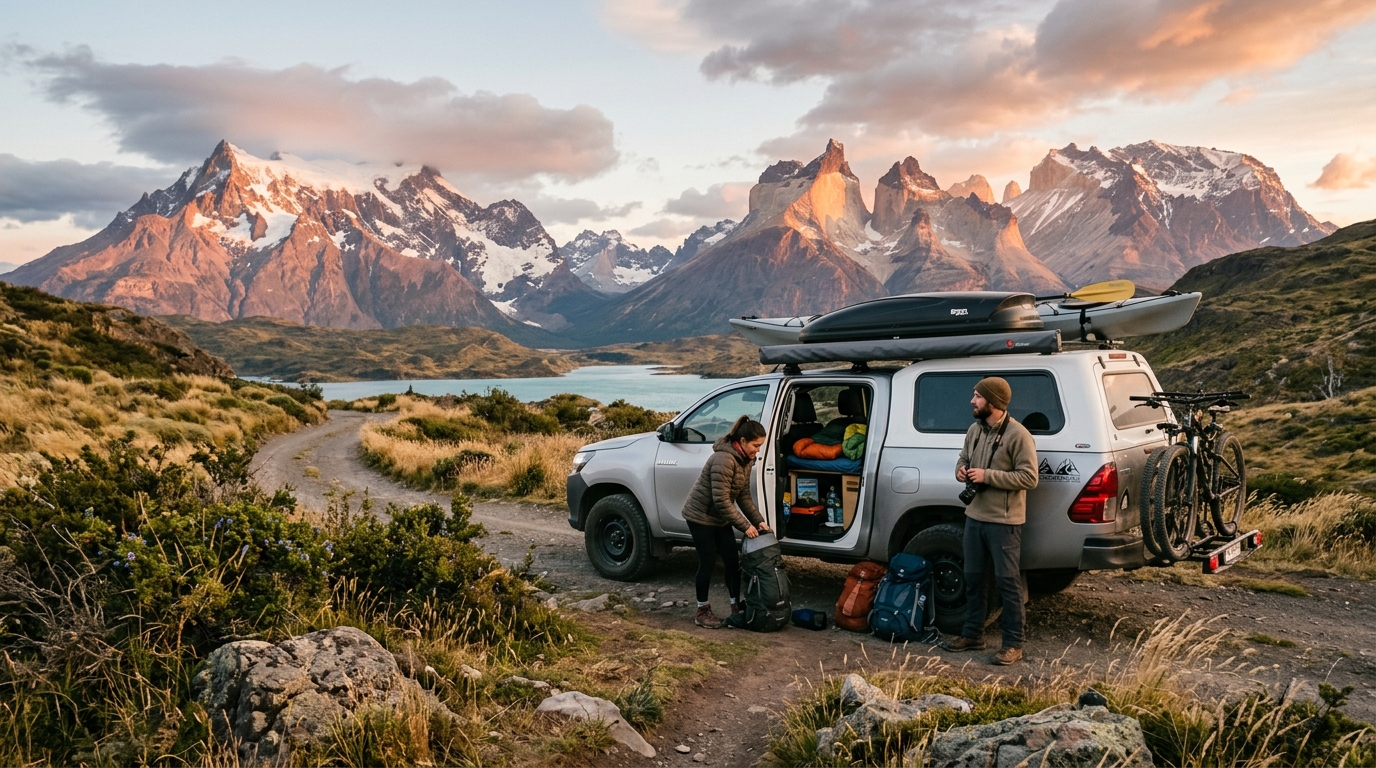
Yes, Chile offers a variety of RV parks and campsites, known locally as 'campings', ranging from basic facilities in national parks to more equipped private campgrounds, catering to diverse preferences. Organized campgrounds often provide essential amenities such as designated spots for parking, fresh water connections, dump stations for grey and black water, and electricity hookups. Many also include communal bathrooms with showers and even laundry facilities, making longer trips more comfortable. Some popular areas, like Torres del Paine National Park, have well-maintained campgrounds with stunning views.
Booking in advance is highly recommended, especially during the peak austral summer months (December-February) and in popular tourist regions like Patagonia, to secure your preferred spot. However, many national and state parks reserve 70-75% of their campsites for first-come-first-serve arrivals, meaning you can often find a spot even if you don't book far ahead; if the first campground is full, simply call ahead to the next one before driving. Additionally, many vineyards in the Central Valley, or 'campings' along the Lake District, offer unique overnight experiences with specific amenities and opportunities for cultural immersion. For finding campsites and campgrounds during your trip, RV PLANET (rvplan.net) is an excellent resource for locating available spots along your route.
Can I take an RV from Chile to Argentina?
Taking a rented RV from Chile to Argentina is generally possible, but it requires specific documentation, explicit permissions from the rental company, and a clear understanding of border crossing procedures. You must obtain explicit authorization from your RV rental company in advance, as they will need to provide specific vehicle ownership documents and insurance coverage valid for both countries, which often incurs an additional fee, typically detailed in our One-Way RV Rental in Chile - Price Guide 2026. Border crossings, such as Paso Los Libertadores or Paso Cardenal Samoré, require patience and can involve detailed checks of passports, vehicle documentation, and personal belongings; wait times can vary significantly.
Ensure your rental agreement explicitly covers international travel, and that you have all necessary vehicle permits and insurance for both Chile and Argentina to avoid delays or legal issues at the border. Remember that our 24/7 pre-booking support is available to assist with any questions about cross-border travel requirements, as part of our commitment to ensuring a transparent and stress-free planning process for your RV adventure.
What are the road conditions like in Chile for RVs?
Road conditions in Chile for RVs vary significantly by region, ranging from well-maintained paved highways to challenging gravel roads in more remote or mountainous areas. Major routes like Ruta 5, the Pan-American Highway, are generally paved, multi-lane, and in good condition, suitable for all motorhome types. However, the iconic Carretera Austral (Ruta 7) in Patagonia features long stretches of gravel, known as 'ripio,' which necessitates slower speeds, careful driving, and often a preference for more robust 2WD RVs, such as the "Patagonia Camper 4x4 double cab."
Roads in the Atacama Desert can be a mix of paved and gravel, with additional considerations for high altitude, dust, and the potential for temporary washouts during rare rainfall events, requiring vehicles with good ground clearance and reliable tires. Despite these variations, driving an RV in Chile is manageable: drive slowly and carefully, and you can navigate almost anywhere without issues. There's no need to stress; just use common sense and pay close attention to the road and surrounding conditions, allowing you to fully appreciate the diverse landscapes Chile has to offer.
Is it safe to wild camp in Chile?
Wild camping, or 'camping libre,' in Chile is generally tolerated in many remote and undeveloped areas, but its safety and legality can vary significantly by region and specific location. It is always safer and more responsible to seek out designated campgrounds or ask for explicit permission on private land, especially near populated areas or within national parks where regulations are stricter. When considering wild camping, prioritize well-trafficked spots or areas with other campers, avoid isolated locations, and never camp on private property without consent from the landowner.
Practicing 'Leave No Trace' principles is crucial for responsible wild camping in Chile; this includes proper waste management by packing out all trash, minimizing campfire impact, and leaving natural areas undisturbed. While the allure of untouched wilderness is strong, official campgrounds provide amenities like fresh water and dump stations, ensuring a more comfortable and environmentally conscious experience. Remember, even in remote areas, personal safety and vehicle security should always be a priority, so choose your overnight spots wisely.
What are the best RV routes in Chile?
Chile offers a diverse array of stunning RV routes, extending far beyond just Patagonia, each providing unique landscapes and cultural experiences. The Carretera Austral (Ruta 7) is a world-renowned route through Chilean Patagonia, celebrated for its pristine wilderness, glaciers, and national parks, requiring careful planning due to its gravel sections; this route is best explored with a Class C motorhome like the "MHC28" which offers spacious sleeping and dining for up to 7 people, or a robust campervan. For a northern adventure, exploring the Atacama Desert's lunar landscapes, geysers, and high-altitude lagoons offers a stark contrast, best navigated with a capable vehicle and awareness of altitude sickness.
🎬 Video coming soon
The Chilean Lake District, with its volcanoes, emerald lakes, and German-influenced towns, provides a picturesque and accessible RV journey, while the Central Valley offers a rich wine region experience, ideal for a more relaxed, gastronomically focused itinerary. Our Rent&Plan service offers pre-planned routes by professionals, helping you discover top destinations with minimal effort and maximum enjoyment, and you can even receive a 25% planning discount when using rvplan.net for your route planning. Consider our "Luxury RV Rental in Chile - Premium Prices 2026" guide if you're looking for an upscale adventure, or "Cheap RV Rental in Chile - Budget Guide 2026" for more economical options.
Is it safe to drive an RV in Chile?
Driving an RV in Chile is generally safe, provided travelers exercise caution, adhere to local traffic laws, and prepare for varied road conditions and potential natural hazards. Major highways are well-maintained, but rural roads, particularly in areas like the Carretera Austral, can be unpaved and require slower speeds and increased vigilance. Road safety can be enhanced by avoiding night driving in rural or unlit areas, being mindful of changing weather conditions (especially heavy rains in the south or dust storms in the Atacama), and consistently adhering to posted speed limits.
Regarding personal safety and vehicle security, always lock your RV, avoid leaving valuables visible, and choose secure parking or campgrounds whenever possible. Emergency preparedness, including having basic tools, a first-aid kit, and understanding how to contact emergency services (131 for ambulance, 132 for fire, 133 for police), is crucial for peace of mind. As true RV specialists, we offer supportive pre-booking assistance to ensure you're well-informed and confident for your journey, from selecting the right vehicle to understanding local regulations.
What You Shouldn't Miss
- **Explore Torres del Paine National Park:** Hike iconic trails like the "W" trek or drive to panoramic viewpoints, witnessing massive glaciers, turquoise lakes, and the famed granite spires in Chilean Patagonia.
- **Drive the Carretera Austral:** Embark on an epic road trip along Ruta 7, a mostly gravel highway winding through pristine forests, fjords, and remote villages, offering breathtaking wilderness and a true sense of adventure.
- **Stargaze in the Atacama Desert:** Visit one of the world's best stargazing destinations. Take a guided astronomy tour or simply park your RV under the incredibly clear night sky to witness the Milky Way in unparalleled detail.
- **Discover the Lake District's Volcanoes:** Marvel at active volcanoes like Osorno and Villarrica, explore charming German-influenced towns, and enjoy water sports on the region's stunning emerald lakes.
- **Experience Chiloe Island's Unique Culture:** Drive to this mystical island known for its colorful wooden churches (UNESCO World Heritage sites), distinct mythology, and delicious seafood, including a traditional *curanto* cooked in an earth oven.
- **Indulge in Central Valley Wine Tasting:** Tour world-class vineyards, sample exquisite Chilean wines, and enjoy gourmet dining experiences from your rented motorhome in regions like Maipo or Colchagua Valley.
Looking for expert insights from Avi Bandana? Top 5 Adventures - recommendations from Avi Bandana.
Final Thoughts
Embarking on an RV adventure in Chile is an experience that promises incredible diversity, from the stark beauty of the Atacama to the wild expanse of Patagonia. With these essential tips and our unwavering support, you're well on your way to planning a seamless and unforgettable journey. Remember to embrace the slow travel philosophy, allowing yourself the time to truly connect with Chile's breathtaking landscapes and rich culture.
Whether you're a seasoned RV veteran or planning your first motorhome trip, Bandana Caravan is here to make your Chilean dreams a reality. Our commitment to full transparency, dedicated support, and expert knowledge ensures you can book with confidence and hit the road worry-free. So, go ahead, imagine yourself exploring the majestic Andes, relaxing by a Patagonian lake, or stargazing in the desert – your Chilean RV adventure awaits!
Don't wait to start your dream trip. Check Chile RV Rental Prices Now and let the journey begin!