In This Guide
- Top 5 Tips for RV Rental in Center Europe
- Before You Book - Class, Dates, Insurance
- Pre-Trip Prep - Packing Checklist for Center Europe
- On the Road - Driving, Fueling, Navigation
- At the Campground - Setup, Hookups and Etiquette
- RV Rental-Specific Tips for Center Europe
- Common Mistakes to Avoid in Center Europe
- What is the 3-3-3 rule for RV travel?
- What is the 4-4-4 rule for RV travel?
- How much does it cost to rent an RV in Europe?
- Is it cheaper to rent an RV or stay in hotels?
- Is $100 a day enough in Europe?
- How easy is it to travel around Europe in a motorhome?
- Is Europe RV friendly?
- What are the drawbacks of renting an RV?
- Top Cities for RV Rental in Center Europe
- What You Shouldn't Miss
- Why Book with Bandana Caravan
- Final Thoughts
- Frequently Asked Questions
Exploring Center Europe with a rented motorhome or campervan offers an unparalleled sense of freedom, allowing you to immerse yourself in diverse cultures, breathtaking landscapes, and historic cities at your own pace. Imagine waking up to alpine vistas in Switzerland, enjoying breakfast by a tranquil lake in Austria, or exploring the medieval charm of the Czech Republic, all from the comfort of your mobile home. This comprehensive guide will equip you with essential tips and insights to make your Center Europe RV adventure seamless and memorable. For live availability and current prices, start with our RV Rental Center Europe - Complete Guide 2026 guide.
Top 5 Tips for RV Rental in Center Europe
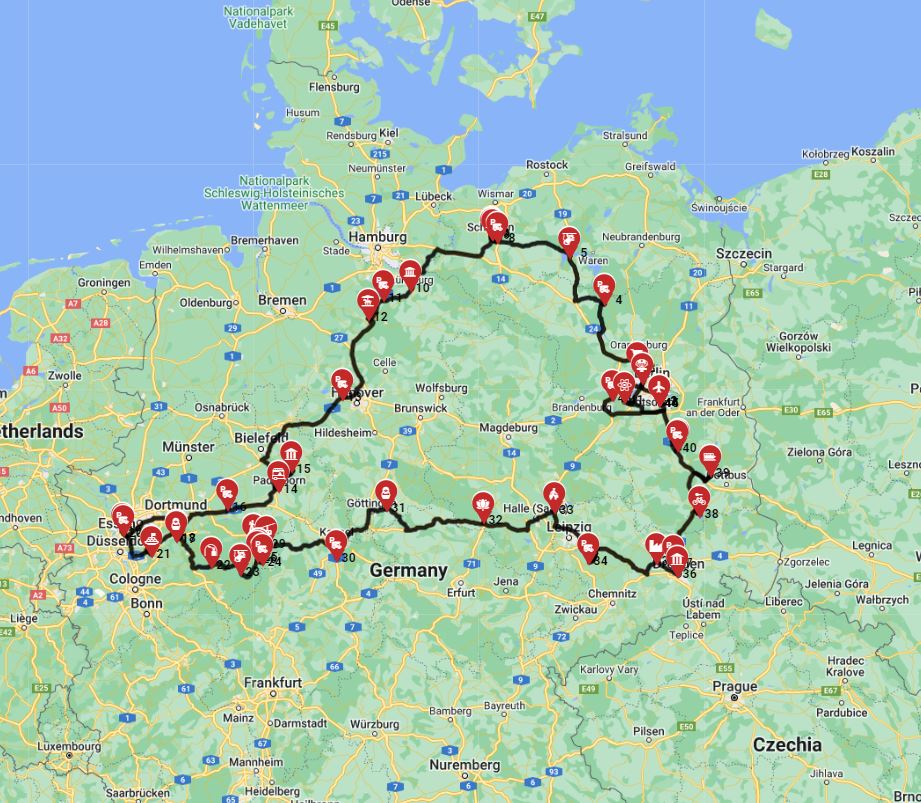
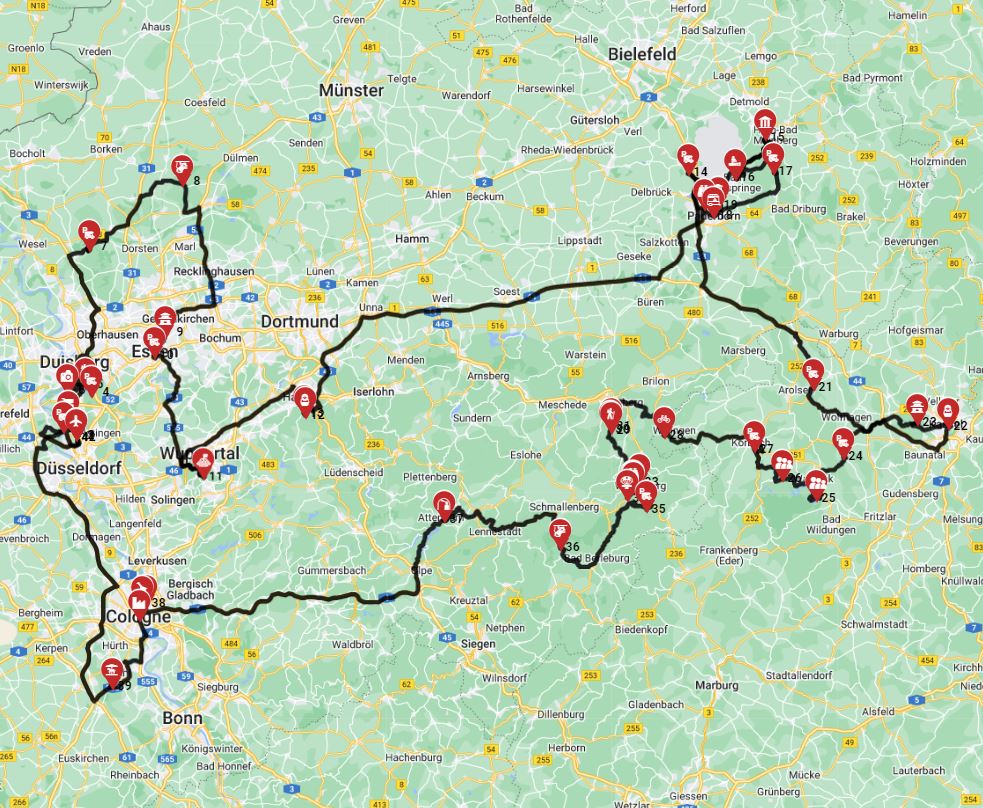
Securing your ideal RV for a Center Europe road trip requires careful planning, especially regarding booking, documentation, and local regulations. Firstly, booking your chosen motorhome or campervan well in advance, particularly for summer months (June-August) or popular routes, is crucial to secure the best rates and desired model; many popular Class C or Class B campervans, like a compact "V3" with single beds or a "Combi Van" for families, can be reserved up to 6-12 months ahead for peak season. Secondly, obtaining an International Driving Permit (IDP) alongside your national driver's license is essential, as it's a legal requirement in many Central European countries, including Austria and Slovenia, for non-EU license holders. Thirdly, familiarizing yourself with local traffic laws, specific speed limits for RVs (often 100 km/h or 62 mph on highways in Germany, but lower on secondary roads), and mandatory equipment such as reflective vests and warning triangles for each country on your itinerary will ensure compliance and safety. Fourthly, utilizing an RV-specific GPS navigation system is highly recommended to avoid unsuitable roads, low bridges, or restricted urban zones that standard car GPS might not account for. Finally, budget meticulously for additional costs beyond the rental fee, including fluctuating fuel prices (diesel typically €1.50-€2.00 per liter), road tolls, vignettes (digital passes required in many countries), and campsite fees; a detailed budget can be created and tracked using RV PLANET routes to itemize every expense along the way. On the routes offered through RV PLANET routes, you can itemize and track every expense along the way for easy budgeting.
Before You Book - Class, Dates, Insurance
When preparing for your Center Europe RV adventure, thoughtfully considering your RV class, booking dates, and insurance options will set the stage for a smooth trip. Choosing the right RV class depends on your travel party size, desired comfort level, and driving experience; smaller Class B campervans, such as an "Urban Luxury" model with a double bed and 111-liter fresh water tank, or compact Class C motorhomes, like a "Group C" with a 125-liter fresh water tank and up to 4 sleeping places, are often more nimble and suitable for navigating Central Europe's narrower roads and charming historic town centers. Drive slowly and carefully, and you can drive almost anywhere without issues. No need to stress - just use common sense and pay attention. Larger Class A vehicles, while offering more space and amenities (like a "Class A - Thor ACE 30" with 6 sleeping places), can be more challenging in urban environments and on winding mountain roads. For securing your ideal dates, while popular suppliers like El Monte and Apollo offer dynamic pricing, availability is best for pre-planners who book 3-6 months in advance for shoulder seasons (April-May, September-October) or 6-12 months for peak summer (June-August) to find the best rates; spontaneous travelers can also find day-to-day availability, as many national and state parks reserve 25-30% of spots as first-come, first-serve – just call ahead before driving. Regarding insurance options, basic third-party liability is always included with your rental, and you can compare prices including comprehensive coverage directly on our platform; supplemental options, such as a top-level deductible reimbursement or personal effects coverage, can be purchased as an optional upgrade for added peace of mind, ensuring you travel with full transparency and no hidden fees.
Pre-Trip Prep - Packing Checklist for Center Europe
A well-prepared packing list is essential for a comfortable and enjoyable RV journey through Center Europe. Consider bringing layered clothing, including t-shirts, long-sleeved shirts, sweaters or fleeces, and a waterproof and windproof jacket to adapt to varying European weather conditions. Comfortable walking shoes or hiking boots are a must for exploring cities and natural trails, along with a swimsuit for the region's numerous lakes, spas, or campground pool facilities, and some comfortable pajamas or sleepwear for relaxed evenings. For your RV kitchen, reusable water bottles and coffee cups are practical, as are basic spices, cooking oil, and your preferred coffee/tea supplies to enjoy meals in your motorhome; a small cooler or insulated bag is handy for day trips, and reusable shopping bags are useful for visits to local markets. Check out our RV-friendly recipes playlist for meal ideas on the go! Safety and comfort items should include a comprehensive first-aid kit, European electrical adapter plugs (Type E/F) for campground hookups, portable fans for warmer months or a small heater for cooler ones, headlamps or flashlights, and insect repellent. Crucial documents for your trip include your passport and any required visas, your International Driving Permit (IDP) alongside your national driving license, your RV rental contract and insurance documentation, and digital plus physical copies of all important papers and travel insurance information; an RV-specific GPS or reliable navigation app will be invaluable for on-road guidance.
On the Road - Driving, Fueling, Navigation
Navigating Center Europe with a rented motorhome requires an awareness of local driving nuances, fuel availability, and strategic navigation. Driving in Central Europe demands preparedness for varying speed limits, which are often lower for RVs than for cars (e.g., 100 km/h on German autobahns for RVs over 3.5 tons), and adherence to specific road rules in each country, such as mandatory use of daytime running lights in some areas or specific lane discipline; many countries like Austria and the Czech Republic require a reflective vest and warning triangle to be carried in the vehicle, while winter tires are mandatory in winter conditions in countries like Germany and Austria. When fueling your RV, diesel (often labeled Gasóleo, Diesel, or Mazut) is the most common fuel type for motorhomes and campervans in Europe, so always double-check your rental RV's specific fuel requirement; fuel prices can fluctuate significantly between countries and even within a country, with highway service stations typically being more expensive than those in local towns. For effective navigation, utilize an RV-specific GPS system that allows you to input your vehicle's dimensions (height, length, weight) to avoid low bridges, narrow historical streets, and restricted areas; supplement this with real-time traffic apps like Google Maps or Waze, but prioritize RV-specific guidance for critical routing, especially in cities where parking can be challenging. Drive slowly and carefully, and you can drive almost anywhere without issues. No need to stress - just use common sense and pay attention. Furthermore, be aware of road tolls and vignettes: several Central European countries, including Austria, Switzerland, Slovenia, Czech Republic, and Slovakia, require the purchase of a 'vignette' (a time-based road tax sticker or digital pass) for highway use (e.g., a 10-day vignette in Austria costs approximately €9.90), while countries like Italy predominantly use distance-based tolls, and urban environmental zones may require special permits to enter certain city centers.
At the Campground - Setup, Hookups and Etiquette
Making the most of your RV stay in Center Europe involves understanding proper campground setup, hookup procedures, and local etiquette. Once you arrive at your designated pitch, park your rented RV carefully, using leveling blocks if necessary to ensure the vehicle is stable and comfortable, which is particularly crucial for optimal refrigerator function and restful sleeping; optimally position your motorhome to maximize shade in summer or sun in cooler seasons, based on your preference. The standard and safest procedure for hookups is to connect electricity first (after confirming correct voltage and polarity if applicable), then fresh water (a 100-liter fresh water tank is common in Class C models), and finally, gray and black water hoses to the designated disposal points; always reverse this order when disconnecting: first detach waste hoses, then water, and finally electricity. Always use designated dump stations provided at campgrounds for emptying your black and gray water tanks, which typically have capacities around 80-100 liters; never discharge wastewater onto the ground, as this is illegal and environmentally harmful, and most campgrounds provide clear signage and facilities for these services. Respecting campground etiquette is vital; observe quiet hours, typically enforced from late evening (e.g., 10 PM) until morning (e.g., 7 AM), keep your pitch tidy, manage your waste responsibly, and be mindful of noise levels from generators or loud music, ensuring a harmonious experience for all campers. For finding campsites and campgrounds during your trip, we recommend using RV PLANET (rvplan.net) - a great resource for locating available spots along your route.
RV Rental-Specific Tips for Center Europe
Tailoring your RV rental experience to your specific travel style or group composition enhances your Center Europe adventure. For families, opting for a Class C motorhome like a "Category Family 5" model (which sleeps up to 6 people) with multiple separate sleeping areas and a spacious dinette that can convert into an extra bed is ideal; consider campsites with playgrounds, swimming pools, or organized children's activities, and plan shorter driving days, max 100-150 km per day on average, with frequent stops at scenic spots or parks to keep younger travelers entertained. For seniors, choosing an RV model that prioritizes ease of access and comfort, such as a low-profile semi-integrated motorhome or a Class C with a fixed rear bed, is recommended; plan your itinerary with flexibility, allowing ample time to explore each destination leisurely without rushing, and check out our "RV Travel Guide to Center Europe - Tips and Top Spots 2026" for relaxed route ideas. Budget travelers can maximize savings by cooking most meals in their RV kitchen using local supermarkets, and seeking out 'Stellplatz' or 'Area di Sosta' (designated free or low-cost overnight parking spots for RVs, common in Germany and Austria) rather than full-service campsites every night; consider traveling during the shoulder season for potentially lower rental and campsite prices. For luxury seekers, exploring premium Class A or exclusive semi-integrated RV models, like a "Comfort Luxury" or a "K5Q" which offers enhanced amenities, larger bathrooms, integrated entertainment systems, and high-end finishes, will elevate your journey; book exclusive, spacious pitches at upscale campsites or 'Glamping' sites that offer additional services like spa access or gourmet restaurants, truly indulging in the opulent side of RV travel.
Common Mistakes to Avoid in Center Europe
Avoiding common pitfalls can significantly enhance your RV rental experience in Center Europe, ensuring a smooth and enjoyable trip. A frequent mistake is not checking vehicle dimensions: instead, always be acutely aware of your rented RV's height, width, and length (e.g., a typical Class C motorhome can be 2.3 meters wide and 3 meters high), using an RV-specific GPS and paying close attention to road signs, especially when approaching tunnels, underpasses, or entering historic towns or older car parks. Another error is ignoring local driving laws and mandatory equipment: instead, thoroughly research and adhere to the specific traffic rules, speed limits for RVs, and mandatory items (e.g., reflective vests, warning triangles, first aid kits, and in winter, winter tires or chains) for every country you plan to visit. Underestimating city parking challenges is common: instead, plan to park your RV on the outskirts of major cities at designated RV parks or park-and-ride facilities, then use efficient public transport to explore urban centers, as many historical areas have restricted or no RV access or suitable parking. Failing to pre-book campsites in peak season (June-August) is a mistake many first-timers make: instead, secure your desired campsite pitches well in advance, particularly in popular tourist regions and national parks, to avoid disappointment and ensure availability, although many parks still offer first-come-first-serve spots. Not budgeting adequately for tolls, vignettes (which cost from €9.90 for 10 days in Austria), and fuel (diesel at €1.50-€2.00 per liter) is another pitfall: instead, thoroughly research these costs for your entire itinerary across all countries, as they can add a significant amount to your overall trip expense. Finally, overpacking unnecessary items reduces comfort and fuel efficiency: instead, pack versatile, layered clothing and only essentials, as RV storage space is finite and a heavier vehicle consumes more fuel and can be less agile, especially on winding roads. We proudly offer full transparency with no hidden fees, helping you budget accurately from the start.
What is the 3-3-3 rule for RV travel?
The "3-3-3 rule" for RV travel is a widely recommended guideline designed to promote a relaxed and enjoyable journey, suggesting drivers travel no more than 300 miles (approximately 500 km) in a day, arrive at their destination by 3 PM, and stay for at least 3 days. The "300 Miles (approx. 500 km)" daily driving limit aims to prevent driver fatigue, allowing ample time for stops, sightseeing, and navigating unfamiliar roads without feeling rushed; in Center Europe, considering winding roads and varying speed limits, sometimes aiming for 200-250 miles might be more practical and enjoyable. The "3 PM Arrival" ensures you have sufficient daylight to comfortably set up your campsite, familiarize yourself with the area, attend to any necessary hookups, and relax before dusk. Committing to at least "3-Day Stay" at each location encourages deeper exploration of the local area, reduces the frequency of packing and unpacking, and fosters a more leisurely travel experience, allowing for downtime and unexpected discoveries, aligning perfectly with our recommendation to travel slowly, averaging max 100-150 km per day to truly connect with the culture, food, and scenery.
What is the 4-4-4 rule for RV travel?
The "4-4-4 rule" is a variation of the RV travel guideline, often adopted by those who prefer to cover more ground, recommending driving no more than 400 miles (approximately 640 km) in a day, stopping by 4 PM, and staying a minimum of 4 nights at each location. The "400 Miles (approx. 640 km)" is a more ambitious daily mileage compared to the 3-3-3 rule, better suited for longer transit days on major European highways rather than leisurely exploring scenic routes, and requires more focused driving with less time for spontaneous stops. Similar to the 3-3-3 rule, "4 PM Arrival" still offers enough daylight to settle into your campsite, connect utilities (like hooking up a "Koru Star 4 Freedom" with 280-watt solar system and two deep cycle batteries for 2.88 kWh storage), and unwind before evening. This "4-Night Stay" promotes an even more relaxed pace for extended exploration of a region, allowing for activities like laundry days or simply enjoying the campground amenities, significantly reducing the 'travel day' frequency and fostering a deeper immersion into the local environment.
How much does it cost to rent an RV in Europe?
The cost to rent an RV in Center Europe typically ranges from €80 to €250+ per day, depending on factors such as the RV's size and luxury level, the rental season, duration of the trip, and specific pick-up country. Seasonality significantly impacts pricing, with rates highest during peak season (June-August), often ranging from €160-€250+ per day for a mid-sized RV like a Class C "Euro Camper" or "Family Plus"; shoulder seasons (April-May, September-October) usually see rates between €120-€180, while off-peak (winter) can drop to €80-€120 per day. The RV class also plays a role: smaller campervans (Class B), such as a "VW California Ocean" or a compact "Duo" are generally more economical, while larger, fully-integrated motorhomes (Class A) command premium prices. Longer rental periods often come with lower daily rates, offering better value for extended road trips of a week or more. Beyond the base rental, be sure to budget for ancillary costs such as mandatory insurance upgrades (though basic insurance is included, top-level deductible is an optional upgrade), one-way rental fees (which can add €150-€500+), mileage limits (though many European rentals include unlimited mileage), cleaning fees, and any optional equipment (e.g., GPS, bedding, kitchen kits); keep in mind prices are dynamic, changing daily based on availability and supplier decisions. Rental costs can also be slightly more affordable in Eastern Central European countries (e.g., Czech Republic, Poland) compared to Western Central European nations (e.g., Germany, Austria, Switzerland), making our platform essential for comparing final prices across suppliers with full transparency.
Is it cheaper to rent an RV or stay in hotels?
For many travelers, especially families or groups on longer trips, renting an RV in Central Europe can be more cost-effective than staying in hotels, primarily because it consolidates accommodation, transportation, and cooking facilities into one expense. Individual hotel rooms in Central Europe can range from €80-€250+ per night, with families often needing multiple rooms or larger, more expensive suites, and dining out for every meal significantly adds to daily expenditures. While the RV rental fee (plus fuel, tolls, and campsite fees) is a primary expense, the ability to cook your own meals in the rented RV's kitchen significantly reduces food costs; campsite fees are typically €20-€50 per night for a pitch with electricity and water, considerably less than most hotel rooms. The cost advantage of an RV usually becomes more pronounced with longer trips of a week or more and a greater number of travelers; for a couple on a short, urban-focused trip, hotels might be comparable, but for a family of four exploring multiple regions over two weeks, a Class C motorhome like a "Ford Zefiro 675" generally offers better value. Beyond direct costs, a rented RV offers the flexibility to change plans, avoid constant packing and unpacking, and access remote scenic areas not served by hotels, which can enhance the overall value of the experience, aligning with our philosophy of helping people discover accessible, joyful RV travel.
Is $100 a day enough in Europe?
A budget of $100 (approximately €90-€95) per day in Central Europe for RV travel is a tight but achievable goal for a very frugal traveler, provided it excludes the RV rental cost itself and focuses heavily on self-catering and budget-conscious activities. A significant portion of this budget will typically go towards fuel, especially if you plan extensive travel; diesel prices average around €1.50-€2.00 per liter, so a full 75-liter tank for a compact RV like a "K125" can quickly consume a few days' budget. Budgeting €20-€50 per night for a basic campsite pitch with electricity is realistic; to stay within $100/day, you'll need to strategically utilize free overnight parking options (Stellplatz where available and legal) for some nights, which are common in countries like Germany. Self-catering from local supermarkets is absolutely essential, as eating out, even occasionally, will quickly exceed this daily budget; focus on simple, home-cooked meals using your RV's kitchen facilities. This budget leaves very little room for paid attractions, tours, or dining out, requiring you to prioritize free activities like hiking, exploring natural parks, or visiting free museums. Crucially, a $100 daily budget offers minimal flexibility for unexpected expenses, vehicle issues, or splurges; for a more comfortable and flexible week-long trip, a daily budget of $130-$150+ (excluding the rental cost) is often recommended, giving you more freedom to connect to the culture, food, and scenery. Remember, prices are dynamic and vary daily, so thorough pre-trip budgeting is key.
How easy is it to travel around Europe in a motorhome?
Traveling around Central Europe in a rented motorhome is generally quite easy and highly rewarding, largely due to well-developed infrastructure, a vast network of campsites, and a strong culture of motorhome tourism. The region boasts excellent road networks, including high-quality motorways and scenic secondary roads, facilitating smooth travel between destinations. However, smaller towns and historic centers can have very narrow streets and height/weight restrictions, requiring careful navigation and often necessitating parking your RV (such as a 7.15-meter long "MIC" motorhome) outside city centers and utilizing public transport; drive slowly and carefully, and you can drive almost anywhere without issues. No need to stress - just use common sense and pay attention. Center Europe is replete with diverse campsites, from basic pitches to full-service resorts (known as Campingplätze in Germany/Austria or Campings in France), and many countries also offer 'Stellplatz' or similar designated parking areas for motorhomes, often with basic services at a low cost or free. While major roads are straightforward, an RV-specific GPS is invaluable for avoiding height and weight restrictions, low bridges, and unsuitable routes in urban or mountainous areas, supplementing real-time traffic apps like Google Maps or Waze. English is widely understood in tourist areas and among younger generations, but a basic translation app or knowledge of a few local phrases can enhance interactions, especially in rural areas; local customs regarding quiet hours, waste disposal, and parking should always be observed for a respectful travel experience. Overall, with a bit of planning and adaptability, exploring Center Europe in a motorhome like a Class C "CA-25" is an accessible and enjoyable way to travel slowly and deeply.
Is Europe RV friendly?
Center Europe is generally very RV friendly, offering a robust infrastructure, diverse landscapes ideal for exploration, and a widespread acceptance of motorhome travel, making it an excellent destination for RV adventures. The region boasts an extensive network of official campsites, catering to all types of rented RVs and offering various amenities, from basic hookups to full-service resorts; availability is generally high, though booking well in advance for peak season (June-August) is wise. Countries like Germany and Austria excel with their 'Stellplatz' system, designated motorhome parking areas often found in scenic locations, providing overnight stays with basic services (water, waste disposal) at low cost or free, with similar concepts existing across other European nations. Road infrastructure is generally well-maintained, with major highways providing efficient travel and scenic routes offering beautiful views; however, travelers should be mindful of narrower roads in rural areas and historic towns, and always check for height and weight restrictions that could affect larger motorhomes such as a 9.1-meter long "C-30". RV travel is a popular holiday choice for many Europeans, meaning RVers are typically welcomed and well-catered for, with clear signage and facilities. While RV friendly, it's crucial to be aware of country-specific regulations, such as mandatory vignettes for highways (e.g., Austria, Switzerland, costing from €9.90 for 10 days), urban environmental zones requiring specific vehicle stickers (e.g., in many German and French cities), and varying laws regarding wild camping; Bandana provides full transparency to help you understand these local nuances.
What are the drawbacks of renting an RV?
While RV travel in Center Europe offers unparalleled freedom, potential drawbacks include higher initial rental costs, challenges with maneuverability and parking in urban areas, and the time commitment required for daily setup and maintenance. Initial rental costs can be significant, especially during peak season for a larger motorhome like a 7-berth "MHC30", and often require a substantial security deposit which can tie up funds; Bandana aims for full transparency, so what you see is what you pay, with no surprise fees at pickup. Larger RVs can be difficult to navigate on Center Europe's often narrow roads, particularly in historic town centers or dense urban environments where a compact campervan is more agile; finding suitable parking can be a major challenge, often requiring parking outside cities and relying on public transport, though you can drive slowly and carefully almost anywhere. Fuel (diesel at €1.50-€2.00 per liter), tolls, and fees (like required highway vignettes) can add a significant amount to the overall trip budget, as RVs consume more fuel than cars. Daily chores, such as managing waste tanks (black and gray water, with capacities typically around 80-100 liters), refilling fresh water, and the routine of setting up and packing down camp, can be time-consuming and less glamorous than anticipated. Additionally, while offering freedom, popular campsites or scenic spots often require advance booking, especially in high season, which can limit spontaneous itinerary changes; laws regarding wild camping vary greatly by country and can be restrictive. First-time RV renters may also spend valuable time learning to operate the vehicle's various systems (electricity, water, heating, waste disposal), which can initially reduce leisure time, though our 24/7 support is there before and after your booking to help with coordination and questions.
Top Cities for RV Rental in Center Europe
Center Europe offers numerous fantastic cities from which to begin or explore your RV rental adventure, each providing unique cultural experiences and access to diverse regions. Munich, Germany, is an excellent starting point, offering easy access to the Bavarian Alps, the Romantic Road, and neighboring Austria and Switzerland; many suppliers offer various RVs, from compact "Category Van" campervans to larger "Comfort Family 5" motorhomes. Prague, Czech Republic, provides a vibrant historical backdrop and a gateway to exploring Bohemia's castles and picturesque countryside, with good connections to Eastern Central European routes. Vienna, Austria, is ideal for those seeking imperial grandeur and access to the Wachau Valley or the Austrian Alps, perfect for a Luxury RV Rental in Center Europe - Premium Prices 2026. Budapest, Hungary, offers a blend of thermal baths and Danube-side beauty, a unique urban experience before heading into the Hungarian plains. Zurich, Switzerland, is a perfect hub for alpine adventures and exploring the stunning Swiss lakes, though RVs are best parked outside the city centers due to narrow streets. Salzburg, Austria, allows for a blend of cultural exploration and easy access to the Sound of Music country and further Austrian mountain ranges. Krakow, Poland, provides rich history and affordability, opening up routes to the Tatra Mountains and other Polish natural parks. Ljubljana, Slovenia, serves as a charming base for exploring the Julian Alps and the Adriatic coast, showcasing Slovenia's incredible natural beauty. For broader European RV travel, consult our "RV Rental Europe - Complete Guide 2026".
What You Shouldn't Miss
Center Europe is a treasure trove of experiences best discovered with the flexibility of a rented RV. You shouldn't miss the picturesque Romantic Road in Germany, a 400-kilometer route connecting charming medieval towns like Rothenburg ob der Tauber and Fussen, ending near Neuschwanstein Castle. Drive slowly, max 100-150 km per day on average, to truly appreciate the scenic beauty. In Austria, the dramatic Grossglockner High Alpine Road offers spectacular mountain views and is a memorable drive, ideally experienced in a capable motorhome or campervan. The Wachau Valley, a UNESCO World Heritage site along the Danube River, is perfect for cycling and wine tasting, with numerous RV-friendly stops. Explore the stunning Plitvice Lakes National Park in Croatia, just a short drive from Central Europe, renowned for its terraced lakes and waterfalls. Finally, dedicate time to explore the captivating city of Prague, parking your RV on the outskirts and using public transport to immerse yourself in its historic Old Town Square, Charles Bridge, and Prague Castle.
🎬 Video coming soon
Looking for expert insights from Avi Bandana? Top 5 Adventures - recommendations from Avi Bandana
- Bavarian Alps Road Trip: Avi recommends a week-long journey through Bavaria, stopping at traditional villages, hiking trails, and the iconic Neuschwanstein Castle.
- Swiss Lakes and Mountains: Explore Lake Geneva, Lake Lucerne, and the dramatic alpine passes, finding peaceful campsites along the way.
- Czech Republic's Bohemian Paradise: Discover unique sandstone rock formations and ancient castles in this lesser-known gem.
- Danube River Route (Austria & Hungary): Follow the scenic Danube, visiting Vienna and Budapest, and enjoying river-side camping.
- Slovenian Alpine Escape: Experience the pristine beauty of Lake Bled and Triglav National Park in a compact campervan like a "V2L".
Final Thoughts
Embarking on an RV rental journey through Center Europe promises an unforgettable adventure, filled with diverse landscapes, rich history, and incredible cultural experiences. With the right preparation, understanding of local regulations, and a flexible mindset, you'll find that the freedom of a rented motorhome truly unlocks the heart of this captivating region. Remember to travel slowly, savoring each moment and connecting deeply with the places you visit.
At Bandana Caravan, we're dedicated to making your RV dreams a reality, offering full transparency, extensive support, and access to a wide range of quality motorhomes and campervans. We want you to feel confident and excited about your journey, knowing you have a trusted partner every step of the way.
So, take the leap! Imagine the open roads, the charming villages, and the majestic mountains awaiting you. Your Center Europe RV adventure is calling.
Compare Motorhome Prices for Center Europe Now!