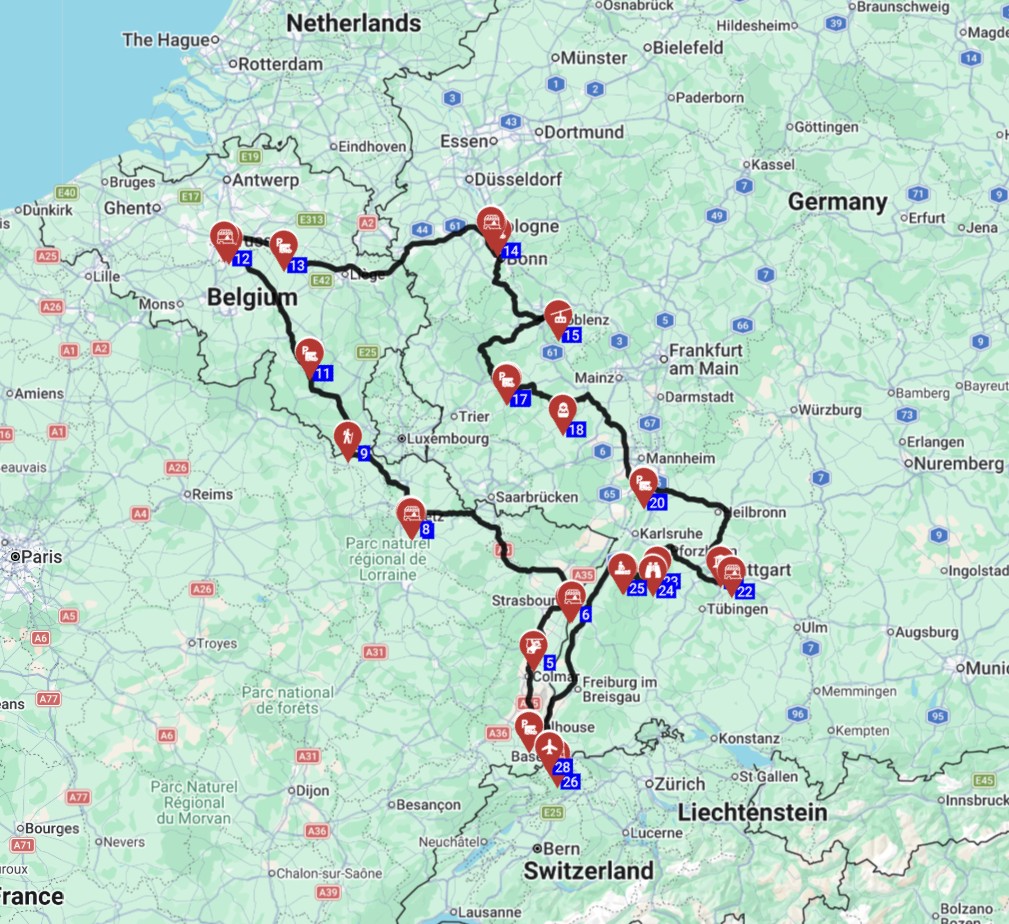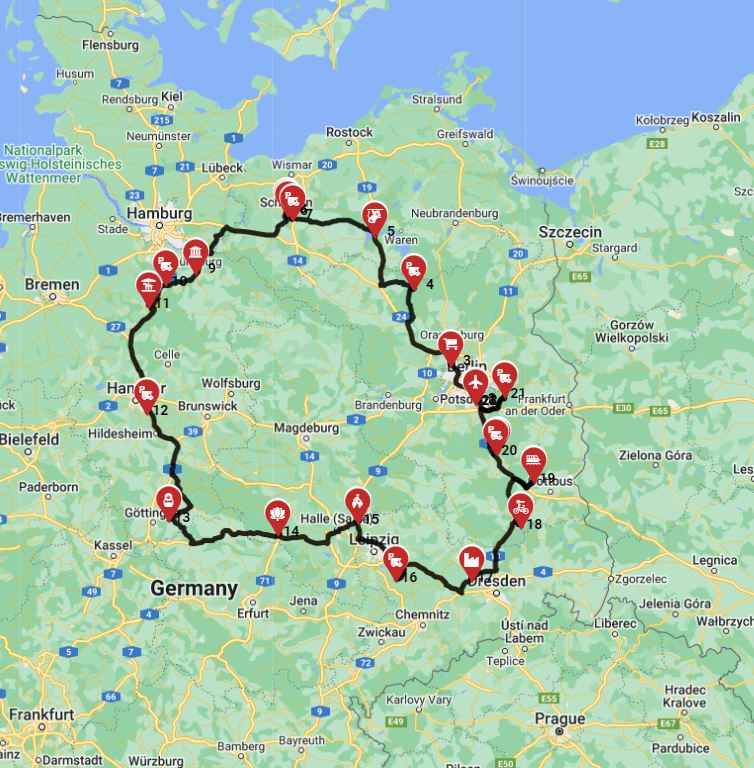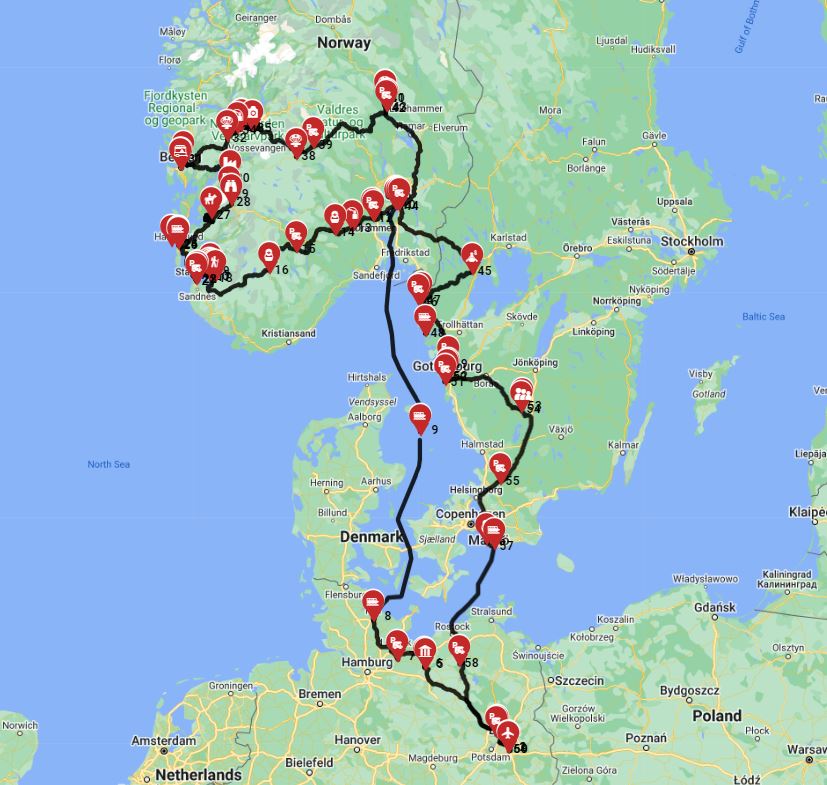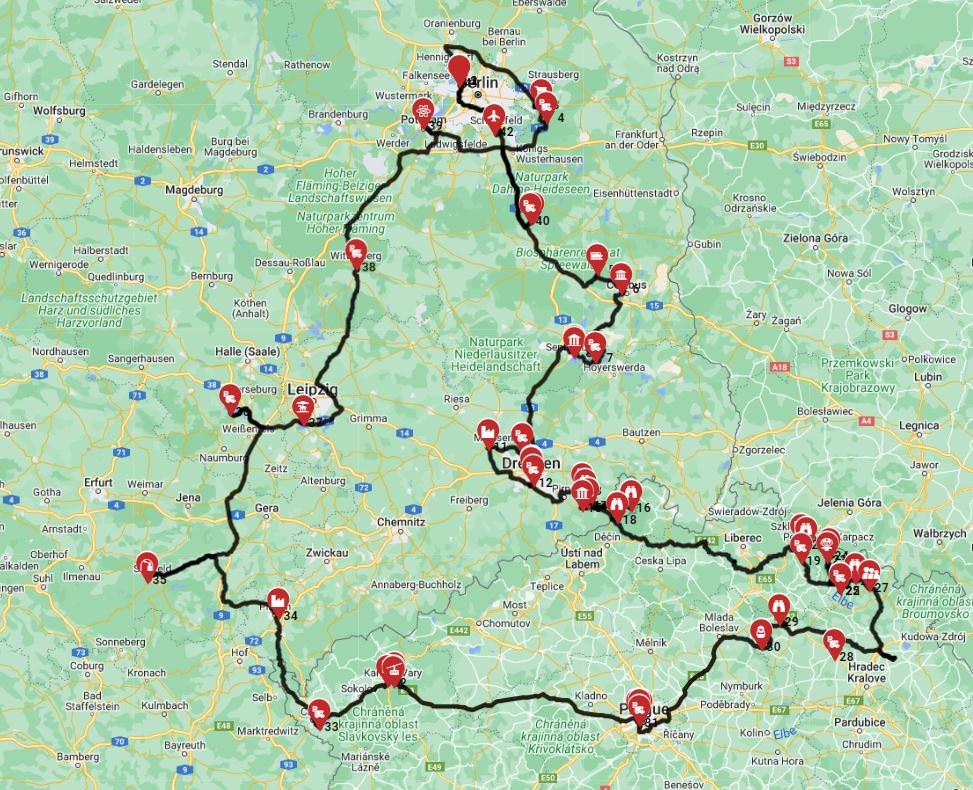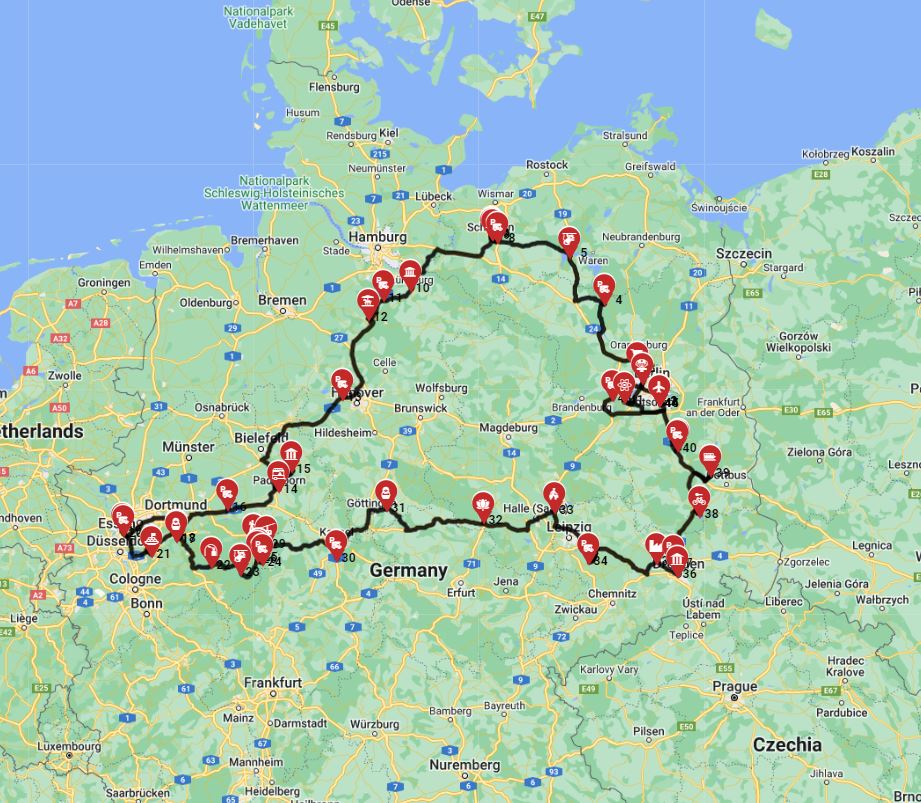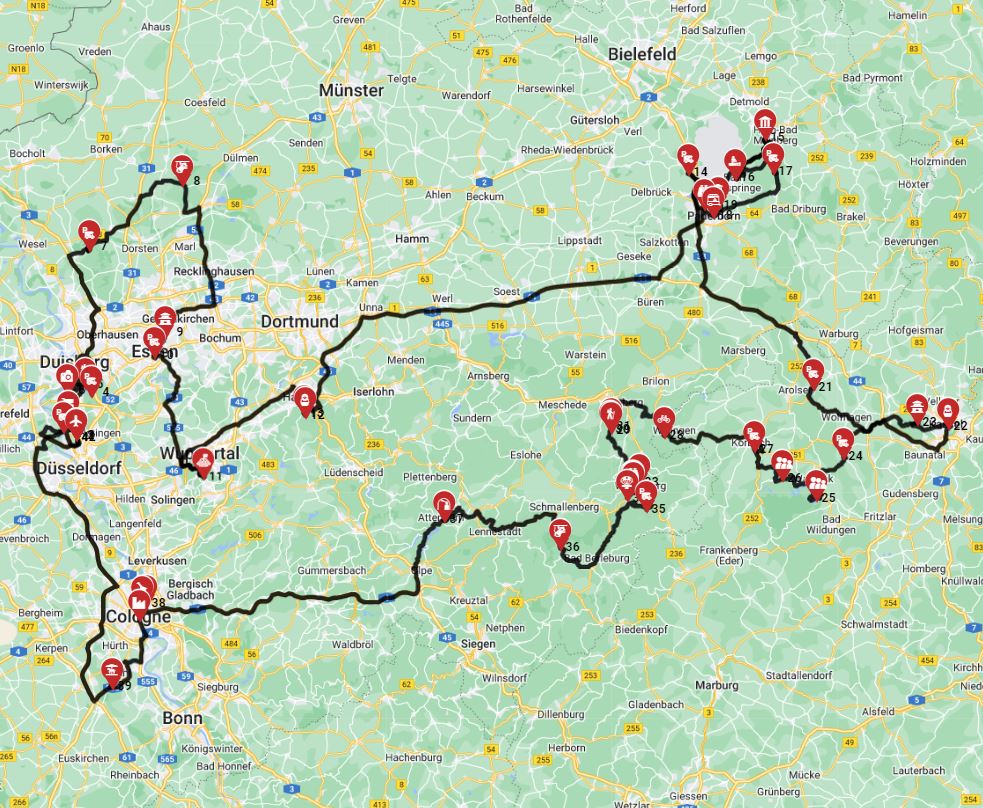
For live availability and current prices, start with our RV Rental Center Europe - Complete Guide 2026 guide.
In This Guide
- What weekly rv rental RV Rental Costs in Center Europe (2026)
- Seasonal Pricing — Peak vs. Shoulder vs. Off-Season in Center Europe
- What's Included vs. What's an Add-On
- Hidden Costs to Budget For in Center Europe
- How to Save on weekly rv rental RV Rental in Center Europe
- How much does it cost to rent an RV in Europe?
- How much is a 1 week RV rental?
- What is the 333 rule for campervan?
- Can you sleep anywhere in a campervan in Europe?
- Is it cheaper to rent an RV or stay in hotels?
- How much does an RV cost for 2 weeks?
- How much does a camper van cost for a week?
- Where is the cheapest place in Europe to buy a camper van?
- Where can I find the cheapest rentals in Europe?
What weekly rv rental RV Rental Costs in Center Europe (2026)
April is typically the cheapest month for RV rental in Center Europe, with prices varying based on seasonality, RV class, and rental duration. The table below provides an overview of estimated weekly, two-week, and monthly rental costs for various RV classes during a shoulder-season period.
Note: These prices are flex-rate estimates that change daily based on demand, availability, and specific booking parameters. For the most current and accurate pricing, please check live prices for your desired dates.
Live April Price Comparison — RV Class × Trip Length Estimates only — flex-rate prices change daily based on availability and season.
Trip length Class A Class B Class C Class SI Class TC 1 week
15/04 → 22/041,036.13 € EUR 658.68 € EUR 856.43 € EUR 722.43 € EUR Check prices 2 weeks
15/04 → 29/041,680.20 € EUR 1,021.00 € EUR 1,339.50 € EUR 1,108.90 € EUR Check prices 1 month
01/04 → 30/042,922.51 € EUR 1,662.75 € EUR 2,237.43 € EUR 1,801.08 € EUR Check prices
Seasonal Pricing — Peak vs. Shoulder vs. Off-Season in Center Europe
RV rental prices in Central Europe fluctuate significantly throughout the year, with peak season (July-August) seeing the highest rates and off-season (November-March) offering the best value. Understanding these seasonal swings is crucial for budget planning.
Peak Season (July-August): This period aligns with European school holidays, leading to the highest demand and consequently, the highest prices. Availability can also be limited, making early booking essential. In peak season, prices change significantly day-to-day — always check specific dates.
Shoulder Season (April-June, September-October): Offering a sweet spot for travelers, shoulder season typically provides pleasant weather conditions, fewer crowds, and more moderate rental rates. April is an excellent low-season anchor month for finding good deals as the weather begins to warm up.
Off-Season (November-March): For the most budget-conscious travelers, the off-season presents the lowest rental prices. However, be aware that some campsites may be closed, and road conditions, especially in mountainous regions, can be challenging due to snow or ice.
What's Included vs. What's an Add-On
Standard RV rentals typically include basic insurance and essential vehicle functions, while items like kitchen kits, bedding, and comprehensive insurance often come as optional add-ons. It's crucial to verify what is specifically included with each RV model and rental station before booking, as offerings can vary widely. For ideas you can prep on the road, watch our RV-friendly recipes playlist on YouTube.
Generally included items usually cover basic insurance, mileage (though often with a daily limit that can be extended), and essential vehicle equipment like power cables and water hoses. However, common add-ons can significantly impact your total cost. These may include kitchen utensil kits, bedding and linen, GPS devices, outdoor camping furniture (chairs/tables), generator usage fees, additional mileage packages, roadside assistance upgrades, child seats, and bike racks. On the routes offered through RV PLANET routes, you can itemize and track every expense along the way for easy budgeting.
Insider Tip: Basic insurance is always included. To see prices including the most comprehensive coverage, select that option during search — then all relevant insurance options will be shown. Many rental platforms, including Bandana Caravan, offer toggles during the search process to compare prices with or without common add-ons like kitchen utensils, tableware, and bedding, helping you make an informed decision. Want to check exactly what's included? Click here.
Hidden Costs to Budget For in Center Europe
Beyond the rental fee, travelers to Central Europe should budget for additional costs such as fuel, specific country toll roads/vignettes, varied campsite fees, and potential international driving permit requirements. These 'hidden' costs can add up, so planning for them in advance is vital.
Fuel: As RVs are larger vehicles, fuel will be a significant variable cost. Central European countries primarily use diesel, so factor this into your budget based on your planned mileage. Tolls & Vignettes: Many Central European nations (e.g., Austria, Switzerland, Czech Republic, Hungary, Slovakia, Slovenia) require either digital or sticker 'vignettes' for highway use. Some special roads, tunnels, and bridges incur additional specific tolls. Failure to display or purchase these can result in hefty fines. Campsite Fees: Overnight parking costs vary widely, from free or low-cost 'Stellplätze' (dedicated motorhome parking spots, common in Germany and Austria) or 'Aires de services' to full-service holiday parks that can cost €20-€60+ per night. Dump Station Charges: While often included at campsites, some standalone service points may charge a small fee for water and waste disposal. International Driving Permit (IDP): For non-EU license holders, an IDP is often required or strongly recommended for legal driving in many Central European countries. Parking Costs: Finding and paying for RV-suitable parking, especially in historic city centers or popular tourist spots, can add unexpected expenses.
Bandana Perks: When picking up your RV, it's worth asking about Bandana Caravan perks; some RVs let you pre-purchase toll-road usage to avoid surprise charges and fines, Bandana Caravan offers campground discount cards, and some RVs even include fuel discount cards.
How to Save on weekly rv rental RV Rental in Center Europe
Significant savings on Central European RV rentals can be achieved by booking during shoulder season, utilizing discount cards, opting for smaller RV classes, and choosing longer rental durations. Smart planning can help you maximize your budget for an unforgettable journey.
- Book During Shoulder Season: Aim for April-June or September-October. These months offer a perfect balance of pleasant weather, fewer crowds, and significantly lower rental prices compared to the peak summer months of July and August.
- Pre-Pay Tolls and Utilize Discount Cards: Inquire if your rental company offers options to pre-purchase toll road usage or vignettes, which can be cheaper than buying on the spot. Also, look for campground discount cards (e.g., ACSI, ADAC) or fuel discount cards, which can provide substantial savings over your trip.
- Choose the Right RV Size: Opting for a smaller Class B (campervan) or Class C RV if your group fits comfortably can dramatically reduce both the rental cost and fuel consumption. Smaller vehicles are also easier to maneuver and park in Central Europe's diverse road network and historic towns.
- Book Longer Durations: Often, the daily rate for an RV decreases when you rent for longer periods. A two-week rental typically offers a better daily value than a one-week rental, and a month-long trip can be even more cost-effective per day.
- Monitor Flex-Rate Drops: Keep an eye on prices even after booking. Flex-rate systems mean prices can change daily, and occasionally, last-minute deals or price drops outside of peak demand periods might become available.
How much does it cost to rent an RV in Europe?
Renting an RV in Central Europe for a week typically ranges from €700 for a compact campervan in shoulder season to over €2000 for a large motorhome during peak season, not including additional costs like fuel, tolls, and campsite fees. The overall cost is highly variable, influenced by factors such as the RV class (e.g., Class B for campervans, Class C for family motorhomes, Class A for luxury), the specific rental duration, and the time of year.
Beyond the base rental fee, a comprehensive budget for an RV trip in Central Europe must account for several other significant expenses. These include fuel, which is a major variable depending on mileage and vehicle efficiency; specific country toll roads and vignettes (e.g., Austria, Switzerland, Czech Republic, Hungary), which are often mandatory for highway use; varied campsite fees, ranging from basic 'Stellplätze' to full-service holiday parks; specific insurance requirements, which can upgrade basic coverage; potential International Driving Permits for non-EU license holders; and city parking costs, especially in popular historic towns. When all these factors are considered, total trip costs can easily add 30-50% or more to the initial base rental fee.
How much is a 1 week RV rental?
A 1-week RV rental in Central Europe can start from approximately €700-€900 for a smaller campervan during the shoulder season, while a larger, family-sized motorhome in peak season can exceed €1500 for the same duration. The specific weekly cost is directly tied to several key factors, including the RV class chosen (e.g., a compact Class B campervan will be less expensive than a spacious Class A motorhome), the precise dates of your rental, and the country or city of pickup.
As seen in the pricing table earlier in this article, prices for a 1-week rental on dates like April 15th to April 22nd provide a clear snapshot of how costs vary across different RV types. Generally, choosing a smaller RV type, like a campervan (Class B or SI), results in lower weekly rental costs, improved fuel efficiency, and often easier maneuverability, which is advantageous for navigating Central Europe's diverse roads and parking challenges.
What is the 333 rule for campervan?
The '3-3-3 rule' for campervanning is an informal guideline suggesting you travel no more than 300 kilometers in a day, arrive at your campsite by 3 PM, and stay for at least 3 days in each location, promoting a relaxed and immersive travel experience rather than rushed driving. This rule is designed to help RV travelers avoid burnout, fully enjoy their destinations, and account for the practicalities of RV travel.
Adhering to the 300-kilometer limit helps prevent driver fatigue, allowing ample time for scenic stops and unexpected detours. This is particularly helpful on Central European roads, which can range from high-speed autobahns to narrow, winding country lanes and cobblestone streets in historic towns, all requiring focused driving. The 3 PM arrival recommendation ensures you have sufficient daylight to find your pitch, set up your RV, and explore your immediate surroundings before dusk, which is especially crucial in unfamiliar areas or at smaller, less-serviced campsites. Finally, the 3-day stay encourages deeper exploration of a region, minimizes the repetitive task of packing and unpacking, and provides opportunities for relaxation or addressing minor travel logistics.
While not a legal requirement, adopting such guidelines can significantly enhance safety, mitigate driving stress, and allow for a more enjoyable pace. It also provides a buffer for dealing with unexpected situations, such as finding English-speaking mechanics or navigating local emergency procedures, which is a valuable consideration when traveling through various Central European countries.
Can you sleep anywhere in a campervan in Europe?
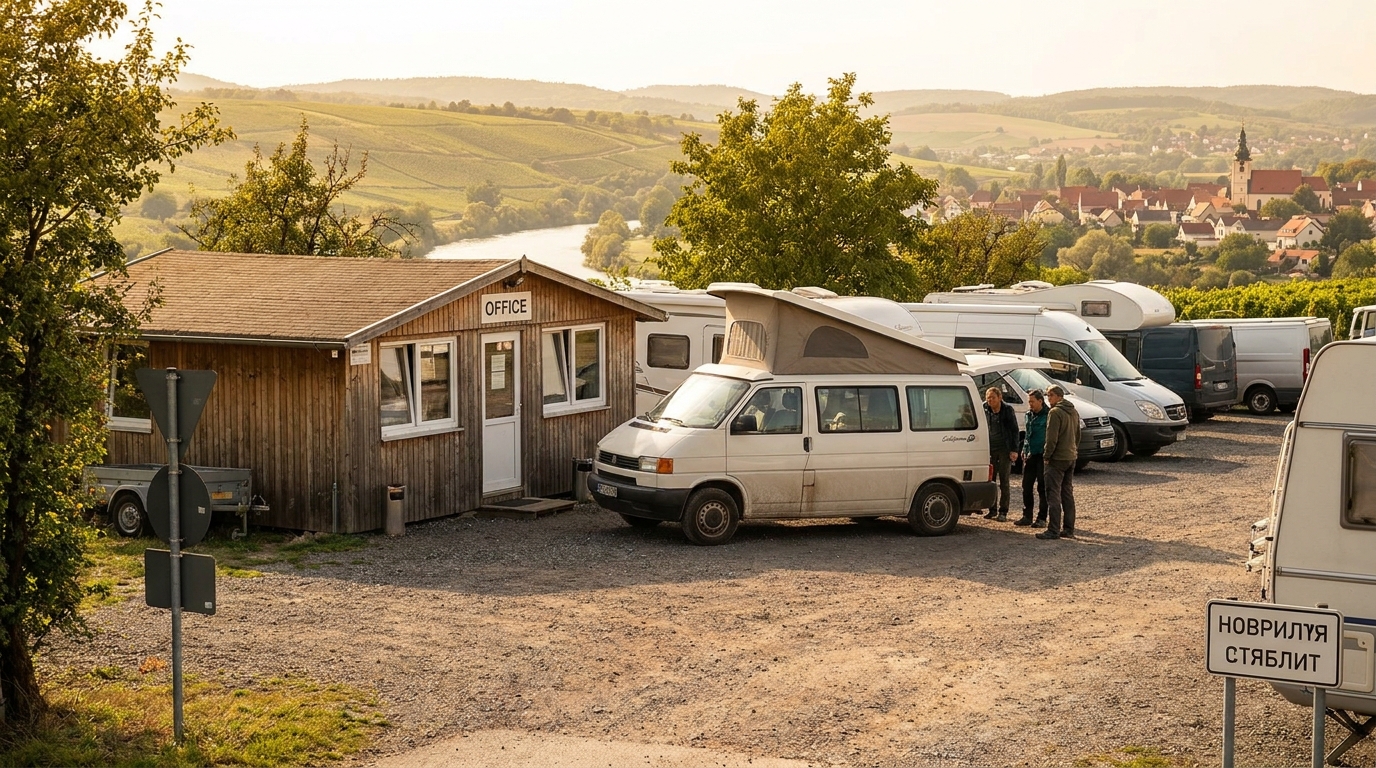
While rules vary significantly by country and even by local municipality in Central Europe, wild camping or sleeping outside designated areas is generally restricted or illegal. Permitted options typically include official campsites, 'Stellplätze' (motorhome parking areas), and some private land with permission. Understanding these regulations is crucial to avoid fines and ensure a respectful travel experience.
Legality differs markedly across the region: wild camping is quite strict in countries like Austria and Switzerland, while in Germany, parking for 'recuperation' (e.g., a single night's sleep) is often tolerated, but full 'camping behavior' (setting out tables, awnings) is not. Most of Eastern Central Europe (e.g., Czech Republic, Hungary) has stricter rules prohibiting wild camping. Central Europe offers a diverse range of overnight options, including traditional campsites with full amenities, 'Stellplätze' (in Germany) or 'Aires de services' (similar concepts in other regions) which are dedicated motorhome parking spots often providing basic services like water and waste disposal, as well as some private farm stays or vineyards that welcome RVs.
It is paramount to research the specific country and local regulations for each stop on your itinerary. Always respect private property and local community rules. Learning a few basic phrases in the local language can also greatly assist in interactions and understanding local expectations. For connectivity on the road, while many official campsites offer Wi-Fi, purchasing a local SIM card is often the most reliable way to ensure you have internet access for navigation, communication, and researching overnight spots, as roaming costs can be high for long-term travelers.
Is it cheaper to rent an RV or stay in hotels?
Renting an RV for a Central European trip can be significantly cheaper than staying in hotels, especially for families or groups, due to substantial savings on accommodation and the ability to cook your own meals. This effectively offsets the RV rental and fuel costs. This cost-effectiveness becomes more pronounced for longer trips and when traveling with multiple people.
Firstly, an RV consolidates your accommodation costs into a single rental fee, which is often more affordable per night than booking separate hotel rooms, particularly in popular tourist destinations within Central Europe. Campsite fees are generally much lower than hotel rates, ranging from basic, low-cost options to full-service sites. Secondly, one of the most substantial savings comes from food: having a fully equipped kitchen in your RV allows for self-catering, drastically reducing meal expenses compared to dining out for every meal, which is a significant saving over a weekly or multi-week trip. While RVs do incur higher fuel costs and often require payment for tolls and vignettes, these are frequently outweighed by the combined savings on lodging and food.
For solo travelers or very short trips, a car and hotel combination might be comparable in price. However, for a Central European adventure lasting a week or more with two or more people, an RV generally offers superior value, coupled with unparalleled flexibility and a unique travel experience.
How much does an RV cost for 2 weeks?
A 2-week RV rental in Central Europe typically ranges from €1200-€1800 for a smaller model during shoulder season to well over €3000 for a premium, larger motorhome in peak summer. The cost for a two-week period, like any rental duration, is primarily dictated by the RV class, the specific dates of travel, and the pickup location within Central Europe.
One significant advantage of opting for a 2-week rental compared to a shorter trip is that daily rates often decrease for longer periods, making it a more cost-effective option per day. This allows for deeper exploration of multiple Central European countries without the constant rush. The season remains a crucial factor; a two-week rental in April will be considerably more affordable than the exact same vehicle and duration in July or August when demand is at its peak. For a detailed illustration of how costs vary, refer to the pricing table earlier in this article, which provides live examples for 2-week rentals across various RV classes during a shoulder-season period.
How much does a camper van cost for a week?
A camper van (Class B or SI) rental for one week in Central Europe typically costs between €700 and €1200, depending on the season, specific model, and included amenities. Camper vans represent an excellent option for individuals or couples, offering a balance of comfort, convenience, and affordability for exploring the diverse landscapes and cities of Central Europe.
Camper vans are generally the most affordable RV class to rent due to their smaller size, which translates to better fuel economy and easier maneuverability. Their compact dimensions make them ideal for navigating narrow city streets, finding parking in historic towns, and accessing smaller, charming campsites in Central Europe, mitigating some of the common driving and parking challenges associated with larger motorhomes. They are also quicker to set up and pack down, allowing for more spontaneous travel. You can check the pricing table at the top of this article for live pricing examples on Class B and SI camper vans for a week, showcasing the typical range across different shoulder-season dates.
Where is the cheapest place in Europe to buy a camper van?
While this article focuses on the costs and practicalities of renting an RV for weekly trips in Central Europe, generally, countries like Germany or the Netherlands are often cited as having large second-hand markets for buying camper vans in Europe. This is due to their robust manufacturing industries and high demand for recreational vehicles, which can sometimes lead to more competitive pricing and a wider variety of models available.
However, buying a camper van involves a completely different set of considerations and costs compared to renting. These include initial purchase price, registration in a specific country, ongoing insurance, potential import duties or taxes if purchased across borders, and regular maintenance. For short-term travel or for those looking to experience RV travel in Central Europe for the first time, renting is almost always the more practical and cost-effective option, eliminating the complexities and long-term financial commitment of ownership.
Where can I find the cheapest rentals in Europe?
To find the cheapest RV rentals in Central Europe, focus on booking during shoulder seasons (April-June, September-October), comparing prices across multiple rental companies via comparison platforms, utilizing last-minute deals when possible, and considering less popular pickup locations. Strategic planning is key to securing the best rates.
Start by using comprehensive comparison platforms like Bandana Caravan, which allow you to compare a wide range of vehicles and prices from different providers across various Central European countries simultaneously. Being flexible with your travel dates is paramount; shifting your trip by even a week into the shoulder season can yield significant savings. Additionally, being flexible with your pickup and drop-off locations can sometimes unlock better deals; for example, picking up an RV from a location just outside a major capital city might have lower rates due to less demand.
While early bird discounts are common, occasionally, last-minute deals can appear, especially for the off-season. Always consider the RV type as well: opting for smaller, more fuel-efficient models like campervans (Class B or SI) will not only reduce the base rental cost but also cut down on fuel expenses, contributing to overall savings.
What You Shouldn't Miss
- Explore the historic charm of Prague by parking your RV on the outskirts and utilizing public transport to navigate the Old Town and Charles Bridge.
- Drive scenic routes through the Austrian Alps, stopping at picturesque villages and enjoying the breathtaking mountain vistas. Remember to check for vignette requirements for highways.
- Discover the vineyards and thermal spas around Hungary's Lake Balaton, a perfect destination for a relaxing RV trip combined with wine tasting.
- Navigate the scenic roads of the Slovakian High Tatras, offering stunning mountain landscapes and opportunities for hiking and outdoor activities.
- Experience the unique 'Stellplätze' culture in Germany, finding convenient and often budget-friendly overnight parking spots specifically designed for motorhomes.
Final Thoughts
Renting an RV for your Central European adventure offers an unparalleled blend of freedom, flexibility, and immersive travel. By understanding the costs involved, planning strategically, and leveraging the insights provided, you can create a truly memorable road trip.
Remember that the joy of RV travel lies not just in the destinations but in the journey itself. Take your time, explore at your own pace, and let the adventure unfold. We're here to support you every step of the way, ensuring your Central European RV rental experience is everything you dreamed of and more.
Ready to start planning? Compare RV rental prices across Central Europe and discover pre-planned routes to inspire your next great escape!