In This Guide
- Top 5 Tips for RV Rental in Boston
- Before You Book - Class, Dates, Insurance
- Pre-Trip Prep - Packing Checklist for Boston
- On the Road - Driving, Fueling, Navigation
- At the Campground - Setup, Hookups & Etiquette
- RV Rental Deals-Specific Tips for Boston
- Common Mistakes to Avoid in Boston
- How much is it to rent an RV in Boston?
- What is the 3-3-3 rule when RVing?
- How much would it cost to rent an RV for 1 month?
- Is it cheaper to rent an RV or stay in a hotel?
Embarking on a motorhome adventure around Boston offers unparalleled freedom to explore New England's rich history and stunning natural beauty. For live availability and current prices, start with our RV Rental Boston - Complete Guide 2026 guide. Whether you're a seasoned RVer or planning your first trip, finding the best RV rental deals in Boston requires a bit of savvy planning and knowing what to look for. Bandana RV, with over 20 years of experience helping tens of thousands of travelers since its founding in 2001, is your go-to resource for making your Boston RV journey seamless and enjoyable. We partner directly with 50+ leading RV suppliers worldwide, including trusted names like El Monte and Cruise America, ensuring you find the perfect vehicle for your adventure with full transparency and no hidden fees.
Top 5 Tips for RV Rental in Boston
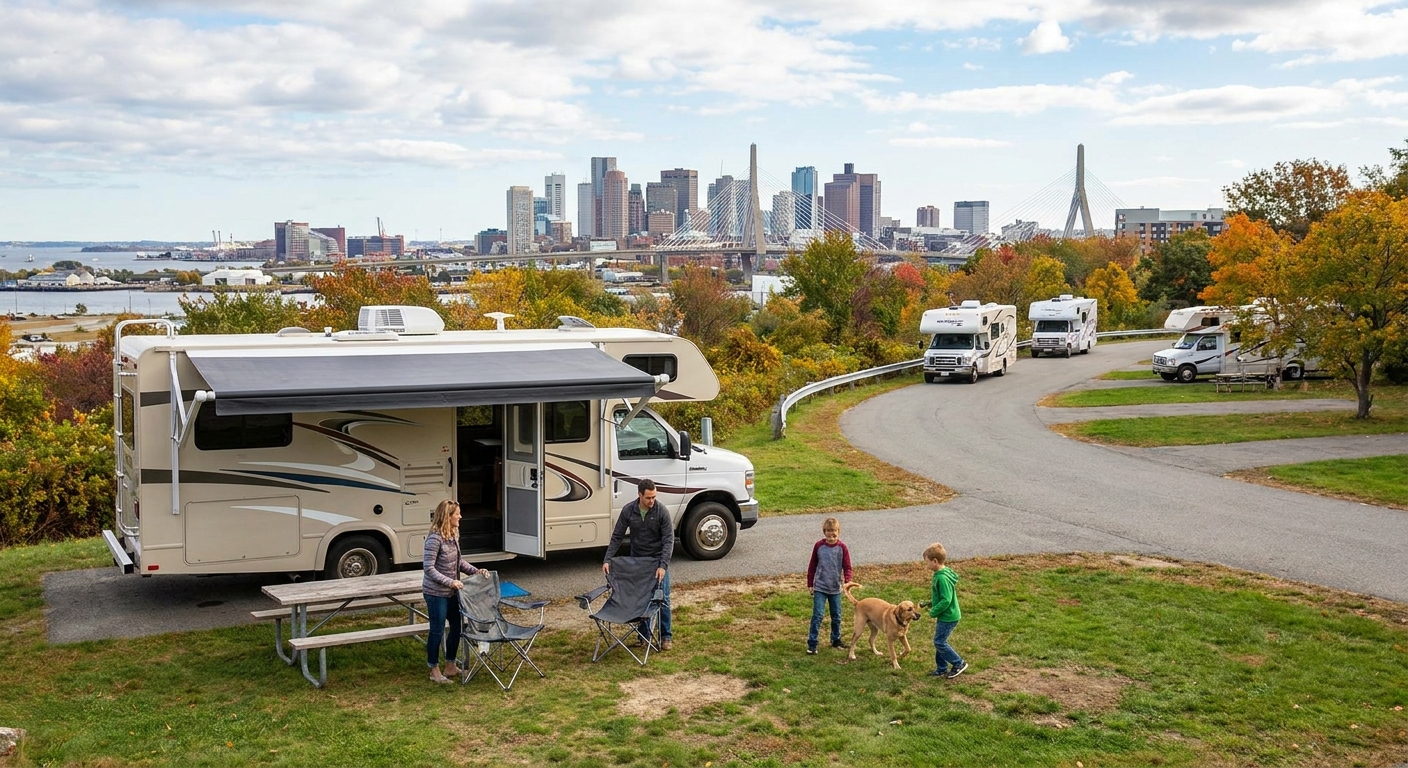
Securing advantageous rates for your RV rental in Boston is achievable with strategic planning, especially during peak travel times. First, booking well in advance, ideally 3-6 months before your trip, particularly for popular seasons like summer and fall foliage, significantly increases your chances of finding better rates and securing your preferred motorhome or campervan. Prices are dynamic, similar to flight tickets, changing daily based on availability and supplier decisions, so early booking often locks in lower costs.
Second, comparing different RV classes is crucial for matching your budget and navigating Boston's unique urban environment. For instance, smaller Class B campervans or compact Class C motorhomes are generally easier to handle on narrower roads and in urban-adjacent areas than larger Class A motorhomes. Third, exploring rental options during off-peak times, such as late fall (November), winter (December-March), or early spring (April), often reveals significant savings on daily rental rates. A week-long trip during these seasons can offer substantial value.
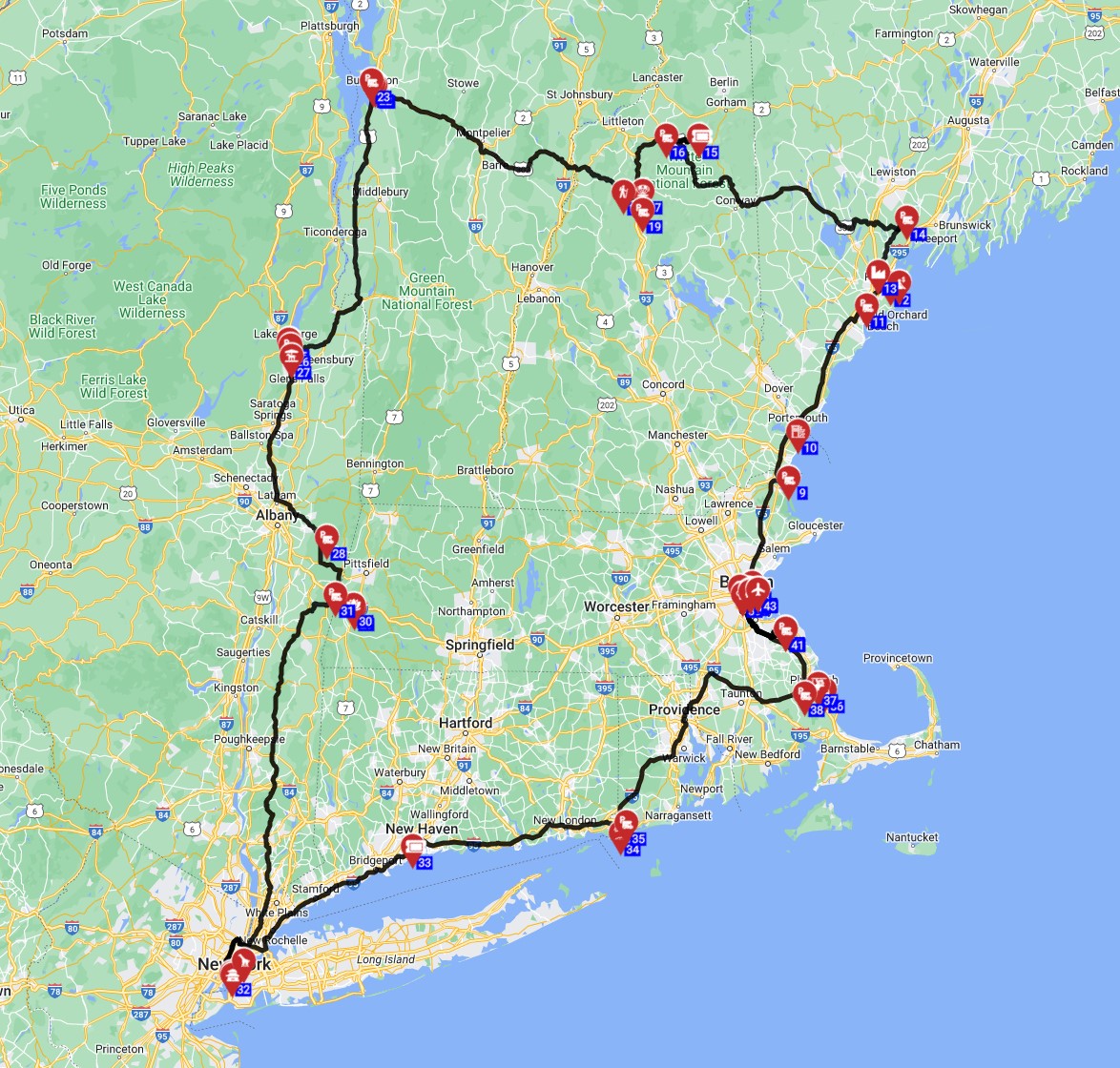
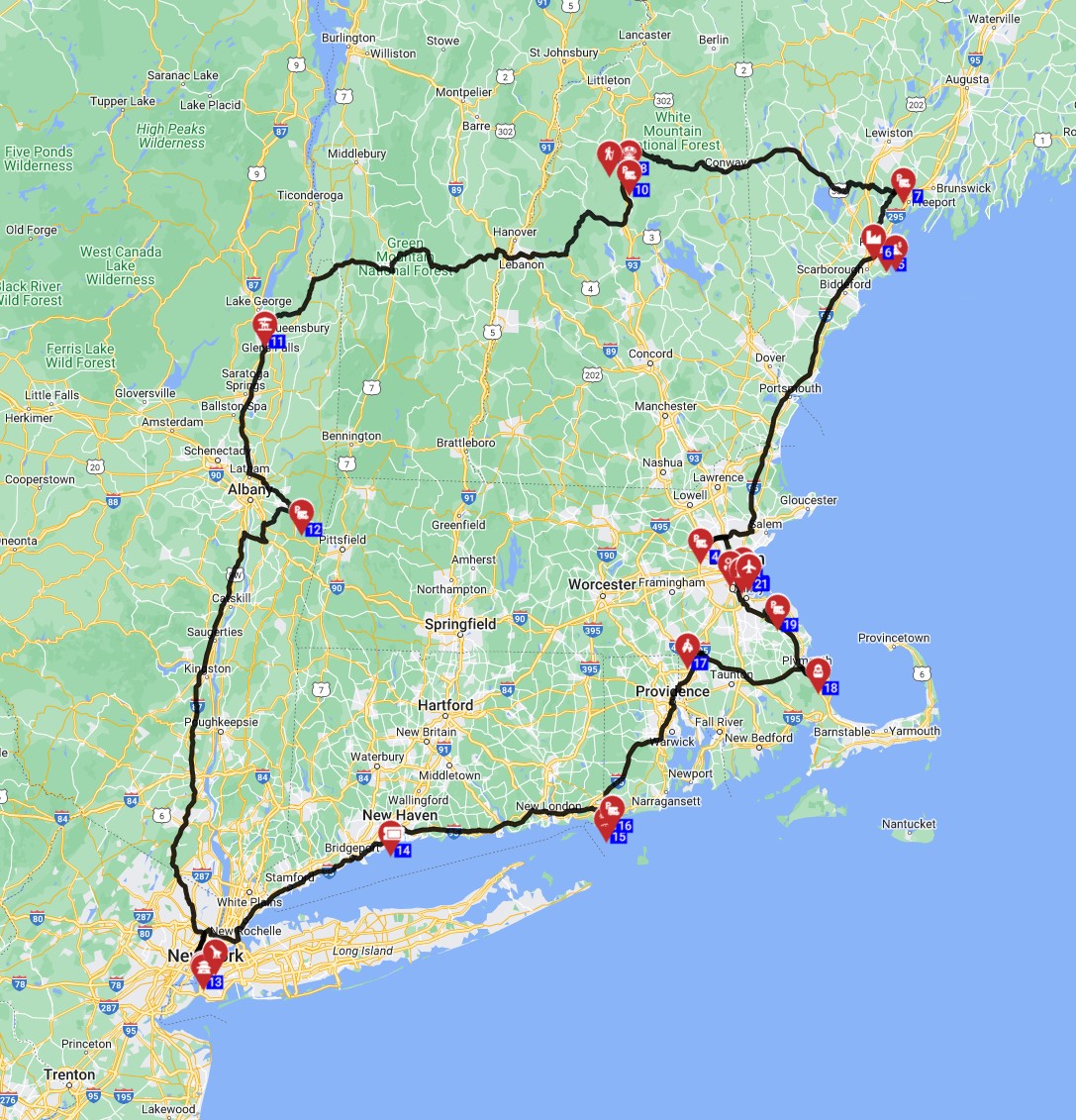
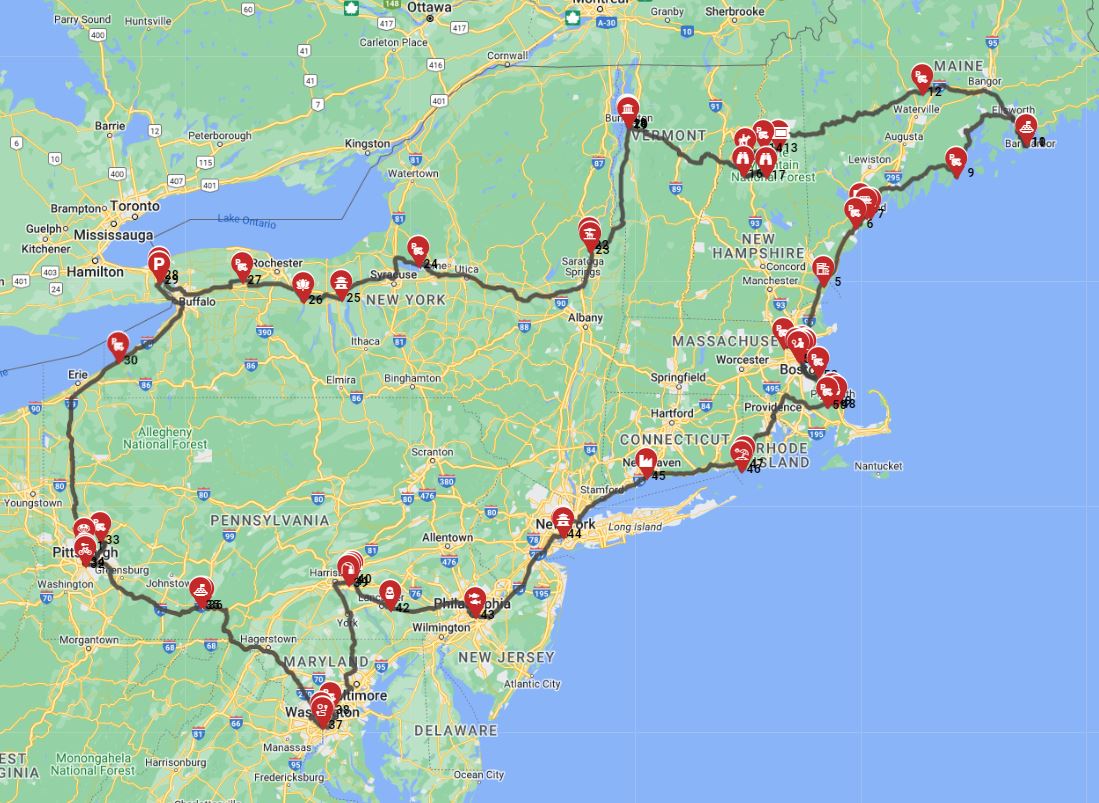
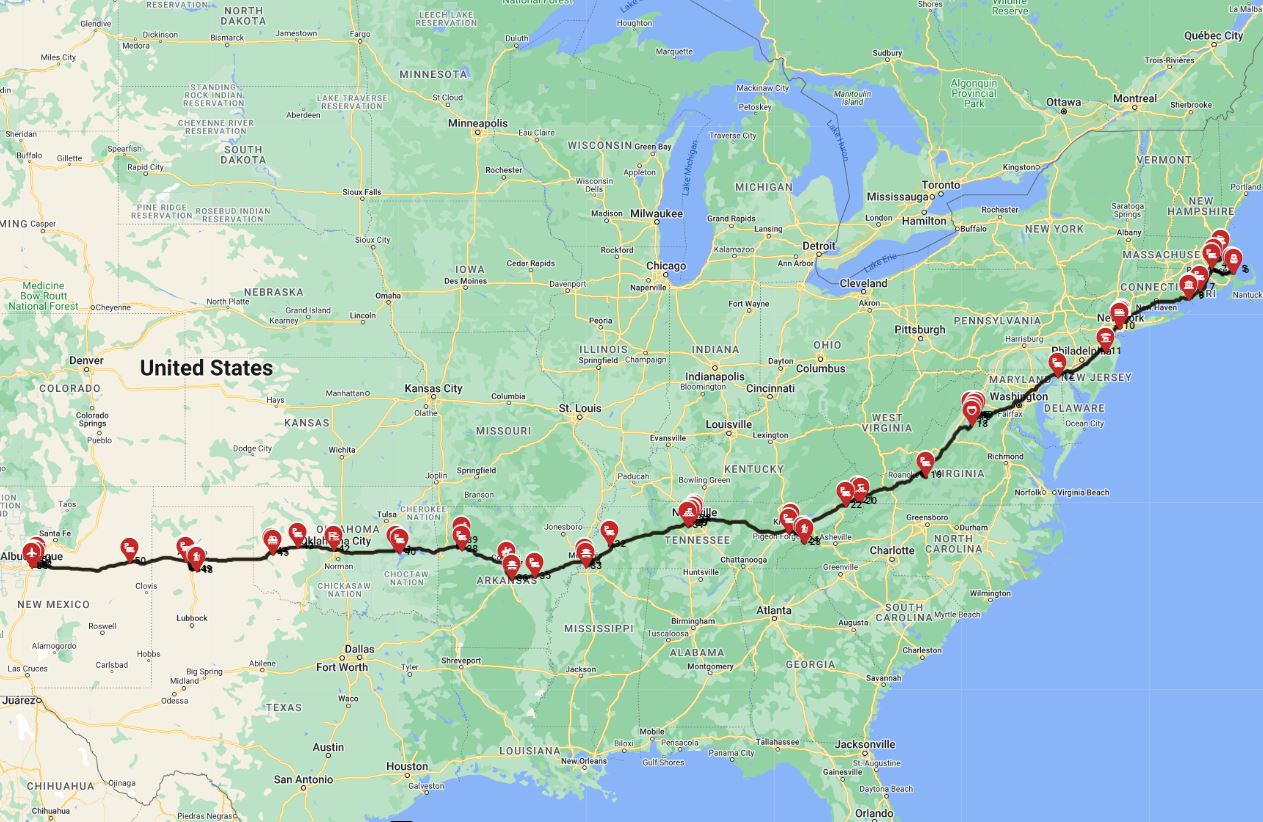
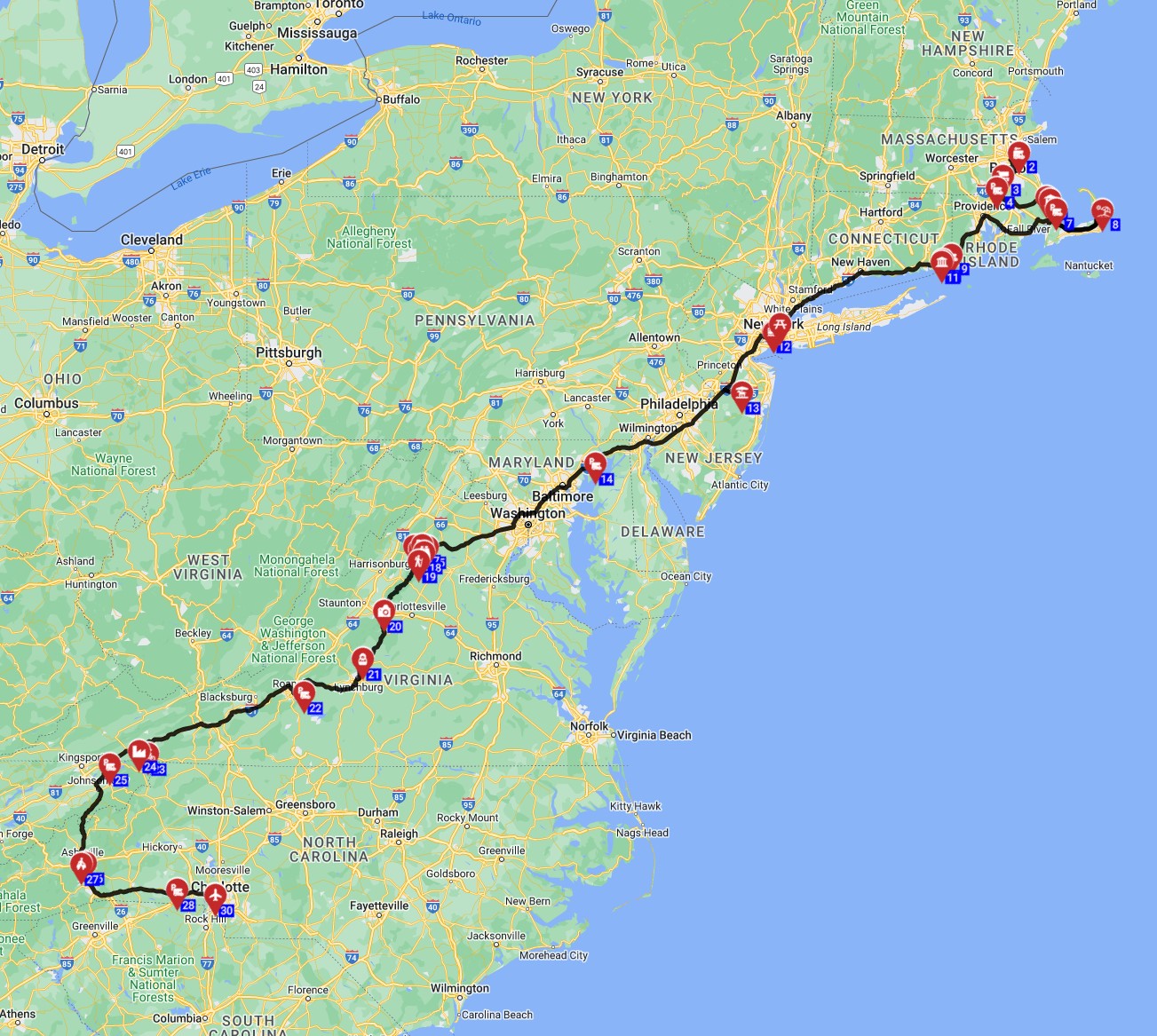
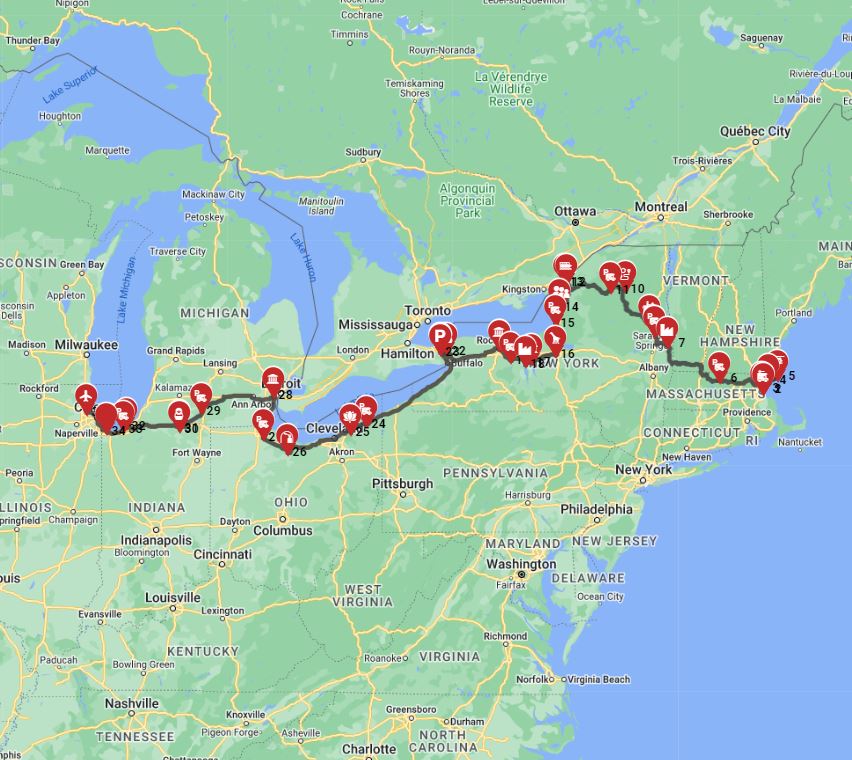
Fourth, always factor in all ancillary costs beyond the base rental fee, including estimated fuel, tolls, campground fees (which typically range from $40-$80+ per night), and potential public transportation costs for city access, to ensure no financial surprises. For easy budgeting and tracking every expense along the way, we recommend checking out RV PLANET routes, a great resource that allows you to itemize your trip costs. Finally, consider establishing your RV-friendly base camp at a campground slightly outside the city, such as the Boston/Cape Cod KOA Holiday, which offers public transport connections, allowing you to avoid challenging city driving and expensive Boston parking altogether. On the routes offered through RV PLANET routes, you can itemize and track every expense along the way for easy budgeting.
Before You Book - Class, Dates, Insurance
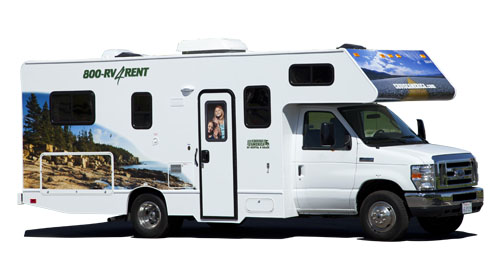
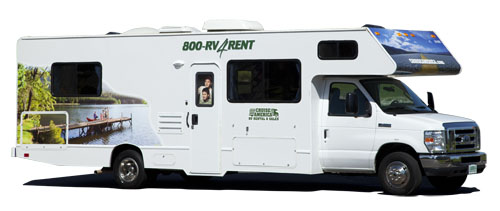
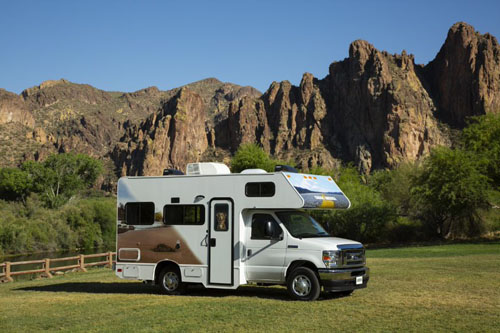
Choosing the right RV class for your Boston trip involves balancing interior comfort with exterior maneuverability, particularly given the local driving environment. Class B campervans, like a Active Standard Auto, or smaller Class C motorhomes, such as a MH19 Small - Economy, are typically easier to navigate and park in urban-adjacent areas, making them popular choices for exploring the Boston region. For broader context on pricing different vehicle types, you might consult our "Cheap RV Rental in Boston - Budget Guide 2026" or "Luxury RV Rental in Boston - Premium Prices 2026".
Locking in your rental dates as early as possible is key to securing favorable daily rates and ensuring your preferred vehicle class is available; aiming to book 3-6 months ahead for summer or fall 2026 trips is highly recommended. Bandana RV offers full transparency in pricing, ensuring no hidden fees or surprises at checkout. Basic insurance is always included with your rental, but for the most comprehensive coverage and extra peace of mind, you can upgrade to a top-level deductible option during the booking process.
When reviewing insurance policies, pay close attention to roadside assistance coverage, especially if your RV journey will take you on extended routes through Massachusetts or into other New England states with varying weather conditions. Our team of true RV specialists is here to help you compare quotes and understand all terms and conditions before you book, providing personal service from day one until your booking is confirmed. We pride ourselves on selling the way we'd like to buy, with honesty and attention to the smallest details that make a big difference.
Pre-Trip Prep - Packing Checklist for Boston
Preparing a packing list tailored to New England's often variable weather and Boston's diverse urban exploration opportunities is essential for a comfortable and efficient RV trip. Pack layers of clothing, including waterproof rain gear, and comfortable walking shoes suitable for extensive city sightseeing along the Freedom Trail or exploring Harvard University's campus. While most rentals come with basic kitchen amenities, consider bringing compact cooking essentials to make the most of your RV kitchen and save on dining out, leveraging Boston's vibrant culinary scene for fresh ingredients. Check out our RV-friendly recipes playlist for meal inspiration on the road.
Always carry essential documents such as your driver's license (a standard car license is sufficient for all motorhome classes), RV rental agreement, insurance details, and any campground reservations. A physical map of Massachusetts and Boston can serve as a reliable backup to GPS, especially when navigating areas with spotty signal. For families or groups, a small cooler for day trips into the city is invaluable for snacks and drinks, while portable grills (if permitted at your campground) can enhance evening meals. For a deeper dive into trip durations and associated costs, our "Weekly RV Rental in Boston - Pricing 2026" guide can be helpful.
- Layers of clothing (for variable New England weather)
- Comfortable walking shoes
- Rain jacket or umbrella
- Reusable water bottles and coffee cups
- Basic first-aid kit
- RV-specific GPS or navigation app (with height/weight restrictions)
- Driver's license and RV rental agreement
- Proof of insurance
- Campground reservations
- Small cooler for day trips into the city
- Portable grill or camping stove (if permitted at campgrounds)
- Entertainment for downtime (books, games, streaming devices)
- Pet supplies (if traveling with pets)
On the Road - Driving, Fueling, Navigation
Navigating Boston with a rented RV demands careful attention due to its historic infrastructure, including narrow streets, low bridges, and dense urban traffic. Drive slowly and carefully, and you can drive almost anywhere without issues. No need to stress - just use common sense and pay attention. Always utilize an RV-specific GPS or navigation app that accounts for your vehicle's height, weight, and length to prevent encountering low bridges, such as the notorious ones on Storrow Drive and Memorial Drive, which can have clearances under 10 feet. For more detailed driving advice, our "RV Driving in Boston for Seniors - Comfort Routes 2026" guide provides excellent insights.
Be aware of Massachusetts's extensive electronic tolling system, which covers many highways and tunnels in and around Boston, including portions of I-90 (the Massachusetts Turnpike). These are often EZ-Pass only, so it's wise to clarify transponder options with your rental company to avoid unexpected charges. Plan your fuel stops outside the immediate city center, as gas stations within Boston can be scarce and challenging to access for larger vehicles, and fuel prices can be higher. Consider parking your RV at designated park-and-ride facilities on Boston's outskirts, such as those near MBTA subway (the 'T') stations, and using public transportation for inner-city sightseeing. This approach allows you to comfortably explore attractions like the New England Aquarium or Faneuil Hall without the stress of city driving and expensive downtown parking.
At the Campground - Setup, Hookups & Etiquette
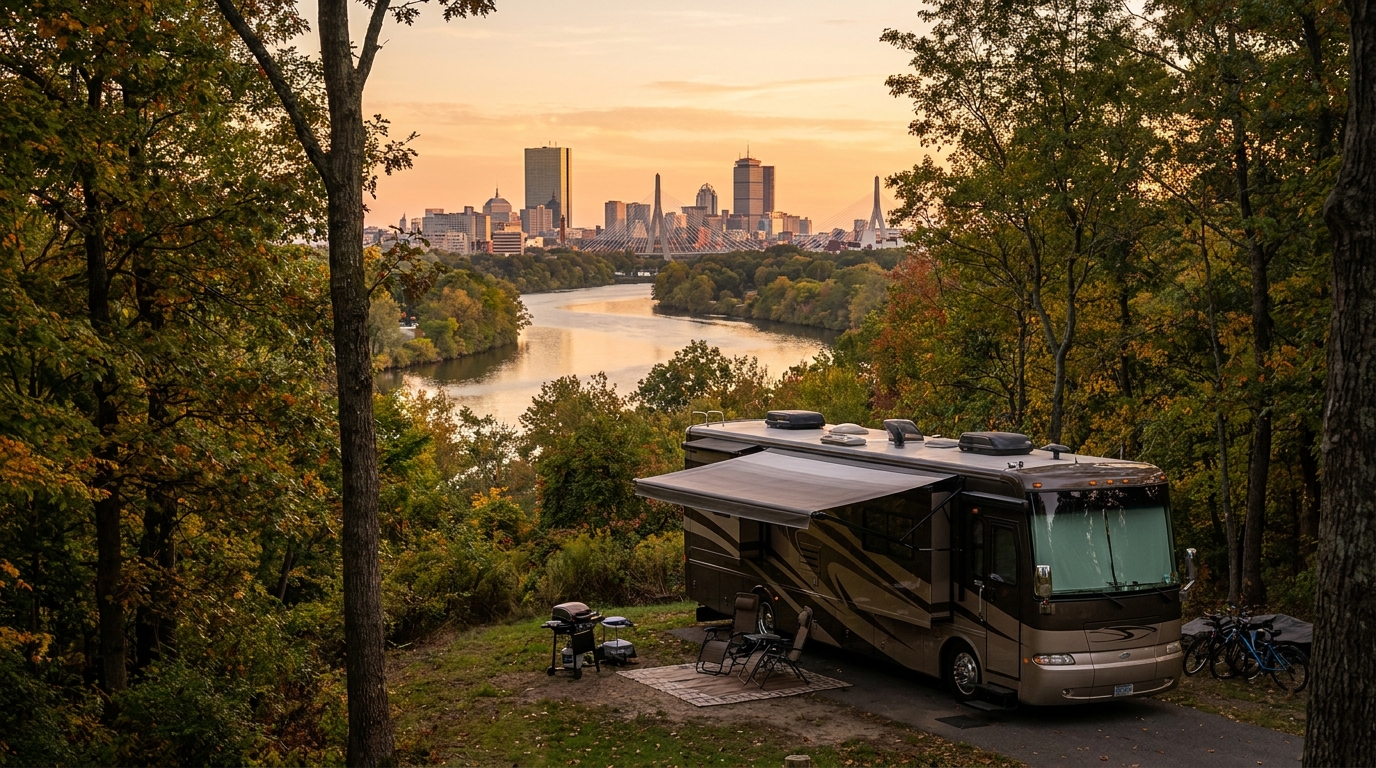
Upon arriving at your chosen RV-friendly campground near Boston, safely park your motorhome, ensuring it is level before extending any slide-outs or deploying leveling jacks. Connect your utility hookups in the standard order: first the sewer hose, then the fresh water supply, and finally the electricity, always double-checking that all connections are secure and correct. Many campgrounds within commuting distance of Boston, such as those in the scenic Cape Ann area or along the South Shore, offer convenient shuttle services or easy access to commuter rail lines for seamless city excursions. This allows you to establish a comfortable and affordable base camp while still enjoying easy access to urban attractions.
Adhering to campground etiquette is important for a pleasant experience for everyone. This includes observing quiet hours, typically from 10 PM to 7 AM, by minimizing noise, respecting your neighbors' space, and keeping outdoor lights to a minimum. Most campgrounds provide clean restrooms and shower facilities, and some even feature amenities like swimming pools or playgrounds. For finding campsites and campgrounds during your trip, we recommend using RV PLANET (rvplan.net) - a great resource for locating available spots along your route. You'll find a spot; if not at the first campground, then the next one. It's always a good idea to call ahead before driving. Remember that many national and state parks reserve only 25-30% of spots for advance booking, with the majority available on a first-come, first-served basis, offering flexibility for spontaneous travelers.
RV Rental Deals-Specific Tips for Boston
To maximize your RV rental deals in Boston, consider opting for a smaller Class B campervan, which typically offers lower daily rental rates and improved fuel efficiency, making it highly suitable for navigating the Boston area. Traveling slowly, aiming for a maximum of 100-150 km per day on average, allows you to truly experience the local culture, food, and scenery, stretching your travel budget further. Our "RV Rental Deals in Boston - Latest Offers 2026" guide offers additional insights into seasonal discounts.
Researching campgrounds slightly further from Boston, such as those in Plymouth or Salisbury, can yield lower nightly rates than those immediately adjacent to the city. These locations often still provide convenient access to commuter rail lines or shuttle services for easy trips into downtown Boston. Planning to prepare most of your meals in your RV kitchen can significantly reduce overall food costs, leaving more budget for Boston's iconic attractions or special dining experiences. Don't forget to stock up on groceries before heading to your campground, as options near some sites might be limited.
Traveling during the shoulder seasons, specifically April-May or September-October, often provides the best balance of pleasant weather, fewer crowds, and improved rental and campground availability. These periods allow you to enjoy Boston's historic charm and New England's natural beauty without the peak season premiums. Look for deals like a Cheapa 2 Berth motorhome for couples or a Family Plus for larger groups during these times.
Common Mistakes to Avoid in Boston
One of the most common mistakes RV renters make in Boston is attempting to drive a large motorhome directly through downtown's historic, narrow streets. Instead, park your RV at an outer campground or a designated park-and-ride facility and utilize public transportation like the MBTA subway (the 'T') or commuter rail to access the city. Another critical error is ignoring RV height restrictions; always verify your vehicle's exact height and use an RV-specific GPS to avoid infamous low bridges, particularly those found on Storrow Drive and Memorial Drive, some with clearances under 10 feet. We want your trip to be stress-free, so remember, driving slowly and carefully allows you to navigate almost anywhere without issues.
Many first-time renters underestimate Boston traffic, especially during rush hour, which can lead to significant delays and frustration. Plan your travel into and out of the city during off-peak hours or allow ample extra time. Neglecting toll fees is another pitfall; Massachusetts has an electronic tolling system (EZ-Pass/Pay By Plate), and RVs often incur higher rates than cars, so ensure you have a transponder or understand how to pay to avoid fines. Lastly, do not expect easy RV parking within Boston city limits; instead, identify RV-friendly campgrounds outside the city that offer convenient public transportation into Boston. Thorough research on RV logistics, including campgrounds, public transport options, and RV-specific driving challenges, will ensure a smoother trip.
How much is it to rent an RV in Boston?
The cost to rent an RV in Boston typically ranges from $100 to $300 per night for smaller campervans or Class C motorhomes, while larger Class A vehicles can cost $250 to $500+ per night. These prices are dynamic, changing daily based on factors like seasonality, vehicle class, rental duration, and current availability. For families planning an adventure, our "Family RV Rental in Boston - Pricing Guide 2026" offers detailed comparisons.
Rental fees usually encompass a base rate and basic insurance, with additional charges often applying for excess mileage, generator usage, cleaning fees, and premium insurance upgrades, such as our top-level deductible option. A comprehensive budget for an RV trip to Boston should also account for estimated fuel expenses (which can be considerable for RVs, depending on your itinerary), prevalent bridge and road tolls throughout Massachusetts, campground fees (ranging from $40-$80+ per night), and potential public transportation costs for accessing downtown Boston from your base camp. Considering these varied expenses, a week-long RV trip around Boston could realistically range from $1,200 to $3,500+, depending heavily on your chosen RV, travel style, and specific itinerary. Remember that with RV PLANET routes, you can itemize and track every expense along the way for easy budgeting.
What is the 3-3-3 rule when RVing?
The '3-3-3 rule' in RVing is a highly recommended guideline for safe and enjoyable travel, suggesting that RVers drive no more than 300 miles a day, arrive at their destination by 3 PM, and stay for at least 3 nights. This practical rule significantly helps in preventing driver fatigue, ensuring a relaxed pace that allows ample time for sightseeing and spontaneous discoveries, which is perfect for exploring the diverse attractions around Boston.
Arriving at your campground by 3 PM provides sufficient daylight to comfortably set up your camp, connect hookups, level your motorhome, and explore the campground amenities before dusk, which is particularly beneficial when navigating unfamiliar sites. Staying for at least 3 nights at each location cultivates a more relaxed travel experience, reducing the frequency of packing up and setting up camp, and offering more in-depth opportunities to explore local areas like coastal towns in Massachusetts or historic sites near Boston without feeling rushed. This approach truly embodies the spirit of slow travel, maximizing enjoyment and minimizing stress.
How much would it cost to rent an RV for 1 month?
Renting an RV for a full month in Boston typically costs significantly less per night compared to shorter-term rentals, with total expenses often ranging from $2,500 to $7,000+, depending on the RV class, time of year, and included amenities. Many rental suppliers offer discounted monthly rates, potentially lowering the average daily rate to $80-$200 per night for an extended period, making longer trips more cost-effective. For example, a 6-berth Premium Plus Alcove 6 might see substantial savings on a month-long booking.
For a month-long rental, it is crucial to budget for extended costs beyond just the base rental fee. This includes potentially higher mileage allowances (or considering unlimited mileage options), increased fuel consumption over a longer journey (e.g., $1,000-$3,000+ depending on mileage), and long-term campground fees, some of which may offer monthly discounts. Additionally, factor in ongoing provisioning for groceries, tolls, and entrance fees for attractions, bringing the total estimated cost for a month-long RV adventure around Boston and New England potentially into the $5,000-$10,000+ range. This extended duration also provides ample opportunity to truly travel slowly and immerse yourself in the region's diverse offerings.
Is it cheaper to rent an RV or stay in a hotel?
Whether renting an RV is more economical than staying in a hotel, especially in and around Boston, largely depends on the duration of your trip, the number of travelers, and your preferred travel style. For families or groups of 3 or more people on extended trips (one week or more), an RV can frequently be more cost-effective than booking multiple hotel rooms, particularly when accounting for the included kitchen facilities that significantly reduce dining-out expenses. A modern campervan like a Combi Van or a motorhome like a 24' Class C Motorhome offers both accommodation and transport in one.
A holistic 'RV vs. hotel' comparison for a Boston adventure must encompass all costs: RV rental fees, fuel, tolls, campground fees, and public transportation costs to reach the city from your base camp, versus hotel room rates, restaurant meals, and often very high parking fees in Boston. While a single night or a very short trip for 1-2 people might favor a budget hotel in certain specific scenarios, an RV provides lodging, transportation, and a full kitchen in one versatile package. This offers greater flexibility and often better overall value for extended travel or larger groups, especially when travelers strategically utilize RV-friendly campgrounds outside the immediate urban core and commute into Boston via its efficient public transit system.
What You Shouldn't Miss
- Walk the Freedom Trail: Explore 16 historic sites on a 2.5-mile walking tour, from Boston Common to Bunker Hill. This is easily accessible via public transport from outer campgrounds.
- Visit Harvard University: Take a student-led tour of the iconic Harvard Yard in Cambridge, just a quick MBTA ride from downtown Boston.
- Explore Cape Ann: Drive your RV north to discover charming coastal towns like Rockport and Gloucester, offering scenic drives, fresh seafood, and picturesque lighthouses within a 1-hour drive.
- Whale Watching from Boston Harbor: Board a high-speed catamaran from downtown Boston for a chance to see finback, minke, and humpback whales in their natural habitat.
- Wander through the North End: Immerse yourself in Boston's oldest residential neighborhood, famous for its Italian restaurants, historic sites like Paul Revere's House, and delicious cannolis.
- Looking for expert insights from Avi Bandana? Top 5 Adventures - recommendations from Avi Bandana
🎬 Video coming soon
Final Thoughts
Exploring Boston and the broader New England region with a rented RV is an experience rich in history, natural beauty, and the freedom of the open road. While urban areas like Boston present unique driving and parking considerations, thoughtful planning and utilizing local public transport will ensure a smooth and enjoyable adventure. Embrace the concept of slow travel, allowing yourself the time to truly connect with the culture and charm of each place you visit.
From securing the best deals by booking in advance to understanding all trip costs and avoiding common navigation pitfalls, Bandana RV is here to support you every step of the way. Our commitment to full transparency, expert advice, and comprehensive support means you can focus on making unforgettable memories. So, pack your bags, plan your route, and prepare for a remarkable journey through the cradle of American liberty.
Find Motorhome Rentals in Boston