In This Guide
- What RV Rental for Seniors RV Rental Costs in Zambia (2026)
- Seasonal Pricing - Peak vs. Shoulder vs. Off-Season in Zambia
- What's Included vs. What's an Add-On
- Hidden Costs to Budget For in Zambia
- How to Save on RV Rental for Seniors RV Rental in Zambia
- What are the Road Conditions for RVs in Zambia?
- What RV-Specific Practicalities Should I Consider for Larger RVs in Zambia?
- What are the Seasonal Considerations for RV Travel in Zambia?
- What RV Gear and Preparation are Essential for Zambia?
- What Safety and Emergency Protocols Should RVers Follow in Zambia?
- How Do RV Border Crossings Work in Zambia?
- What are the Best RV Campsites in Zambia with Amenities?
- What is Cultural Etiquette for RV Travelers in Zambia?
🎬 Video coming soon
What RV Rental for Seniors RV Rental Costs in Zambia (2026)
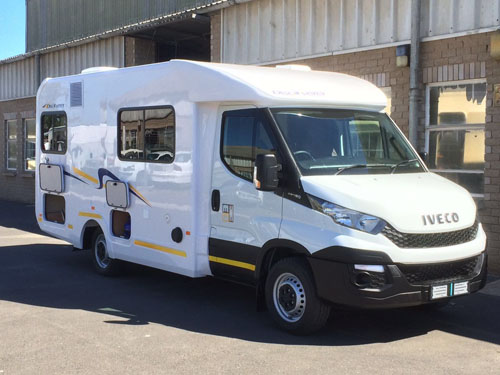
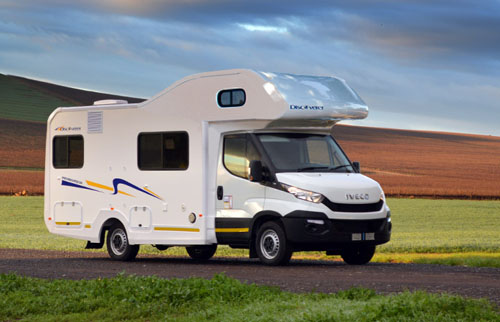
RV rental costs in Zambia are dynamic and fluctuate daily based on factors like availability, seasonality, and supplier marketing decisions, similar to airline ticket prices. For live availability and current prices, start with our RV Rental Zambia - Complete Guide 2026 guide. Expect a 1-week rental for a comfortable 2-berth campervan, such as an "Active Classic", to typically range from $100-$180 per day during the shoulder season, while a larger 4-6 berth Class C motorhome like an "Euro Deluxe" might cost $180-$300 per day. These prices establish a baseline, but the final cost is set at the actual booking time. Planning an extended road trip of a month or more can often yield a better daily rate, as many suppliers offer discounts for longer rental durations. Couples traveling in a smaller campervan may find their overall rental cost more economical than families requiring a larger Class C motorhome with multiple sleeping areas, for instance, a "Motorhome MC4 Gold" designed for 4-5 people. We at Bandana RV believe in full transparency, so you'll always see the exact price without hidden fees or surprises when you search for your ideal RV rental for Zambia. Our aim is to make your adventure clear and stress-free from the start.Sample RV Rental Costs for Zambia (2026)
Please note: Prices are estimates and vary daily. Use our platform for real-time quotes.
| Vehicle Class | Passenger Capacity | 1-Week Rental (approx. daily rate) | 2-Week Rental (approx. daily rate) | 1-Month Rental (approx. daily rate) |
|---|---|---|---|---|
| Class B Campervan (e.g., "Active Classic") | 2-3 people | $100 - $180 | $90 - $160 | $80 - $140 |
| Class C Motorhome (e.g., "Euro Deluxe") | 4-6 people | $180 - $300 | $160 - $270 | $140 - $240 |
Seasonal Pricing - Peak vs. Shoulder vs. Off-Season in Zambia
RV rental prices in Zambia fluctuate significantly based on seasonality, with peak periods seeing the highest demand and corresponding rates. The dry season, running from May to October, represents Zambia's peak travel season due to optimal wildlife viewing conditions and more accessible roads. During these months, especially July and August, daily rental rates can be at their highest, and booking 3-6 months in advance is strongly advised to secure your preferred vehicle. Shoulder seasons, typically May-June and September-October, offer a great balance of pleasant weather, abundant wildlife, and moderate pricing, often with daily rates 10-20% lower than peak season. For example, a 4-berth "4 Berth Adventurer" motorhome might be more readily available and at a better price during these times. The off-season, spanning November to April, particularly April, generally provides the most budget-friendly options, with potential savings of up to 30% on standard rates, though travelers should be prepared for the wet season's impact on road conditions. Flexibility with your travel dates, even by a few days, can lead to significant savings, and our comparison platform helps you identify these opportunities.What's Included vs. What's an Add-On
Standard RV rentals in Zambia typically include basic insurance coverage and essential vehicle components like an onboard water tank (e.g., 80-150 liters), a gas stove for cooking, and a refrigerator to store your provisions. Many vehicles, such as the "cruise america rv rental example Explorer", also come equipped with front air conditioning for comfortable driving, and a fixed sleeping area suitable for a couple or small family. This ensures you have the fundamental setup for your road trip without any hidden fees. Common add-ons that can enhance your RV experience in Zambia include comprehensive insurance tiers for extra peace of mind, unlimited mileage packages (which are highly recommended for exploring vast distances), and convenience kits like kitchen kits with cooking utensils and tableware, and bedding kits. Items such as a bicycle rack for a "K125" campervan or a sun canopy for outdoor living, often seen on a "Combi Van", might also be available as paid extras. Always review the detailed inclusions and optional add-ons provided by each supplier on our platform to customize your rented motorhome adventure to your specific needs.Hidden Costs to Budget For in Zambia
RV travelers in Zambia must budget for various additional costs beyond the base rental fee, which typically include national park entry fees, fuel, specific campsite charges, and potential border crossing fees. For instance, a 7-day safari adventure could include park fees of $25 per person per day for non-residents, significantly adding to the overall trip expense. Fuel, particularly for a larger Class C motorhome with a 150-200 liter tank, is a considerable expense, with consumption averaging 15-25 liters per 100 km, especially on unpaved roads. Other ancillary costs include propane for cooking and heating, dump station charges (though usually minimal), and possible toll road fees, which some rental providers may offer to pre-purchase. While planning your adventures, remember that on RV PLANET routes, travelers can itemize and track every expense along the way for easy budgeting. Always verify any potential one-way drop-off fees if you plan to return your rented motorhome in a different city, such as a One-Way RV Driving in Zambia - Route Planner 2026 trip from Livingstone to Lusaka. Being prepared for these extra expenses ensures a smooth and enjoyable journey.How to Save on RV Rental for Seniors RV Rental in Zambia
Saving on RV rental in Zambia involves strategic planning and flexibility. Booking during the shoulder or off-season, such as April, can significantly reduce your daily rates by up to 30% compared to peak travel months. Choosing a smaller campervan or motorhome, like a 2-berth "Active Classic" with an average length of 5.99m, if it comfortably meets your group's needs, often results in lower daily rental rates and better fuel efficiency, which is important for Budget RV Driving in Zambia - Save on Fuel 2026. Opting for longer rental durations frequently provides a better daily price; a month-long trip can be more cost-effective per day than a week-long RV driving tour in Zambia 2026. Pre-purchasing unlimited mileage packages, where available, can also help avoid unexpected surcharges, especially for extensive exploration. Monitoring flex-rate drops, particularly for early bookings (2-3 months in advance), can yield better deals from suppliers. Being flexible with your pick-up and drop-off dates can open up cheaper options that might not appear on fixed date searches, ensuring you find the cheapest RV rental in Zambia.What are the Road Conditions for RVs in Zambia?
Road conditions in Zambia for RVs vary significantly, from well-maintained paved highways in urban areas and major corridors to challenging gravel and dirt tracks, especially when accessing national parks and rural destinations. The main national highways, including the T1 and T2, are generally tarred and suitable for all motorhome classes, allowing for smooth travel between major cities like Lusaka and Livingstone. Drive slowly and carefully, and you can drive almost anywhere without issues. No need to stress - just use common sense and pay attention. However, secondary roads leading to many safari lodges and remote campsites, often covering hundreds of kilometers, are typically unpaved. These can be corrugated, sandy, or muddy depending on the season, potentially posing challenges for larger Class C motorhomes with a 7.5-meter length and a 2.5-meter width. During the wet season (November-April), these dirt roads can become impassable, even for 4x4 campervans with enhanced traction. Prior research into your specific route is essential for Driving an RV in Zambia - Complete Guide 2026 to match road conditions with your chosen RV type and comfort level, ensuring a safe and enjoyable journey.What RV-Specific Practicalities Should I Consider for Larger RVs in Zambia?
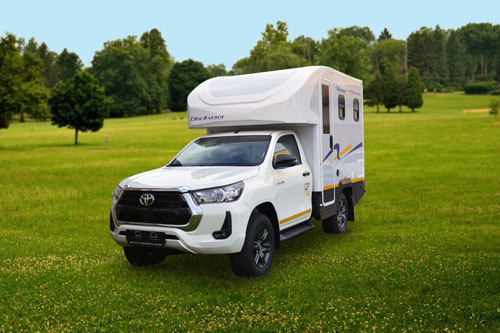
When traveling with larger RVs in Zambia, consider specific practicalities such as the limited availability of campsites with full hookups, the need to locate waste disposal and water refill points, and ensuring accessible fuel stations for larger tanks. While smaller campervans like a "Patagonia Camper 4x4 double cab" are common, finding suitable parking and maneuvering space for a 6-berth "Euro Deluxe" Class C motorhome, which can be up to 7.5 meters long, can be more challenging. Many national park campsites primarily cater to smaller 4x4 vehicles and may only offer basic amenities, so identifying those with reliable power and fresh water hookups is crucial for a comfortable stay. Dedicated waste disposal (dump) stations for grey and black water tanks can be scarce outside of major towns or specialized RV parks. Travelers should plan their route carefully to ensure they can empty tanks every 2-3 days, especially if relying on a 100-liter waste water tank. Fuel station accessibility, particularly for high-volume diesel tanks or those requiring specific fuel types, needs pre-planning in remote areas; carrying extra fuel in jerry cans is often a wise precaution. These details are important for a seamless RV Driving Deals in Zambia - Routes and Savings 2026 adventure.What are the Seasonal Considerations for RV Travel in Zambia?
RV travel in Zambia during the wet season, from November to April, offers advantages like lush, vibrant landscapes and significantly fewer tourists, but presents challenges such as muddy roads and potentially impassable routes. During these months, heavy rains can transform dirt tracks into bogs, making navigation difficult even for 4x4 campervans and potentially restricting access to certain national parks. Vehicle maintenance might also be more frequent due to muddy conditions, impacting your overall trip costs. Conversely, the dry season, which spans from May to October, provides easier road access and excellent conditions for wildlife viewing as animals congregate around shrinking water sources. However, this is also peak tourist season, meaning national parks and popular campsites can be crowded, and RV rental prices are at their highest. Water availability for RVs might differ seasonally, with more abundant sources in the wet season but potential for contamination, while dry season requires careful rationing of fresh water from a typical 100-liter tank. Regardless of the season, our "RV Rental Africa - Complete Guide 2026" offers broader context for continent-wide RV travel.What RV Gear and Preparation are Essential for Zambia?
Essential RV gear for an adventure in Zambia includes recovery equipment like shovels, traction mats, and a high-lift jack, spare parts such as tires and fuel filters, a comprehensive first-aid kit, and reliable communication tools beyond mobile phones, alongside thorough pre-trip vehicle checks. Given the varying road conditions, a 4x4 campervan like the "4x4 Camper B - THOR" is often recommended for accessing more remote areas. A detailed pre-trip checklist should cover fluid levels, tire pressure (including spares), brakes, and all lights. For longer journeys, especially a Luxury RV Driving in Zambia - Scenic Routes 2026 through remote parks, carrying spare fuel in jerry cans (e.g., an extra 20-40 liters), additional water, and non-perishable food supplies is vital. For preparing meals in your RV's kitchen, check out our RV-friendly recipes playlist. Reliable communication, such as a satellite phone or a local SIM card with sufficient data for navigation, is crucial for emergencies and staying connected where mobile reception is limited. A comprehensive tool kit for minor repairs can also be a lifesaver on Zambian roads.What Safety and Emergency Protocols Should RVers Follow in Zambia?
RV travelers in Zambia should adhere to specific safety protocols including understanding wildlife encounter procedures around campsites, having a clear breakdown plan, carrying reliable communication tools like satellite phones, and knowing local emergency contacts. When camping in or near national parks, always secure food and waste properly to prevent attracting wildlife, and observe animals from a safe distance, especially nocturnal creatures. It’s imperative to keep your rented RV locked, especially at night. Develop a breakdown procedure that includes basic roadside repair knowledge, and know whom to contact (your rental company, local assistance, or emergency services). Carrying a fully charged satellite phone is crucial in remote areas where mobile reception is unreliable, supplementing a local SIM card for urban connectivity. Have a list of essential emergency contacts, including local police (991 for landlines, 112 for mobile), medical services, and your embassy. General security awareness, such as keeping valuables out of sight and parking in well-lit, secure areas in towns, is always recommended.How Do RV Border Crossings Work in Zambia?
Successfully navigating RV border crossings into or out of Zambia requires specific documentation including valid passports, any necessary visas, original vehicle registration, an International Driving Permit (IDP), and a Temporary Import Permit (TIP) for the RV, with potential variations depending on the country of origin (e.g., Namibia or Botswana). Ensure all occupants have valid passports with at least six months' validity and sufficient blank pages for stamps. Any required visas for Zambia or neighboring countries must be obtained in advance. You must carry original vehicle registration documents, proof of ownership (rental agreement), and comprehensive insurance that explicitly covers cross-border travel into your intended destinations. An International Driving Permit (IDP) is recommended in addition to your national driver's license. A Temporary Import Permit (TIP) for your rented motorhome, detailing the vehicle and intended duration of stay, must be acquired at the border post; these typically have a fee of around $20-$50. Be prepared for potential queues and thorough customs inspections, especially at busy border posts like Kazungula (to Botswana) or Wenela (to Namibia).What are the Best RV Campsites in Zambia with Amenities?
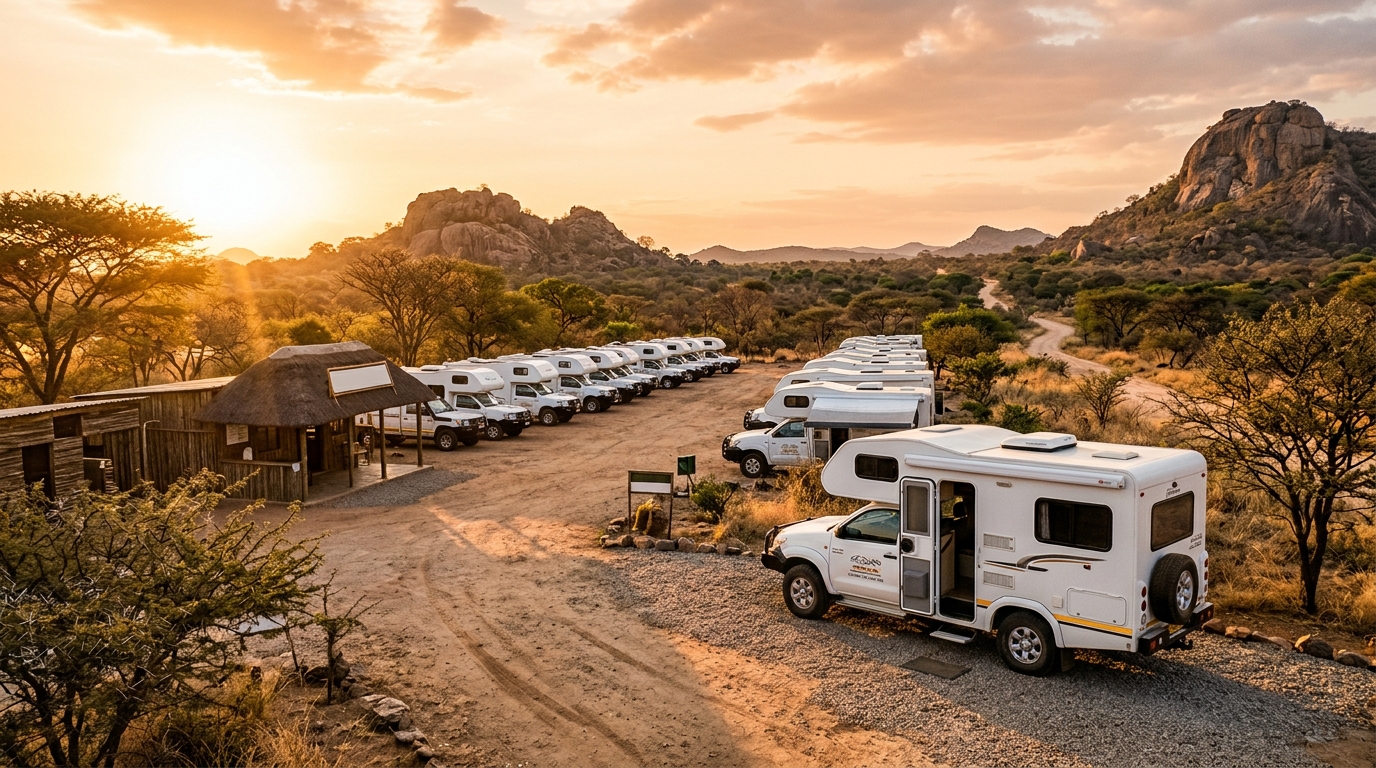
The best RV campsites in Zambia, beyond typical safari lodges, offer crucial amenities for RVers such as level sites, ample shade, 24-hour security, reliable power hookups (e.g., 15-amp or 30-amp connections), fresh water points, and dedicated dump stations. While many national park facilities are rustic, privately owned campsites and lodges near popular attractions like Victoria Falls often provide more comprehensive services. For example, Maramba River Lodge near Livingstone offers grassy, shaded sites with electrical hookups and modern ablutions, ideal for all motorhome classes including a 6-berth "Koru Star 6 Freedom". Look for campsites that specify amenities like individual power pedestals and readily accessible clean water points. Security is paramount, so prioritize sites with manned gates, night guards, or good reputations for safety. Leveling blocks are often necessary as many sites may not be perfectly flat. Ample shade is important for comfort and to reduce heat inside your rented RV during sunny days, especially from May to October. For finding campsites and campgrounds during your trip, we recommend using RV PLANET (rvplan.net) - a great resource for locating available spots along your route.What is Cultural Etiquette for RV Travelers in Zambia?
RV travelers in Zambia can enhance their experience and show respect by understanding local cultural etiquette, which includes appropriate dress, respectful interaction in communities and markets, and seeking permission before photographing people. When visiting rural villages or religious sites, dressing modestly, covering shoulders and knees, is a sign of respect. Learning a few basic greetings in local languages like Nyanja ("Muli bwanji?" - How are you?) or Bemba ("Mwapoleni?" - Hello) can facilitate positive interactions and open doors to authentic experiences. When engaging with vendors in local markets, be polite and friendly; while bargaining is common for certain goods, do so respectfully. Always ask for permission before taking photographs of individuals, especially children, to respect privacy, and be prepared for them to ask for a small payment in return. Be open to unique cultural experiences beyond typical tourist attractions, such as local ceremonies or community projects. Traveling slowly, max 100-150 km per day on average, allows you to take time to feel the place, connect to the culture, the food, and the scenery, enriching your overall Zambian motorhome adventure.What You Shouldn't Miss
- Victoria Falls (Mosi-oa-Tunya): Experience the breathtaking majesty of one of the world's largest waterfalls from the Zambian side, with opportunities for sunset cruises on the Zambezi River or a visit to Livingstone Island.
- South Luangwa National Park: Embark on world-class walking safaris and game drives, spotting leopards, lions, elephants, and diverse birdlife in one of Africa's most pristine wildlife sanctuaries.
- Lower Zambezi National Park: Combine classic game viewing with unique water-based activities like canoe safaris and tiger fishing on the tranquil Zambezi River, offering a different perspective on wildlife.
- Lusaka City Exploration: Immerse yourself in Zambia's vibrant capital, exploring local markets like Soweto Market, visiting cultural centers, and enjoying local cuisine.
- Lake Kariba Houseboats: For a unique blend of land and water adventure, consider spending a few days on a houseboat on Lake Kariba, combining RV travel with fishing and relaxation on this vast man-made lake.
- Shiwa Ng'andu Estate: Discover this eccentric English country estate, built in the heart of rural Zambia in the 1920s, offering a fascinating historical and cultural detour.
Final Thoughts
Exploring Zambia in a rented RV as a senior traveler offers an unparalleled sense of freedom and discovery, allowing you to set your own pace and truly immerse yourself in the natural beauty and rich culture. With careful planning around seasonal considerations and road conditions, and by leveraging the transparent pricing and dedicated support from Bandana Caravan, your adventure can be as smooth as it is exciting. Remember, the joy of RV travel lies in the journey itself, embracing slow travel at around 100-150 km per day. Take your time, savor each moment, and let the magic of Zambia unfold around you. We handle the details, so you can truly live the journey, creating unforgettable memories in the heart of Africa. Get inspired for your next trip and discover top destinations, planning tips, all in one place with Bandana Caravan!On the routes offered through RV PLANET routes, you can itemize and track every expense along the way for easy budgeting.