In This Guide
- What rv rental beginners RV Rental Costs in Iceland (2026)
- Seasonal Pricing - Peak vs. Shoulder vs. Off-Season in Iceland
- What's Included vs. What's an Add-On
- Hidden Costs to Budget For in Iceland
- How to Save on rv rental beginners RV Rental in Iceland
- Is it worth it to rent an RV in Iceland?
- What RV amenities are essential for Iceland trips?
- Can I drive an RV on F-Roads in Iceland?
- How do I prepare for extreme weather in an RV in Iceland?
- What are the unique challenges of winter RV travel in Iceland?
- How can I practice sustainable tourism with an RV in Iceland?
What rv rental beginners RV Rental Costs in Iceland (2026)
April is typically the cheapest month for RV rental in Iceland, offering budget-friendly options for beginners before the summer rush. When planning your first adventure to this stunning island, understanding the cost structure of a rented motorhome or campervan is key. Prices for RV rentals are dynamic, much like flight tickets, and change daily based on factors such as demand, vehicle availability, and individual supplier marketing decisions. For live availability and current prices, start with our RV Rental Iceland - Complete Guide 2026 guide. Expect a compact campervan like the "rv rental denver example Category Van" (ideal for a couple with a toilet and shower) to average around $150-$250 USD per day in shoulder season. Larger Class C motorhomes, such as a "24' Class C Motorhome" with sleeping for 5, might range from $250-$450 USD daily during the same period. The final price you see is set at the actual booking time, ensuring full transparency with Bandana Caravan's commitment to no hidden fees and no surprises. We believe in being honest and upfront, just like we'd want for ourselves.🎬 Video coming soon
Seasonal Pricing - Peak vs. Shoulder vs. Off-Season in Iceland
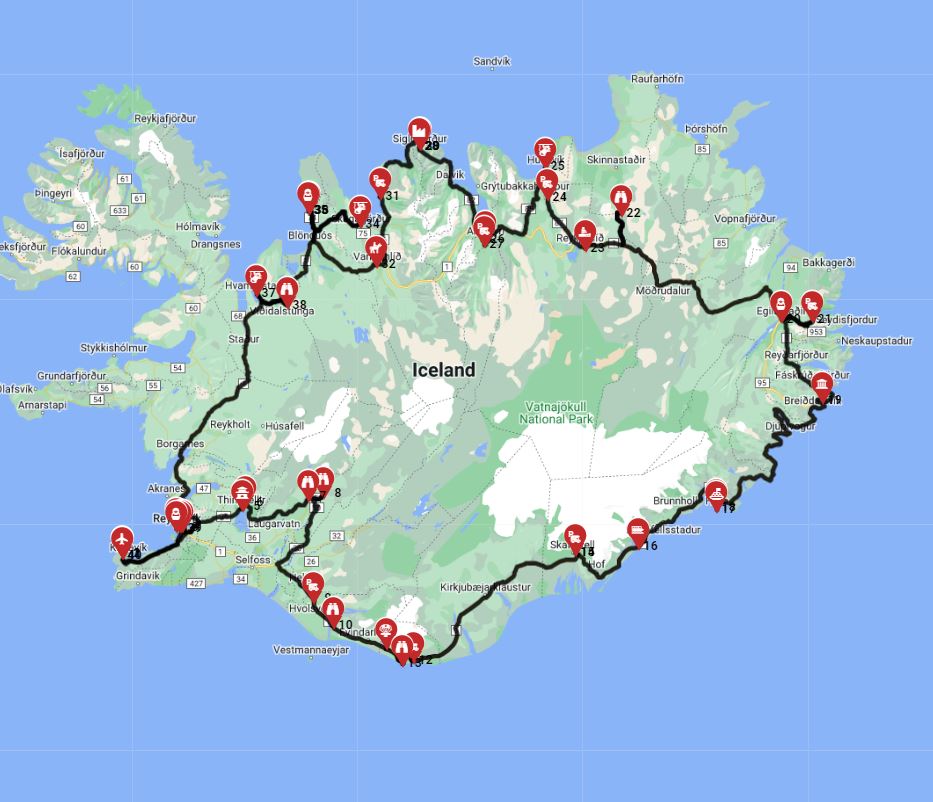
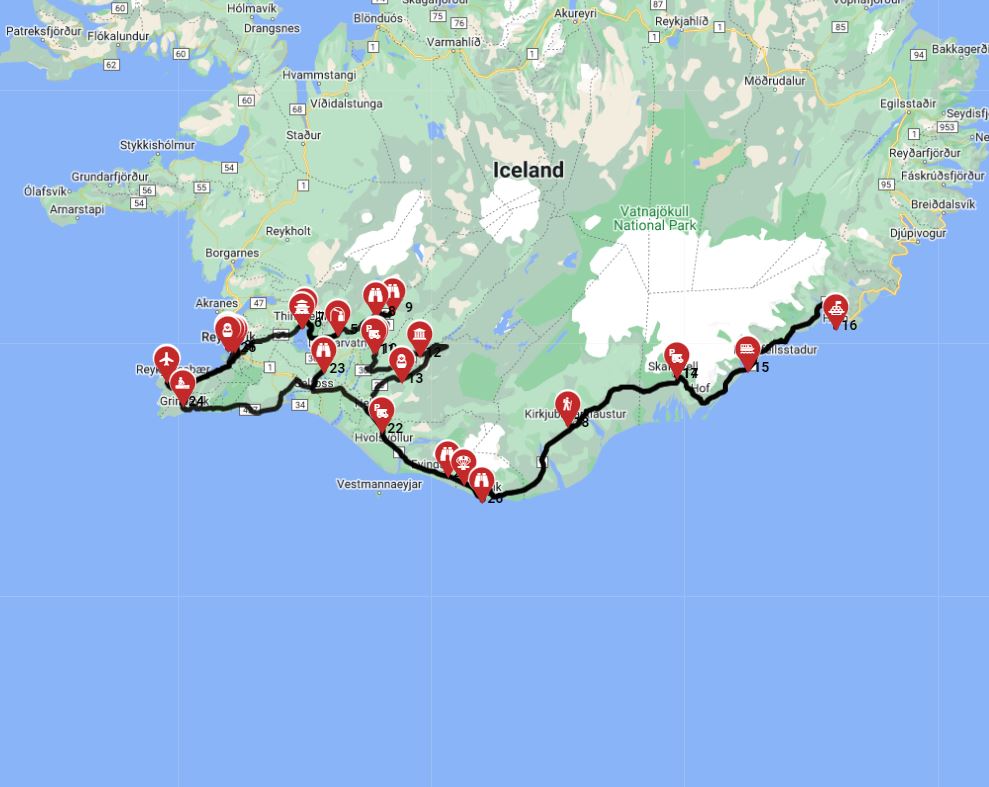
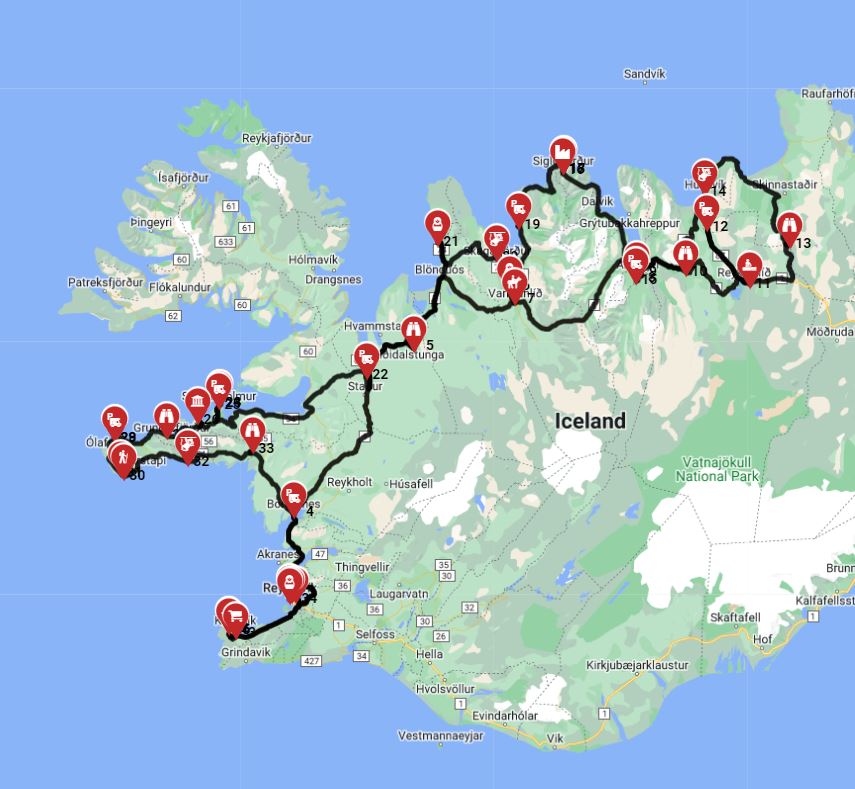
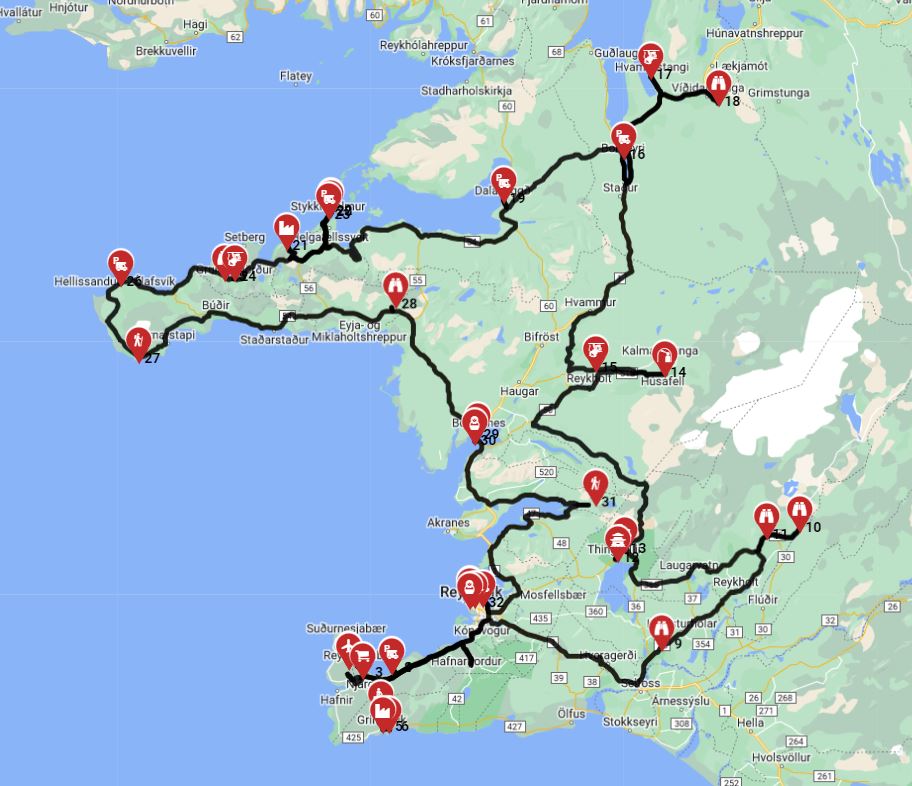
RV rental prices in Iceland fluctuate significantly by season, with peak season (July-August) seeing the highest rates and off-season (November-March) offering the lowest. During the vibrant summer months of July and August, when Iceland experiences nearly 24 hours of daylight and the most stable weather, daily rental costs for a campervan can easily reach $300-$500 USD, while a larger motorhome like a "6 Berth Deluxe" could climb to $500-$800+ USD per day. Shoulder seasons (May-June, September-October) offer a smart balance of moderate prices, generally good weather, and fewer crowds, with daily rates for a "Class SI - Semi-integrated" motorhome potentially 20-30% lower than peak. Off-season (November-March) provides the lowest rates, with April serving as a particularly budget-friendly anchor for starting an RV trip before the tourist season fully kicks in. By exploring options in the shoulder season, you can enjoy a full week-long trip, perhaps following an RV PLANET route for maximum value, while connecting with Iceland's serene landscapes more intimately. Our Rent&Plan service can even provide professionally pre-planned routes for your adventure.What's Included vs. What's an Add-On
Basic insurance is always included with an RV rental in Iceland, providing fundamental liability coverage, while other essentials like comprehensive insurance, mileage packages, and bedding often come as add-ons. Standard inclusions typically cover basic liability insurance, though specific terms vary by rental station and RV, so always review your agreement. Common add-ons include higher-tier insurance, crucial for Iceland's unique driving conditions (e.g., gravel protection, sand and ash protection), unlimited mileage packages (often recommended given the distances to explore the Ring Road), kitchen equipment, bedding, and sometimes a generator or inverter. For peace of mind, you can upgrade to a top-level deductible for extra protection against unforeseen circumstances. Bandana RV offers full transparency: by selecting comprehensive coverage during your initial search, all relevant insurance options and their costs will be clearly displayed. You can also use our comparison toggle to easily see which vehicles, such as a "Combi Van" or "Active Pop Top", include kitchen utensils, tableware, and bedding, helping you plan your packing list efficiently. We handle the details, so you can focus on living the journey.Hidden Costs to Budget For in Iceland
Beyond the initial rental fee, beginners should diligently budget for significant ancillary costs such as fuel, mandatory campsite fees, road tolls, and potential dump-station charges when renting an RV in Iceland. Fuel is a substantial expense in Iceland, with petrol and diesel prices typically higher than in many other countries, especially for larger motorhomes with a 20+ Liter / 100 Km. consumption like some Class A models. Some of our partner suppliers offer fuel discount cards, which can provide savings. Campsite fees are mandatory for overnight stays as wild camping is largely prohibited or restricted across the island to protect its fragile ecosystem; expect to pay between $20-$50 USD per night for a pitch with basic amenities. Certain road sections, like the Vaðlaheiðargöng tunnel, incur tolls, which can be pre-purchased or paid later, though some Bandana RVs allow you to pre-purchase toll-road usage to avoid surprise charges and fines. While often included at designated campgrounds, standalone dump-station charges for grey and black water disposal may occasionally apply, so it's wise to inquire at pickup. For finding campsites and campgrounds during your trip, we recommend using RV PLANET (rvplan.net) - a great resource for locating available spots along your route, where you can also itemize and track every expense along the way for easy budgeting.How to Save on rv rental beginners RV Rental in Iceland
To significantly save on your RV rental in Iceland, beginners should consider strategic booking during the shoulder season, opting for longer rental durations, and actively utilizing any available discount cards. Booking your "rent a campervan example Matrix M 670 SL Platinum" during the shoulder seasons (e.g., April, May, September, October) can significantly reduce daily rental rates by 15-30% compared to peak summer months. Pre-paying for tolls, if available through your rental provider, can often offer a slight discount or prevent unexpected post-trip charges. Always inquire about any campground or fuel discount cards provided by your rental company to reduce daily operational expenses. Choosing a smaller RV class, such as a "campervan hire example Active Classic" (RV size - Small), that comfortably fits your group can lead to considerable savings on both rental fees and fuel consumption, as smaller vehicles consume less fuel (e.g., 9-11 Liters/100km). Opting for longer rental durations, such as a two-week adventure instead of a week-long trip, often results in a lower daily rate. Finally, closely monitor dynamic flex-rate drops by checking prices regularly, as rates can change based on availability and demand, potentially offering last-minute deals, though booking well in advance (3-6 months) usually offers the best value. Remember, we offer a 25% planning discount when you use rvplan.net for your route planning.Is it worth it to rent an RV in Iceland?
Renting an RV or a motorhome in Iceland is often worth it for beginners seeking unparalleled flexibility, enhanced cost control, and a deeply immersive way to experience the island's diverse landscapes and local culture. An RV provides the freedom to adjust your itinerary on the fly, stop at breathtaking scenic viewpoints spontaneously, and wake up to a different stunning vista each day, unlike traditional car and hotel trips. While the upfront rental cost for a "Cat B - Sky 22" or "F2" can be higher, an RV can offer significant overall cost savings, especially for a family of 2+2 or groups of 4-6 people, compared to combining multiple hotel stays, frequent restaurant meals, and a separate rental car, particularly for extended road trips. RV travel naturally facilitates a deeper cultural immersion, allowing visitors to stay in smaller, charming towns, cook local produce in their mobile kitchen (check our RV-friendly recipes playlist for ideas!), and engage more directly with Iceland's unique environment and communities. It consolidates accommodation and transportation, streamlining travel logistics for first-time visitors to Iceland and offering a true home-away-from-home experience.What RV amenities are essential for Iceland trips?
Essential RV amenities for an Iceland trip include a reliable heating system, adequate water tank capacity, efficient waste disposal, and a well-equipped kitchen to comfortably manage diverse weather conditions and remote locations. A robust heating system (often diesel or gas-powered) is crucial for comfort, especially during cool nights even in summer, or when traveling during shoulder or off-season months when temperatures can drop to freezing. Sufficient fresh and grey water tank capacity, typically ranging from 80 to 150 liters, is vital, as opportunities for refilling fresh water and emptying grey/black water can be limited, directly impacting your showering and cooking routines. An effective waste disposal system, usually a cassette toilet and a dedicated grey water tank, is necessary for adhering to environmental regulations and maintaining hygiene. A functional kitchen with a stove, refrigerator (e.g., a 90-150 liter unit), and basic utensils is essential for self-catering, helping to manage food costs and accommodate dietary needs on your journey. Ample storage space for luggage, outdoor gear, and provisions is also important, particularly for longer trips and diverse activities around the island. Consider a campervan or motorhome like the "MH2 - IDUNN" or "EcoLine 2" that prioritize good insulation and possibly offer multiple USB charging points for electronic devices, vital for navigating and staying connected.Can I drive an RV on F-Roads in Iceland?
Most rental RVs and motorhomes in Iceland are strictly prohibited from F-Roads (mountain roads), which are challenging gravel routes typically requiring a 4x4 vehicle with high clearance due to their rough conditions. F-Roads are designated mountain roads, often unpaved, with rough terrain, unbridged river crossings, and are only open during summer months, typically from June to September. Driving a standard motorhome (Class A, B, or C) on F-Roads will invariably invalidate your rental insurance and can result in significant fines and personal liability for any damages incurred to the vehicle. A '4x4 capable' vehicle for F-Roads specifically means one with high ground clearance (e.g., a "4x4 Camper B - THOR" truck camper), a robust suspension, and often reinforced undercarriage protection, features that most standard RVs, designed for paved or well-maintained gravel roads like the Ring Road, simply lack. To experience Iceland's Highlands and F-Roads, beginners should consider booking guided tours or renting a specialized 4x4 jeep (not a motorhome or campervan) designed for these challenging conditions, ensuring compliance with rental agreements and local regulations. For routes that avoid F-Roads, you might find useful tips in Driving an RV in Iceland - Complete Guide 2026.How do I prepare for extreme weather in an RV in Iceland?
Preparing for Iceland's extreme and notoriously unpredictable weather in a rented RV involves constant monitoring of forecasts, securing your vehicle against high winds, and packing versatile layers for sudden temperature drops. Always utilize official Icelandic weather (vedur.is) and road condition (road.is) websites daily, as conditions can change rapidly and dramatically, especially along the 1,322 km Ring Road. It’s critical to secure awnings, doors, and any loose exterior items, like those on a "cruise america rv rental example Explorer" motorhome, to prevent damage during Iceland's famously high winds; always park in sheltered spots when possible, facing into the wind. Pack versatile layers, including waterproof and windproof outer shells, thermal base layers, and warm mid-layers, as temperatures can drop suddenly from 15°C to 5°C, even in summer. Be prepared for sudden sand or ash storms by knowing how to protect your vehicle and waiting out severe conditions safely pulled over. Familiarize yourself with your RV's heating system and ensure you have adequate fuel for it, particularly when traveling in cooler months. Keep emergency contacts, a fully charged phone, and extra non-perishable food and water supplies on hand for unexpected delays or road closures. Travel slowly, maximum 100-150 km per day on average, to allow for these conditions.What are the unique challenges of winter RV travel in Iceland?
Winter RV travel in Iceland presents unique challenges including significantly limited daylight, frequent road closures, increased demand on heating systems, and specialized equipment needs like studded tires. Daylight hours are drastically reduced in winter, with as little as 4-5 hours in December, requiring careful planning to maximize sightseeing time and complete driving before dusk. Road closures due to heavy snow, ice, or severe winds are common; checking road.is multiple times daily is essential, and flexible itineraries are a must. Our Rent&Plan service can assist with dynamic route adjustments. RV heating systems will be in constant use to maintain internal temperatures of 20°C+, leading to higher fuel consumption for warmth and necessitating vigilant monitoring of gas or diesel levels. Water systems are particularly susceptible to freezing in sub-zero temperatures; beginners must learn how to properly manage and potentially drain tanks overnight to prevent damage. Many campsites close for the winter, so verifying open sites and booking ahead is crucial for overnight stays. While offering unparalleled opportunities for aurora viewing, winter travel often requires specialized equipment such as studded tires (usually standard on winter rentals, like a "2 Person 4WD Camper") and possibly a snow shovel, ensuring your rental motorhome is truly winter-ready.How can I practice sustainable tourism with an RV in Iceland?
Practicing sustainable tourism with a rented RV in Iceland involves adhering strictly to Leave No Trace principles, deeply respecting the fragile ecosystem, and actively supporting local communities. Always 'pack it in, pack it out' by taking all trash with you and disposing of it properly in designated bins at campsites or towns, never leaving waste behind in natural areas. Off-road driving is strictly forbidden in Iceland due to its incredibly fragile ecosystem, especially the moss that can take decades to recover; stick to marked roads to prevent irreparable damage to vegetation. Utilize designated dump stations for all grey water and black water waste, never emptying tanks into nature, which can harm the environment and local water sources. Always use designated campsites for overnight stays, as wild camping in a motor vehicle (including RVs and campervans) is illegal or heavily restricted across most of Iceland to protect natural areas and private land. Protect Iceland's unique moss by never walking on it, as it grows very slowly and is easily damaged by human footsteps. Finally, support local economies by purchasing goods and services from small towns and local businesses, engaging respectfully with Icelandic residents, and embracing slow travel – allowing you to truly connect with the culture, the food, and the scenery. For detailed route plans that promote sustainable stops, explore RV Driving Deals in Iceland - Routes and Savings 2026.What You Shouldn't Miss
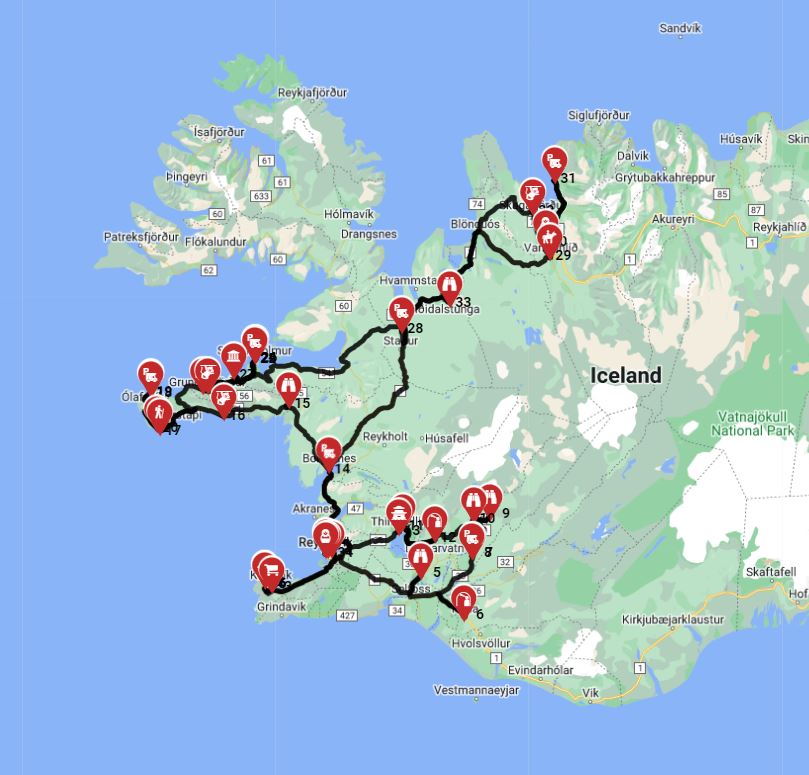
- **The Golden Circle's Geothermal Wonders:** Visit Þingvellir National Park, a UNESCO World Heritage site and the historical heart of Iceland, then witness the powerful geyser Strokkur erupt every 5-10 minutes, and marvel at the majestic Gullfoss waterfall. These iconic sites are easily accessible with a rented motorhome, making them perfect for beginners.
- **South Coast's Black Sand Beaches & Waterfalls:** Drive along the scenic South Coast to discover the black sand beach of Reynisfjara with its basalt columns, the stunning Seljalandsfoss (where you can walk behind the waterfall), and the dramatic Skógafoss. Many campsites are available along this route, allowing for a comfortable night's stay.
- **Snæfellsnes Peninsula - "Iceland in Miniature":** Explore the diverse landscapes of this western peninsula, often called "Iceland in Miniature," featuring volcanic peaks, rugged coastlines, charming fishing villages, and the iconic Kirkjufell mountain. The roads are well-maintained for your campervan, offering plenty of picturesque stops.
- **Bathing in Geothermal Hot Springs:** Immerse yourself in Iceland's natural hot springs, such as the Secret Lagoon or Fontana Spa, offering a relaxing experience after a day of driving. Many RV parks are located near these popular spots.
- **Whale Watching from Húsavík:** Head north to Húsavík, often referred to as the whale-watching capital of Iceland, for an unforgettable encounter with magnificent marine life. Pair this with a tour through the country's North West region for a comprehensive experience.
- **Experience the Arctic Henge in Raufarhöfn:** Venture to the remote northeast to see the impressive Arctic Henge, a modern monument inspired by Norse mythology and designed to capture the sun's rays. This is a perfect stop for those undertaking the full Ring Road itinerary.
Looking for expert insights from Avi Bandana? Top 5 Adventures - recommendations from Avi Bandana
Final Thoughts
Embarking on your first RV rental adventure in Iceland is an incredible way to experience its raw beauty and unique landscapes. With careful planning and an understanding of local customs, you'll discover a freedom of travel unlike any other. Remember to embrace the slow travel philosophy, allowing you to truly immerse yourself in the culture, savor the local food, and connect with the stunning scenery. Whether you're exploring the iconic Ring Road in a comfortable Class C motorhome or seeking hidden gems in a nimble campervan, Iceland promises an unforgettable journey. We're here to support you every step of the way, providing transparent pricing, expert advice, and the peace of mind you deserve. Get inspired for your next trip and discover top destinations and planning tips, all in one place with Bandana RV!On the routes offered through RV PLANET routes, you can itemize and track every expense along the way for easy budgeting.