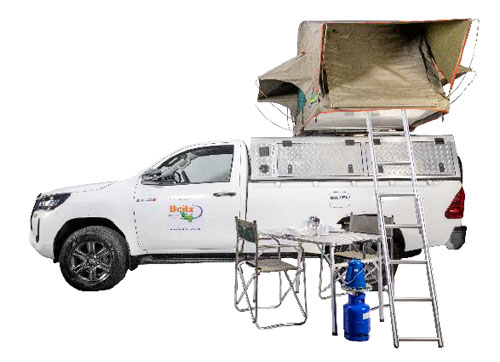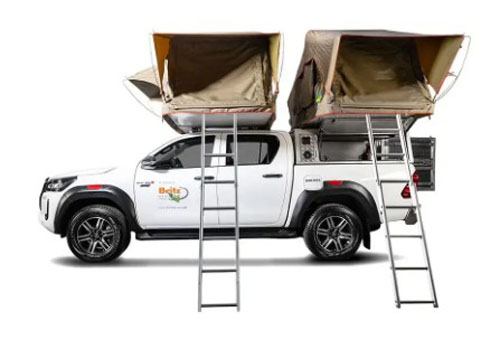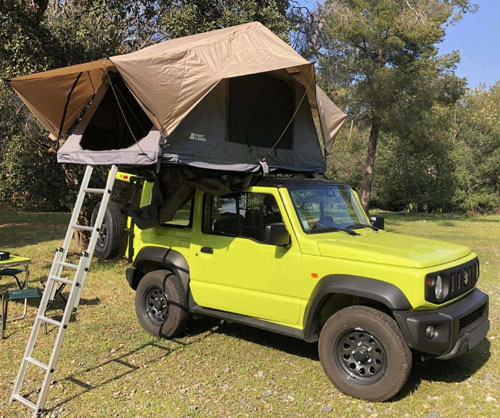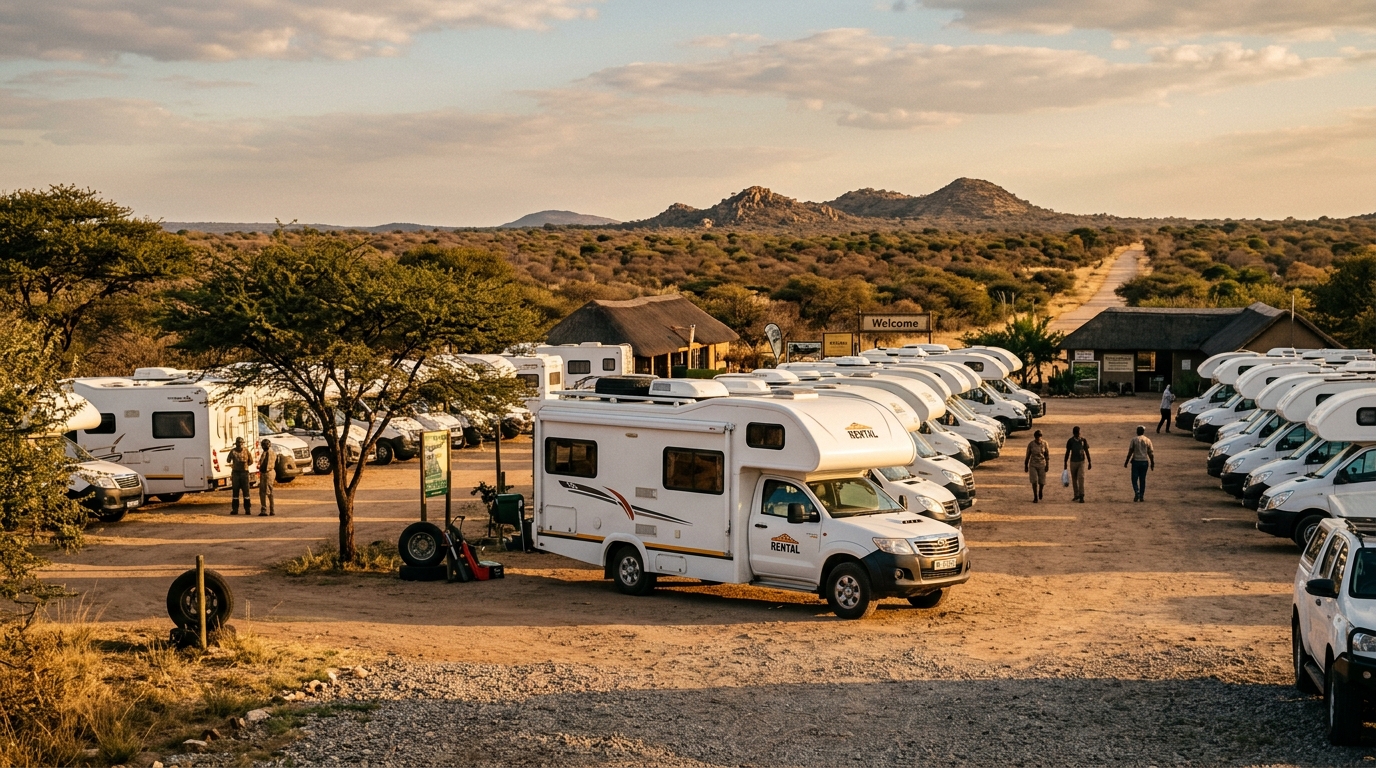
For live availability and current prices, start with our RV Rental Botswana - Complete Guide 2026 guide.
In This Guide
- What RV Rental Costs in Botswana (2024)
- Seasonal Pricing - Peak vs. Shoulder vs. Off-Season in Botswana
- What's Included vs. What's an Add-On
- Hidden Costs to Budget For in Botswana
- How to Save on RV Rental in Botswana
- What specific off-road driving skills are essential for RVing in Botswana?
- What advanced emergency preparedness is crucial for remote RV travel in Botswana?
- Beyond wildlife, what cultural and non-safari experiences can RVers find in Botswana?
- How can I ensure sustainable and ethical RV practices in Botswana's wilderness?
- What specialized gear and vehicle modifications are recommended for RVing in Botswana?
- What are the key considerations for family RV travel in Botswana with children?
- Top Cities for RV Rental in Botswana
- General Driving Rules and Local Tips for Botswana
- Insurance and Permits for RV Travel in Botswana
- Navigating Logistics: Fuel, Water, and Connectivity in Botswana
What RV Rental Costs in Botswana (2024)
RV rental costs in Botswana are dynamic and fluctuate significantly based on vehicle class, rental duration, seasonality, and supplier marketing decisions. For example, a compact campervan like the "rv rental denver example Category Van" for two people might start from around $150-$250 USD per day in the low season, while a larger, more robust Class C motorhome such as the "rv rentals utah example Sunrise Escape" for a family of five could range from $300-$500 USD daily during peak demand. Generally, a week-long RV trip in Botswana in a mid-size Class C motorhome for a family of four might incur rental costs of approximately $2,100-$3,500 USD (excluding fuel, campsites, and other expenses). For live availability and current prices, start with our RV Rental Botswana - Complete Guide 2024 guide, which offers a transparent comparison across suppliers.RV Rental Cost by Duration in Botswana
The total cost of your RV trip in Botswana largely depends on how long you plan to explore. A one-week adventure in a compact Class B campervan could cost between $1,050 and $1,750 USD, offering enough time to experience a region like the Okavango Delta or Chobe National Park. For a two-week journey, allowing for deeper exploration of multiple destinations, you might budget $2,800 to $4,900 USD for a comfortable Class C motorhome that sleeps four. Extended trips, such as a one-month expedition, often yield a lower daily rate, potentially reducing the overall per-day rental expense by 10-15%, with total rental costs ranging from $6,000 to $10,000 USD for a well-equipped vehicle. Remember, these are base rental costs; ancillary expenses like fuel and campground fees are additional. For budgeting purposes, the RV PLANET routes allow travelers to itemize and track every expense.RV Rental Cost for Couples vs. Families with Kids in Botswana
The size of your traveling party directly influences the required RV class and subsequent rental cost in Botswana. Couples often find comfort and efficiency in smaller Class B campervans or compact Class C motorhomes, like a "rv rentals example Comfort Class" designed for 2-3 people, which might average $200-$350 USD per day. These smaller vehicles are more fuel-efficient, reducing overall trip costs. Families with 2-4 kids, however, typically require larger Class C or even Class A motorhomes, such as a "29' Class C Motorhome" with bunk beds and larger living spaces. These larger vehicles, accommodating 4-7 people, usually cost $350-$600 USD per day but offer essential amenities like more sleeping capacity, a spacious kitchen, and often larger fresh water tanks for extended stays in remote areas.Seasonal Pricing - Peak vs. Shoulder vs. Off-Season in Botswana
RV rental prices in Botswana are highly seasonal, reflecting tourist demand and local weather patterns. Peak season, typically from July to August, experiences the highest rates, with motorhome rentals potentially increasing by 25-40% due to optimal wildlife viewing conditions and school holidays. A mid-size Class C motorhome that costs $300 USD per day in May might jump to $450 USD daily in August. Shoulder seasons, occurring in May-June and September-October, offer a balance of pleasant weather and moderate prices, often seeing a 10-15% reduction from peak rates, as game viewing remains excellent while crowds thin out. Off-season, from November to April, generally provides the lowest rental rates, with April specifically being a statistically cheaper month, possibly saving you up to 20% or more. However, this period coincides with the rainy season, which can bring challenging road conditions in some national parks.What's Included vs. What's an Add-On
When renting an RV in Botswana, basic insurance coverage is universally included with your rental. This typically covers damage to the rental vehicle above a certain deductible amount, which can often be high (e.g., $2,500-$5,000 USD). However, numerous additional items and coverages are generally considered add-ons and will increase your total rental price. These commonly include top-level deductible reimbursement options for greater peace of mind, unlimited mileage packages (essential for exploring Botswana's vast distances), convenience kits (bedding, towels, kitchen utensils, pots, pans, cutlery), and extras like GPS navigation systems or camping chairs. For instance, a basic "rent rv example A1" campervan might come with just the vehicle and insurance, while a fully equipped "hire campervan example Paradise S/T" could offer a stove, refrigerator, shower, and toilet, with optional bedding kits costing $50-$100 USD per person. Always check with Bandana Caravan, your true RV specialists, as we provide full transparency on all costs, ensuring no hidden fees or surprises upon pickup.Hidden Costs to Budget For in Botswana
Budgeting for a rented RV trip in Botswana requires consideration of several ancillary costs beyond the daily rental rate. Fuel is often the largest variable expense, with a large Class C motorhome potentially consuming 20-25 liters per 100 km on Botswana's varied terrain, and diesel prices averaging around $1.00-$1.20 USD per liter. Campsite fees in national parks and reserves can range from $30-$70 USD per night, often requiring advance booking through the Department of Wildlife and National Parks. Additionally, factors like park entrance fees ($10-$20 USD per person per day), one-way drop-off fees (if applicable, typically $300-$800 USD), and propane refills (for cooking and heating) need to be accounted for. While Bandana ensures full transparency on rental costs, understanding these additional expenses is crucial. For comprehensive budgeting, including tracking every expense, utilizing RV PLANET routes is highly recommended.How to Save on RV Rental in Botswana
You can strategically save on your RV rental in Botswana by being flexible and planning ahead. Booking your motorhome during Botswana's shoulder (May-June, September-October) or off-season (November-April) can significantly reduce rental costs, potentially offering discounts of 10-25% compared to peak months like July and August. Opting for a smaller RV class, such as a compact Class B campervan, can lower your daily rental rate by $50-$100 USD and improve fuel efficiency by 5-10 liters per 100 km. Longer rental durations often result in a better daily rate, so consider an extended road trip rather than multiple shorter ones. Keep an eye out for flex-rate drops by checking prices frequently, especially for bookings made well in advance. Bandana RV offers a 25% planning discount when you use rvplan.net for pre-planned routes, further enhancing your savings.What specific off-road driving skills are essential for RVing in Botswana?
For RVing in Botswana's wilderness areas, mastery of specific off-road driving skills is crucial to navigate challenging terrains. Experience driving in deep sand is vital, especially when traversing areas like the Central Kalahari Game Reserve or the fringes of the Makgadikgadi Pans, requiring a firm understanding of tire pressure management (often deflating tires to 1.5-1.8 bar for better traction) and maintaining momentum. Furthermore, familiarity with driving through mud and water crossings, particularly during and after the rainy season (November-April) in regions leading to the Okavango Delta, is essential. This includes knowing when to engage 4x4, assessing water depth, and understanding how to maintain a steady speed. Basic vehicle recovery techniques, such as using sand ladders or a high-lift jack, are also indispensable for self-sufficiency. Drive slowly and carefully, and you can drive almost anywhere without issues. No need to stress - just use common sense and pay attention.What advanced emergency preparedness is crucial for remote RV travel in Botswana?
Advanced emergency preparedness is paramount for safe remote RV travel in Botswana, where cellular signal is often nonexistent outside major towns. Essential items include a satellite communication device (like a satellite phone or tracker) for reliable contact in emergencies, covering the 80% of wilderness areas without mobile coverage. A comprehensive remote first-aid kit, equipped for snake bites, severe allergic reactions, and trauma, is non-negotiable, alongside knowledge of its use. Travelers should also have a clear understanding of serious breakdown recovery procedures, including contact information for local assistance and conservation authorities, as towing services can be hundreds of kilometers away. Carrying adequate extra water (minimum 20 liters per person per day for drinking and basic hygiene) and a 10-day supply of non-perishable food is also critical. These preparations ensure you're ready for the unexpected, allowing you to enjoy your adventure with confidence.Beyond wildlife, what cultural and non-safari experiences can RVers find in Botswana?
Beyond its world-renowned wildlife, RVers can discover rich cultural and non-safari experiences in Botswana. Travelers can immerse themselves in local culture by visiting traditional San (Bushmen) villages in the Kalahari, learning about their ancient hunting and gathering practices, and observing their intricate tracking skills. Exploring local markets in cities like Gaborone or Maun offers insights into daily life, providing opportunities to interact with communities and purchase authentic crafts, textiles, and local food items. Non-wildlife attractions abound, including the dramatic geological formations of the Tsodilo Hills, a UNESCO World Heritage site featuring over 4,500 ancient rock art paintings. Additionally, the vast, ethereal Makgadikgadi Pans provide an otherworldly landscape for quad biking, stargazing, and experiencing profound isolation, a stark contrast to the lush delta. To truly connect to the culture and food, remember to travel slowly, averaging a maximum of 100-150 km per day.🎬 Video coming soon
How can I ensure sustainable and ethical RV practices in Botswana's wilderness?
Ensuring sustainable and ethical RV practices in Botswana's wilderness is crucial for preserving its fragile ecosystems and vibrant wildlife. Travelers must minimize their environmental impact by strictly adhering to a "pack it in, pack it out" policy for all waste, leaving no trace behind. Conserving water is paramount, especially in arid regions, as many campsites have limited supplies, so a well-maintained fresh water tank, such as the 82-liter tank on the "cruise america rv rental example Explorer", is key. Support local conservation efforts by respecting park regulations, utilizing designated campsites, and avoiding off-road driving outside marked tracks, which can damage vegetation and disturb wildlife. Practice ethical wildlife viewing by maintaining respectful distances (at least 25 meters from large animals), never feeding animals, and adhering to speed limits (typically 40-60 km/h in parks) to prevent accidents and reduce stress on fauna. These actions help protect Botswana's natural heritage for future generations.What specialized gear and vehicle modifications are recommended for RVing in Botswana?
For robust RVing in Botswana, specialized gear and vehicle modifications are highly recommended to handle its challenging terrain. Essential recovery gear includes a high-capacity winch (minimum 4.5-ton rating), a heavy-duty high-lift jack, and at least two robust sand ladders (recovery boards) for self-extraction from deep sand or mud. A dual-battery system or robust solar power setup (e.g., 200W+ panels with a 200Ah lithium battery bank) is crucial for extended bush camping in remote areas, ensuring power for your refrigerator and lights without relying on shore power. Advanced water purification and storage solutions are also vital due to extreme heat and limited water sources; consider carrying a minimum of 80-100 liters of potable water and a water filter. Specialized tire repair kits, including a heavy-duty air compressor, tire plugs, and spare tires (at least two), are indispensable for dealing with punctures on gravel roads. For deeper water crossings, a snorkel for the engine air intake might be necessary on some routes in the wet season.What are the key considerations for family RV travel in Botswana with children?
Key considerations for family RV travel in Botswana with children revolve around safety, comfort, and engagement in a remote African wilderness setting. Prioritize safety precautions by ensuring your rented motorhome has child-friendly setups, such as secure car seat anchor points and lockable cabinets. Clear communication about wildlife encounters, emphasizing the importance of staying inside the vehicle and maintaining quiet when animals are nearby, is paramount. Plan age-appropriate activities, integrating game drives with educational stops at local cultural sites or engaging with traditional stories. Ensure adequate breaks during long drives (recommended maximum 100-150 km per day) to manage children's energy levels and prevent fatigue, using rest stops or designated picnic areas. A specific packing list should include ample sun protection, insect repellent, essential medications, and entertainment options (books, games) tailored for children. Having a comfortable sleeping arrangement, perhaps with bunk beds in a Class C motorhome like the "Group G" model, can make a significant difference to family harmony.Top Cities for RV Rental in Botswana
Botswana offers several key locations ideal for starting your RV adventure, providing access to diverse landscapes and iconic wildlife. For a seamless experience, consider picking up your rented RV from these major hubs:- Gabarone (Gaborone): As Botswana's capital, Gaborone offers a range of RV rental options and serves as a convenient starting point for exploring the southern Kalahari Desert and nearby attractions like the Mokolodi Nature Reserve. Our Gaborone city guide provides more details.
- Gabarone (Gaborone) Airport: Picking up your RV directly from Sir Seretse Khama International Airport (GBE) can save time and streamline your arrival, launching your adventure straight into the heart of Botswana.
- Kasane: Located near the four-country border (Botswana, Namibia, Zambia, Zimbabwe), Kasane is the gateway to Chobe National Park, famous for its elephant herds. It's a popular choice for those focusing on northern Botswana's rich wildlife. Find rv Rentals in Kasane to begin your safari.
- Kasane Airport: The Kasane International Airport (BBK) provides direct access to the Chobe region, making it an excellent choice for a fly-and-drive RV safari.
- Maun: Maun is the primary hub for exploring the magnificent Okavango Delta. With RV rentals available here, you can drive to the delta's fringes and embark on mokoro (traditional canoe) excursions or scenic flights. Check Maun RV Rental Prices Now to plan your Okavango adventure.
- Maun Airport: Maun International Airport (MUB) is perfectly situated for travelers heading straight to the Okavango Delta or Moremi Game Reserve, offering quick access to your waiting camper or motorhome.
General Driving Rules and Local Tips for Botswana
Driving a rented RV in Botswana requires adherence to local rules and an awareness of specific conditions. Botswana drives on the left-hand side of the road, and speed limits are generally 120 km/h on national highways, 80 km/h on secondary roads, and 60 km/h in urban areas, reducing to 40 km/h in national parks. While major roads are paved, many routes to national parks and wildlife areas are gravel or sand tracks, necessitating a 4x4 capable motorhome or campervan and careful driving. Always carry your valid driver's license (a standard license is sufficient for all motorhome classes; an International Driving Permit is recommended) and vehicle rental documents. Emergency numbers include 997 for police, 998 for fire, and 999 for ambulance. It's wise to fill your fuel tank whenever possible, especially before entering remote areas, as fuel stations can be sparse. For more detailed insights, consult our Driving an RV in Botswana - Complete Guide 2026.Insurance and Permits for RV Travel in Botswana
RV travel in Botswana mandates specific insurance and permits to ensure a compliant and worry-free journey. Your Bandana RV rental inherently includes basic third-party liability insurance, which is legally required. However, for comprehensive peace of mind, especially when venturing into remote national parks with challenging road conditions, upgrading to a top-level deductible reimbursement option is highly recommended. This optional upgrade can significantly reduce your financial exposure in case of an accident or damage. National park permits for both the vehicle and each occupant must be pre-arranged, typically through the Department of Wildlife and National Parks, and collected in Gaborone or Maun. Always carry physical copies of your permits and insurance documents, as they will be frequently checked at park gates and checkpoints.Navigating Logistics: Fuel, Water, and Connectivity in Botswana
Efficiently managing fuel, water, and connectivity is crucial for a successful RV adventure in Botswana's vast landscapes. Fuel stations are concentrated in major towns and along primary routes, but become scarce in wilderness areas; ensure you carry extra fuel if your itinerary takes you off the beaten path, particularly when following routes from our One-Way RV Driving in Botswana - Route Planner 2026. Access to fresh water is also limited, with designated campsites often having boreholes, but it's always best to carry a substantial reserve in your RV's fresh water tank (e.g., 100-150 liters). Purchasing a local SIM card (e.g., Mascom or Orange Botswana) in Gaborone or Maun provides mobile internet access in populated areas, but satellite phones or emergency beacons are essential for remote regions with no cellular coverage. Plan your journey with these logistics in mind to truly enjoy the freedom of your rented mobile home. Our Budget RV Driving in Botswana - Save on Fuel 2026 guide offers more tips on managing costs for these essentials.What You Shouldn't Miss
- **Chobe National Park Riverfront:** Experience the incredible wildlife spectacle from your RV, particularly massive elephant herds congregating along the Chobe River near Kasane. Early morning game drives are a must.
- **Okavango Delta Mokoro Safari:** Park your RV at a gateway camp near Maun and take a traditional mokoro canoe trip deep into the delta, gliding silently past hippos and diverse birdlife.
- **Makgadikgadi Pans Stargazing:** Drive your 4x4-capable RV onto the vast, flat salt pans and spend a night under an absolutely breathtaking blanket of stars, experiencing unparalleled solitude. This experience is highlighted in our Luxury RV Driving in Botswana - Scenic Routes 2026 guide.
- **Nxai Pan National Park's Baines' Baobabs:** Visit the iconic cluster of baobab trees that inspired Thomas Baines, offering a unique photographic opportunity and a sense of ancient history amidst the flat landscape.
- **Central Kalahari Game Reserve's Deception Valley:** Explore this immense wilderness, home to lions, cheetahs, and diverse desert-adapted wildlife, enjoying the raw, untamed beauty of the Kalahari from your comfortable rented RV.
Looking for expert insights from Avi Bandana? Top 5 Adventures - recommendations from Avi Bandana.
Final Thoughts
An RV rental in Botswana promises an extraordinary adventure, offering the freedom to explore its stunning wilderness, diverse wildlife, and rich culture at your own pace. While the journey demands careful preparation, from understanding dynamic pricing to mastering essential off-road skills, the rewards are immeasurable. Imagine waking up to the sounds of the African bush in your mobile home, ready to discover another breathtaking landscape. At Bandana Caravan, we are dedicated to making your Botswana RV trip a success. Our commitment to full transparency, unmatched expertise, and supportive service means you can book with confidence, knowing we're with you every step of the way. Compare Motorhome Prices for Botswana now and embark on the safari of a lifetime!On the routes offered through RV PLANET routes, you can itemize and track every expense along the way for easy budgeting.