In This Guide
- The 4 RV Families Compared for Texas
- Class A (Integrated) - Best For
- Class SI (Semi-Integrated) - Best For
- Class C (Alcove) - Best For
- Class B (Campervan) - Best For
- Price Comparison by RV Class in Texas
- Side-by-Side Comparison Table
- Our Recommendation for rv rental deals Travelers in Texas
- How much does it cost to rent an RV in Texas for a week?
- What is the average RV rental price per day in Texas?
- How can I get a cheap RV rental?
- Are there RVs for rent by owner in Texas?
- What are the RV camping rules in Texas state parks?
- Can you camp anywhere for free in Texas?
- How do you find good boondocking spots in Texas?
- What is the best month to RV in Texas?
- What are some must-see stops in Texas for RV travel?
- Is it worth it to RV in Texas?
- What You Shouldn't Miss
- Why Book with Bandana Caravan
- Final Thoughts
- Frequently Asked Questions
Exploring the vast and diverse landscapes of Texas by a rented RV offers an unparalleled sense of freedom and adventure. From the sun-drenched beaches of the Gulf Coast to the rugged mountains of Big Bend, Texas is truly made for motorhome travel. Whether you're a seasoned RVer or planning your very first mobile home adventure, finding the best RV rental deals in Texas requires understanding your options and knowing where to look. For live availability and current prices, start with our RV Rental Texas - Complete Guide 2026 guide.
🎬 Video coming soon
The 4 RV Families Compared for Texas
Choosing the right RV family significantly impacts your trip's suitability for Texas's varied terrain, climate, and desired trip length. Your selection directly affects comfort, fuel efficiency, maneuverability, and the overall rental cost. Consider your group size, planned activities, and budget when selecting an RV class for your Texas adventure. Bandana Caravan specializes in motorhomes and campervans, offering a diverse fleet to match every traveler's needs.
Class A (Integrated) - Best For
Class A integrated motorhomes, typically averaging 7.5 meters in length, are ideal for large groups or families seeking maximum comfort and amenities during their Texas RV rental. With an average of 4.4 sleeping places and a robust load capacity of around 209.5 kg in Bandana's fleet, they comfortably accommodate up to 4 adults. This class is best suited for long-haul trips across Texas, luxury travel, or extended stays where spacious living areas and full-size amenities are prioritized. While offering ample space and power, their larger size and average fuel consumption (11-12 Liter / 100 km) can make navigating smaller towns or finding parking more challenging and increase fuel costs. Even in cities like Houston or Dallas, you can drive slowly and carefully, and you can drive almost anywhere without issues. No need to stress - just use common sense and pay attention. On the routes offered through RV PLANET routes, you can itemize and track every expense along the way for easy budgeting.
Class SI (Semi-Integrated) - Best For
Class SI semi-integrated motorhomes, averaging 6.9 meters in length, offer a balanced blend of comfort and maneuverability, making them highly versatile for Texas RV travel. Bandana's fleet typically provides 3.8 sleeping places, suitable for up to 3-4 adults, and a load capacity of approximately 72.2 kg, ideal for couples or small families. They are perfect for exploring a mix of Texas's larger cities and state parks, providing better fuel efficiency (10-11 Liter/100 km) and easier handling than Class A vehicles without sacrificing essential amenities. This class is a strong contender for those wanting a comfortable road trip without the bulk of a Class A or the compact nature of a Class B, offering a 'just right' option for diverse Texas itineraries.
Class C (Alcove) - Best For
Class C alcove motorhomes, with an average length of 7.5 meters, are excellent for families due to their distinctive over-cab sleeping area, offering 5.8 sleeping places and accommodating up to 4-5 adults for a rented RV trip in Texas. Bandana's fleet typically shows these RVs with a load capacity of about 42.4 kg, making them practical for family gear and supplies. These motorhomes provide good living space and amenities at a more cost-efficient price point than Class A, with fuel consumption typically around 10-12 Liter/100 km, making them a popular choice for budget-conscious family trips across Texas. Their size is manageable on most Texas roads, providing a comfortable home base for exploring national and state parks while offering a familiar driving experience akin to a large truck.
Class B (Campervan) - Best For
Class B campervans, averaging a compact 5.8 meters in length, are unparalleled for maneuverability and fuel economy, making them ideal for solo travelers, couples, or small groups of up to 3 adults planning a Texas RV rental. Bandana's fleet typically features 3.2 sleeping places and a load capacity of around 37 kg, perfect for minimalist adventurers. With an average fuel consumption of 8-10 Liter/100 km, they are the most economical option for covering long distances across Texas and accessing tighter spots in urban areas or remote natural settings. These vans excel in scenarios where flexibility is key, allowing easy parking in city centers, stealth camping, and navigating smaller roads or rugged terrains that larger RVs cannot access, offering a blend of adventure and practicality for agile Texas exploration. You can easily cook meals with their compact kitchens. Check out our RV-friendly recipes playlist for inspiration.
Price Comparison by RV Class in Texas
Because RV rental pricing is dynamic, just like flight tickets, the rates change daily based on availability, demand, and seasonality. The table below pulls real example prices from Bandana's live search for various RV classes and rental durations for Texas RV rental deals.
Live April Price Comparison — RV Class × Trip Length
| Trip length | Class A | Class B | Class C | Class SI | Class TC |
|---|---|---|---|---|---|
| 1 week 15/04 → 22/04 | Check prices | 3,021.34 $ US | 560.13 $ US | 4,594.95 $ US | 996.50 $ US |
| 2 weeks 15/04 → 29/04 | Check prices | 5,098.51 $ US | 820.47 $ US | 7,753.98 $ US | 1,655.27 $ US |
| 1 month 01/04 → 30/04 | Check prices | 10,197.02 $ US | 1,340.70 $ US | 15,507.97 $ US | 2,971.68 $ US |
Estimates only — flex-rate prices change daily based on availability and season.
These prices update daily, so be sure to use the search box at the top of the page for the most current availability and rates. When planning your budget, remember to factor in ancillary costs like fuel, campground fees, propane, and tolls. On RV PLANET routes, travelers can itemize and track every expense along the way for easy budgeting.
Side-by-Side Comparison Table
This table provides a concise overview of the key characteristics and ideal use cases for different RV classes available through Bandana, helping you quickly identify the best fit for your Texas adventure. All data reflects average specifications from Bandana's global fleet.
| Family | Avg Length (m) | Sleeps (Avg) | Fuel Use (Avg L/100km) | Best Use Case in Texas |
|---|---|---|---|---|
| Class A - Integrated | 7.5 | 4.4 | 11-12 | Luxury, large groups, long hauls, maximum amenities. |
| Class SI - Semi-integrated | 6.9 | 3.8 | 10-11 | Balanced comfort, small families, mixed city/nature trips. |
| Class C - Alcove | 7.5 | 5.8 | 10-12 | Cost-efficient families, accessible driving, state park camping. |
| Class B - Camper Van | 5.8 | 3.2 | 8-10 | Solo/couples, maneuverability, fuel economy, urban/stealth camping. |
Our Recommendation for rv rental deals Travelers in Texas
For most RV rental deals travelers in Texas, the Class C (Alcove) motorhome is our top recommendation due to its excellent balance of space, family-friendliness, and cost-efficiency. It offers ample sleeping capacity (avg. 5.8) for families, manageable driving on Texas roads, and provides a comfortable base for exploring various attractions without the higher price point of a Class A. As a strong runner-up, especially for couples or small groups seeking more flexibility and fuel efficiency, the Class SI (Semi-integrated) is highly recommended. Its balanced size (avg. 6.9m) and comfort make it ideal for varied itineraries, from city exploration to state park visits, while maintaining better fuel economy (10-11 L/100km) than its larger counterparts. Both options offer a great starting point for finding RV Rental Deals in Texas - Latest Offers 2026.
How much does it cost to rent an RV in Texas for a week?
The cost to rent an RV in Texas for a week varies significantly based on the RV class, rental season, specific model, and booking lead time, with prices generally ranging from a few hundred dollars for a smaller campervan to over $1,500 for a spacious Class A motorhome. For instance, a compact Class B campervan might rent for $700-$1,000 for a week, while a luxurious Class A motorhome could be $1,500-$2,500. Bandana's platform allows you to compare final prices across suppliers like El Monte, Cruise America, Apollo, and Britz, ensuring what you see is what you pay, with no surprise fees at pickup.
What is the average RV rental price per day in Texas?
The average daily RV rental price in Texas fluctuates widely, typically from around $100 for smaller campervans to over $300 per day for larger luxury motorhomes, excluding additional fees and insurance. This daily rate is often lower when renting for longer durations, as many providers offer discounted weekly or monthly rates. Factors such as the RV's age, amenities, mileage limits, and demand during peak travel times (e.g., spring break, summer, holidays) all influence the final per-day cost. For the most accurate daily average, it's best to perform a search for your specific dates and RV type on a platform that offers real-time pricing for Luxury RV Rental in Texas - Premium Prices 2026.
How can I get a cheap RV rental?
Securing a cheap RV rental involves strategic planning, including booking during off-peak seasons, opting for smaller or older RV models, and leveraging early bird discounts or last-minute deals in Texas. Travel during the shoulder seasons (e.g., late fall or early spring), outside of major holidays, can significantly reduce rental costs by 15-30%. Consider renting a Class B campervan or a smaller Class C, as these generally have lower rental fees and better fuel efficiency (e.g., Bandana's Class B averages 8-10 Liter/100 km) compared to larger Class A units. Look for rentals that include essentials like kitchenware and linens to avoid extra charges, and always compare prices across multiple platforms and providers using Bandana's comparison tool for a Cheap RV Rental in Texas - Budget Guide 2026.
Are there RVs for rent by owner in Texas?
Yes, peer-to-peer RV rental platforms connect renters directly with private RV owners in Texas, often providing a broader selection of unique vehicles and potentially more flexible pricing options than traditional rental companies. Websites like Outdoorsy and RVshare allow owners to list their RVs, ranging from vintage campervans to luxurious Class A motorhomes, across various locations in Texas. Renting directly from an owner can sometimes lead to more personalized service and unique local insights, but renters should always ensure comprehensive insurance coverage and a clear understanding of the rental agreement and any roadside assistance provisions. Bandana, as true RV specialists, partners with both large suppliers and select independent providers, offering a wide array of choices for renters.
What are the RV camping rules in Texas state parks?
RV camping rules in Texas State Parks typically require reservations, adherence to quiet hours (usually 10 PM to 6 AM), and proper disposal of waste at designated dump stations, with specific regulations varying by park. Most parks offer a range of sites, from full hookup (water, electric, sewer) to primitive, and require all vehicles to stay on designated paved or graveled areas. Generators may have restricted hours, pets must be leashed, and campfires are usually permitted only in established fire rings, with burn bans frequently in effect during dry periods. It's crucial to check the specific park's website on the Texas Parks and Wildlife Department (TPWD) portal before arrival for detailed rules, capacity limits for RVs (e.g., length restrictions for a 7.5m Class C motorhome), and any current advisories.
Can you camp anywhere for free in Texas?
While true 'camping anywhere for free' is limited in Texas, free or very low-cost RV camping (boondocking or dispersed camping) is possible on certain public lands, primarily National Forests and Grasslands, under specific regulations. Sites within the Sam Houston National Forest, Angelina National Forest, and Caddo and Lyndon B. Johnson National Grasslands often permit dispersed camping for up to 14 days in undeveloped areas, requiring self-sufficiency for water, waste, and power. Other options for budget-conscious travelers include some municipal parks, rest areas (for overnight parking, not camping), or store parking lots (like Walmart, with permission), though these offer limited amenities. Always research local ordinances and land management rules carefully before attempting to camp, as unauthorized camping on private or restricted public land is illegal.
How do you find good boondocking spots in Texas?
Finding good boondocking spots in Texas involves utilizing specialized apps and websites, researching Bureau of Land Management (BLM) and National Forest areas, and consulting local RV communities for hidden gems. Resources like iOverlander, Campendium, FreeCampsites.net, and the Dyrt are invaluable for locating established free campsites, dispersed camping areas, and reviewing cell service quality (a key consideration for work-from-RV travelers) and road conditions. Focus on National Forests and Grasslands, which offer extensive opportunities for primitive camping, and always be prepared with sufficient water (e.g., a 100-liter fresh water tank), waste storage, and solar power or generators. It's essential to practice Leave No Trace principles, pack out all trash, and be aware of fire restrictions, especially in arid West Texas where high winds are common, to preserve these natural spaces. For finding campsites and campgrounds during your trip, we recommend using RV PLANET (rvplan.net) - a great resource for locating available spots along your route.
What is the best month to RV in Texas?
The best months to RV in Texas are typically spring (March to May) and fall (September to November), offering mild temperatures, lower humidity, and vibrant natural beauty, ideal for comfortable travel and outdoor activities. During these shoulder seasons, the intense summer heat, particularly in central and west Texas, is largely avoided, minimizing the need for constant AC and reducing strain on RV systems. Spring brings wildflowers and comfortable conditions for hiking in state parks, while fall offers cooler weather perfect for exploring cities or enjoying outdoor festivals. Winter (December to February) can also be pleasant in South Texas, offering a warm escape, though northern parts may experience freezing temperatures.
What are some must-see stops in Texas for RV travel?
Texas offers diverse must-see stops for RV travelers, ranging from major metropolitan attractions to unique natural wonders, including Big Bend National Park, Padre Island National Seashore, and the historic Alamo in San Antonio. Consider a Hill Country Wine Trail RV trip, visiting quaint towns like Fredericksburg and Wimberley, or exploring the unique geological formations of Palo Duro Canyon State Park in the Panhandle. For those seeking unique local experiences, the 'quirky' roadside attractions of Marfa, the astronaut training facilities at Space Center Houston, or the cultural vibrancy of Austin's music scene offer distinct Texas flavors. For varied itineraries, plan shorter 3-5 day trips focusing on a region like the Gulf Coast (Galveston, Corpus Christi) for coastal camping, or extended 7-10 day adventures that combine city exploration with national and state park visits, researching connectivity options for work-from-RV needs at each stop. For more route planning ideas, check our RV PLANET routes.
Is it worth it to RV in Texas?
Renting an RV in Texas is highly worth it for travelers seeking flexibility, cost savings on accommodation, and an immersive way to explore the state's vast and varied landscapes at their own pace. The sheer size of Texas, spanning over 695,662 square kilometers, makes RV travel ideal, allowing adventurers to seamlessly transition from vibrant cities to serene state parks, coastal beaches, and desert expanses. RVing can be particularly cost-effective for families or longer trips, as it combines transportation and lodging, and enables budget-conscious travel through options like cooking meals and seeking out free/low-cost camping. Moreover, RV travel provides the freedom to deviate from planned routes, discover hidden gems, and experience unique local cultures, making it a truly memorable way to journey through the Lone Star State despite potential challenges like managing extreme heat or navigating large rigs. We recommend you travel slowly, max 100-150 km per day on average, to truly take time to feel the place, connect to the culture, the food, and the scenery.
What You Shouldn't Miss
- Explore Big Bend National Park: Immerse yourself in the vast Chihuahuan Desert landscape, with over 150 miles of hiking trails and stunning views of the Rio Grande. Its remote location makes it perfect for stargazing.
- Discover Palo Duro Canyon State Park: Often called 'The Grand Canyon of Texas,' this magnificent natural wonder near Amarillo offers hiking, biking, and RV camping amidst dramatic geological formations.
- Walk with dinosaurs at Dinosaur Valley State Park: Near Glen Rose, you can actually walk in real dinosaur footprints in the Paluxy Riverbed, a truly unique experience.
- Experience the quirkiness of Marfa: Visit the remote West Texas town known for its minimalist art installations, including the famous 'Prada Marfa' roadside sculpture, a great photo opportunity.
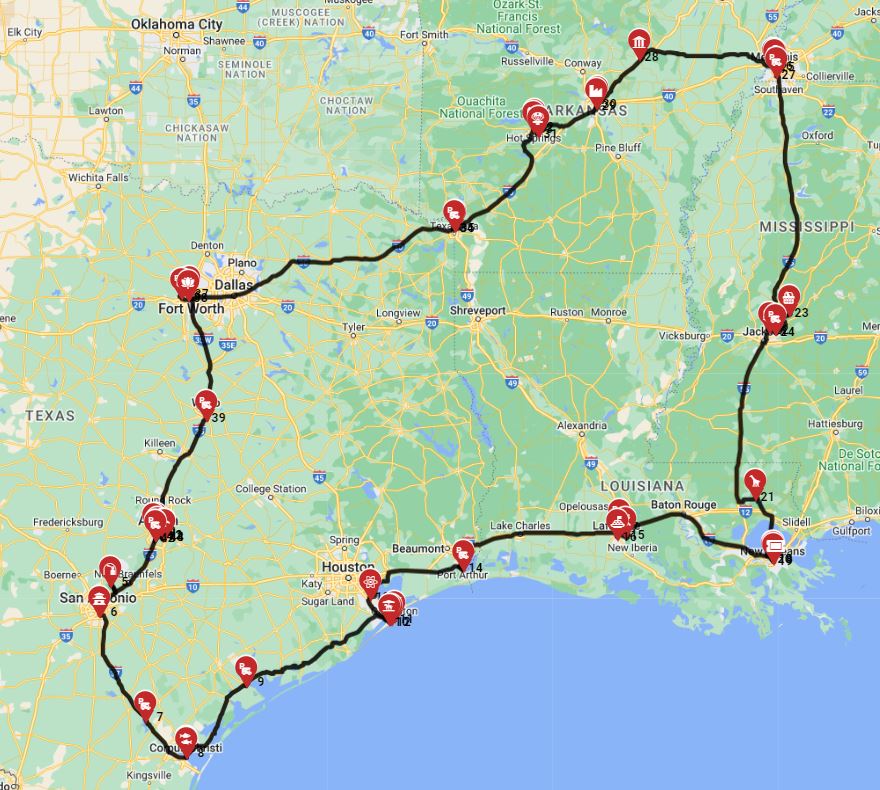
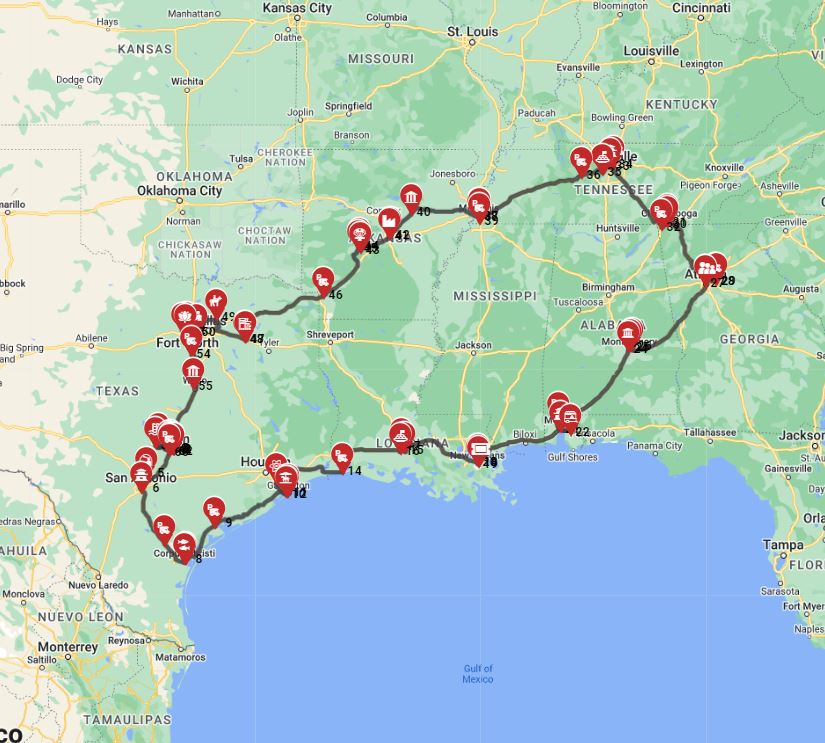
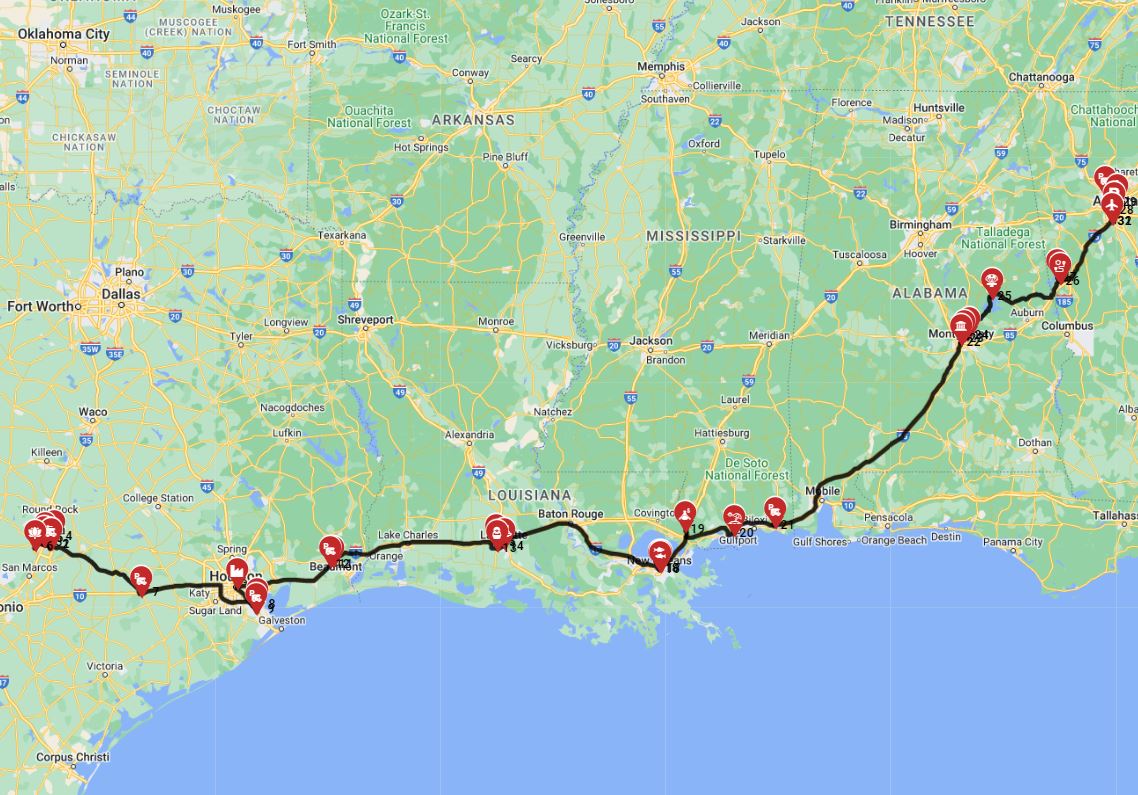
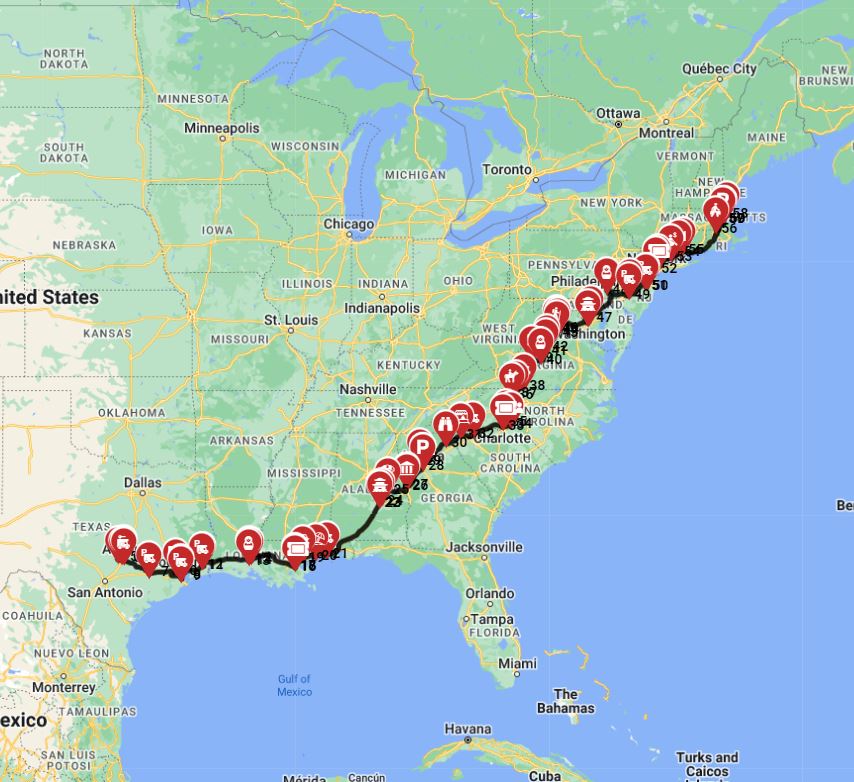
- Journey through the Heart of Texas: Consider the 21-day
itinerary, which covers 4456.4 km and includes stops at 2 museums and 2 traditional restaurants, offering a comprehensive cultural and scenic tour.
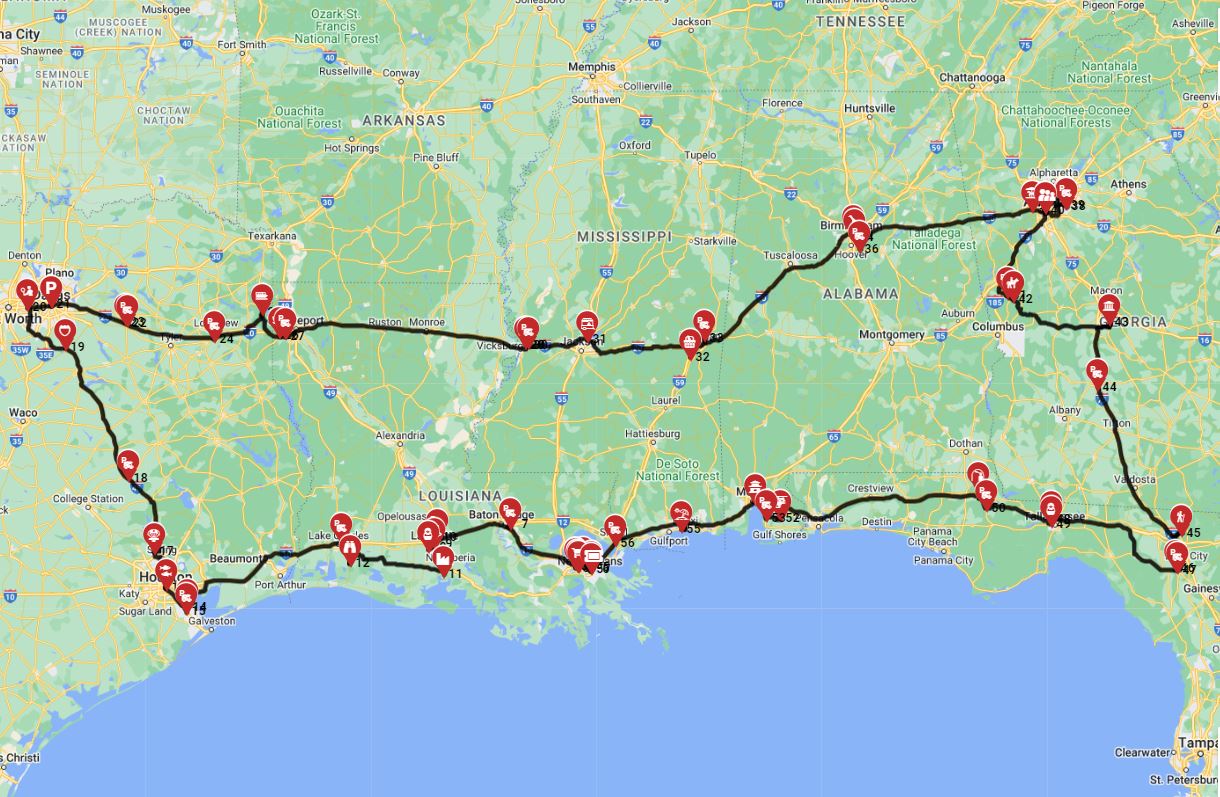 New Orleans roundtrip - New Orleans to the Heart of Texas and Beyond
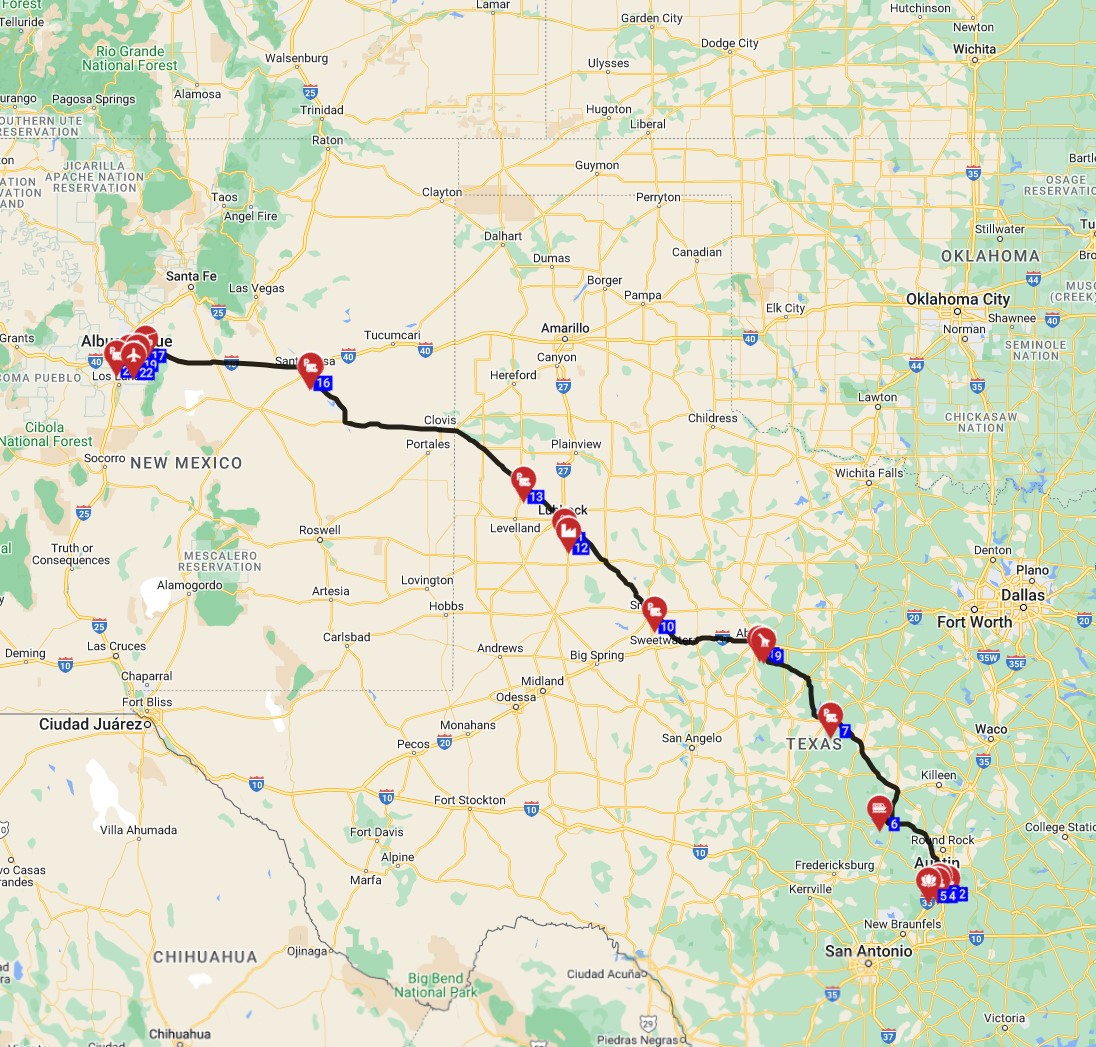
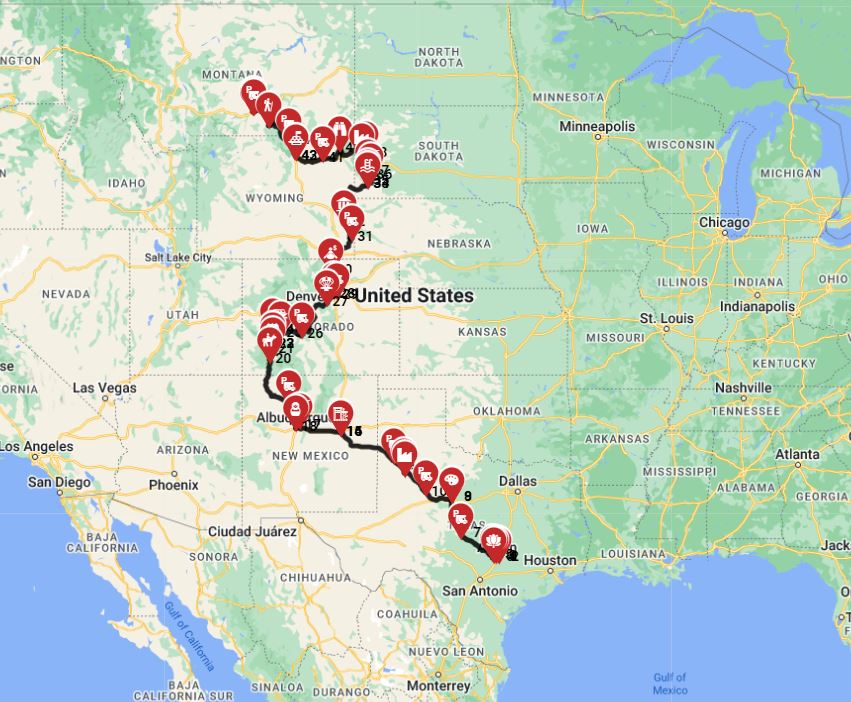
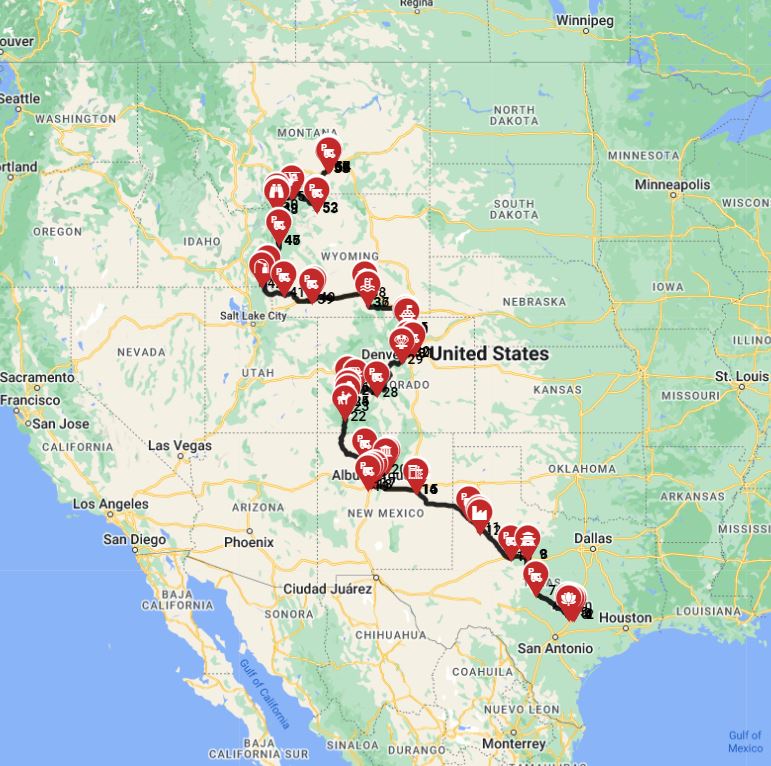
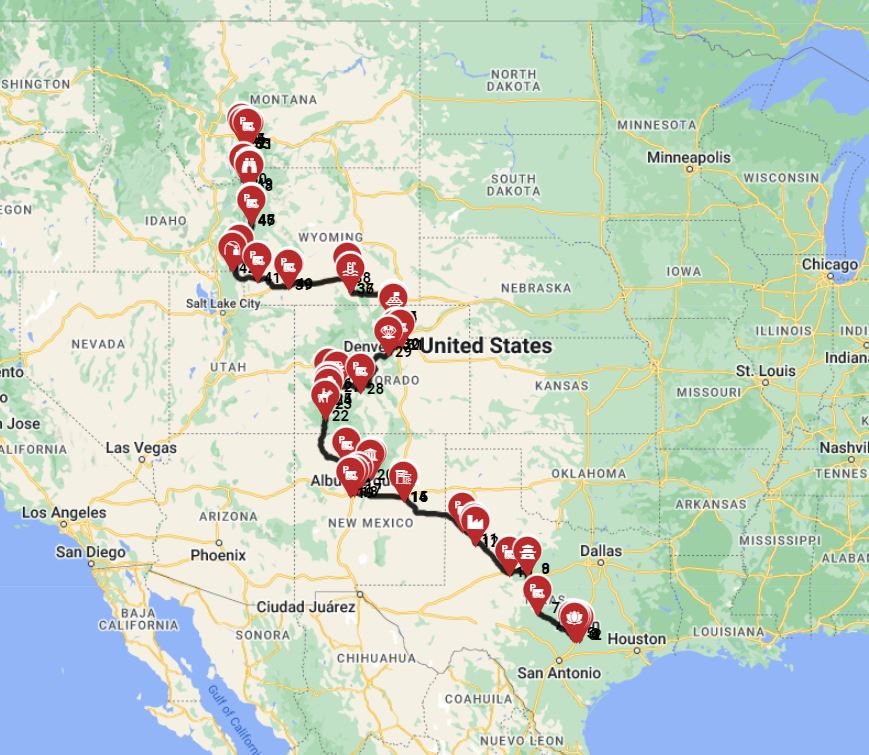
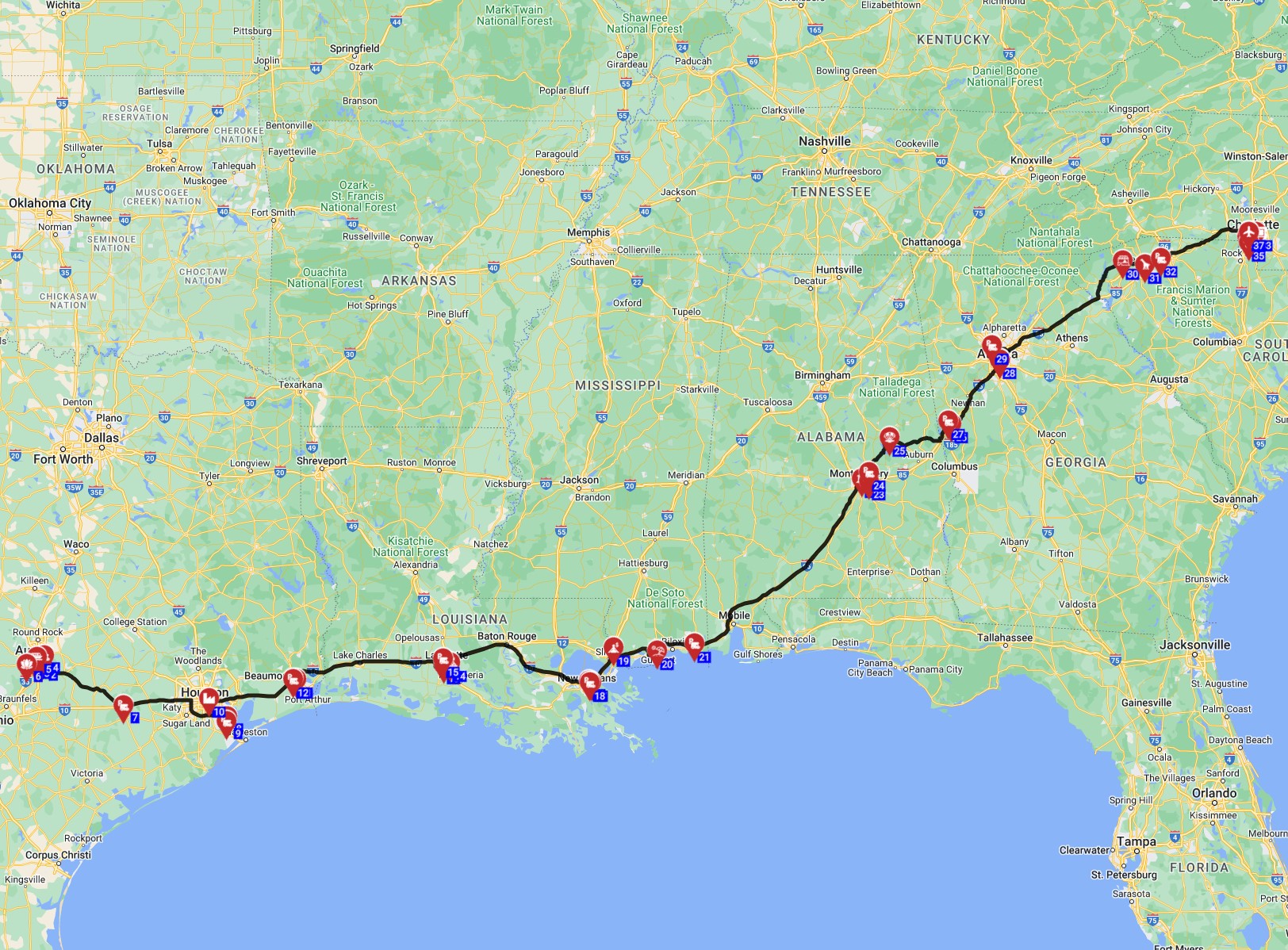
 - Embark on an Epic New Mexico and Texas Loop: The 17-day
covers 3372 km, including 3 museums and 2 parks, providing a rich cultural and natural exploration.
 Albuquerque Roundtrip - Epic New Mexico and Texas Loop
Looking for expert insights from Avi Bandana? Top 5 Adventures - recommendations from Avi Bandana.
Final Thoughts
Texas truly is a magnificent state to discover by a rented motorhome or campervan. The sheer scale and variety of experiences, from historic cities to incredible natural parks, make it an ideal destination for an extended road trip. Don't let the details overwhelm you; with the right planning and a reliable partner like Bandana Caravan, your journey will be smooth and memorable.
Remember to travel slowly, immerse yourself in the local culture, and let the open road guide your Texas adventure. Whether you're looking for Cheap RV Rental in Texas - Budget Guide 2026 or a luxurious Class A experience, we are here to help you compare the best RV rental deals and plan every step with full confidence.
Start dreaming and planning your ultimate RV trip today. Discover top destinations, planning tips, all in one place, and get inspired for your next trip!
In This Guide
- The 4 RV Families Compared for Texas
- Class A (Integrated) - Best For
- Class SI (Semi-Integrated) - Best For
- Class C (Alcove) - Best For
- Class B (Campervan) - Best For
- Price Comparison by RV Class in Texas
- Side-by-Side Comparison Table
- Our Recommendation for rv rental deals Travelers in Texas
- How much does it cost to rent an RV in Texas for a week?
- What is the average RV rental price per day in Texas?
- How can I get a cheap RV rental?
- Are there RVs for rent by owner in Texas?
- What are the RV camping rules in Texas state parks?
- Can you camp anywhere for free in Texas?
- How do you find good boondocking spots in Texas?
- What is the best month to RV in Texas?
- What are some must-see stops in Texas for RV travel?
- Is it worth it to RV in Texas?
- What You Shouldn't Miss
- Why Book with Bandana Caravan
- Final Thoughts
- Frequently Asked Questions
Exploring the vast and diverse landscapes of Texas by a rented RV offers an unparalleled sense of freedom and adventure. From the sun-drenched beaches of the Gulf Coast to the rugged mountains of Big Bend, Texas is truly made for motorhome travel. Whether you're a seasoned RVer or planning your very first mobile home adventure, finding the best RV rental deals in Texas requires understanding your options and knowing where to look. For live availability and current prices, start with our RV Rental Texas - Complete Guide 2026 guide.
🎬 Video coming soon
The 4 RV Families Compared for Texas
Choosing the right RV family significantly impacts your trip's suitability for Texas's varied terrain, climate, and desired trip length. Your selection directly affects comfort, fuel efficiency, maneuverability, and the overall rental cost. Consider your group size, planned activities, and budget when selecting an RV class for your Texas adventure. Bandana Caravan specializes in motorhomes and campervans, offering a diverse fleet to match every traveler's needs.
Class A (Integrated) - Best For
Class A integrated motorhomes, typically averaging 7.5 meters in length, are ideal for large groups or families seeking maximum comfort and amenities during their Texas RV rental. With an average of 4.4 sleeping places and a robust load capacity of around 209.5 kg in Bandana's fleet, they comfortably accommodate up to 4 adults. This class is best suited for long-haul trips across Texas, luxury travel, or extended stays where spacious living areas and full-size amenities are prioritized. While offering ample space and power, their larger size and average fuel consumption (11-12 Liter / 100 km) can make navigating smaller towns or finding parking more challenging and increase fuel costs. Even in cities like Houston or Dallas, you can drive slowly and carefully, and you can drive almost anywhere without issues. No need to stress - just use common sense and pay attention.
Class SI (Semi-Integrated) - Best For
Class SI semi-integrated motorhomes, averaging 6.9 meters in length, offer a balanced blend of comfort and maneuverability, making them highly versatile for Texas RV travel. Bandana's fleet typically provides 3.8 sleeping places, suitable for up to 3-4 adults, and a load capacity of approximately 72.2 kg, ideal for couples or small families. They are perfect for exploring a mix of Texas's larger cities and state parks, providing better fuel efficiency (10-11 Liter/100 km) and easier handling than Class A vehicles without sacrificing essential amenities. This class is a strong contender for those wanting a comfortable road trip without the bulk of a Class A or the compact nature of a Class B, offering a 'just right' option for diverse Texas itineraries.
Class C (Alcove) - Best For
Class C alcove motorhomes, with an average length of 7.5 meters, are excellent for families due to their distinctive over-cab sleeping area, offering 5.8 sleeping places and accommodating up to 4-5 adults for a rented RV trip in Texas. Bandana's fleet typically shows these RVs with a load capacity of about 42.4 kg, making them practical for family gear and supplies. These motorhomes provide good living space and amenities at a more cost-efficient price point than Class A, with fuel consumption typically around 10-12 Liter/100 km, making them a popular choice for budget-conscious family trips across Texas. Their size is manageable on most Texas roads, providing a comfortable home base for exploring national and state parks while offering a familiar driving experience akin to a large truck.
Class B (Campervan) - Best For
Class B campervans, averaging a compact 5.8 meters in length, are unparalleled for maneuverability and fuel economy, making them ideal for solo travelers, couples, or small groups of up to 3 adults planning a Texas RV rental. Bandana's fleet typically features 3.2 sleeping places and a load capacity of around 37 kg, perfect for minimalist adventurers. With an average fuel consumption of 8-10 Liter/100 km, they are the most economical option for covering long distances across Texas and accessing tighter spots in urban areas or remote natural settings. These vans excel in scenarios where flexibility is key, allowing easy parking in city centers, stealth camping, and navigating smaller roads or rugged terrains that larger RVs cannot access, offering a blend of adventure and practicality for agile Texas exploration. You can easily cook meals with their compact kitchens. Check out our RV-friendly recipes playlist for inspiration.
Price Comparison by RV Class in Texas
Because RV rental pricing is dynamic, just like flight tickets, the rates change daily based on availability, demand, and seasonality. The table below pulls real example prices from Bandana's live search for various RV classes and rental durations for Texas RV rental deals.
Live April Price Comparison — RV Class × Trip Length
| Trip length | Class A | Class B | Class C | Class SI | Class TC |
|---|---|---|---|---|---|
| 1 week 15/04 → 22/04 | Check prices | 3,021.34 $ US | 560.13 $ US | 4,594.95 $ US | 996.50 $ US |
| 2 weeks 15/04 → 29/04 | Check prices | 5,098.51 $ US | 820.47 $ US | 7,753.98 $ US | 1,655.27 $ US |
| 1 month 01/04 → 30/04 | Check prices | 10,197.02 $ US | 1,340.70 $ US | 15,507.97 $ US | 2,971.68 $ US |
Estimates only — flex-rate prices change daily based on availability and season.
These prices update daily, so be sure to use the search box at the top of the page for the most current availability and rates. When planning your budget, remember to factor in ancillary costs like fuel, campground fees, propane, and tolls. On RV PLANET routes, travelers can itemize and track every expense along the way for easy budgeting.
Side-by-Side Comparison Table
This table provides a concise overview of the key characteristics and ideal use cases for different RV classes available through Bandana, helping you quickly identify the best fit for your Texas adventure. All data reflects average specifications from Bandana's global fleet.
| Family | Avg Length (m) | Sleeps (Avg) | Fuel Use (Avg L/100km) | Best Use Case in Texas |
|---|---|---|---|---|
| Class A - Integrated | 7.5 | 4.4 | 11-12 | Luxury, large groups, long hauls, maximum amenities. |
| Class SI - Semi-integrated | 6.9 | 3.8 | 10-11 | Balanced comfort, small families, mixed city/nature trips. |
| Class C - Alcove | 7.5 | 5.8 | 10-12 | Cost-efficient families, accessible driving, state park camping. |
| Class B - Camper Van | 5.8 | 3.2 | 8-10 | Solo/couples, maneuverability, fuel economy, urban/stealth camping. |
Our Recommendation for rv rental deals Travelers in Texas
For most RV rental deals travelers in Texas, the Class C (Alcove) motorhome is our top recommendation due to its excellent balance of space, family-friendliness, and cost-efficiency. It offers ample sleeping capacity (avg. 5.8) for families, manageable driving on Texas roads, and provides a comfortable base for exploring various attractions without the higher price point of a Class A. As a strong runner-up, especially for couples or small groups seeking more flexibility and fuel efficiency, the Class SI (Semi-integrated) is highly recommended. Its balanced size (avg. 6.9m) and comfort make it ideal for varied itineraries, from city exploration to state park visits, while maintaining better fuel economy (10-11 L/100km) than its larger counterparts. Both options offer a great starting point for finding RV Rental Deals in Texas - Latest Offers 2026.
How much does it cost to rent an RV in Texas for a week?
The cost to rent an RV in Texas for a week varies significantly based on the RV class, rental season, specific model, and booking lead time, with prices generally ranging from a few hundred dollars for a smaller campervan to over $1,500 for a spacious Class A motorhome. For instance, a compact Class B campervan might rent for $700-$1,000 for a week, while a luxurious Class A motorhome could be $1,500-$2,500. Bandana's platform allows you to compare final prices across suppliers like El Monte, Cruise America, Apollo, and Britz, ensuring what you see is what you pay, with no surprise fees at pickup.
What is the average RV rental price per day in Texas?
The average daily RV rental price in Texas fluctuates widely, typically from around $100 for smaller campervans to over $300 per day for larger luxury motorhomes, excluding additional fees and insurance. This daily rate is often lower when renting for longer durations, as many providers offer discounted weekly or monthly rates. Factors such as the RV's age, amenities, mileage limits, and demand during peak travel times (e.g., spring break, summer, holidays) all influence the final per-day cost. For the most accurate daily average, it's best to perform a search for your specific dates and RV type on a platform that offers real-time pricing for Luxury RV Rental in Texas - Premium Prices 2026.
How can I get a cheap RV rental?
Securing a cheap RV rental involves strategic planning, including booking during off-peak seasons, opting for smaller or older RV models, and leveraging early bird discounts or last-minute deals in Texas. Travel during the shoulder seasons (e.g., late fall or early spring), outside of major holidays, can significantly reduce rental costs by 15-30%. Consider renting a Class B campervan or a smaller Class C, as these generally have lower rental fees and better fuel efficiency (e.g., Bandana's Class B averages 8-10 Liter/100 km) compared to larger Class A units. Look for rentals that include essentials like kitchenware and linens to avoid extra charges, and always compare prices across multiple platforms and providers using Bandana's comparison tool for a Cheap RV Rental in Texas - Budget Guide 2026.
Are there RVs for rent by owner in Texas?
Yes, peer-to-peer RV rental platforms connect renters directly with private RV owners in Texas, often providing a broader selection of unique vehicles and potentially more flexible pricing options than traditional rental companies. Websites like Outdoorsy and RVshare allow owners to list their RVs, ranging from vintage campervans to luxurious Class A motorhomes, across various locations in Texas. Renting directly from an owner can sometimes lead to more personalized service and unique local insights, but renters should always ensure comprehensive insurance coverage and a clear understanding of the rental agreement and any roadside assistance provisions. Bandana, as true RV specialists, partners with both large suppliers and select independent providers, offering a wide array of choices for renters.
What are the RV camping rules in Texas state parks?
RV camping rules in Texas State Parks typically require reservations, adherence to quiet hours (usually 10 PM to 6 AM), and proper disposal of waste at designated dump stations, with specific regulations varying by park. Most parks offer a range of sites, from full hookup (water, electric, sewer) to primitive, and require all vehicles to stay on designated paved or graveled areas. Generators may have restricted hours, pets must be leashed, and campfires are usually permitted only in established fire rings, with burn bans frequently in effect during dry periods. It's crucial to check the specific park's website on the Texas Parks and Wildlife Department (TPWD) portal before arrival for detailed rules, capacity limits for RVs (e.g., length restrictions for a 7.5m Class C motorhome), and any current advisories.
Can you camp anywhere for free in Texas?
While true 'camping anywhere for free' is limited in Texas, free or very low-cost RV camping (boondocking or dispersed camping) is possible on certain public lands, primarily National Forests and Grasslands, under specific regulations. Sites within the Sam Houston National Forest, Angelina National Forest, and Caddo and Lyndon B. Johnson National Grasslands often permit dispersed camping for up to 14 days in undeveloped areas, requiring self-sufficiency for water, waste, and power. Other options for budget-conscious travelers include some municipal parks, rest areas (for overnight parking, not camping), or store parking lots (like Walmart, with permission), though these offer limited amenities. Always research local ordinances and land management rules carefully before attempting to camp, as unauthorized camping on private or restricted public land is illegal.
How do you find good boondocking spots in Texas?
Finding good boondocking spots in Texas involves utilizing specialized apps and websites, researching Bureau of Land Management (BLM) and National Forest areas, and consulting local RV communities for hidden gems. Resources like iOverlander, Campendium, FreeCampsites.net, and the Dyrt are invaluable for locating established free campsites, dispersed camping areas, and reviewing cell service quality (a key consideration for work-from-RV travelers) and road conditions. Focus on National Forests and Grasslands, which offer extensive opportunities for primitive camping, and always be prepared with sufficient water (e.g., a 100-liter fresh water tank), waste storage, and solar power or generators. It's essential to practice Leave No Trace principles, pack out all trash, and be aware of fire restrictions, especially in arid West Texas where high winds are common, to preserve these natural spaces. For finding campsites and campgrounds during your trip, we recommend using RV PLANET (rvplan.net) - a great resource for locating available spots along your route.
What is the best month to RV in Texas?
The best months to RV in Texas are typically spring (March to May) and fall (September to November), offering mild temperatures, lower humidity, and vibrant natural beauty, ideal for comfortable travel and outdoor activities. During these shoulder seasons, the intense summer heat, particularly in central and west Texas, is largely avoided, minimizing the need for constant AC and reducing strain on RV systems. Spring brings wildflowers and comfortable conditions for hiking in state parks, while fall offers cooler weather perfect for exploring cities or enjoying outdoor festivals. Winter (December to February) can also be pleasant in South Texas, offering a warm escape, though northern parts may experience freezing temperatures.
What are some must-see stops in Texas for RV travel?
Texas offers diverse must-see stops for RV travelers, ranging from major metropolitan attractions to unique natural wonders, including Big Bend National Park, Padre Island National Seashore, and the historic Alamo in San Antonio. Consider a Hill Country Wine Trail RV trip, visiting quaint towns like Fredericksburg and Wimberley, or exploring the unique geological formations of Palo Duro Canyon State Park in the Panhandle. For those seeking unique local experiences, the 'quirky' roadside attractions of Marfa, the astronaut training facilities at Space Center Houston, or the cultural vibrancy of Austin's music scene offer distinct Texas flavors. For varied itineraries, plan shorter 3-5 day trips focusing on a region like the Gulf Coast (Galveston, Corpus Christi) for coastal camping, or extended 7-10 day adventures that combine city exploration with national and state park visits, researching connectivity options for work-from-RV needs at each stop. For more route planning ideas, check our RV PLANET routes.
Is it worth it to RV in Texas?
Renting an RV in Texas is highly worth it for travelers seeking flexibility, cost savings on accommodation, and an immersive way to explore the state's vast and varied landscapes at their own pace. The sheer size of Texas, spanning over 695,662 square kilometers, makes RV travel ideal, allowing adventurers to seamlessly transition from vibrant cities to serene state parks, coastal beaches, and desert expanses. RVing can be particularly cost-effective for families or longer trips, as it combines transportation and lodging, and enables budget-conscious travel through options like cooking meals and seeking out free/low-cost camping. Moreover, RV travel provides the freedom to deviate from planned routes, discover hidden gems, and experience unique local cultures, making it a truly memorable way to journey through the Lone Star State despite potential challenges like managing extreme heat or navigating large rigs. We recommend you travel slowly, max 100-150 km per day on average, to truly take time to feel the place, connect to the culture, the food, and the scenery.
What You Shouldn't Miss
- Explore Big Bend National Park: Immerse yourself in the vast Chihuahuan Desert landscape, with over 150 miles of hiking trails and stunning views of the Rio Grande. Its remote location makes it perfect for stargazing.
- Discover Palo Duro Canyon State Park: Often called 'The Grand Canyon of Texas,' this magnificent natural wonder near Amarillo offers hiking, biking, and RV camping amidst dramatic geological formations.
- Walk with dinosaurs at Dinosaur Valley State Park: Near Glen Rose, you can actually walk in real dinosaur footprints in the Paluxy Riverbed, a truly unique experience.
- Experience the quirkiness of Marfa: Visit the remote West Texas town known for its minimalist art installations, including the famous 'Prada Marfa' roadside sculpture, a great photo opportunity.
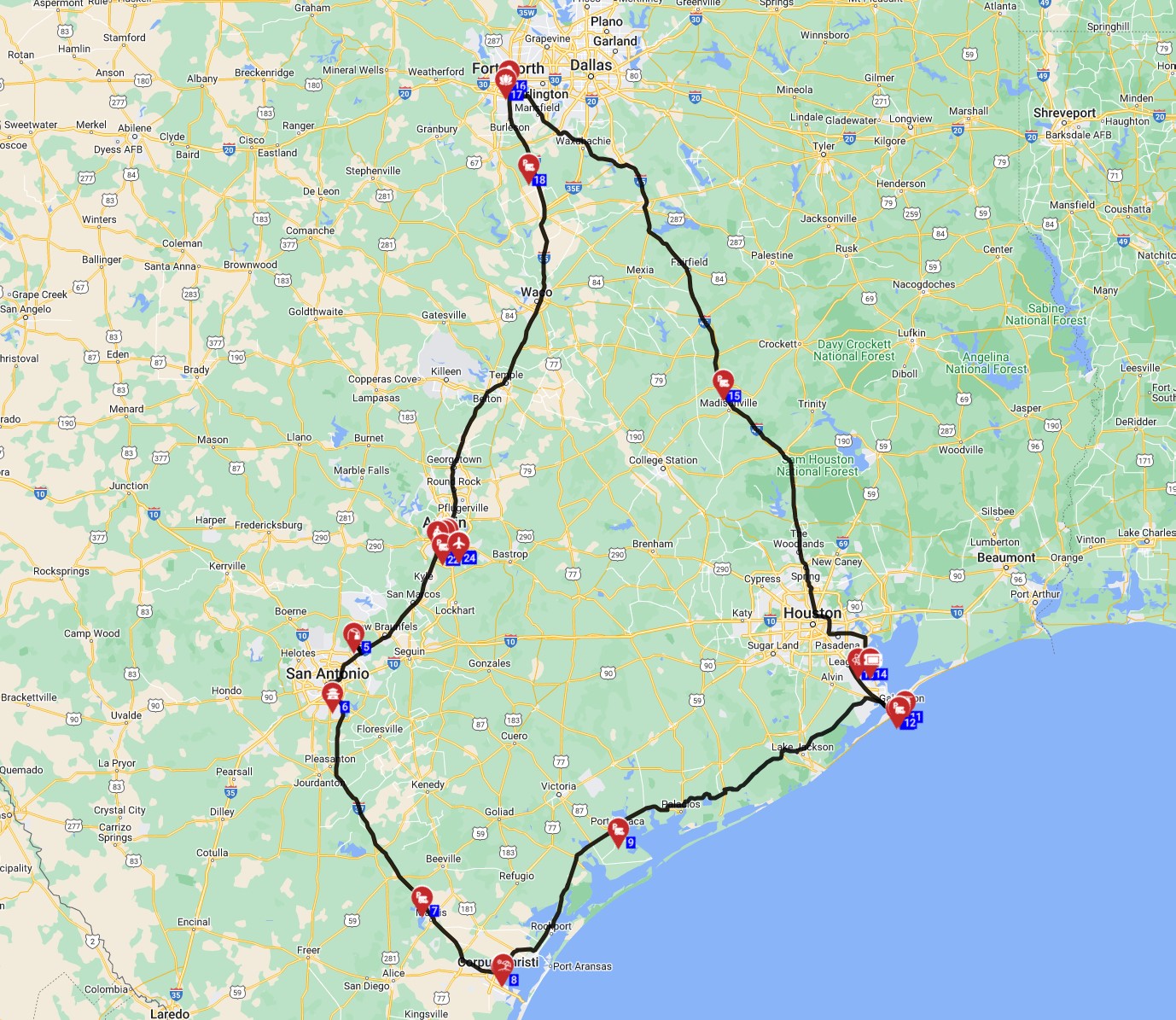
- Journey through the Heart of Texas: Imagine yourself on the route of the 21-day New Orleans roundtrip - New Orleans to the Heart of Texas and Beyond itinerary, which covers 4456.4 km and includes stops at 2 museums and 2 traditional restaurants, offering a comprehensive cultural and scenic tour.
- Embark on an Epic New Mexico and Texas Loop: The 17-day Albuquerque Roundtrip - Epic New Mexico and Texas Loop covers 3372 km, including 3 museums and 2 parks, providing a rich cultural and natural exploration.
Looking for expert insights from Avi Bandana? Top 5 Adventures - recommendations from Avi Bandana.
Why Book with Bandana Caravan
Full Transparency, No Surprises
We believe in honest pricing. With Bandana Caravan, you compare final prices across 50+ leading RV suppliers worldwide, including trusted partners like El Monte, Cruise America, Apollo, and Britz. What you see is exactly what you pay, with no hidden fees or surprise charges at pickup. We ensure full transparency, so you can budget confidently for your Texas RV adventure.
Your Dedicated RV Specialists
Bandana Caravan was founded in 2001, meaning we have over 23 years of dedicated experience helping tens of thousands of travelers explore the world by RV. We're true RV specialists, not just a side department of a larger travel agency. Our passion is RV travel, and our deep industry knowledge means we know the small details that make a big difference in your journey, especially when navigating RV Rental Deals in Texas - Best Offers 2026.
Plan & Explore with Confidence
With our sister company, RV PLANET (rvplan.net), you get access to 1,300+ pre-planned routes across 5 continents, including fantastic itineraries for Texas. Plus, enjoy a 25% planning discount when you use rvplan.net to craft your perfect journey. We also offer optional top-level deductible reimbursement, allowing you to upgrade for extra peace of mind on the road. We are with you before and after your booking, providing support and coordination to ensure a smooth trip.
Final Thoughts
Texas truly is a magnificent state to discover by a rented motorhome or campervan. The sheer scale and variety of experiences, from historic cities to incredible natural parks, make it an ideal destination for an extended road trip. Don't let the details overwhelm you; with the right planning and a reliable partner like Bandana Caravan, your journey will be smooth and memorable.
Remember to travel slowly, immerse yourself in the local culture, and let the open road guide your Texas adventure. Whether you're looking for Cheap RV Rental in Texas - Budget Guide 2026 or a luxurious Class A experience, we are here to help you compare the best RV rental deals and plan every step with full confidence.
Start dreaming and planning your ultimate RV trip today. Discover top destinations, planning tips, all in one place, and get inspired for your next trip!