In This Guide
- The 5 RV Families Compared for Japan
- Class A (Integrated) - Best For
- Price Comparison by RV Class in Japan
- Class SI (Semi-Integrated) - Best For
- Class C (Alcove) - Best For
- Class B (Campervan) - Best For
- Class TC (Truck Camper) - Best For
- Side-by-Side Comparison Table
- Our Recommendation for rv rental deals Travelers in Japan
- What are the best times to RV in Japan and what are the seasonal challenges?
- What cultural etiquette and parking rules should RVers follow in Japan?
- How do Michi-no-Eki work for RVers in Japan?
- What are the essential logistics for RV camping in Japan (waste, water, fuel)?
- What is the realistic total cost of an RV trip in Japan?
- How do I prepare for emergencies while RVing in Japan?
- How can I practice sustainable and responsible RVing in Japan?
- Where are the best off-the-beaten-path RV destinations in Japan?
Embarking on an RV rental adventure in Japan offers a unique blend of ancient traditions, stunning natural landscapes, and modern marvels, all explored at your own pace. For live availability and current prices, start with our RV Rental Japan - Complete Guide 2026 guide. Choosing the right mobile home is key to maximizing your experience, especially considering Japan's diverse geography, from bustling cityscapes to serene mountain passes. At Bandana Caravan, we've helped tens of thousands of travelers since 2001, providing full transparency and expert guidance to ensure your journey is smooth and memorable. You'll find that with a rented RV, you have the flexibility to chase cherry blossoms, discover hidden onsen, or simply enjoy the freedom of the open road.
🎬 Video coming soon
The 5 RV Families Compared for Japan
Choosing the right RV family is critical for navigating Japan's diverse terrain and often narrow roads, influencing both your comfort and ease of travel. When considering an RV rental in Japan, factors such as your group size, desired comfort level, maneuverability needs, and budget are paramount. Japan's unique infrastructure, including urban environments with tight streets and scenic mountain passes, significantly influences which vehicle type will be most suitable for your trip. We offer a comprehensive comparison across different motorhome classes, ensuring you find the perfect match for your Japanese adventure.
As true RV specialists, Bandana Caravan offers transparent comparisons across various classes, helping you understand what you see is what you pay, with no surprise fees at pickup. This is part of our commitment to full transparency, ensuring you can plan your budget with confidence for your RV Rental Deals in Japan - Latest Offers 2026.
Class A (Integrated) - Best For
Class A motorhomes are best for larger groups or families seeking maximum comfort and luxury on longer trips through Japan. Bandana's fleet of Class A units typically averages around 7.5 meters (approximately 24.6 feet) in length, offering ample living space and usually sleeping 4-6 people, often accommodating 4-5 adults comfortably. These larger motorhomes are ideal for those who value spacious interiors, often featuring larger kitchens and living areas, making them a true home on wheels. While their size demands careful navigation on Japan's narrower streets, driving slowly and carefully allows you to drive almost anywhere without issues, requiring just common sense and attention.
Fuel consumption for Class A units typically ranges from 11-12 Liters/100 km (around 20-21 MPG), reflecting their substantial size and enhanced amenities. With a generous average load capacity of around 200-210 kg, these vehicles easily accommodate ample luggage, groceries, and supplies for extended journeys. This class provides the ultimate in RV comfort for an unforgettable road trip, especially if your itinerary focuses on scenic highways and spacious Michi-no-Eki. On the routes offered through RV PLANET routes, you can itemize and track every expense along the way for easy budgeting.
Price Comparison by RV Class in Japan
RV rental prices in Japan are dynamic, fluctuating based on demand, seasonality, and supplier marketing decisions, making direct comparisons essential for finding the best deal. Generally, larger RV classes, such as Class A and C motorhomes, command higher rental rates than smaller, more compact options like Class B campervans. To secure more favorable rates for your trip, booking in advance is highly recommended, especially for peak seasons like the spring cherry blossom period (March-May) and the vibrant autumn foliage season (September-November). Many pre-planners enjoy the peace of mind of having everything organized, and you can compare final prices across a range of suppliers through Bandana to see what you pay with no surprise fees.
Flexibility with your travel dates and opting for off-peak periods can lead to significant savings. Utilizing comparison tools to scout for "Cheap RV Rental in Japan - Budget Guide 2026" or "Luxury RV Rental in Japan - Premium Prices 2026" can also help you find offers. For a comprehensive overview of costs and tips, consult our RV Rental in Japan - Prices and Best Deals 2026 guide. Remember, prices are like flight tickets; they change daily based on availability, so it's always best to check current listings for your specific travel dates. You can also explore "Weekly RV Rental in Japan - Pricing 2026" for potential longer-term discounts.
Live April Price Comparison — RV Class × Trip Length
| Trip length | Class A | Class B | Class C | Class SI | Class TC |
|---|---|---|---|---|---|
| 1 week 15/04 → 22/04 | 1,339.20 € EUR | 721.80 € EUR | 1,103.80 € EUR | 960.00 € EUR | Check prices |
| 2 weeks 15/04 → 29/04 | 2,498.40 € EUR | 1,333.60 € EUR | 2,037.60 € EUR | 1,765.00 € EUR | Check prices |
| 1 month 01/04 → 30/04 | 4,872.00 € EUR | 2,630.80 € EUR | 3,955.80 € EUR | 3,448.60 € EUR | Check prices |
Estimates only — flex-rate prices change daily based on availability and season.
Class SI (Semi-Integrated) - Best For
Class SI (Semi-Integrated) motorhomes are ideal for couples or small families prioritizing a balance of comfortable living space, amenities, and maneuverability in Japan. Bandana's fleet of Class SI units typically averages around 6.9 meters (about 22.6 feet) in length, comfortably accommodating 3-4 sleepers, often 3 adults. These vehicles offer a good compromise between the spaciousness of larger motorhomes and the agility needed for Japan's roads, providing a more car-like driving experience.
Fuel economy for semi-integrated RVs is typically around 10-11 Liters/100 km (approximately 21-23.5 MPG), offering a good balance between size and efficiency for exploring Japan's diverse regions. With an average load capacity of about 70-75 kg, they suit travelers with moderate luggage requirements, allowing space for personal items and essential supplies. This class provides enhanced comfort over a campervan while remaining practical for accessing many Japanese attractions.
Class C (Alcove) - Best For
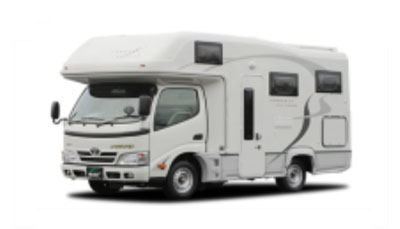
Class C (Alcove) motorhomes are an excellent choice for families with children traveling in Japan, thanks to their distinctive sleeping area situated over the cab. Bandana's fleet of Class C units averages around 7.5 meters (approximately 24.6 feet) in length, providing ample space for up to 5-6 sleepers, typically accommodating 4-5 adults. The alcove design creates a dedicated, often popular, sleeping spot that frees up floor space in the main living area, perfect for family activities.
Fuel consumption for these motorhomes is comparable to semi-integrated units, averaging 10-12 Liters/100 km (around 20-23.5 MPG). An average load capacity of approximately 40-45 kg ensures you can bring all necessary family travel essentials, from toys to cooking gear. Drive slowly and carefully, and you can navigate almost anywhere without issues, no need to stress about the size of your rented motorhome. Many of our partners, including El Monte and Apollo, offer great options in this class.
Class B (Campervan) - Best For
Class B (Campervan) models are perfect for solo travelers, couples, or small groups seeking maximum maneuverability and fuel efficiency on Japan's roads. Bandana's fleet of Class B units are the most compact motorhome options, averaging around 5.8 meters (approximately 19 feet) in length, making them perfectly suited for navigating narrow rural roads, fitting into smaller parking spaces, and bustling urban areas. They typically accommodate 2-3 sleepers, often 2 adults.
Known for their excellent fuel economy, Class B campervans usually achieve around 10 Liters/100 km (approximately 23.5 MPG), making them a cost-effective choice for touring extensive regions of Japan. With an average load capacity of around 35-40 kg, they are best for travelers with lighter luggage who prioritize ease of driving and access. These compact campervans also align with Japan's compact RV culture, where smaller vehicles are often superior for navigating the country's unique infrastructure. For those seeking the best value, exploring "Cheap RV Rental in Japan - Budget Guide 2026" will often highlight various campervan options.
Class TC (Truck Camper) - Best For
Class TC (Truck Camper) rentals are uniquely suited for adventurous travelers who desire flexibility, robust off-grid capability, and access to more rugged terrain in Japan. Bandana's fleet of Truck Campers averages around 5.5 meters (approximately 18 feet) in length, providing sleeping for 2-3 people, typically 2 adults. These vehicles are mounted on a pickup truck chassis, offering higher clearance and often 4-wheel-drive options that can take you to more remote and scenic locations not accessible by larger motorhomes.
Fuel consumption for Truck Campers is typically higher due to their robust nature and 4WD capabilities, usually ranging from 12-17 Liters/100 km (approximately 14-19.6 MPG). While the provided fleet data indicates a load capacity of 0 kg for the camper unit itself, the actual load capacity is determined by the robust base pickup truck's specifications, which is ideal for minimal gear and off-road capability. This class is perfect for exploring Japan's national parks and wilder landscapes where a smaller, more capable vehicle is an advantage.
Side-by-Side Comparison Table
A direct comparison of RV classes simplifies the decision-making process for your Japan RV adventure. Reviewing key metrics like overall length, sleeping capacity, and fuel efficiency helps you match an RV to your specific travel needs and preferences for exploring Japan's unique landscapes. The 'Best Use Case' column provides tailored recommendations for navigating Japan's diverse travel environment, from urban centers like Tokyo to the remote wilderness of Hokkaido. Bandana offers a wide selection from leading suppliers such as Apollo and Britz.
| RV Class | Average Length | Sleeping Capacity (Adults) | Fuel Economy (Liters/100 km) | Average Load Capacity (kg) | Best Use Case in Japan |
|---|---|---|---|---|---|
| Class A (Integrated) | 7.5 meters | 4-5 | 11-12 | 200-210 | Luxury, long trips, scenic routes, spacious Michi-no-Eki |
| Class SI (Semi-Integrated) | 6.9 meters | 3-4 | 10-11 | 70-75 | Couples/small families, balance of comfort & maneuverability |
| Class C (Alcove) | 7.5 meters | 4-5 | 10-12 | 40-45 | Families with children, dedicated over-cab sleeping |
| Class B (Campervan) | 5.8 meters | 2-3 | 10 | 35-40 | Solo/couples, urban navigation, narrow roads, fuel efficiency |
| Class TC (Truck Camper) | 5.5 meters | 2-3 | 12-17 | Truck-dependent | Adventure, off-grid, rugged terrain, national parks |
When selecting your rental, remember that all motorhome classes (Class A, Class B, and Class C) can be driven with a standard car driver's license. No special license or additional permits are required, making RV travel accessible to many. An International Driving Permit (IDP) is recommended for visitors from non-English-speaking countries but is not mandatory in most cases.
Our Recommendation for rv rental deals Travelers in Japan
For most RV rental travelers exploring Japan, a Class B Campervan is the primary recommendation due to its unparalleled maneuverability and fuel efficiency. Its compact size, averaging 5.8 meters, makes it ideal for navigating Japan's often narrow roads, tight parking spots in cities and towns, and bustling urban environments with exceptional ease. This vehicle type perfectly aligns with the country's compact infrastructure, minimizing stress and maximizing accessibility to a wider range of destinations.
A strong runner-up is the Class SI Semi-Integrated motorhome, offering a comfortable balance of living space, typically averaging 6.9 meters in length, and relatively good handling. This option is suitable for small families or couples seeking more amenities and a bit more room than a campervan, without the bulk and increased fuel consumption of larger motorhomes. Both Class B and Class SI options provide a practical and enjoyable way to explore Japan, allowing you to travel slowly, averaging 100-150 km per day, and truly connect to the culture, food, and scenery.
What are the best times to RV in Japan and what are the seasonal challenges?
The best times to RV in Japan are typically during spring (March-May) for the iconic cherry blossoms and autumn (September-November) for vibrant fall foliage, offering pleasant weather and incredibly scenic drives. Both spring and autumn provide comfortable temperatures for camping and allow access to Japan's most celebrated natural beauty without the extremes of summer or winter. During these peak seasons, planning and booking your rental well in advance is crucial, as demand for motorhomes is high.
Summer (June-August) in Japan can be hot and humid with potential typhoon risks, which requires checking weather forecasts regularly and having flexible route plans. Winter (December-February) in northern regions like Hokkaido brings significant snow and requires vehicles equipped for cold weather, such as winter tires and proper heating, as well as skilled snow driving. Navigating popular festivals or cherry blossom viewing spots by RV during peak times requires early planning for parking and campground reservations, as spots fill quickly. However, winter RVing in Hokkaido offers unique snowy landscapes and direct access to ski resorts, providing a different kind of adventure for the prepared traveler.
What cultural etiquette and parking rules should RVers follow in Japan?
RVers in Japan should prioritize respectful parking, quiet hours, and proper waste disposal to maintain harmonious relations with locals and preserve scenic sites. Always park your rented RV in designated areas, strictly avoiding overnight parking in residential zones, and observe quiet hours, particularly at Michi-no-Eki (Roadside Stations) and other roadside rest areas. Japan's "Shachuhaku" (車中泊 - sleeping in your car) culture emphasizes tidiness and discretion, meaning you should refrain from setting up extensive camp outside your vehicle with awnings, tables, or chairs.
Adhere strictly to local trash disposal guidelines, which often require careful sorting into multiple categories and specific collection days; never leave litter behind in public spaces or natural areas. When visiting onsen (hot springs), which are often accessible by RV, follow traditional etiquette, including washing thoroughly before entering the communal baths and respecting other patrons' privacy. Being mindful of these customs will ensure a positive experience for both you and the local communities. For tracking all your ancillary expenses and planning culturally sensitive routes, RV PLANET routes are an invaluable resource.
How do Michi-no-Eki work for RVers in Japan?
Michi-no-Eki (Roadside Stations) are pivotal for RVers in Japan, offering free parking, clean restrooms, local products, and often 24/7 facilities, serving as de facto overnight parking spots. These government-designated stations are designed for rest and refreshment, and while overnight parking in your vehicle is generally tolerated, it's crucial to understand they are not traditional campgrounds. This means setting up extensive camps outside your RV, such as deploying awnings or picnic furniture, is discouraged to maintain order and respect for other users and locals.
Many Michi-no-Eki provide a wealth of amenities that enhance the RV experience, including vending machines with hot and cold drinks, local produce shops, restaurants, and sometimes even free Wi-Fi and hot springs or foot baths. To ensure their continued welcoming policy for RVers, always follow posted rules, be considerate of other users, and support local businesses within the Michi-no-Eki. These stations are a fantastic part of Japan's RV infrastructure, offering both convenience and a unique way to connect with local culture and regional specialties. For more route planning tips, consider the 1,300+ pre-planned routes across 5 continents available via RV PLANET (rvplan.net), Bandana's sister company.
What are the essential logistics for RV camping in Japan (waste, water, fuel)?
Essential RV logistics in Japan involve understanding specific waste disposal practices, locating reliable water refill points, and ensuring LPG/propane compatibility for a smooth and self-sufficient trip. Waste disposal, including grey and black water, often requires finding designated dumping stations at larger campgrounds or RV parks, as most Michi-no-Eki typically do not offer these facilities. It is vital to plan your route to include stops with proper waste facilities to avoid inconveniencing local communities and incurring penalties.
Water refill points are generally available at paid campgrounds, some larger Michi-no-Eki, and public facilities; it is always wise to carry a full fresh water tank and a portable water filter for additional safety. LPG/propane availability for cooking and heating can be limited, so plan your fuel stops carefully and verify your rented RV's tank connection is compatible with Japanese standards or if adapters are needed. For cooking delicious meals on board, be sure to check out our RV-friendly recipes playlist.
What is the realistic total cost of an RV trip in Japan?
A realistic total cost for an RV trip in Japan encompasses more than just the RV rental fees, including significant expenses for fuel, tolls, food provisioning, and occasional accommodation beyond free overnight spots. Daily budgets for ancillary costs typically range from ¥15,000-¥30,000 (approximately $100-$200 USD) for a moderate trip, varying based on travel style, the size of your rented motorhome, and duration. Fuel costs average around 10-12 Liters/100 km for most RVs, and with dynamic fuel prices, this can be a substantial part of your budget.
Japan's extensive toll road network, while efficient, can add significant expenses to your route, especially for longer distances. Utilizing an ETC (Electronic Toll Collection) card, which you can often rent with your vehicle, is highly recommended for convenience and sometimes for discounted rates. Budget realistically for food, considering a mix of groceries for cooking in your RV kitchen and dining out for local culinary experiences. Also, anticipate some paid campground stays for amenities like showers, laundry, and dump stations, which will supplement free Michi-no-Eki parking. For detailed budgeting, remember that RV PLANET routes allow travelers to itemize and track every expense along the way, making financial planning much easier.
How do I prepare for emergencies while RVing in Japan?
Emergency preparedness for RVing in Japan includes understanding natural disaster protocols, navigating medical emergencies with potential language barriers, and utilizing essential local safety apps. Japan is known for seismic activity, so familiarize yourself with local evacuation routes and earthquake/tsunami procedures upon arrival, especially if traveling along coastal areas. Most Michi-no-Eki and public places will have clear signage.
For medical emergencies, it is prudent to carry basic Japanese phrases for describing symptoms, have comprehensive travel insurance, and know the locations of major hospitals along your route. While many medical professionals in urban areas may speak English, language barriers can pose challenges in more rural settings. Download essential local apps like 'Safety tips' for real-time disaster alerts, Google Translate for communication, and offline maps (such as those available through RVPLAN.NET) to ensure you have critical information even without internet connectivity, enhancing your safety and peace of mind throughout your journey.
How can I practice sustainable and responsible RVing in Japan?
Practicing sustainable and responsible RVing in Japan involves adhering strictly to leave-no-trace principles, actively supporting local businesses, and consciously minimizing your environmental impact. Always dispose of waste properly and thoroughly, including carefully sorting trash according to the often-complex local Japanese guidelines, and commit to never leaving any trace of your presence in natural areas or public spaces. This respect for local customs and the environment is highly valued.
Support the local economy by purchasing goods from small shops, sampling authentic dishes at independent restaurants, and visiting less-trafficked regions recommended in our itineraries. This fosters genuine cultural exchange and ensures your travel benefits the communities you encounter. Minimize your environmental footprint by conserving water and electricity in your rented motorhome, using eco-friendly products, and choosing smaller, more fuel-efficient RVs like campervans when possible. Traveling slowly, with an average of 100-150 km per day, allows you to appreciate the scenery and reduces your carbon footprint, making your adventure more sustainable.
Where are the best off-the-beaten-path RV destinations in Japan?
For RVers seeking authentic local experiences away from Japan's most popular tourist traps, Hokkaido's vast wilderness, the remote Oki Islands, and the picturesque Noto Peninsula offer unique off-the-beaten-path destinations. Hokkaido, the northernmost prefecture, provides expansive national parks, volcanic landscapes, and hot spring towns, ideal for exploration with a larger RV, especially outside the snowy winter months. Imagine waking up to views of Shiretoko National Park, a UNESCO World Heritage site.
The Oki Islands, accessible by ferry with your rented RV from Honshu, boast dramatic coastlines, ancient cedar forests, and unique geological formations, offering a glimpse into untouched Japanese nature and slower island life. The Noto Peninsula, in Ishikawa Prefecture, features charming fishing villages, stunning rice terraces (like the Shiroyone Senmaida), and dramatic coastal drives perfect for smaller, more agile campervans. These locations allow for a deeper connection to local culture and provide a refreshing contrast to the bustling cities, showcasing a different side of Japan. For a broader perspective on RV travel in the region, refer to our "RV Rental Asia - Complete Guide 2026".
Top RV Rental Cities in Japan
Japan offers several excellent starting points for your RV adventure, each providing access to different facets of the country. Here are some key cities where you can easily pick up your rented motorhome:
- Tokyo: As the bustling capital, Tokyo provides a vibrant starting point for urban exploration before heading to the tranquility of Mount Fuji or the Izu Peninsula.
- Osaka: Known for its delicious food and lively atmosphere, Osaka is a great base for exploring the Kansai region, including Kyoto and Nara.
- Nagoya: Centrally located, Nagoya offers access to historical sites, industrial innovation, and the beautiful Japanese Alps.
- Sapporo (Hokkaido): For those looking to explore Japan's northern wilderness, Sapporo is the gateway to Hokkaido's vast national parks and ski resorts.
- Kyoto: While known for its ancient temples and gardens, picking up an RV here allows you to explore the surrounding rural areas and less-visited historical sites.
- Fukuoka: Located on the southern island of Kyushu, Fukuoka is ideal for exploring the island's unique volcanic landscapes, hot springs, and coastal routes.
- Sendai: In the Tohoku region, Sendai is a great starting point for exploring the scenic Matsushima Bay and the region's rich history and natural beauty.
- Takamatsu-Kagawa: Situated on Shikoku island, this city provides a convenient entry point for exploring the smallest of Japan's four main islands, famous for its temples and udon noodles.
Our partners offer convenient pick-up locations in cities like Hiratuska Kanagawa, Izumisano, Kai Yamanashi, Nagano, and Nagoyaminami, ensuring you can start your journey wherever best suits your travel plans.
What You Shouldn't Miss
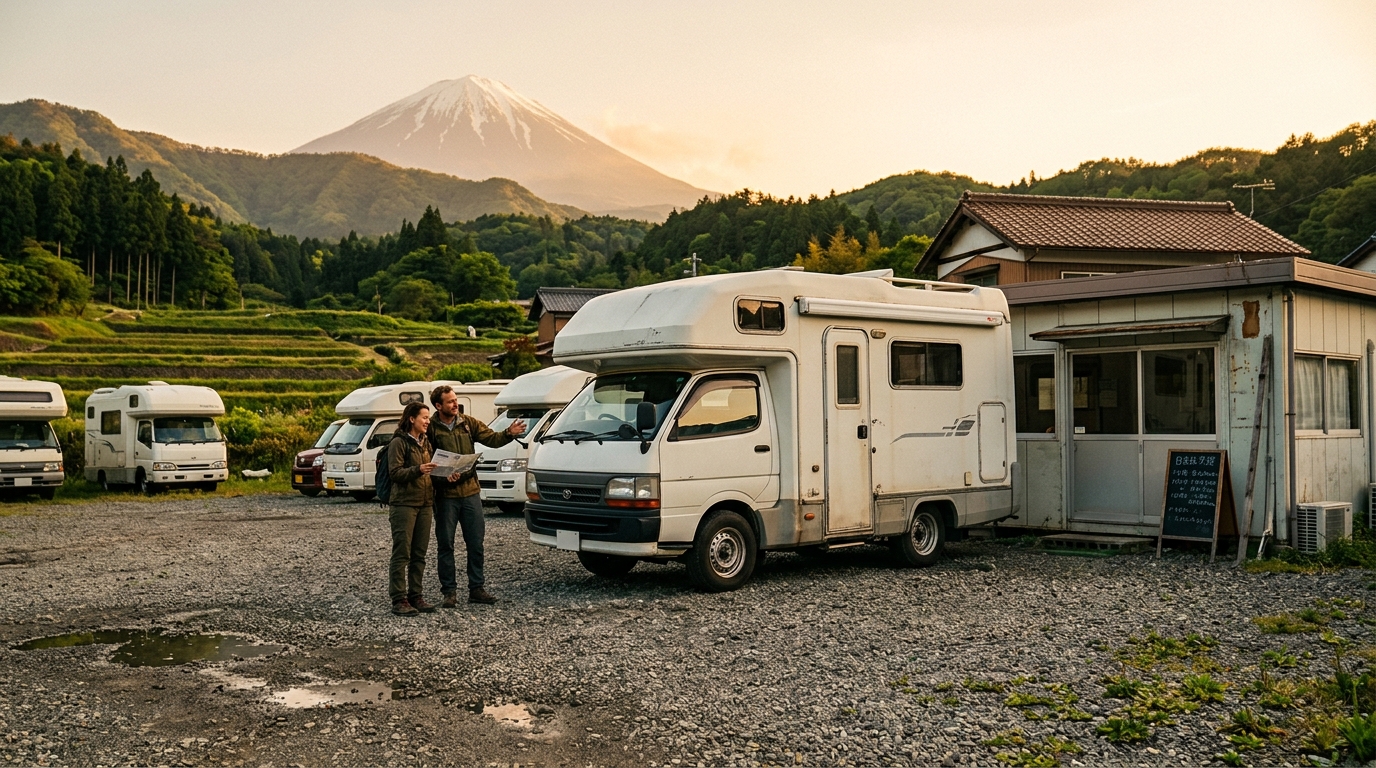
- Mount Fuji's Five Lakes Region: Drive your rented RV to Lake Kawaguchiko or Lake Yamanakako for unparalleled views of Mount Fuji, especially at sunrise or sunset. There are several RV-friendly spots that offer stunning vistas without the crowds.
- Exploring the Shimanami Kaido: This incredible 70-kilometer cycling road connects Japan's main island of Honshu to Shikoku, crossing six small islands. You can drive parts of it or park your campervan and rent bikes for an unforgettable ride over picturesque bridges and through charming island towns.
- Onsen Hopping in Kyushu: Head south to Kyushu island and immerse yourself in its volcanic landscapes and numerous hot springs (onsen). Park your RV near towns like Beppu or Yufuin and enjoy the therapeutic waters, a quintessential Japanese experience.
- Discovering Shirakawa-go and Gokayama: These UNESCO World Heritage villages in the Japanese Alps are famous for their unique gassho-zukuri (thatched roof) farmhouses. With a rented motorhome, you can easily access these remote, picturesque locations and perhaps find a peaceful spot nearby for an overnight stay.
- Coastal Drives of the Noto Peninsula: Experience rugged cliffs, charming fishing villages, and dramatic seascapes on the Noto Peninsula. Smaller campervans are perfect for navigating the winding coastal roads and discovering hidden gems.
Looking for expert insights from Avi Bandana? Top 5 Adventures - recommendations from Avi Bandana.
Final Thoughts
Embarking on an RV rental journey through Japan is an extraordinary way to discover its unique charm, from ancient temples to modern cityscapes and breathtaking natural beauty. Whether you're seeking the flexibility of a compact campervan or the comfort of a larger motorhome, careful planning and understanding local customs will ensure a memorable adventure.
Remember to embrace the spirit of slow travel, allowing yourself the time to truly feel each place, connect with the rich Japanese culture, savor the incredible food, and immerse yourself in the stunning scenery. With transparent pricing, dedicated support, and expert advice, Bandana is here to help you unlock the freedom of the open road in Japan. Discover top destinations, planning tips, all in one place!
Get inspired for your next RV trip! Compare Motorhome Prices for Japan and start planning your unforgettable Japanese road trip today.