In This Guide
- The 4 RV Families Compared for California
- Class A (Integrated) — Best For
- Price Comparison by RV Class in California
- Class SI (Semi-Integrated) — Best For
- Class C (Alcove) — Best For
- Class B (Campervan) — Best For
- Side-by-Side Comparison Table
- Our Recommendation for rv rental Travelers in California
- How much does it cost to rent an RV in California?
- What is the cheapest way to rent an RV in California?
- What is the best RV rental company in California?
- Is renting an RV in California worth it?
- What RV can you rent in California?
- Can you sleep in an RV anywhere in California?
- Do you need a special license to drive an RV in California?
- Where can I find free RV camping in California?
- What time of year is best to RV in California?
- How do I prepare for my first RV trip in California?
- What are the best places to RV in California?
- What You Shouldn't Miss
- Why Book with Bandana Caravan
- Final Thoughts
- Frequently Asked Questions
The 4 RV Families Compared for California
California's diverse terrain, from coastal highways to mountain passes and desert roads, necessitates careful RV type selection. Choosing the right rental motorhome or campervan for your adventure profoundly impacts maneuverability, fuel efficiency, required booking ahead, and overall trip comfort across the Golden State. For live availability and current prices, start with our RV Rental California - Complete Guide 2026 guide. It's crucial to consider your trip length, group size, and desired activities, whether it's exploring bustling cities or seeking serene off-grid camping, when selecting your ideal RV class. Understanding the distinctions between Class A, SI (Semi-Integrated), C (Alcove), and B (Campervan) motorhomes is essential for an optimal California RV rental experience, ensuring your mobile home perfectly suits your travel style.Class A (Integrated) — Best For
Class A integrated motorhomes are best for large groups or families seeking a luxurious, spacious RV experience for longer trips in California. These impressive vehicles typically feature an average length of 7.5 meters, comfortably sleeping around 4 to 6 people, ideal for multi-generational travel exploring destinations like "RV Rental USA - Complete Guide 2026". They offer extensive amenities, ample storage, and large viewing windows, perfect for scenic drives along the Pacific Coast Highway or through national parks where size allows. Common fuel consumption for Class A motorhomes is around 8-12 Liters/100 km, which is higher than smaller classes, and their average load capacity is robust, allowing for plenty of gear. Trade-offs include lower maneuverability on narrow mountain roads and limited access to some smaller campgrounds or urban areas due to their size, requiring careful route planning.Price Comparison by RV Class in California
RV rental pricing in California operates on a dynamic flex-rate system, meaning costs fluctuate daily based on demand, seasonality, pickup location, and the specific RV type and duration. Factors like booking in advance, the time of year (e.g., peak summer vs. off-season), and rental duration significantly influence the final price you'll encounter, similar to airline tickets. For instance, a Class B campervan during off-peak season might be around $100-150 per night, while a spacious Class A in peak season could exceed $400 per night. To get real-time availability and exact pricing for your desired dates and motorhome class, we encourage you to use the search box on our platform, as prices update constantly. For detailed information on specific price ranges, you might also find our "RV Rental in California - Prices and Best Deals 2026" guide helpful.Class SI (Semi-Integrated) — Best For
Class SI semi-integrated motorhomes are the balanced choice, best for couples or small families seeking a comfortable yet more manageable RV for exploring California's diverse landscapes. Bandana's fleet typically shows Class SI RVs averaging 6.9 meters in length, sleeping approximately 3 to 4 people, offering a good compromise between interior space and driveability. They often outperform Class A motorhomes in maneuverability and sometimes Class C in interior design and fuel efficiency, with common consumption around 10-11 Liters/100 km, making them versatile for both city access and scenic routes. With an average load capacity of around 70-80 kg, they can comfortably carry essentials for an extended road trip, suitable for exploring areas like Big Sur or the Wine Country without feeling cumbersome.Class C (Alcove) — Best For
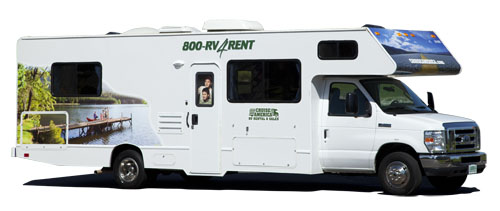
Class C alcove motorhomes are best for families with children or groups needing extra sleeping capacity without the larger footprint of a Class A, making them a popular choice for California. Bandana's fleet typically features Class C RVs with an average length of 7.5 meters and a generous sleeping capacity of 5 to 6 people, thanks to the distinctive over-cab bunk. These models, like the 'cruise america rv rental example Explorer' at 7.1 meters long with 4 sleeping places, offer good value and are often more fuel-efficient than Class A (common consumption 10-12 Liters/100 km), appealing to budget-conscious travelers while still providing essential amenities. Their robust build and familiar driving experience (often on a truck or van chassis) make them well-suited for California's varied road conditions, from highways to national park roads, with an average load capacity of around 40-50 kg. The extra sleeping area over the cab is a key advantage for families, ensuring everyone has a comfortable spot after a day of California adventures.Class B (Campervan) — Best For
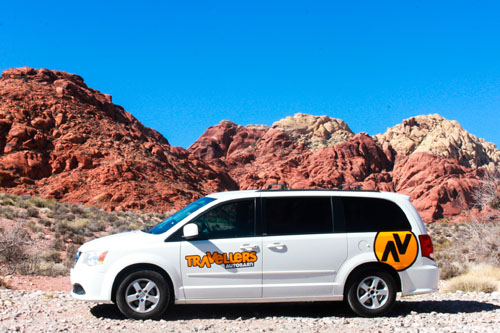
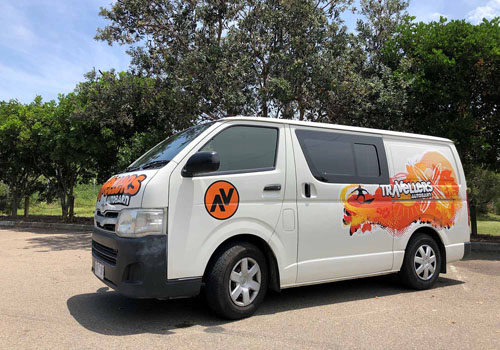
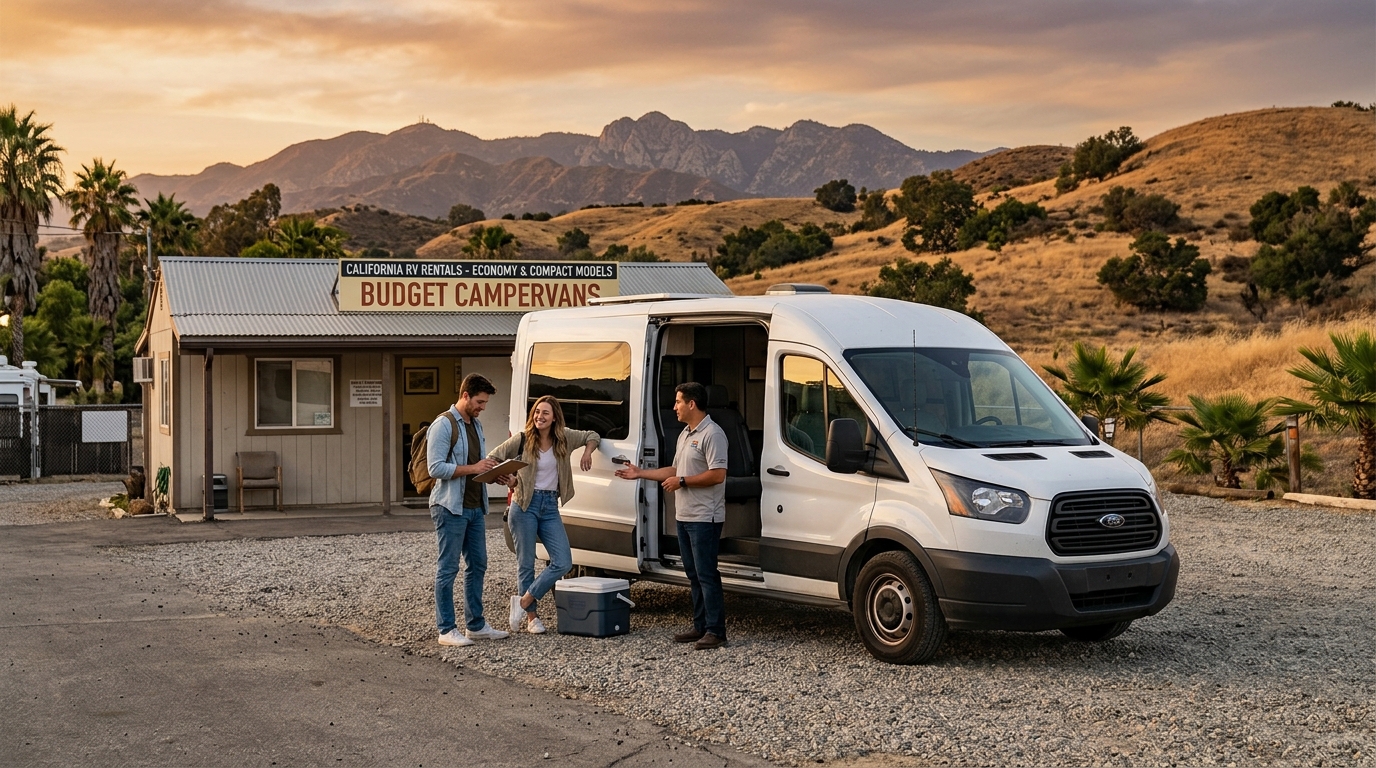
Class B campervans are best for solo travelers, couples, or small groups prioritizing maneuverability, fuel economy, and ease of parking for urban exploration or nimble road trips in California. Bandana's fleet typically offers Class B campervans averaging 5.8 meters in length, sleeping around 2 to 3 people, making them ideal for navigating California's bustling cities and winding coastal roads. Their compact size, similar to a 'Category Van', allows access to smaller campsites and parking spots that larger RVs cannot manage, and they boast excellent fuel efficiency (common consumption 8-10 Liters/100 km). These vehicles are perfect for adventurers who want a comfortable base camp with minimal setup, easily transitioning between surf spots, city attractions, and hiking trailheads. While offering less interior space and a lower average load capacity (around 35-40 kg) compared to larger classes, their agility and potential for more discreet camping are unmatched for many California scenarios.Side-by-Side Comparison Table
This table provides a concise overview of the different motorhome and campervan classes available for rent in California, helping you quickly identify the best fit for your trip. Please remember that specific models within each class may vary slightly.| Family | Avg Length | Sleeps | Fuel Use (L/100km) | Best Use Case in California |
|---|---|---|---|---|
| Class A (Integrated) | 7.5 m | 4-6 | 8-12 | Luxury, large groups, long trips, spacious comfort. |
| Class SI (Semi-Integrated) | 6.9 m | 3-4 | 10-11 | Balanced choice, couples/small families, versatile travel. |
| Class C (Alcove) | 7.5 m | 5-6 | 10-12 | Families with children, cost-efficient, familiar driving. |
| Class B (Campervan) | 5.8 m | 2-3 | 8-10 | Maneuverability, fuel economy, couples, urban/stealth camping. |
Our Recommendation for rv rental Travelers in California
For most RV rental travelers exploring California, we recommend a Class C (Alcove) motorhome as the primary choice. This class strikes an excellent balance between spaciousness, sleeping capacity (averaging 5.8 people), and ease of driving on California's diverse roads, making it ideal for families and first-timers. The separate sleeping alcove and comprehensive amenities provide comfort without the intimidating size of a Class A, ensuring a great experience for a variety of itineraries. As a strong runner-up, the Class SI (Semi-Integrated) motorhome is perfect for couples or smaller groups seeking a more refined interior and slightly better fuel efficiency (10-11 L/100km) than a Class C, while maintaining good maneuverability (6.9m average length) for mixed urban and natural destinations. Ultimately, your choice should align with your group size, budget, and travel style, which you can easily compare using Bandana's platform when looking for "RV Rental Deals in California - Latest Offers 2026".How much does it cost to rent an RV in California?
The cost to rent an RV in California varies significantly, typically ranging from $100-$400+ per night depending on the RV class, season, rental duration, and additional fees. For example, a compact Class B campervan might start around $100/night in the off-season, while a large Class A motorhome can easily reach $400+/night during peak summer or holidays. Factors influencing total cost extend beyond just the rental fee to include fuel, which can vary wildly across California due to vast distances and specific routes. Comprehensive budgeting for an RV trip should also account for campsite fees (ranging from $20-$100+ per night), activity fees for national parks or attractions, food costs, and a contingency for unexpected repairs or maintenance. When planning your budget, remember that RV PLANET routes allow travelers to itemize and track every expense along the way for easy budgeting.What is the cheapest way to rent an RV in California?
The cheapest way to rent an RV in California often involves opting for smaller RV types like Class B campervans or Class C alcoves, booking during the off-season, securing longer rental periods, and embracing dispersed camping options. Smaller RVs, such as a Class B at an average of 5.8 meters long, consume less fuel (8-10 Liters/100 km), significantly reducing one of the highest variable costs on a California road trip. Rentals outside of peak summer months (June-August) and major holidays generally offer lower daily rates and more availability, with potential savings of up to 25% for early bookings. Longer rental durations, such as a week-long trip or more, can often result in lower per-night costs compared to short rentals. Strategically choosing free camping on Bureau of Land Management (BLM) land or in National Forests, where permitted, can drastically cut accommodation expenses, though this requires knowledge of local regulations and Leave No Trace principles. For those looking for "RV Rental Deals in California - Latest Offers 2026", being flexible with dates and vehicle types is key.What is the best RV rental company in California?
The 'best' RV rental company in California depends on individual traveler needs, but Bandana Caravan works with direct partners like El Monte, Cruise America, Apollo, and Britz to offer a diverse fleet and user-friendly experience. When choosing a supplier through our comparison platform, look for companies that provide a wide selection of RV types (Class A, Class B, Class C, Class SI) to match your specific trip requirements, group size, and budget. Prioritize companies with transparent pricing, clear insurance options, and reliable customer support, especially for first-time RVers. Bandana, for instance, focuses on connecting renters with a variety of well-maintained vehicles and aims to provide detailed information to help you choose the right RV for California's unique challenges and opportunities. We compare final prices across suppliers, so what you see is what you pay, with no surprise fees at pickup. Always checking customer reviews and understanding cancellation policies are also crucial steps in selecting a reputable provider.Is renting an RV in California worth it?
Renting an RV in California is often worth it for travelers seeking unparalleled flexibility, access to diverse natural landscapes, and a unique experiential journey that traditional travel cannot offer. The freedom to explore California's vast and varied terrain, from pristine beaches to towering redwoods and rugged deserts, on your own schedule is a significant advantage. Imagine waking up to the sound of crashing waves along the coast or the quiet grandeur of a national forest from your cozy motorhome. For families or groups, RVing can be a cost-effective alternative to booking multiple hotel rooms and flights, especially when factoring in the ability to prepare your own meals in your onboard kitchen. You might even find some inspiration from our RV-friendly recipes playlist for delicious meals on the road. It provides a comfortable mobile base camp, allowing spontaneous changes to route plans and offering a deeper immersion into the state's natural beauty. First-timers to RVing in California will appreciate the convenience of having all amenities on board, but should prepare for the state's unique challenges like booking popular spots ahead and navigating diverse terrains.🎬 Video coming soon
What RV can you rent in California?
In California, you can rent a wide range of motorhome and campervan types, including luxurious Class A (Integrated) motorhomes, versatile Class SI (Semi-Integrated) models, family-friendly Class C (Alcove) units, and nimble Class B (Campervan) vehicles. The availability of different RV types caters to various travel styles and group sizes, ensuring there's an RV for every California adventure. Class A RVs (avg 7.5m length), such as 'rent rv example E3', offer maximum space and amenities for larger groups or luxury trips, though they may have access restrictions on certain roads. Class B campervans (avg 5.8m length), like a 'hire campervan example Paradise S/T' or a 'Category Van', are ideal for couples or solo travelers seeking fuel efficiency and easy maneuverability in urban and natural settings. Class C (avg 7.5m length), like 'rv rentals utah example Sunrise Escape' with 5 sleeping places, and Class SI (avg 6.9m length) models provide a balanced approach, suitable for families or small groups, offering a good blend of comfort and handling.Can you sleep in an RV anywhere in California?
No, you cannot legally sleep in an RV just anywhere in California; overnight parking and sleeping are generally restricted to designated campgrounds, specific dispersed camping areas, or private property with permission. California has strict regulations regarding overnight RV parking in cities, often prohibiting it on public streets, residential areas, or within city limits due to local ordinances. While dispersed camping (boondocking) is permitted on much of the state's Bureau of Land Management (BLM) land and in National Forests, specific rules apply regarding length of stay, fire restrictions, and Leave No Trace principles. Always research specific area regulations before parking overnight, as fines can be substantial, and be mindful of critical water conservation practices, particularly in drought-prone areas. Designated RV parks and campgrounds, especially those in popular areas like national parks, often require advance reservations, particularly during peak seasons, due to high demand.Do you need a special license to drive an RV in California?
For most recreational vehicles (RVs) available for rental in California, a standard Class C driver's license, which is what most drivers already possess, is entirely sufficient. A special license (Class A or Class B non-commercial license) is only required if the RV weighs over 26,000 pounds Gross Vehicle Weight Rating (GVWR) or if you are towing a trailer weighing over 10,000 pounds GVWR. Rest assured, most rental motorhomes, including Class A, Class C, Class SI, and Class B models, fall well within the standard Class C license limits, ensuring accessibility for the average driver. An International Driving Permit (IDP) is recommended for visitors from non-English-speaking countries but is not mandatory in most cases. Always confirm the GVWR of your specific rental RV and check your rental agreement to ensure you meet all legal driving requirements in California, and remember that Bandana is with you before and during your booking process to clarify any questions.Where can I find free RV camping in California?
Free RV camping in California, also known as boondocking or dispersed camping, can primarily be found on lands managed by the Bureau of Land Management (BLM) and in National Forests, particularly in the state's desert and mountain regions. Popular areas for boondocking include vast stretches of the Mojave Desert, parts of the eastern Sierra Nevada, and numerous National Forest roads. To find suitable locations, utilize reliable apps and websites like iOverlander, Campendium, or FreeCampsites.net, which provide user-generated reviews and detailed information on free spots. Always adhere to Leave No Trace principles by packing out all trash, properly disposing of human waste, and respecting wildlife and vegetation. Be prepared with sufficient water, power, and waste management facilities, as these sites typically lack amenities, and be aware of California's specific fire season precautions and bear country protocols where applicable. For finding campsites and campgrounds during your trip, we recommend using RV PLANET (rvplan.net) - a great resource for locating available spots along your route.What time of year is best to RV in California?
The best time of year to RV in California depends heavily on your desired destination and activities, as the state boasts incredibly diverse climate zones. Generally, spring (April-May) and fall (September-October) offer ideal weather across much of the state, with pleasant temperatures, fewer crowds, and stunning scenery. Summer is perfect for coastal RVing (e.g., Big Sur, Mendocino) where temperatures are mild due to coastal fog, but deserts like Death Valley become extremely hot and should generally be avoided during this season. Winter (November-March) is excellent for southern California deserts (like Joshua Tree) and offers unique experiences in the snowy Sierra Nevada mountains, but requires vigilance for road closures (due to snow) and proper vehicle preparation. Travelers must also be aware of California's fire season (typically late spring through fall), checking current fire restrictions and safety alerts, especially when planning trips to dry, forested areas.How do I prepare for my first RV trip in California?
Preparing for your first RV trip in California involves comprehensive planning, including booking ahead, familiarizing yourself with your vehicle, understanding diverse terrains, and packing smart. Crucially, book campsites and RV parks well in advance, especially for popular national parks (like Yosemite) and coastal areas during peak season, as availability is limited and many national/state parks reserve only 25-30% of spots, leaving the rest as first-come-first-serve. Thoroughly understand your rental RV with a detailed walk-through, focusing on utility hookups, tank management, and driving specifics for its length and weight, especially for navigating winding mountain roads or city streets. Drive slowly and carefully, and you can drive almost anywhere without issues. No need to stress - just use common sense and pay attention. Pack for California's diverse climates; expect everything from desert heat to mountain snow and coastal fog, ensuring you have layers and emergency supplies. Develop a flexible route plan that considers potential wildfire safety alerts, bear country protocols, and earthquake preparedness information, and always carry a basic emergency kit. Remember to travel slowly, a maximum of 100-150 km per day on average, to truly take time to feel the place, connect to the culture, the food, and the scenery.What are the best places to RV in California?
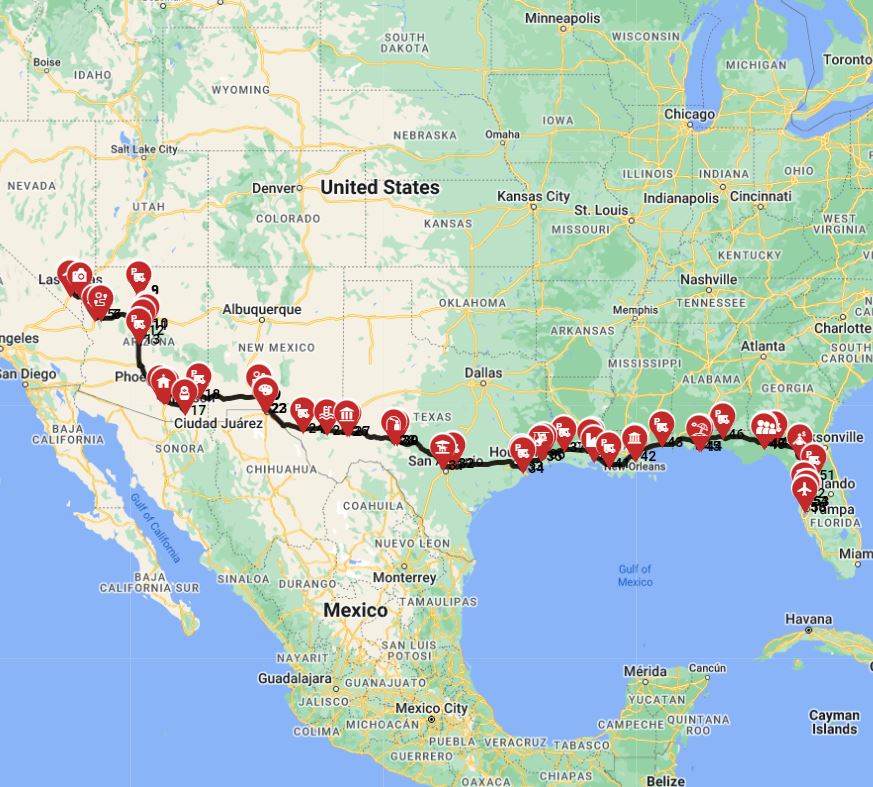
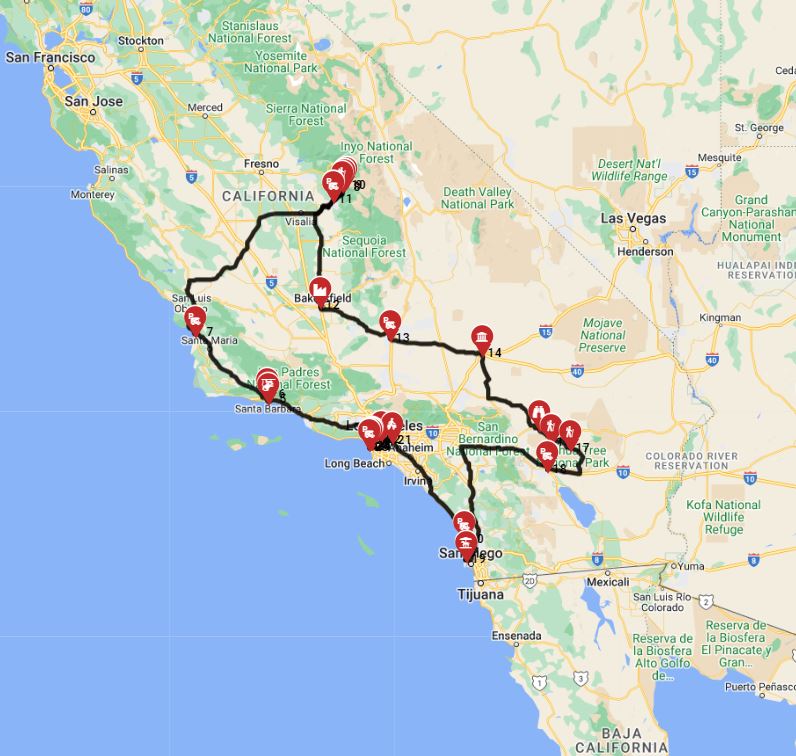
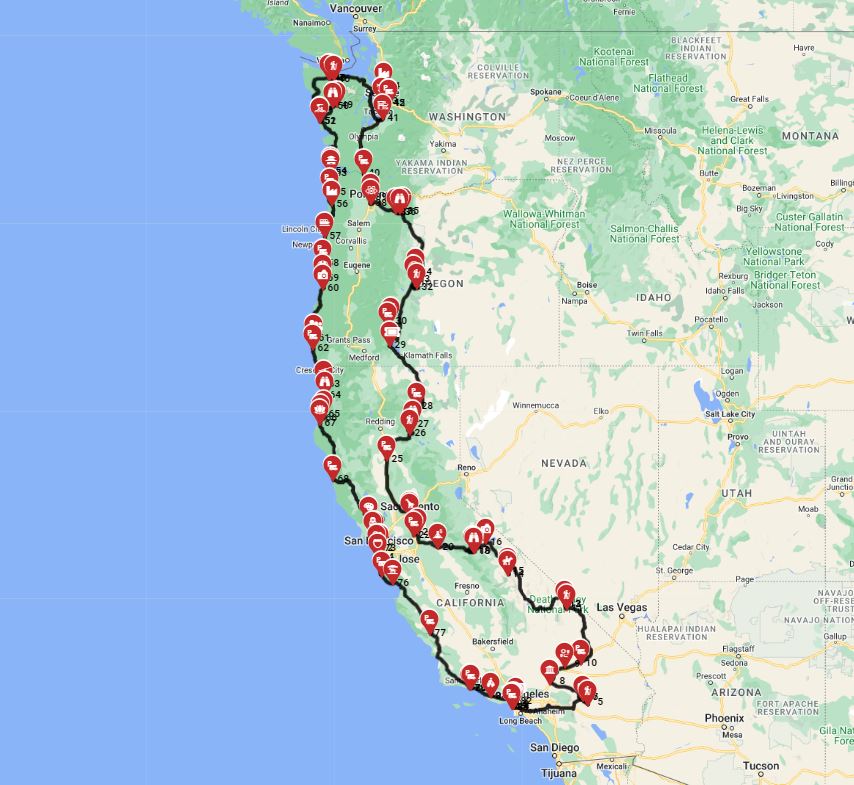
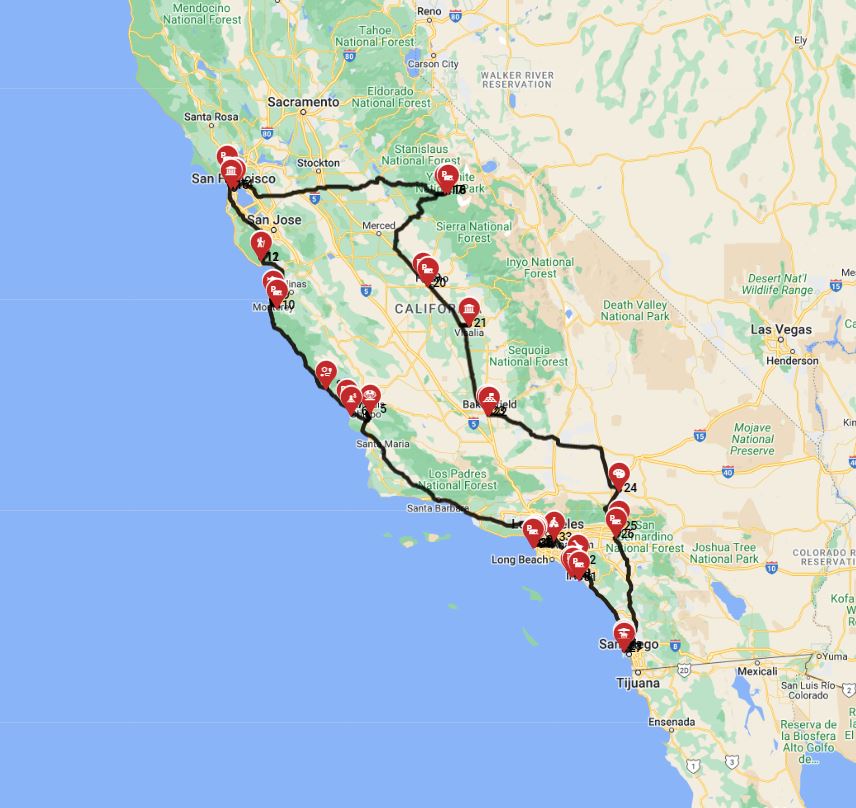
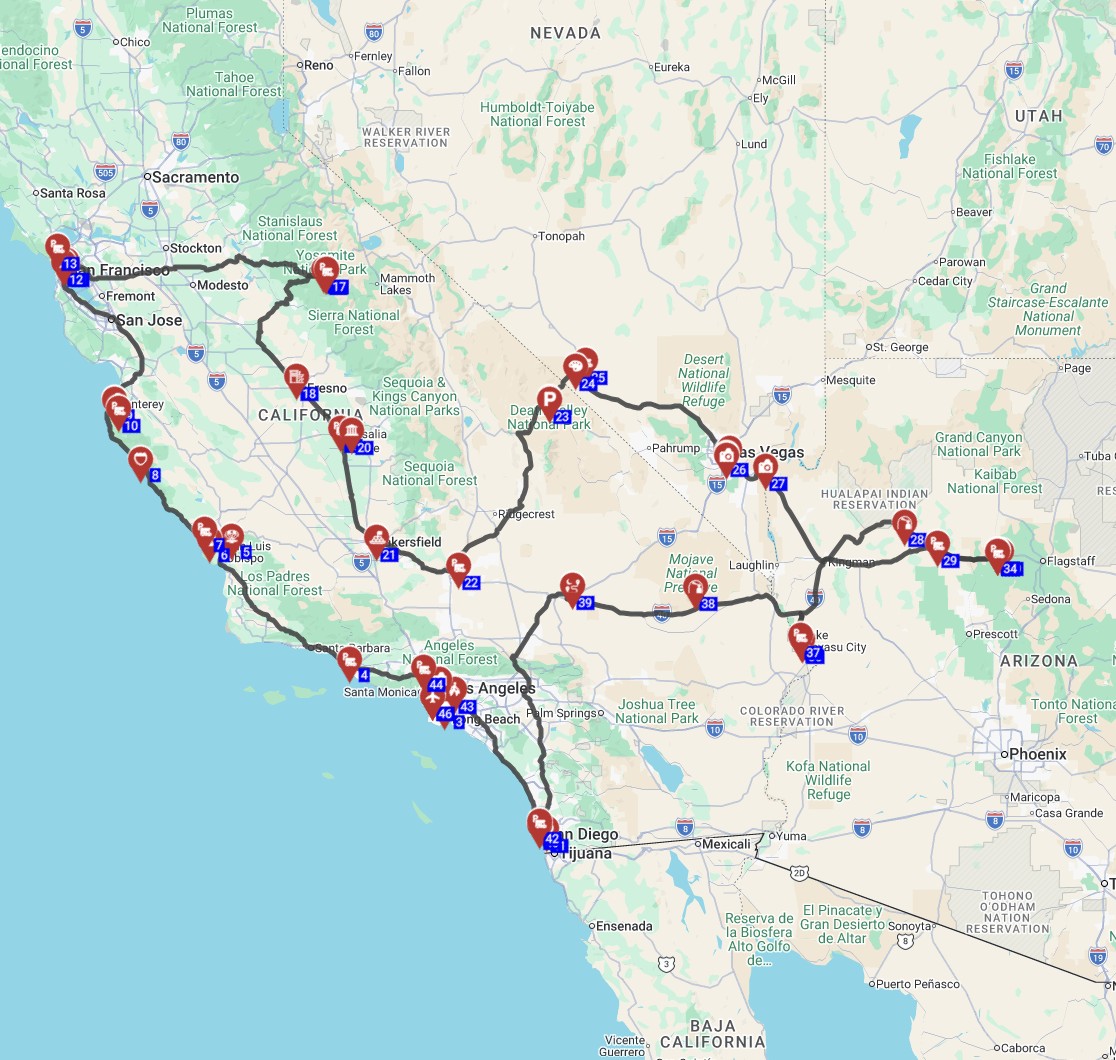
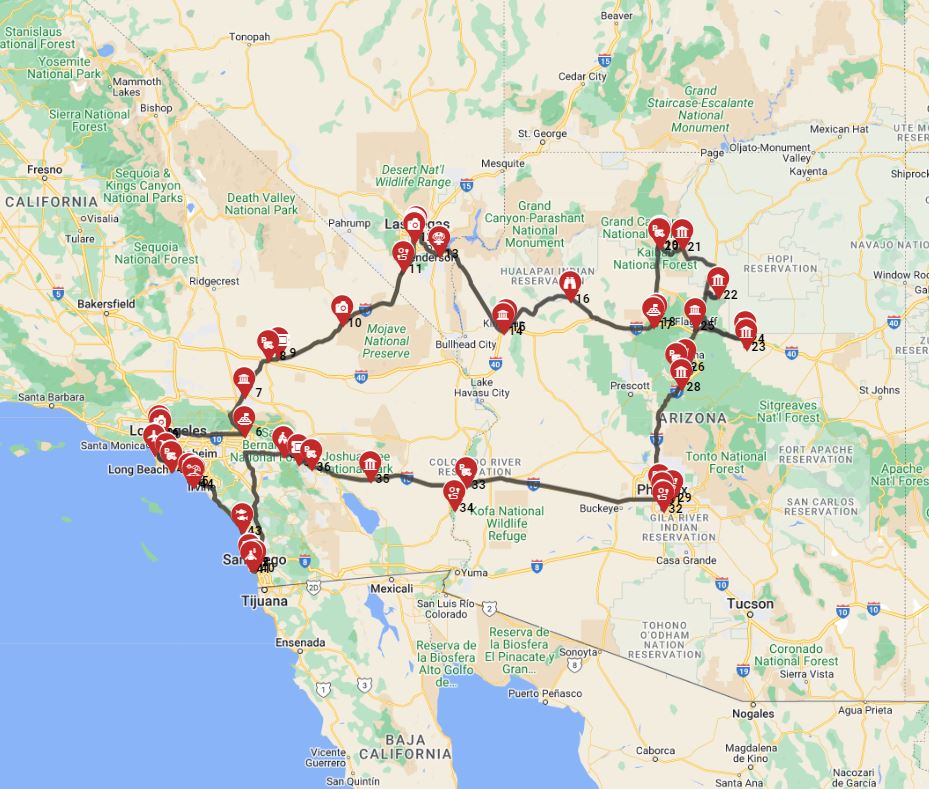
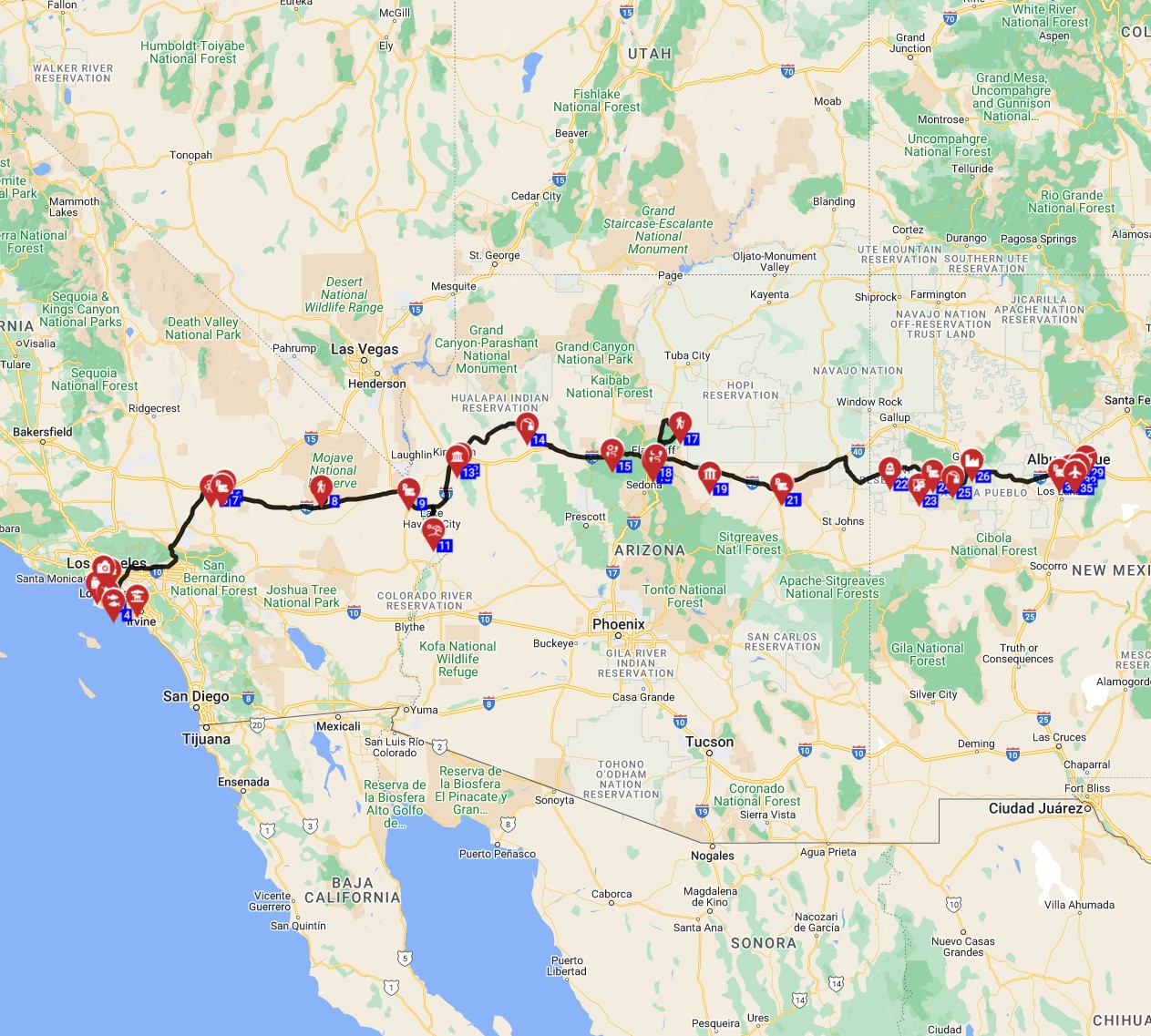
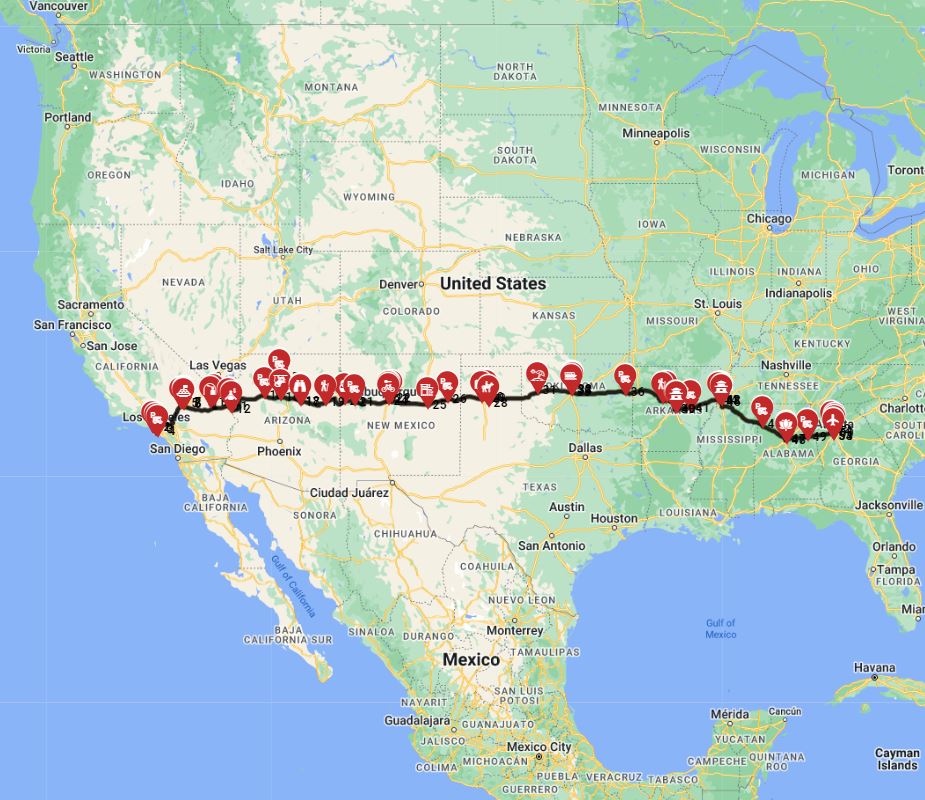
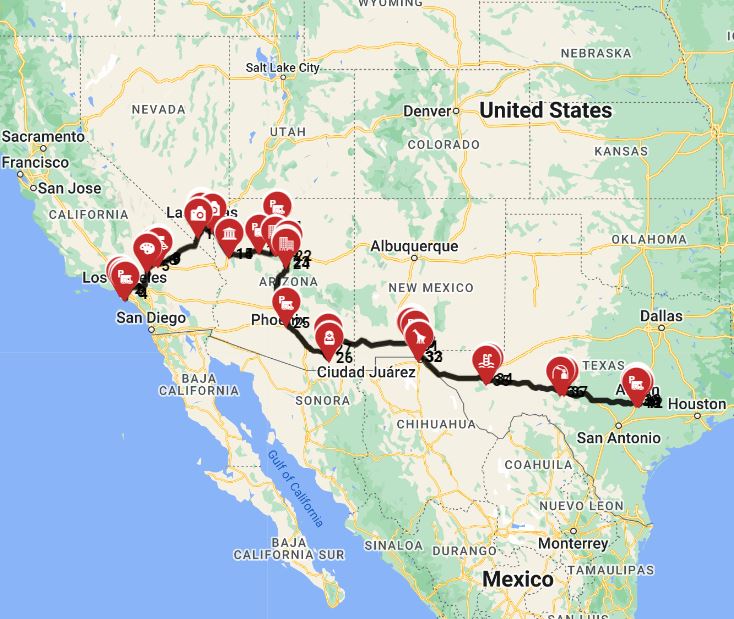
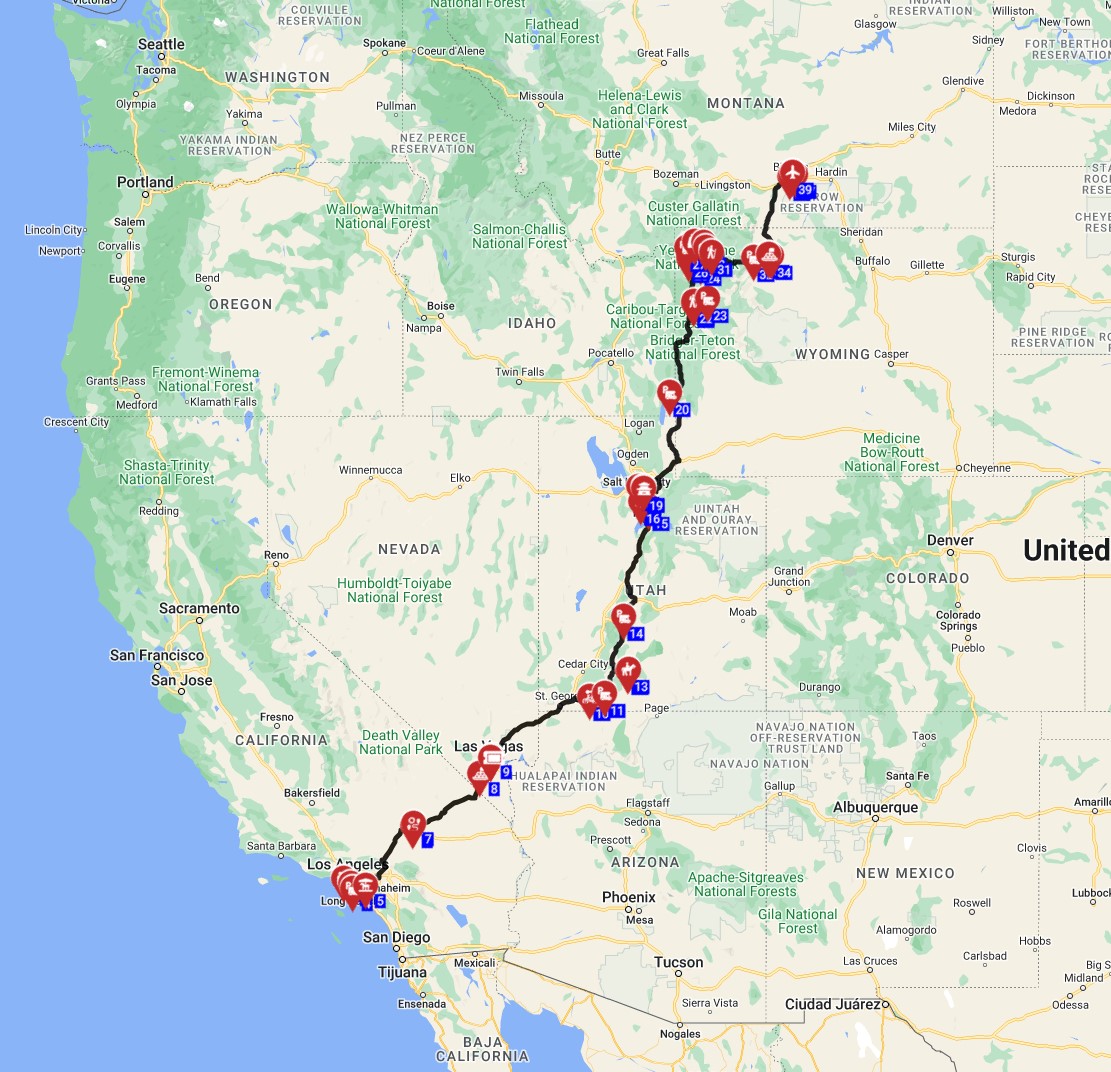
California offers an incredible diversity of 'best places' to RV, ranging from iconic national parks and pristine coastlines to rugged deserts and majestic mountains, catering to every type of traveler. National Parks like Yosemite, Sequoia, Joshua Tree, and Death Valley offer world-class natural beauty, though advance reservations for campgrounds are essential, and vehicle-specific advice (like length restrictions) may apply. Coastal Drives along the Pacific Coast Highway (Highway 1), especially through Big Sur or the Redwood National and State Parks, provide breathtaking scenic routes and numerous state parks with RV camping. The Southern California deserts, including Anza-Borrego Desert State Park and the vast lands managed by the BLM, are perfect for winter RVing and boondocking. Mountain Adventures await in the Eastern Sierra Nevada region, offering access to stunning alpine lakes, hiking, and skiing, with RV parks and dispersed camping options near towns like Mammoth Lakes. Consider curated, themed itineraries that link multiple unique destinations, activities, and scenic drives into a cohesive RV journey, rather than just isolated campground stays. RV PLANET (rvplan.net) offers fantastic pre-planned routes like the "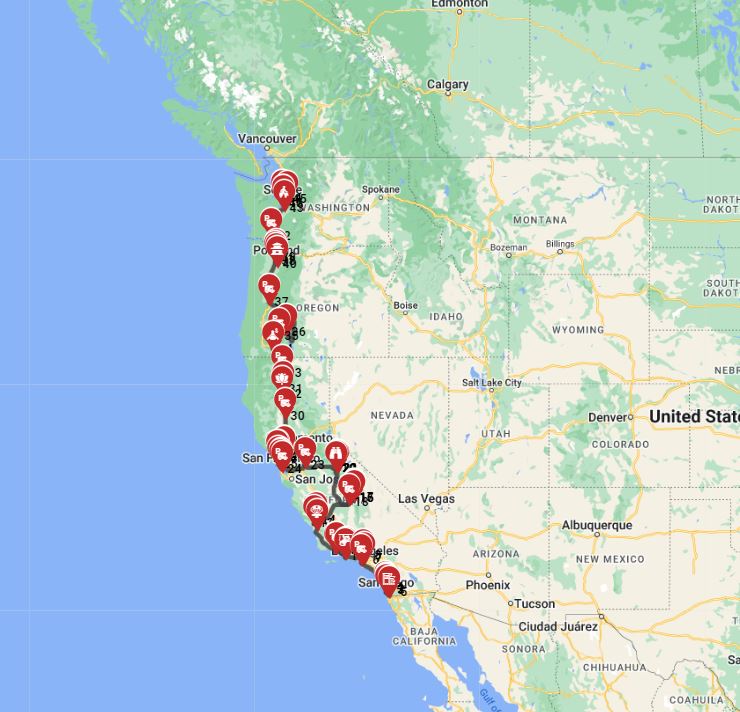
San diego to Seattle - California to the Pacific Northwest
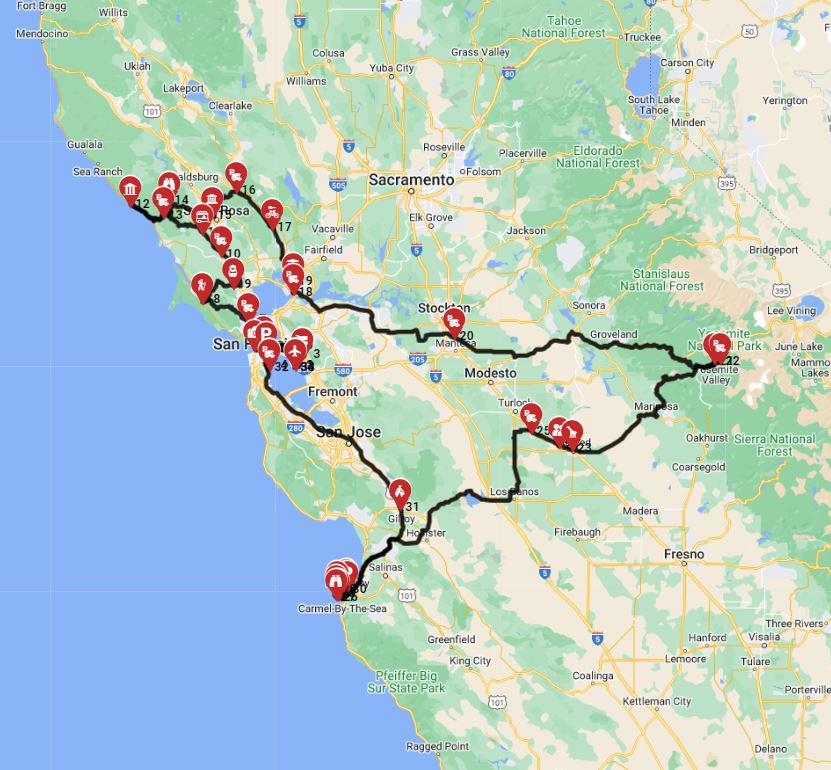
San Francisco Roundtrip
What You Shouldn't Miss
- **Pacific Coast Highway (Highway 1):** Drive the iconic stretch through Big Sur, a breathtaking 145-kilometer section with dramatic cliffs and ocean views. Reserve campgrounds like Pfeiffer Big Sur State Park well in advance.
- **Yosemite National Park:** Experience the grandeur of Yosemite Valley, with its towering granite cliffs and waterfalls. Access is generally straightforward for motorhomes, but be aware of length restrictions in some areas and make sure to book your campsite months ahead.
- **Joshua Tree National Park:** Explore the surreal desert landscape where the Mojave and Colorado deserts meet. This park is fantastic for winter RVing, offering numerous hiking trails and unique flora.
- **Redwood National and State Parks:** Navigate your rented RV through ancient groves of the world's tallest trees. Many drive-through trees offer a memorable photo op, and there are plenty of scenic pull-offs for a picnic.
- **Lake Tahoe:** Enjoy the crystal-clear waters and surrounding Sierra Nevada mountains, offering year-round activities from summer boating and hiking to winter skiing. Numerous RV parks and forest service campgrounds are available.
Looking for expert insights from Avi Bandana? Top 5 Adventures — recommendations from Avi Bandana
Avi Bandana, our founder, is a seasoned RV traveler with decades of experience exploring destinations worldwide. His passion is helping others discover the joy and freedom of a motorhome adventure. "California offers an unparalleled range of experiences for RVers, from the stunning coastline to the serene deserts," says Avi. "My top tip for California is to blend iconic spots with lesser-known gems. Use a smaller campervan for city exploration, then switch to a larger motorhome for extended national park stays."
Final Thoughts
Embarking on a motorhome adventure in California promises an unforgettable journey filled with diverse landscapes and endless possibilities. From the iconic coastline to the majestic national parks, a rental RV or campervan offers the ultimate freedom to explore at your own pace. With Bandana Caravan, you'll find full transparency, comprehensive support, and the perfect vehicle to match your travel style, whether it's a nimble Class B or a spacious Class C. Remember that planning is part of the fun! Take advantage of our resources like RV PLANET (rvplan.net) to craft your ideal itinerary, ensuring a smooth and enjoyable trip. Travel slowly, embrace the unexpected, and immerse yourself in the vibrant culture and stunning scenery that California has to offer. Your perfect RV adventure awaits, and we are here to help you every step of the way.On the routes offered through RV PLANET routes, you can itemize and track every expense along the way for easy budgeting.