In This Guide
- The RV Families Compared for West Canada
- Class A (Integrated) — Best For
- Price Comparison by RV Class in West Canada
- Class SI (Semi-Integrated) — Best For
- Class C (Alcove) — Best For
- Class B (Campervan) — Best For
- Side-by-Side Comparison Table
- Our Recommendation for rv rental for seniors Travelers in West Canada
- What are the essential RV regulations for West Canada's National and Provincial Parks?
- What are the requirements for border crossing with an RV into West Canada?
- What safety and emergency tips are essential for RVing in West Canada?
- How is cell service and internet connectivity for RVs in remote West Canada?
- What is the total cost of an RV trip for seniors in West Canada?
- Are RVs difficult to drive in the mountains of West Canada?
- What unique cultural and local experiences can seniors find RVing in West Canada?
- What You Shouldn't Miss
The RV Families Compared for West Canada
The choice of RV family in West Canada significantly impacts navigating diverse terrain, from towering mountains to sweeping plains, and its suitability for varied climates and trip durations, which are all critical considerations for senior travelers. Choosing the right rented motorhome or campervan ensures maximum comfort, ease of driving, accessibility, and amenity fit for a relaxing and enjoyable senior adventure. Smaller RVs, such as campervans or Class B motorhomes, offer better maneuverability on winding mountain roads and in tighter campsites, while larger options like Class A or C motorhomes provide more expansive living space for longer trips or multiple travelers. Bandana RV offers a range of motorhomes and campervans, focusing on options that provide comfort and reliability for your West Canadian journey, and excluding towable RVs like truck campers from our fleet.Class A (Integrated) - Best For
Class A motorhomes, typically averaging 9.37 meters in length and sleeping around 6-7 people, are best suited for seniors prioritizing luxury, spacious living, and extensive amenities on longer, more comfortable trips in West Canada. With models like the "Class A - Thor ACE 30" offering a 7.3L V8 engine and a 302-liter fuel tank, these RVs provide a true home-like experience, perfect for those seeking maximum comfort and ample storage capacity, including a 189-liter fresh water tank and 151-liter waste water tank. While providing superior comfort and panoramic views, their larger size can make navigating narrow mountain roads, such as those found on lesser-known provincial routes, or finding parking in smaller towns somewhat more challenging, often incurring higher fuel and rental costs.Price Comparison by RV Class in West Canada
Because pricing is dynamic, like flight tickets, the rates for renting an RV in West Canada change daily based on availability, seasonality, and supplier marketing decisions. The table below pulls real example prices from Bandana's live search, offering a snapshot of potential costs across different RV classes. These numbers are purely illustrative and reflect historical data; the final price is set at the actual booking time. We pride ourselves on full transparency, ensuring what you see is what you pay, with no surprise fees at pickup.Live April Price Comparison — RV Class × Trip Length
| Trip length | Class A | Class B | Class C | Class SI | Class TC |
|---|---|---|---|---|---|
| 1 week 15/04 → 22/04 | Check prices | 982.26 $ AU | 1,663.72 $ AU | 1,501.00 $ AU | 2,064.96 $ AU |
| 2 weeks 15/04 → 29/04 | Check prices | 1,841.74 $ AU | 2,842.46 $ AU | 2,588.48 $ AU | 3,871.80 $ AU |
| 1 month 01/04 → 30/04 | Check prices | 3,435.66 $ AU | 5,589.57 $ AU | 5,009.45 $ AU | 6,977.99 $ AU |
Estimates only — flex-rate prices change daily based on availability and season.
Class SI (Semi-Integrated) - Best For
Class SI (Semi-Integrated) motorhomes, typically 6.9 meters long and sleeping about 3-4 people, offer an excellent balance of comfort and maneuverability, making them ideal for many senior travelers in West Canada. Models such as the "EcoLine 2" feature a 140PS 2.2 Litre diesel engine with an automatic transmission and a 122-liter fresh water tank, offering a fuel consumption of 8-11 liters per 100km, making them more fuel-efficient and easier to drive than larger Class A motorhomes. These vehicles provide a more spacious and amenity-rich experience than Class B campervans, outperforming Class A for ease of navigation on varied West Canadian roads and providing streamlined comfort that appeals to seniors who value both practicality and relaxation.Class C (Alcove) - Best For
Class C (Alcove) motorhomes, averaging 7.5 meters in length and comfortably sleeping around 5-7 people, are best for seniors traveling with grandchildren or those seeking extra sleeping space and cost-efficiency in West Canada. Models like the "C-30" offer a Ford V-10 Chassis Engine with automatic transmission, a 208-liter fuel tank, and 151-liter fresh water capacity. These RVs feature an over-cab sleeping area, making them highly suitable for larger groups, and with an average fuel consumption of 23 Liters/100 km, they offer a practical choice for exploring. Their familiar driving experience, similar to a large van, and robust build are well-suited for West Canada's diverse road conditions, providing good value for seniors prioritizing space on a budget. For families, the "Family RV Rental in West Canada - Pricing Guide 2026" provides more specific information.Class B (Campervan) - Best For
Class B (Campervan) RVs, at an average length of 5.8 meters and comfortably sleeping 2-4 people, are perfect for active senior couples or solo travelers prioritizing maneuverability, fuel economy, and accessibility to smaller, more remote sites in West Canada. Vehicles like the "Combi Van" boast a diesel 130 hp engine with automatic transmission and a fuel consumption of 9-12 Liters/100 km, along with a 60-liter fresh water tank. These compact vehicles are easy to park and navigate, even on winding mountain roads and in urban settings. Their smaller footprint allows access to tighter campsites and urban areas that larger RVs cannot reach, making them ideal for seniors who value flexibility and an agile travel experience.Side-by-Side Comparison Table
This table provides a concise overview of the key features and ideal use cases for each motorhome and campervan family, aiding senior travelers in making an informed decision for their West Canada adventure. Bandana RV focuses exclusively on motorhomes and campervans, which are the most comfortable and practical options for exploring the diverse landscapes of the region without the complexities of towing.| Family | Avg Length (m) | Sleeps | Fuel Use (L/100km) | Best Use Case in West Canada for Seniors |
|---|---|---|---|---|
| Class A (Integrated) | 9.37 | 6-7 | 23 | Luxury, long trips, large groups, maximum comfort |
| Class SI (Semi-integrated) | 6.9 | 3-4 | 8-11 | Balanced comfort, maneuverability, and amenities |
| Class C (Alcove) | 7.5 | 5-7 | 10-12 | Family-friendly, extra sleeping, budget-conscious comfort |
| Class B (Campervan) | 5.8 | 2-4 | 9-12 | Maneuverability, fuel economy, active couples/solo travelers |
Our Recommendation for rv rental for seniors Travelers in West Canada
For most senior travelers embarking on a journey through West Canada, the **Class SI (Semi-Integrated)** RV is our primary recommendation due to its optimal balance of comfort, manageable size, and essential amenities. This class, averaging 6.9 meters in length, offers a home-like feel without the bulk of a Class A, making it significantly easier to navigate the diverse mountain roads and find suitable campsites, directly aligning with senior priorities for ease of driving and sustained comfort. A strong runner-up is the **Class B (Campervan)**, particularly ideal for active couples or solo seniors, offering superior maneuverability and impressive fuel efficiency at an average length of 5.8 meters, which is perfect for accessing more remote areas and smaller, often quieter, campsites with ease.What are the essential RV regulations for West Canada's National and Provincial Parks?
RV regulations in West Canada's National (Parks Canada) and Provincial Parks vary significantly, requiring seniors to research specific park rules regarding camping, boondocking, and environmental impact before arrival. Key considerations include strict rules against "boondocking" (dispersed camping) outside designated campgrounds, which is generally prohibited in national parks and limited in provincial parks to preserve natural habitats. Adherence to fire bans, which are common during dry seasons, is crucial for safety and environmental protection; always check the local fire danger rating. Additionally, specific pet policies (leash laws, restricted areas) and designated generator hours (often limited to 2-3 hours in the morning and evening) are enforced to minimize noise for wildlife and other campers. Always check the official websites for Parks Canada and the respective provincial park services (e.g., BC Parks, Alberta Parks) for the most current regulations, permit requirements, and booking procedures, which can change seasonally.What are the requirements for border crossing with an RV into West Canada?
Seniors crossing the US-Canada border with a rented RV must have valid passports for all occupants, along with the vehicle registration and proof of insurance, to ensure a smooth entry into West Canada. It is crucial to have your RV rental agreement readily available, as border officials will often ask for it to verify vehicle ownership and purpose of travel. Be prepared to declare all goods, including groceries, alcohol, and gifts, as certain items (e.g., firearms, raw meats, excessive amounts of alcohol or tobacco, cannabis) are restricted or prohibited. To expedite the process, organize all travel documents in advance, avoid bringing any prohibited items, and truthfully answer all customs questions; a calm and prepared demeanor can help prevent unnecessary delays. For cross-border trips, looking into "RV Rental USA - Complete Guide 2026" might also be beneficial for planning your overall North American adventure.What safety and emergency tips are essential for RVing in West Canada?
For RVing seniors in West Canada, critical safety and emergency preparedness involve understanding wildlife protocols, being equipped for remote travel, and planning for unpredictable mountain weather. Always carry bear spray and know how to use it, store food properly in bear-proof containers or your hard-sided RV to avoid attracting animals, and make noise when hiking in wilderness areas to alert wildlife to your presence. Equip your RV with a comprehensive emergency kit including a robust first-aid kit, satellite communication devices (like an inReach) for areas without cell service, extra fuel, and sufficient water, especially if venturing off main routes. Monitor weather forecasts closely for sudden changes, particularly in mountainous regions where conditions can shift rapidly; ensure your RV's tires are in good condition and appropriate for the season (e.g., winter tires for shoulder season mountain passes). Always inform someone of your detailed itinerary and expected return, even for shorter day trips.How is cell service and internet connectivity for RVs in remote West Canada?
Cell service and internet connectivity for RVs in West Canada can be highly unreliable or non-existent in many remote areas, particularly along iconic scenic routes like the Icefields Parkway and within the deep valleys of national parks. Seniors should anticipate frequent dead zones, especially outside of major towns and along mountain passes, which can impact navigation and communication. Plan to download maps, entertainment, and essential contact information offline before venturing into remote regions to ensure you have access when needed. Consider investing in a satellite messenger or a portable Wi-Fi hotspot for emergencies or intermittent internet access, and be prepared to rely on campground Wi-Fi or public libraries in towns for consistent internet access, as personal cellular data may not always be available.What is the total cost of an RV trip for seniors in West Canada?
Beyond the initial RV rental fee, the total cost of an RV trip for seniors in West Canada encompasses significant expenses for fuel, campground fees, national and provincial park passes, and food, with the total varying based on trip length and chosen RV class. For a Class SI RV averaging 10-11 Liters/100 km, fuel can be a substantial cost, especially for longer journeys through mountainous terrain; budget detailed estimates for fuel, daily campground fees (typically CAD $30-70 per night for a powered site), and park entry passes like the Parks Canada Discovery Pass (approximately CAD $145 for a family/group annual pass, offering excellent value for extended trips). Additionally, factor in food costs, which can range from budget-friendly groceries prepared in your onboard RV kitchen to occasional dining out. For planning and tracking these expenses with ease, the RV PLANET routes allow travelers to itemize and track every expense along the way for easy budgeting. Exploring "Weekly RV Rental in West Canada - Pricing 2026" can provide more specific rental cost estimates.Are RVs difficult to drive in the mountains of West Canada?
Driving rented RVs in West Canada's mountainous terrain, such as the Canadian Rockies, requires careful planning and experience, as vehicle size, weight, and engine power significantly impact the ease of navigating steep grades and winding roads. Larger motorhomes like Class A or C may find certain routes challenging due to sharp turns and prolonged inclines, and some specific provincial park roads might be unsuitable for oversized vehicles; smaller Class B campervans or Class SI motorhomes generally offer greater maneuverability and easier handling. It is always wise to drive slowly and carefully, and you can drive almost anywhere without issues. No need to stress-just use common sense and pay attention. Seniors should practice driving their chosen RV before hitting the mountains, understand how to use engine braking on descents to prevent overheating, and ensure tires are in good condition (and appropriate for shoulder seasons if traveling outside of summer). Opting for a smaller RV class for a less stressful driving experience is often a good choice.What unique cultural and local experiences can seniors find RVing in West Canada?
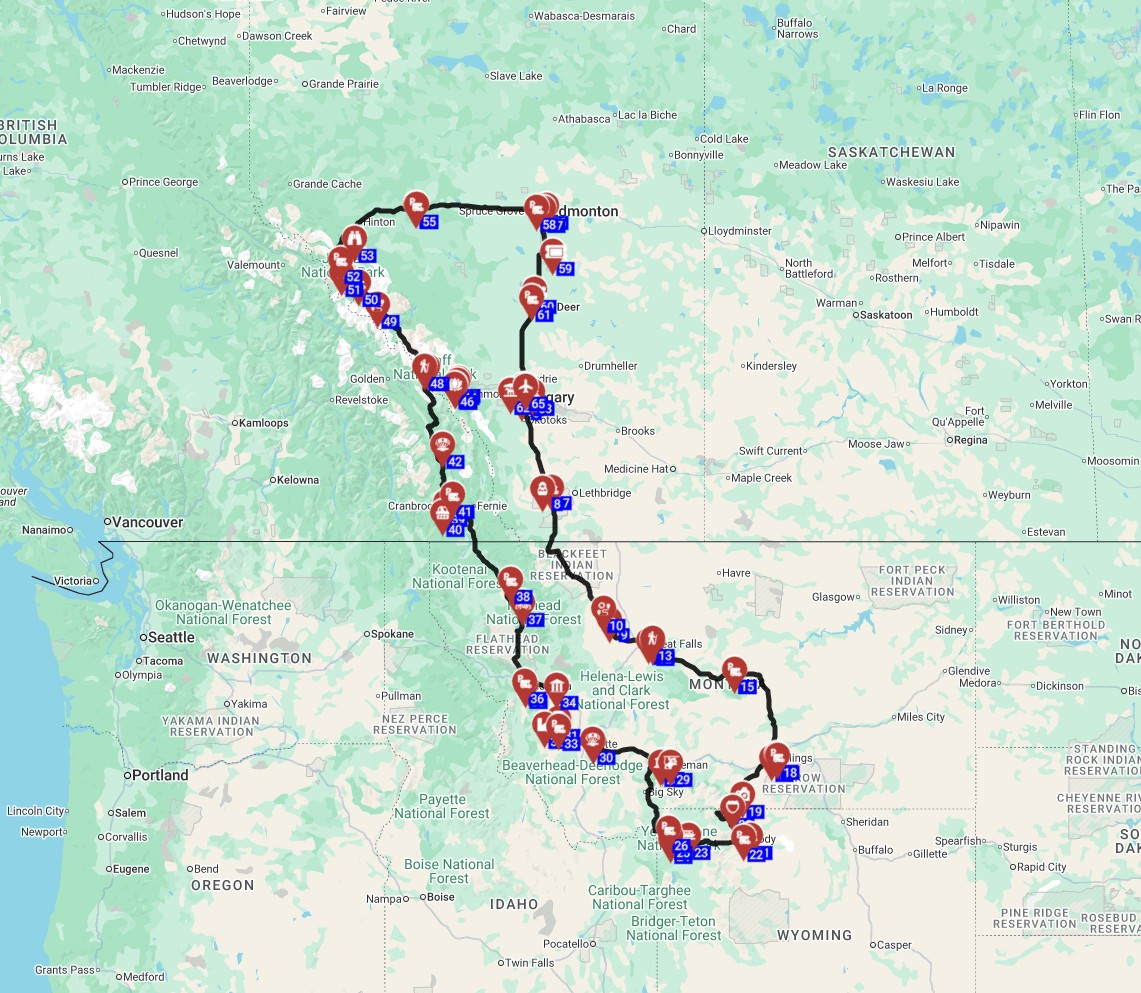
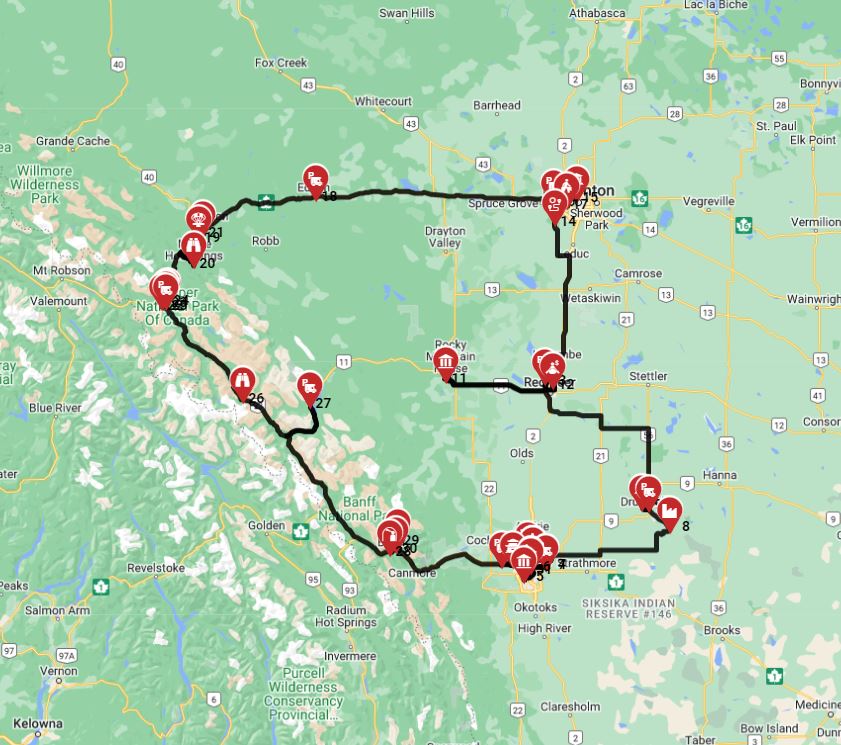
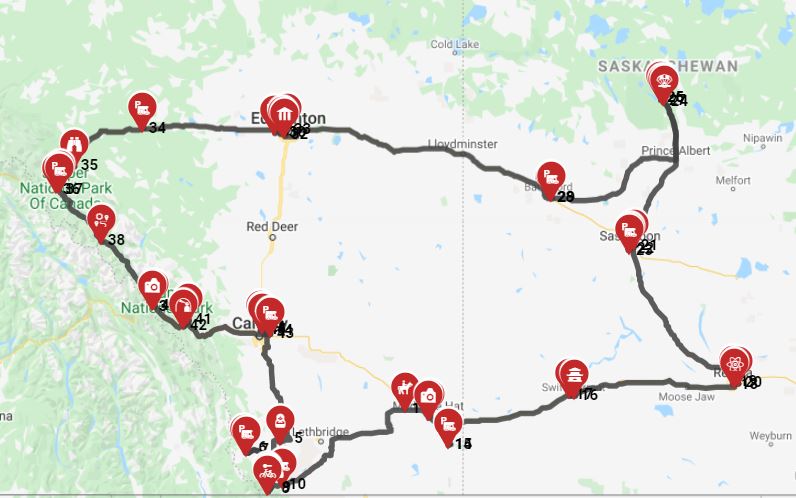
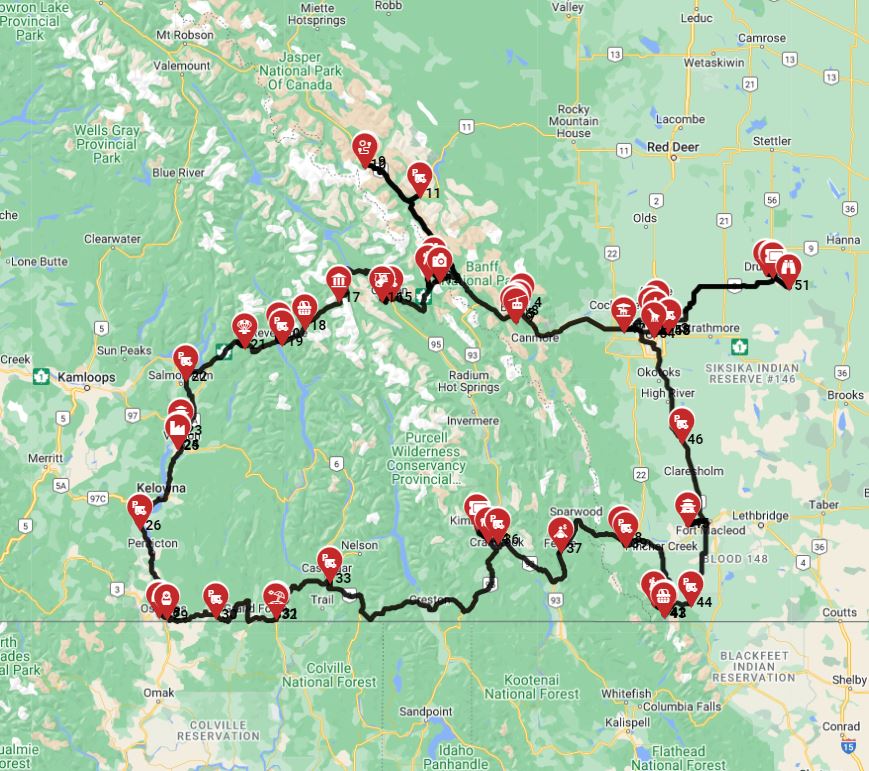
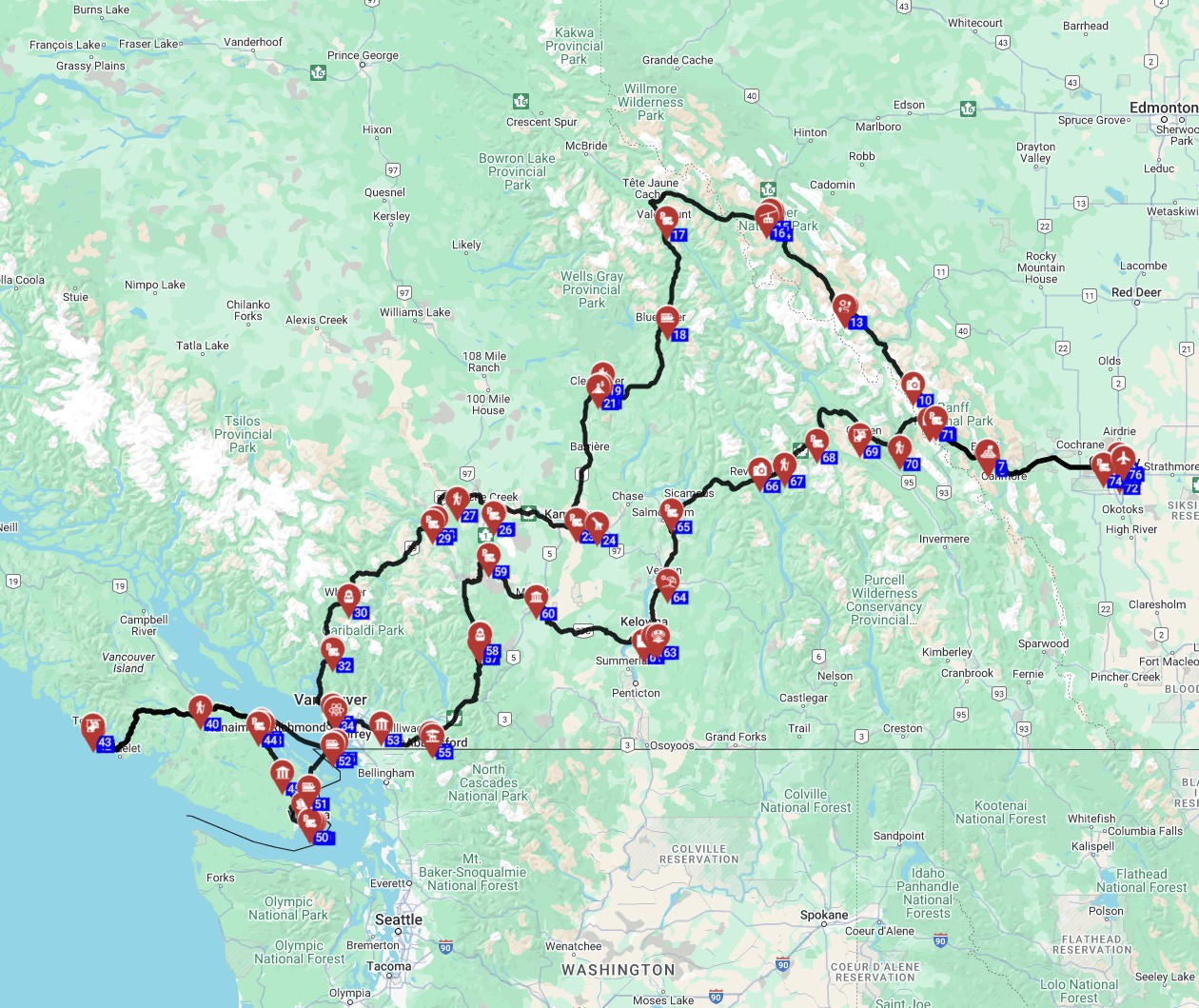
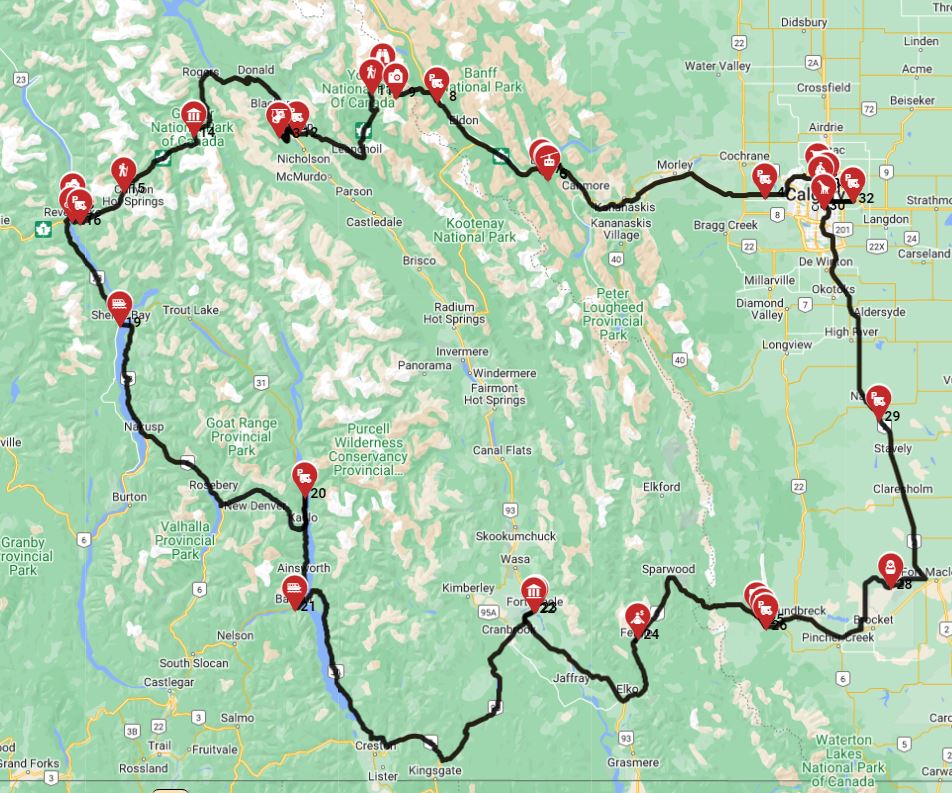
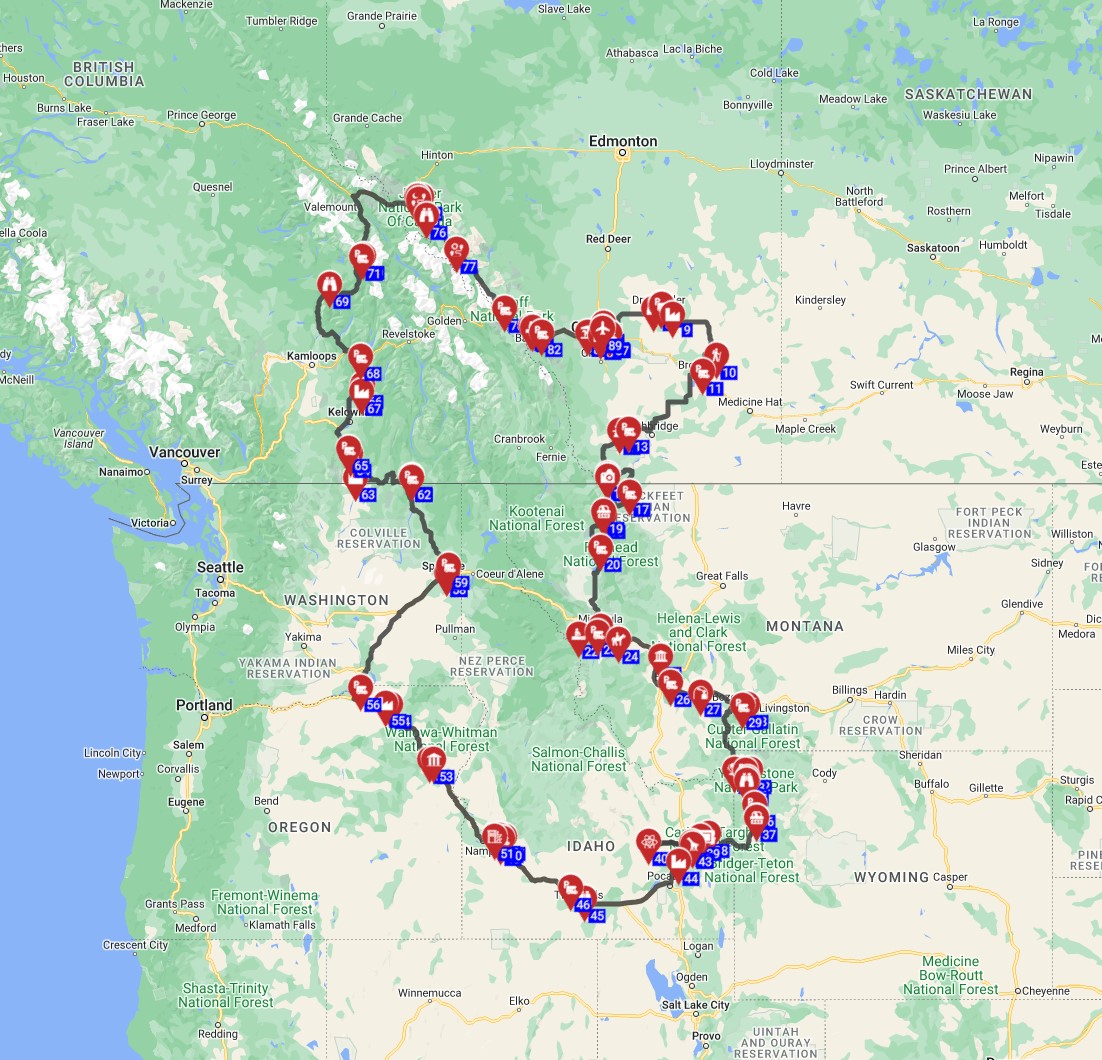
Beyond the stunning natural scenery, seniors RVing in West Canada can discover rich Indigenous cultural experiences, vibrant local culinary scenes, and hidden gems often overlooked by typical tourist routes. Seek out opportunities to visit Indigenous cultural centers and interpretive sites, such as the Squamish Lil'wat Cultural Centre in Whistler, British Columbia, or explore local farmers' markets for artisanal products and regional delicacies. Engage with small-town festivals, sample craft breweries or wineries in the Okanagan Valley, and explore lesser-known hiking trails or wildlife viewing spots recommended by locals, enriching your journey beyond just scenic views. Preparing meals in your rented RV's kitchen with local ingredients is a fantastic way to connect with the region's food culture; for inspiration, check out our RV-friendly recipes playlist. Consider a planned itinerary like the following: This route plan, which covers 2659.4 km over 19 days, offers a cycling-focused adventure starting and ending in Vancouver, including visits to 1 aquarium, 3 bike rental locations, 1 cable railway, 1 canoe/kayak/rafting spot, 1 cave, 1 cruise terminal/sailing experience, 1 day tour, 1 extreme activity, 1 family activity, 1 heritage site, 3 hiking areas, 1 historical site, 1 horseback riding opportunity, 1 local industry tour, 1 museum, 1 natural feature, 2 parks, 1 picnic area, 4 points of interest, 1 scenic route, 2 spas/termes, 1 swimming area, 2 tourist attractions, 1 traditional market, and 1 traditional restaurant/fine dining experience. Remember, traveling slowly, perhaps averaging 100-150 km per day, allows you to truly feel the place, connect to the culture, the food, and the stunning scenery.What You Shouldn't Miss
- Explore Banff National Park: Drive the iconic Icefields Parkway, visit Lake Louise, and enjoy a gentle hike around Moraine Lake for breathtaking views.
- Discover Jasper National Park: Take the Jasper Skytram for panoramic vistas, or explore Maligne Canyon and Maligne Lake, renowned for its vivid blue waters and Spirit Island.
- Wander through Vancouver Island: Drive a rented campervan along the coastal roads to Tofino for stunning beaches and ancient rainforests, or visit Victoria's Butchart Gardens.
- Experience the Okanagan Valley: Sample world-class wines at various vineyards around Kelowna and Penticton, and enjoy the warm, dry climate by a lake.
- Visit Yoho National Park: Marvel at Takakkaw Falls, one of Canada's highest waterfalls, and explore the Burgess Shale Fossil Beds (guided tours recommended).
- Looking for expert insights from Avi Bandana? Top 5 Adventures — recommendations from Avi Bandana.