For live availability and current prices, start with our RV Rental Texas - Complete Guide 2026 guide.
In This Guide
- Best Texas RV Itinerary for Seniors — Overview
- 7-Day Classic Route in Texas
- 14-Day Extended Journey in Texas
- Recommended RVPlan Trip for Texas
- Must-See Stops Along the Way (Avi Bandana Picks)
- Daily Driving Distances & Drive Times in Texas
- Best RV Class for This Itinerary — Couple & Family Picks
- What are the practical RV logistics and regulations for seniors in Texas?
- How can seniors find detailed budgeting and free/low-cost camping in Texas?
- What seasonal and weather preparedness tips are essential for RVing seniors in Texas?
- What specific advice is there for full-time RVing seniors in Texas?
- How can seniors experience authentic local culture and food in Texas?
- What are the best connectivity and technology solutions for senior RVers in Texas?
- What comprehensive safety advice is there for senior RVers in Texas?
- How can seniors practice sustainable and responsible RV travel in Texas?
Best Texas RV Itinerary for Seniors — Overview
When planning an RV adventure tailored for seniors in Texas, the focus is on comfort, manageable distances, and rich cultural experiences. For seniors seeking a comprehensive and meticulously planned RV adventure that includes significant time in Texas, Avi Bandana recommends the
7-Day Classic Route in Texas
This 7-day itinerary offers a delightful taste of Central Texas, focusing on its historic cities and scenic Hill Country drives, with an average daily drive of less than 100 miles (160 km) to ensure a comfortable experience.
Day 1: San Antonio Arrival & Exploration
Start City: San Antonio | End City: San Antonio
Distance: 0 miles
Highlights: Explore the iconic Alamo and stroll along the vibrant Riverwalk. Enjoy authentic Tex-Mex cuisine.
Sleep: San Antonio KOA or a similar well-equipped RV park.
Day 2: San Antonio → Fredericksburg
Start City: San Antonio | End City: Fredericksburg
Distance: Approx. 70 miles (113 km)
Highlights: Discover German heritage, visit local wineries, and browse the charming shops on Main Street.
Sleep: Lady Bird Johnson Municipal Park or a private campground.
Day 3: Fredericksburg → Austin
Start City: Fredericksburg | End City: Austin
Distance: Approx. 80 miles (129 km)
Highlights: Tour the impressive Texas State Capitol, soak in the live music scene on South Congress, or relax in Zilker Park.
Sleep: McKinney Falls State Park (reservations are essential) or an Austin area RV resort.
Day 4: Austin Exploration
Start City: Austin | End City: Austin
Distance: 0 miles
Highlights: Immerse yourself in Austin's unique culture, from its renowned food trucks to its beautiful botanical gardens or insightful museums.
Sleep: Austin area RV resort.
Day 5: Austin → Johnson City
Start City: Austin | End City: Johnson City
Distance: Approx. 50 miles (80 km)
Highlights: Visit the historic LBJ Ranch, explore the engaging Hill Country Science Mill, or sample local spirits at distilleries/breweries.
Sleep: Pedernales Falls State Park or a nearby private campground.
Day 6: Johnson City → New Braunfels
Start City: Johnson City | End City: New Braunfels
Distance: Approx. 60 miles (97 km)
Highlights: Wander through the charming Gruene Historic District, or simply relax by the Comal or Guadalupe Rivers.
Sleep: Texas Leisure RV Park or another New Braunfels campground.
Day 7: New Braunfels → San Antonio & Departure Prep
Start City: New Braunfels | End City: San Antonio
Distance: Approx. 30 miles (48 km)
Highlights: Enjoy a final leisurely Texas breakfast, pick up some last-minute souvenirs, and prepare your RV for return. For ideas you can prep on the road, watch our RV-friendly recipes playlist on YouTube.
14-Day Extended Journey in Texas
This 14-day itinerary expands on the popular Central Texas experience, allowing for deeper exploration of the Hill Country's captivating charm, historical sites, and serene natural beauty at a truly leisurely pace.
Days 1-2: San Antonio Arrival & Exploration
Start City: San Antonio | End City: San Antonio
Distance: Approx. 0-20 miles (0-32 km) for local drives.
Highlights: Immerse yourself in San Antonio's rich history by visiting The Alamo, Mission San José, and strolling the picturesque Riverwalk. Savor authentic Tex-Mex cuisine.
Sleep: San Antonio KOA or a similar RV park for two nights.
Day 3: San Antonio → New Braunfels
Start City: San Antonio | End City: New Braunfels
Distance: Approx. 30 miles (48 km)
Highlights: Explore the Gruene Historic District, renowned for its unique shops and vibrant live music scene at Gruene Hall.
Sleep: Texas Leisure RV Park or another New Braunfels campground.
Day 4: New Braunfels → Austin
Start City: New Braunfels | End City: Austin
Distance: Approx. 50 miles (80 km)
Highlights: Discover the state capital by visiting the Texas State Capitol Building and enjoying a walk through the expansive Zilker Park.
Sleep: McKinney Falls State Park (reservations are advised) or an Austin area RV resort.
Day 5: Austin Exploration
Start City: Austin | End City: Austin
Distance: 0 miles
Highlights: Indulge in Austin's acclaimed food scene, explore the eclectic South Congress Avenue, or visit the serene Lady Bird Johnson Wildflower Center.
Sleep: Austin area RV resort.
Day 6: Austin → Johnson City
Start City: Austin | End City: Johnson City
Distance: Approx. 50 miles (80 km)
Highlights: Tour the historic LBJ Ranch and visit the Texas White House. Explore charming local wineries.
Sleep: Pedernales Falls State Park or a nearby private campground.
Day 7: Johnson City → Fredericksburg
Start City: Johnson City | End City: Fredericksburg
Distance: Approx. 40 miles (64 km)
Highlights: Delve into Fredericksburg's rich German heritage, visit the National Museum of the Pacific War, and enjoy boutique shopping.
Sleep: Lady Bird Johnson Municipal Park or a Fredericksburg area campground.
Day 8: Fredericksburg Exploration
Start City: Fredericksburg | End City: Fredericksburg
Distance: 0 miles
Highlights: Spend more time exploring local art galleries, seasonal peach orchards, or nearby acclaimed wineries.
Sleep: Fredericksburg area campground.
Day 9: Fredericksburg → Junction
Start City: Fredericksburg | End City: Junction
Distance: Approx. 60 miles (97 km)
Highlights: Enjoy the natural beauty and river activities at South Llano River State Park.
Sleep: South Llano River State Park.
Day 10: Junction → Sonora
Start City: Junction | End City: Sonora
Distance: Approx. 50 miles (80 km)
Highlights: Discover the stunning geological formations of the Caverns of Sonora, a designated National Natural Landmark.
Sleep: Sonora RV Park or similar.
Day 11: Sonora → Kerrville
Start City: Sonora | End City: Kerrville
Distance: Approx. 60 miles (97 km)
Highlights: Explore the Hill Country Museum or relax by the Guadalupe River at Kerrville-Schreiner Park.
Sleep: Kerrville-Schreiner Park.
Day 12: Kerrville → Bandera
Start City: Kerrville | End City: Bandera
Distance: Approx. 30 miles (48 km)
Highlights: Experience the 'Cowboy Capital of the World' with a visit to a local dude ranch or a leisurely stroll through town.
Sleep: Bandera City Park or a local RV park.
Day 13: Bandera → San Antonio
Start City: Bandera | End City: San Antonio
Distance: Approx. 50 miles (80 km)
Highlights: Return to San Antonio for a final evening, perhaps enjoying a dinner cruise on the Riverwalk.
Sleep: San Antonio KOA or similar RV park.
Day 14: San Antonio Departure
Start City: San Antonio | End City: San Antonio
Distance: 0 miles
Highlights: Enjoy a leisurely morning before dropping off your RV and departing from San Antonio.
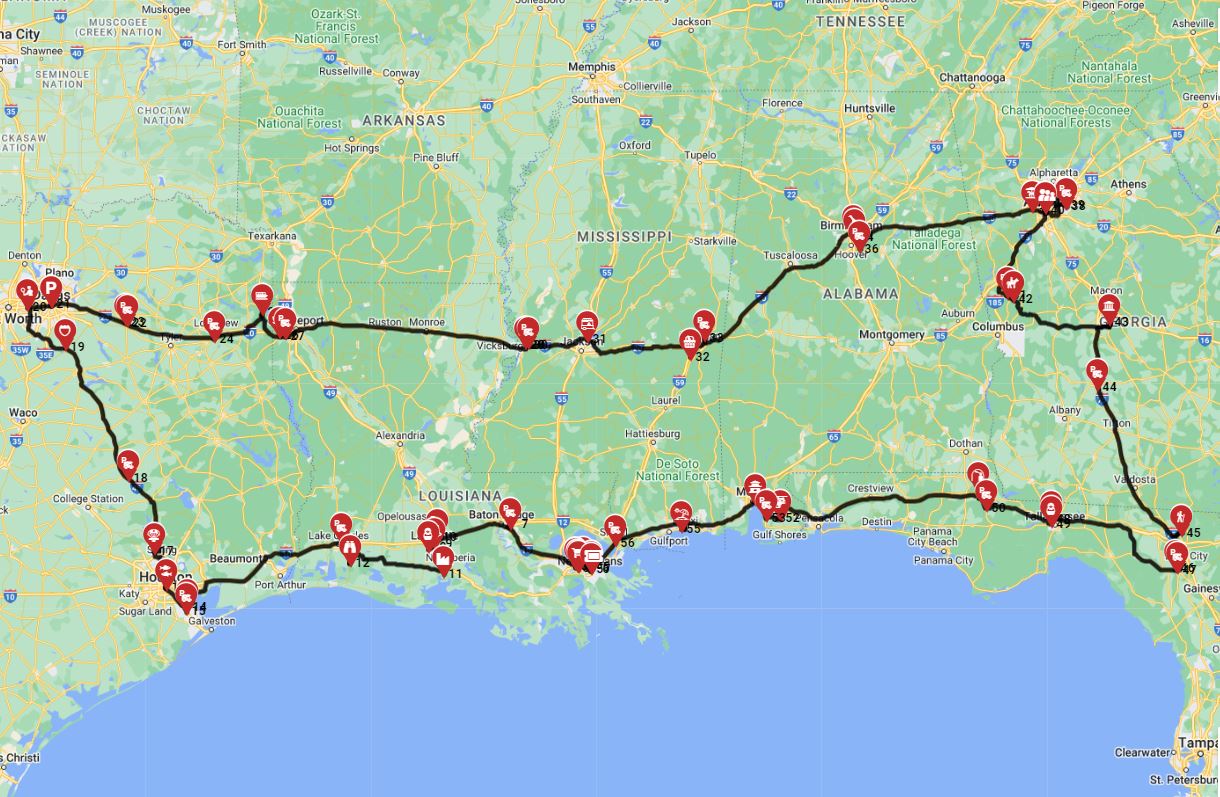
Recommended RVPlan Trip for Texas
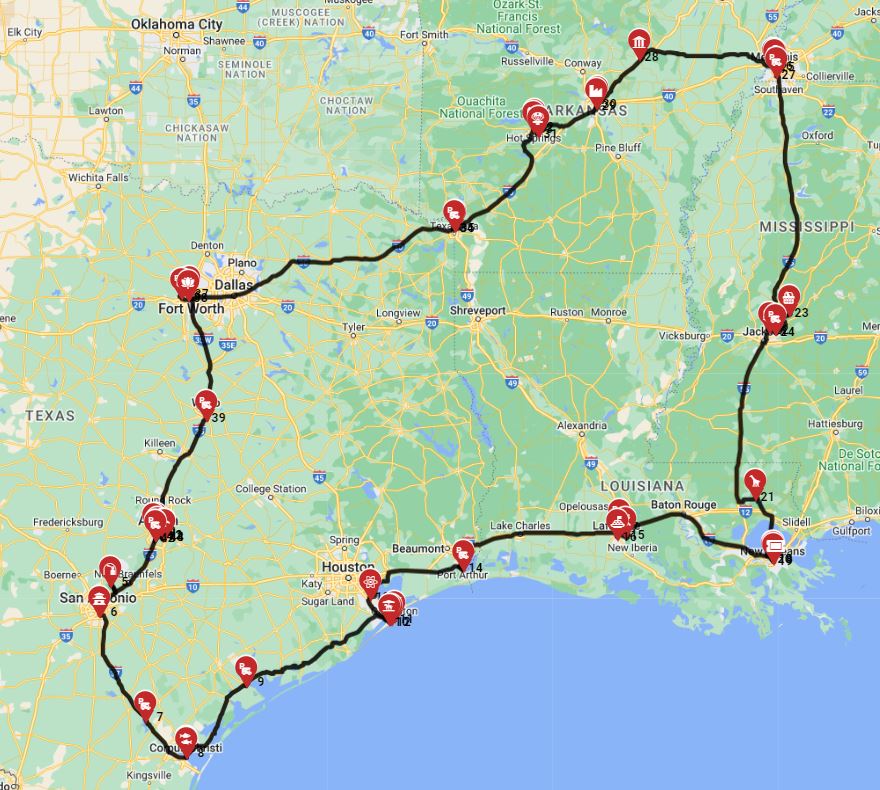
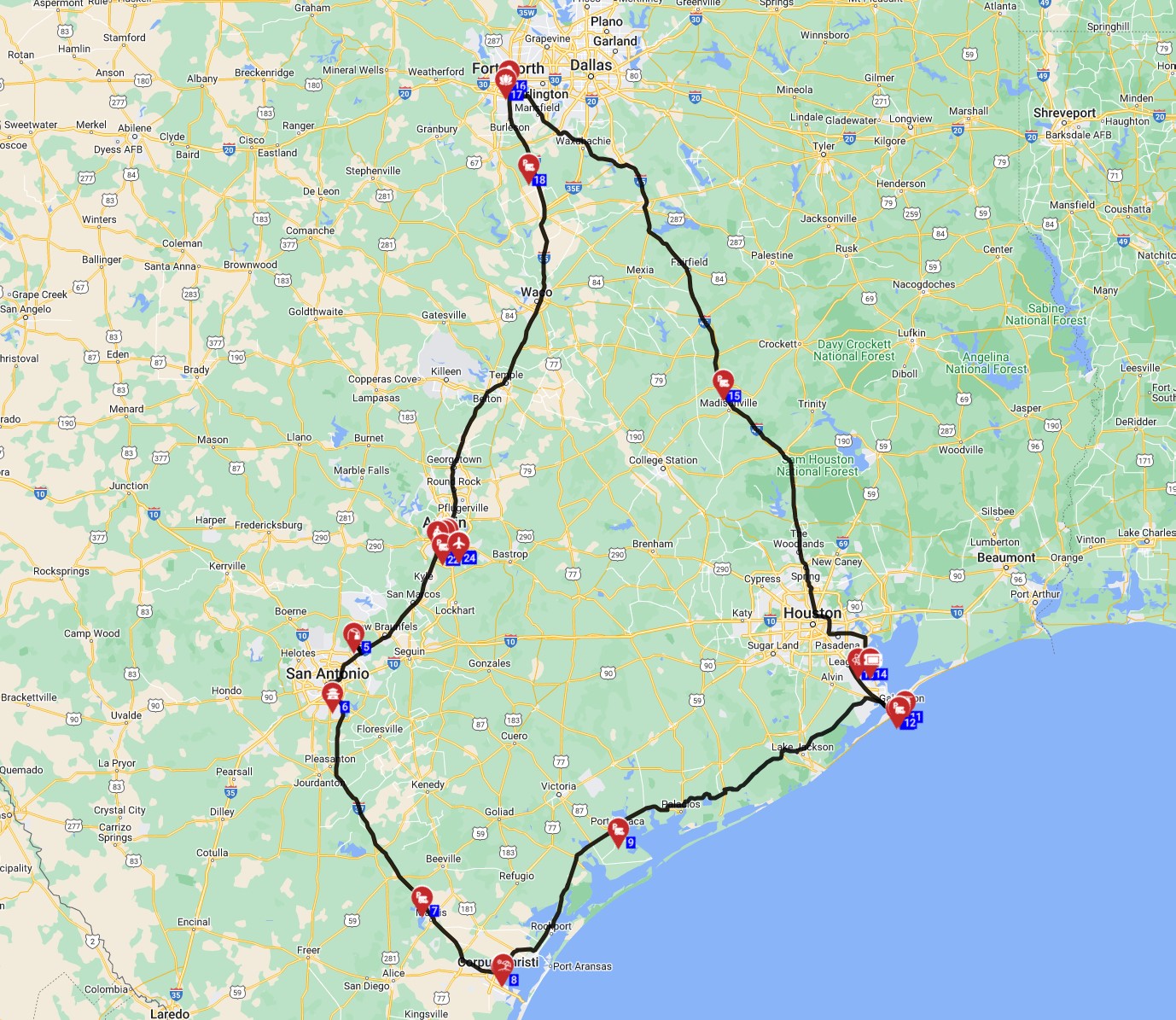
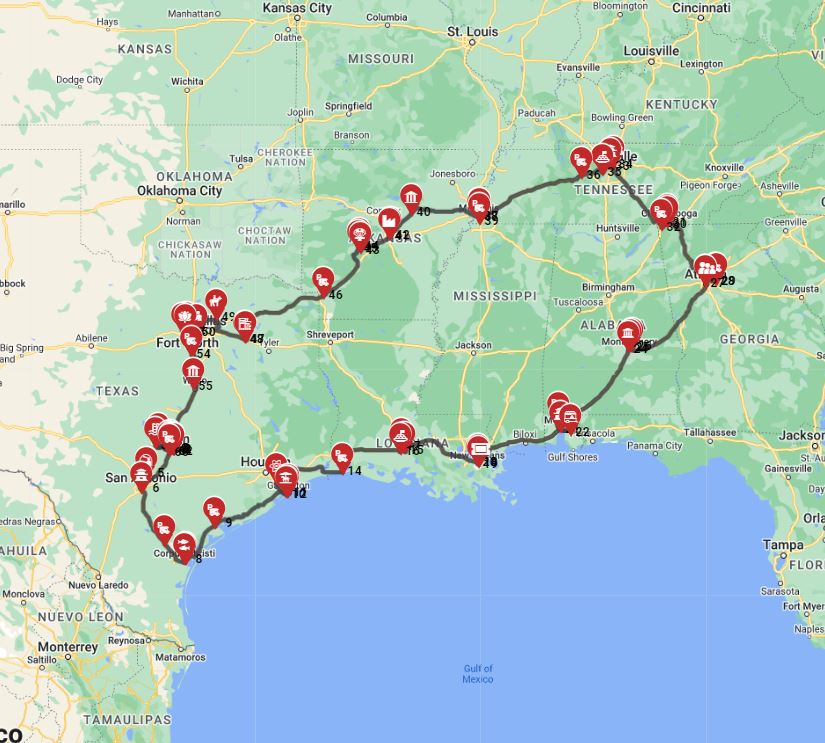
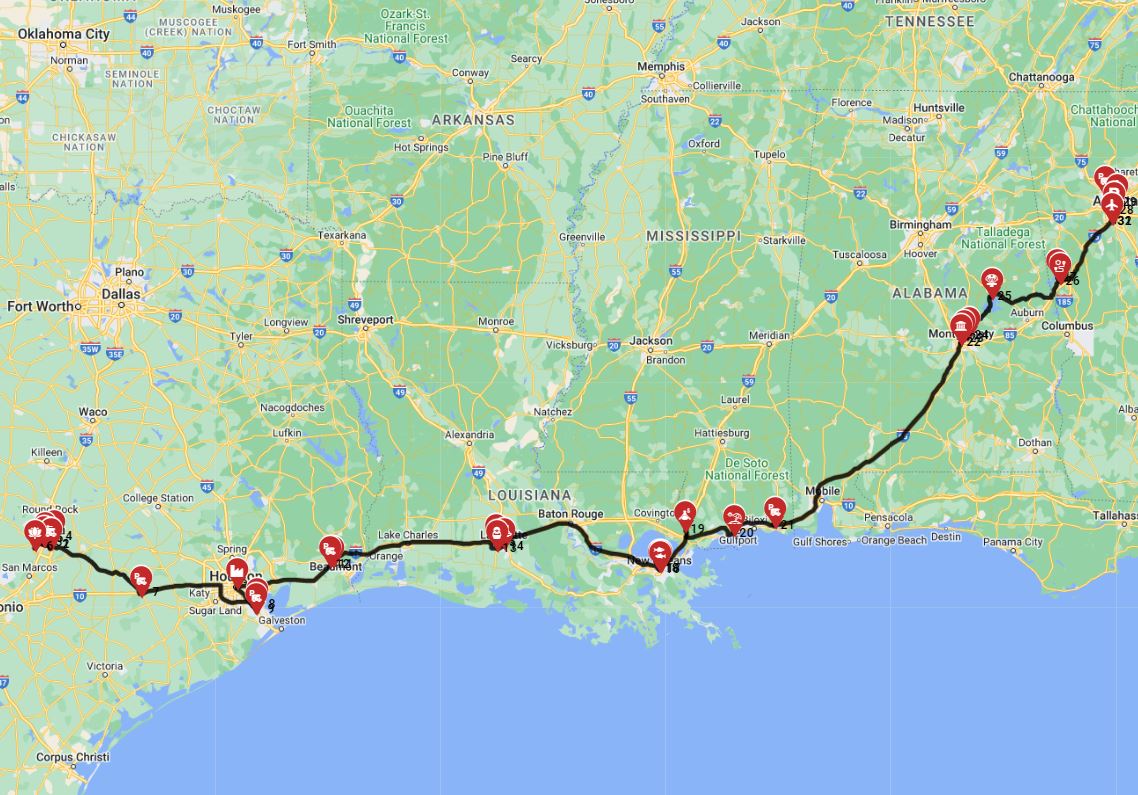
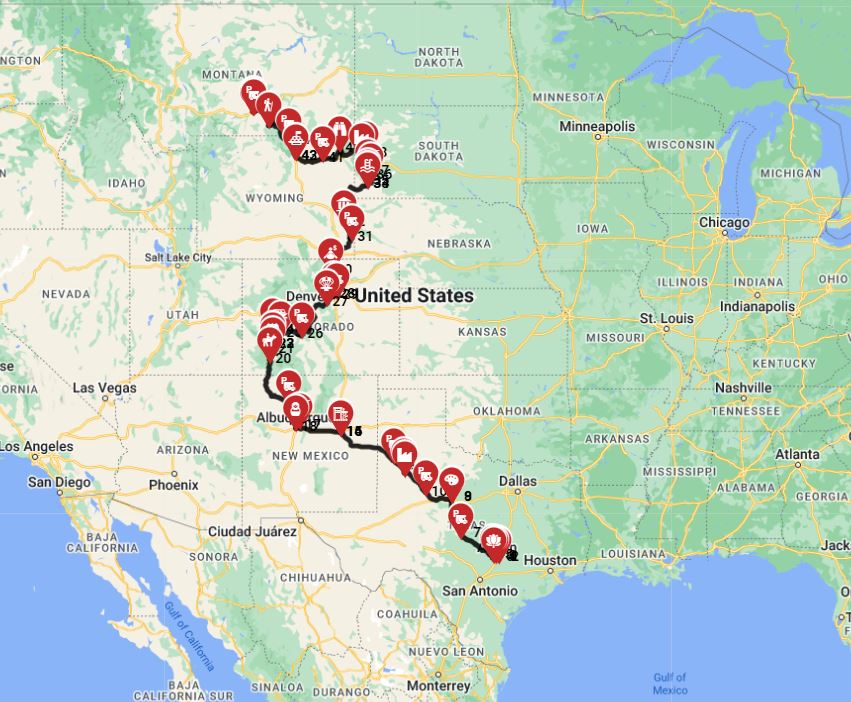
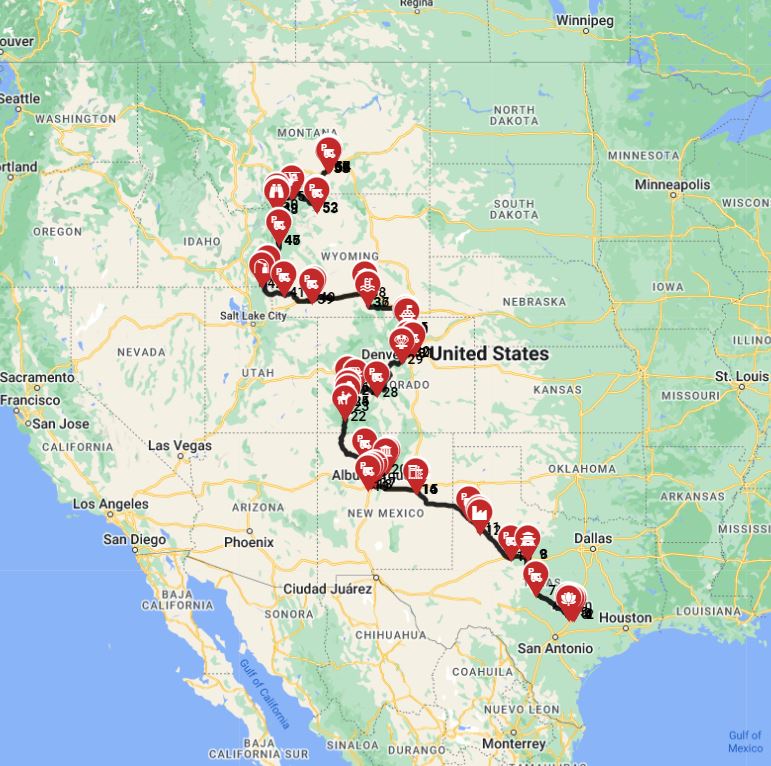
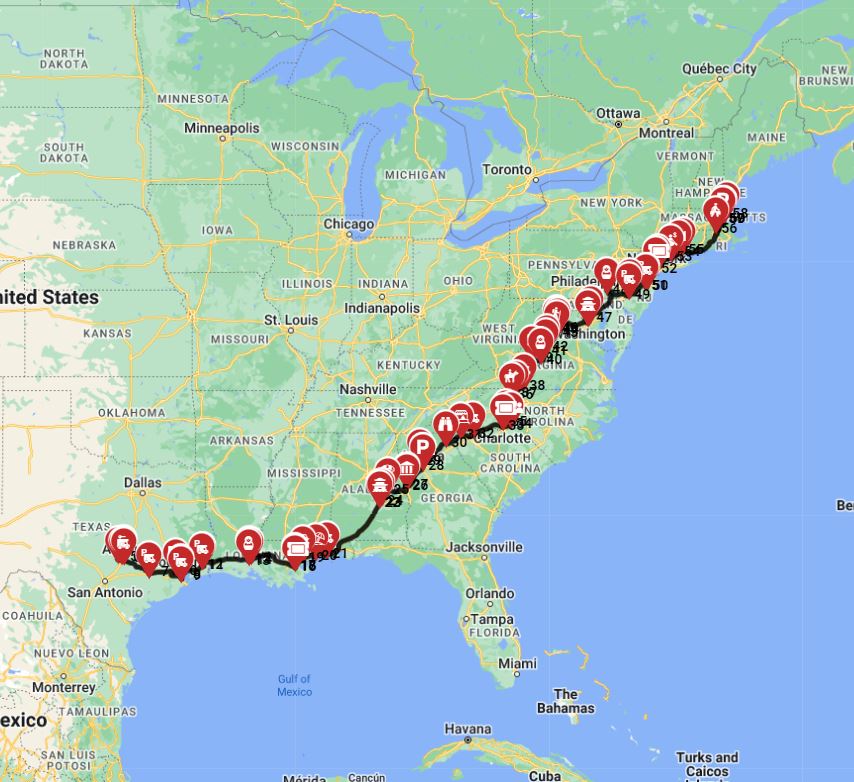
For those seeking a meticulously planned RV adventure that truly immerses you in Texas's diverse landscapes and culture, Avi Bandana highly recommends the New Orleans roundtrip - New Orleans to the Heart of Texas and Beyond trip. This comprehensive 21-day itinerary, covering a total of 4456.4 kilometers (approx. 2769 miles), is expertly designed to provide an in-depth exploration. The journey begins and ends in New Orleans, but crucially dedicates significant time to exploring the heart of Texas, including captivating stops in Houston and Fort Worth. This itinerary offers a rich tapestry of historical sites, cultural highlights, and unique local experiences, making it an ideal choice for a longer, more immersive Texas road trip.
Must-See Stops Along the Way (Avi Bandana Picks)
Drawing from extensive experience, Avi Bandana's top picks for seniors RVing through Texas focus on authentic cultural engagements and local insights, highlighting experiences that are both accessible and deeply rewarding. These recommendations are woven into the fabric of the suggested itineraries, offering a well-rounded taste of the Lone Star State.
- Traditional Visit: The Alamo, San Antonio. A pivotal historical site, the Alamo offers a solemn yet inspiring experience that is easy to navigate, representing a crucial moment in Texas history.
- Traditional Visit: Texas State Capitol, Austin. This magnificent architectural marvel provides deep insight into Texas's governance and history through its accessible guided tours.
- Traditional Restaurant / Fine Dining: Authentic Texas BBQ Joint. Seek out traditional BBQ restaurants, especially those celebrated for their brisket and ribs, to savor a quintessential local culinary experience.
- Traditional Restaurant / Fine Dining: Tex-Mex in San Antonio or Austin. Indulge in the vibrant flavors of Tex-Mex cuisine, from sizzling fajitas to savory enchiladas, reflecting the region's rich cultural fusion.
- Traditional Market: Farmers Markets in Hill Country towns. Discover fresh local produce, artisanal crafts, and the friendly atmosphere of traditional markets in towns like Fredericksburg or New Braunfels, offering a genuine glimpse into local life.
- Local Industry: A Texas Winery or Distillery Tour. The Texas Hill Country is renowned for its burgeoning wine industry and craft distilleries. Many offer senior-friendly tours and tastings, showcasing local agriculture and craftsmanship.
Daily Driving Distances & Drive Times in Texas
For RVing seniors in Texas, Avi Bandana emphasizes a relaxed travel pace, recommending an average of no more than 100 miles (150 km) per day. This approach ensures that the journey itself is as enjoyable as the destinations, allowing for leisurely exploration and spontaneous stops at points of interest without feeling rushed.
This recommendation prioritizes comfort, safety, and the opportunity to truly savor the experiences along the way. Here are some example drive time estimates to illustrate the comfortable pacing:
- San Antonio to Fredericksburg: Approximately 70 miles (113 km), taking about 1.5 to 2 hours of drive time, which allows ample opportunity for scenic overlooks or charming roadside stops.
- Austin to Johnson City: Roughly 50 miles (80 km), a pleasant drive of about 1 hour, making it perfect for a relaxed morning scenic route.
- Houston to Galveston: Around 50 miles (80 km), typically a 1-hour drive, which is ideal for a relaxed coastal approach without feeling rushed.
Best RV Class for This Itinerary — Couple & Family Picks
Selecting the right RV class is crucial for enhancing the senior travel experience, balancing ease of driving, comfort, and amenities to suit various group sizes. Bandana Caravan offers a diverse fleet to meet these needs.
For a Couple: Class B - Camper Van
For senior couples, the Class B Camper Van is often the ideal choice. Bandana's global fleet typically features Camper Vans averaging 5.8 meters in length, comfortably sleeping around 3 people and accommodating approximately 2 adults. Their compact size offers superior maneuverability, making it easier to navigate Texas's roads, park in state parks or city lots, and generally handle like a large SUV. These RVs tend to be more fuel-efficient, often around 8-10 Liters/100 km, a significant consideration for a Texas road trip, and provide essential living amenities without excessive bulk.
For a Family (with Grandchildren): Class C - Alcove
If traveling with grandchildren or other family members, the Class C Alcove RV provides the necessary space and comfort. These units from Bandana's global fleet average 7.5 meters in length, offering sleeping capacity for approximately 5 people and accommodating about 4 adults. The over-cab sleeping area (alcove) is a popular feature with children, providing a semi-private space, while the overall living area offers more room for dining, relaxing, and playing games. Despite their larger size, Class C RVs are relatively easy to drive and offer the amenities required for a comfortable extended family trip.
To streamline your entire trip, Bandana offers a unique 'Rent & Plan' service, which combines RV rentals with expertly crafted itineraries and intuitive trip-planning software, significantly simplifying the organization process.
What are the practical RV logistics and regulations for seniors in Texas?
Understanding Texas RV logistics and regulations is crucial for a smooth senior road trip, ensuring safe navigation, legal parking, and compliance with state-specific requirements. Texas offers a welcoming environment for RVers, but awareness of certain regulations enhances the experience.
Road Conditions and Vehicle Restrictions: Texas features diverse road conditions, from well-maintained interstates to narrower rural roads. Larger RVs (like Class A or C) should ideally stick to major highways, while smaller Class B vans offer more flexibility on scenic routes. There are generally no specific length restrictions for RVs on Texas highways, but drivers should always be mindful of their vehicle's size, especially when navigating smaller towns or mountainous terrain.
State Laws for RVs: Texas generally permits overnight parking in designated truck stops, some Walmart locations (with prior permission from store management), and rest areas for short periods. Always check specific signage for local ordinances. Boondocking (dispersed camping) on public lands like BLM land is less common in Texas than in western states, so established campgrounds and RV parks are the primary go-to options.
Toll Road Navigation: Texas has numerous toll roads, particularly around major metropolitan areas like Houston, Dallas, and Austin. For those traveling with larger rigs, consider purchasing a Texas-compatible toll tag (e.g., TxTag) or planning routes that avoid tolls altogether. Manual toll booths are rare, and pay-by-mail systems can sometimes result in higher fees. On the routes offered through RV PLANET routes, you can itemize and track every expense along the way for easy budgeting.
Vehicle-Specific Requirements: Ensure your rented RV's registration, insurance, and any necessary inspections are up-to-date. While Texas does not require a special endorsement for typical recreational RVs under 26,000 lbs on a standard driver's license, it's always wise to review your rental agreement for any specific requirements. An International Driving Permit is recommended for drivers from non-English speaking countries.
How can seniors find detailed budgeting and free/low-cost camping in Texas?
Seniors can significantly reduce their RV travel costs in Texas by strategically leveraging senior discounts, exploring Texas State Park passes, and identifying genuinely free or low-cost camping options. Careful planning can make a Texas RV trip very budget-friendly.
Comprehensive Cost Breakdown: A realistic budget for a Texas RV trip should account for major expenses like fuel (a significant factor given Texas's vast size), campground fees (which can range from $15-$60+ per night), activity fees, groceries, and a contingency fund for unexpected costs. Utilizing fuel-finding apps can help seniors secure the best gas prices along their route.
Texas State Park vs. Private Campground Costs: Texas State Parks represent exceptional value, typically costing $15-$30 per night for sites with electric and water hookups, plus a daily park entry fee (often waived or reduced with a Texas State Parks Pass). For seniors (65+), purchasing this pass for $70 annually waives daily entrance fees for the pass holder and their accompanying guests, making state parks a very cost-effective choice for extended stays. Private RV parks offer more amenities, such as pools and clubhouses, but typically range from $40-$80+ per night.
Finding Free/Low-Cost Camping: While true boondocking on BLM (Bureau of Land Management) land is limited in Texas, several alternatives exist. Many rural towns offer free or low-cost overnight parking, often found at fairgrounds, community parks, or even casino parking lots (always check ahead for permission). The Hipcamp and iOverlander apps are valuable resources for identifying user-submitted free or very inexpensive sites, though amenities at these locations will be minimal to non-existent. National Forests, such as the Sam Houston National Forest, may offer primitive camping for a small fee or even free in designated areas. Prioritize safety and always review current regulations before selecting any free camping spot.
What seasonal and weather preparedness tips are essential for RVing seniors in Texas?
Effective seasonal and weather preparedness is critical for senior RVers in Texas, ensuring they are well-equipped to handle the state's diverse climate, from extreme summer heat and sudden winter cold fronts to potential storm seasons across its varied regions.
Navigating Extreme Heat (Summer): Texas summers frequently reach triple-digit temperatures. It's vital to ensure your RV's air conditioning system is fully serviced and operating efficiently. Prioritize parking in shaded spots whenever possible, utilize RV sunshades, and minimize the use of high-draw appliances during peak heat to conserve power. Staying hydrated by carrying extra water and planning outdoor activities for early mornings or late evenings are crucial. Be vigilant for symptoms of heat exhaustion.
Cold Fronts (Winter): Although generally mild, Texas can experience sudden winter cold fronts, particularly in the Panhandle and North Texas regions, bringing freezing temperatures. Prepare your RV by insulating pipes, ensuring you have an ample supply of propane for heating, and protecting water lines from freezing. Packing warm clothing layers is also essential.
Humidity and Storm Seasons (Spring/Summer/Fall): High humidity is common, especially along the Gulf Coast, which can impact comfort levels. Texas is also prone to severe weather, including thunderstorms, hail, and tornadoes primarily in spring (March-May), and hurricanes or tropical storms along the coast from June through November. Stay updated on local weather forecasts, know the location of the nearest storm shelters (many campgrounds provide them), and utilize a weather radio or alert app. In coastal areas, monitor hurricane warnings closely and be prepared to evacuate if advised.
Regional Considerations: West Texas (including Big Bend) is arid with extreme temperature fluctuations. East Texas is humid and heavily forested. The Hill Country generally offers milder temperatures but can still experience significant heat. Always research the specific regional weather patterns relevant to your planned itinerary.
What specific advice is there for full-time RVing seniors in Texas?
For seniors considering the full-time RVing lifestyle in Texas, specific advice regarding residency, healthcare, and community integration can greatly ease the transition and enhance their nomadic experience. Texas is a particularly attractive state for full-time RVers due to its lack of state income tax.
Establishing Texas Residency: To establish residency, seniors typically need to demonstrate intent by obtaining a Texas driver's license, registering their vehicles in Texas, and utilizing a Texas-based mail forwarding service. Renowned resources like Escapees RV Club in Livingston are highly recommended for this purpose.
Mail Forwarding Services: Essential for consistent mail reception, services like Escapees or Texas Home Base provide a physical address and offer mail scanning and forwarding on demand, which is critical for managing banking and official documents.
Vehicle Registration and Insurance: Once residency is established, all RVs must be registered in Texas. It is important to research specialized RV insurance policies that cover full-time living, as standard auto policies may not provide adequate coverage.
Healthcare Access: Identify how your existing health insurance, such as Medicare or PPOs, covers you across state lines. Consider establishing a primary care physician in Texas for routine check-ups and maintain a list of reputable specialists and urgent care centers along your travel routes. Many RV parks can also provide local healthcare referrals.
Building Community: Texas boasts a large and welcoming RV community. Joining RV clubs, such as Good Sam or Escapees, can facilitate meeting like-minded individuals, participating in rallies, and discovering local social events, fostering a strong sense of community.
How can seniors experience authentic local culture and food in Texas?
Seniors can deeply engage with Texas's authentic local culture and unique culinary experiences by actively seeking out regional specialties, attending local events, and discovering hidden culinary gems beyond the typical tourist trails.
Texas BBQ Trails: Venture beyond popular chains and explore dedicated BBQ trails in Central Texas (e.g., Lockhart, Luling, Lexington) to sample world-renowned brisket, ribs, and sausage from historic, often family-run, smokehouses that embody the true spirit of local industry.
Tex-Mex Dives: Discover authentic flavors at local, often unassuming, Tex-Mex restaurants. Look for establishments celebrated for their breakfast tacos, enchiladas, and margaritas, particularly in San Antonio and along the border regions.
Kolaches and Czech Bakeries: In Central Texas, especially in towns like West, you'll encounter a rich Czech heritage reflected in delicious kolaches (pastries filled with fruit or meat) and other baked goods, offering a unique cultural nuance and a traditional market experience.
Local Music Scenes: Beyond Austin's famous live music venues, smaller towns throughout the Hill Country and East Texas frequently host local musicians in traditional dance halls (like Gruene Hall), wineries, or community events, providing an intimate glimpse into regional talent.
Regional Festivals: Consult local calendars for regional festivals celebrating everything from wildflowers (Bluebonnet Festival in Burnet) and peaches (Fredericksburg Peach Festival) to chili cook-offs or cowboy heritage events. These gatherings offer fantastic opportunities for traditional visits and cultural immersion.
Unique Cultural Nuances: Engage with locals at farmer's markets, small-town diners, or historical sites. Asking for their recommendations on favorite hidden gems often leads to the most authentic and memorable experiences.
What are the best connectivity and technology solutions for senior RVers in Texas?
Reliable connectivity and practical technology solutions are vital for senior RVers in Texas, ensuring they can stay connected with loved ones, access navigation tools, and manage travel logistics effectively, especially when venturing into more remote areas.
Reliable Cell Service Coverage: Major cellular carriers, including Verizon, AT&T, and T-Mobile, generally provide good coverage in and around Texas's cities and along major interstates. However, coverage can become spotty or non-existent in remote areas, particularly in West Texas (like Big Bend National Park) or vast ranch lands. It’s advisable to check coverage maps for your specific route.
Mobile Hotspots and Data Plans: Investing in a dedicated mobile hotspot with an unlimited or high-data plan from a major carrier can offer a more consistent internet connection than relying solely on phone hotspots. Consider having hotspots from different carriers for redundancy, as some areas might favor one provider over another.
Cell Signal Boosters: For locations with a weak but existing cell signal, a cell booster, such as those from WeBoost, can significantly improve signal strength for both voice and data, extending usable coverage into more remote locations.
Satellite Internet (Starlink): For seniors requiring consistent, high-speed internet in truly remote areas where cellular service is unavailable, Starlink's RV service offers a robust, albeit more expensive, solution providing broadband internet virtually anywhere with a clear view of the sky.
Navigation Apps: Utilize RV-specific GPS apps like RV Life or CoPilot RV. These apps consider vehicle height, weight, and propane restrictions, helping to navigate routes that are suitable for RVs and avoid potential hazards.
What comprehensive safety advice is there for senior RVers in Texas?
Comprehensive safety advice tailored for senior RVers in Texas addresses unique wildlife encounters, specific road hazards, and effective access to emergency services, ensuring a secure and enjoyable journey across the diverse Texan landscape.
Texas-Specific Wildlife: Be aware of common Texas wildlife. Snakes (including rattlesnakes and copperheads) are prevalent in many rural and natural areas; always watch where you step and wear appropriate footwear. Scorpions are also common, particularly in drier regions; shake out shoes before putting them on. While rare, bears can be encountered in Big Bend National Park; store food securely and practice bear awareness. Deer are common along highways, especially at dawn and dusk, so drive with caution.
Unique Road Hazards for RVs: Beyond toll roads, Texas can feature rough road sections, particularly in rural areas or those impacted by heavy oil and gas traffic. Pay close attention to road signs indicating uneven pavement or narrow shoulders. High winds, especially prevalent in West Texas, can pose a significant challenge for large RVs; reduce speed and be prepared for sudden gusts. Exercise caution regarding flash flooding in low-water crossings during heavy rains.
Accessing Emergency Services: Always know your exact location, especially in remote areas. Keep a fully charged cell phone readily accessible. In areas lacking cell service, consider a satellite communication device, such as a Garmin inReach, for emergency contact. Keep a printed map and essential emergency contact numbers handy. For medical emergencies, dial 911. For non-emergency situations, know the local sheriff's or police department's contact number.
How can seniors practice sustainable and responsible RV travel in Texas?
Practicing sustainable and responsible RV travel in Texas, particularly within its beautiful state parks and natural areas, is essential for environmental stewardship and preserving the state's natural beauty for future generations.
Leave No Trace Principles Tailored for RVers:
- Plan Ahead and Prepare: Thoroughly research your destinations, understanding local regulations for waste disposal, fire restrictions, and wildlife interaction. Commit to packing out everything you pack in.
- Travel and Camp on Durable Surfaces: Always stick to designated RV pads and established campgrounds. Avoid driving or parking off-road, as this can damage fragile ecosystems.
- Dispose of Waste Properly: Utilize designated dump stations for gray and black water tanks. Never dump wastewater directly onto the ground. Carry out all trash, including food scraps.
- Minimize Campfire Impacts: Use established fire rings where available. Keep fires small, and ensure they are completely extinguished before leaving your site. Always observe posted fire bans.
- Respect Wildlife: Observe animals from a safe distance. Never feed wildlife, as this habituates them to humans and can lead to aggressive behavior. Store food securely within your RV.
- Be Considerate of Other Visitors: Respect quiet hours in campgrounds, especially during nighttime. Keep pets leashed and always clean up after them.
- Leave What You Find: Do not disturb natural or cultural artifacts. Leave rocks, plants, and other natural objects as you found them.
Water and Energy Conservation: Use water efficiently within your RV by taking shorter showers and practicing conservative dishwashing techniques. Consider installing solar panels to reduce reliance on generator or shore power, thereby minimizing noise and emissions.
What You Shouldn't Miss
- Immerse yourself in the history of The Alamo in San Antonio, a pivotal site in Texas independence.
- Stroll along the San Antonio Riverwalk, enjoying the vibrant atmosphere and perhaps a leisurely dinner cruise.
- Experience the unique German heritage and wine country charm of Fredericksburg, with its delightful Main Street.
- Explore Austin's eclectic music scene and culinary delights, from food trucks to renowned live music venues.
- Visit the Lyndon B. Johnson National Historical Park near Johnson City to step back in time at the LBJ Ranch.
- Discover the charm of Gruene Historic District in New Braunfels, with its preserved buildings and lively atmosphere.
Final Thoughts
RV travel in Texas offers an exceptional way for seniors to explore the state's diverse landscapes and rich culture at a comfortable pace. By focusing on manageable driving distances, choosing the right RV, and preparing adequately for the Texas climate, you can create a truly memorable and enjoyable journey.
From the historic charm of San Antonio to the vibrant music scene of Austin and the natural beauty of the Hill Country, Texas provides a wealth of experiences perfect for a senior RV adventure. Remember to leverage resources like RV PLANET (rvplan.net) for route planning and campground discovery to enhance your trip planning.
We're here to help you every step of the way, ensuring your RV rental experience is as smooth and enjoyable as possible. Get inspired for your next trip, discover top destinations, and plan your itinerary with minimal effort and maximum enjoyment!