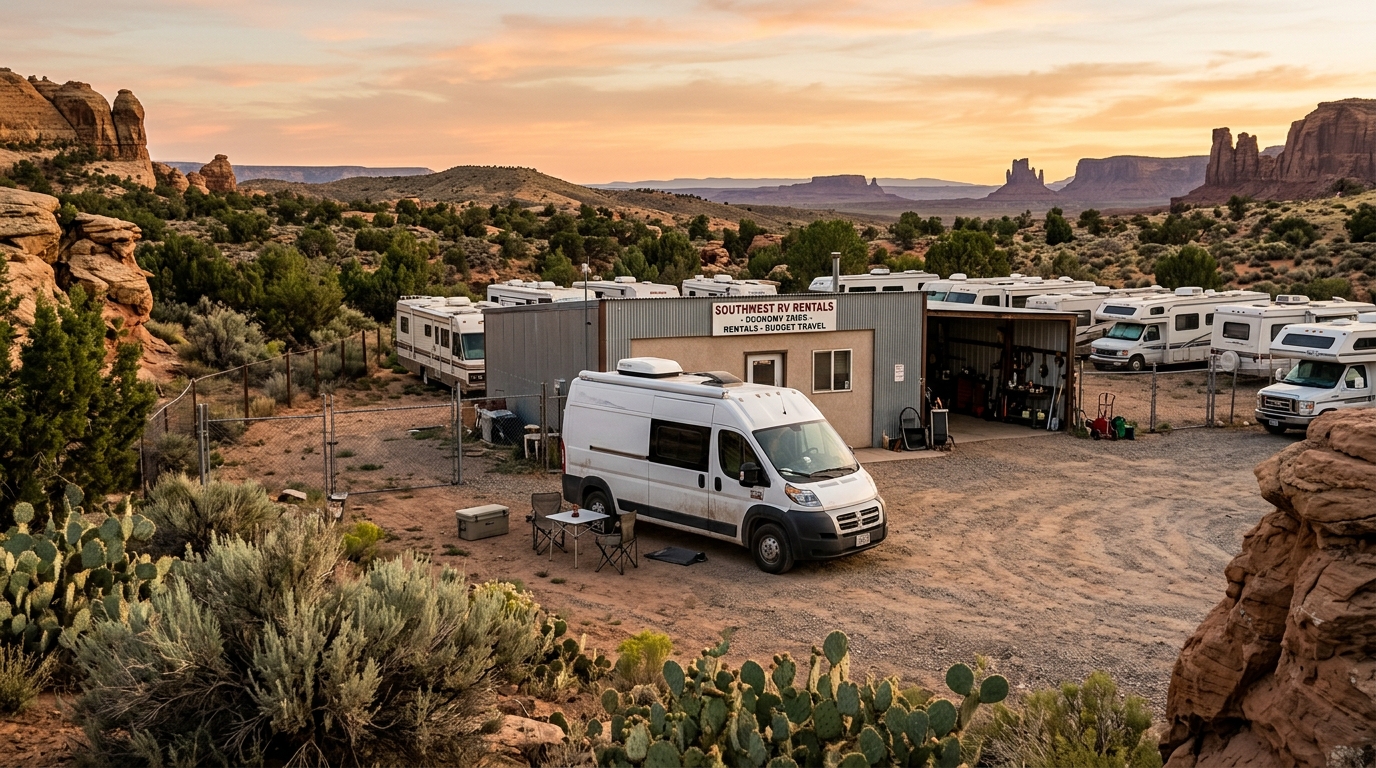
For live availability and current prices, start with our RV Rental South West US - Complete Guide 2026 guide.
In This Guide
- Best South West US RV Itinerary for rv rental deals — Overview
- 7-Day Classic Route in South West US
- 14-Day Extended Journey in South West US
- Recommended RVPlan Trip for South West US
- Must-See Stops Along the Way (Avi Bandana Picks)
- Daily Driving Distances & Drive Times in South West US
- Best RV Class for This Itinerary — Couple & Family Picks
- What is the best month to RV in Arizona
- Is RVing in the desert safe
- Where can I find free RV camping in Arizona
- How much does it cost to RV the Southwest
- What is the cheapest way to rent an RV in the Southwest
- Are RV rentals cheaper in different states
- What is the average gas mileage for an RV
- What should you not do in an RV
- What is the best RV rental company in Arizona
Best South West US RV Itinerary for rv rental deals — Overview
Explore the iconic Southwest US with a rented RV, offering unparalleled freedom and flexibility to discover its breathtaking national parks and hidden gems at your own pace. A classic South West US RV itinerary typically covers between 700-1500 km (450-950 miles) over a recommended minimum of 7 days, allowing ample time for exploration and relaxation. The best season for an RV trip in the Southwest generally spans spring (March-May) and fall (September-November) to avoid the extreme heat of summer and potential winter closures in higher elevations, ensuring optimal weather for outdoor activities and fewer crowds than the peak summer months. For those planning a broader trip, our guide to RV Rental USA - Complete Guide 2026 covers the entire nation.
7-Day Classic Route in South West US
This 7-day itinerary focuses on the stunning landscapes of Arizona, ensuring manageable daily drives and ample time for exploration, a perfect introduction to the region for first-time RV renters. For those seeking more detailed insights into RVing in this area, our guide to RV Travel Guide to South West US - Tips and Top Spots 2026 provides valuable advice.
- Day 1: Phoenix, AZ → Payson, AZ (approx. 80 miles / 130 km). Highlights: Mogollon Rim vistas, Tonto Natural Bridge State Park. Overnight: Local RV park or dispersed camping near Payson.
- Day 2: Payson, AZ → Sedona, AZ (approx. 70 miles / 115 km). Highlights: Scenic drive through pine forests, Red Rock State Park, Airport Mesa for sunset views. Overnight: Private RV park in Sedona or nearby.
- Day 3: Sedona, AZ → Flagstaff, AZ (approx. 30 miles / 50 km). Highlights: Captivating Oak Creek Canyon drive, historic downtown Flagstaff, Lowell Observatory. Overnight: Coconino National Forest camping or Flagstaff KOA.
- Day 4: Flagstaff, AZ → Grand Canyon South Rim (approx. 80 miles / 130 km). Highlights: Iconic viewpoints like Mather Point and Desert View Watchtower. Overnight: Mather Campground or Trailer Village (reservations essential).
- Day 5: Grand Canyon South Rim → Williams, AZ (approx. 60 miles / 95 km). Highlights: Immerse yourself in Route 66 history in this charming railway town. Overnight: RV parks in Williams.
- Day 6: Williams, AZ → Wickenburg, AZ (approx. 100 miles / 160 km). Highlights: Explore Western history at the Desert Caballeros Western Museum. Overnight: RV park in Wickenburg or nearby BLM land.
- Day 7: Wickenburg, AZ → Phoenix, AZ (approx. 60 miles / 95 km). Highlights: Return your RV, enjoy final desert landscapes, and perhaps relax at local attractions before departure.
14-Day Extended Journey in South West US
An extended 14-day journey allows for a deeper exploration of Arizona, southern Utah, and parts of Nevada, grouping days by regional attractions for a more immersive experience. Consider our guide on RV Rental in South West US for Couples - Pricing 2026 for more tailored advice.
- Arizona & Southern Utah Gateway (Days 1-5):
- Day 1: Phoenix, AZ → Payson, AZ (approx. 80 miles / 130 km). Highlights: Mogollon Rim, Tonto Natural Bridge State Park. Overnight: Local RV park or dispersed camping.
- Day 2: Payson, AZ → Sedona, AZ (approx. 70 miles / 115 km). Highlights: Red Rock Scenic Byway, hiking trails. Overnight: State Park or private RV park.
- Day 3: Sedona, AZ → Grand Canyon South Rim, AZ (approx. 100 miles / 160 km). Highlights: Desert View Watchtower, Mather Point for breathtaking views. Overnight: Mather Campground (reservations essential).
- Day 4: Grand Canyon South Rim, AZ → Page, AZ (approx. 84 miles / 135 km). Highlights: Horseshoe Bend, Antelope Canyon (tours recommended for the best experience). Overnight: Page Lake Powell Campground.
- Day 5: Page, AZ → Kanab, UT (approx. 75 miles / 120 km). Highlights: Moqui Cave, Sand Hollow State Park en route. Overnight: RV park in Kanab or nearby BLM land.
- Utah's Mighty 5 (Part 1) & Nevada (Days 6-10):
- Day 6: Kanab, UT → Zion National Park, UT (approx. 30 miles / 50 km). Highlights: Emerald Pools Trail, scenic park drive. Overnight: Watchman Campground (reservations essential).
- Day 7: Zion National Park, UT (Full day exploring). Highlights: The Narrows (seasonal access), Canyon Overlook Trail. Overnight: Watchman Campground.
- Day 8: Zion National Park, UT → Bryce Canyon National Park, UT (approx. 70 miles / 115 km). Highlights: Bryce Amphitheater viewpoints, Sunset Point. Overnight: North Campground (first-come, first-served or reservation).
- Day 9: Bryce Canyon NP, UT → St. George, UT (approx. 100 miles / 160 km). Highlights: Snow Canyon State Park, explore historic St. George. Overnight: RV park in St. George.
- Day 10: St. George, UT → Valley of Fire State Park, NV (approx. 80 miles / 130 km). Highlights: Unique red sandstone formations, ancient petroglyphs. Overnight: Valley of Fire State Park Campground.
- Nevada & Arizona Return (Days 11-14):
- Day 11: Valley of Fire, NV → Las Vegas, NV (approx. 50 miles / 80 km). Highlights: Optional detour to Hoover Dam, Fremont Street Experience. Overnight: RV park outside central Las Vegas.
- Day 12: Las Vegas, NV → Kingman, AZ (approx. 100 miles / 160 km). Highlights: Route 66 Museum, explore historic downtown. Overnight: RV park in Kingman.
- Day 13: Kingman, AZ → Wickenburg, AZ (approx. 90 miles / 145 km). Highlights: Western history, Vulture Mine Ghost Town. Overnight: RV park in Wickenburg or nearby BLM land.
- Day 14: Wickenburg, AZ → Phoenix, AZ (approx. 60 miles / 95 km). Highlights: Return RV, enjoy final desert landscapes.
Recommended RVPlan Trip for South West US
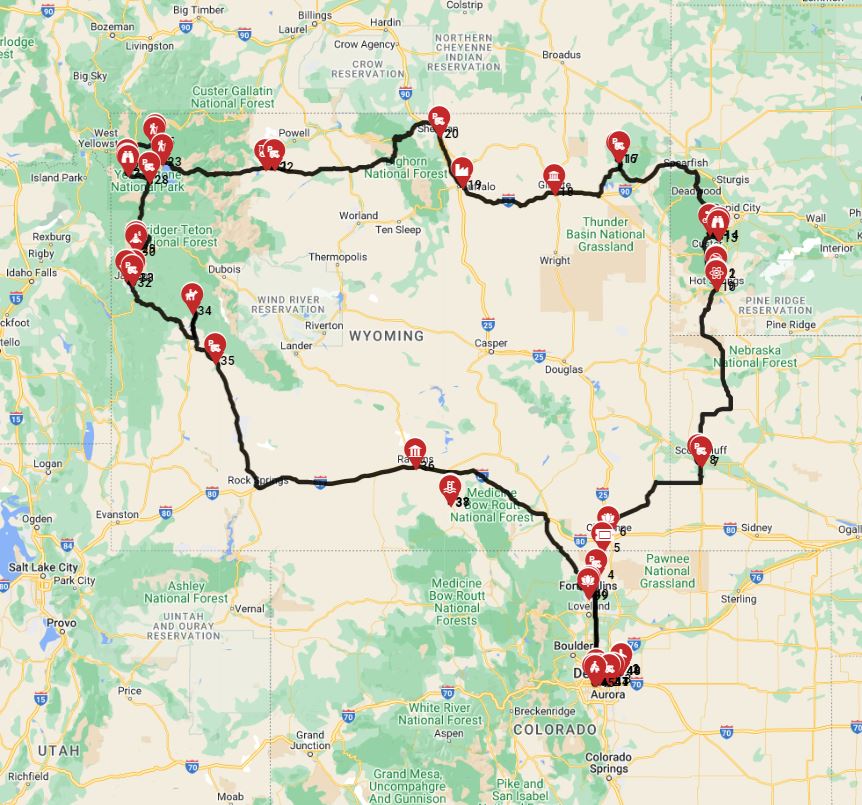
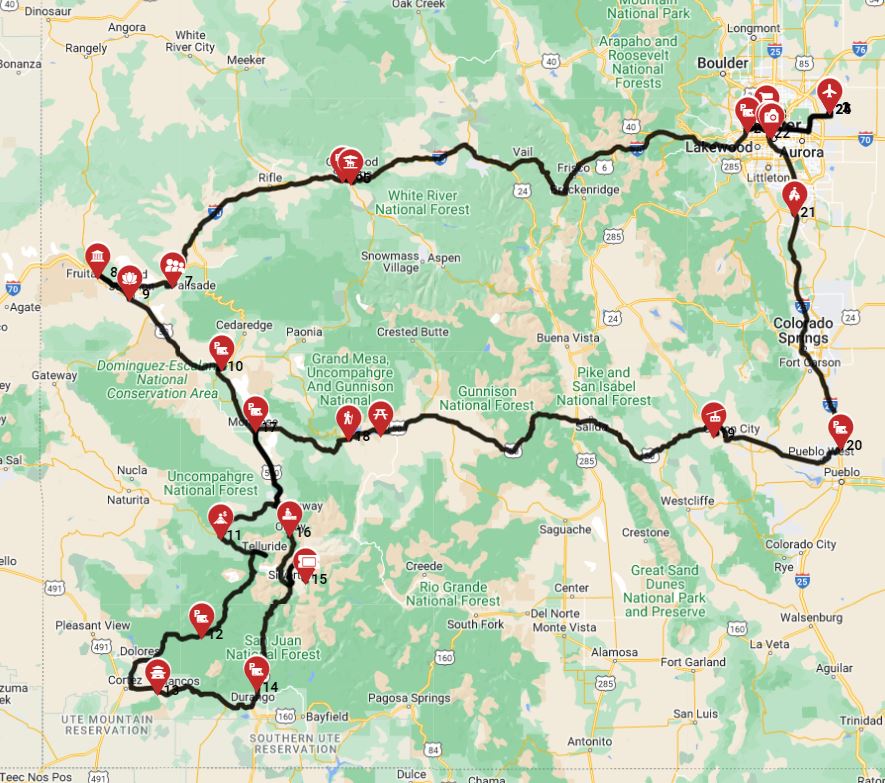
While a specific RVPlan trip for the Southwest US is not currently matched, Bandana RV offers a variety of pre-planned itineraries through our sister company, RV PLANET, to inspire your adventure. Users can explore our diverse selection of curated routes on RV PLANET routes, which often include detailed maps, points of interest, and campground suggestions tailored to different durations and interests across the Southwest. This service is perfect for those who prefer a structured approach to trip planning.
Must-See Stops Along the Way (Avi Bandana Picks)
Avi Bandana's personal picks for truly memorable stops in the Southwest go beyond the most popular national parks, focusing on unique local experiences and lesser-known gems that offer a more authentic glimpse into the region. For more itinerary inspiration and expert advice, check out our Luxury RV Driving in South West US - Scenic Routes 2026 guide.
- Lesser-Known State Parks & BLM Sites: Consider Valley of Fire State Park in Nevada for its stunning red rock formations and petroglyphs, or explore the expansive Bureau of Land Management (BLM) lands around Sedona and Moab for accessible boondocking and incredible hiking opportunities.
- Unique Small Towns & Cultural Experiences: Wander through the historic mining town of Bisbee, Arizona, celebrated for its vibrant arts scene, or delve into Native American culture at the Hubbell Trading Post National Historic Site in Arizona or the numerous ancient pueblos found throughout New Mexico.
- Local Markets & Eateries: Seek out bustling farmer's markets in places like Santa Fe, New Mexico, or discover authentic Southwestern cuisine at local diners and food trucks, often found just off the main highways, offering genuine flavors of the region.
Daily Driving Distances & Drive Times in South West US
Avi Bandana recommends a maximum of 100 miles or 150 km per day on average when RVing in the South West US. This approach allows for slow travel and ample time to savor the scenic routes and destinations, rather than rushing through. Traveling slowly enables deeper exploration, flexibility for spontaneous stops, and significantly reduces travel fatigue, especially when navigating winding desert roads or mountain passes. For example, a drive from Sedona, AZ to Flagstaff, AZ (approx. 30 miles / 50 km) typically takes around 45-60 minutes, while the journey from Grand Canyon South Rim to Page, AZ (approx. 84 miles / 135 km) usually takes about 2.5-3 hours, providing plenty of time for photo stops and enjoying the scenery.
Best RV Class for This Itinerary — Couple & Family Picks
Choosing the right RV class is crucial for enhancing your Southwest adventure, balancing comfort, maneuverability, and adequate space for your travel party. Bandana RV offers a diverse fleet to suit every need. We can help you find the perfect vehicle, whether you're seeking a compact campervan or a spacious family motorhome. Explore our options for Cheap RV Rental in South West US - Budget Guide 2026.
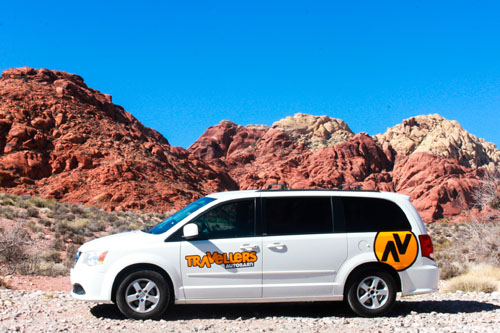
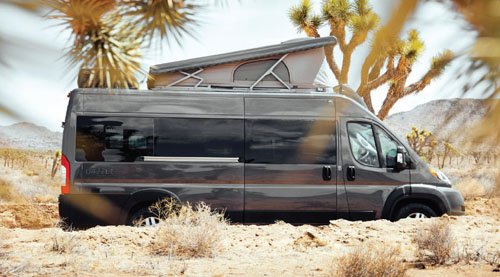
- For a Couple: The Class B - Camper Van is an ideal choice for its compact size and excellent fuel efficiency, making it perfect for navigating narrower roads and finding smaller campsites. Bandana's fleet typically offers Class B vans averaging around 5.8 meters in length, comfortably sleeping 2-3 adults, with common fuel consumption around 10 Liters/100 km. An example of this is the Category Van, which is a small, recent model perfect for couples.
- For a Family: A Class C - Alcove RV provides ample space and modern amenities, making it exceptionally suitable for families, especially those traveling with children. Bandana's Class C vehicles average 7.5 meters in length and are designed to comfortably accommodate 4-5 adults, offering plenty of room for a family adventure. Consider models like the 29' Class C Motorhome, which offers space for up to 6 people.
Beyond selecting your ideal RV, consider Bandana's "Rent & Plan" service, which seamlessly combines your RV rental with a ready-made itinerary developed by travel experts. This service grants you full access to our trip-planning software, removing the organizational stress and ensuring a smooth adventure from scratch.
What is the best month to RV in Arizona
The best months to RV in Arizona are typically March through May (spring) and September through November (fall), offering a sweet spot with pleasant temperatures and fewer extreme weather challenges compared to other seasons. These shoulder seasons provide an ideal climate for hiking and exploring the diverse landscapes of the Southwest.
- Spring (March-May): This period is ideal for comfortable temperatures perfect for hiking and outdoor exploration, often coinciding with wildflower blooms. However, popular national parks can be quite crowded, and spring break periods typically see increased demand and higher rental prices.
- Fall (September-November): Fall offers cooler temperatures, stunning fall foliage in higher elevations like Flagstaff and Sedona, and generally fewer crowds than spring, making it an excellent time for a wide range of outdoor activities.
- Summer (June-August): Be prepared for extreme heat in lower desert regions such as Phoenix and Tucson, where temperatures frequently exceed 100°F (38°C). The monsoon season (July-September) can bring flash floods and thunderstorms, necessitating vigilance for safety and potential park or road closures.
- Winter (December-February): While winter is generally pleasant in southern Arizona, northern areas experience snow, ice, and potential road closures, especially affecting access to places like the Grand Canyon North Rim. Many higher elevation campgrounds also close during winter. However, it remains a wonderful time for desert hiking in southern Arizona's warmer regions.
Is RVing in the desert safe
RVing in the desert can be both safe and incredibly rewarding, provided you are well-prepared for its unique conditions. Key considerations include managing extreme temperatures, navigating remote areas, and being aware of specific desert wildlife. Proper planning and awareness are crucial for a successful and safe journey.
- Extreme Heat & Sun: Always carry abundant water supplies (more than you think you'll need), use sun protection like hats and sunscreen, and schedule outdoor activities for the cooler early mornings or late afternoons. Ensure your RV's air conditioning system is in top condition and be mindful of how extreme heat can affect tires, the engine, and other vital systems; regularly monitor coolant and oil levels.
- Remote Logistics: Cell service can be spotty or completely unavailable in many remote Southwest areas. Carry a satellite messenger or GPS device for emergencies, download offline maps for navigation, and always inform someone of your itinerary. Plan your water refilling and dump station locations in advance, as these facilities are considerably less frequent than in more populated regions.
- Wildlife Safety: Be aware of potentially venomous creatures like scorpions and snakes—always check shoes before putting them on, and use a flashlight at night when walking around your campsite. Keep a safe distance from larger animals such as javelina, coyotes, and bears (in higher elevations). Maintain a clean campsite to avoid attracting wildlife, and know how to react appropriately during an encounter (e.g., give animals ample space, never feed them).
- RV Maintenance on the Road: Regularly checking tire pressure is crucial for desert driving to prevent blowouts caused by heat and rough terrain. Dust management is also key—ensure air filters are clean and seal windows and doors properly to prevent dust ingress. Carry a basic toolkit for minor repairs and familiarize yourself with how to check essential fluid levels.
Where can I find free RV camping in Arizona
Free RV camping, commonly known as boondocking or dispersed camping, is widely available in Arizona on public lands managed by the Bureau of Land Management (BLM) and National Forests. These areas offer immersive, off-grid experiences, allowing RVers to connect with nature in spectacular desert and forested settings. For more detailed guidance on finding these spots, consider resources that specialize in boondocking locations, which often provide maps and user reviews of dispersed camping areas.
- BLM Lands: Arizona features vast tracts of BLM land where dispersed camping is generally permitted for up to 14 consecutive days within a 28-day period. Popular areas for boondocking include those near Quartzsite, Yuma, and many dispersed sites located just outside national parks like the Grand Canyon (e.g., within Kaibab National Forest).
- National Forests: National Forests such as Coconino, Prescott, and Tonto also offer numerous free dispersed camping opportunities, often providing stunning forested or desert mountain scenery. Always check the specific regulations for the particular ranger district you plan to visit, as these can include guidelines on stay limits, fire bans, and designated dispersed camping areas.
- Regulations & Permits: It is paramount to check the specific regulations for the area you intend to visit, whether it be state, federal, or tribal lands, as rules vary significantly regarding stay limits, fire restrictions, and vehicle access. Tribal lands, in particular, may require special permits or restrict access entirely for camping.
- Leave No Trace Principles: Practicing Leave No Trace (LNT) ethics is essential when boondocking. This means packing out all trash, including food scraps; disposing of human waste properly by burying it 6-8 inches deep and at least 200 feet from water sources and campsites, or using a WAG bag; minimizing campfire impacts by using existing fire rings and ensuring fires are completely extinguished; and leaving natural areas exactly as you found them.
How much does it cost to RV the Southwest
The cost to RV the Southwest can vary significantly, influenced by your rental duration, the RV class chosen, fuel efficiency, camping preferences, and activity choices. A realistic daily budget, excluding the RV rental itself, typically ranges from $150 to $400. For detailed budgeting strategies and cost breakdowns, including fuel optimization and resupply tips, consult our RV Rental in South West US - Prices and Best Deals 2026 guide. On the routes offered through RV PLANET routes, you can itemize and track every expense along the way for easy budgeting.
- RV Rental Costs: This is usually the primary expense, fluctuating based on the season, RV class, and how far in advance you book. Expect to pay anywhere from $100-$300+ per night, with rates generally lower in off-peak seasons or for smaller, older models.
- Fuel Optimization: Fuel is a major variable due to the vast distances in the Southwest. Larger RVs typically consume more fuel; Bandana's Class C alcoves, for instance, average around 10-12 Liters/100 km (approximately 8-10 MPG). Budgeting for 10-15% of your total trip cost for fuel is prudent, and meticulously planning routes to avoid unnecessary detours can help optimize consumption.
- Camping Fees: Campground costs range widely, from free (boondocking on BLM or National Forest land) to $20-$50 per night for state parks, and $40-$80+ per night for private RV resorts offering full hookups and extensive amenities. Choosing a mix of camping types can significantly impact your overall budget.
- Permit & Entry Fees: National Park entry fees typically run around $30-$35 per vehicle for a 7-day pass. Alternatively, consider purchasing an "America the Beautiful" annual pass for $80 if you plan to visit multiple parks. Some popular attractions, like Antelope Canyon, require guided tours which can add considerably to your expenses, often costing $50-$100+ per person.
- Resupply Strategies: Groceries and supplies are generally more affordable in larger towns and cities. Planning bulk purchases and carrying sufficient water and non-perishable food for remote stretches of your journey can reduce daily expenditure and limit the need for potentially more expensive stops in rural stores.
What is the cheapest way to rent an RV in the Southwest
The most economical way to rent an RV in the Southwest involves a combination of strategic booking practices, selecting a smaller, more fuel-efficient RV class, traveling during off-peak seasons, and potentially exploring peer-to-peer rental platforms. By leveraging these strategies, you can significantly reduce your overall rental costs.
- Book in Advance & Off-Season: Securing your RV rental several months ahead, particularly for popular seasons like spring and fall in the Southwest, can often lead to better rates. Traveling during the shoulder seasons or even winter (especially for southern Arizona's warmer climates) frequently yields significant discounts on rental prices.
- Choose a Smaller, More Fuel-Efficient RV: Opting for a Class B Camper Van or a smaller Class C motorhome can drastically reduce both the initial rental costs and ongoing fuel expenses, which constitute a major portion of an RV trip budget. Furthermore, smaller RVs are generally easier to park and navigate on scenic byways.
- Compare Rental Companies: Research and compare prices from multiple traditional RV rental companies. Additionally, explore peer-to-peer platforms like Outdoorsy or RVshare, which sometimes offer competitive rates directly from private owners, potentially providing access to unique vehicles or more flexible pricing.
- Look for Deals and Promotions: Many rental companies frequently offer early bird discounts, long-term rental specials, or seasonal promotions. Signing up for newsletters or following their social media channels is a great way to catch these savings opportunities.
- Consider Relocation Deals: Occasionally, rental companies offer deeply discounted "relocation deals" where you essentially move an RV from one location to another. While these can be incredibly budget-friendly, they often come with very specific dates and routes, requiring flexibility.
Are RV rentals cheaper in different states
RV rental prices can indeed vary between different states and even between cities within the Southwest. These price fluctuations are typically influenced by local demand, the availability of RV inventory, the prevailing season, and state-specific taxes or regulations that may be applied to rentals. For instance, states with high tourist demand for RVs, such as Arizona, California, and Nevada, often see higher prices, particularly during peak seasons. However, a larger inventory in major cities like Phoenix, Las Vegas, or Los Angeles can sometimes lead to more competitive pricing due to increased supply and competition among rental providers.
- Demand & Inventory: States with high tourist demand for RVs, like Arizona, California, and Nevada, may naturally have higher prices, especially during peak seasons. Conversely, a larger inventory in major hubs can sometimes result in more competitive pricing due to greater supply.
- Seasonality: Rental rates are almost universally higher during peak travel periods—such as spring in Arizona or summer for popular national park access—regardless of the specific state. Traveling during the off-season often sees a significant drop in prices across the board.
- Taxes and Fees: Different states and local municipalities may implement varying sales taxes, tourism taxes, or vehicle registration fees, all of which can influence the final rental cost of your RV.
- One-Way Fees: Renting an RV in one state and dropping it off in another typically incurs substantial one-way fees. It's essential to carefully compare round-trip rentals from the same location against one-way options from different states to understand the full cost implications.
What is the average gas mileage for an RV
The average gas mileage for an RV in the Southwest varies significantly based on its class, size, weight, and other factors. However, most RVs typically achieve between 8 to 15 miles per gallon (MPG), which translates to approximately 10-18 Liters per 100 kilometers. Driving habits, terrain, wind, and overall vehicle weight all play a crucial role in actual fuel consumption. For optimizing fuel efficiency, driving at a consistent, moderate speed (around 55-65 mph or 90-105 km/h) is highly recommended.
- Class B Camper Vans: These smaller, more aerodynamic RVs are generally the most fuel-efficient, often achieving 15-20 MPG (approximately 10-13 L/100 km). Bandana's fleet typically sees Class B Camper Vans performing at around 10 Liters/100 km.
- Class C Alcove RVs: Mid-sized Class C RVs typically average 8-12 MPG (approximately 10-12 L/100 km) due to their larger size and weight. Bandana's Class C vehicles commonly show fuel consumption figures of 10-12 Liters/100 km.
- Class A Integrated RVs: The largest RVs, Class A motorhomes, are generally the least fuel-efficient, often getting 6-10 MPG (approximately 11-16 L/100 km). However, Bandana's Class A fleet averages a respectable 11-12 Liters/100 km.
- Factors Affecting Mileage: Driving habits (speed, acceleration), terrain (mountains versus flat roads), wind resistance, the total weight of passengers and gear, and engine maintenance all significantly impact actual fuel consumption.
What should you not do in an RV
To ensure a safe, enjoyable, and hassle-free RV trip in the Southwest, it's vital to avoid common pitfalls that can lead to costly repairs, environmental damage, or unpleasant experiences. Being mindful of these guidelines will help you have a fantastic journey.
- Don't Overload Your RV: Exceeding the RV's Gross Vehicle Weight Rating (GVWR) can compromise handling, braking, and tire safety, potentially leading to blowouts or accidents, especially in remote desert conditions. Always be aware of your RV's load capacity; for instance, Bandana's Class SI vehicles have an average load capacity of 72.2 kg.
- Don't Drive with Unsecured Items: Loose items inside or outside the RV (like awnings or satellite dishes) can become projectiles during sudden stops or turns. Ensure everything is properly stowed and secured before you start driving.
- Don't Ignore Maintenance Checks: Especially when driving in remote Southwest conditions, it's essential to regularly check tire pressure, fluid levels (oil, coolant), and battery charge. Overheating and tire issues are common in extreme heat, so vigilance is key.
- Don't Disregard Leave No Trace Principles: Never dump grey or black water illegally—always use designated dump stations. Pack out all trash, including food scraps. Stay on designated roads and trails to prevent environmental damage, and strictly adhere to all fire restrictions in place.
- Don't Forget Wildlife Safety: Never feed wildlife, as this can make them aggressive and dependent on human food sources. Keep a safe distance from all animals, and always secure food items properly to prevent attracting animals like javelina or bears to your campsite.
- Don't Skimp on Water and Supplies: In the vast and often remote Southwest, accessible water sources and grocery stores can be many miles apart. Always carry more water than you think you'll need, along with extra food, especially if you plan to spend time boondocking.
- Don't Ignore Pet Safety: If traveling with pets, be extremely mindful of the extreme heat—pay attention to limited shade and the scorching temperatures of asphalt and sand. Never leave pets unattended in an RV without adequate climate control, and be aware of park restrictions that often limit pets to paved areas only. Always properly dispose of pet waste, especially in sensitive desert environments.
🎬 Video coming soon
What is the best RV rental company in Arizona
Identifying the "best" RV rental company in Arizona depends largely on individual travel needs, but reputable providers like Bandana RV consistently offer a strong combination of well-maintained vehicles, comprehensive customer support, and valuable tailored planning services. We pride ourselves on delivering a transparent and supportive rental experience. For information on comparing different suppliers, consult our guide on RV Rental in South West US - Prices and Best Deals 2026.
- Fleet Quality & Maintenance: A top-tier company will offer a well-maintained, diverse fleet, such as Bandana's range including Class A, B, C, SI, and TC options, equipped with modern amenities to ensure a comfortable and safe journey through the Southwest's varied terrain.
- Customer Service & Support: Look for companies with excellent customer reviews, readily available 24/7 roadside assistance, and clear communication channels to promptly address any issues that may arise during your trip, especially when traveling in remote areas.
- Insurance & Coverage Options: Transparent insurance policies and a variety of coverage options are crucial. Ensure you fully understand what is covered by the rental agreement and any associated deductibles before you book.
- Pricing & Transparency: A reputable company provides clear, upfront pricing with absolutely no hidden fees. Always compare rental rates, mileage charges, preparation fees, and any additional add-ons across different providers to find the best value.
- Additional Services: Companies like Bandana RV distinguish themselves by offering integrated services such as "Rent & Plan." This service provides not only the vehicle but also expert-curated itineraries and access to trip-planning software, which can be invaluable for first-time RVers or those seeking a completely seamless and stress-free experience.
What You Shouldn't Miss
- Monument Valley Navajo Tribal Park: Witness the iconic sandstone buttes that define the landscape of the American West. This breathtaking park, straddling the Arizona-Utah border, offers unparalleled scenic drives and photo opportunities.
- Sedona's Red Rocks: Explore the stunning red rock formations of Sedona, renowned for their vibrant color and spiritual energy. Enjoy hiking trails, jeep tours, and the vibrant arts scene in this picturesque town.
- Bryce Canyon National Park (Utah): Marvel at the unique hoodoos and natural amphitheaters of Bryce Canyon. Its otherworldly landscape is a photographer's dream and offers incredible hiking experiences among its crimson spires.
- Antelope Canyon (Page, AZ): Take a guided tour through the mesmerizing slot canyons of Antelope Canyon, where light beams dance through the sculpted sandstone, creating an unforgettable visual spectacle.
- Route 66 Nostalgia: Drive a stretch of the historic Route 66, particularly through Arizona, stopping in towns like Williams or Kingman to soak in the classic Americana vibe with vintage diners and quirky roadside attractions.
- Valley of Fire State Park (Nevada): Discover Nevada's oldest state park, famous for its brilliant red sandstone formations that appear to be on fire when hit by the sunlight, offering spectacular hiking and photography opportunities.
Final Thoughts
Embarking on an RV adventure through the Southwest US is an experience that offers unparalleled freedom and the opportunity to connect deeply with stunning natural landscapes and vibrant cultural heritage. From the majestic canyons of Arizona to the unique geological formations of Utah, your rented RV becomes your comfortable mobile basecamp for exploration.
Remember to plan ahead, especially for popular national parks and during peak seasons, but also embrace the flexibility that RV travel provides. Whether you opt for a meticulously planned route or a more spontaneous journey, the open road through the Southwest awaits. We're here to support you every step of the way, ensuring your trip is as seamless and memorable as possible.
Get inspired for your next trip! Discover top destinations, planning tips, all in one place! Plan a trip itinerary in advance with minimal effort and maximum enjoyment.
Ready to start planning your Southwest adventure? Compare RV rental prices and find the best deals for your trip!