In This Guide
- Best New Orleans RV Itinerary for rv rental deals - Overview
- 7-Day Classic Route in New Orleans
- 14-Day Extended Journey in New Orleans
- Recommended RVPlan Trip for New Orleans
- Daily Driving Distances & Drive Times in New Orleans
- Best RV Class for This Itinerary - Couple & Family Picks
- How much does it cost to rent an RV in New Orleans?
- What is the best time of year to visit New Orleans in an RV?
- Where can I park my RV in New Orleans?
- Is it safe to RV camp in New Orleans?
- What are the challenges of RVing in New Orleans?
- How do I get around New Orleans from an RV park?
- What are some pet-friendly things to do in New Orleans with an RV?
- What should I pack for an RV trip to New Orleans?
- Are there RV day trips from New Orleans?
Best New Orleans RV Itinerary for rv rental deals - Overview
A minimum of 7 days is highly recommended for a comprehensive New Orleans RV experience, allowing ample time to immerse yourself in the city's unique culture and explore nearby attractions. This typical local NOLA itinerary spans approximately 300-500 km (180-310 miles) over a week, focusing on city highlights and immediate surroundings, ensuring a relaxed pace. The ideal season for RV travel in New Orleans is typically spring (March-May) or fall (September-November) due to milder weather, average temperatures ranging from 60-80°F (15-27°C), and generally fewer crowds, making exploration more comfortable. For live availability and current prices, start with our RV Rental New Orleans - Complete Guide 2026 guide.7-Day Classic Route in New Orleans
A well-paced 7-day classic route in New Orleans allows travelers to deeply experience the city's core without excessive driving, typically utilizing RV parks located just outside the main city center. * **Day 1: Arrival & Settle In** - Arrive in New Orleans and settle into an RV park located ideally in Westwego or Slidell, approximately 20-30 km from the city center. Focus on RV setup and enjoying your first taste of local cuisine, perhaps at a nearby casual eatery. You'll sleep comfortably at your chosen RV park. * **Day 2: French Quarter Immersion** - Explore the historic French Quarter without driving, utilizing public transport or ride-shares. Highlights include Jackson Square, the majestic St. Louis Cathedral, and savoring beignets at Cafe Du Monde. Return to your RV park for the night. * **Day 3: Garden District & Magazine Street** - Venture to the picturesque Garden District and vibrant Magazine Street (0-10 km driving within the city if using a small vehicle, but public transport/ride-share is recommended). Admire historic mansions and enjoy boutique shopping. Rest at your RV park. * **Day 4: Swamp & Bayou Adventure** - Take an exciting swamp tour and explore the Bayou Country, involving approximately a 50-70 km round trip. Highlights include alligator spotting and immersing yourself in Cajun culture. You can opt to sleep at your RV park or a nearby rural campground for a change of scenery. * **Day 5: Plantation Alley Day Trip** - Embark on a day trip to Plantation Alley, involving approximately 100-150 km round trip. Visit iconic sites like Oak Alley Plantation and Laura Plantation for a poignant look into history. Return to your RV park. * **Day 6: Tremé & Bywater Culture** - Immerse yourself in the cultural and musical heart of Tremé and Bywater, again with 0 km driving within the city. Explore Congo Square and experience live jazz clubs. Your RV park will be your comfortable retreat for the night. * **Day 7: Departure** - Enjoy a final New Orleans brunch and pick up last-minute souvenirs before starting your onward journey (0-50 km, depending on your next destination). This itinerary allows for a deep dive into New Orleans' vibrant scene while providing the comfort and flexibility of your rented motorhome. For more detailed routes and points of interest, consider exploring options like the "RV Travel Guide to New Orleans - Tips and Top Spots 2026".14-Day Extended Journey in New Orleans
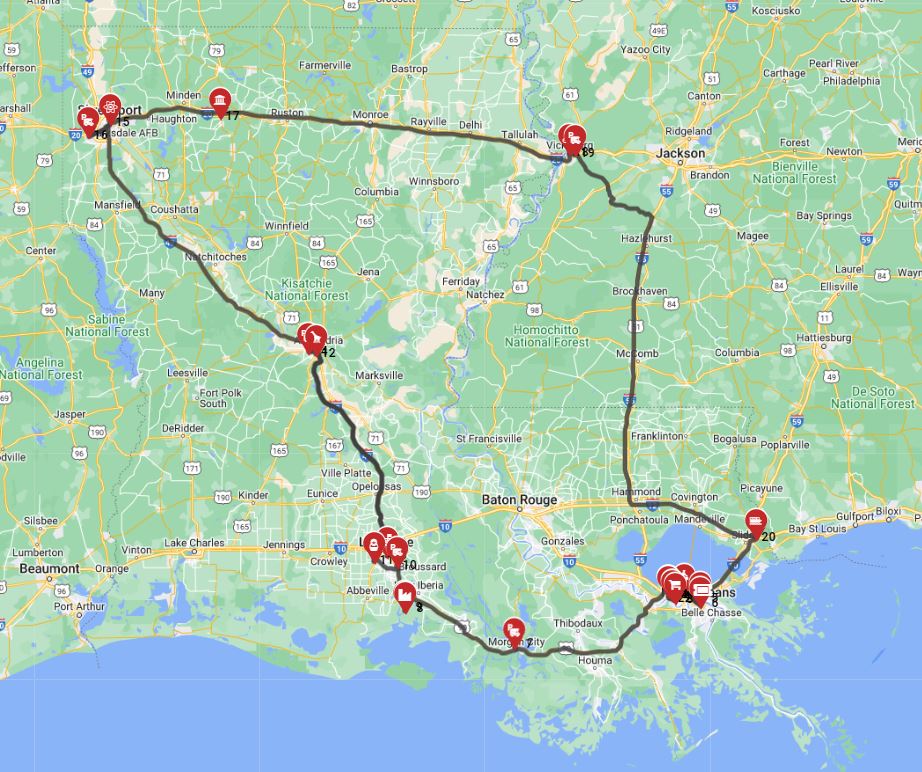
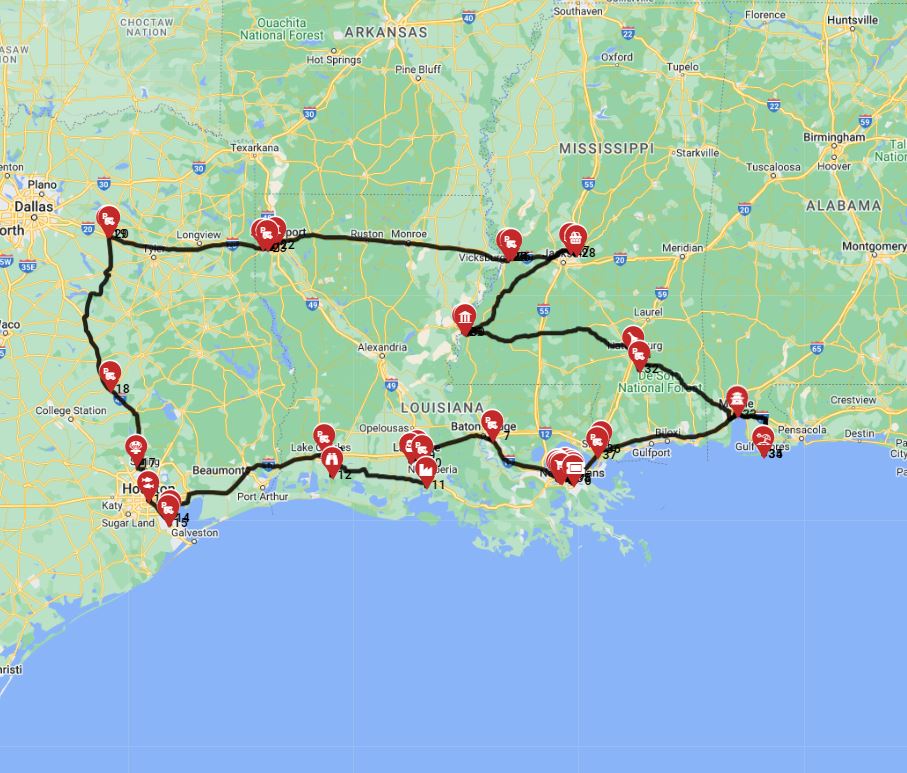
An extended 14-day journey allows for a deeper exploration of New Orleans and its fascinating Louisiana surroundings, combining city immersion with regional adventures. * **Days 1-7: New Orleans City Immersion** - Follow the 7-Day Classic Route, but dedicate more time to each district, perhaps exploring additional neighborhoods like Faubourg Marigny and the Arts District. This extended period allows for leisurely museum visits, more culinary explorations, and spontaneous discoveries. You'll continue to sleep comfortably at an RV park near New Orleans. * **Days 8-10: Baton Rouge and Louisiana Plantations** - Drive approximately 150 km to Baton Rouge, Louisiana's capital. Explore highlights such as the magnificent Louisiana State Capitol and the USS Kidd Veterans Museum. This period also allows for additional plantation tours that you might have missed closer to New Orleans. Overnight stays will be at RV parks in the Baton Rouge area. * **Days 11-12: Gulf Coast Beach Escape** - Head south approximately 100 km to the Mississippi Gulf Coast for a refreshing beach escape. Enjoy the beautiful beaches of Biloxi, visit Beauvoir (Jefferson Davis Home), and explore Gulfport. RV parks along the Mississippi coast offer convenient overnight spots. * **Days 13-14: Lake Pontchartrain Northshore and Departure** - Journey approximately 50-100 km back towards New Orleans, exploring the serene Lake Pontchartrain Northshore. Highlights include the Mandeville Lakefront and Fontainebleau State Park, perfect for hiking and relaxation. Conclude your trip by returning to an RV park near New Orleans for departure or vehicle return.Recommended RVPlan Trip for New Orleans
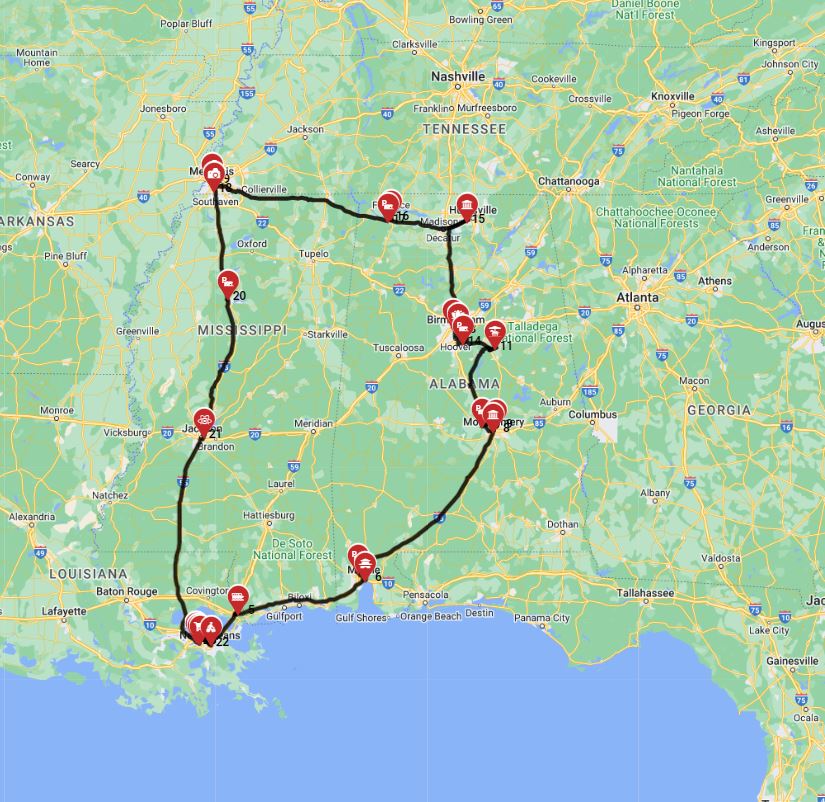
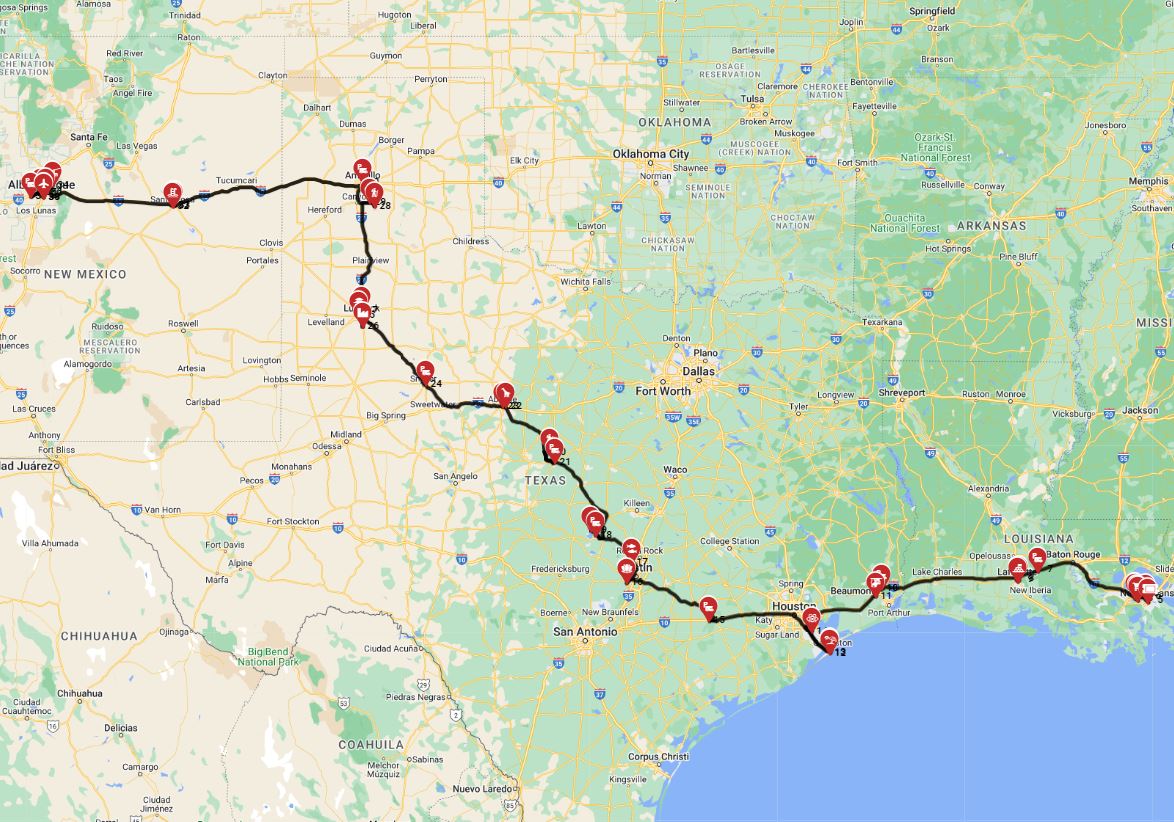
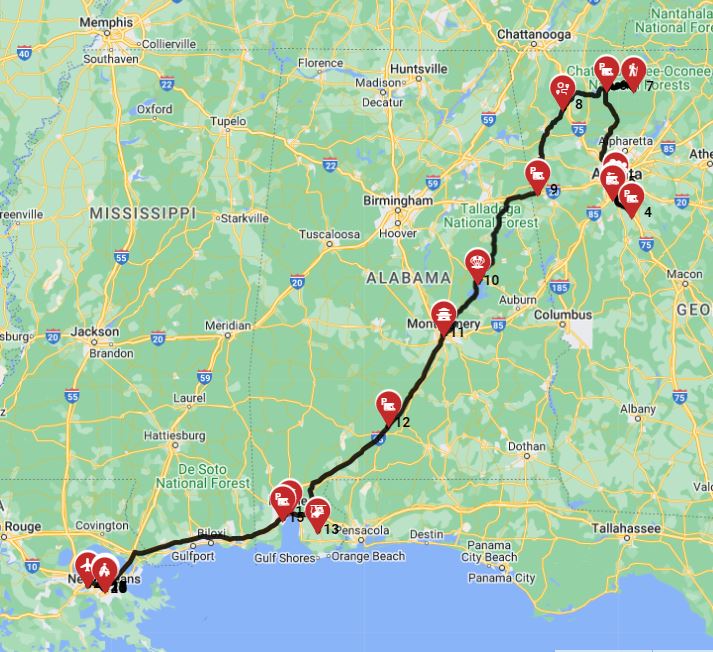
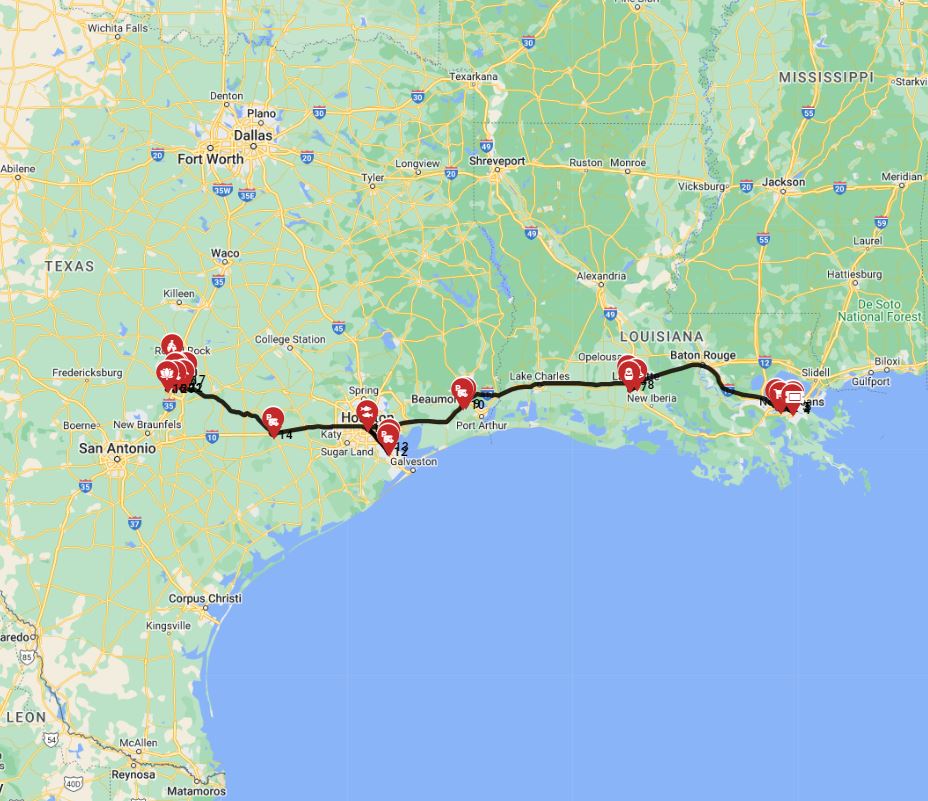
For travelers seeking an extensive cross-country adventure culminating in New Orleans, the RVPlan trip '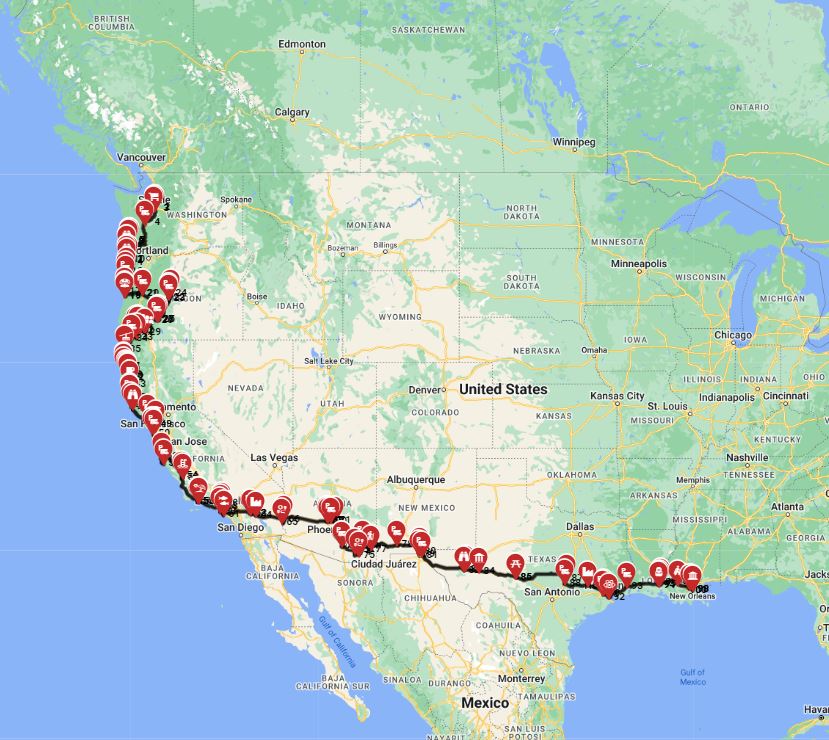
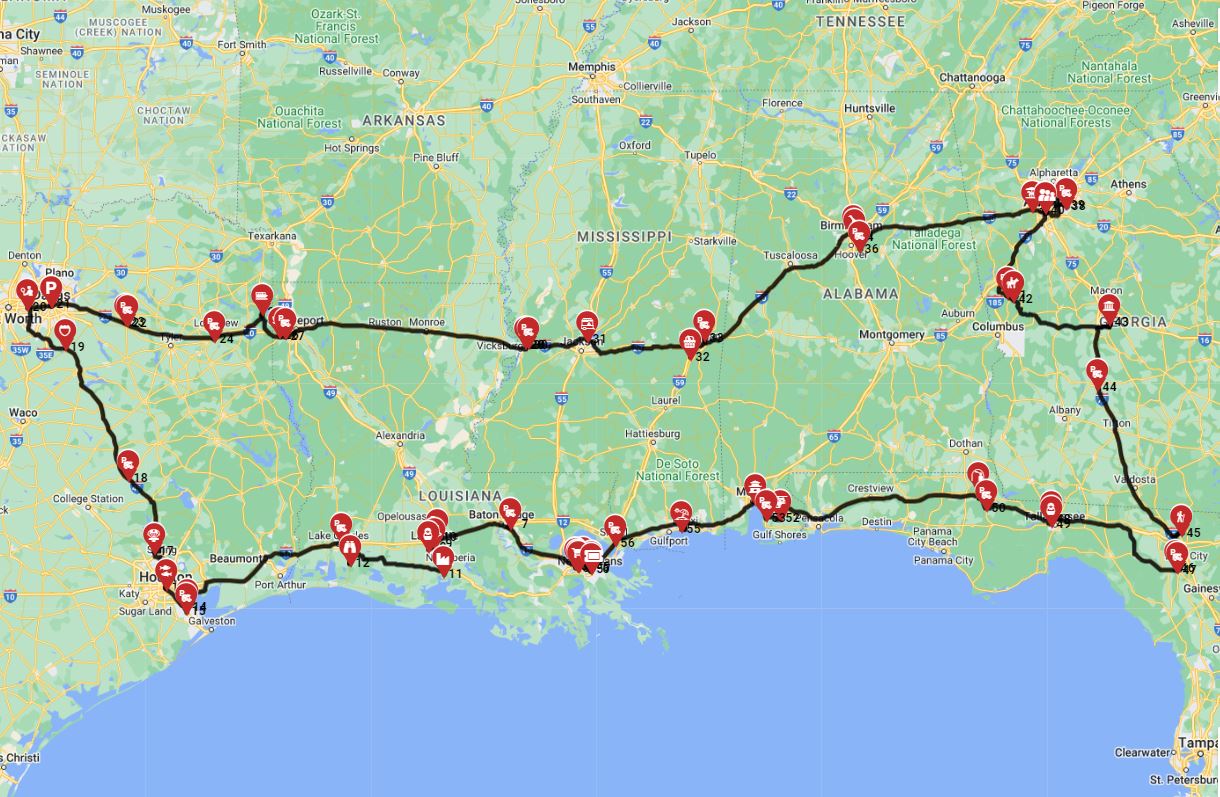
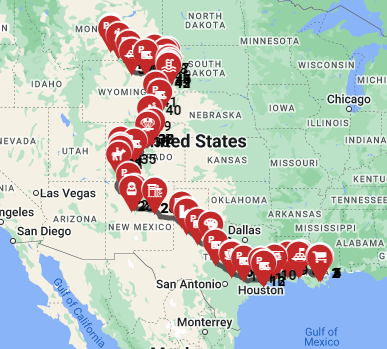
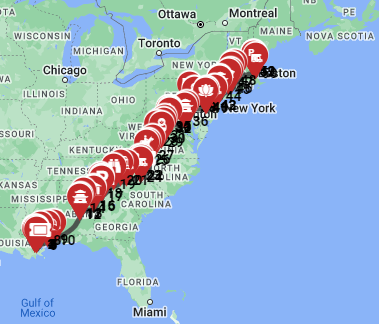
Seattle to New Orleans - From the Pacific to the Bayou
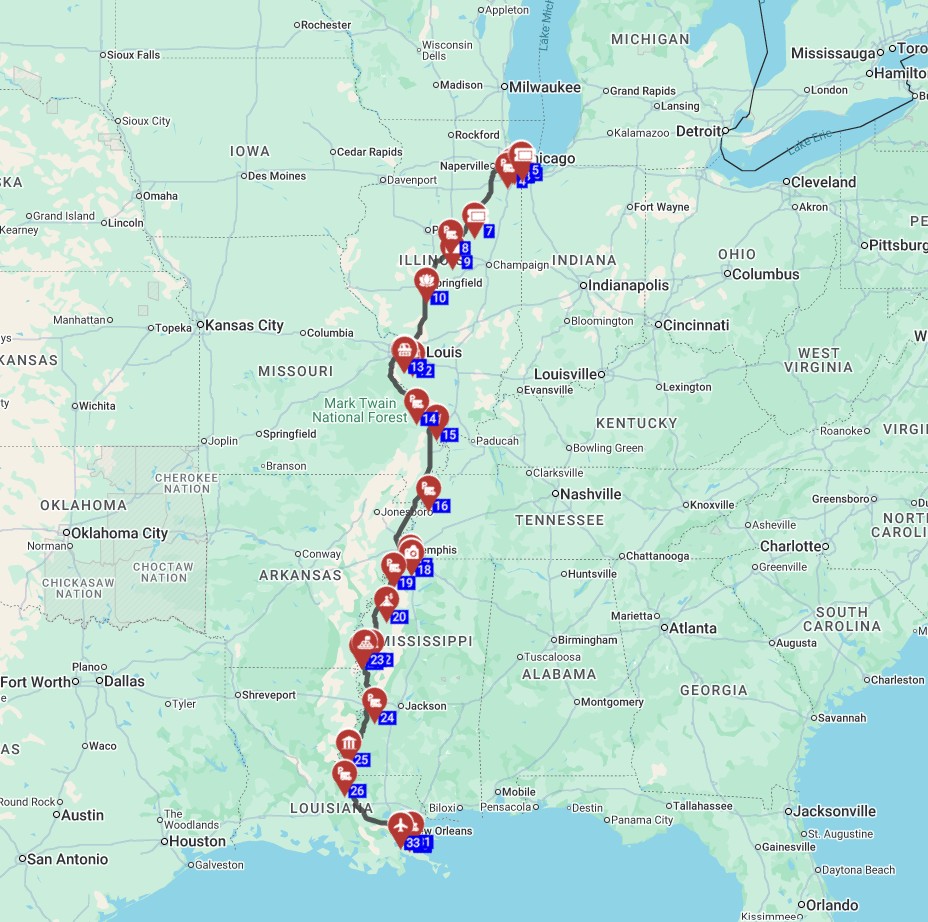
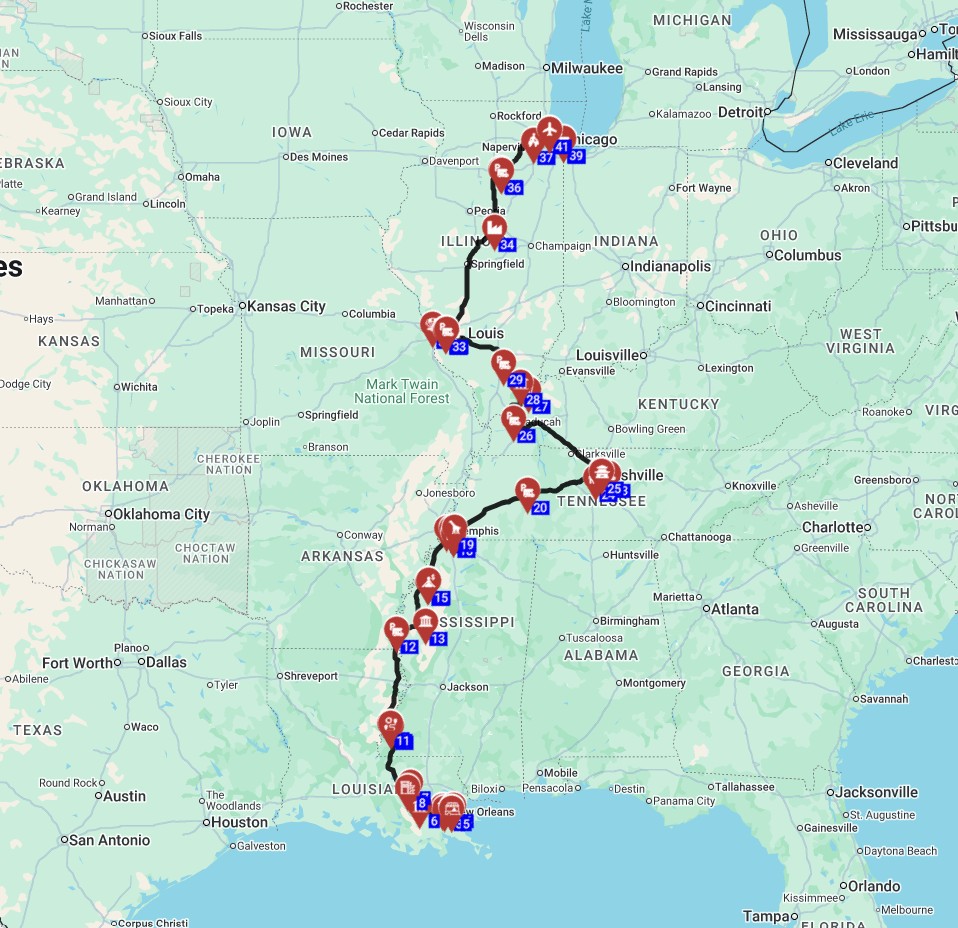
Chicago to New Orleans - Camper Blues Highway Adventure
Daily Driving Distances & Drive Times in New Orleans
Avi Bandana, our founder, always recommends a maximum of 100-150 km (approximately 60-90 miles) per day on average to truly savor your journey and avoid rushing, especially when navigating city surroundings. For instance, driving from an RV park in Slidell, located north of Lake Pontchartrain, to the heart of the French Quarter typically takes about 45-60 minutes, covering roughly 50 km (30 miles), depending on traffic conditions. A trip from an RV park in Westwego, situated west of New Orleans, to the historic Garden District generally takes a shorter 20-30 minutes, covering about 15-20 km (9-12 miles). When planning a day trip from New Orleans to Baton Rouge, you can expect to drive approximately 130 km (80 miles), which usually translates to around 1.5 to 2 hours of driving. Always account for potential traffic delays, especially during peak hours or local events.Best RV Class for This Itinerary - Couple & Family Picks
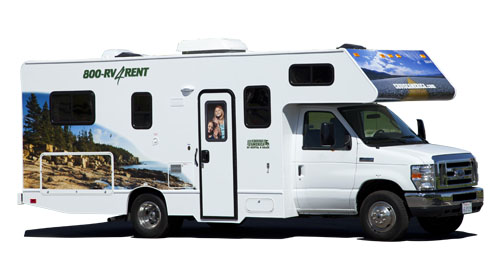
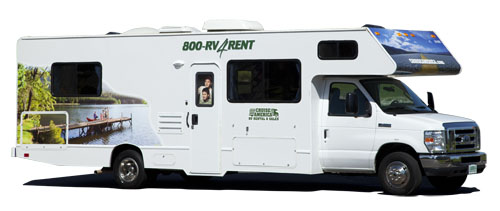
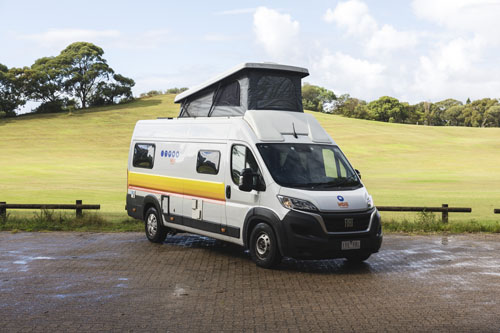
Choosing the right RV rental for your New Orleans adventure depends greatly on your group size and desired comfort level. For couples exploring the vibrant city, a nimble Class B campervan, such as the "Combi Van" with an average length of 5 meters (16.4 feet) and seating for 4, is an excellent choice. Its compact size makes it easier to navigate smaller roads and park in designated areas outside the city center, offering cozy accommodation for 2 adults with features like a gas stove and 60-liter fresh water tank. Families planning an RV adventure in New Orleans will find the spacious Class C Alcove motorhome, like the "24 Class C Motorhome", ideal, offering an average length of 7.46 meters (24.5 feet) and sleeping capacity for up to 5 people. These vehicles typically accommodate families with 2+2 members, providing ample space with a 166-liter fresh water tank, shower, toilet, and kitchen amenities. The "24 Class C Motorhome" specifically features a double bed above the driver's cabin and a rear double bed, along with an upgraded queen mattress and flat screen TV for comfort. To streamline your RV vacation planning, Bandana RV offers the 'Rent&Plan' service, which combines your RV rental with a ready-made itinerary crafted by travel professionals. This service provides full access to specialized trip-planning software at a 25% planning discount, eliminating the headache of organizing every detail and allowing you to compare prices across leading suppliers like El Monte and Cruise America without hidden fees.🎬 Video coming soon
How much does it cost to rent an RV in New Orleans?
The cost to rent an RV in New Orleans typically ranges from $100 to $300 per night, with the final price fluctuating based on factors like the specific RV class, rental duration, season, and chosen amenities. Smaller RVs, such as a Class B campervan like the "Van - Economy", often start at the lower end of this range, perhaps around $80-$150 per night, especially for models with a 90-liter fuel tank and capacities for up to 3 people. Larger Class C Alcoves or Class A Integrated motorhomes will naturally be more expensive, potentially reaching $250-$400+ per night. Renting during off-peak seasons, like the quieter summer months (excluding major holidays) or late winter (avoiding Mardi Gras), usually offers better deals and more availability compared to peak times like spring festivals or holiday periods. When comparing against traditional hotel stays, an RV rental in New Orleans can be a highly cost-effective option, particularly for families or groups of 4-6 people, as it efficiently combines accommodation and transportation costs while allowing for self-catering to significantly save on dining expenses.What is the best time of year to visit New Orleans in an RV?
The best time of year to visit New Orleans in a rented RV is generally during the spring (March to May) and fall (September to November), when the weather is delightfully mild and pleasant, with average temperatures ranging from 60-80°F (15-27°C). These shoulder seasons offer comfortable conditions for extensive exploration of both city attractions and nearby bayous, without the intense heat and humidity of summer or the heavier crowds and logistical challenges of major events like Mardi Gras. Visiting during the iconic Mardi Gras season (late February/early March) is an unforgettable cultural experience but demands booking RV parks many months, sometimes 6-12 months, in advance, and requires careful navigation around extreme crowds, extensive road closures, and significantly higher prices for all services. Summer (June to August) brings high heat, oppressive humidity, and the increased risk of tropical storms, making daytime RV travel and outdoor activities less comfortable, while winter (December to February, excluding Mardi Gras) is generally mild but can have cooler temperatures and occasional rain showers. For a deeper dive into Louisiana's offerings, consider our "RV Rental Louisiana - Complete Guide 2026".Where can I park my RV in New Orleans?
RV parking in the immediate New Orleans city center and popular neighborhoods like the French Quarter is extremely limited and generally not recommended due to historic narrow streets, low-hanging wires, and a lack of designated spaces for large vehicles. Most RVers wisely choose to stay at well-equipped campgrounds or RV parks strategically located just outside the city, such as Jude Travel Park (offering public transport access), Bayou Segnette State Park in Westwego, or New Orleans East Kampground. These peripheral parks provide essential amenities like electrical hookups, fresh water, and often have shuttle services or convenient access to public transportation, enabling easy exploration of city attractions without driving your rented motorhome into dense urban areas. Local regulations strictly prohibit overnight street parking for RVs in most residential and tourist areas of New Orleans, and larger Class C or Class A motorhomes will face significant challenges with height and length restrictions on certain city streets and bridges. For finding campsites and campgrounds during your trip, we recommend using RV PLANET (rvplan.net) - a great resource for locating available spots along your route.Is it safe to RV camp in New Orleans?
RV camping in New Orleans is generally safe, especially when travelers stay in reputable, well-maintained RV parks and exercise standard urban precautions, similar to visiting any major tourist city. Most RV parks in areas like Westwego or Slidell offer secure environments with features such as gated access, ample lighting, and on-site staff, providing a reliable and safe base for your week-long trip. When exploring the city itself, it is crucial to remain aware of your surroundings, particularly after dark, and to avoid walking alone in less-trafficked areas, especially outside the vibrant, well-known tourist zones like Bourbon Street or Jackson Square. Always keep valuables out of sight, whether inside your rented RV or a parked car, and be mindful of your belongings while walking in crowded city areas. Neighborhood advisories suggest exercising heightened caution in certain areas, particularly after dark, reinforcing the importance of common sense and attention to your surroundings for a smooth and secure experience.What are the challenges of RVing in New Orleans?
Navigating New Orleans with a rented RV presents specific challenges due to its historic, narrow streets, particularly evident in the French Quarter and Garden District, which were never designed for large vehicles like a Class C motorhome (typically 7-8 meters long). The city's hot and humid climate, especially from May to September, can place a significant strain on RV air conditioning systems, impacting comfort and requiring diligent monitoring of your vehicle's systems to ensure optimal performance. Furthermore, New Orleans' unique topography, with significant portions of its road network lying below sea level, makes it susceptible to rapid street flooding during heavy rainfall, which can complicate driving and parking, necessitating that RVers stay well-informed about local weather alerts and plan routes accordingly. Finding suitable RV parking beyond designated campgrounds is consistently difficult, making reliance on public transport or ride-share services from peripheral RV parks a practical necessity for accessing popular city sites. Drive slowly and carefully, and you can drive almost anywhere without issues. No need to stress - just use common sense and pay attention.How do I get around New Orleans from an RV park?
Getting around New Orleans from an RV park primarily involves utilizing a combination of public transportation, ride-share services, and sometimes biking or walking for specific, shorter routes. Public transport options, including the iconic streetcars (like the St. Charles Streetcar) and extensive bus network, are operated by NORTA (New Orleans Regional Transit Authority) and are often accessible from many RV park locations, offering cost-effective routes directly to major attractions like the French Quarter, Garden District, and City Park; a multi-day Jazzy Pass provides unlimited rides. Ride-share services like Uber and Lyft are widely available throughout the greater New Orleans area, offering convenient door-to-door access from your RV park to specific destinations, though costs can add up if used frequently. For those staying very close to the city, or with smaller campervans, some areas offer bike rentals, and walking is ideal within compact neighborhoods like the French Quarter, though specific routes from most RV parks would be too far for a comfortable walk.What are some pet-friendly things to do in New Orleans with an RV?
Traveling with pets in a rented RV to New Orleans is certainly manageable with careful advance planning, as the city offers several pet-friendly attractions and spaces to enjoy. City Park stands out as a prime pet-friendly destination, boasting vast green spaces perfect for leisurely walks, including the Couturie Forest and dedicated dog parks, though pets must always remain on a leash. Many outdoor patios at restaurants and cafes, particularly in neighborhoods like the Garden District and Bywater, warmly welcome well-behaved, leashed dogs; it's always a good idea to call ahead to confirm specific pet policies before visiting. Specific RV park rules vary, but most are pet-friendly, often requiring leashes, prompt waste cleanup, and sometimes having breed restrictions; ensure your chosen campground accommodates your pets. While indoor attractions are generally off-limits for furry companions, the city's numerous walking tours and vibrant outdoor markets provide ample opportunities for pets to accompany their owners and experience the unique atmosphere of New Orleans. If you plan on cooking for your pet, check out our RV-friendly recipes playlist for easy meal ideas.What should I pack for an RV trip to New Orleans?
For an RV trip to New Orleans, a tailored packing checklist should prioritize lightweight, breathable clothing made from moisture-wicking fabrics, due to the city's consistently warm and humid climate, particularly outside of winter. Essentials include several pairs of comfortable walking shoes for extensive exploration of historic streets and parks, alongside appropriate rain gear, such as a light waterproof jacket or a compact umbrella, as sudden showers are common year-round. Given the prevalence of mosquitoes, especially near bayou areas and during warmer months, a high-quality insect repellent containing DEET or picaridin is a crucial item to include. Other important items are sunscreen, a wide-brimmed hat for sun protection, a reusable water bottle to stay hydrated, and perhaps a small portable fan for added comfort within your rented RV during hotter periods. Remember to bring any personal medications, a first-aid kit, and chargers for all electronic devices, as you’ll be capturing plenty of memories in the Big Easy!Are there RV day trips from New Orleans?
New Orleans serves as an excellent base for various RV-friendly day trips, allowing travelers to comfortably explore the broader Louisiana region beyond the city's bustling core. Popular excursions include guided bayou tours in natural areas like the Jean Lafitte National Historical Park and Preserve, where you can witness Louisiana's unique wetland ecosystems and wildlife, including alligators, with many tour operators offering convenient parking for RVs. Visiting historical plantations along River Road, such as the iconic Oak Alley Plantation or Laura Plantation, offers a poignant glimpse into the region's complex past and architectural grandeur, often with dedicated RV parking areas. For a completely different vibe, consider a trip to the Mississippi Gulf Coast, approximately a 1.5-hour drive east, for pristine beaches, vibrant casinos, and fresh seafood, or explore specific music venues and local food tours in towns like Lafayette, approximately a 2-hour drive west, for a deeper dive into authentic Cajun culture and cuisine. These day trips are perfect for a rented motorhome, providing flexibility and comfort.What You Shouldn't Miss
- **Explore the French Quarter's Hidden Alleys:** Beyond Bourbon Street, wander through charming Royal Street for art galleries and antique shops, and stroll down Exchange Alley, known for its historic architecture and quiet cafes.
- **Indulge in a Traditional Restaurant Experience:** Savor authentic New Orleans cuisine at a classic spot like Commander's Palace in the Garden District for fine dining, or a more casual local joint in Faubourg Marigny for incredible gumbo and jambalaya.
- **Take a Scenic Streetcar Ride:** Hop on the St. Charles Avenue Streetcar for an affordable and picturesque journey through the historic Garden District, admiring grand mansions and ancient live oaks.
- **Experience a Bayou Tour:** Head to Jean Lafitte National Historical Park and Preserve for an ecological boat tour to spot alligators, learn about the wetlands, and connect with Louisiana's wild side.
- **Visit a Historic Plantation:** Drive to Oak Alley Plantation, about an hour outside the city, to walk beneath its iconic canopy of 300-year-old oak trees and tour the impressive antebellum mansion.
- **Discover Live Jazz on Frenchmen Street:** Beyond the commercialized French Quarter, Frenchmen Street in Faubourg Marigny offers a more authentic and intimate live music experience with multiple jazz clubs open nightly.
- **Looking for expert insights from Avi Bandana?** Top 5 Adventures - recommendations from Avi Bandana
Final Thoughts
Exploring New Orleans in a rented RV offers a unique blend of freedom, flexibility, and comfort, allowing you to dive deep into its rich culture, music, and cuisine at your own pace. From the lively streets of the French Quarter to the serene beauty of the bayous and historic plantations, a motorhome provides the perfect mobile base for unforgettable memories. We at Bandana RV are dedicated to making your adventure seamless and transparent, ensuring you find the best value routes and deals without any surprises. Imagine waking up to the sounds of jazz, preparing breakfast in your comfortable campervan, and setting off for a day of discovery in this enchanting city. Whether you opt for a week-long immersion or an extended journey through Louisiana, the road to New Orleans promises incredible experiences. Discover top destinations, planning tips, all in one place! Find Motorhome Rentals in New OrleansOn the routes offered through RV PLANET routes, you can itemize and track every expense along the way for easy budgeting.