In This Guide
- Best Japan RV Itinerary for rv rental for seniors - Overview
- 7-Day Classic Route in Japan
- 14-Day Extended Journey in Japan
- Recommended RVPlan Trip for Japan
- Must-See Stops Along the Way (Avi Bandana Picks)
- Daily Driving Distances & Drive Times in Japan
- Best RV Class for This Itinerary - Couple & Family Picks
- What are the cultural nuances of RV travel in Japan?
- Are there detailed, themed itineraries for RV travel in Japan?
- What are specific local RV brands, models, or unique Japanese RV features that might differ from Western counterparts?
- What are comprehensive seasonal considerations for RV travel in Japan?
- How to leverage local food experiences from an RV perspective in Japan?
- What are technology and connectivity specifics for RV travelers in Japan?
- What are emergency preparedness and safety protocols tailored for foreigners in an RV in Japan?
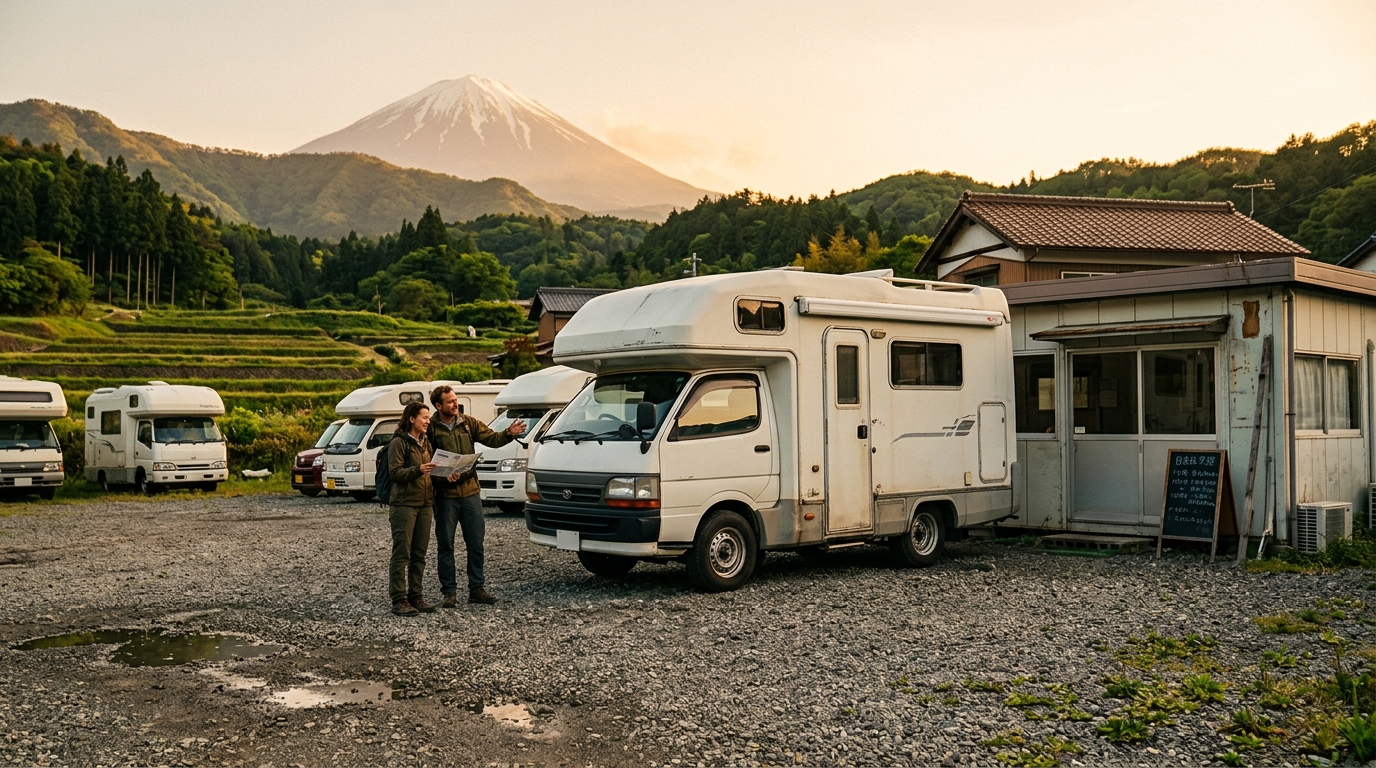
Imagine yourself winding through serene landscapes, past ancient temples, and along vibrant coastlines, all from the comfort of your own mobile home. RV travel in Japan offers an unparalleled sense of freedom and discovery, especially for seniors seeking a relaxed, immersive adventure. As true RV specialists, not just a side department of a travel agency, Bandana Caravan, founded in 2001, has over 23 years of experience helping tens of thousands of travelers explore the world by RV. We know the ins and outs of making your journey smooth and unforgettable. For live availability and current prices, start with our RV Rental Japan - Complete Guide 2026 guide.
Best Japan RV Itinerary for rv rental for seniors - Overview
Exploring Japan's main island, Honshu, at a relaxed pace is the recommended approach for seniors embarking on an RV adventure. A minimum duration of 7 days is suggested, with an ideal trip spanning 10-14 days to fully immerse in the culture and scenery without feeling rushed, covering approximately 1200-1500 km (750-930 miles).
The optimal seasons for renting an RV in Japan are spring (March-May) for the iconic cherry blossoms or autumn (September-November) for the breathtaking vibrant foliage. Traveling slowly, averaging 100-150 km per day, allows ample time to truly feel the place, connect to the local culture and food, and appreciate the stunning scenery. This pace also accounts for Japan's narrower roads in some areas and ensures a comfortable, stress-free experience. When planning your route, consider our RV PLANET routes to itemize and track every expense along the way for easy budgeting. On the routes offered through RV PLANET routes, you can itemize and track every expense along the way for easy budgeting.
7-Day Classic Route in Japan
A classic 7-day motorhome itinerary in Japan can provide a wonderful introduction to the country's highlights, focusing on the Honshu region.
- Day 1: Tokyo to Hakone (Approx. 100 km / 60 miles) Begin your RV journey by picking up your rented motorhome in Tokyo. Drive slowly and carefully, and you can drive almost anywhere without issues. No need to stress - just use common sense and pay attention, even in a city. Head to Hakone, a region renowned for its hot springs, breathtaking Mount Fuji views, and the Hakone Open-Air Museum. Highlights include a scenic Lake Ashi cruise and exploring the outdoor sculptures. Overnight stays are convenient at a Michi-no-Eki (Roadside Station) or a dedicated campground near Hakone.
- Day 2: Hakone to Fuji Five Lakes (Approx. 50 km / 30 miles) Enjoy a short, picturesque drive to the Fuji Five Lakes region, offering some of the most stunning views of Mount Fuji. Don't miss the iconic Chureito Pagoda and the vibrant Oishi Park. Find a comfortable campground at Lake Kawaguchiko for your overnight stay.
- Day 3: Fuji Five Lakes to Matsumoto (Approx. 120 km / 75 miles) Journey inland towards the magnificent Japanese Alps. The primary highlight is Matsumoto Castle, a designated National Treasure known for its striking black exterior. Take time to wander through Nakamachi Street's historic merchant houses. You can comfortably spend the night at a Michi-no-Eki near Matsumoto.
- Day 4: Matsumoto to Takayama (Approx. 80 km / 50 miles) Continue your drive into the heart of the Hida Mountains to the enchanting old town of Takayama. Explore the beautifully preserved Sanmachi Suji historic district and browse the lively morning markets. An overnight spot can be found at a Michi-no-Eki or campground in Takayama.
- Day 5: Takayama to Shirakawa-go & Kanazawa (Approx. 100 km / 60 miles) This day includes a visit to the UNESCO World Heritage site of Shirakawa-go, famous for its unique gassho-zukuri farmhouses. Afterward, proceed to Kanazawa, a city rich in culture and history. Key attractions include Kenrokuen Garden, considered one of Japan's three great gardens, and the bustling Omicho Market. An RV-friendly spot can be found at a Michi-no-Eki near Kanazawa.
- Day 6: Kanazawa to Kyoto (Approx. 200 km / 125 miles) This is a longer driving day, suitable for more experienced drivers. Consider splitting this leg with an additional overnight stop or extending your overall trip if you prefer to strictly adhere to the 100-mile daily recommendation. Drive south to the ancient capital of Kyoto. Must-see highlights include the golden splendor of Kinkaku-ji (Golden Pavilion), the tranquil Arashiyama Bamboo Grove, and the iconic Fushimi Inari Shrine. Overnight stays can be found at an RV park on the outskirts of Kyoto. Remember, Bandana Caravan offers 24/7 support from real people to help with pre-booking comparisons and post-booking coordination, ensuring peace of mind throughout your planning.
- Day 7: Kyoto to Osaka (Return RV) (Approx. 50 km / 30 miles) A short drive brings you to Osaka, where you'll return your rented RV. Afterward, take time to explore this vibrant city, famous for its Dotonbori entertainment district and Osaka Castle. This manageable itinerary ensures a comfortable journey, especially for seniors, maximizing sightseeing while minimizing driving stress.
14-Day Extended Journey in Japan
An extended 14-day motorhome journey in Japan offers a deeper exploration of Honshu, allowing for a more leisurely pace and greater immersion. This route builds upon the classic itinerary, adding more time in key regions and introducing new destinations.
- Days 1-3: Tokyo & Fuji-Hakone Region Day 1 involves arriving in Tokyo, picking up your RV rental, and a short drive (approx. 100 km) to Hakone to explore Lake Ashi. Day 2 is dedicated to Hakone and a further short drive (approx. 50 km) to Fuji Five Lakes for Mount Fuji views. Day 3 allows for more exploration around Fuji Five Lakes, including optional visits to local caves. This longer stay ensures you truly relax into your vacation.
- Days 4-7: Japanese Alps & Historic Towns Day 4 leads from Fuji Five Lakes to Matsumoto (approx. 120 km) to visit Matsumoto Castle. Day 5 is a comfortable drive to Takayama (approx. 80 km) to discover its charming old town. Day 6 offers a full day to explore Takayama, including its morning markets and the Hida Folk Village. On Day 7, you'll journey from Takayama to the UNESCO site of Shirakawa-go and then onward to Kanazawa (approx. 100 km) to experience Kenrokuen Garden. This paced approach respects the average 100-150 km per day driving recommendation.
- Days 8-10: Western Honshu Coastline From Kanazawa, Day 8 takes you to Fukui (approx. 80 km) to explore the serene Eihei-ji Temple. Day 9 involves a drive to Amanohashidate in Kyoto Prefecture (approx. 120 km) to witness one of Japan's 'Three Scenic Views'. Day 10 is a relaxed drive to the Kyoto outskirts (approx. 100 km), where you can settle into an RV park. This segment allows you to discover less-traveled coastal areas.
- Days 11-14: Ancient Capitals & Departure Day 11 is dedicated to exploring Kyoto's temples and gardens, using public transport from your RV park for easy access. Day 12 is a fantastic day trip to Nara (approx. 50 km from Kyoto RV park) to visit Todai-ji Temple and the famous deer park. On Day 13, you'll drive to Osaka (approx. 50 km) to explore its vibrant food scene and Dotonbori. Finally, Day 14 is for returning your rented RV in Osaka and departing from Kansai International Airport (KIX). This comprehensive journey ensures a rich and fulfilling RV adventure across Japan. For travelers looking for luxury, consider our Luxury RV Rental in Japan - Premium Prices 2026 guide.
Recommended RVPlan Trip for Japan
While no specific RVPlan trip data for Japan was explicitly provided, Bandana Caravan recommends exploring our comprehensive range of pre-planned RV itineraries available through our platform, RV PLANET (rvplan.net). These expertly crafted route plans offer detailed routes, recommended stops, and insightful tips to ensure a smooth and enjoyable journey tailored to various interests and durations, including those ideal for seniors. Our Rent&Plan service is a brand differentiator that combines your RV rental with a ready-made itinerary by professionals, providing full access to our trip-planning software, and offering a 25% planning discount for using rvplan.net.
You can visit rvplan.net to browse existing Japan RV itineraries or even customize one to your preferences, ensuring a hassle-free planning experience. These plans take into account factors like driving distances, appealing attractions, and suitable overnight stops, perfect for a comfortable senior RV trip. For example, some might focus on scenic coastal drives, while others delve into historical sites or cultural experiences, providing options for every type of traveler.
Must-See Stops Along the Way (Avi Bandana Picks)
Since no specific RVPlan data for 'place_type_summary' entries was provided, Avi Bandana suggests focusing on stops that genuinely immerse you in Japan's unique culture and cuisine, ensuring a rich experience for seniors. "God is in the small details, and we take care of them. That's what makes the big difference," says Avi Bandana, and these recommendations reflect that philosophy.
- Traditional Visits: Seek out historical castles like Matsumoto Castle, tranquil temples such as Eihei-ji, and UNESCO World Heritage sites like Shirakawa-go for profound glimpses into Japan's rich past and architectural marvels. These sites often have accessible paths and facilities, making them enjoyable for all.
- Traditional Restaurants & Markets: Embrace local gastronomy by visiting bustling traditional markets such as Omicho Market in Kanazawa or Takayama's lively morning markets. Look for small, family-run eateries (shokudo) for authentic regional dishes. Preparing meals in your rented motorhome with fresh local ingredients is also a fantastic experience; check out our RV-friendly recipes playlist for inspiration!
- Michi-no-Eki Culinary Offerings: Japan's Michi-no-Eki (Roadside Stations) are not just convenient rest stops; many offer fantastic local produce, unique snacks, and regional specialties perfect for RV travelers looking to sample local flavors and stock their kitchen. These community hubs are a vital part of RV travel in Japan and offer a window into regional tastes.
- Onsen (Hot Springs): Integrate visits to traditional Japanese hot springs. Many campgrounds and Michi-no-Eki are located near natural onsen, providing a relaxing and culturally enriching end to a day of exploration.
- Scenic Drives: Beyond the destinations, the journey itself is a highlight. Look for scenic coastal roads or mountain passes during the autumn foliage season to enjoy Japan's natural beauty from your mobile home. Remember to allow extra time for photo stops and unexpected discoveries.
Daily Driving Distances & Drive Times in Japan
Avi Bandana consistently recommends a maximum of 100 miles or 150 km per day on average to ensure a relaxed pace, allowing ample time to explore and enjoy each destination in Japan without feeling rushed. This slower travel approach is especially beneficial for seniors, as it significantly reduces driving fatigue and increases overall safety and enjoyment. Japan's roads are well-maintained, but they can be narrower in rural areas and navigation might take longer than expected due to varying speed limits and tolls.
- Tokyo to Hakone: Approximately 100 km (60 miles) can take 1.5 to 2 hours, depending on traffic and potential toll booths. Drive slowly and carefully, and you can drive almost anywhere without issues. No need to stress - just use common sense and pay attention.
- Matsumoto to Takayama: Around 80 km (50 miles) typically takes 1.5 hours through mountainous terrain, offering scenic views that encourage a leisurely pace.
- Kanazawa to Fukui: Approximately 80 km (50 miles) usually takes around 1 hour, making for a comfortable, short travel day with plenty of time for sightseeing upon arrival.
Factoring in stops for sightseeing, meals, and relaxation, adhering to these distances helps ensure that driving remains a pleasant part of your rented RV adventure, not a chore. Using navigation apps that account for real-time traffic and potential tolls will help optimize your daily travel plans.
Best RV Class for This Itinerary - Couple & Family Picks
Choosing the right RV class significantly enhances comfort and ease of travel in Japan, particularly for seniors navigating its unique road conditions and parking situations. Bandana Caravan's fleet typically offers several classes suitable for different group sizes and preferences, ensuring you find a perfect match for your adventure.
Ideal for a Couple: Class B - Camper Van
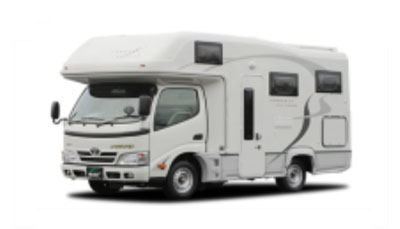
For a couple, especially seniors, a Class B Camper Van is often the top choice due to its compact size and ease of maneuverability, akin to driving a large car. These vehicles are generally around 5.8 meters in length and are designed to comfortably accommodate 2-3 adults, offering sufficient sleeping places (often 3.2 on average) for a cozy journey without the bulk of larger motorhomes. The smaller footprint of a Class B Camper Van like a "rent rv example A1" (sleeping places for a couple, front air condition, shower, toilet, up to 3 years on the road) is perfect for navigating Japan's often narrower roads and finding parking in towns and Michi-no-Eki. Its features typically include front air conditioning, a shower, and a toilet.
Ideal for a Family (or spacious couple): Class SI - Semi-integrated
If you are traveling as a small family, or a couple desiring more living space and amenities without opting for the largest RVs, a Class SI - Semi-integrated motorhome is an excellent option. These vehicles, such as a "2 Berth Tamar" or "Category Small AT", average 6.9 meters in length, providing more room than a camper van, with an average of 3.4 adult sleeping places (3.8 total sleeping places). They often come with automatic transmission, front and roof air conditioning, a shower, and a toilet. These offer a comfortable balance of space for relaxation and ease of driving, making them suitable for longer trips or accommodating occasional guests. To remove the planning headache, remember that Bandana also offers its 'Rent & Plan' service. This combines your RV rental with a ready-made itinerary, expertly crafted by travel specialists, and full access to our trip-planning software, ensuring a seamless and worry-free adventure, even considering a Last-Minute RV Rental in Japan - What to Expect 2026.
What are the cultural nuances of RV travel in Japan?
RV travel in Japan requires a deep understanding and respect for local customs, particularly regarding public behavior, waste disposal, and interaction in communal areas like onsen and Michi-no-Eki. These nuances ensure a respectful and harmonious journey.
- Onsen Etiquette Near Campgrounds: When visiting onsen (hot springs), always wash thoroughly before entering the bath, as cleanliness is paramount. Tattoos, though increasingly accepted in some places, can still be an issue at traditional establishments; it's wise to inquire beforehand or look for tattoo-friendly onsen. Always maintain quiet and respect the peaceful atmosphere in these bathing areas.
- Specific Trash Disposal Rules: Japan has some of the strictest recycling and trash separation rules in the world, which vary significantly by municipality. Campgrounds and Michi-no-Eki will have designated bins; make an effort to understand the local system for burnable, non-burnable, plastics, and PET bottles. Avoid leaving trash outside your RV, especially where it could attract animals or be unsightly.
- Quiet Hours & Local Interactions: Michi-no-Eki and campgrounds often enforce quiet hours, usually from late evening until early morning. Keep noise levels to a minimum, be particularly mindful of your neighbors, and always greet locals with a polite 'Konnichiwa' (hello) or 'Arigato gozaimasu' (thank you). Respect private property and avoid parking in non-designated areas, as this can be seen as highly impolite. Our 24/7 support ensures you have real people behind you, providing assistance for your rental logistics, which includes understanding local guidelines.
Are there detailed, themed itineraries for RV travel in Japan?
Yes, themed itineraries for RV travel in Japan can be meticulously crafted to focus on specific interests beyond generic routes, such as culinary explorations, historical journeys, or seasonal nature experiences. This allows for a deeply personalized and enriching trip.
- Foodie Tours: An RV provides unparalleled flexibility to explore Japan's diverse regional cuisines. A 'Foodie Tour' might focus on Hokkaido for its renowned seafood and dairy, Kansai for Osaka's vibrant street food (like takoyaki and okonomiyaki), or exploring Kyushu's distinct ramen varieties. Leveraging Michi-no-Eki culinary offerings and local markets for fresh ingredients is key to enjoying authentic flavors. For those keen on RV-friendly recipes playlist, this approach is a dream.
- Historical Site Routes: Plan a route specifically focused on Japan's rich history, perhaps tracing the samurai path through Tohoku, visiting ancient castles in Nagano and Hyogo, or immersing yourself in the cultural heritage of Kyoto and Nara. An RV allows you to stay conveniently close to these historical treasures, offering more time for exploration.
- Nature Experiences (Autumn Leaves or Cherry Blossom Viewing Strategies): For cherry blossom (sakura) or autumn foliage (koyo) viewing, an RV offers unparalleled flexibility. You can follow the 'blossom front' or 'koyo front' as it moves across the country, securing spots at campgrounds or Michi-no-Eki near popular viewing spots. This strategy allows for early morning access to avoid crowds and the ability to chase the best, most vibrant views across different regions. For example, considering the dynamic pricing in our RV Rental Deals in Japan - Latest Offers 2026 could help budget for off-peak season flexibility.
What are specific local RV brands, models, or unique Japanese RV features that might differ from Western counterparts?
Japanese RVs, often significantly smaller and more cleverly designed than many Western models, are specifically adapted for the country's narrower roads and compact spaces, featuring unique layouts and embedded technologies. This design philosophy prioritizes maneuverability and efficient use of space.
- Compact Design & Maneuverability: Many Japanese RVs are built on smaller chassis, such as those of the widely popular Toyota HiAce or Isuzu Elf, making them highly maneuverable. These "RV size - Small" vehicles are ideally suited for Japan's often narrow rural roads, tight city streets, and smaller parking spots, a significant advantage for seniors seeking ease of driving. For couples, a Class B Camper Van, averaging around 5.8 meters in length, is a practical choice.
- Unique Features: Common features in Japanese RVs include ingenious space-saving modular furniture, extensive and discreet storage solutions, and robust insulation designed to handle Japan's diverse climates. Some models may integrate advanced driver-assistance systems tailored for urban Japanese driving conditions, and you might even find built-in rice cookers or specialized kitchen setups for preparing Japanese meals efficiently. These thoughtful details reflect the local lifestyle.
- Local Brands: While Bandana Caravan partners with leading global suppliers like El Monte and Apollo, local Japanese RV converters and manufacturers also have a strong presence. Companies like Towa Motors, Nikkusen, and Aichi Camper are known for their innovative designs and quality, often utilizing popular base chassis like the Toyota Camroad. These brands highlight a localized approach to RV design, focusing on practical features for the Japanese landscape. Our platform also helps you compare motorhome prices for Japan from these and many other suppliers.
What are comprehensive seasonal considerations for RV travel in Japan?
Beyond basic weather, comprehensive seasonal considerations for RV travel in Japan significantly impact crowd levels, road conditions, and the types of activities available, necessitating careful planning for an optimal experience. The country's distinct seasons offer varied beauty and logistical challenges.
- Spring (March-May): Cherry blossom (sakura) season is exquisitely beautiful but attracts immense crowds, making it one of the busiest times for travel. Expect campgrounds to be highly sought after, so booking ahead is essential. Driving might be slower due to increased traffic in popular scenic areas. Optimal routes for cherry blossoms should be planned well in advance to follow the bloom as it moves northward across the archipelago.
- Summer (June-August): This season is characterized by high heat and humidity, with a distinct rainy season (tsuyu) typically occurring in June and July. RV travelers might prefer focusing on northern regions like Hokkaido or higher elevations in the Japanese Alps for cooler temperatures. Typhoon season begins in late summer, requiring constant monitoring of weather forecasts for potential road closures or disruptions.
- Autumn (September-November): Autumn is ideal for experiencing the spectacular autumn foliage (koyo). Similar to spring, this season attracts significant crowds, especially in popular viewing areas. Planning optimal routes that follow the color change southwards from Hokkaido and the northern mountains is advisable. Booking accommodations early is crucial during this peak season.
- Winter (December-February): Winter offers stunning snowy landscapes, particularly in areas like Hokkaido, Tohoku, and the Japan Alps, making it ideal for skiing and winter sports. However, winter road conditions can be challenging with snow and ice, requiring specialized winter tires or chains on your rented motorhome. Some campgrounds may close, and certain mountain passes might be inaccessible for RVs. Always call ahead before driving, as "You'll find a spot. If not at the first campground, then the next one."
How to leverage local food experiences from an RV perspective in Japan?
Leveraging local food experiences from an RV in Japan involves strategic grocery shopping, actively exploring roadside stations (Michi-no-Eki), and maintaining an open mind for unique local culinary delights. An RV kitchen gives you fantastic flexibility!
- Grocery Shopping Efficiently: Stock up at larger supermarkets (e.g., Aeon, Ito-Yokado, Seiyu) found in suburban areas before venturing to more rural routes. These stores are known for high-quality, fresh local produce, seafood, and a fantastic array of pre-made bento boxes and ready-to-eat meals, perfect for convenient RV dining.
- Unique Roadside Foods: Never miss the chance to sample local snacks and dishes from small stalls, particularly near popular tourist sites or in charming rural towns. These might include regional ramen, expertly grilled seafood, delightful mochi, or fresh local fruit. Many Michi-no-Eki also feature small restaurants or food courts serving delicious, authentic dishes.
- Michi-no-Eki Culinary Offerings: Michi-no-Eki are invaluable resources for RVers in Japan. They frequently host farmers' markets (chokubaijo) selling hyper-local produce, unique sauces, and regional sweets. Many have excellent, affordable restaurants serving local specialties (e.g., Hida beef in Takayama, fresh seafood in coastal Michi-no-Eki), providing authentic dining experiences that directly support local communities. Remember, through RV PLANET routes, you can itemize and track every food expense along the way for easy budgeting.
What are technology and connectivity specifics for RV travelers in Japan?
Staying connected and navigating effectively in Japan as an RV traveler requires understanding local technology solutions, including specialized apps, reliable SIM card options, and the growing infrastructure for electric RV charging. Planning ahead ensures seamless connectivity.
- Best Japanese Navigation Apps: While Google Maps is generally reliable, specialized Japanese apps like 'Yahoo! Car Navigation' or 'Navitime' offer more detailed information, including real-time traffic updates, precise toll road estimates, and specific RV-friendly route guidance. Ensure your chosen app supports English if needed for ease of use.
- SIM Card Options: For reliable internet access throughout your journey, consider renting a pocket Wi-Fi device upon arrival or purchasing a data-only SIM card from major providers like NTT Docomo, SoftBank, or au. E-SIMs are also a convenient option for compatible phones. Unlimited data plans are ideal for consistent navigation, research, and entertainment, particularly for longer trips.
- EV Charging Infrastructure for Electric RVs: While less common for larger RV motorhomes, Japan's EV charging infrastructure is robust, especially in urban areas and along major highways (Michi-no-Eki often have charging stations). For those traveling with electric RVs, planning routes with designated charging stops is crucial, using apps like 'ChargePoint' or 'e-Mobility Power' (which may require a local card or app). Always verify charger compatibility and real-time availability, especially in remote regions or during winter, when extreme cold might affect charging performance.
🎬 Video coming soon
What are emergency preparedness and safety protocols tailored for foreigners in an RV in Japan?
Emergency preparedness for foreign RV travelers in Japan involves understanding local assistance services, natural disaster responses, and medical emergency procedures, all crucial for ensuring a safe and stress-free journey. Our top-level deductible reimbursement is an optional upgrade you can purchase for extra peace of mind.
- Breakdown Assistance: Most reputable RV rental companies offer roadside assistance services. Familiarize yourself with their contact numbers and procedures before you depart. For general emergencies, dial 110 for police (English assistance is often available) or 119 for fire/ambulance. Joining the Japan Automobile Federation (JAF) for roadside assistance can also be highly beneficial for comprehensive coverage.
- Earthquake Response: Japan is an earthquake-prone country. If an earthquake occurs while driving your rented RV, pull over safely, turn off your engine, and stay inside the vehicle until the shaking stops. Always follow local radio broadcasts or emergency alerts for instructions. Be particularly aware of potential tsunami warnings if you are near coastal areas, and know designated evacuation routes. An RV can provide a safe, mobile shelter after a major event.
- Medical Emergencies: Always carry essential personal medications and a basic first-aid kit in your motorhome. In a medical emergency, dial 119 for an ambulance. Be prepared to state your exact location clearly. It is highly recommended to have comprehensive travel insurance that covers medical emergencies and potential RV-related incidents. Keep a list of emergency contacts, including your rental company, local embassy, and family, readily accessible.
Final Thoughts
Embarking on a rented RV adventure in Japan as a senior is an incredibly rewarding way to experience this captivating country. With carefully planned itineraries focusing on comfort, cultural immersion, and flexible pacing, you can discover everything from tranquil temples to bustling markets at your own rhythm. Remember to embrace the local customs, savor the unique cuisine, and appreciate the thoughtful design of Japanese motorhomes tailored for easy navigation.
Whether you choose a compact campervan for intimate journeys or a semi-integrated model for a bit more space, Bandana Caravan is here to ensure your planning is seamless and your trip is unforgettable. We believe that life is now, and every moment of your journey should be filled with joy and discovery. So, take the leap and create memories that will last a lifetime.
Ready to plan your next great adventure? Compare Motorhome Prices for Japan and discover the perfect RV for your senior-friendly itinerary.