In This Guide
- How do I find the best RV rental itineraries and routes in France?
- What are the most scenic RV routes in France for a memorable trip?
- How much does a 1-week RV rental trip cost in France?
- Are there unique motorhome service areas (Aires de Service) in France, and how do they work?
- Can I wild camp in France with a rented motorhome, and what are the rules?
- What are the essential packing items for an RV trip in France?
- How do French road rules and driving customs apply to RV renters?
- What technology and navigation tools are recommended for RV travel in France?
- Which cities are the best starting points for RV rental in France?
- How can I ensure peace of mind with insurance and support during my France RV trip?
Imagine yourself cruising along the sun-drenched French Riviera, or winding through the enchanting vineyards of Bordeaux, all from the comfort of your own rented motorhome. France, with its diverse landscapes, rich history, and world-renowned cuisine, is an unparalleled destination for an RV adventure. Here at Bandana RV, we believe that the best way to truly experience this beautiful country is at your own pace, with the flexibility and freedom only a campervan or motorhome can offer. For live availability and current prices, start with our RV Rental France - Complete Guide 2026 guide.
How do I find the best RV rental itineraries and routes in France?
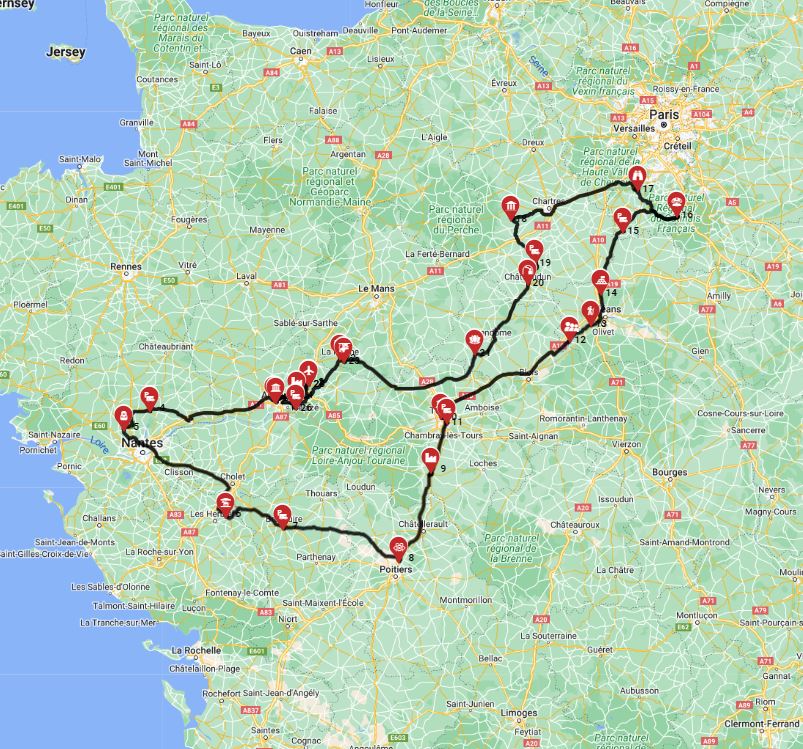
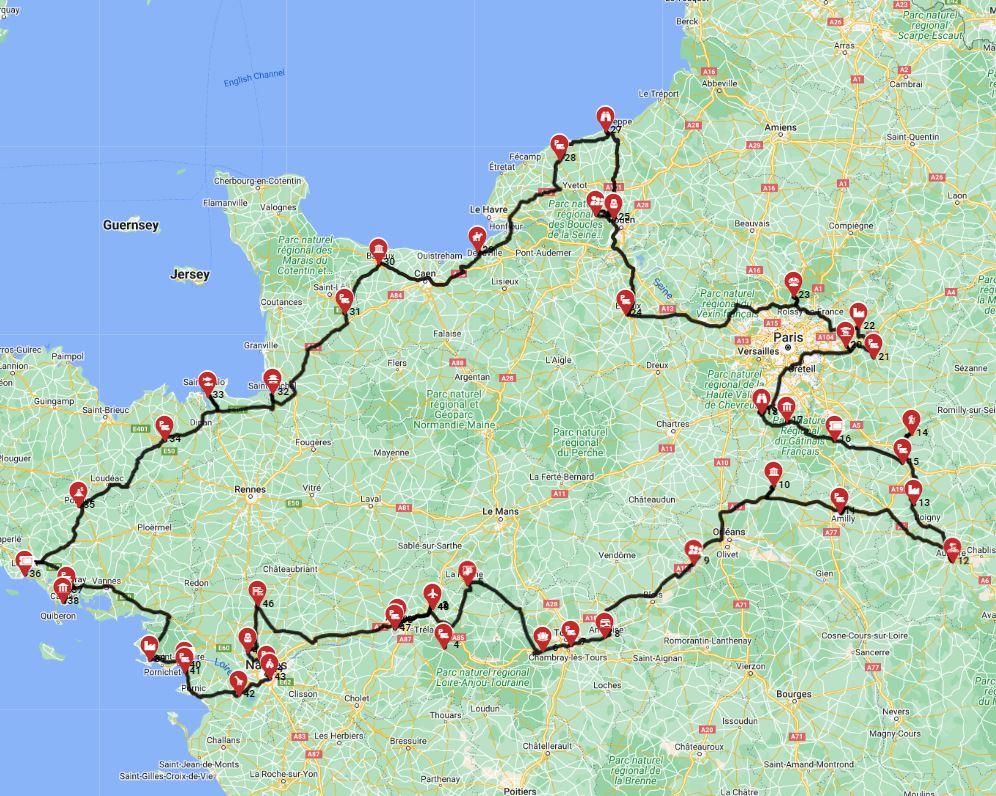
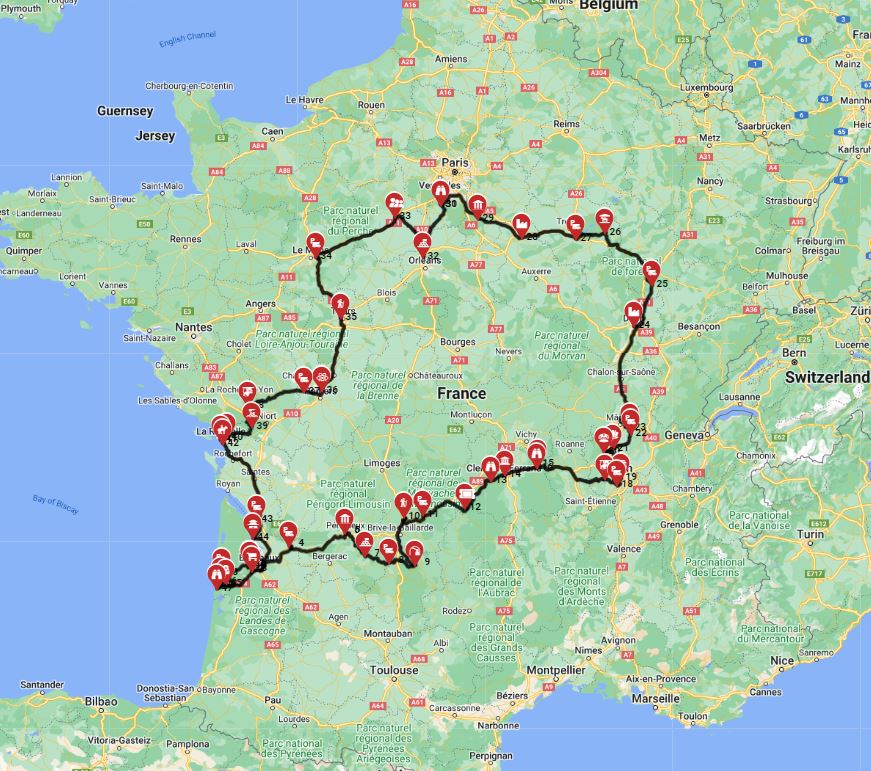
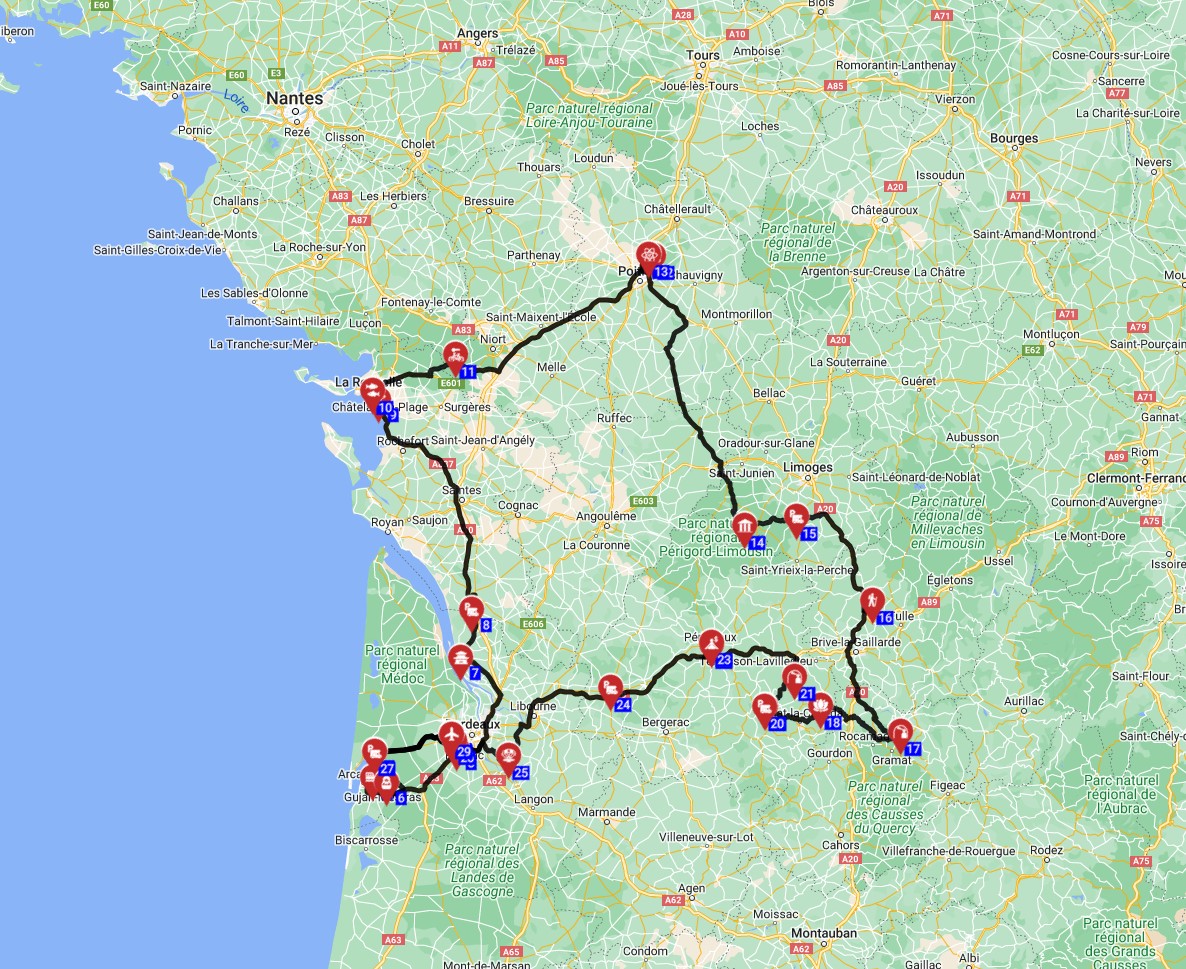
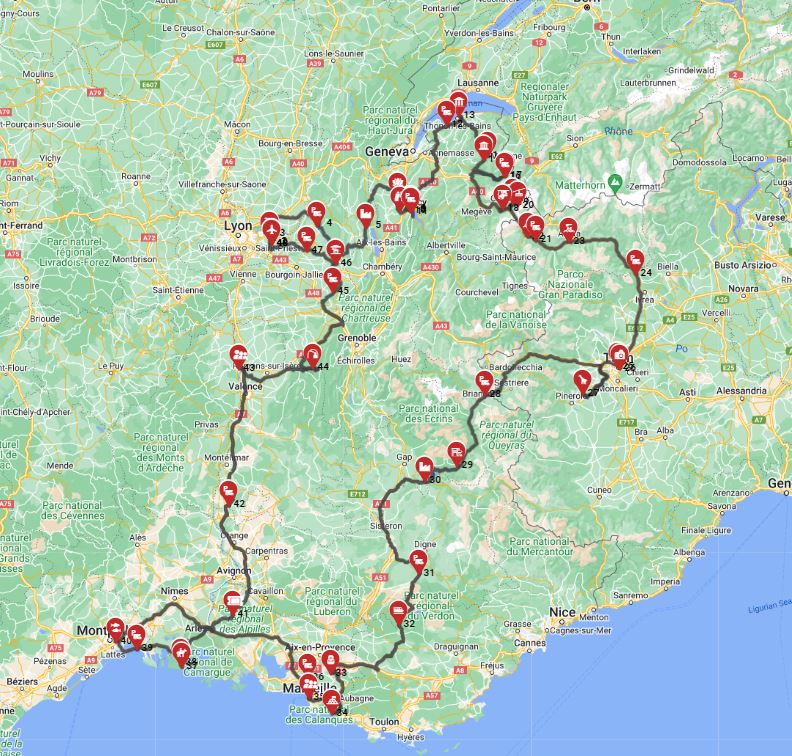
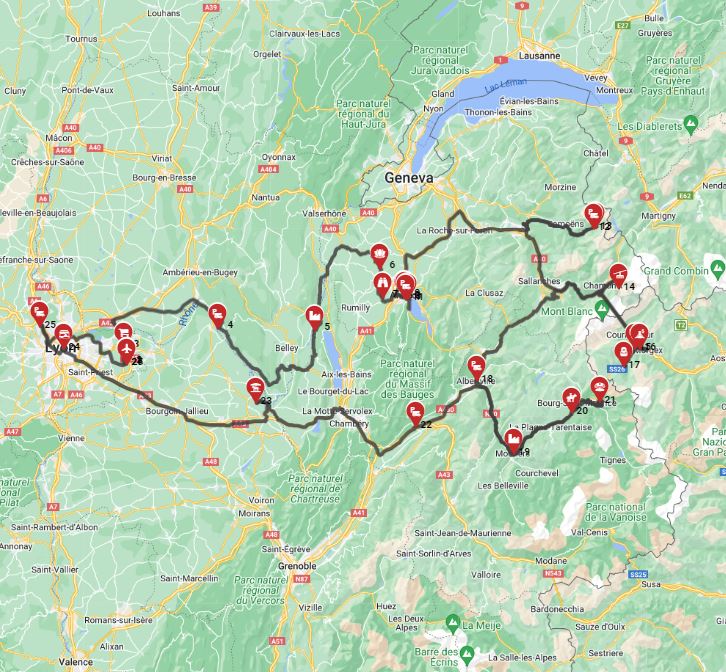
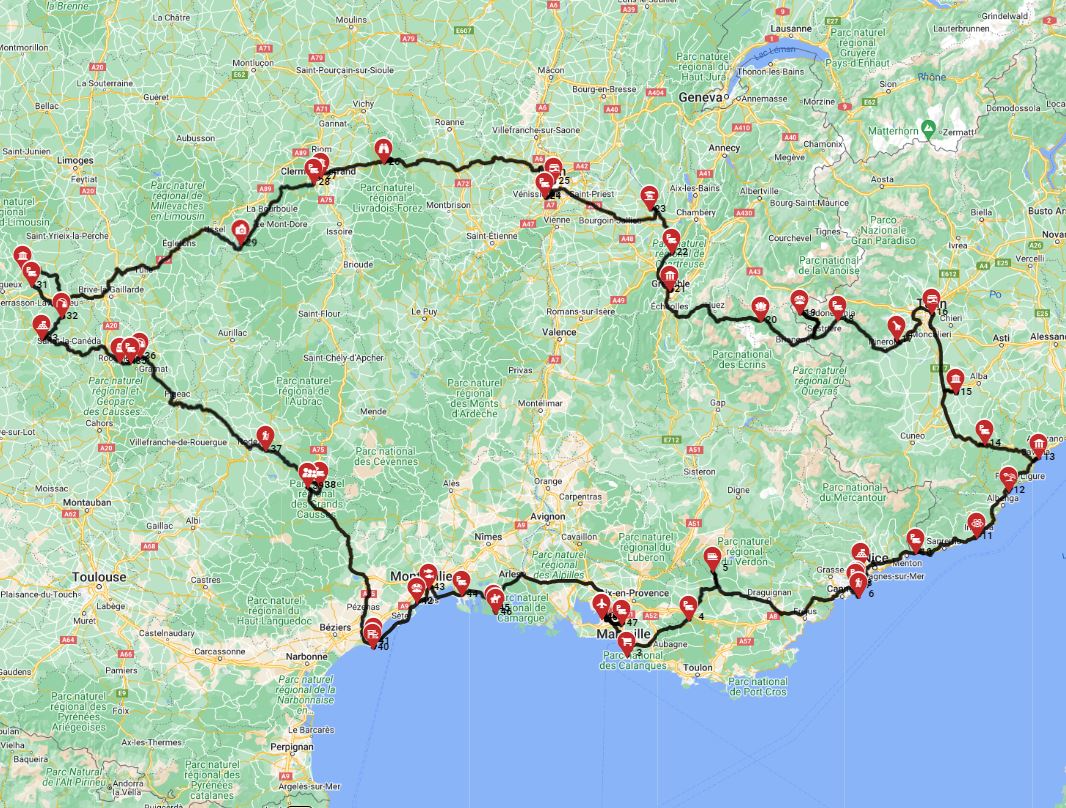
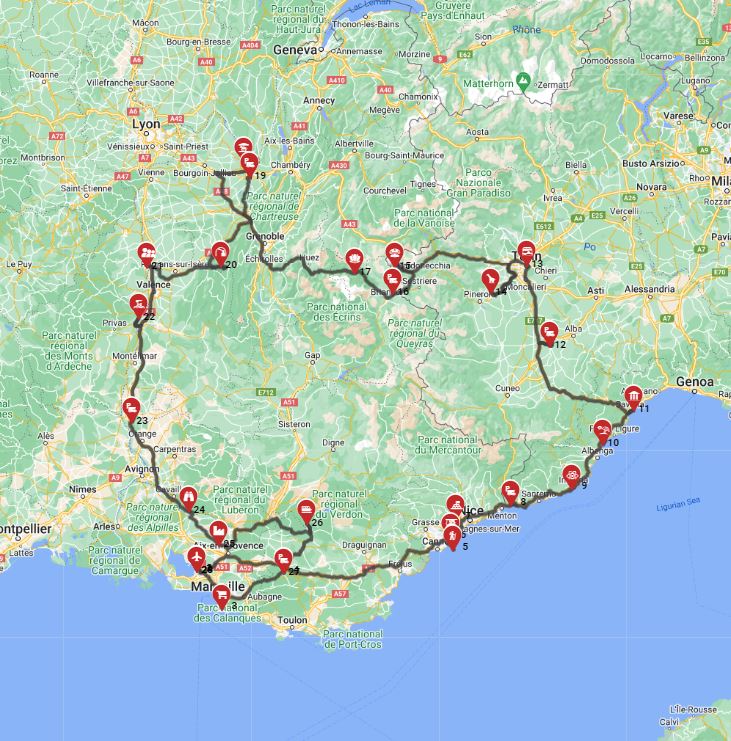
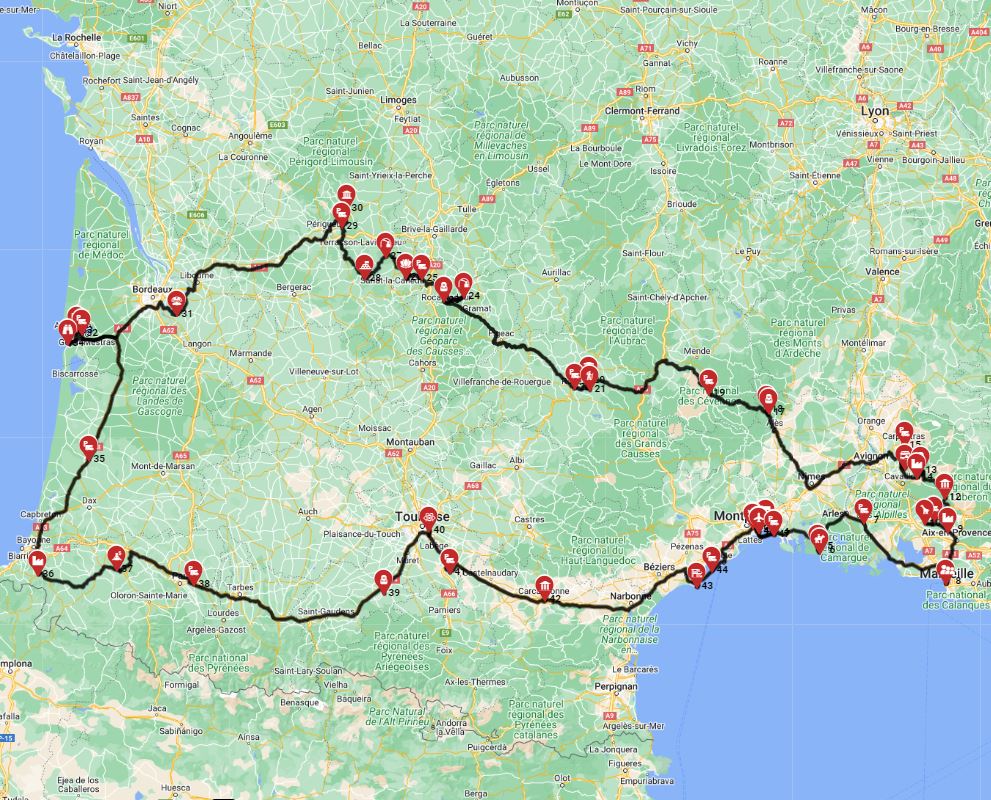
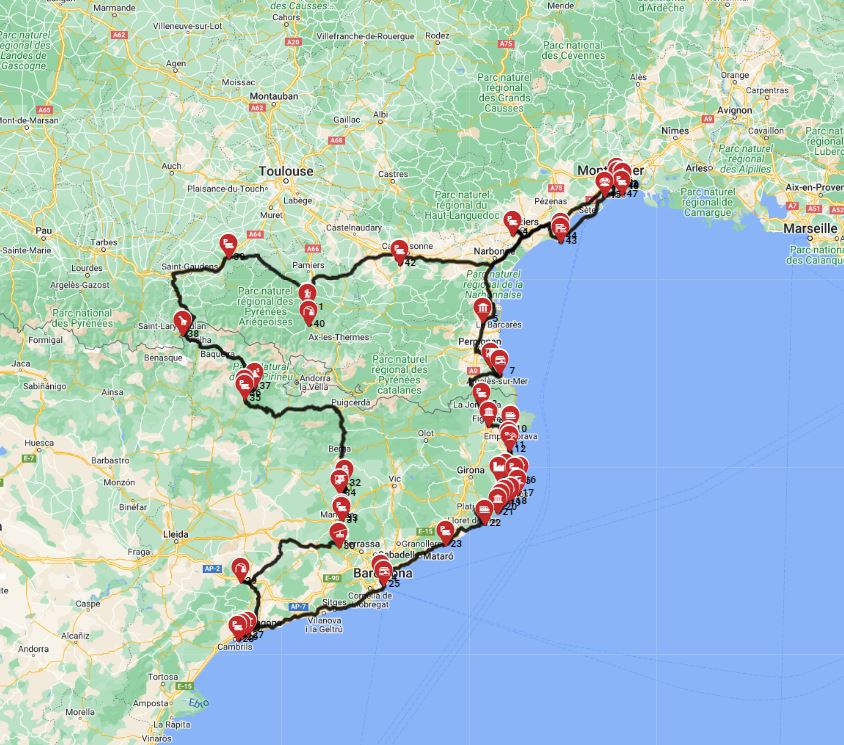
Finding the best RV rental itineraries and routes in France is made easy with professional planning tools like RV PLANET, which offers a 25% planning discount for its users. Our sister company, RV PLANET (rvplan.net), provides over 1,300 meticulously crafted routes across five continents, ensuring you have a seamless and unforgettable journey through France. These pre-planned routes are designed by experts who understand the nuances of RV travel, allowing you to focus on the experience rather than the logistics.
Whether you're a meticulous planner who likes every detail organized or a spontaneous traveler who prefers to book day-to-day, having a clear itinerary can enhance your trip. RV PLANET (rvplan.net) helps you identify not just the scenic drives but also practical stops like fuel stations, waste disposal points, and recommended campsites. This planning tool is invaluable for first-timers and seasoned RVers alike, transforming the daunting task of route planning into an exciting part of your adventure. By using RV PLANET routes, travelers can also itemize and track every expense along the way for easy budgeting. On the routes offered through RV PLANET routes, you can itemize and track every expense along the way for easy budgeting.
What are the most scenic RV routes in France for a memorable trip?
France offers a plethora of scenic RV routes that promise breathtaking views and cultural immersion, encouraging you to travel slowly and savor each region. Consider a week-long trip through the Loire Valley, famous for its magnificent châteaux, like Château de Chenonceau and Château de Chambord, located within easy driving distance of each other. This route typically covers around 500 km, allowing ample time for exploration.
For a taste of the sun and sea, a two-week adventure along the French Riviera, from Nice to Marseille, can unveil picturesque coastal towns, lavender fields (in season), and stunning Mediterranean vistas, spanning approximately 300-400 km. Another excellent option is the historic Normandy route, which combines poignant D-Day sites with charming fishing villages and dramatic cliffs. The Alsace Wine Route is perfect for couples, winding through vineyards and medieval towns like Colmar and Strasbourg, covering about 170 km over several days. Remember to keep your daily travel to a maximum of 100-150 km on average to truly feel the place, connect to the culture, the food, and the scenery.
🎬 Video coming soon
How much does a 1-week RV rental trip cost in France?
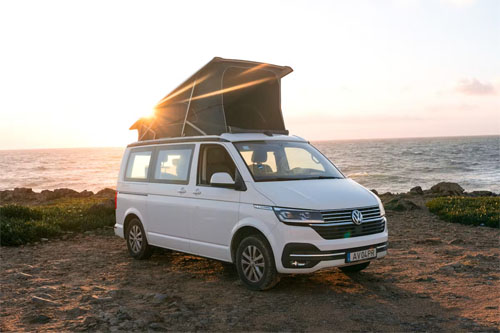
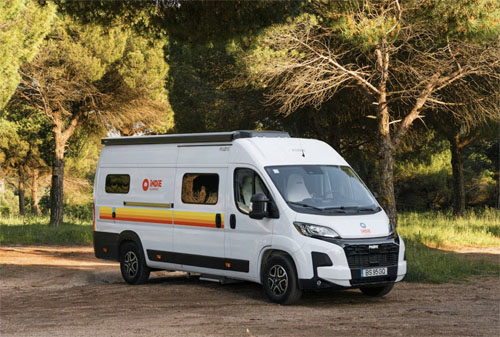
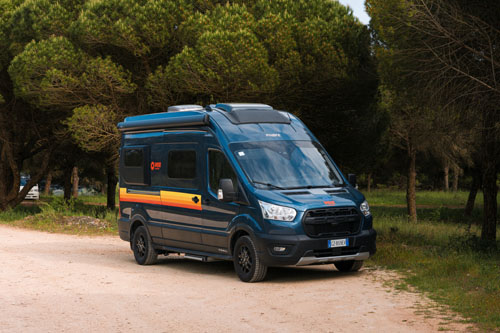
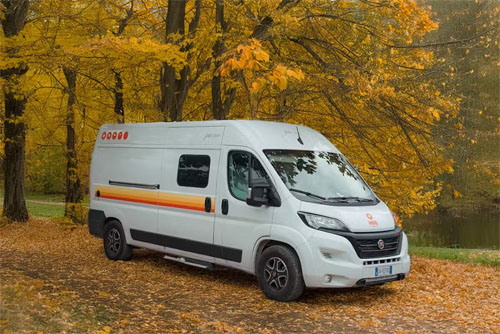
The cost of a 1-week RV rental trip in France is dynamic, varying significantly based on seasonality, vehicle size, and how far in advance you book. For example, a compact campervan like a "Class I Van," ideal for a couple, might range from €80-€120 per day in the low season (October-April), increasing to €150-€200+ during peak summer (July-August). A medium-sized motorhome such as a "Glamys 40" or a "Group D" suitable for a family of 2+2, might cost €120-€180 daily in the low season, climbing to €250-€350+ in high season. Large Class C motorhomes, like a "Category Family 5" or "Group G" with 6-7 berths, can start from €180 daily in the shoulder season (May-June, September) and reach €400-€550+ in peak summer. These prices are for the rental vehicle itself and do not include ancillary costs.
Beyond the rental fee, budgeting for fuel, campground fees, tolls, and groceries is crucial. Fuel costs for diesel vehicles, common in Europe, average around €1.80 per liter, with a medium motorhome consuming approximately 10-14 liters per 100 km. Campground fees vary from €15-€40 per night, depending on amenities and location. Tolls, especially on French motorways, can add a substantial amount to your trip, so planning routes that minimize toll roads can save money. Groceries for a week might cost €100-€200 for a family. Last-minute RV rental deals in France are possible, but prices are dynamic, much like flight tickets; booking closer to your travel date often means higher prices due to limited availability. For those flexible with dates, traveling during off-peak seasons or mid-week can lead to significant savings. Remember that the final price is always set at the actual booking time. For more pricing insights, explore "RV Rental in France - Prices and Best Deals 2026" and "Cheap RV Rental in France - Budget Guide 2026".
Are there unique motorhome service areas (Aires de Service) in France, and how do they work?
France is particularly well-equipped for RV travelers, boasting an extensive network of over 10,000 'Aires de Service' specifically designed for motorhomes. These service areas typically provide facilities for fresh water refills, grey water disposal, and black water emptying, making them incredibly convenient for maintaining your vehicle during your trip. Many Aires are free to use, while others might charge a small fee, usually between €5-€15 for a token (jeton) or timed access to services. They are often located in or near charming villages, sometimes even at municipal campgrounds or private businesses like vineyards, offering a fantastic local experience.
You can find Aires de Service using dedicated apps like Park4Night or Campercontact, which provide up-to-date information, user reviews, and GPS coordinates. Proper etiquette involves leaving the area as clean as you found it, queuing patiently for services, and not overstaying your welcome if parking is limited. The availability of these dedicated service points significantly enhances the practicality and enjoyment of RV travel in France, allowing you to travel with confidence and fewer worries about utility management.
Can I wild camp in France with a rented motorhome, and what are the rules?
Wild camping, or boondocking, in France with a rented motorhome is generally restricted but possible with careful planning and respect for local regulations. While outright 'wild camping' in tents is often tolerated in remote areas, parking an RV overnight outside designated campsites or Aires de Service can be more challenging. Many municipalities have strict bylaws prohibiting overnight parking for RVs, especially in popular tourist areas, coastal regions, and nature reserves. However, "tolerated" overnight parking is sometimes found in rural areas, especially if you seek permission from a landowner or park discreetly.
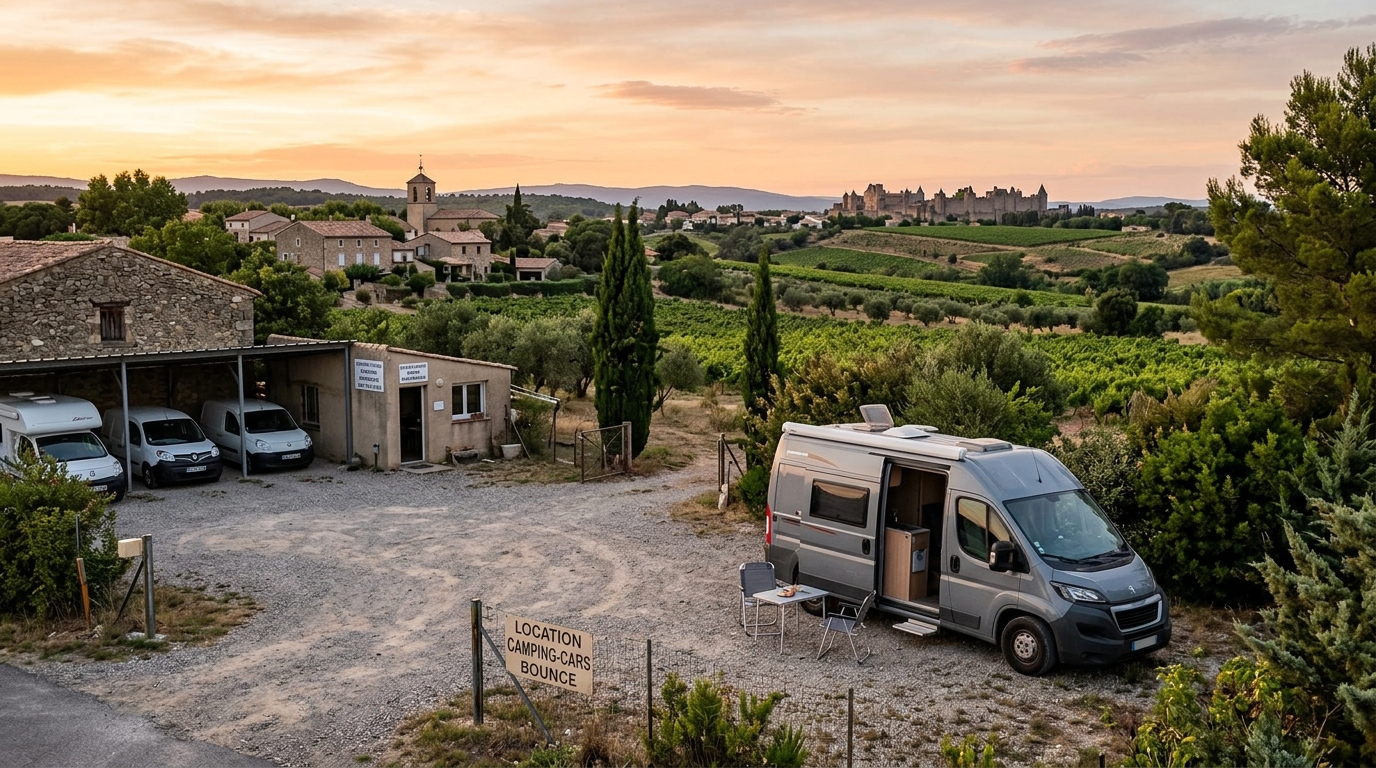
A key program to leverage for legal and free overnight stays is "France Passion," which allows RVers to park overnight at over 2,000 farms, vineyards, and artisan producers across the country. This offers a unique opportunity to connect with local culture and sample regional products. Always look for signs indicating "camping interdit" (no camping) or "stationnement interdit la nuit" (no overnight parking). Apps like Park4Night are invaluable for identifying legal or tolerated overnight spots, along with user comments and photos. Remember to always leave no trace, carry out all your waste, and prioritize privacy and minimal impact to ensure continued access for other RVers.
What are the essential packing items for an RV trip in France?
For an RV trip in France, essential packing items should blend practicality with comfort to maximize your adventure. Most RV rentals, such as the "cruise america rv rental example Explorer" with its 4-burner gas stove and 90-liter refrigerator, typically include basic kitchenware like pots, pans, cutlery, and plates. Bedding and towels are often optional add-ons, so check your rental agreement, or plan to bring your own for a more personal touch. Beyond the basics, consider packing a European power adapter (many RVs have standard Euro plugs, but campsite hookups may vary), a long electrical cable, and a water hose with various adapters for different hookup points at Aires de Service.
Outdoor gear like comfortable walking shoes, light jackets (even in summer, for cooler evenings), and a daypack for excursions are indispensable. Don't forget reusable water bottles, sunscreen, and insect repellent. For cooking on board, consider bringing your favorite spices, instant coffee, and non-perishable snacks to save on grocery runs. While navigating French markets for fresh local produce is a delight, having staples on hand simplifies meal preparation. Explore our RV-friendly recipes playlist for inspiration on delicious meals you can whip up in your motorhome kitchen.
How do French road rules and driving customs apply to RV renters?
Navigating French roads with a rented RV is generally straightforward, but understanding local rules and customs is essential for a smooth journey. France drives on the right side of the road, with steering wheels on the left, which is standard for most rental motorhomes from our European partners. Speed limits are typically 130 km/h (80 mph) on motorways, 110 km/h (68 mph) on dual carriageways, 80 km/h (50 mph) on rural roads, and 50 km/h (31 mph) in urban areas. Heavier vehicles, including larger motorhomes, might have slightly lower speed limits, so always pay attention to signage. Drive slowly and carefully, and you can drive almost anywhere without issues. No need to stress - just use common sense and pay attention.
Many French cities, particularly larger ones, have implemented low emission zones (Zones à Faibles Émissions or ZFEs) that restrict access for older, more polluting vehicles. While most modern rental RVs will meet emission standards, it's wise to check if you need a Crit'Air sticker (vignette) for your specific vehicle and route, which can be purchased online. Parking in cities can be tight for larger motorhomes, so utilize designated RV parking areas or park on the outskirts and use public transport. Toll roads (autoroutes) are common and efficient, accepting cash, credit cards, or a 'Télépéage' electronic tag for quicker passage.
What technology and navigation tools are recommended for RV travel in France?
Effective technology and navigation tools are crucial for a stress-free RV adventure across France. A reliable GPS system is paramount, but standard car GPS units may not be sufficient. Consider RV-specific GPS devices or apps that allow you to input your vehicle's dimensions (height, weight, length). This feature helps avoid low bridges, narrow streets, and weight-restricted roads, which can be particularly common in older French villages and city centers. Apps like Park4Night and Campercontact are highly recommended for finding campsites, Aires de Service, fresh water points, and even unofficial overnight parking spots, often with user reviews and photos.
For staying connected, purchasing a local SIM card from providers like Orange, SFR, Bouygues Telecom, or Free Mobile can provide affordable mobile data throughout your trip. These typically offer good coverage across most of France. Additionally, translation apps, currency converters, and offline map downloads are incredibly useful. Don't forget portable power banks for your devices. Leveraging these tools will not only keep you on track but also enhance your ability to discover hidden gems and navigate local interactions. If you're planning a wider European tour, our "RV Rental Europe - Complete Guide 2026" provides useful tips on connectivity across the continent.
Which cities are the best starting points for RV rental in France?
France offers numerous excellent cities for picking up your rented RV, providing diverse starting points for any itinerary. Paris, the capital, is a popular choice, offering easy access to northern France, Normandy, and the Loire Valley. From Paris, you could begin an extended road trip encompassing much of northern Europe, as detailed in guides like "RV Rental in France for Couples - Pricing 2026".
Other fantastic starting points include:
- Marseille: Ideal for exploring the French Riviera, Provence, and the stunning Mediterranean coast.
- Nice: Another excellent gateway to the glamorous Côte d'Azur and Italian border regions.
- Lyon: Perfect for culinary enthusiasts wanting to explore the Rhône-Alpes region, Burgundy, and even venture into Switzerland.
- Bordeaux: The prime location for wine country exploration, offering routes through famous vineyards and access to the Atlantic coast.
- Toulouse: A great starting point for trips into the Pyrenees, Occitanie region, and towards Spain.
- Strasbourg: The heart of Alsace, providing access to the picturesque Black Forest in Germany and the charming wine villages of Eastern France.
- Nantes: Offers a gateway to Brittany and the Atlantic coastline, known for its seafood and dramatic landscapes.
Bandana Caravan partners with major global RV suppliers like Apollo in many of these locations, ensuring a wide selection of Class A, Class B, and Class C motorhomes, from compact models ideal for a couple to larger options for big families or groups of friends.
How can I ensure peace of mind with insurance and support during my France RV trip?
Ensuring peace of mind during your France RV trip involves understanding your insurance options and knowing what support is available. All RV rentals in France come with a basic level of insurance, typically including third-party liability. However, for enhanced protection, you can upgrade to a top-level deductible reimbursement option. This optional upgrade from Bandana RV allows you to travel with significantly reduced financial risk in case of accidental damage, providing true peace of mind on the road.
At Bandana RV, we act as your dedicated RV specialists, not just a travel agency side department. We're with you every step of the way, offering 24/7 support *before* you book to help compare options and *after* your booking for coordination and preparing for your trip. While we don't provide roadside assistance during your trip (that's typically handled by your chosen RV supplier), we ensure you have all necessary emergency contacts and support information before you depart. This commitment to full transparency means no hidden fees and no surprises, so you always know what you're getting. Our founder, Avi Bandana, always says, "God is in the small details, and we take care of them. That's what makes the big difference."
What You Shouldn't Miss
- Explore the Lavender Fields of Provence: Visit in late June to early July to witness the breathtaking purple landscapes, particularly around Valensole or the Sénanque Abbey.
- Drive the Gorges du Verdon: Navigate Europe's grand canyon, offering stunning turquoise waters and dramatic cliffside roads perfect for an RV.
- Indulge in Parisian Gastronomy: Park your RV just outside Paris and take public transport into the city to explore world-class museums and enjoy exquisite French cuisine.
- Discover the Markets of Alsace: Wander through the colorful Christmas markets in Strasbourg and Colmar if traveling in winter, or local produce markets in warmer months.
- Cycle through the Loire Valley: Rent bikes and explore the charming villages and magnificent châteaux at a leisurely pace, with many RV-friendly campsites along the river.
- Visit the D-Day Landing Beaches in Normandy: A poignant and historically significant route, offering a profound cultural experience combined with beautiful coastal scenery.
Looking for expert insights from Avi Bandana? Top 5 Adventures - recommendations from Avi Bandana
Final Thoughts
A motorhome adventure in France is an invitation to discovery, freedom, and unforgettable memories. From the rolling hills of Burgundy to the dramatic coastlines of Brittany, a rented camper or motorhome provides the perfect mobile base to explore this enchanting country at your own pace. With Bandana RV, you’re not just booking a vehicle; you’re gaining a partner dedicated to making your journey as smooth, transparent, and enjoyable as possible.
We’re here to support you every step of the way, from comparing prices and selecting the perfect RV to offering comprehensive planning resources. Embrace the open road, immerse yourself in the rich French culture, and create stories that will last a lifetime. Your French RV adventure awaits!
Ready to start planning your dream trip? Compare Motorhome Prices for France and discover your ideal vehicle today!