In This Guide
- Best Chile RV Itinerary for seniors - Overview
- 7-Day Classic Route in Chile
- 14-Day Extended Journey in Chile
- Recommended RVPlan Trip for Chile
- Must-See Stops Along the Way (Avi Bandana Picks)
- Daily Driving Distances & Drive Times in Chile
- Best RV Class for This Itinerary - Couple & Family Picks
- What is the best season for RV travel in Chile for seniors?
- How much does an RV trip in Chile cost for seniors?
- What are the road conditions like for RV travel in Chile?
- What RV-specific safety advice is essential for seniors in Chile?
- What are the local RV driving laws and regulations in Chile?
- How do RV water and waste management work in Chile?
- What are the border crossing requirements for RVs in Chile?
- Is wild camping allowed for RVs in Chile?
- How does RV travel compare to other transport options in Chile for seniors?
Best Chile RV Itinerary for seniors - Overview
A senior-friendly RV trip in Chile typically spans 7 to 14 days, allowing for a relaxed pace and comprehensive exploration of the country's diverse landscapes. These itineraries cover iconic routes like the scenic Central Valley, leading south towards the gateway to Patagonia, and are designed with average daily driving distances from 1,000 km to 2,500 km to ensure comfort. The ideal season for seniors to rent an RV in Chile is during the shoulder seasons of October-November and March-April, as these months offer mild temperatures, vibrant natural scenery, and significantly fewer crowds compared to the peak summer season. For live availability and current prices, start with our RV Rental Chile - Complete Guide 2026 guide.
Imagine yourself cruising along well-maintained highways, with the Andes mountains on one side and the Pacific Ocean on the other, knowing your comfortable mobile home is with you every mile. Chile, with its varied terrain, offers an unparalleled opportunity for a stress-free adventure when planned thoughtfully. Bandana Caravan, founded in 2001, has over 20 years of experience helping tens of thousands of travelers explore the world by RV, and we understand the importance of tailored experiences for every age group.
7-Day Classic Route in Chile
This 7-day classic route provides a comfortable introduction to Chile's Central Valley and coastal beauty, with manageable daily driving distances perfect for seniors.
- Day 1: Santiago → Pomaire (Approx. 60 km / 37 miles). Begin your rented motorhome adventure in Santiago, then drive to Pomaire, a charming traditional pottery village renowned for its artisan markets and unique clay crafts. Enjoy exploring the local shops. For dinner, consider cooking in your RV kitchen; our RV-friendly recipes playlist offers great ideas. Sleep overnight at a local campground or a designated RV park.
- Day 2: Pomaire → Valparaíso (Approx. 90 km / 56 miles). Head to Valparaíso, a UNESCO World Heritage port city famous for its vibrant hills, colorful street art, and historic funiculars. Spend the day soaking in the bohemian atmosphere. An RV-friendly campsite near Valparaíso or neighboring Viña del Mar is perfect for the night.
- Day 3: Valparaíso → Casablanca Valley (Approx. 35 km / 22 miles). A short drive brings you to the renowned Casablanca Valley, Chile's premier cool-climate wine region. Indulge in wine tasting tours amidst scenic vineyards. Many vineyards offer RV parking or there are local campsites nearby.
- Day 4: Casablanca Valley → Santa Cruz (Approx. 130 km / 81 miles). Continue your journey into the heart of the Colchagua Valley wine region, one of Chile's most prestigious wine areas. Visit the Colchagua Museum, which showcases Chilean history and pre-Columbian artifacts. Secure an RV park near Santa Cruz for the evening.
- Day 5: Santa Cruz → Curicó Valley (Approx. 70 km / 43 miles). Explore more of Chile's rich wine culture in the Curicó Valley, characterized by its historical haciendas and family-run wineries. Look for a comfortable campground or designated RV area to park your rented RV for the night.
- Day 6: Curicó Valley → Siete Tazas National Park (Approx. 100 km / 62 miles). Venture inland to the stunning Siete Tazas National Park. Enjoy gentle walks to admire its famous waterfalls, easy hiking trails, and natural pools. Camping within or near the park offers an immersive nature experience.
- Day 7: Siete Tazas → Santiago (Approx. 250 km / 155 miles). Embark on your return journey to Santiago, taking in the picturesque Central Valley scenery. This drive can be broken with an additional stop if you prefer a more leisurely pace. Plan to return your RV rental in Santiago after a memorable week-long trip.
This route emphasizes shorter drives, plenty of cultural immersion, and opportunities to connect with Chile's food and scenery, embodying our philosophy to travel slowly, max 100-150 km per day on average.
14-Day Extended Journey in Chile
For those seeking a more extensive and relaxed exploration of Chile, this 14-day itinerary expands upon the classic route, allowing deeper dives into each region. This extended adventure, like all our carefully crafted itineraries, aims for comfort and immersion.
- Days 1-3 (Central Valley & Coast): Follow Days 1-3 of the 7-Day Classic Route: Santiago → Pomaire → Valparaíso. Dedicate ample time to explore Santiago on Day 1 after picking up your RV rental, then enjoy Pomaire's crafts, and conclude with two nights in the Valparaíso/Viña del Mar area to truly soak in the vibrant coastal atmosphere. The total distance over these days is approximately 150 km.
- Days 4-6 (Wine Country): Drive from Valparaíso to Casablanca Valley (Day 4), then continue to Santa Cruz (Day 5). Allocate Day 6 for extensive exploration of the Colchagua Valley, internationally recognized for its world-class wineries and fascinating museums. This section covers approximately 165 km, allowing for leisurely vineyard visits.
- Days 7-9 (Andes Foothills & Lakes): Travel from Santa Cruz to Talca (Day 7), then to Siete Tazas National Park (Day 8). Spend Day 9 fully enjoying easy hikes and the pristine nature within Siete Tazas National Park, ensuring a refreshing break. This leg totals around 200 km.
- Days 10-12 (Southern Lakes Region): Head from Siete Tazas to Chillán (Day 10), and then continue to Pucón (Day 11). On Day 12, immerse yourself in Pucón's stunning volcanic landscapes, relaxing thermal springs, and engaging lake activities. This section spans approximately 400 km and can be comfortably split with an overnight stop in Chillán or Temuco.
- Days 13-14 (Return North): Begin your relaxed return journey from Pucón to Talca or Curicó (Day 13), and then proceed back to Santiago (Day 14) for your RV drop-off. This final leg is approximately 600-700 km, spread over two comfortable driving days, offering an opportunity to revisit a favorite spot or discover a new one along the Central Valley.
This extended journey allows for deeper cultural connections and more spontaneous discoveries, keeping daily driving light so you can truly feel the place, connect to the culture, the food, and the scenery of Chile.
Recommended RVPlan Trip for Chile
While specific RVPlan data for this exact itinerary is not available within this article, Avi Bandana strongly recommends exploring the diverse range of pre-planned RV itineraries offered through our dedicated RVPlan service. These expertly curated trips provide comprehensive routes, detailed stops, and optimized driving distances, perfectly suited for seniors seeking a hassle-free and enriching RV adventure across Chile's stunning landscapes. Utilizing an RVPlan trip can significantly simplify logistics, ensuring a smooth and enjoyable journey without the stress of extensive self-planning. On RV PLANET routes, travelers can itemize and track every expense along the way for easy budgeting, adding another layer of convenience. On the routes offered through RV PLANET routes, you can itemize and track every expense along the way for easy budgeting.
🎬 Video coming soon
Our goal at Bandana Caravan is to make your RV rental experience as seamless and enjoyable as possible. That's why we partner with RV PLANET to offer meticulously planned routes. These route plans are designed by professionals who understand RV travel and aim to maximize your enjoyment and minimize planning stress, giving you more time to savor the incredible moments Chile offers.
Must-See Stops Along the Way (Avi Bandana Picks)
Avi Bandana recommends focusing on authentic local experiences during your RV rental adventure in Chile, visiting traditional markets and engaging with local artisans to truly immerse yourself in Chilean culture. These immersive experiences offer a deeper understanding of the country beyond its stunning scenery.
- Pomaire's Artisan Markets: Just a short drive from Santiago, Pomaire is famous for its unique dark clay pottery. You can watch artisans at work and purchase handcrafted souvenirs directly from the creators.
- Colchagua Valley Wineries: Opt for tours at smaller, family-run vineyards in the Casablanca or Colchagua Valleys. These often provide a more intimate and personal tasting experience, allowing you to connect with the local winemakers and their heritage.
- Valparaíso's Cerro Alegre & Concepción: Wander through these vibrant hillside neighborhoods in Valparaíso, adorned with colorful murals and historic architecture. The city's famed funiculars provide easy and scenic transport between the hills and the flat areas, ensuring accessibility.
- Termas Geométricas Hot Springs: Although a bit further south from the central valley routes, if extending towards Pucón, these thermal springs near Coñaripe offer a truly unique and relaxing experience with wooden walkways over a gorge, perfect for unwinding after a day of driving.
- Colchagua Museum in Santa Cruz: This private museum boasts an impressive collection of Chilean history, from pre-Columbian artifacts to colonial-era exhibits and a dedicated section on the 19th-century earthquake. It's a fantastic educational stop with accessible pathways for comfortable exploration.
- Curicó Valley's Historical Haciendas: Explore the region's rich agricultural past by visiting historical haciendas. Many offer tours that delve into their history and the processes of winemaking or other local industries.
These picks highlight accessible yet authentic experiences that enhance your journey with a rented RV, making each stop a discovery.
Daily Driving Distances & Drive Times in Chile
Avi Bandana recommends a maximum of 100 miles or 150 km per day on average for senior RV travelers in Chile, allowing for leisurely exploration and minimizing fatigue. This slower pace is crucial for enjoying the journey, making spontaneous stops at scenic viewpoints, and ensuring you're not rushed on unfamiliar roads.
For instance, a drive from Santiago to Valparaíso is approximately 120 km (75 miles) and takes about 1.5-2 hours of pure driving time. Traveling from Santa Cruz to Siete Tazas National Park covers roughly 170 km (105 miles) and can take 2.5-3 hours. These times are for driving only and do not account for stops for sightseeing, meals, or rest. We encourage you to build in plenty of buffer time. Remember, drive slowly and carefully, and you can drive almost anywhere without issues. No need to stress - just use common sense and pay attention.
Planning short daily distances means more time to immerse yourself in the culture, savor local cuisine, or simply relax at a beautiful campground. This approach aligns perfectly with our advice to travel slowly - max 100-150 km per day on average. Take time to feel the place, connect to the culture, the food, and the scenery.
Best RV Class for This Itinerary - Couple & Family Picks
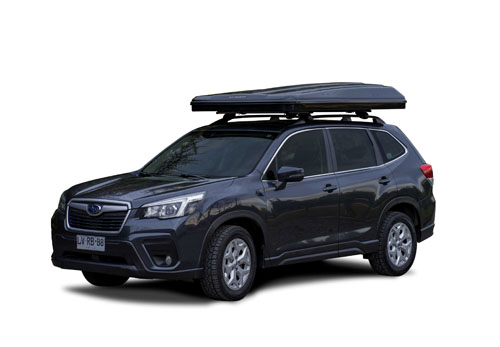
Choosing the right RV class for your rental adventure in Chile is key to comfort and enjoyment, especially for seniors. For a senior couple, the **Class B - Camper Van** is an ideal choice, offering agility and comfort for two travelers. These campervans, like the `Category Van` or `2 Berth Hi Top`, are typically more compact, making them easier to maneuver on various roads and in smaller towns.
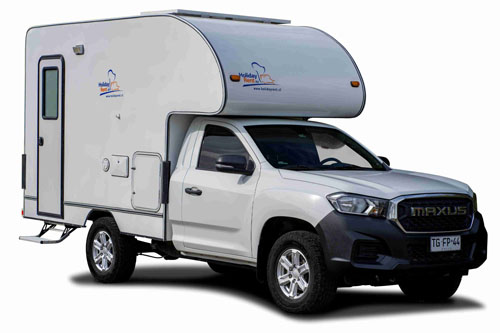
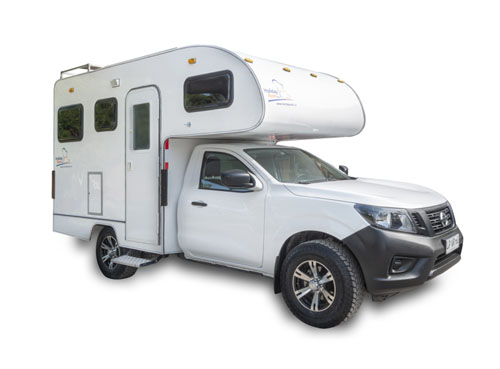
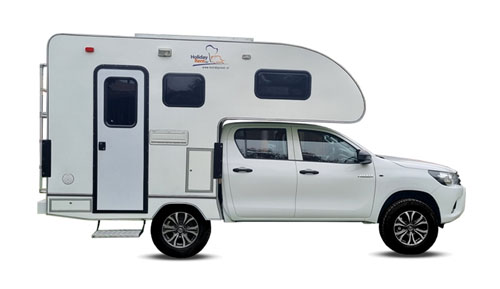
Bandana's Camper Vans typically average 5.8 meters in length, with an average of 3.2 sleeping places and 2.7 adults accommodated, providing a compact yet fully equipped option perfect for navigating Chile's diverse landscapes. For seniors traveling with family, such as grandchildren, the **Class C - Alcove** offers more spacious accommodations and amenities. These motorhomes provide separate sleeping areas and a larger living space, ensuring everyone has room to relax. A great example is the `24' Class C Motorhome` which features `Bed Over Cub - 152/203cm`, a `Single Bed - 114/208cm`, and a `Double Bed - 152/203cm`.
Bandana's Class C Alcove RVs typically average 7.5 meters in length, with an average of 5.8 sleeping places and 4.4 adults accommodated, providing ample room and comfort for a small group. To simplify your RV adventure even further, consider Bandana's 'Rent&Plan' service, which combines your RV rental with a ready-made itinerary by travel experts and full access to trip-planning software, removing the hassle of intricate planning and ensuring comfort for all.
What is the best season for RV travel in Chile for seniors?
The best season for seniors to travel by RV in Chile is during the shoulder months of October-November and March-April, offering a perfect balance of pleasant weather and fewer crowds. These periods provide mild temperatures across most regions, which is ideal for sightseeing in the Central Valley, comfortable exploration of Patagonia before its peak season, and avoiding the intense summer heat of the Atacama Desert in the north. Traveling in the shoulder season generally means better availability for campsites, potentially lower rental prices, and a more relaxed pace for senior travelers seeking a tranquil experience.
While summer (December-February) is popular, it can bring higher temperatures and increased tourism, especially in coastal areas and the Lake District. Winter (June-August) offers opportunities for skiing and snow activities in the Andes, but many RV-friendly routes and campsites in the south may be less accessible due to snow and road closures. Always check local forecasts and road conditions before you travel, as mountain weather can change quickly.
How much does an RV trip in Chile cost for seniors?
A comprehensive cost breakdown for an RV trip in Chile for seniors typically includes rental fees, fuel, campsite fees, food, and activity costs. RV rental fees can range from $100-$300 USD per day, varying significantly by RV class, rental duration, and the season of travel. For example, a compact campervan like the "2 Berth Hi Top" might be at the lower end, while a larger "Class C - Alcove" could be at the higher end, especially during peak travel times.
Specific fuel prices in Chile currently average around $1.20-$1.50 USD per liter for gasoline or diesel, which is a significant variable in overall costs, especially given Chile's long distances. Campsite costs vary from potentially free wild camping (where permitted and safe) to $20-$50 USD per night for equipped campgrounds, with national park sites sometimes offering basic amenities at lower costs. Budgeting for food and activities should account for roughly $30-$70 USD per person per day, depending on dining preferences (eating out vs. cooking in your RV) and chosen excursions. Remember that on RV PLANET routes, travelers can itemize and track every expense along the way for easy budgeting.
What are the road conditions like for RV travel in Chile?
Chile offers a diverse range of road conditions for RV travel, from well-maintained paved highways to gravel and unpaved routes, especially in rural and mountainous areas. The Pan-American Highway (Ruta 5), which spans most of the country, is generally an excellent, paved highway suitable for all RV classes, providing smooth travel between major cities like Santiago, Puerto Montt, and Arica.
However, secondary roads leading to national parks, remote villages, or scenic attractions may be narrower, winding, or less maintained, requiring careful driving. Mountain passes in the Andes can be challenging due to steep ascents, winding roads, and elevation changes, so it's advisable to check conditions before attempting these routes, especially outside of summer. While most popular routes are accessible to 2WD RVs, specific regions like parts of the Carretera Austral (Route 7 in Patagonia) contain extensive gravel sections where a more robust RV or careful driving is essential. Drive slowly and carefully, and you can drive almost anywhere without issues. No need to stress - just use common sense and pay attention. Tolls are common on major highways, and while some accept cards, it's advisable to carry Chilean Pesos for payment.
What RV-specific safety advice is essential for seniors in Chile?
Essential RV-specific safety advice for seniors in Chile includes understanding breakdown procedures, identifying secure parking, knowing emergency service contacts, and implementing theft prevention measures. Before departing with your RV rental, always confirm that your rental agreement includes roadside assistance and has clear emergency contact numbers, both for the rental company and local services. Carrying a local SIM card for reliable mobile communication is highly recommended for any emergencies.
For secure parking, prioritize established campgrounds or designated RV parks, especially when staying overnight in or near urban areas like Santiago, Valparaíso, or Arica. Avoid isolated or poorly lit locations for overnight stays. Regarding theft prevention, always ensure your RV doors and windows are locked when you leave or when you are inside for the night, use curtains for privacy, and avoid leaving valuables visible. While rare, opportunistic theft can occur, so being vigilant and using common sense goes a long way in keeping your belongings safe.
What are the local RV driving laws and regulations in Chile?
Understanding local RV driving laws and regulations in Chile is crucial for a smooth trip, encompassing rules on parking, waste disposal, and propane use. General Chilean traffic laws apply to all vehicles, including mandatory seatbelt use for all passengers, respecting speed limits (e.g., 100-120 km/h on highways, 50 km/h in urban areas), and the requirement to drive with headlights on, even during the day. A standard car driver's license is sufficient for driving all motorhome classes (Class A, Class B, and Class C) in Chile, and an International Driving Permit (IDP) is recommended for visitors from non-English speaking countries, though not always mandatory.
RV parking restrictions for larger vehicles are more prevalent in bustling city centers; in such areas, it's often more convenient to use designated parking lots or suburban RV parks and then utilize local public transport. Waste disposal must be done responsibly at designated dump stations, which can typically be found at larger campsites and some service stations; illegal dumping is strictly prohibited and can result in fines and environmental damage. Propane refill availability can vary depending on your route, so it's wise to refill your cylinders whenever possible at larger gas stations equipped to handle RV propane or at hardware stores (ferreterías) in major towns.
How do RV water and waste management work in Chile?
Managing water and waste in an RV in Chile involves understanding the availability of fresh water, locating dump stations for gray and black water, and finding propane refill locations. Fresh water for your RV rental is generally available at most established campsites, many gas stations along major routes, and some municipal water points. However, it's always recommended to confirm the potability of the water or use a filter/bottled water for drinking, especially in more remote areas.
Dump stations for safely disposing of gray water (from sinks and showers) and black water (from toilets) are primarily found at established campgrounds and some larger service stations, particularly along popular tourist routes like those mentioned in "RV Rental Deals in Chile - Latest Offers 2026". These facilities are crucial for responsible RV travel and maintaining hygiene. Propane (gas) refills for cooking and heating inside your RV can typically be obtained at larger gas stations, hardware stores (ferreterías), or dedicated propane distributors in major towns. If you are not using a Chilean rental RV, it's advisable to check the compatibility of foreign propane cylinders or consider renting local ones, though this is usually pre-arranged with your Bandana supplier.
What are the border crossing requirements for RVs in Chile?
Crossing borders with an RV from Chile into neighboring countries like Argentina requires specific documentation and adherence to customs procedures. Key requirements always include a valid passport for all travelers, your standard car driver's license (an International Driving Permit is highly recommended as a translation), and the RV's registration and ownership documents (known as "permiso de circulación" and "padrón" in Chile, or the equivalent rental vehicle paperwork). For rental RVs, a specific notarized letter of authorization from the rental company granting explicit permission to take the vehicle across international borders is mandatory. This letter should specify the countries you intend to visit. Additionally, you will need to obtain temporary import permits for the vehicle at the border of the destination country, which often involves a small fee. Ensure your RV insurance policy covers international travel, as standard Chilean insurance may not extend across borders; always inquire with your Bandana rental provider about cross-border insurance options when you plan a One-Way RV Rental in Chile - Price Guide 2026.
It's crucial to declare any fresh produce, dairy products, or other agricultural items, as strict biosecurity rules are in place to prevent the spread of pests and diseases. Failure to declare can result in significant fines. Always allow extra time for border crossings, as procedures can be lengthy.
Is wild camping allowed for RVs in Chile?
While technically not explicitly forbidden in all areas, responsible wild camping or boondocking for RVs in Chile requires careful consideration of local regulations, safety, and environmental impact. Generally, wild camping is tolerated in very remote, non-private, non-protected areas, often in designated free camping spots or along less-traveled routes. However, it is crucial to always seek permission if you are on private land and absolutely avoid national parks, national reserves, or urban areas where it is typically prohibited and can result in fines.
For safety, always choose well-trafficked yet secluded spots, never camp alone in isolated regions, and inform someone of your itinerary. Community-driven apps like iOverlander can be a great resource for finding recommended wild camping spots and recent reviews. Practicing 'Leave No Trace' principles is paramount: pack out all trash, dispose of gray and black water properly at designated dump stations, use biodegradable products, and minimize your environmental footprint. This ensures future generations can enjoy Chile's natural beauty as much as you do.
How does RV travel compare to other transport options in Chile for seniors?
RV travel offers unique and distinct advantages for seniors in Chile compared to other transport options like buses, trains, or car rentals with traditional hotel stays, primarily centered on flexibility, comfort, and direct access to nature. Unlike the fixed itineraries of public transport or the constant packing and unpacking associated with hotel-based travel, a rented RV provides unparalleled freedom to change plans, linger longer in a favorite spot, and have your comfortable 'home' with you at all times. This flexibility is a significant benefit for senior travelers who appreciate a slower pace and the ability to adapt their journey as needed.
Seniors often appreciate the familiar comforts of their own space, including a private bathroom, a fully equipped kitchen (ideal for preparing meals and catering to dietary needs), and a comfortable bed, all of which RVs provide. This reduces reliance on external facilities, enhances privacy, and offers a more relaxed travel experience. While the initial costs for a campervan rental might seem higher than budget bus travel, an RV can prove more cost-effective than car rental plus daily hotel expenses, especially for longer trips or those preferring self-catering and a more independent style of travel. This comprehensive approach means you can manage your budget effectively, whether you're considering a "Cheap RV Rental in Chile - Budget Guide 2026" or a "Luxury RV Rental in Chile - Premium Prices 2026".
Final Thoughts
Embarking on an RV adventure in Chile offers seniors an unparalleled blend of comfort, flexibility, and immersion in breathtaking landscapes and vibrant culture. With thoughtfully planned itineraries, manageable driving distances, and the convenience of having your home on wheels, you can truly savor every moment. From the historic streets of Valparaíso to the serene vineyards of Colchagua and the natural wonders of Siete Tazas, Chile invites you to discover its charm at your own pace.
Remember, Bandana Caravan is here to support you throughout your planning and booking process. Our commitment to full transparency and providing a seamless experience means you can set off on your Chilean journey with complete confidence. So, take the leap, imagine the open road, and let us help you craft an unforgettable RV rental experience tailored just for you.
Discover top destinations, planning tips, all in one place! Plan a trip itinerary in advance with minimal effort and maximum enjoyment. Compare Motorhome Prices for Chile and start your dream adventure today.