In This Guide
- Best Canada RV Itinerary for rv rental — Overview
- 7-Day Classic Route in Canada
- 14-Day Extended Journey in Canada
- Recommended RVPlan Trip for Canada
- Must-See Stops Along the Way (Avi Bandana Picks)
- Daily Driving Distances & Drive Times in Canada
- Best RV Class for This Itinerary — Couple & Family Picks
- What is the 3 3 3 rule for RV travel?
- Can Americans RV in Canada?
- Is it easy to drive an RV in Canada?
- What is the best RV route planner in Canada?
- What is the most scenic route across Canada?
- What is a good RV trip around Canada?
- What is the #1 tourist attraction in Canada?
Best Canada RV Itinerary for rv rental — Overview
An RV rental in Canada offers unparalleled freedom to explore diverse landscapes, from the Pacific to the Atlantic and up to the Yukon.
A minimum of 7 days is recommended for a focused regional trip, while 14+ days allows for a more extensive journey and deeper exploration, respecting a leisurely pace. The ideal seasons for RVing in Canada are late spring (May-June) and early fall (September-October), offering mild weather, fewer crowds, and stunning natural beauty. For detailed planning and inspiration, explore our comprehensive RV Rental Canada - Complete Guide 2026.
7-Day Classic Route in Canada
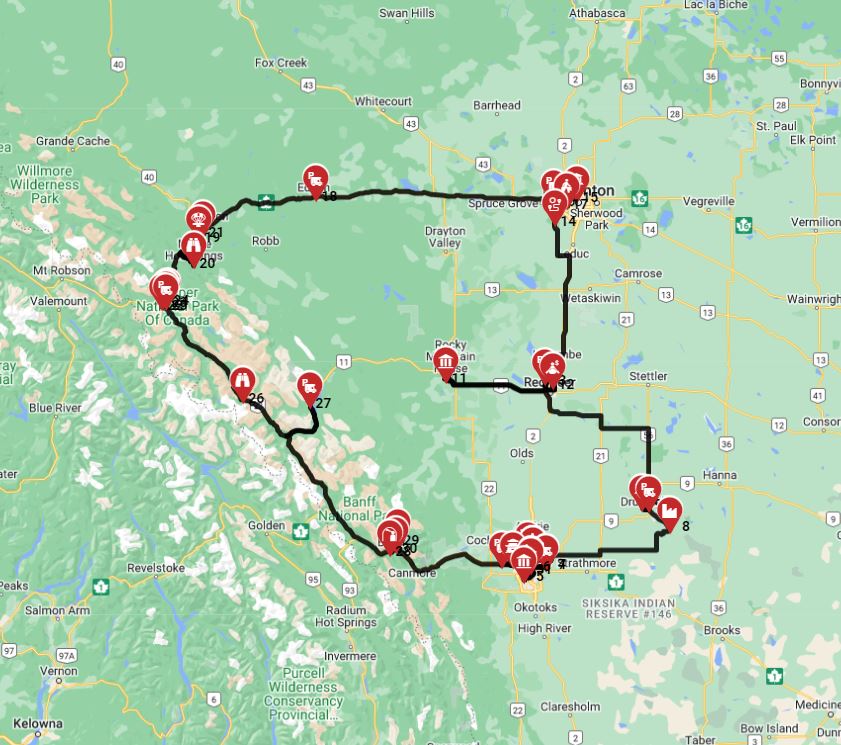
Day 1: Calgary, AB → Canmore, AB (approx. 105 km) – Explore Canmore's charming downtown, hike Grassi Lakes. Sleep: Canmore Nordic Centre Campground.
Day 2: Canmore, AB → Banff, AB (approx. 25 km) – Discover Banff National Park, Sulphur Mountain Gondola, stroll Banff Avenue. Sleep: Tunnel Mountain Village II Campground.
Day 3: Banff, AB → Lake Louise, AB (approx. 60 km) – Visit iconic Lake Louise and Moraine Lake (shuttle required in peak season), enjoy short hikes. Sleep: Lake Louise Campground.
Day 4: Lake Louise, AB → Field, BC (approx. 25 km) – Explore Yoho National Park, including Takakkaw Falls and Emerald Lake. Sleep: Kicking Horse Campground.
Day 5: Field, BC → Golden, BC (approx. 55 km) – Visit the Northern Lights Wolf Centre, explore the town of Golden. Sleep: Golden Municipal Campground.
Day 6: Golden, BC → Revelstoke, BC (approx. 145 km) – Drive through scenic Rogers Pass, visit Revelstoke Railway Museum. Sleep: Revelstoke KOA.
Day 7: Revelstoke, BC → Sicamous, BC (approx. 70 km) – Enjoy Shuswap Lake, known for houseboats and sandy beaches. Sleep: Sicamous KOA. This route is a point-to-point journey, ideal for focused exploration without excessive daily driving.
14-Day Extended Journey in Canada
Days 1-2: Calgary, AB → Canmore, AB (approx. 105 km total) – Begin in Calgary, then drive to Canmore for hiking and town exploration. Sleep: Calgary area campgrounds, Canmore Nordic Centre.
Days 3-4: Canmore, AB → Banff, AB (approx. 25 km total) – Deep dive into Banff National Park, including Sulphur Mountain, Lake Minnewanka, and Johnston Canyon. Sleep: Tunnel Mountain Village II.
Days 5-6: Banff, AB → Lake Louise, AB (approx. 60 km total) – Explore the stunning Lake Louise and Moraine Lake areas, with options for canoeing or hiking to tea houses. Sleep: Lake Louise Campground.
Days 7-8: Lake Louise, AB → Jasper, AB (approx. 230 km over two days, averaging 115 km/day) – Drive a significant portion of the Icefields Parkway, stopping at Peyto Lake, Bow Lake, and the Columbia Icefield. Sleep: Waterfowl Lakes CG, then Whistlers Campground.
Days 9-10: Jasper, AB → Clearwater, BC (approx. 120 km total) – Explore Jasper townsite, Maligne Canyon, and Athabasca Falls before heading towards Wells Gray Provincial Park. Sleep: Whistlers Campground, then Clearwater Campground.
Days 11-12: Clearwater, BC → Kamloops, BC (approx. 125 km total) – Discover the majestic Helmcken Falls in Wells Gray Provincial Park, then continue to Kamloops for urban amenities. Sleep: Clearwater Campground, then Paul Lake Provincial Park.
Days 13-14: Kamloops, BC → Kelowna, BC (approx. 160 km total over two days, averaging 80 km/day) – Enjoy the Okanagan Valley's renowned wineries, fruit orchards, and lake activities. Sleep: Paul Lake Provincial Park, then Fintry Provincial Park. This journey concludes in Kelowna, offering a rich Western Canadian experience.
Recommended RVPlan Trip for Canada
For an extensive Canadian adventure, Avi Bandana highly recommends the 'Halifax to Whitehorse - Exploring Canada’s Heartland in a Motorhome' trip available on RVPlan.
This incredible journey spans an epic 9,199.1 kilometers over 37 days, offering an unparalleled coast-to-coast-to-north experience.
Must-See Stops Along the Way (Avi Bandana Picks)
Halifax Waterfront (Traditional Visit): Stroll along the bustling boardwalk, enjoy local seafood, and soak in the vibrant maritime atmosphere in Halifax, Nova Scotia.
Site d'Interprétation Micmac de Gespeg (Traditional Visit): Delve into Indigenous culture on the Gaspé Peninsula, with engaging exhibits and storytelling that bring the rich heritage of the Micmac people to life.
Lake of the Woods Brewing Company (Local Industry): Stop in Kenora, Ontario, to sample local craft beers, witness a thriving regional industry, and enjoy a relaxed setting.
Fort Nelson Farmers Market (Traditional Market): Experience local produce and connect with friendly locals in Fort Nelson, British Columbia, offering a true taste of northern community life.
Teslin Tlingit Heritage Centre (Traditional Visit): Gain profound insight into the culture and history of the Tlingit people in Teslin, Yukon, making for an essential cultural stop on your northern journey.
Daily Driving Distances & Drive Times in Canada
Avi Bandana recommends a maximum of 100 miles or 150 km per day on average when RVing in Canada to ensure a relaxed pace, allowing ample time for exploration, rest, and unexpected discoveries.
This recommendation helps avoid driver fatigue and allows for deeper engagement with each destination.
Example Drive 1: Calgary to Canmore (Alberta): Approximately 105 km (65 miles), taking about 1 to 1.5 hours of driving, plus time for scenic stops.
Example Drive 2: Banff to Lake Louise (Alberta): Roughly 60 km (37 miles), typically a 45-minute to 1-hour drive, offering plenty of time for sightseeing along the Bow Valley Parkway.
Example Drive 3: Whistler to Pemberton (British Columbia): About 30 km (18 miles), requiring a pleasant 25-minute drive, perfect for a short day of travel.
Best RV Class for This Itinerary — Couple & Family Picks
For Couples: Class B - Camper Van is an excellent choice for its maneuverability, ease of driving, and fuel efficiency on Canadian roads. Bandana's global fleet typically features Class B vans with an average length of 5.8 meters and sleeping places for 3.2, making them ideal for 2-3 adults.
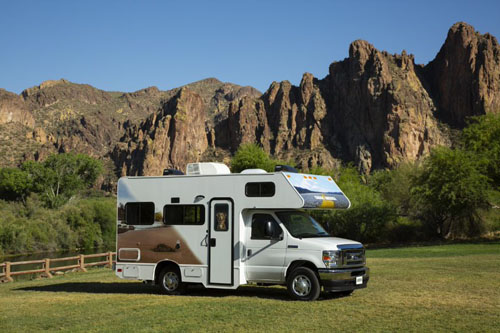
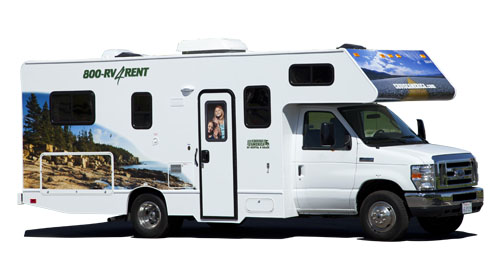
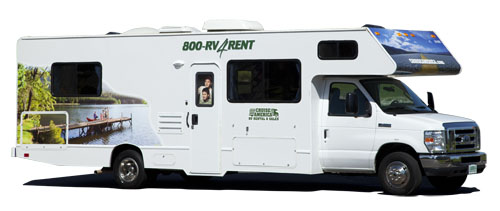
For Families: Class C - Alcove provides significantly more space and sleeping capacity, making it perfect for family adventures across Canada. Bandana's global fleet of Class C units averages 7.5 meters in length, with approximately 5.8 sleeping places, comfortably accommodating 4-5 adults.
Simplify your Canadian RV vacation with Bandana's 'Rent & Plan' service. This offering combines your chosen RV rental with a ready-made itinerary, meticulously crafted by travel experts and accessible through our proprietary trip-planning software, effectively removing the stress and headache of detailed planning.
What is the 3 3 3 rule for RV travel?
The 3-3-3 rule for RV travel is a widely adopted guideline designed to promote safe and enjoyable road trips, stating that you should drive no more than 300 miles (approximately 480 km) in a day, aim to stop driving by 3 PM, and stay at least 3 nights in one location.
Following this rule helps prevent driver fatigue by limiting daily driving hours, allows ample time to set up camp and explore each destination thoroughly, and reduces the stress of constant packing and unpacking.
While a useful guideline for a relaxed RV experience, individual circumstances like specific road conditions, traffic, and personal preferences may require some flexibility in its application.
Can Americans RV in Canada?
Yes, Americans can absolutely RV in Canada, provided they meet specific entry requirements for both individuals and their recreational vehicle.
Documentation: U.S. citizens need a valid passport. For the RV, ensure you have your vehicle registration, proof of insurance (it's crucial to confirm your U.S. policy extends adequate liability coverage in Canada or obtain a non-resident card from your insurer), and a valid driver's license (an International Driving Permit is usually not required but can be helpful).
Border Crossing: Be prepared for customs questioning. Accurately declare all items, especially food, alcohol, tobacco, and firearms (many types of firearms are prohibited or heavily restricted). Pets require a valid rabies vaccination certificate and may need a veterinary health certificate.
RV Age Rule & Condition: While there's a '10-year rule' for *importing* vehicles for sale into Canada, it generally does not apply to temporary tourist vehicles. However, ensure your RV is in good mechanical condition to avoid potential issues at the border or on Canadian roads.
Currency & Payments: Canada uses the Canadian Dollar (CAD). Major credit cards are widely accepted, but it's advisable to carry some Canadian cash for smaller vendors or remote areas.
Is it easy to drive an RV in Canada?
Driving an RV in Canada is generally easy, thanks to well-maintained roads, clear signage, and a respectful driving culture, but it requires mindful navigation, especially in certain conditions and locations.
Road Conditions: Major highways (like the Trans-Canada Highway) are excellent and comparable to U.S. interstates. However, rural routes, particularly in northern territories or remote provincial parks, can be gravel or unpaved, demanding slower speeds and extra caution.
Mountain Driving: Western Canada's Rocky Mountains feature steep grades, winding roads, and spectacular views. Utilize lower gears, manage your speed carefully, and use designated pull-offs to enjoy vistas and allow faster traffic to pass.
City Navigation & Parking: Large cities such as Vancouver, Toronto, or Montreal can be challenging with a large RV due to narrower streets, heavy traffic, and limited parking options. Consider parking at city outskirts or RV parks and utilizing public transport to explore urban centers.
Wildlife Awareness: Be highly aware of wildlife (deer, moose, bears, elk) especially at dawn, dusk, and when driving through forested or remote areas. Drive cautiously, adhere to speed limits, and be prepared to stop suddenly.
Electrical Compatibility: Canadian campgrounds typically offer 15, 30, or 50 amp service, compatible with North American RVs. Roadside assistance coverage is highly recommended for peace of mind.
What is the best RV route planner in Canada?
The best RV route planner for Canada effectively combines specialized RV-specific tools with reliable general navigation apps to account for vehicle size, low clearances, and optimal camping spots.
RV-Specific Planners: Platforms like RV Trip Wizard, iOverlander, and RVPlan.net (which powers our detailed itineraries) are excellent choices for Canada, offering features like extensive campground databases, detailed fuel stop planning, and points of interest tailored specifically for RVers.
General Navigation: Google Maps, Apple Maps, or Waze are useful for real-time traffic updates, local business searches, and general directions, but always cross-reference with an RV-specific app for considerations relevant to large vehicles (e.g., bridge heights, weight limits).
Paper Maps: For remote areas with limited or no cell service, a physical map (such as those from CAA/AAA) is an invaluable and highly recommended backup, ensuring you always have a way to navigate.
Offline Maps: Many apps offer offline map downloads, crucial for areas with spotty cell connectivity.
What is the most scenic route across Canada?
While subjective, many consider a cross-Canada RV journey that incorporates the awe-inspiring Canadian Rockies in the west and extends into Eastern Canada's breathtaking coastal drives to be the most scenic and diverse.
The Icefields Parkway (Alberta): Arguably Canada's most famous scenic drive, this 232-km route connects Banff and Jasper National Parks, renowned for its glaciers, turquoise lakes, towering peaks, and abundant wildlife.
Sea-to-Sky Highway (British Columbia): A breathtaking route from Vancouver to Whistler, offering dramatic coastal views, deep fjords, and majestic mountain vistas.
Cabot Trail (Nova Scotia): Circling Cape Breton Island, this iconic route provides stunning ocean views, highland scenery, charming fishing villages, and rich Acadian culture.
Alaskan Highway (British Columbia/Yukon): For an adventurous and truly wild journey, the northern sections leading into the Yukon and Alaska offer vast wilderness, incredible wildlife viewing opportunities, and remote, rugged beauty.
Trans-Canada Highway: While a practical backbone, specific sections like through the Rockies or along Lake Superior (Ontario) offer remarkable beauty. For a truly epic Canadian road trip, consider the detailed itinerary in our RV Rental Canada - Complete Guide 2026.
What is a good RV trip around Canada?
A good RV trip around Canada offers a diverse experience, blending natural beauty with rich cultural exploration, and can range from focused regional explorations to epic cross-country adventures.
The Western Canadian Loop (2-3 weeks): Focuses on British Columbia and Alberta, encompassing vibrant Vancouver, the fertile Okanagan Valley's wineries, and the iconic mountain landscapes of Banff, Jasper, and Calgary. If this region appeals, our First-Time RV Driving in Canada - Beginners Guide 2026 offers essential tips.
Eastern Canada Coastal Explorer (2-3 weeks): Explores the Maritime provinces of Nova Scotia, New Brunswick, and Prince Edward Island, featuring dramatic coastal drives, charming fishing villages, lighthouses, and historic sites.
Great Lakes & Quebec Route (1-2 weeks): Starting from Toronto, this route allows you to explore Niagara Falls, drive along the picturesque Great Lakes, and immerse yourself in the European charm and history of Montreal and Quebec City.
The Ultimate Trans-Canada Journey (4+ weeks): For an unparalleled adventure, a route like the Halifax to Whitehorse RVPlan trip offers an extensive exploration of Canada's vast landscapes and diverse cultures, traversing from coast to coast to northern territories.
What is the #1 tourist attraction in Canada?
While pinpointing a single '#1' tourist attraction in Canada is challenging given the country's vast diversity, Niagara Falls in Ontario is consistently cited as the most visited and iconic natural wonder.
This spectacular natural waterfall system, bordering the U.S., draws millions of visitors annually, offering thrilling boat tours, panoramic observation decks, and a vibrant surrounding entertainment district.
Other top contenders frequently include Banff National Park in Alberta for its stunning mountain landscapes and outdoor activities, and the historic Old Quebec City in Quebec for its rich European charm and UNESCO World Heritage status.
What You Shouldn't Miss
- Drive the Icefields Parkway in Alberta, a 293 km (182 miles) scenic route renowned for glaciers, turquoise lakes, and wildlife viewing – plan for at least one full day.
- Explore the Cabot Trail in Nova Scotia, a 300 km (185 miles) loop offering dramatic coastal vistas and charming fishing villages, best enjoyed over 2-3 days.
- Visit the Canadian Rockies: Spend a minimum of 3-4 days in Banff and Jasper National Parks, allowing time for hiking to Lake Agnes Tea House or exploring Maligne Canyon.
- Experience Vancouver's Stanley Park: Renting bicycles is a fantastic way to see this 400-hectare park, with over 27 km of seawall paths.
- Discover Prince Edward Island's Green Gables Heritage Place, a must-see for Anne of Green Gables fans, and explore the island's red sand beaches.
- Consider the Halifax to Whitehorse RVPlan route for an epic cross-Canada adventure, covering 9,199 km and featuring 47 points of interest, including 37 traditional visits and 4 hiking areas.
Final Thoughts
Embarking on an RV adventure in Canada is an incredible way to experience the country's vast beauty and diverse landscapes. From the majestic Rockies to the charming Maritimes, a rented RV provides the ultimate freedom and flexibility.
Remember to plan your route, book your vehicle in advance, and embrace the slow travel philosophy. Take your time, connect with the places you visit, and savor the journey – that's the true spirit of RVing in Canada!