In This Guide
- Best California RV Itinerary for rv rental - Overview
- 7-Day Classic Route in California
- 14-Day Extended Journey in California
- Recommended RVPlan Trip for California
- Must-See Stops Along the Way (Avi Bandana Picks)
- Daily Driving Distances & Drive Times in California
- Best RV Class for This Itinerary - Couple & Family Picks
- What is the best RV size for specific California destinations like Big Sur or desert trips?
- How do I secure permits and reservations for California National and State Parks?
- What are the best practices for boondocking and dispersed camping in California?
- How much does an RV trip to California cost, and how can I save money?
- What are the seasonal considerations for RV travel in California?
- What are some lesser-known scenic RV routes and hidden gems in California?
- How can I ensure cell service and internet connectivity in remote California RV areas?
- What are the best tips for traveling with pets in an RV in California?
- How do I prepare for safety and unique conditions while RVing in California?
- How can I experience local culture and unique food on a California RV trip?
Best California RV Itinerary for rv rental - Overview
A typical California RV itinerary spans at least 7 days, allowing travelers to comfortably explore diverse landscapes from stunning coastal highways to majestic national parks. For live availability and current prices, start with our RV Rental California - Complete Guide 2026 guide. A classic week-long trip often covers 700-1000 km (435-620 miles), providing a good balance between driving and experiencing destinations, while an extended two-week journey can exceed 1500 km (930 miles) for deeper exploration. The best seasons for RV travel in California are spring (April-May) and fall (September-October) to comfortably avoid extreme summer heat in desert regions and significant peak crowds, offering milder temperatures and often more readily available campsites. Imagine yourself waking up to the sound of crashing waves along the Pacific Coast or under the towering sequoias of Yosemite, all from the comfort of your rented motorhome. Our role as true RV specialists means we genuinely know RV travel, and we love helping people discover it. With a rented RV, you have the flexibility to create a memorable vacation, and we're with you from pre-booking comparison through post-booking coordination. We ensure full transparency with no hidden fees or surprises, comparing final prices across 50+ leading RV suppliers worldwide, including trusted names like El Monte and Cruise America.7-Day Classic Route in California
This 7-day classic RV itinerary focuses on a captivating mix of California's coastal beauty and iconic national parks, making it ideal for first-time visitors seeking a well-rounded adventure.- Day 1: Los Angeles to Santa Barbara (approx. 150 km/93 miles). Highlights include driving along the stunning Malibu beaches and exploring the vibrant Santa Barbara Pier. You can comfortably camp overnight at a scenic RV park near Santa Barbara.
- Day 2: Santa Barbara to Big Sur (approx. 250 km/155 miles). This involves a longer drive but promises an iconic stretch of the Pacific Coast Highway. Don't miss photo opportunities at Bixby Bridge and hiking in Pfeiffer Big Sur State Park. RV parks in the Big Sur area require booking well in advance.
- Day 3: Big Sur to Monterey/Carmel (approx. 50 km/31 miles). Enjoy a leisurely exploration of the Monterey Bay Aquarium and a scenic drive along the famous 17-Mile Drive. Find an RV park near Monterey for your overnight stay.
- Day 4: Monterey to Yosemite National Park (approx. 300 km/186 miles). This leg can be split into two days if you prefer a more relaxed pace. The stunning Yosemite Valley and views of Half Dome await. Secure your spot at a Yosemite Valley campground with reservations or a nearby private campground.
- Day 5: Explore Yosemite National Park. Dedicate a full day to hiking some of the park's incredible trails, soaking in Tunnel View, and marveling at Glacier Point. Stay at the same campground as Day 4 to maximize your park time.
- Day 6: Yosemite to San Francisco (approx. 270 km/168 miles). This drive leads to the iconic Golden Gate Bridge and the bustling Fisherman's Wharf. Opt for an RV park outside San Francisco that offers convenient shuttle access into the city. Remember, driving slowly and carefully, you can drive almost anywhere without issues, even with a larger RV. No need to stress - just use common sense and pay attention.
- Day 7: Explore San Francisco & Departure. Spend your final day exploring attractions like Alcatraz (book tickets ahead of time) and enjoying a ride on the famous cable cars before heading to your departure point.
14-Day Extended Journey in California
This comprehensive 14-day RV route allows for deeper exploration of California's diverse regions, maintaining a philosophy of slow travel to fully immerse yourself in each destination. With over 25 years of experience, Bandana has helped tens of thousands of travelers explore the world by RV, providing local expertise and support every step of the way.- Days 1-3: Southern California Coastal & Theme Parks. Begin in vibrant cities like Los Angeles or explore the beautiful beaches of Orange County. Spend time discovering Hollywood, or enjoy the magic of Disneyland. RV parks near major attractions are plentiful.
- Days 4-6: Central Coast & Wine Country. Head north to enjoy the scenic drives around Santa Barbara and San Luis Obispo. Indulge in wine tasting in the Paso Robles region, and explore charming towns along the way. State Parks or private RV resorts offer excellent camping options.
- Days 7-9: Big Sur & Monterey Bay. Continue your journey along the iconic coastal drives of Big Sur, stopping to admire marine wildlife. Explore Monterey and Santa Cruz, marveling at the towering redwoods. Reservations for campgrounds along the coast are often essential.
- Days 10-12: Sierra Nevada & Yosemite/Sequoia National Park. Venture inland to the majestic Sierra Nevada mountains, using towns like Mariposa or Mammoth Lakes as your base. Enjoy breathtaking hikes and discover the giant sequoias. National Park campgrounds (reservations essential) or gateway towns provide ideal overnight spots.
- Days 13-14: San Francisco Bay Area & Departure. Conclude your adventure in the iconic San Francisco Bay Area, dedicating time to city exploration, savoring culinary delights, and visiting famous landmarks. RV parks just outside the city offer convenient access. For more detailed information, consider reading our "RV Rental in California - Prices and Best Deals 2026" guide.
Recommended RVPlan Trip for California
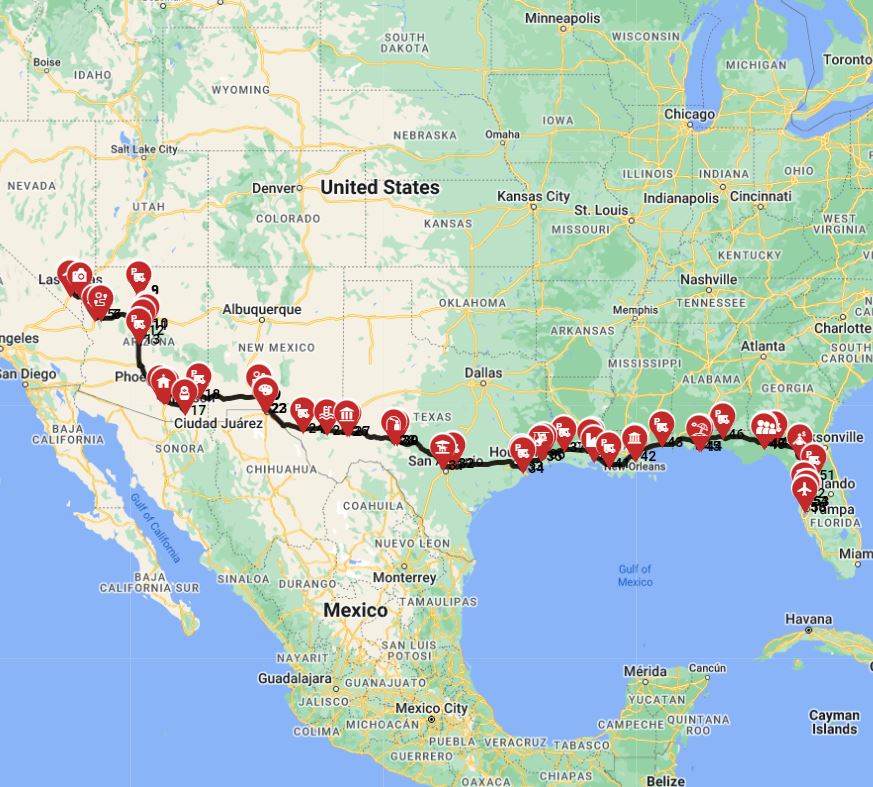
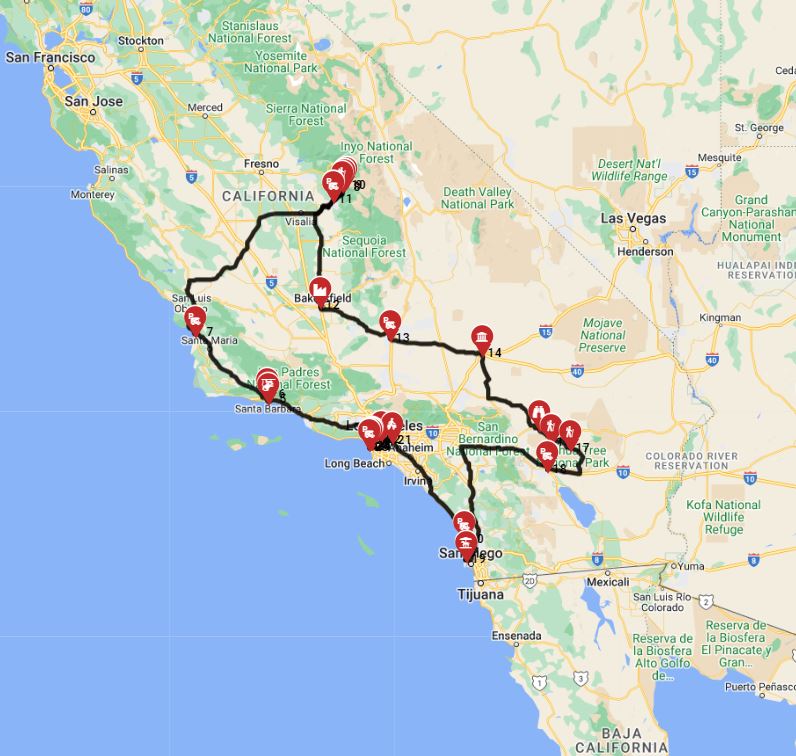
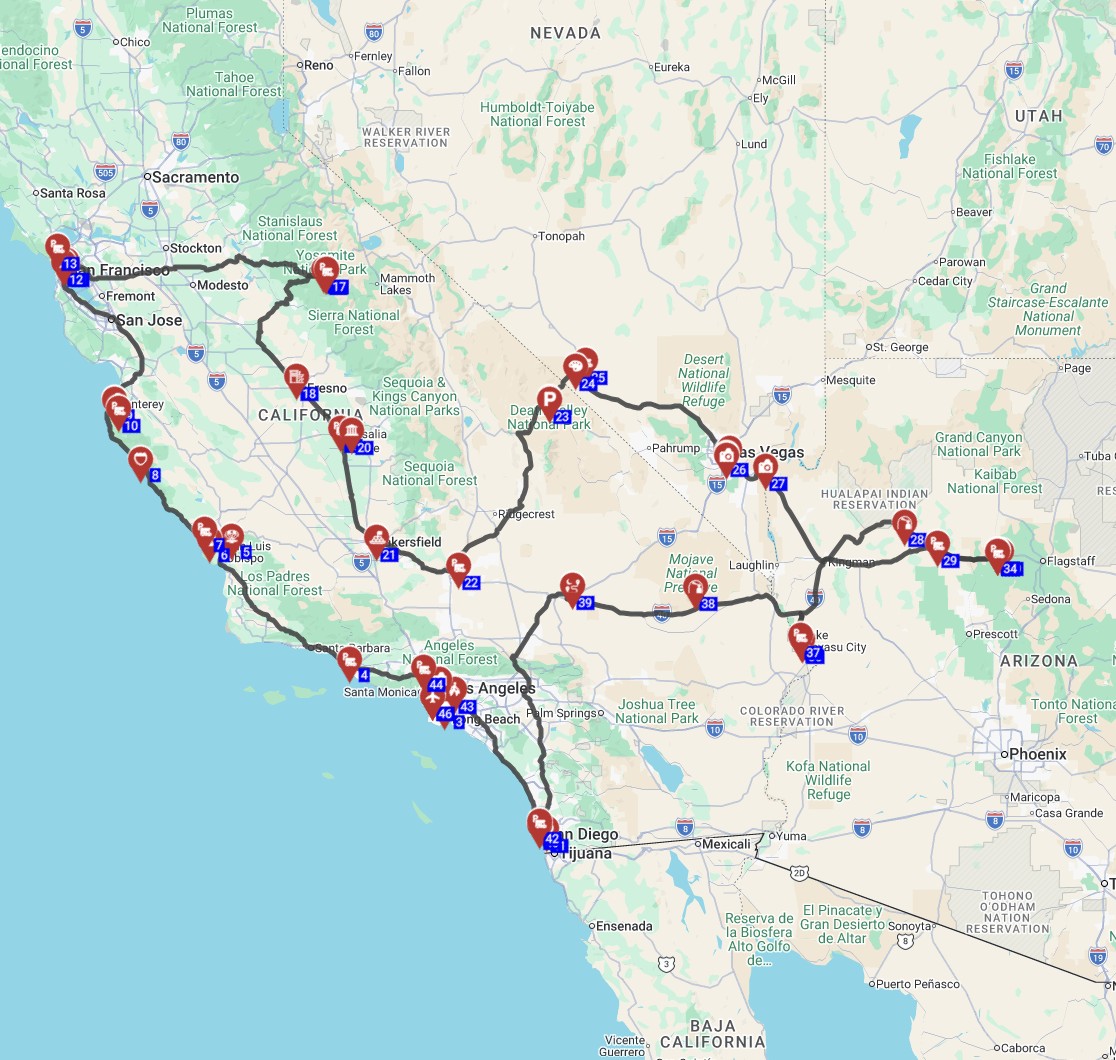
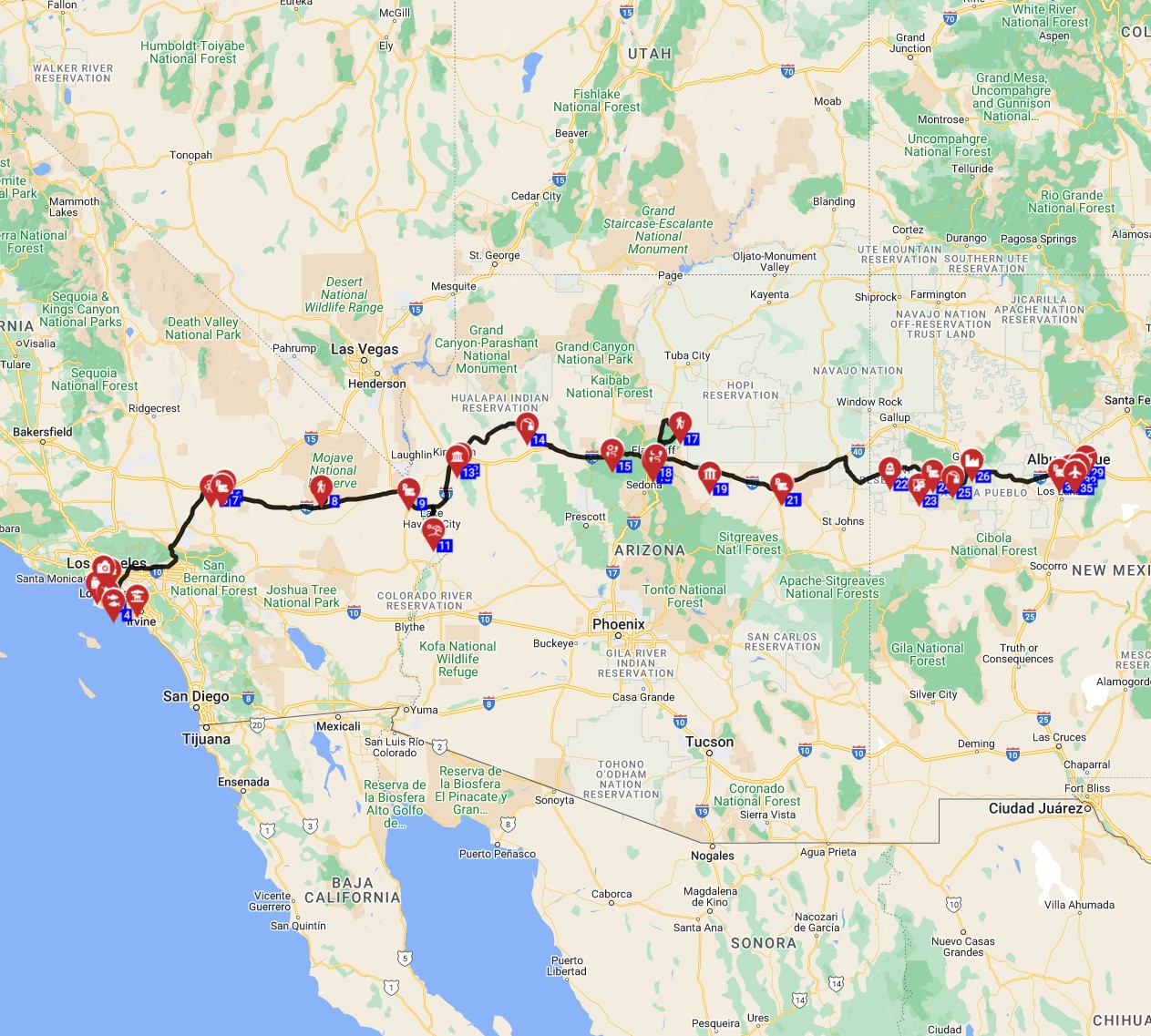
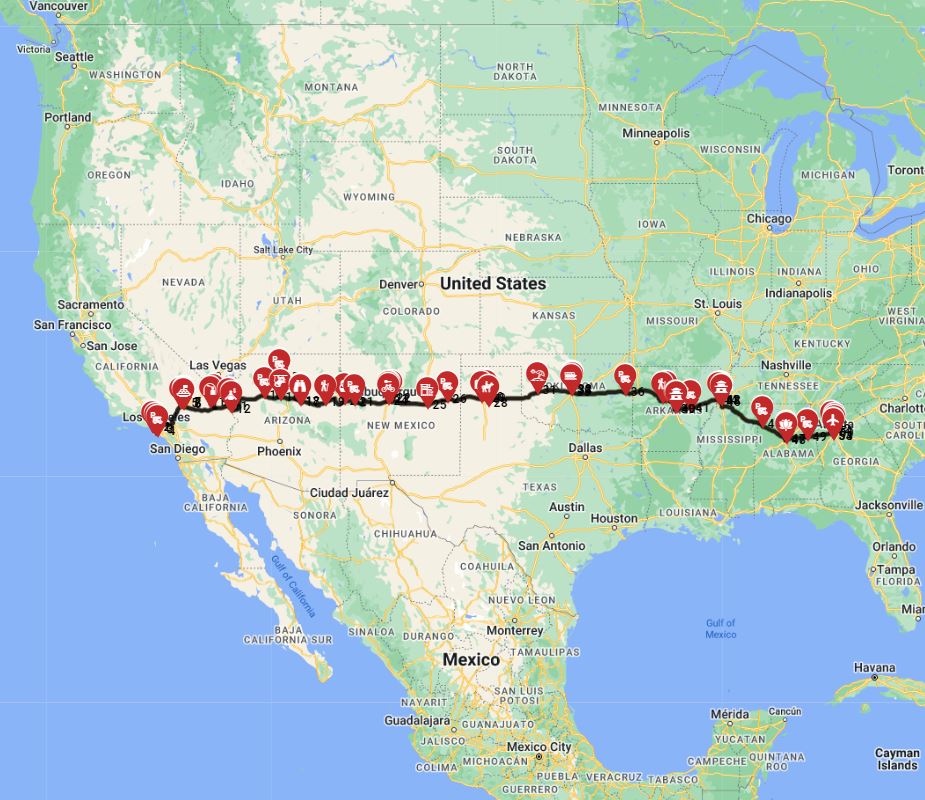
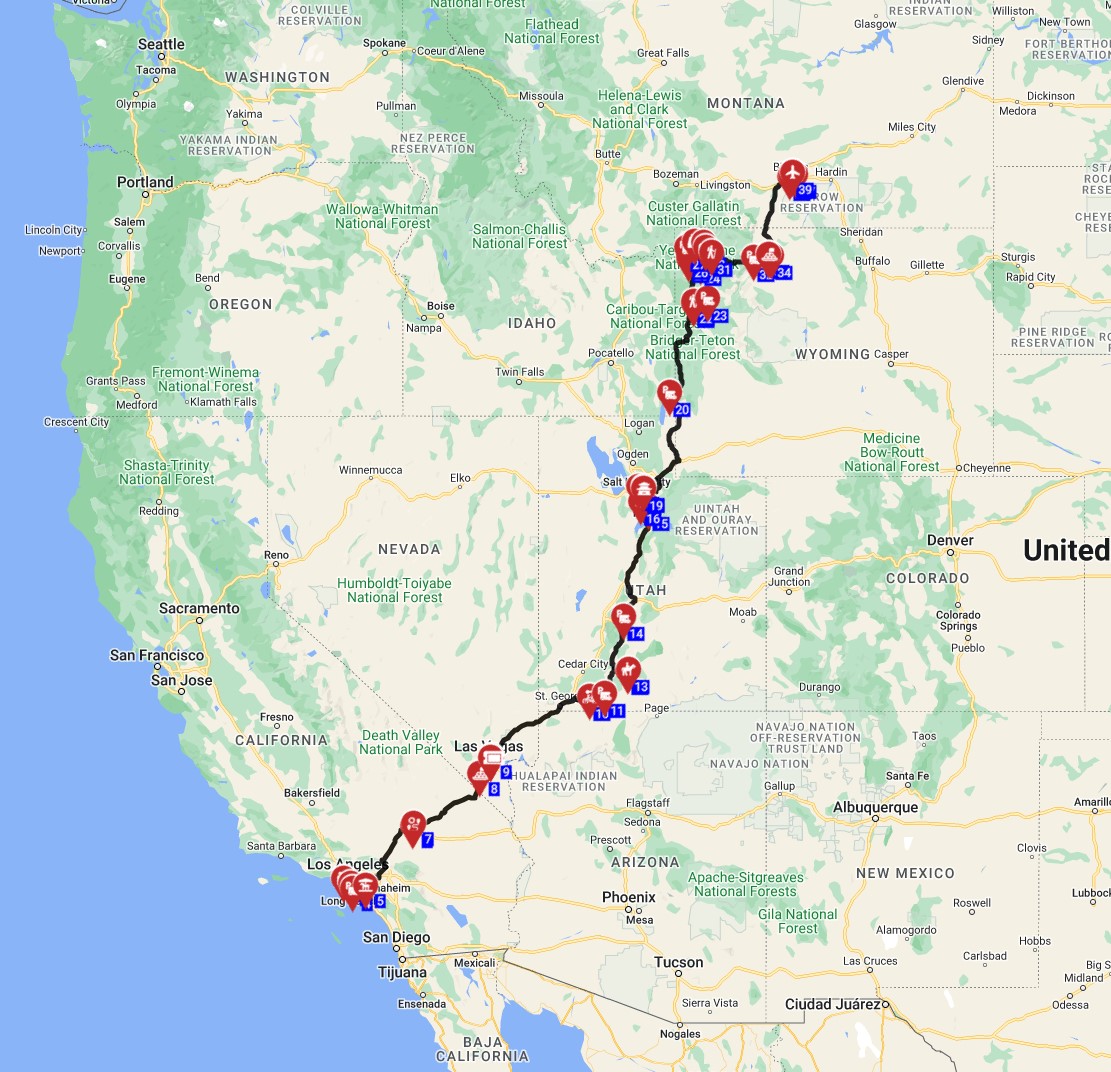
For those seeking a grand cross-country adventure culminating in California, Bandana's RVPlan features the '
Charlotte to San Francisco - Southern Roots and California Shores
Explore this route
For finding campsites and campgrounds during your trip, we recommend using RV PLANET (rvplan.net) - a great resource for locating available spots along your route. Additionally, for any ancillary trip costs beyond the RV rental itself, RV PLANET routes allow travelers to itemize and track every expense along the way for easy budgeting.
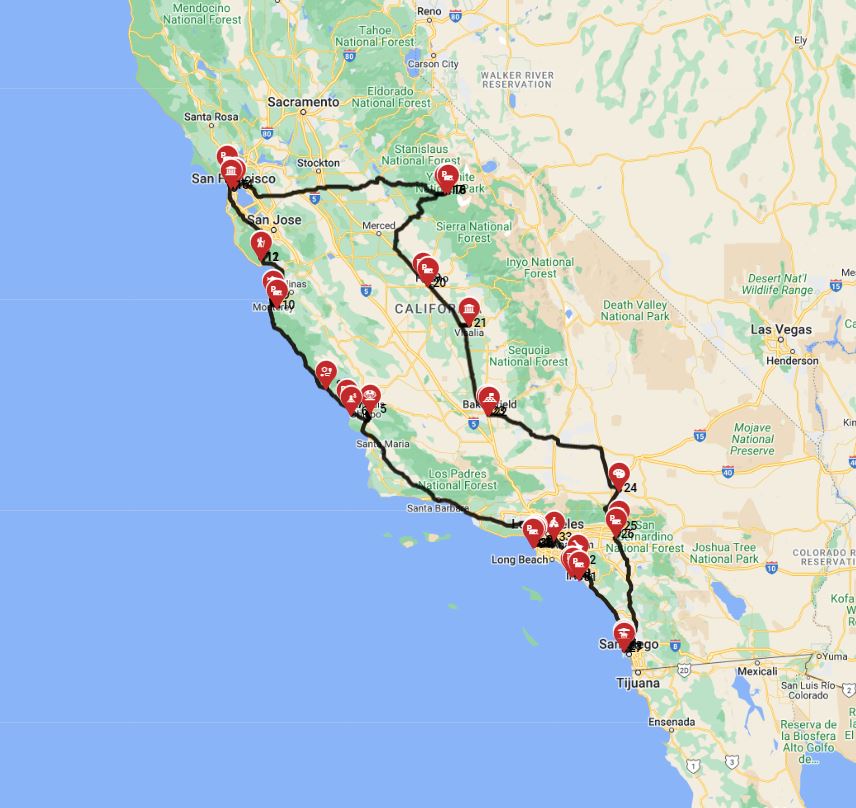
Another fantastic pre-planned itinerary by our professionals is the '
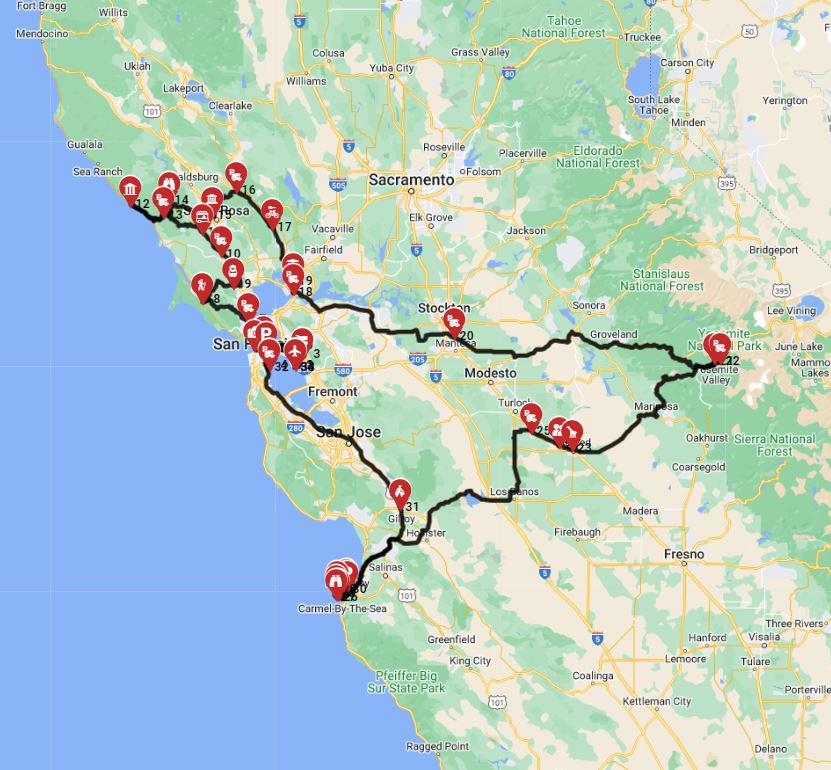
San Francisco Roundtrip
Explore this route
Must-See Stops Along the Way (Avi Bandana Picks)
Looking for expert insights from Avi Bandana? Top 5 Adventures - recommendations from Avi Bandana focus on experiencing authentic California beyond just the major landmarks, encouraging engagement with local culture and unique industries. When planning your route, consider these special stops:- Local Industry: California is incredibly rich with agriculture, world-renowned wineries, and groundbreaking tech industries. Seek out unique tours and insights, such as vineyard tours in Napa Valley or a visit to an artisanal cheese farm along the coast.
- Traditional Market: Immerse yourself in the local scene by seeking out a traditional farmers' market. Here you can discover fresh, regional produce and artisanal goods, perfect for stocking your RV kitchen with ingredients for delicious meals on the road. For inspiration on what to cook, check out our RV-friendly recipes playlist.
- Traditional Restaurant / Fine Dining: Indulge in California's renowned farm-to-table cuisine. From bustling city eateries to quaint roadside diners, the Golden State offers diverse culinary experiences that shouldn't be missed.
- Traditional Visit: Don't just see the sights-experience them. Visit a historic landmark or a cultural center that provides a deeper understanding of California's rich heritage, whether it's an old Spanish mission or a Gold Rush museum.
- Hidden Beaches/Parks: While popular spots like Laguna Beach or Santa Monica Pier are fantastic, seek out quieter coves or lesser-known state parks for a more tranquil experience. You might discover your own private slice of California paradise.
Daily Driving Distances & Drive Times in California
Avi Bandana recommends a maximum of 100 miles or 150 km per day on average to ensure a relaxed and enjoyable RV trip through California. This deliberate pace allows ample time for sightseeing, spontaneous stops, and avoiding driver fatigue, which is especially crucial on California's diverse terrain, ranging from congested city routes to winding mountain roads. For instance, driving from Los Angeles to Santa Barbara, a distance of approximately 150 km (93 miles), typically takes 1.5-2 hours without heavy traffic, leaving most of your day free for exploration. A scenic drive from Monterey to the heart of Yosemite Valley, approximately 270 km (168 miles), can take 3.5-4.5 hours depending on mountain road conditions and the size of your rented RV. Adhering to slower travel maximizes your experience, allowing you to fully appreciate California's beauty without rushing. Remember, with a rented RV, the journey itself is part of the adventure.Best RV Class for This Itinerary - Couple & Family Picks
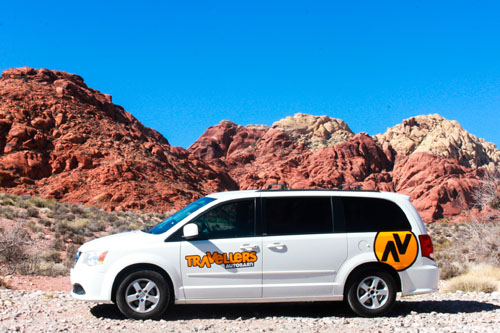
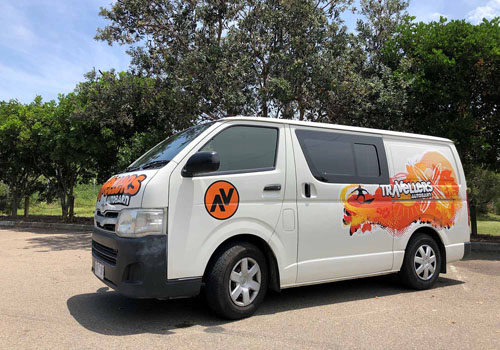
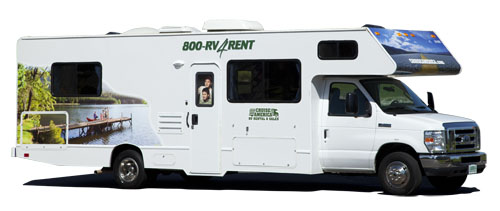
Choosing the right RV class significantly enhances your California road trip, balancing comfort and maneuverability across varied landscapes. For a couple, the Class B - Camper Van is an ideal choice, offering an average length of 5.8 meters and sleeping places for 3.2 individuals, making it nimble for navigating city streets and winding coastal roads like Big Sur while providing essential amenities. These compact motorhomes, such as a "Category Van" or "rv rental denver example Category Van", are easy to drive and park, perfect for two adventurers. For families, the Class C - Alcove is highly recommended, providing an average length of 7.5 meters and sleeping places for 5.8 individuals, with enough space and beds for a comfortable family experience. A "24' Class C Motorhome" or a "C-MEDIUM" motorhome, with ample living space and a separate sleeping area over the cab, is perfectly suitable for national park camping and longer journeys. Both Class B and Class C RVs from Bandana's global fleet typically offer reliable fuel consumption and sufficient load capacity for personal gear. Consider Rent&Plan by Bandana for an RV rental paired with a ready-made itinerary, leveraging travel expert insights and trip-planning software to streamline your California adventure.What is the best RV size for specific California destinations like Big Sur or desert trips?
The best RV size for California destinations like Big Sur or desert trips depends on specific road restrictions and desired maneuverability, as California's landscape varies dramatically. For Big Sur's iconic and winding Highway 1, smaller RVs such as Class B campervans (averaging 5.8m in length) or Class C RVs (averaging 7.5m in length) are generally recommended for easier navigation and parking in smaller pull-offs and campgrounds. Larger Class A integrated motorhomes (averaging 7.5m+) or those with slides may face challenges on certain tight curves or in smaller campgrounds which often have length limits. For desert trips to areas like Joshua Tree or Death Valley, larger Class C or Class SI (semi-integrated, averaging 6.9m) motorhomes offer more comfort and storage for supplies in remote areas, as roads are generally wider, but careful consideration for vehicle performance in extreme heat is crucial. Always check specific park regulations for vehicle length limits before planning your route, especially for National Parks and State Parks, as these limits can vary and be strictly enforced.How do I secure permits and reservations for California National and State Parks?
Securing permits and reservations for popular California National and State Parks requires advance planning, often months ahead, especially for peak seasons (June-August) or popular long weekends. For National Parks like Yosemite or Sequoia, use recreation.gov for campground, wilderness, and entry permit reservations, which are often released in blocks 4-6 months in advance. California State Parks utilize ReserveCalifornia.com for campground and day-use reservations, with booking windows typically opening 6 months prior to the desired date. Popular areas or specific dates can sell out within minutes, so it is highly advisable to create an account beforehand and be ready to book precisely when reservations open. However, remember that many national/state parks reserve only 25-30% of their spots, with the rest available first-come-first-serve. So, if your first choice is full, you'll still find a spot; if not at the first campground, then the next one. Always call ahead before driving to confirm availability. Consider mid-week travel or shoulder seasons (spring/fall) for better availability and fewer crowds, and always have a backup plan for alternative camping or lodging.What are the best practices for boondocking and dispersed camping in California?
Boondocking, or dispersed camping, in California is primarily found on Bureau of Land Management (BLM) land and within National Forests, offering free, primitive campsites away from developed facilities. For legality, always check specific BLM field office or National Forest district rules, as regulations vary by region and can change, but general rules include staying within designated areas, camping for no more than 14 days in one spot, and strictly adhering to local fire restrictions. Safety is paramount when boondocking: inform someone of your itinerary, carry ample water (a Class C motorhome like the "CA-25" often has a 151-liter fresh water tank, suitable for several days), food, and fuel, have reliable communication (a satellite messenger is ideal for no-cell-service areas), and be prepared for wildlife encounters. For etiquette, practice 'Leave No Trace' principles by packing out all trash, properly disposing of human waste, minimizing your footprint, and respecting wildlife and other campers. Use resources like iOverlander, Campendium, and Gaia GPS to find legal and accessible boondocking sites, and always scout locations in daylight before committing to an overnight stay.How much does an RV trip to California cost, and how can I save money?
The total cost of an RV trip to California varies widely, but typically includes RV rental fees, fuel, campground fees, food, and activities, averaging $150-$400+ per day depending on RV size, season, and itinerary choices. RV rental fees for Bandana's global fleet typically range from $100-$300+ per night for a Class C motorhome like "cruise america rv rental example Explorer" depending on RV class, season, and duration; these prices are dynamic, changing daily based on availability and supplier decisions, similar to flight tickets. Fuel costs are a significant factor, with common fuel consumption for Class C RVs around 10-12 Liters/100 km; plan your route to minimize backtracking and use apps to find the best gas prices. Campground fees range from free (boondocking on BLM land) to $30-$80+ per night for full hookup sites at private resorts; booking State or National Park campgrounds can often be more economical. To significantly save money on your RV rental adventure, cook most meals in your RV using its onboard kitchen (you can find inspiration on our RV-friendly recipes playlist), utilize free dispersed camping where permitted, travel during the shoulder seasons (spring or fall), and look for free or low-cost activities like hiking and beach visits. For detailed budgeting and expense tracking on your route, consider using RV PLANET routes, which allow you to itemize every expense along the way. For more detailed pricing insights, refer to "RV Rental in California - Prices and Best Deals 2026" or "Luxury RV Rental in California - Premium Prices 2026".What are the seasonal considerations for RV travel in California?
RV travel in California is profoundly impacted by distinct seasonal challenges and opportunities that require specific planning and preparedness to ensure a smooth and enjoyable journey. During winter (December-March), mountain passes, such as the famous Tioga Road in Yosemite, are often closed due to heavy snow, significantly limiting access to higher elevations; however, desert areas like Death Valley National Park or Anza-Borrego Desert State Park are ideal with mild temperatures, though nights can still be chilly. Spring (April-May) is generally excellent, featuring vibrant wildflowers, moderate temperatures, and melting snowpack that fills waterfalls to spectacular levels; popular parks begin opening more areas, but snow can still persist at higher elevations. Summer (June-August) marks the peak tourist season, characterized by scorching desert temperatures (often 100°F+/38°C+), crowded coastal areas, and an increased risk of wildfires, necessitating early booking for all campgrounds and attractions and constant monitoring of fire alerts. Fall (September-October) is another ideal season, offering pleasant temperatures, stunning changing foliage in the mountains, and fewer crowds than summer; however, travelers should still be mindful of potential fire season activity, especially in early fall. Always check weather forecasts, road conditions (Caltrans is a vital resource), and fire alerts (Cal Fire) before and during your trip, and ensure your rented motorhome is prepared for varied climates.What are some lesser-known scenic RV routes and hidden gems in California?
Beyond the iconic Pacific Coast Highway and major National Parks, California offers numerous lesser-known scenic RV routes and hidden gems for a unique and memorable travel experience with your rented motorhome. The 'Volcanic Legacy Scenic Byway' in Northern California traverses Lassen Volcanic National Park and Mount Shasta, presenting geological wonders and fewer crowds than the more famous parks. Explore the Eastern Sierra Scenic Byway (US-395) for stunning mountain views, access to natural hot springs, and unique ghost towns like Bodie, offering a stark contrast to the coastal hustle. Discover the 'Lost Coast' - a rugged, undeveloped stretch of coastline in Northern California perfect for those seeking true solitude and who are comfortable with more primitive camping, as facilities are minimal. Visit Anza-Borrego Desert State Park in Southern California for incredible badlands, slot canyons, and vibrant spring wildflowers, especially enjoyable in cooler months. The 'Mojave National Preserve' provides vast desert landscapes, dramatic volcanic cinder cones, and extensive Joshua tree forests, offering a unique and tranquil experience away from California's popular beaches and mountains. For inspiration on longer, multi-state adventures that include California's hidden gems, check out our "RV Rental USA - Complete Guide 2026".How can I ensure cell service and internet connectivity in remote California RV areas?
Ensuring cell service and internet connectivity in remote California RV areas requires proactive strategies, as coverage can be sporadic or non-existent, especially within national parks and mountainous regions. Before your trip, research coverage maps for major carriers (Verizon, AT&T, T-Mobile) along your planned route, as different providers excel in different regions across California. Consider investing in a cellular booster or an external antenna for your rented RV, which can significantly amplify weak signals and improve data speeds in fringe areas, allowing you to stay connected for basic needs. Mobile hotspots or dedicated Wi-Fi devices with unlimited data plans are valuable tools, but their effectiveness is still dependent on the availability of a cellular signal in the first place. For truly remote areas where cell service is completely absent, a satellite messenger device (e.g., Garmin inReach) provides essential emergency communication and basic texting capabilities, which is crucial for safety and peace of mind when venturing off-grid. Remember that Bandana provides 24/7 support for pre-booking, booking, and post-booking coordination, but in-trip communication relying on cell service in remote areas is your responsibility.What are the best tips for traveling with pets in an RV in California?
Traveling with pets in an RV in California can be a rewarding experience, but it requires careful planning to navigate specific park regulations and ensure your pet's comfort and safety. Many California State Parks and National Forests are pet-friendly, generally allowing leashed dogs in campgrounds, picnic areas, and on paved roads or trails. However, National Parks often have more restrictive pet policies, typically limiting pets to paved areas, developed campgrounds, and roads accessible by vehicles, with many hiking trails being off-limits. Always check individual park websites for their specific pet policies before visiting, as regulations can vary significantly and some areas (e.g., backcountry, sensitive ecological zones) are strictly off-limits to pets. Look for pet-friendly attractions such as designated dog beaches (e.g., Carmel Dog Beach) or outdoor patios at breweries and restaurants, and utilize apps like BringFido to find accommodating places. Ensure your rented RV is equipped for pet comfort, including a secure crate for travel, adequate ventilation, sufficient water, and shade; never leave pets unattended in an RV, especially in hot weather, as interior temperatures can rise rapidly to dangerous levels.How do I prepare for safety and unique conditions while RVing in California?
Preparing for safety and unique conditions while RVing in California involves awareness of the state's natural phenomena, diverse wildlife, and specific driving challenges. When it comes to wildlife, be aware of bears in mountain regions (always store food properly in bear-proof containers or your RV's interior, never outside), rattlesnakes in deserts and dry areas, and mountain lions; always maintain a safe distance and never feed wild animals. California is prone to natural disasters, particularly earthquakes and wildfires; familiarize yourself with basic earthquake safety protocols, monitor fire alerts via Cal Fire and local news, and have an evacuation plan if traveling during fire season (typically late summer and fall). RVs require cautious driving on steep, winding mountain roads, which are common in California's national parks and Sierra Nevada regions; use lower gears to control your speed on descents, be mindful of brake fade, and ensure your vehicle is in excellent mechanical condition for both ascents and descents. For navigation, always carry physical maps in addition to relying on GPS, as cell service can be unreliable in remote areas, and be prepared for sudden weather changes, especially in high elevations or deserts.How can I experience local culture and unique food on a California RV trip?
Experiencing local culture and unique food on a California RV trip involves intentionally seeking out regional specialties, community events, and actively engaging with local communities beyond the typical tourist spots. For food, immerse yourself in California's diverse culinary landscape by visiting farmers' markets for fresh, seasonal produce (e.g., the Santa Monica Farmers Market), sampling regional specialties like delicious fish tacos in Southern California, renowned sourdough bread in San Francisco, or exquisite wines in Napa and Sonoma Valleys. To experience local culture, look for local festivals, art fairs, and community events in the towns and cities you visit, which often showcase unique traditions, local talent, and a true sense of place. Stop at roadside stands for fresh fruit, nuts, or local artisan goods, particularly abundant in agricultural regions like the Central Valley or around Paso Robles. Integrate visits to California's historic missions or Gold Rush towns to delve into the state's rich past and Spanish-Mexican heritage, providing a deeper understanding of the Golden State's unique cultural tapestry. This approach allows you to truly connect with the heart and soul of California.What You Shouldn't Miss
- Looking for expert insights from Avi Bandana? Top 5 Adventures - recommendations from Avi Bandana:
- Drive Highway 1 through Big Sur. This iconic coastal route offers breathtaking views and is a quintessential California RV experience.
- Explore Yosemite Valley. Stand in awe of El Capitan, Half Dome, and the magnificent waterfalls. Secure your campground reservations well in advance.
- Visit a Farmers Market. Stock up your RV kitchen with fresh, local produce and artisanal treats.
- Discover a historic Gold Rush town like Bodie Ghost Town. Step back in time and explore a well-preserved piece of California's past in the Eastern Sierra.
- Experience stargazing in a Dark Sky Park. Head to Anza-Borrego Desert State Park for incredible celestial views away from light pollution.
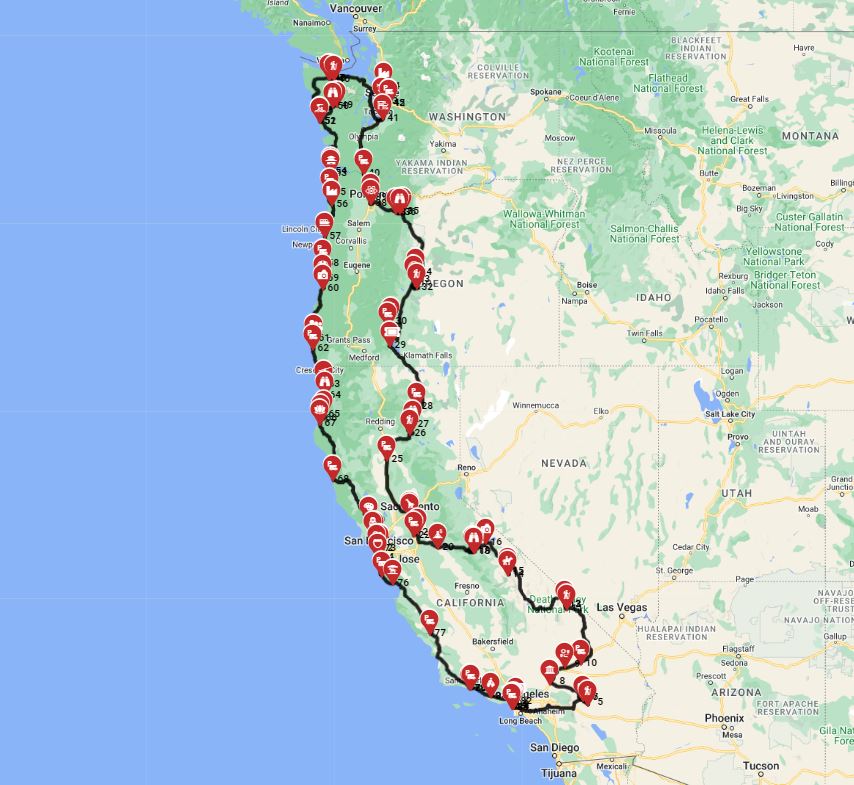
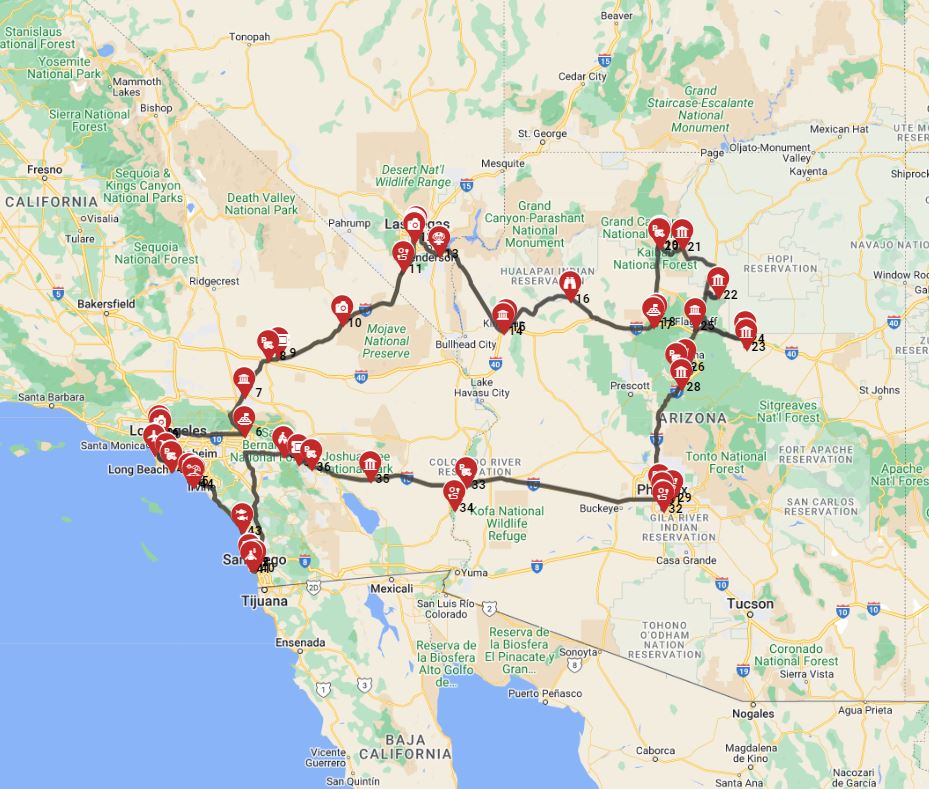
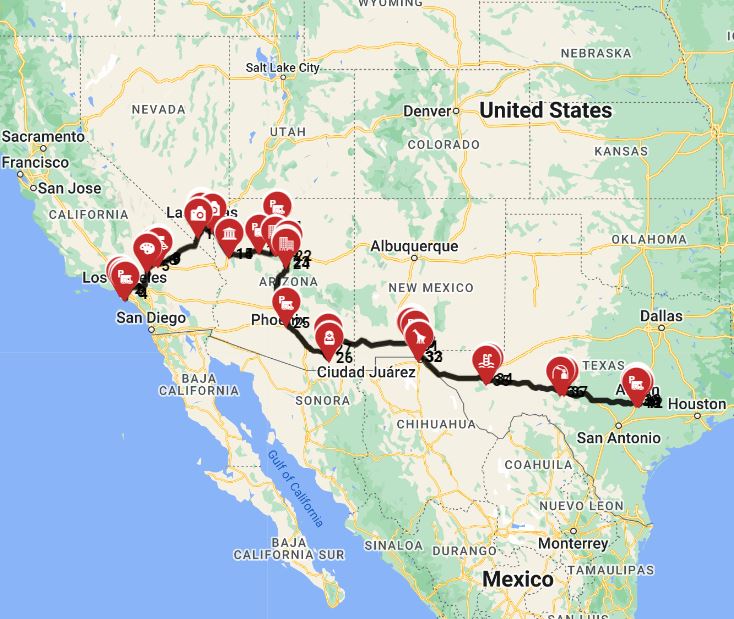
- Journey from San Diego to Seattle on an 18-day, 3370.8 km route with RV PLANET. This route includes 1 Amusement Park, 1 Animals Show / Wildlife watch, 1 Aquarium, 1 Bike Rental, 2 Botanical garden, 1 Canoe / Kayak / Rafting, 1 cave, 1 Cruise Terminal / Sailing, 1 Extreme Activity, 1 Family Activity, 1 Heritage, 6 hiking area, 1 Historical Site, 1 Horseback Riding, 2 Museum, 2 Natural Feature, 1 Picnic Area, 1 Science Site, 1 Traditional Market, 1 Water Park, and 1 Zoo for an incredibly varied adventure.
Explore this route
Final Thoughts
California truly is a paradise for RV travelers, offering an incredible variety of landscapes and experiences, from sun-kissed beaches to towering redwood forests and majestic mountain ranges. With a rented motorhome, you unlock the freedom to explore at your own pace, creating unforgettable memories with every mile. Whether you opt for a week-long coastal cruise or an extended two-week adventure through national parks, the Golden State promises a journey like no other. At Bandana, we are committed to making your RV rental experience as seamless and enjoyable as possible. We pride ourselves on full transparency, expert support from true RV specialists, and the convenience of pre-planned routes from RV PLANET. Our goal is to empower you to embrace the adventure, knowing all the small details are taken care of. So, why wait? Discover your perfect itinerary and start planning your California RV dream trip today. Get inspired for your next trip! Discover top destinations, planning tips, all in one place! Plan a trip itinerary in advance with minimal effort and maximum enjoyment.On the routes offered through RV PLANET routes, you can itemize and track every expense along the way for easy budgeting.