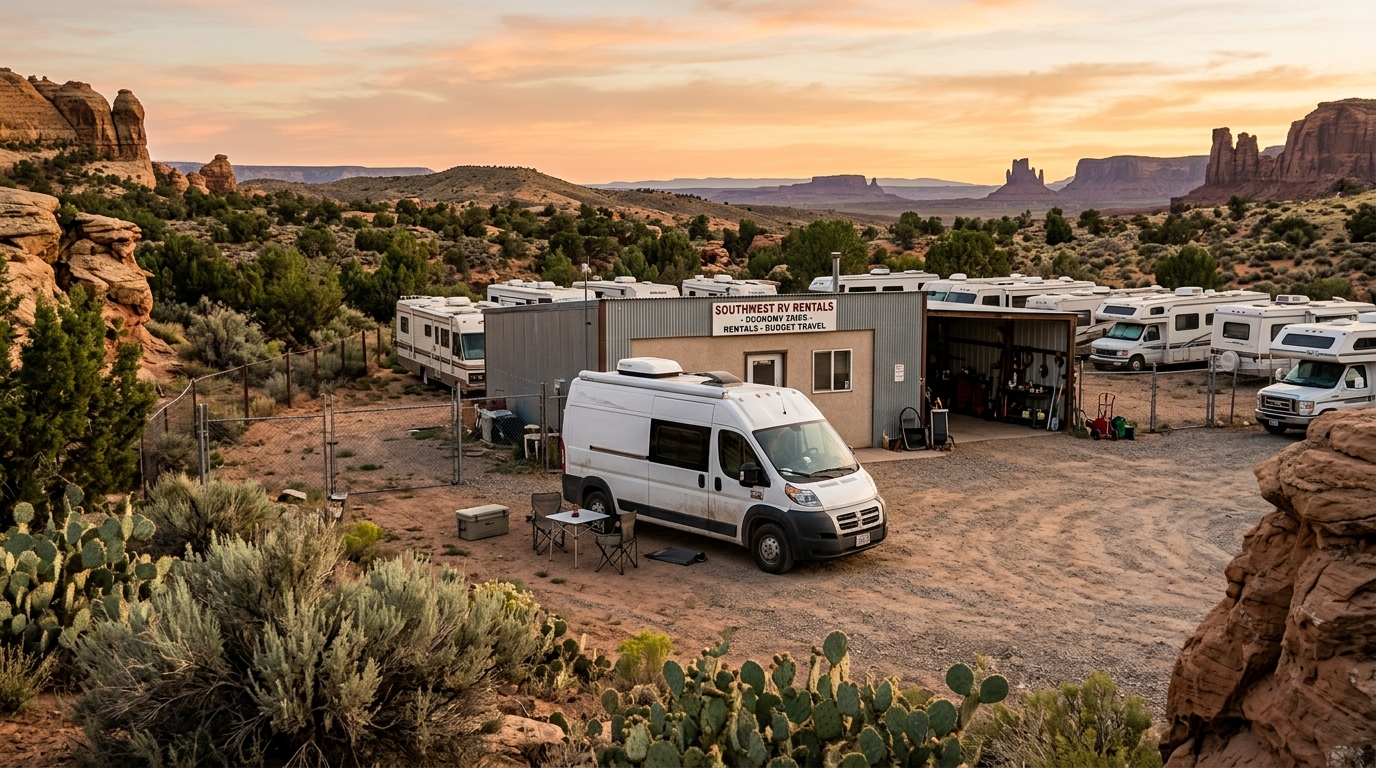
For live availability and current prices, start with our RV Rental South West US - Complete Guide 2026 guide.
In This Guide
- Best South West US RV Itinerary for airport rv rental — Overview
- 7-Day Classic Route in South West US
- 14-Day Extended Journey in South West US
- Recommended RVPlan Trip for South West US
- Must-See Stops Along the Way (Avi Bandana Picks)
- Daily Driving Distances & Drive Times in South West US
- Best RV Class for This Itinerary — Couple & Family Picks
- What should I know before RVing out West?
- What is the best way to travel the Southwest?
- What states are considered the Southwest US?
- How much does it cost to RV the Southwest?
- What is the best time of year to RV in the Southwest?
- Is RVing in the Southwest safe?
- Is RVing in the desert safe?
- What is unique about the Southwest region?
- What is the most scenic route through the Southwest?
- What are the best RV campgrounds in the Southwest?
Best South West US RV Itinerary for airport rv rental — Overview
The South West US offers an unparalleled RV adventure, characterized by its dramatic desert landscapes, vibrant cultural heritage, and iconic natural wonders. For those arriving at major airport hubs like Phoenix, AZ, or Las Vegas, NV, a rented RV provides the ultimate flexibility to explore this vast and diverse region. A minimum of 7 days is recommended for a taste of the Southwest, but an ideal itinerary spans 10-14 days or more to truly immerse yourself. The best seasons for RV travel here are Spring (April-May) and Fall (September-October), when the weather is most pleasant for outdoor activities. Expect to cover approximately 1,500-2,000 km (900-1,200 miles) for a comprehensive journey that includes natural wonders, cultural sites, and remote desert experiences.
7-Day Classic Route in South West US
A 7-day RV itinerary through the South West US offers a compelling journey through some of its most iconic destinations, starting from major airport hubs.
- Day 1: Phoenix, AZ → Sedona, AZ (~160 km / 100 miles). Begin your adventure by picking up your rented RV and heading north to Sedona, known for its stunning red rock formations. The Red Rock Scenic Byway is a must-drive. Overnight at Dead Horse Ranch State Park for a taste of desert camping.
- Day 2: Sedona, AZ → Grand Canyon South Rim, AZ (~180 km / 110 miles). Continue your scenic drive to the Grand Canyon, one of the world's most breathtaking natural wonders. Stop at the Desert View Watchtower for panoramic views. Camp at Mather Campground (NPS) for prime access to the canyon's south rim.
- Day 3: Grand Canyon South Rim, AZ → Page, AZ (~220 km / 135 miles). Explore more of the Grand Canyon in the morning before driving to Page. Here, marvel at the iconic Horseshoe Bend and consider booking a tour for the mesmerizing Antelope Canyon. Overnight at Wahweap RV Park, offering views of Lake Powell.
- Day 4: Page, AZ → Zion National Park, UT (~200 km / 125 miles). Embark on a beautiful drive along Highway 89 towards Zion National Park in Utah, famous for its towering sandstone cliffs. Settle into the Watchman Campground (NPS) within the park for an immersive experience.
- Day 5: Zion National Park, UT (Explore Zion). Dedicate the day to exploring Zion's wonders. Hike to the Emerald Pools or take the Riverside Walk, which leads to the famous Narrows. Return to the Watchman Campground (NPS).
- Day 6: Zion National Park, UT → Valley of Fire State Park, NV (~150 km / 95 miles). Drive southwest into Nevada to Valley of Fire State Park, known for its vibrant Aztec sandstone formations and ancient petroglyphs. The Valley of Fire State Park Campground offers a unique desert camping experience.
- Day 7: Valley of Fire State Park, NV → Las Vegas, NV (~80 km / 50 miles). Enjoy a short drive to Las Vegas. Depending on your flight schedule, you can explore a bit of the city before returning your RV to the airport rental depot.
14-Day Extended Journey in South West US
For those with more time, a 14-day RV journey allows for a deeper exploration of the South West US, encompassing more of Arizona, Utah, Colorado, and Nevada's treasures.
Week 1: Arizona's Red Rocks & Grand Canyons
- Day 1-2: Phoenix, AZ → Sedona, AZ. Explore Sedona's vibrant red rock country and enjoy local hiking trails.
- Day 3-4: Sedona, AZ → Grand Canyon South Rim, AZ. Spend ample time hiking, taking in viewpoints, and stargazing at the Grand Canyon.
- Day 5: Grand Canyon South Rim, AZ → Page, AZ. Visit Horseshoe Bend and Antelope Canyon (booking tours in advance is highly recommended).
- Day 6: Page, AZ → Monument Valley, AZ/UT (~200 km / 125 miles). Drive to Monument Valley, a stunning tribal park with iconic buttes. Stay at Goulding's RV Park.
- Day 7: Monument Valley, AZ/UT → Mesa Verde National Park, CO (~260 km / 160 miles). Travel to Colorado to explore the ancient Pueblo cliff dwellings at Mesa Verde National Park. Camp at Morefield Campground (NPS).
Week 2: Utah's Mighty 5 & Nevada's Desert Oasis
- Day 8: Mesa Verde National Park, CO → Arches National Park, UT (~200 km / 125 miles). Head into Utah to witness the natural arches of Arches National Park, including Delicate Arch and Landscape Arch. Camp at Devil's Garden Campground (NPS).
- Day 9: Arches National Park, UT → Canyonlands National Park, UT (~50 km / 30 miles). A short drive takes you to Canyonlands National Park, focusing on the Island in the Sky district. Overnight at Willow Flat Campground (NPS) or nearby Moab.
- Day 10: Canyonlands National Park, UT → Capitol Reef National Park, UT (~230 km / 145 miles). Drive through scenic Utah to Capitol Reef National Park, enjoying its orchards and geological wonders. The Fruita Campground (NPS) is a great option.
- Day 11: Capitol Reef National Park, UT → Bryce Canyon National Park, UT (~180 km / 110 miles). Continue to Bryce Canyon National Park, famous for its unique hoodoos and scenic overlooks. The North Campground (NPS) offers stunning vistas.
- Day 12: Bryce Canyon National Park, UT → Zion National Park, UT (~140 km / 85 miles). Drive to Zion, where you can tackle challenging hikes like Angels Landing or explore The Narrows. Stay again at the Watchman Campground (NPS).
- Day 13: Zion National Park, UT → Valley of Fire State Park, NV (~150 km / 95 miles). Enjoy more of Zion before heading to Nevada's Valley of Fire State Park for its petroglyphs and colorful rock formations. Camp at the park's campground.
- Day 14: Valley of Fire State Park, NV → Las Vegas, NV (~80 km / 50 miles). A brief drive brings you back to Las Vegas, where you can return your RV to the airport depot, concluding your epic South West adventure.
Recommended RVPlan Trip for South West US
While specific pre-made RVPlan trips for the South West US are curated to simplify your travel planning, remember that our platform allows you to tailor your adventure. You can select your ideal RV and then access expert-curated itineraries that can be easily adapted to regions like the South West US. Explore ready-made itinerary options to streamline your preparations, benefiting from detailed route planning, campground suggestions, and points of interest that highlight the best of the region.
Must-See Stops Along the Way (Avi Bandana Picks)
Beyond the famous national parks, the Southwest is rich with incredible, often less crowded, destinations. Avi Bandana personally recommends these unique stops for an unforgettable RV journey:
- Chaco Culture National Historical Park, NM: Delve into the history of an ancient Pueblo civilization at this remarkable cultural site, offering a profound glimpse into indigenous history far from the usual tourist paths.
- Valley of Fire State Park, NV: Nevada's oldest state park is a photographer's dream, showcasing vibrant Aztec sandstone formations and ancient petroglyphs. It's an ideal spot for scenic drives and quiet contemplation.
- Goosenecks State Park, UT: Witness the striking geological formation of entrenched meanders of the San Juan River, a dramatic and unique landscape distinct from the Grand Canyon's scale.
- Sedona's Vortex Sites, AZ: Experience the spiritual draw of Sedona's red rock formations. Consider a local guided hike to truly connect with the energy of these unique sites.
- Dead Horse Point State Park, UT: Offering views of the Colorado River's bends that rival the Grand Canyon's grandeur, this park provides a more serene setting for quiet reflection and stunning photography, away from national park crowds.
Daily Driving Distances & Drive Times in South West US
To truly savor the Southwest's expansive beauty and allow for spontaneous discoveries, Avi Bandana recommends a pace of no more than 100 miles (150 km) per day on average when RVing. This approach to slow travel ensures you can fully absorb the dramatic landscapes and unexpected moments. As a general rule of thumb, plan for 100 miles (150 km) or 2-3 hours of pure driving daily, which leaves ample time for stops, exploration, and simply enjoying the journey.
- For example, the drive from Las Vegas, NV to Zion National Park, UT, is approximately 260 km (160 miles) and typically takes about 2.5-3 hours of driving time. However, budgeting an additional 1-2 hours for scenic overlooks and photo stops is wise.
- The 160 km (100 miles) drive from Phoenix, AZ to Sedona, AZ, is a beautiful 2-hour journey, perfect for a leisurely morning departure, allowing you to explore Sedona thoroughly upon arrival.
- Always consider that mountain passes, unpaved roads in remote areas, and long stretches between services can significantly extend travel times. Consulting detailed maps and checking current road conditions before you set off are essential for a smooth trip.
Best RV Class for This Itinerary — Couple & Family Picks
Choosing the right RV class is crucial for enhancing your South West adventure. For couples seeking agility and ease of navigation, a compact Class B Camper Van is ideal, averaging around 5.8 meters in length and seating capacity for 2-3 people (based on Bandana's global fleet average).
These vehicles offer excellent maneuverability for scenic byways, easier parking at trailheads, and generally better fuel efficiency. For families, the Class C Alcove RV is a highly recommended choice. Averaging about 7.5 meters in length and sleeping up to 5-6 people (Bandana's global fleet average), they provide ample living space, extra sleeping capacity in the alcove over the cab, and sufficient storage for a comfortable family road trip through the vast Southwest.
After selecting your ideal RV, consider using Bandana Caravan's "Rent & Plan" service for access to ready-made, expert-curated itineraries that simplify route planning.
What should I know before RVing out West?
Before embarking on an RV adventure in the West, particularly the arid Southwest, it's essential to be prepared for its unique environmental conditions and opportunities. Understanding the prevalence of boondocking (free dispersed camping on Bureau of Land Management land), the critical importance of water and power management in remote areas, and the need for specific gear for desert conditions like shade structures and dust mitigation will significantly enhance your experience.
- Water & Power Management: Remote areas often lack hookups, so active water conservation is key.
- Boondocking: Vast BLM lands offer free camping, but demand self-sufficiency.
- Desert Gear: Pack ample shade, plenty of water, durable tires, and essential tools.
- Cell Service: Expect spotty coverage in remote areas; a satellite communication device is recommended for emergencies.
- Safety: Familiarize yourself with flash flood risks, safe wildlife encounters, and heatstroke prevention.
- Local Regulations: Be aware of fire bans, BLM permit requirements, and always practice Leave No Trace principles.
- Pet Travel: Consider paw protection, hydration, and identifying emergency vet access in hot climates.
What is the best way to travel the Southwest?
The most rewarding way to travel the Southwest is undeniably by RV, offering unparalleled flexibility to explore its vast and varied landscapes, stay immersed in nature, and carry the comforts of home. This freedom allows access to remote locations often inaccessible by traditional accommodations.
- Flexibility: An RV enables spontaneous itinerary changes, letting you linger longer at favorite spots or discover hidden gems.
- Access: RV travel provides direct access to national parks, state parks, and extensive BLM lands, putting you closer to nature's grandeur.
- Comfort: Enjoy a mobile living space with a kitchen for cost-effective meals, a private bathroom, and your own familiar bed.
- Immersive Experience: Wake up to breathtaking views, enjoy exceptional stargazing from your doorstep, and truly connect with the environment.
- Cost-Effectiveness: Over longer durations, RVing can be more economical than hotels and dining out, especially when incorporating boondocking.
What states are considered the Southwest US?
The core states typically considered part of the Southwest US are Arizona and New Mexico. However, large portions of Utah, Nevada, California, Colorado, and even Texas are often included due to their shared arid landscapes, distinctive ecosystems, and overlapping cultural heritage, encompassing everything from the Sonoran Desert to the Colorado Plateau.
- Core States: Arizona and New Mexico form the historical and geographical heart of the region.
- Expanded Region: Southern Utah (Zion, Bryce), Southern Nevada (Las Vegas, Valley of Fire), Southeastern California (Death Valley, Joshua Tree), Southwestern Colorado (Mesa Verde), and West Texas (Big Bend) all share common Southwest characteristics.
- Shared Characteristics: Arid landscapes, unique desert biomes, significant Native American cultural influences, and Spanish colonial history define the region.
How much does it cost to RV the Southwest?
The cost of an RV trip through the Southwest can vary significantly, typically ranging from $100 to $300+ per day. This estimate encompasses RV rental fees, fuel consumption across vast distances, campground expenses (or savings from boondocking), and admissions to various attractions.
- RV Rental: Expect daily rates from $75 to $250+, depending on the RV class, season, and rental duration.
- Fuel: This is a major expense due to the sheer distances and lower fuel efficiency of RVs, budgeting for approximately 10-15 liters/100km (or 6-8 mpg for larger models) is advisable.
- Campgrounds: Developed sites in national and state parks or private RV parks can cost $20-$70+ per night. Purchasing an "America the Beautiful" pass ($80/year) can be cost-effective if visiting multiple national parks.
- Boondocking: Free camping on BLM land offers significant cost savings but requires greater self-sufficiency.
- Food: Preparing meals in your RV's galley can save substantially compared to dining out, a crucial budget consideration in remote areas.
- Activities: Remember to budget for tours (e.g., Antelope Canyon), cultural site fees, and other recreational activities.
What is the best time of year to RV in the Southwest?
The most favorable times for RVing in the Southwest are generally spring (April to May) and fall (September to October). During these periods, temperatures are mild and ideal for hiking and exploration, avoiding the extreme desert heat of summer and potential winter closures in higher elevations.
- Spring (April-May): Enjoy pleasant temperatures, witness wildflowers in bloom, and often encounter fewer crowds than in peak summer.
- Fall (September-October): Experience cooler temperatures, potentially vibrant autumn colors in higher elevations, and typically clear skies perfect for stargazing.
- Winter (November-March): Desert areas like Phoenix and Tucson are ideal, but higher elevations may experience snow and limited access.
- Summer (June-August): Desert lows can reach extreme temperatures, making outdoor activities challenging. Focus on higher elevation parks or plan activities for early morning and late evening.
Is RVing in the Southwest safe?
RVing in the Southwest is generally safe, provided you are well-prepared for its unique environmental challenges, including extreme heat, potential flash floods, wildlife encounters, and the vastness of remote terrain.
- Heatstroke Prevention: Stay constantly hydrated, avoid strenuous activity during peak heat, and seek shade whenever possible.
- Flash Floods: Always monitor weather forecasts, avoid camping in washes, and know your escape routes, even on clear days.
- Wildlife: Secure food, maintain a respectful distance from animals, and be aware of your surroundings.
- Navigation: Carry physical maps and download offline maps, as cellular service can be unreliable in many remote areas.
- Vehicle Preparedness: Ensure tires are in good condition, check fluid levels, and carry spare fuel and water, especially for long, remote drives.
- Personal Safety: Always lock your RV, secure valuables, and inform someone of your itinerary, particularly when venturing off-grid.
Is RVing in the desert safe?
RVing in the desert is safe when travelers take specific precautions against the extreme arid environment. This includes meticulous water management, robust sun protection, and a keen awareness of specific desert wildlife and geological hazards.
- Hydration: Carry significantly more water than you anticipate needing for drinking, cooking, and sanitation, as water sources are scarce.
- Sun Protection: High SPF sunscreen, wide-brimmed hats, UV-protective clothing, and shade structures are essential to prevent sunburn and heat exhaustion.
- Vehicle Overheating: Monitor engine temperature, especially on long ascents or during extreme heat, and ensure your cooling system is in optimal condition.
- Tire Care: Desert roads can be harsh; regularly check tire pressure and condition, and consider investing in more robust tires.
- Wildlife Awareness: Be vigilant for venomous snakes, spiders, and scorpions, particularly when opening doors, setting up camp, or hiking.
- Remote Communication: Have an emergency plan for areas without cell service, such as a satellite messenger.
- Flash Flood Risk: Even clear skies can signal danger; never camp or park in dry streambeds (washes) due to potential flash floods from distant storms.
What is unique about the Southwest region?
The Southwest region is uniquely characterized by its dramatic geological formations, such as red rock canyons and vast deserts, a rich cultural tapestry blending Native American and Spanish colonial influences, and specialized ecosystems supporting unique flora and fauna.
- Geological Diversity: Iconic red rock landscapes (Sedona, Monument Valley), deep canyons (Grand Canyon), towering hoodoos (Bryce Canyon), and ancient volcanic fields are defining features.
- Cultural Heritage: The region boasts a rich tapestry of ancient Pueblo ruins (Mesa Verde, Chaco Canyon), vibrant Native American reservations, historic Spanish missions, and a strong cowboy culture.
- Unique Ecosystems: Home to diverse biomes like the Sonoran Desert (famous for saguaro cacti), the Colorado Plateau (a high desert region), and isolated 'Sky Islands' mountain ranges, each with distinct biodiversity.
- Stargazing: Exceptionally dark skies, with many designated International Dark Sky Parks, make the Southwest a prime destination for astronomy enthusiasts.
- Arid Beauty: This harsh yet stunning environment fosters resilience and unique adaptations in its plant and animal life, creating landscapes unlike anywhere else on Earth.
What is the most scenic route through the Southwest?
While beauty is subjective, one of the most scenic RV routes through the Southwest is often considered the "Grand Circle." This loop connects iconic national parks like the Grand Canyon, Zion, Bryce Canyon, Arches, and Monument Valley across Arizona, Utah, and Nevada. However, exploring lesser-known scenic byways and state routes can reveal even more unique beauty and fewer crowds.
- Grand Circle: This popular loop connects the region's most iconic national parks and several national monuments.
- Highway 12 Scenic Byway, Utah: Renowned as one of America's most beautiful drives, it connects Bryce Canyon and Capitol Reef National Parks with breathtaking vistas.
- Route 89A (Oak Creek Canyon), Arizona: A stunning drive from Flagstaff to Sedona, featuring towering red cliffs and lush riparian areas.
- Monument Valley Tribal Park Scenic Drive: An unforgettable dirt road experience amidst iconic buttes and mesas, offering truly unique photo opportunities.
- State Parks & BLM Roads: Don't overlook state scenic routes or well-maintained BLM roads that often lead to less-crowded, equally spectacular views and hidden gems, offering a different perspective away from main tourist hubs.
What are the best RV campgrounds in the Southwest?
The best RV campgrounds in the Southwest offer a mix of unparalleled access to nature within national park sites, excellent facilities in state parks, the amenities of private RV resorts, and the vast opportunities for free dispersed camping on BLM lands.
- National Park Campgrounds: Often rustic with limited hookups, they provide incredible proximity to major attractions like Mather Campground at Grand Canyon or Watchman Campground at Zion. Reservations are essential and often required months in advance.
- State Parks: Offer excellent facilities and scenic locations, often less crowded than national parks. Valley of Fire State Park and Snow Canyon State Park are prime examples.
- Private RV Resorts: Provide a range of amenities, including pools, full hookups, Wi-Fi, and laundry facilities, for a more comfortable stay.
- BLM Land / Dispersed Camping: Offers free, primitive camping with no services, ideal for those seeking solitude and unparalleled stargazing away from crowds.
- Reservations: Essential for popular campgrounds, especially during peak seasons (spring/fall) and weekends.
- Resources: Utilize apps like iOverlander, Campendium, or the National Park Service website to find and book sites that match your travel style.
What You Shouldn't Miss
- Drive scenic byways like Utah's Highway 12, Arizona's Route 89A through Oak Creek Canyon, and the Monument Valley Tribal Park Scenic Drive for unparalleled photographic opportunities.
- Hike among the towering sandstone cliffs of Zion National Park or explore the ancient cliff dwellings of Mesa Verde National Park for a dose of history and culture.
- Experience the otherworldly beauty of Sedona's red rock vortex sites and witness the dramatic geological formations of Valley of Fire State Park.
- Marvel at the sheer scale of the Grand Canyon, perhaps catching a sunrise or sunset from the South Rim.
- For stargazing enthusiasts, visit an International Dark Sky Park like Death Valley National Park or Capitol Reef National Park for some of the darkest skies in the US.
- Venture off the beaten path to explore lesser-known gems like Chaco Culture National Historical Park or Goosenecks State Park for a more intimate encounter with the Southwest's unique landscapes and history.
Final Thoughts
Embarking on an RV adventure in the South West US is a journey of discovery, offering unparalleled freedom and access to some of the most stunning landscapes on Earth. Whether you choose the classic 7-day route or the extended 14-day exploration, the flexibility of an RV allows you to tailor your experience to your interests, pace, and desires.
Remember to plan ahead, especially regarding campground reservations, and pack smart for the desert environment. By embracing the slow travel philosophy and embracing the unique opportunities the Southwest presents, your RV rental experience will undoubtedly be unforgettable. Get inspired for your next trip and start planning your ultimate South West US adventure!
For ideas you can prep on the road, watch our RV-friendly recipes playlist on YouTube.
On the routes offered through RV PLANET routes, you can itemize and track every expense along the way for easy budgeting.