In This Guide
- Best Ireland RV Itinerary for RV Rental — Overview
- 7-Day Classic Route in Ireland
- 14-Day Extended Journey in Ireland
- Recommended RVPlan Trip for Ireland
- Must-See Stops Along the Way (Avi Bandana Picks)
- Daily Driving Distances & Drive Times in Ireland
- Best RV Class for This Itinerary — Couple & Family Picks
- Do you need a special license to drive an RV in Ireland?
- Is it easy to drive an RV in Ireland?
- What is the best time of year to RV in Ireland?
- Can you wild camp in Ireland in an RV?
- What are the rules for RV camping in Ireland?
- Where can I empty my RV waste in Ireland?
- How do I choose the right RV for my trip to Ireland?
- What are the best places to visit in Ireland by RV?
- How much does it cost to rent an RV in Ireland?
- Are RV parks in Ireland expensive?
Best Ireland RV Itinerary for RV Rental — Overview
An RV trip through Ireland typically involves navigating scenic coastal routes, historic sites, and charming villages over a recommended minimum of 7 days. This allows for a comprehensive experience of the Emerald Isle, typically covering approximately 700-1400 km (435-870 miles) depending on the itinerary's depth and chosen routes. For those seeking a more immersive journey, a 14-day extended trip provides ample time to explore more diverse landscapes and cultural experiences. The best season for an RV rental in Ireland is generally late spring (May) to early autumn (September), offering milder weather, longer daylight hours, and a higher chance of encountering clearer skies for those breathtaking views.
7-Day Classic Route in Ireland
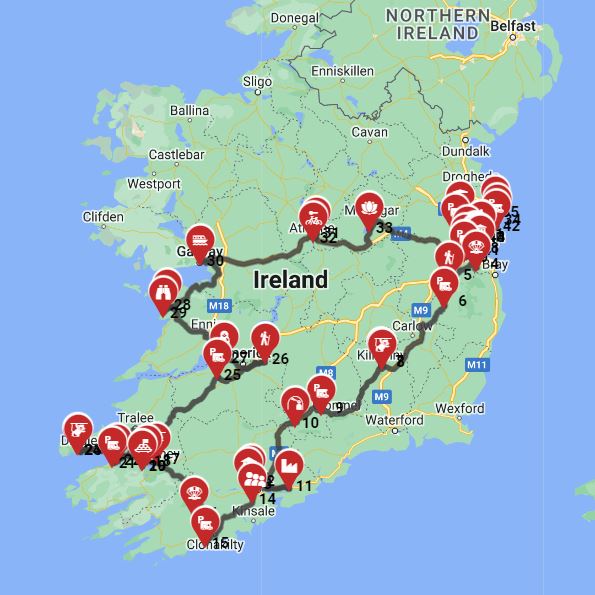
Embark on a classic 7-day RV itinerary designed to capture the essence of Ireland, starting from your Dublin pickup point and weaving through some of the country's most beloved destinations.
- Day 1: Dublin to Kilkenny (120 km / 75 miles). Begin your adventure by picking up your rented RV in Dublin and driving south to the medieval city of Kilkenny. Explore Kilkenny Castle and wander through its charming medieval streets. Overnight at a local campsite.
- Day 2: Kilkenny to Cork (150 km / 93 miles). Continue your journey towards Cork, Ireland's second-largest city. Don't miss the opportunity to visit the famous Blarney Castle and perhaps kiss the Blarney Stone. Settle in for the night at a campsite near Cork.
- Day 3: Cork to Killarney (85 km / 53 miles). Today's drive takes you west to Killarney, the gateway to the iconic Ring of Kerry. Drive a section of this renowned scenic route, perhaps visiting Muckross House, before parking your RV at a Killarney campground.
- Day 4: Killarney to Doolin (150 km / 93 miles). Head north towards the dramatic Cliffs of Moher, one of Ireland's most spectacular natural attractions. After taking in the breathtaking views, make your way to the lively village of Doolin, known for its traditional music, and stay at a local caravan park.
- Day 5: Doolin to Galway (80 km / 50 miles). A shorter drive today brings you to Galway, a vibrant city with a bohemian atmosphere. Enjoy the street performers, colorful shops, and lively pubs. Overnight at a campsite near Galway City.
- Day 6: Galway to Athlone (100 km / 62 miles). Journey inland towards Athlone, situated on the River Shannon. Explore the historic Clonmacnoise monastic site, a significant archaeological site, and find a peaceful spot to camp by the river.
- Day 7: Athlone to Dublin (130 km / 81 miles). Conclude your classic Irish RV adventure with a drive back to Dublin. Return your rented RV, filled with memories of the stunning landscapes and warm hospitality you've experienced across Ireland.
14-Day Extended Journey in Ireland
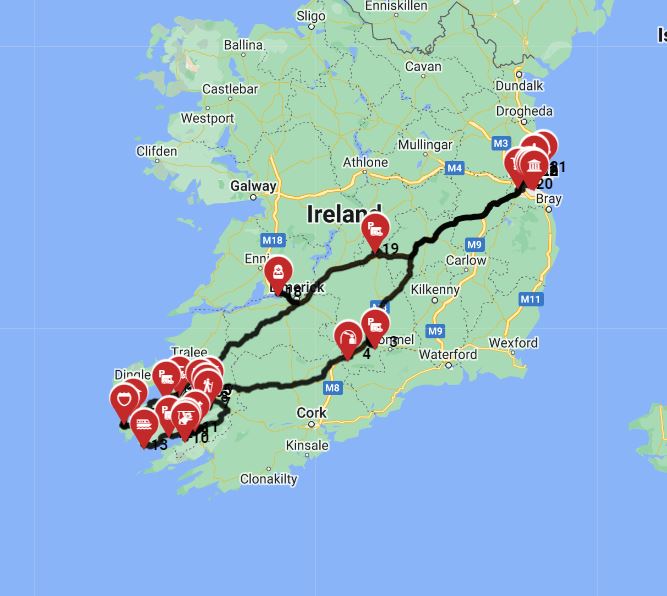
For a more in-depth exploration of Ireland's diverse beauty, consider this 14-day itinerary that balances the rugged charm of the west coast with the allure of the north.
Week 1: South & West Coast Exploration
- Day 1-2: Dublin to Waterford (170 km / 105 miles). Start in Dublin and head southeast to Waterford, Ireland's oldest city. Explore its Viking history, visit the House of Waterford Crystal, and enjoy the coastal scenery. Find a campsite near Waterford for your overnight stay.
- Day 3-4: Waterford to Cork/Kinsale (130 km / 80 miles). Travel southwest towards Cork, venturing into the charming coastal town of Kinsale, known for its culinary scene and colorful streets. Consider visiting the Jameson Distillery Midleton en route. Park your RV at a campsite in Kinsale.
- Day 5-6: Cork to Ring of Kerry (150 km / 93 miles). Embark on the scenic Ring of Kerry, a circular route renowned for its breathtaking coastal and mountain views. Visit Muckross House and explore Killarney National Park. Your overnight stop will be at a Killarney campground.
- Day 7-8: Ring of Kerry to Dingle Peninsula (90 km / 56 miles). Drive to the Dingle Peninsula, famous for its dramatic Slea Head Drive and the charming town of Dingle. Enjoy the rugged coastal landscapes and find a peaceful campsite on the peninsula.
Week 2: Wild Atlantic Way & Northern Charm
- Day 9-10: Dingle to Cliffs of Moher/Doolin (180 km / 112 miles). Head north along the Wild Atlantic Way to experience the awe-inspiring Cliffs of Moher. After taking in the iconic cliffs, immerse yourself in Doolin's renowned traditional music scene. Stay at a campsite near Doolin.
- Day 11-12: Doolin to Connemara/Galway (150 km / 93 miles). Explore the wild beauty of Connemara, visiting Kylemore Abbey and driving the scenic Connemara loop. Continue to Galway for your overnight stay at a campsite near the city.
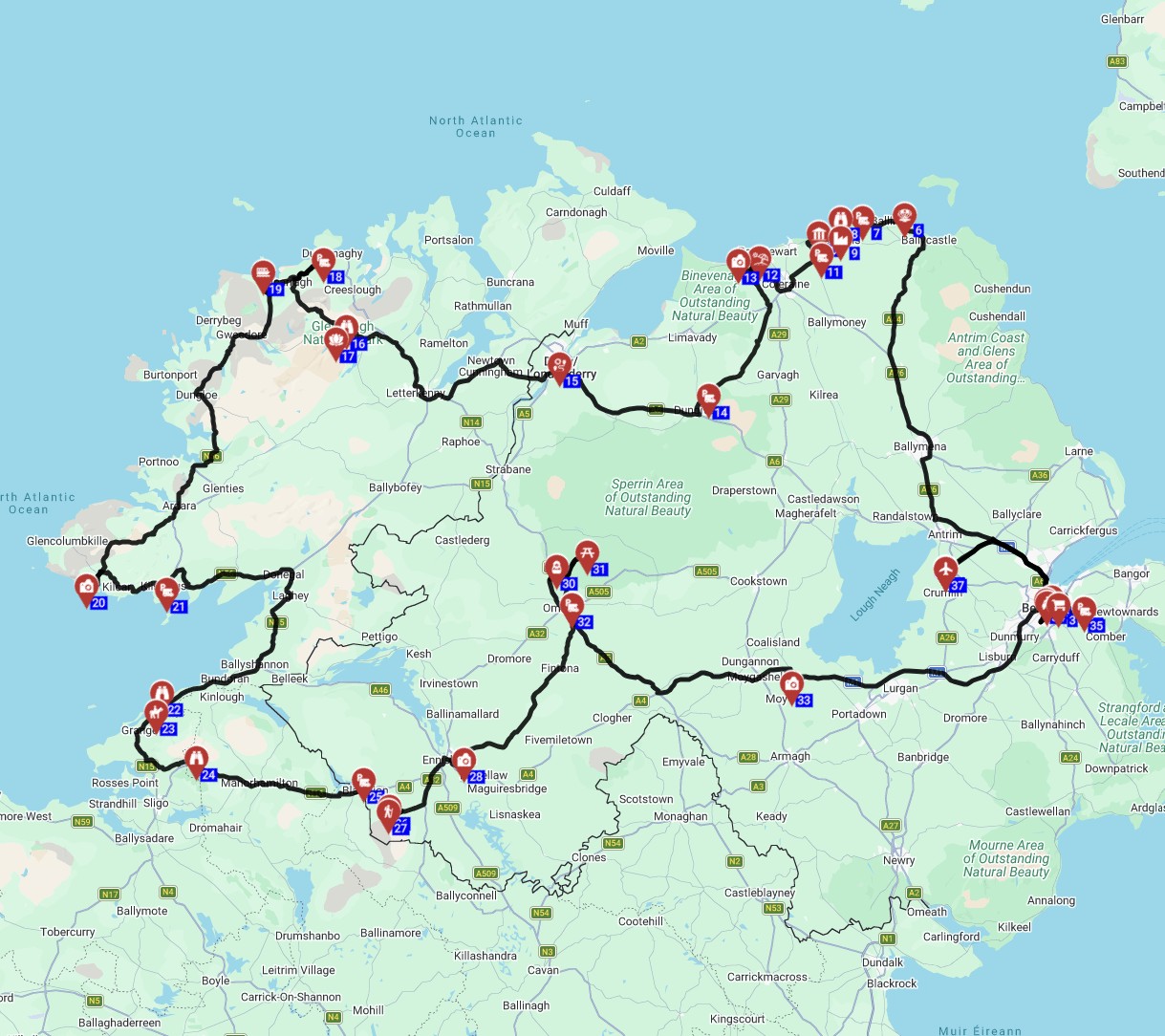
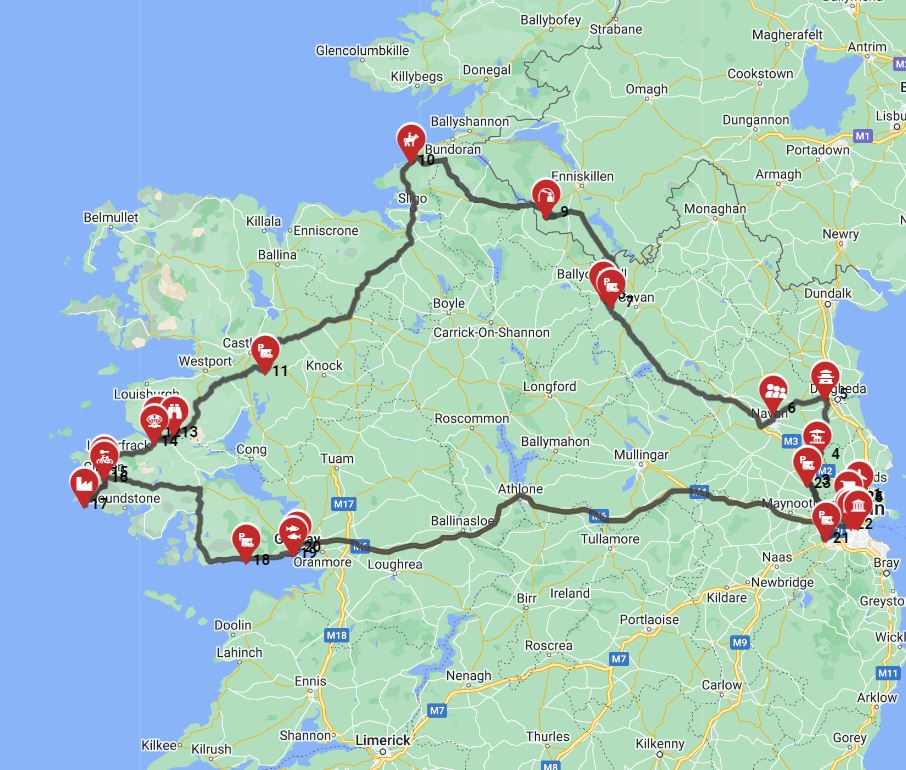
- Day 13-14: Galway to Northern Ireland (Giants Causeway area) (250 km / 155 miles). This is a longer driving day, so consider splitting it for a more relaxed journey. Drive towards Northern Ireland, crossing the border and heading for the Antrim Coast. Visit the iconic Giant's Causeway and the Carrick-a-Rede Rope Bridge. Find a campsite near Bushmills for your final night. On Day 14, begin your return journey to Dublin (200 km / 124 miles) or Belfast (100 km / 62 miles) for your RV drop-off, concluding a memorable two-week Irish adventure.
Recommended RVPlan Trip for Ireland
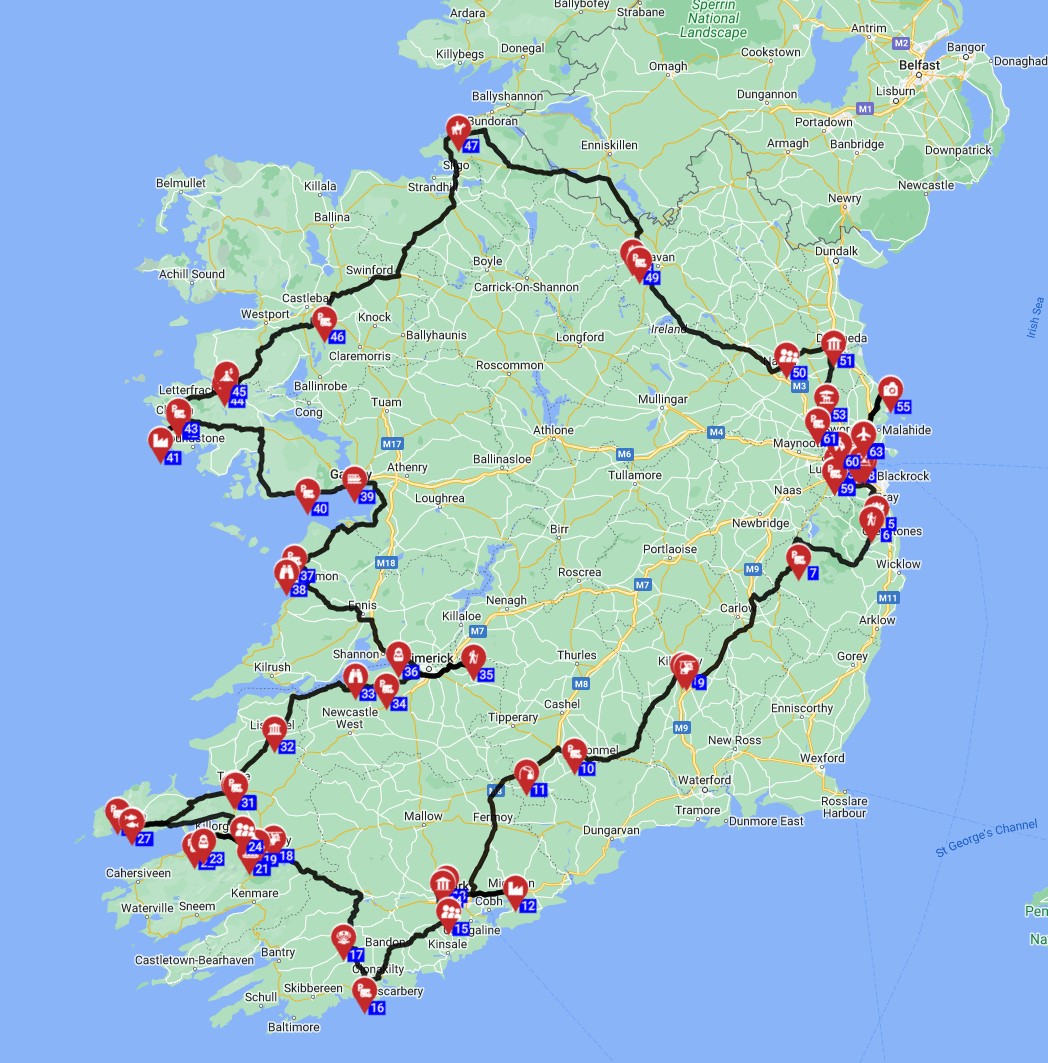
For a seamless and expertly crafted itinerary, Avi Bandana highly recommends the **

Must-See Stops Along the Way (Avi Bandana Picks)
Drawing from RVPlan's curated data for itineraries like the Belfast Round Trip, Avi Bandana's personal picks for must-see stops in Ireland prioritize unique experiences that offer cultural insight and natural beauty. These are stops that truly immerse you in the local culture and provide unforgettable vistas.
- Traditional Visit: Immerse yourself in Irish history and culture by visiting a local heritage center. These sites often provide fascinating insights into the lives of past generations and the traditions that shape modern Ireland.
- Local Industry: Experience Ireland's economic and cultural heritage by exploring a local industry. This could be a visit to a whiskey distillery for a tasting and tour, or discovering the craftsmanship at a local woollen mill or pottery workshop.
- Natural Feature Sites: No trip to Ireland is complete without witnessing its stunning natural beauty. Key recommendations include iconic sites like the Giant's Causeway in Northern Ireland or the dramatic Cliffs of Moher on the west coast. These geological wonders offer unparalleled photo opportunities and a sense of Ireland's raw, natural power.
- Historical Site Exploration: Delve into Ireland's rich historical narrative by visiting prominent historical sites. From ancient monastic settlements like Clonmacnoise to medieval castles and historic city centers, these locations offer a tangible connection to the island's past.
Daily Driving Distances & Drive Times in Ireland
Avi Bandana recommends a maximum of 100 miles or 150 km per day on average when RVing in Ireland. This guideline ensures you can truly embrace the scenic routes, allowing ample time for spontaneous stops, photography, and absorbing the local atmosphere. This slow travel approach is essential, acknowledging Ireland's often narrow and winding rural roads, affectionately known as 'boreens,' which naturally moderate travel speeds.
For example, a drive from Dublin to Galway, covering approximately 200 km (124 miles), could realistically take around 3-4 hours of driving time, not including stops. Similarly, a shorter but incredibly scenic route like the Ring of Kerry, which is about a 180 km (112 miles) loop, is best spread over a full day or even two, allowing for leisurely driving and exploration of its many viewpoints. Even seemingly short distances, such as the drive from Cork to Kinsale (approximately 30 km / 19 miles), might take 45-60 minutes due to winding roads and potential traffic within towns, reinforcing the importance of slow, mindful travel for an enjoyable Irish RV experience.
Best RV Class for This Itinerary — Couple & Family Picks
Choosing the right RV for your Irish adventure hinges on balancing comfort with maneuverability, especially given Ireland's diverse road conditions and the desire for a relaxed pace. Bandana Caravan offers a range of options to suit different needs.
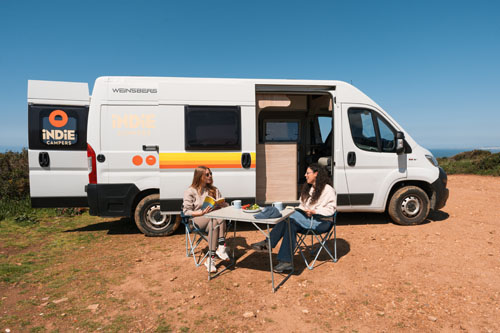
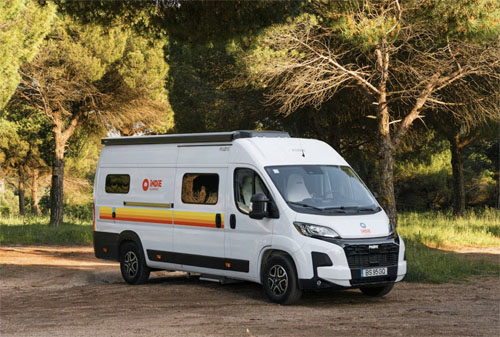
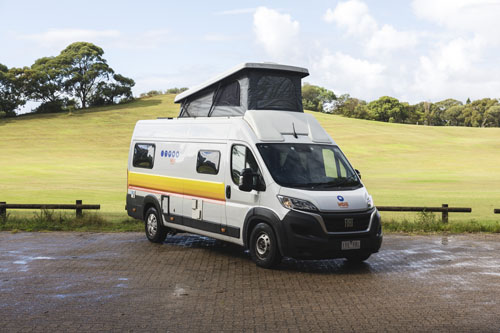
For Couples: Avi Bandana recommends a Class B - Camper Van as the ideal choice for couples exploring Ireland. These compact RVs, with Bandana's global fleet averaging 5.8 meters in length and designed for around 2.7 adults, offer excellent maneuverability on narrow country roads (boreens) and easier parking in towns. Their smaller footprint makes them less daunting to drive and more fuel-efficient, typically consuming around 8-10 Liters/100 km. This makes them perfect for intimate exploration of Ireland's charming villages and scenic byways.
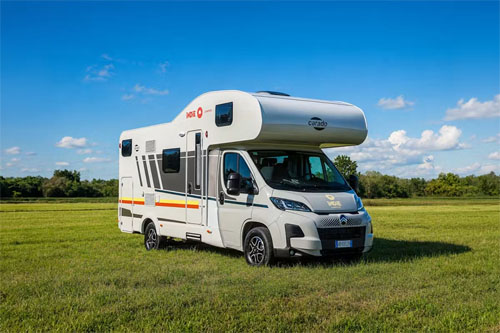
For Families: For families, a Class C - Alcove motorhome is highly recommended. Bandana's global fleet typically features Class C vehicles averaging 7.5 meters in length and accommodating around 4.4 adults with 5.8 sleeping places, providing ample space and comfort for a family. While larger, their elevated sleeping areas (alcoves) strategically free up living space, making them practical for family travel. Their fuel consumption averages around 10-12 Liters/100 km, ensuring a manageable journey. Renting a Class C ensures everyone has room to relax and spread out after a day of Irish adventures.
Beyond just the vehicle, Bandana's 'Rent & Plan' service is a standout feature. It combines your RV rental with a ready-made itinerary, designed by travel experts and accessible via comprehensive trip-planning software. This significantly simplifies the planning process for any group size, ensuring your Irish road trip is as enjoyable as it is memorable.
Do you need a special license to drive an RV in Ireland?
To drive most standard RVs (up to 3,500 kg Maximum Authorised Mass, or MAM) in Ireland, a regular Category B car driving license from your home country is generally sufficient for visitors. This simplifies the process for international travelers, allowing them to operate most rental motorhomes with their existing license.
However, for larger RVs that exceed the 3,500 kg MAM threshold, you might require a Category C1 (up to 7,500 kg MAM) or even a Category C (over 7,500 kg MAM) license. It is crucial to check your rental vehicle's specific weight classification and your home country's license validity for such vehicles before finalizing your booking. Always carry your physical driver's license and any required International Driving Permit (IDP) when driving in Ireland.
Is it easy to drive an RV in Ireland?
Driving an RV in Ireland presents a unique blend of challenge and reward, largely due to the country's often narrow and winding rural roads, affectionately known as 'boreens.' These roads require heightened attention and specific driving strategies to navigate safely and comfortably.
Navigating Narrow Roads (Boreens): RVers will frequently encounter single-lane roads that necessitate careful maneuvering. It's essential to anticipate oncoming traffic and utilize the designated passing places – small lay-bys – to allow others to pass. Pulling into a passing place on your left, or reversing if necessary, while maintaining polite communication with other drivers through waves or nods, is key. Many small villages and towns have limited parking, so planning ahead for designated RV-friendly spots or peripheral parking is crucial for a stress-free experience.
Handling Variable Weather: Ireland's weather can change rapidly, with rain and wind being common occurrences. RVers should prepare by choosing sheltered overnight spots when possible and being mindful of crosswinds while driving. Wet roads demand reduced speeds and increased braking distances. Being prepared with appropriate gear and checking forecasts regularly will enhance your comfort and safety.
Cultural Nuances: Patience and courtesy are paramount on Irish roads. Locals are generally helpful, especially in rural areas, but a friendly wave or nod when navigating tight spots goes a long way. Be aware of livestock that might occasionally be on rural roads; they often have the right of way!
What is the best time of year to RV in Ireland?
The best time of year to RV in Ireland is typically from late spring (May) through early autumn (September). This period offers the most favorable weather conditions, with milder temperatures and longer daylight hours, which are ideal for exploring. It also coincides with the widest availability of attractions and campsites, though booking in advance is still highly recommended during peak summer months.
Spring (May-June): This shoulder season offers milder temperatures, blooming landscapes, and generally fewer crowds than the peak summer months. While rain is still possible, preparing for wet weather by packing appropriate gear and waterproof outer layers is always advisable.
Summer (July-August): This is the warmest period with the longest daylight hours, perfect for maximizing your sightseeing. However, it's also the busiest and most expensive time, making advance booking for campsites essential. Coastal areas can experience strong winds, so selecting a sheltered spot for camping is a wise consideration.
Autumn (September): This shoulder season provides beautiful foliage, comfortable temperatures, and diminishing crowds. It balances good weather with a more relaxed atmosphere, making it an excellent choice for those seeking a quieter experience. RVers should be prepared for cooler evenings and an increased likelihood of rain.
Can you wild camp in Ireland in an RV?
Wild camping in an RV in Ireland is generally a legal grey area, with no formal 'right to roam' or widespread designated motorhome service points ('Aires') as found in continental Europe. While it's often tolerated in discreet, responsible circumstances, it's not explicitly permitted on private land without landowner permission.
Legalities & Best Practices: While technically illegal on private land without permission and often discouraged in many public areas, responsible overnight parking can sometimes be achieved. Always seek permission from landowners if you are unsure, and always respect signs indicating 'no overnight parking.' Being discreet and leaving no trace is paramount.
Alternative Overnight Options: To ensure legality and safety, explore alternatives like designated campsites, which offer essential amenities. Many pubs in rural areas are also very welcoming to motorhome owners who patronize their establishment, offering their car parks for overnight stays. This is a fantastic way to experience local culture and address the lack of a formal 'Aires' system. Apps like Park4Night or specific Facebook groups for Irish RVers can help locate these options and provide up-to-date information from fellow travelers.
Responsible Travel: When considering any informal overnight stop, rigorously practice 'leave no trace' principles. This includes packing out all waste, being mindful of noise levels, and ensuring you don't obstruct access or views. Always aim to be a positive presence in local communities, respecting their environment and customs.
What are the rules for RV camping in Ireland?
RV camping in Ireland primarily involves staying at designated campsites or private sites with explicit permission. Strict rules govern overnight parking and waste disposal to protect the island's pristine environment and respect local communities. Understanding these regulations is key to a responsible and enjoyable RV trip.
Campsite Usage: Formal campsites are widely available across Ireland and offer essential amenities like electricity hook-ups, fresh water refills, and designated waste disposal points. These sites operate under local regulations and ensure a legal and comfortable overnight stay. Booking in advance is highly recommended, especially during peak season (July-August) and in popular tourist areas, to secure your spot.
Informal Parking & Etiquette: While wild camping is restricted, informal overnight parking, such as in pub car parks or some designated public areas, requires courtesy and discretion. Always ask permission from the landowner or establishment, leave no trace by packing out all rubbish, and consider making a purchase if staying at a business. Being respectful of local communities and their customs is paramount when utilizing any informal spot.
Environmental Regulations: Strict rules apply to waste disposal; grey water (from sinks and showers) and black water (from toilets) must only be emptied at designated disposal points. Never dispose of waste in public drains, rivers, or natural areas. Adhering to these regulations is crucial for responsible travel and demonstrates respect for Ireland's beautiful natural landscapes.
Where can I empty my RV waste in Ireland?
In Ireland, RV waste, comprising both grey and black water, must be emptied exclusively at designated disposal points. These facilities are typically found at official campsites, recognized caravan parks, and occasionally at specific service stations or dedicated motorhome service points scattered across the country.
Finding Disposal Points: Most established campsites across Ireland provide the necessary facilities for emptying both grey (wastewater from sinks and showers) and black (toilet) water tanks, as well as for refilling fresh water tanks. It's advisable to plan your route with these service points in mind, utilizing resources like the Park4Night app or contacting campsites directly to confirm availability and operating hours. This proactive approach ensures you can manage your RV's essential services conveniently throughout your journey.
LPG/Gas Bottle Refills: While you are at service points or visiting specific towns, inquire about LPG/gas bottle refills. Availability can vary, particularly in more remote areas. Some rental RVs utilize refillable bottles, while others operate on an exchange system, so it’s good to know which your rental vehicle uses and plan accordingly.
Local Provisions & Mobile Connectivity: When in towns, take the opportunity to restock on provisions. Farmers' markets and independent shops often offer excellent local produce that is perfect for RV cooking, providing a taste of authentic Irish fare. Mobile connectivity in remote areas can be patchy, so downloading offline maps and planning for potential signal dead zones is a wise strategy for seamless navigation and communication. For ideas you can prep on the road, watch our RV-friendly recipes playlist on YouTube.
How do I choose the right RV for my trip to Ireland?
Choosing the right RV for your Irish trip involves considering the size of your travel party, your comfort preferences, and critically, the maneuverability needed for Ireland's varied road network. Bandana Caravan provides a helpful fleet overview to guide your decision.
Size and Maneuverability: Smaller RVs, such as Class B Camper Vans (averaging 5.8 meters in Bandana's fleet), are generally easier to drive on Ireland's narrow rural roads ('boreens') and fit into smaller parking spaces in villages and towns. Larger RVs, like Class C Alcoves (averaging 7.5 meters), offer more living space and amenities but require more confidence and experience on tighter roads. For couples, the compact nature of a campervan is often preferred, while families often benefit from the extra room a Class C provides.
Features for Irish Weather: Given Ireland's famously variable weather, consider RVs with robust heating systems and adequate internal drying space, especially if traveling outside the peak summer months. A well-placed awning can also provide valuable sheltered outdoor space during light rain showers, allowing you to enjoy the outdoors even in less-than-perfect conditions.
Load Capacity and Comfort: Assess the vehicle's average load capacity (e.g., Bandana's Class SI averages 72.2 kg of carrying capacity) to ensure you have enough space for luggage, provisions, and any extra gear you might need. Prioritize an RV that balances sleeping capacity with comfortable, functional living areas for your group, ensuring a pleasant experience throughout your journey.
What are the best places to visit in Ireland by RV?
Ireland offers a wealth of incredible destinations for RV travelers, ranging from iconic landmarks to hidden gems. The Wild Atlantic Way, a world-renowned coastal route, stands out as a premier choice for its breathtaking, ever-changing scenery.
Iconic Routes: The Wild Atlantic Way stretches for approximately 2,500 km (1,550 miles) along Ireland's west coast, featuring highlights like the majestic Cliffs of Moher, the scenic Ring of Kerry, and the charming Dingle Peninsula. In Northern Ireland, don't miss the geological marvel of the Giant's Causeway and the dramatic beauty of the Antrim Coast. These routes are well-suited for RV travel, with numerous scenic stops and well-equipped campsites.
Off-the-Beaten-Path Itineraries: Beyond the well-trodden tourist paths, RVers can uncover unique local experiences by exploring lesser-known peninsulas such as the Beara Peninsula, visiting independent craft studios in rural areas, or seeking out local farmers' markets. These experiences offer authentic cultural insights and provide an opportunity to support local communities, moving beyond standard tourist routes for a more genuine Irish adventure.
Historical & Cultural Sites: Ireland is steeped in history. Don't miss ancient monastic sites like Clonmacnoise, the medieval charm of Kilkenny, or the vibrant music scene in Doolin. Many of these sites have convenient RV-friendly parking nearby, making them easily accessible for motorhome travelers.
How much does it cost to rent an RV in Ireland?
The cost to rent an RV in Ireland varies significantly based on several factors, including the RV class, rental duration, the season of travel, and the lead time of your booking. However, you can typically expect rates to range from €80 to €250 per night.
Seasonal Variation: Peak summer months (July-August) command the highest prices due to increased demand. Shoulder seasons (May-June and September) offer a balance of good weather and more affordable rates, making them a popular choice for budget-conscious travelers. Off-season travel (October-April) presents the lowest prices but may come with more challenging weather and limited campsite availability.
RV Class: Smaller camper vans (Class B) are generally more economical, making them a great choice for couples or smaller groups. Larger family-sized motorhomes, such as Class C Alcoves or integrated Class A models, will naturally be at the higher end of the price spectrum due to their increased space, amenities, and features. Bandana Caravan's comparison platform allows you to easily see the price differences between classes.
Additional Costs: Remember to factor in ancillary costs beyond the basic rental fee. These include fuel (for example, Bandana's Class C averages 10-12 Liters/100 km), campsite fees (typically €25-€45 per night), insurance, and any extra equipment rentals like bedding or kitchen kits. Budgeting accurately for these practical logistics is essential for an accurate overall cost estimate of your Irish RV adventure. For finding campsites and campgrounds during your trip, check out RV PLANET (rvplan.net) — a great tool for locating available spots along your route. On the routes offered through RV PLANET routes, you can itemize and track every expense along the way for easy budgeting.
Are RV parks in Ireland expensive?
RV parks and campsites in Ireland typically range from €25 to €45 per night for a powered pitch. These prices fluctuate based on the park's location, the range of facilities offered, and the seasonality of your visit.
Pricing Factors: High-demand areas, such as popular coastal towns or locations near major attractions, tend to command higher prices. Similarly, sites offering extensive facilities like heated shower blocks, on-site laundry, playgrounds, or Wi-Fi will likely be at the higher end of the price spectrum. Peak season rates, particularly in July and August, will consistently be more expensive than shoulder or off-peak seasons.
Value for Money: While campsites are not free, they offer significant value by providing essential amenities that cater to the practical needs of RVers. These include access to water and electricity hook-ups, safe waste disposal points, and often well-maintained shower and toilet blocks. These facilities are a worthwhile investment for comfortable and legal overnight stays, ensuring you are prepared for your travels.
Alternative Stays: For those looking to manage costs or seeking a more unique experience, consider utilizing pub car parks (with permission and after patronizing the establishment) or farm stays that welcome RVs. These can offer more budget-friendly or culturally immersive alternatives to formal campsites, although amenities may be limited. Always remember to interact respectfully with local communities when using informal spots.
What You Shouldn't Miss
- Drive the stunning Wild Atlantic Way, allowing at least a week to fully appreciate its coastal beauty, charming villages, and dramatic landscapes.
- Experience the breathtaking Cliffs of Moher, arriving early or late in the day to avoid the largest crowds and enjoy the most dramatic light.
- Immerse yourself in traditional Irish music sessions in the pubs of Doolin, a village renowned for its authentic atmosphere and lively music scene.
- Explore the ancient monastic site of Clonmacnoise, situated on the banks of the River Shannon, offering a serene glimpse into Ireland's early Christian history.
- Wander through the medieval streets of Kilkenny, visiting its magnificent castle and soaking in the historical ambiance.
- Discover the culinary delights of Kinsale, a picturesque harbor town celebrated for its gourmet food experiences.
Final Thoughts
An RV adventure through Ireland offers an unparalleled way to connect with the country's stunning natural beauty and rich cultural heritage. By embracing the slower pace of motorhome travel, you can truly soak in the atmosphere, discover hidden gems, and create lasting memories.
Remember to book your RV well in advance, especially if traveling during peak season, and utilize resources like RV PLANET (rvplan.net) for itinerary planning and campsite discovery. With Bandana Caravan, you gain the peace of mind that comes from transparent pricing and dedicated support, allowing you to focus on the joy of the journey.
So, pack your bags, chart your course, and get ready to experience the magic of Ireland from the comfort and freedom of your rented RV. Your unforgettable Irish road trip awaits!