In This Guide
- Can You Drive an RV in West Europe? License & Age Rules
- Road Conditions & Terrain in West Europe
- RV Size Limits, Bridges & Restricted Zones
- Fuel: Diesel vs. Petrol & Cost per 100 km
- Tolls, Vignettes & Border Rules
- Driving Tips for RV Rental Seniors Travelers
- Recommended RV Class for West Europe Roads
- Should I Choose a Compact Van Instead of a Large RV in West Europe?
- Can I Park Anywhere? Free & Wild Camping Rules in West Europe
- Can I Drive an RV Into the City Center? Heights, Tunnels & Local Signage
- What are essential safety and security tips for seniors RVing in West Europe?
- What cultural etiquette and language tips are important for RV travelers in West Europe?
- How can seniors achieve authentic local immersion while RVing in West Europe?
- How to practice eco-friendly RV travel and waste management in West Europe?
- What are the key differences between European and North American RVs for senior travelers?
- What considerations are there for long-term RV rentals for seniors in West Europe?
- How can RV travel be combined with ferries and trains in West Europe?
- What are specific driving challenges for larger RVs in West Europe's historic cities and narrow roads?
Traveling through West Europe by rented motorhome is a dream for many, offering unparalleled freedom and comfort, especially for seniors. Imagine waking up to a fresh croissant in France, enjoying a scenic drive along Germany’s Romantic Road, or unwinding by a serene lake in Switzerland—all from the comfort of your mobile home. This comprehensive guide is designed to empower senior travelers with all the essential knowledge for a smooth, enjoyable, and unforgettable RV rental adventure in West Europe. For live availability and current prices, start with our RV Rental West Europe - Complete Guide 2026 guide.
Can You Drive an RV in West Europe? License & Age Rules
Yes, you can absolutely drive a rented RV in West Europe, with specific license and age rules to consider. For most standard motorhomes and campervans up to 3,500 kg, a regular B category driving license, typically acquired in your home country, is sufficient. This covers a wide range of popular rental vehicles, such as a compact Category Van or a comfortable 2 Berth Sandpiper. However, for larger RVs exceeding 3,500 kg, such as a spacious Family Sleeper (FS), a C1 license or its equivalent from your home country is generally required. Many of our Bandana partners offer automatic transmission RVs, which can enhance comfort for senior drivers and reduce stress on longer routes.
The minimum driver age for RV rentals in West Europe starts at 21 years old across our network of suppliers. Importantly, Bandana RV prides itself on full transparency, meaning there are no young driver surcharges or vehicle class restrictions based on age for our customers. While some local companies might impose upper age limits around 75 or require special insurance for older drivers, our extensive partnerships aim to provide options that accommodate diverse age groups. Non-EU citizens will need to carry an International Driving Permit (IDP) in addition to their valid domestic license, which translates your license into multiple languages and is recognized across West Europe. Always ensure your license is valid for the duration of your trip.
Road Conditions & Terrain in West Europe
West Europe generally boasts an excellent road network, featuring well-maintained motorways, national roads, and picturesque scenic routes perfect for RV travel. From the smooth highways connecting major cities to the charming rural lanes, the infrastructure supports comfortable driving for various rented motorhome sizes, including models like the Chausson Flash 01 or a Luxury Small campervan. Terrain, however, varies significantly across the region; you might find yourself cruising through the flatlands of the Netherlands one day and navigating the mountainous regions of Switzerland and Austria the next. We always recommend slow travel, averaging a maximum of 100-150 km per day, allowing you to truly immerse yourself in the scenery and local culture.
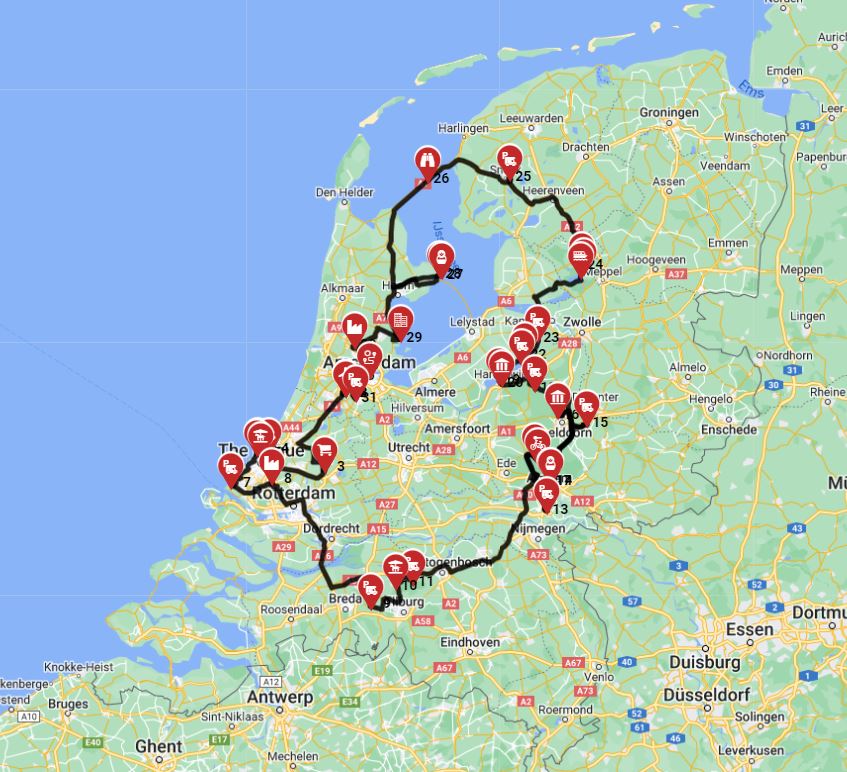
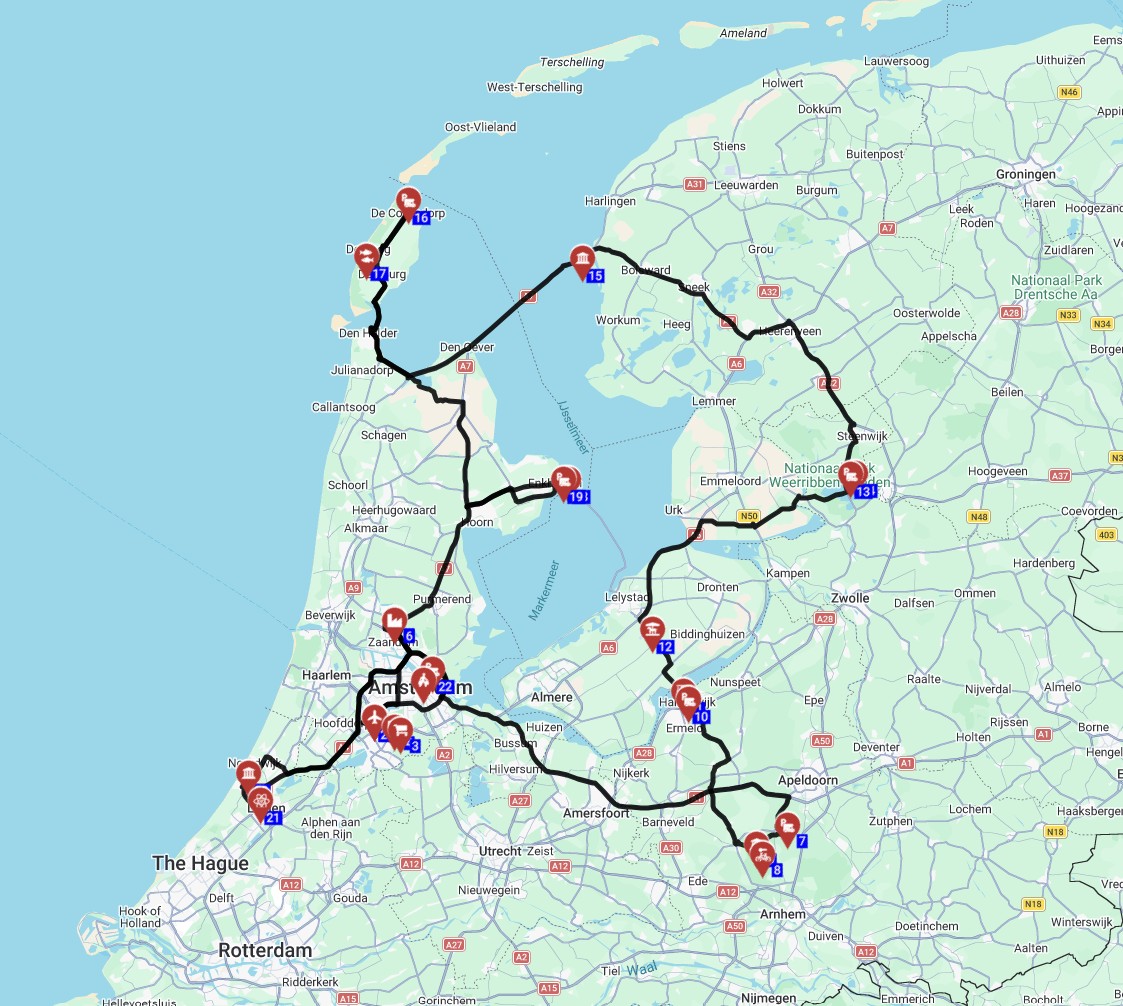
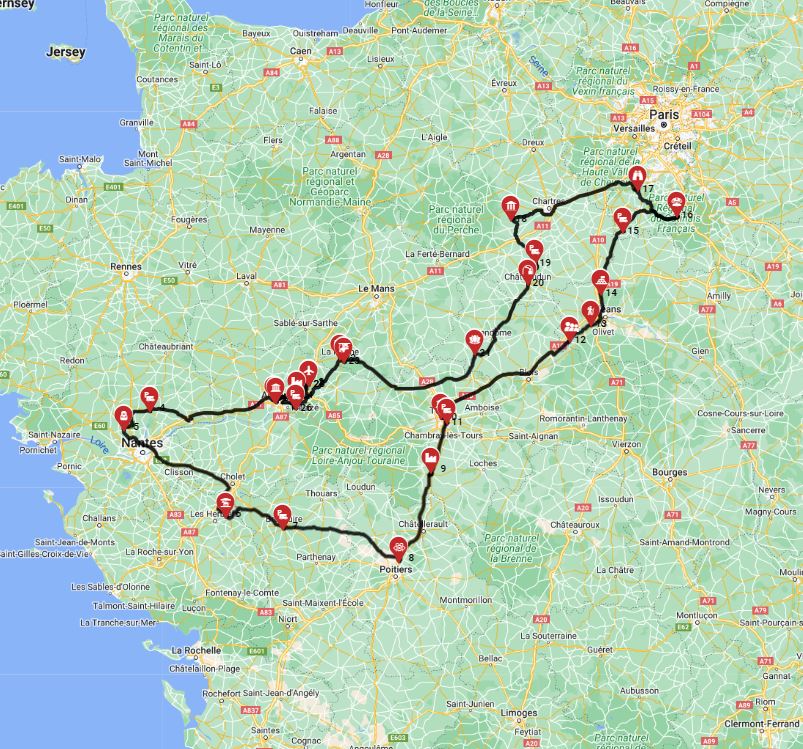
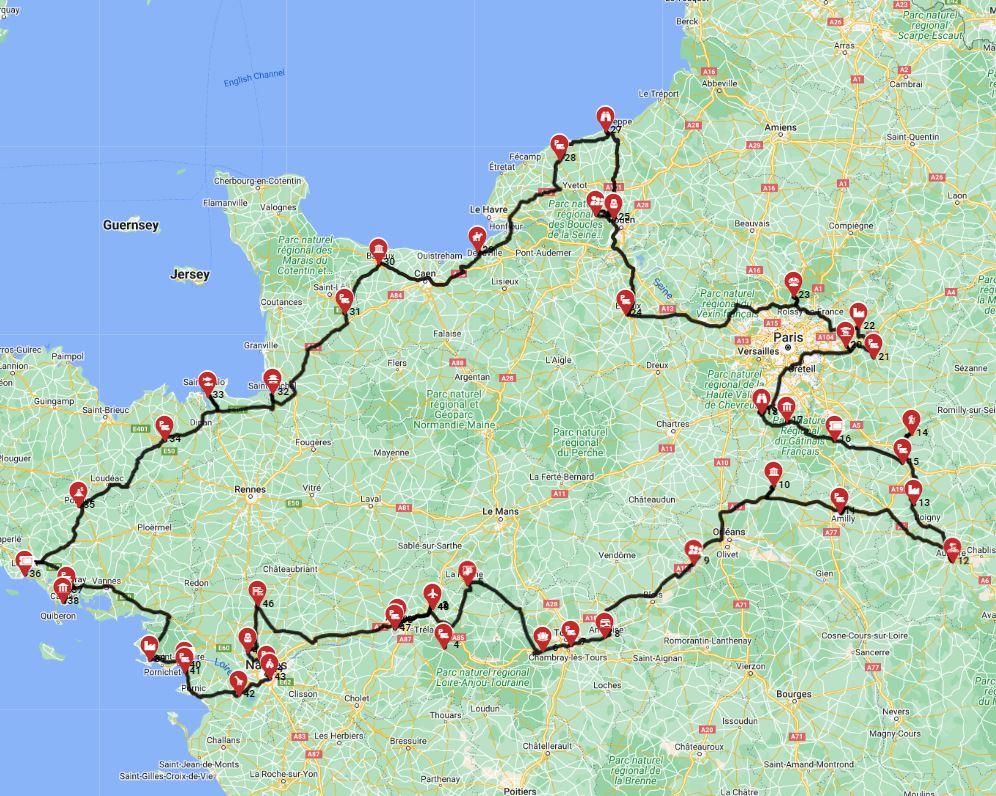
Senior travelers can easily adapt their routes to avoid challenging steep inclines or extremely narrow passes if preferred, especially when piloting larger rented RVs like a Euro Deluxe. While major roads are consistently smooth, rural and historic areas may feature cobblestones or narrower lanes, necessitating careful driving and a slower pace. Many smaller towns and villages are best explored on foot or by public transport after parking your rented motorhome on the outskirts. Our RV PLANET routes are meticulously planned by professionals and can help you select roads that align with your comfort level, ensuring your journey is as relaxing as it is adventurous. For a broader overview, check out our RV Travel Guide to West Europe - Tips and Top Spots 2026.
RV Size Limits, Bridges & Restricted Zones
West Europe has specific height, weight, and width restrictions for vehicles, which are particularly prevalent in historic towns and on older infrastructure. While a compact campervan like a V2L (length 5.99m, width 2.05m) will navigate most areas with ease, a larger motorhome like a Class C "cruise america rv rental example Explorer" (length 7.1m, width 2.78m) requires more attention to signage. Low bridges are a common feature in certain areas, especially in older cities and countryside routes, with height limits often clearly marked, such as 2.5m or 3.5m. Always double-check your rented RV's dimensions and pay close attention to all road signs to avoid any unexpected detours or incidents.
Many European cities have 'environmental zones' (Low Emission Zones - LEZ) requiring specific vehicle emission standards or special permits/stickers to enter. Examples include Crit'Air in France and Umweltplakette in Germany. Failing to comply can result in fines, so it’s crucial to research these requirements for any cities you plan to visit with your rented mobile home. Ferry crossings, particularly to islands or across major water bodies like the English Channel, often impose length and height limits, and typically charge higher fares for larger RVs. Factor these potential ancillary costs into your budget, and remember that our RV PLANET routes allow travelers to itemize and track every expense for easy budgeting. On the routes offered through RV PLANET routes, you can itemize and track every expense along the way for easy budgeting.
Fuel: Diesel vs. Petrol & Cost per 100 km
Diesel is the predominant fuel type for RVs and campervans in West Europe, being readily available at almost all service stations across countries like France, Germany, and Italy. Most rented motorhomes, including models from suppliers like El Monte and Apollo, are diesel-powered, which generally offers better fuel efficiency for longer journeys. Bandana's global fleet averages for fuel consumption typically show Class SI (Semi-integrated) RVs consuming 10-11 Liters/100 km, Class C (Alcove) models around 10-12 Liters/100 km, and Class B (Camper Van) vehicles at a more efficient 8-10 Liters/100 km. These figures help in planning your fuel stops and estimating costs for your West Europe adventure.
Fuel costs in West Europe vary by country but are generally higher than in North America, making careful budgeting essential for your RV rental trip. Travelers should budget accordingly, monitoring real-time prices via navigation apps or fuel price comparison websites. For instance, diesel prices might fluctuate daily from €1.70 to €2.00 per liter. Some RV rental packages may include fuel discount cards or perks, which can help mitigate costs over a longer trip. Always check your rental agreement for specific fuel policies. If you're planning a trip, our "RV Rental in West Europe - Prices and Best Deals 2026" guide can provide more financial insights.
Tolls, Vignettes & Border Rules
RV travelers in West Europe will encounter a mix of toll roads and vignette systems, making pre-trip research important for seamless travel. Countries like France, Italy, Spain, and Portugal primarily use barrier tolls, where you pay per section or distance traveled. These tolls can add up, with a typical 100 km stretch costing around €8-€15 for an RV. Conversely, countries such as Switzerland, Austria, and Slovenia require a pre-paid 'vignette' sticker for motorway use, which can be purchased for varying durations (e.g., 10 days, 1 month, 1 year) at border crossings or petrol stations. A 10-day vignette in Austria costs approximately €9.90 for vehicles under 3.5 tons, and much more for heavier RVs, so check the specific requirements for your rented motorhome.
Border crossings within the Schengen Area, encompassing most of West Europe, are generally open with no passport checks, allowing for fluid travel between countries like Germany and France. However, vehicles may still be subject to random stops by customs or police, so always keep your passport, driving license, vehicle registration, and rental documents handy. It is highly advisable to research specific country requirements well in advance, as some Bandana partners allow pre-purchasing toll passes to avoid fines and streamline your travel. This full transparency ensures no hidden fees or surprises.
Driving Tips for RV Rental Seniors Travelers
Prioritizing comfort and safety is key for senior RV travelers exploring West Europe. Plan your routes to avoid excessively narrow, steep, or winding roads if they cause discomfort, as West Europe offers countless scenic, gentler alternatives. Always take frequent breaks, aiming for stops every 2-3 hours to stretch, rehydrate, and manage fatigue; this slower pace aligns perfectly with our recommendation of traveling max 100-150 km per day to truly connect with the culture and scenery. Consider opting for a rented motorhome with an automatic transmission, like the "Paradise Family 5" or a "campervan hire australia example Aquila", which can significantly reduce driving stress on varied European terrains and make your journey more relaxed.
Familiarize yourself with European road signs and rules before starting your journey, particularly understanding roundabouts and priority rules, which differ from North American norms. Many countries use the "priority to the right" rule, unless otherwise indicated. Drive slowly and carefully, and you can drive almost anywhere without issues. No need to stress - just use common sense and pay attention. Allow ample time for travel, embracing a slower pace to fully enjoy the scenery and avoid rushing between destinations. Remember, we are true RV specialists, ready to offer support before and after your booking, helping you prepare for these small details that make a big difference in your trip.
Recommended RV Class for West Europe Roads
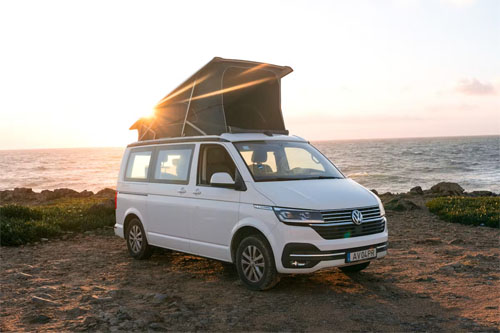
For seniors exploring West Europe, Class SI (Semi-integrated) and Class B (Camper Van) RVs are generally recommended due to their excellent balance of maneuverability and comfort. Class B Camper Vans, such as a "Category Van" or "Active Standard" model, average around 5.8 meters in length, providing superior agility for narrower roads and easier parking in charming smaller towns, albeit with less internal space. These are great for couples or solo travelers who prioritize ease of navigation. An example of a Class B is the "Combi Van", with a length of 5 meters and enough space for 4 sleeping places. For broader options, consider our "RV Rental Europe - Complete Guide 2026".
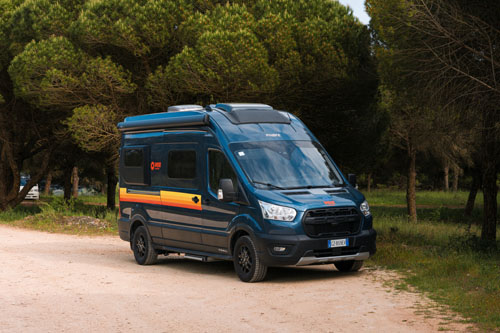
Class SI motorhomes, with an average length of 6.9 meters and typically offering 3-4 sleeping places, like the "Luxury Small" model, strike a fantastic balance. They provide ample living space, a separate toilet and shower, and decent storage without being excessively large for most European roads. While larger Class C (Alcove) motorhomes like a "Euro Deluxe" (averaging 7.5 meters) offer more spacious living and amenities, their increased length and height can present greater challenges in some historic towns and on smaller rural roads. It’s about choosing what feels right for you; our team, as true RV specialists, is here to guide you before, during, and after your booking, ensuring you pick the perfect rented mobile home for your comfort and peace of mind.
Should I Choose a Compact Van Instead of a Large RV in West Europe?
The choice between a compact campervan and a larger rented motorhome in West Europe depends significantly on your travel priorities for comfort versus maneuverability. Compact vans, often referred to as Class B Camper Vans such as a "VW California Ocean" or a "Juliette 2-3", offer superior agility, making them ideal for navigating tight historic city centers, narrow mountain passes, and finding parking in smaller villages. A campervan with a length of around 5 meters and typically 2-4 sleeping places offers significant ease of driving.
Larger RVs, including Class SI (Semi-integrated) and Class C (Alcove) models like the "Motorhome MC4 Gold" or a "Category Family 5", provide significantly more indoor living space, greater storage, and enhanced amenities, which can be a considerable advantage for seniors on longer trips requiring more personal comfort. These may come with a larger refrigerator (up to 150 liters) and more extensive kitchen facilities. For many seniors, the added comfort and convenience of a larger rented motorhome for relaxation, cooking meals, and sleeping often outweigh the minor maneuverability challenges, especially if routes are pre-planned to avoid overly restrictive areas. Our Rent&Plan service offers pre-planned routes by professionals, and using rvplan.net for your planning gives you a 25% planning discount, ensuring you find the best fit for your needs.
Can I Park Anywhere? Free & Wild Camping Rules in West Europe
In West Europe, free and wild camping rules for RVs are highly restrictive and vary significantly by country and even by local municipality, unlike some regions of North America. Generally, overnight parking outside of designated campsites or official 'stellplatz' (Germany, Austria) or 'aires de services' (France) is prohibited or requires specific permission. Fines for illegal wild camping can range from €50 to €500 or more, depending on the country and local regulations. It's crucial to be mindful of these rules to ensure a smooth and respectful journey.
Countries like Germany and France offer a robust network of designated Stellplätze or Aires for RVs, providing basic amenities like water, waste disposal, and sometimes electricity, often for a small fee (e.g., €5-€20 per night) or even free for a limited duration of 24-48 hours. These spots are an excellent alternative to formal campgrounds and are designed with RVers in mind. For finding campsites and campgrounds during your trip, we recommend using RV PLANET (rvplan.net) - a great resource for locating available spots along your route. Always close with: Rules vary by region — check local regulations and follow local law before parking overnight. With full transparency, we want you to have all the information up front.
Can I Drive an RV Into the City Center? Heights, Tunnels & Local Signage
Yes, you can often drive a rented RV into city centers in West Europe, but doing so requires extreme caution and close attention to local signage, as restrictions are common. Historic city centers, particularly in places like Rome, Paris, or Amsterdam, often have very narrow streets and specific zones (e.g., Low Emission Zones, pedestrian-priority areas) where RVs may be restricted or require special permits, like an Umweltplakette in Germany. You must watch for explicit height and weight limits on bridges, in tunnels, and when considering underground parking garages; a standard Class C motorhome like the "MHC24" with a height around 3.2m would certainly exceed many city limits.
Many historic city centers also enforce 'residents-only' streets, diverting larger vehicles. Always look out for 'no RV' or 'no camping car' signs, which are prevalent. Our advice: drive slowly and carefully, and you can drive almost anywhere without issues. No need to stress - just use common sense and pay attention. For city exploration, it is often more practical to park your rented motorhome at a designated RV park or campsite on the city outskirts and use public transport (trams, buses, metro) to reach the center. This approach saves time, avoids potential fines, and is often less stressful, allowing you to enjoy the cultural immersion without the driving hassle. If you're looking for luxury options, explore "Luxury RV Rental in West Europe - Premium Prices 2026".
What are essential safety and security tips for seniors RVing in West Europe?
Prioritizing personal safety and security is paramount for seniors RVing in West Europe to ensure a worry-free journey. Always secure valuables by keeping them out of sight and locking all doors and windows when leaving your rented RV, even for a short time. At night, drawing blinds and curtains can enhance privacy and deter potential opportunists. Be vigilant against petty theft, especially in crowded tourist areas and isolated parking spots; avoid leaving items visible in the cab or on tables.
Familiarize yourself with emergency procedures for each country you visit, including contact numbers for roadside assistance (often included in your Bandana rental package or available as an optional upgrade to top-level deductible reimbursement), local police, and medical services. Remember that 112 is the universal emergency number across the EU. Keep copies of important documents, such as your passport, driver's license, and rental agreement, separate from the originals. Knowing how to contact your rental provider for mechanical issues or accidents is also crucial, ensuring real people are behind you every step of the way, even though Bandana primarily offers pre-booking and post-booking coordination, not in-trip 24/7 support.
What cultural etiquette and language tips are important for RV travelers in West Europe?
Respecting local customs and attempting basic language phrases are important for RV travelers in West Europe to enhance their experience and interactions. Always greet people with a simple 'Bonjour' (French), 'Guten Tag' (German), or 'Goedendag' (Dutch) when entering shops or engaging with locals; a little effort goes a long way. Be mindful of local meal times, as shops and services might close for lunch in some regions, and restaurants may have specific dining hours.
Familiarize yourself with campsite etiquette, such as observing quiet hours, properly disposing of waste (grey water, black water, and rubbish), and maintaining clean common areas. Most European campsites are very orderly. Always ask permission before taking photos of individuals, and maintain a respectful volume, especially in public spaces and quiet campsites. Learning a few basic phrases in the local language of the countries you visit, beyond just "please" and "thank you," can enrich your cultural immersion. Remember, travel slowly, max 100-150 km per day on average, to take time to feel the place, connect to the culture, the food, and the scenery.
How can seniors achieve authentic local immersion while RVing in West Europe?
Seniors can achieve authentic local immersion while RVing in West Europe by actively seeking out experiences beyond the typical tourist paths. Make it a point to visit local markets, known as 'marchés' in France or 'Wochenmärkte' in Germany, for fresh produce, regional specialties, and opportunities to interact with local vendors. This is also a fantastic way to stock your rented RV's kitchen for cooking delicious RV-friendly recipes playlist.
Plan visits around smaller village festivals or regional events, which offer unique cultural experiences away from major tourist hubs. These events often showcase local music, dance, food, and crafts, providing a genuine glimpse into the community's heart. Utilize local information centers for recommendations on hidden gems, culinary experiences, and artisan shops that are easily accessible by your rented motorhome. Consider staying at farm campsites or smaller, independently run campsites, common in the Netherlands and France, as they often provide a more personal experience and a deeper connection with the local community, fostering true RV travel memories. For inspiration for longer trips, look at our "Weekly RV Rental in West Europe - Pricing 2026" to see how flexible your journey can be.
How to practice eco-friendly RV travel and waste management in West Europe?
Practicing eco-friendly RV travel and responsible waste management in West Europe is vital for preserving its natural beauty. Minimize your environmental footprint by strictly adhering to designated waste disposal points at campsites for grey water, black water, and rubbish. Never dispose of these outside of official facilities, as this can harm local ecosystems and lead to hefty fines. Most campsites, and many 'aires de services', provide clear instructions and facilities for this, often included in your overnight fee, which can be tracked with RV PLANET routes.
Practice water conservation by taking shorter showers and being mindful of tap usage, especially since fresh water tank capacities, such as the 100-liter tank on a "Group C" motorhome, are limited, and water resources can be precious, particularly in warmer regions. Utilize recycling facilities provided at campsites and local towns, separating plastics, paper, glass, and organic waste according to local guidelines. Supporting local businesses and purchasing sustainably sourced products further reduces the carbon footprint associated with your travel. Bandana encourages responsible tourism, reflecting our commitment to the small details that make a big difference for future generations of RV travelers.
What are the key differences between European and North American RVs for senior travelers?
European RVs are generally more compact than their North American counterparts, a key difference for senior travelers accustomed to larger vehicles. This design philosophy stems from Europe's narrower roads, smaller parking spaces, and more compact campsites. For instance, a common European Class B campervan, like the "Active Pop Top", typically measures around 5.99 meters in length, while a North American Class C can easily exceed 7 meters. This compact size allows for greater maneuverability and access to charming villages often inaccessible to larger RVs.
Layouts in European RVs often prioritize functionality and space efficiency, with cleverly designed compact bathrooms and kitchenettes, such as the 80-liter refrigerator and 2-burner gas stove in a "V3" campervan. Many European motorhomes, including models like "K125", often come with manual transmissions, which can be an adjustment for those used to automatic vehicles; however, automatic options are increasingly available and recommended for ease of driving. European RVs predominantly use diesel fuel, unlike the gasoline preference in North America, and all measurements are in metric units (kilometers, meters, liters), requiring a slight adaptation from imperial units. Understanding these differences, which our true RV specialists can explain, helps in choosing the right rental for your comfort.
What considerations are there for long-term RV rentals for seniors in West Europe?
For seniors considering long-term RV rentals in West Europe, typically lasting several weeks or months, specific considerations are important for a comfortable and practical experience. Firstly, always explore rental companies offering special rates or packages for extended durations, as daily costs significantly decrease with longer rental periods, similar to how our "One-Way RV Rental in West Europe - Price Guide 2026" explains pricing structures. For example, a month-long rental will have a lower daily rate than a week-long one. Ensure your personal health insurance provides comprehensive coverage for extended travel in West Europe, and consider purchasing additional travel insurance that includes medical evacuation and trip interruption coverage for extra peace of mind.
Reliable internet access is crucial for staying connected, managing communications, and enjoying leisure. Research local SIM cards with generous data plans (e.g., Orange Holiday Europe with 20GB of data for 14 days) or portable Wi-Fi devices. For non-EU citizens, understanding visa requirements for stays exceeding 90 days within the Schengen Area is vital, as this may necessitate planning for potential visa extensions or temporary exits and re-entries. Our approach is full transparency, providing all information up front to avoid any surprises. Our dedicated team is with you before, during, and after your booking to handle the details so you can live the journey.
How can RV travel be combined with ferries and trains in West Europe?
Combining RV travel with ferries and trains in West Europe can unlock unique itineraries and enhance your journey. Integrating ferries is ideal for reaching picturesque islands like Corsica or Sardinia, or for efficiently crossing major water bodies such as the English Channel between France and the UK, or the Baltic Sea to Scandinavia. Always research ferry routes and book RV spots well in advance, especially during peak season, as spaces for larger vehicles are limited and often priced by length, with a 7-meter motorhome costing significantly more than a standard car.
Some regions in West Europe offer 'car trains' or 'motorail' services, allowing you to transport your rented RV through challenging tunnels, like those in the Swiss Alps, or across long distances while you relax in a passenger car or sleeper compartment. This can be a relaxing alternative to driving through dense traffic or difficult terrain. Consider parking your RV at designated city outskirts or train stations and using public transport, like trams or metro, to explore city centers, especially those with strict RV restrictions. This intermodal approach allows you to experience the best of both worlds, maximizing comfort and exploration without the stress of city driving. We handle the details, you live the journey.
What are specific driving challenges for larger RVs in West Europe's historic cities and narrow roads?
Driving larger rented RVs in West Europe's historic cities and on narrow roads presents specific challenges that require careful attention and planning. Historic towns, often built centuries ago with narrow, winding streets not designed for modern vehicles, can be particularly difficult to maneuver. A Class C motorhome like the "Euro Deluxe" (averaging 7.5 meters in length) may struggle with tight turns and limited space, compared to a compact "Category Van". Low bridges and restricted arches are common in older city areas, necessitating strict adherence to height warnings, and tunnels, especially in mountainous regions, often have height and width restrictions. Always verify your RV's dimensions and the posted limits.
Finding suitable parking for larger RVs within city centers is frequently difficult or expensive, often requiring parking on the outskirts and utilizing public transport. Additionally, mountain passes, while offering breathtaking scenic routes, can present steep gradients, sharp turns, and narrow sections that demand confident driving skills and a vehicle with sufficient engine power. Drive slowly and carefully, and you can drive almost anywhere without issues. No need to stress - just use common sense and pay attention. Our team of true RV specialists can help you select a rented motorhome size and suggest RV PLANET routes tailored to your comfort level and preferred destinations, minimizing these challenges for senior travelers. For premium options, check out "Luxury RV Rental in West Europe - Premium Prices 2026".
What You Shouldn't Miss
- Drive the Romantic Road in Germany: Traverse 400 km (250 miles) of picturesque Bavarian villages, medieval towns, and stunning castles, perfect for a leisurely paced RV tour.
- Explore the Alsace Wine Route in France: Wind through charming villages like Riquewihr and Colmar, stopping at vineyards in your rented campervan, an ideal experience for slow travel.
- Visit the Swiss Alps: Drive through iconic passes like the Grimsel Pass, offering dramatic mountain scenery and access to stunning hiking trails, easily reached with a capable motorhome.
- Discover the Dutch Windmills at Kinderdijk: Park your RV at a nearby campsite and explore this UNESCO World Heritage site with its 19 iconic windmills by bike or boat.
- Relax on the Belgian Coast: Enjoy miles of sandy beaches and charming seaside towns like Ostend and Bruges, with numerous RV-friendly campsites along the coastline.
- Looking for expert insights from Avi Bandana? Top 5 Adventures — recommendations from Avi Bandana
Final Thoughts
Embarking on an RV rental adventure through West Europe as a senior traveler offers an incredible blend of comfort, flexibility, and profound cultural connection. From navigating scenic routes to discovering charming villages and bustling cities, your rented motorhome becomes your mobile sanctuary, allowing you to tailor your pace and itinerary to your desires. We at Bandana Caravan are dedicated to making this dream a reality, providing transparent pricing, expert advice, and robust support every step of the way.
Remember, the journey is just as important as the destination. Embrace slow travel, allow yourself to get lost in the moment, and savor every meal, every landscape, and every interaction. With careful planning and the right rented RV, West Europe truly opens up, inviting you to create cherished memories that will last a lifetime. Discover top destinations and planning tips all in one place with our "RV Travel Guide to West Europe - Tips and Top Spots 2026".
Ready to plan a trip itinerary in advance with minimal effort and maximum enjoyment? Start comparing motorhome prices for West Europe today and let the adventure begin!