In This Guide
- Can You Drive an RV in Oslo: License & Age Rules
- Road Conditions and Terrain in Oslo
- RV Size Limits, Bridges and Restricted Zones in Oslo
- Fuel: Diesel vs Petrol and Cost per 100 km in Oslo
- Tolls, Vignettes and Border Rules for RVs in Norway
- Driving Tips for RV Seniors Travelers in Oslo
- Recommended RV Class for Oslo Roads
- Should I Choose a Compact Van Instead of a Large RV in Oslo
- Can I Park Anywhere Free and Wild Camping Rules in Oslo
- Can I Drive an RV Into the City Center: Heights, Tunnels and Local Signage
- Can I rent an RV to drive across country?
- Is Norway RV friendly?
- What are the requirements to rent an RV?
- Can you take a rented RV across the border?
- Can you park a motorhome anywhere in Norway?
- Can I rent an RV with a driver's license?
- Can I rent a campervan in Norway?
- How does insurance work when renting an RV?
- How much does it cost to rent a camper van in Norway?
- How much is camper rental insurance?
Can You Drive an RV in Oslo: License & Age Rules
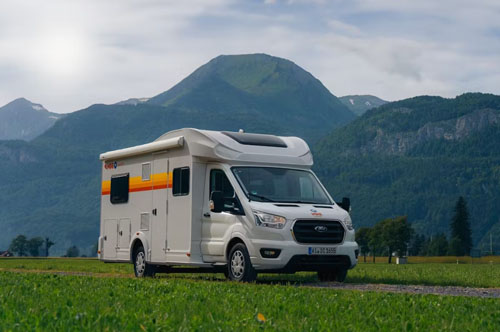
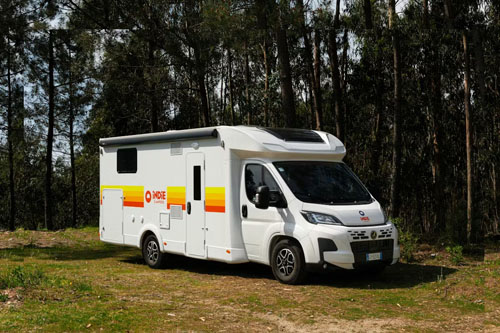
A standard Category B driver's license is sufficient for driving most rental RVs in Oslo and across Norway, specifically vehicles with a Gross Vehicle Weight (GVW) up to 3,500 kg. This category typically includes popular campervans and smaller semi-integrated motorhomes, such as a "Category Van" or a "hire campervan example Paradise S/T" model. For larger RVs exceeding 3,500 kg, such as many Class A or larger Class C motorhomes, a Category C1 license (allowing vehicles up to 7,500 kg) is usually required by law. Most rental companies in Oslo require drivers to be at least 21 years old and to have held their license for a minimum of 2 years, with no young driver surcharges or vehicle class restrictions based on age. Non-EU/EEA license holders are often advised to carry an International Driving Permit (IDP) alongside their national license for travel in Norway, although it's not mandatory in all cases. This ensures smooth interactions with local authorities, like the police in Oslo, and helps clarify your driving privileges.Road Conditions and Terrain in Oslo
Oslo's urban roads are generally well-maintained, but can be busy, feature tram lines, and include narrow historic streets, requiring careful navigation for larger motorhomes. Drive slowly and carefully, and you can drive almost anywhere without issues. No need to stress - just use common sense and pay attention. Beyond the city center, roads leading to and from Oslo can range from smooth highways (like E6 heading south or E18 west) to winding, sometimes gravel-surfaced mountain passes and coastal routes, particularly as you venture into the fjord regions. The surrounding region offers diverse terrain, from the coastal fjords of the Oslofjord to forested hills in Nordmarka, encouraging a slower, more scenic driving pace, which is particularly beneficial for senior RV travelers. Adjusting driving speed for varied conditions and potential wildlife, especially moose and deer outside immediate urban areas, is crucial. Planning your trip with realistic daily distances, such as our recommendation of max 100-150 km per day, allows ample time to enjoy the scenery and avoid rushing.RV Size Limits, Bridges and Restricted Zones in Oslo
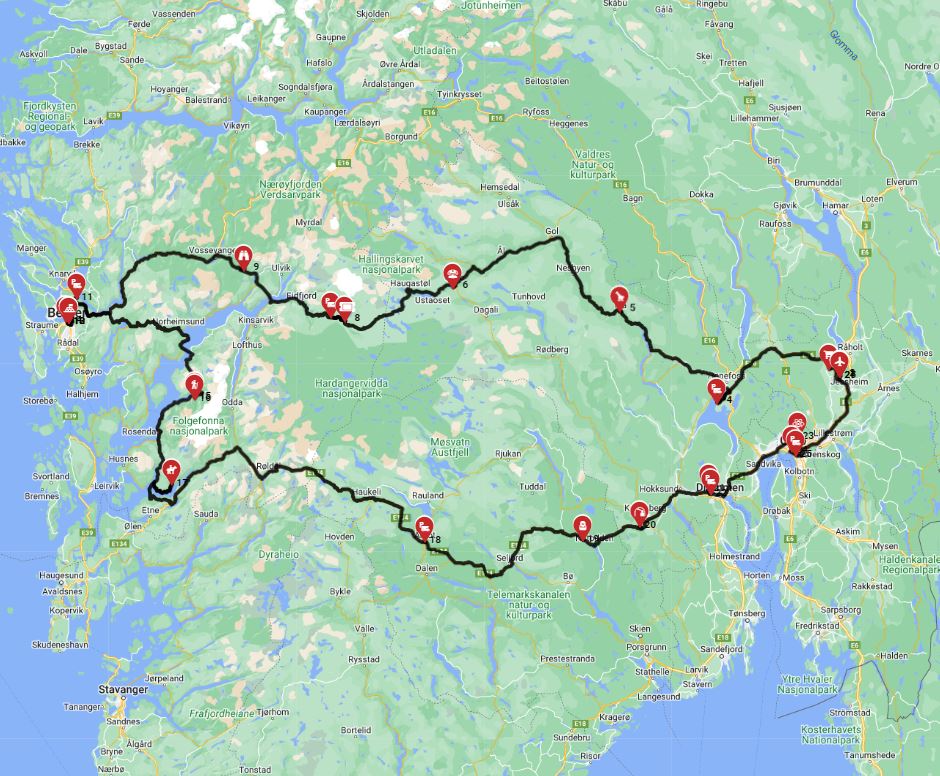
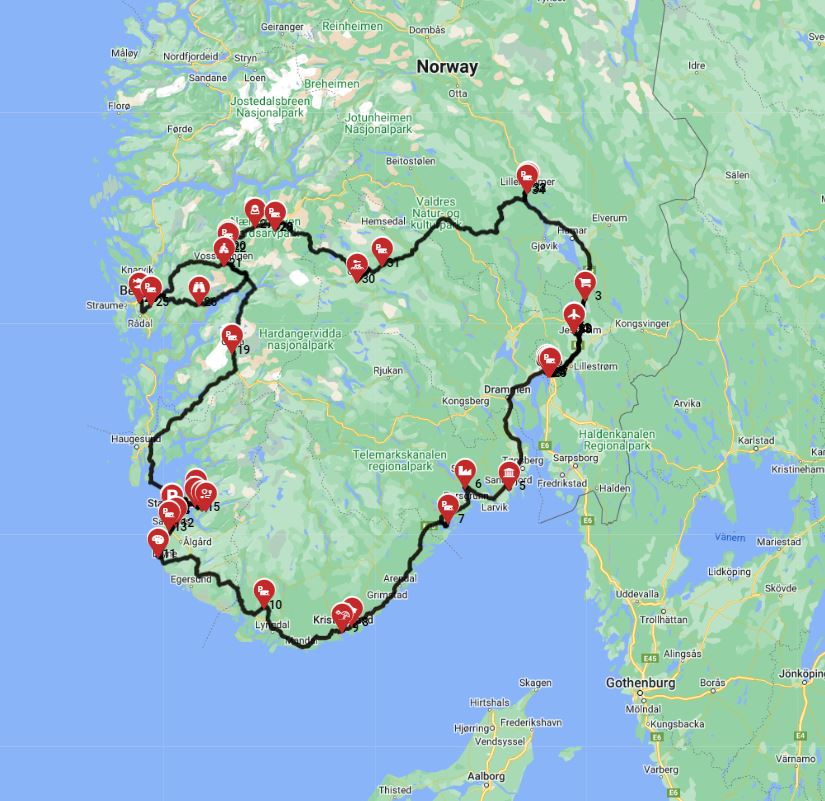
Oslo has environmental zones (Miljøsoner) that may restrict older, high-emission vehicles, although most modern rental RVs typically comply with current Euro emission standards. While there are generally few explicit height or weight restrictions on main routes into and around Oslo, drivers should always be mindful of local signage for low bridges, tunnels (such as those under the city center), and specific ferry limits. Urban parking garages and older parts of the city center, like those around Karl Johans gate, may have strict height and width restrictions, making smaller RVs like campervans (e.g., a "2 Berth Hi Top" campervan, averaging 5.8 meters in length) more convenient for city exploration. Always check local signage meticulously, especially for restrictions in pedestrianized areas or historic districts, to avoid fines. RV PLANET (rvplan.net) routes often include details on these restrictions.Fuel: Diesel vs Petrol and Cost per 100 km in Oslo
Diesel is the predominant fuel type for motorhomes and campervans in Norway and is widely available at service stations throughout Oslo and across the country. Based on Bandana's global fleet averages, a Class SI - Semi-integrated RV (avg. 10-11 Liter/100 km) or an Alcove RV (avg. 10-12 Liter/100 km) can expect to consume around 10-12 liters per 100 km. With fuel prices in Norway generally higher than European averages, often around €2.00/liter, expect to budget a significant portion for fuel; for example, 10-12 liters/100 km translates to €20-€24 per 100 km. Some RV rentals may offer fuel discount cards or specify particular fuel types; always clarify this with your rental provider. For managing all your trip expenses, including fuel and tolls, remember that RV PLANET routes allow you to itemize and track every expense along the way for easy budgeting.Tolls, Vignettes and Border Rules for RVs in Norway
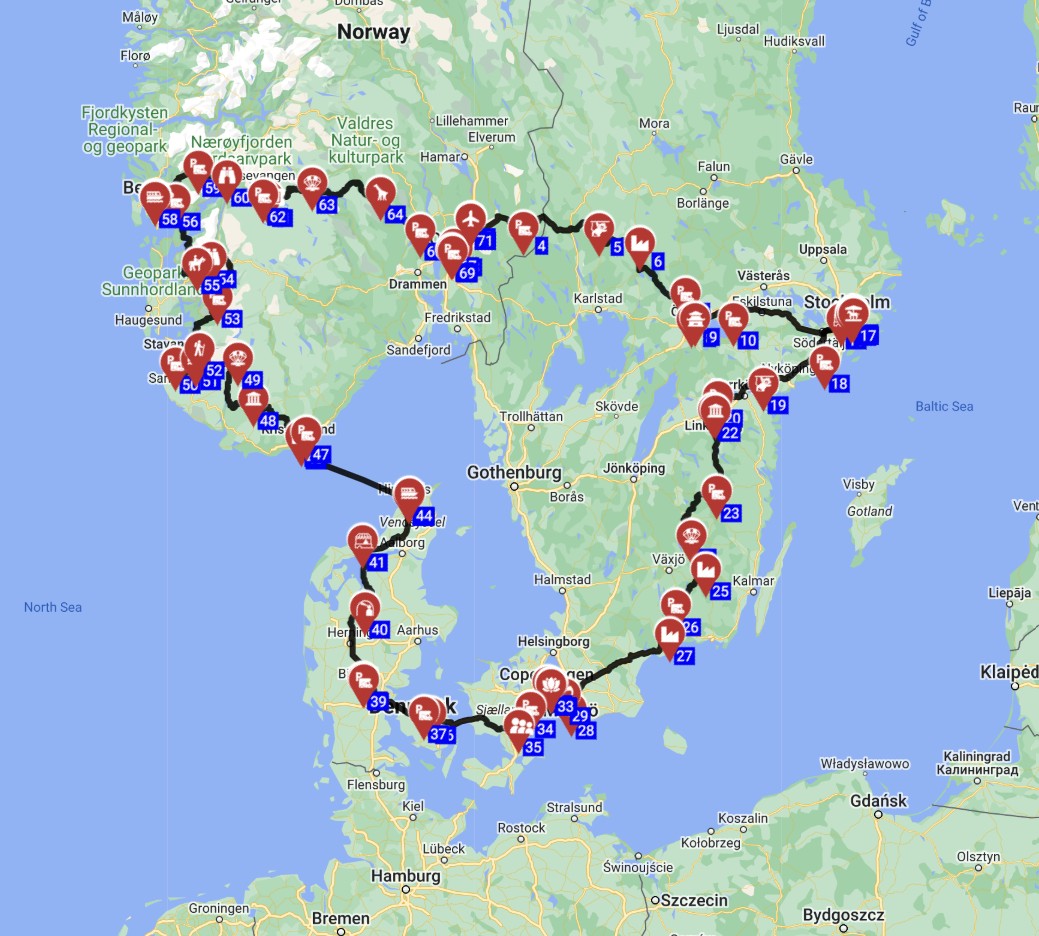
Norway operates an extensive electronic toll system (AutoPASS) on roads, bridges, and tunnels, and Oslo has significant congestion charges for city access, particularly when driving near the Sentrum area. Tolls are automatically registered via a transponder in the vehicle (often included with rentals) and are typically billed post-rental; heavier vehicles like larger RVs may incur higher charges. While Norway does not use a vignette system, cross-border travel from Norway to neighboring countries like Sweden or Denmark generally requires prior notification and explicit approval from the rental company for insurance and paperwork purposes. Many Bandana partner suppliers like Apollo or Britz offer RVs with pre-purchased toll passes or include AutoPASS tags, which can streamline travel and help avoid unexpected fines when exploring beyond Oslo. Be sure to discuss any international travel plans during your booking for full transparency.Driving Tips for RV Seniors Travelers in Oslo
Planning your routes in advance is highly recommended for senior RV travelers in Oslo, incorporating frequent rest stops to manage driving fatigue and truly enjoy Norway's scenic beauty at a comfortable pace. Consider opting for an RV with an automatic transmission for easier driving, especially in Norway's sometimes hilly terrain and busier city traffic around the city center or places like Majorstuen. Familiarize yourself with Norway's road signs, particularly those indicating speed limits, tunnels, and potential wildlife crossings that can be prevalent outside urban zones. Utilize GPS or navigation apps that can account for vehicle dimensions to avoid unsuitable roads or height restrictions in urban areas like Oslo, especially when navigating to campsites. If traveling with pets, ensure all pet travel regulations (e.g., pet passport, vaccinations) are met and plan for pet-friendly campsites and attractions; this is often detailed in your RV PLANET routes.🎬 Video coming soon
Recommended RV Class for Oslo Roads
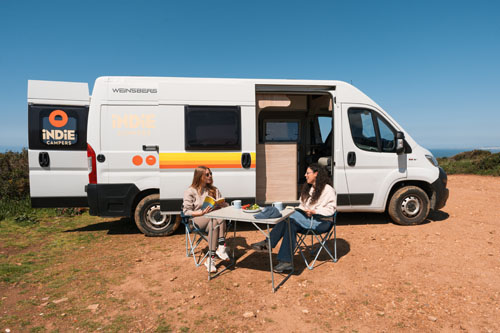
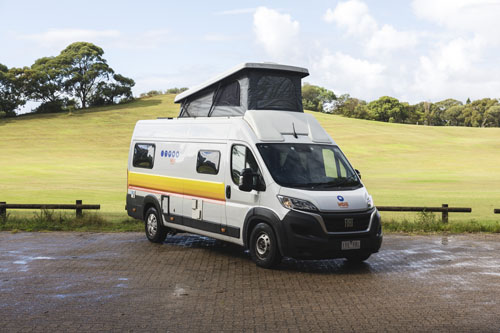
For a balance of comfort and maneuverability in and around Oslo, a Class SI - Semi-integrated RV (e.g., "Active Standard Auto"), with Bandana's fleet averaging 6.9 meters in length, is often recommended for senior travelers. These models provide sufficient living space without being overly cumbersome for urban navigation. If urban accessibility and easier parking are top priorities, a Class B - Camper Van (e.g., "Active Bunk Auto" or "V3"), averaging 5.8 meters in length, offers more agility for navigating city streets and tighter spots, such as those around Aker Brygge. While larger Class C Alcove (avg. 7.5m, like a "6 Berth Deluxe") or Class A Integrated (avg. 7.5m, like an "Active First") RVs provide more expansive living space, their increased length and width can make driving and finding parking in Oslo's city center more challenging. Choosing an RV that perfectly fits your comfort level and planned activities, whether city exploration or scenic drives along the Oslofjord, is key for a relaxing senior RV trip.Should I Choose a Compact Van Instead of a Large RV in Oslo
While compact vans (Class B - Camper Van) offer superior maneuverability for navigating Oslo's narrow streets and easier parking, a larger RV (Class SI or C) often provides significantly more comfort and indoor space for seniors, which can be a greater priority for extended trips. There is generally no significant issue driving most RV sizes on Oslo's main roads and to its perimeter, meaning comfort and amenities inside a larger RV often outweigh the marginal maneuverability benefits of a compact van for many senior travelers. Drive slowly and carefully, and you can drive almost anywhere without issues. No need to stress - just use common sense and pay attention. A compact van genuinely helps in very tight historic centers or extremely narrow mountain passes, but for general Oslo exploration, using public transport from a perimeter RV park (such as Ekeberg Camping, just southeast of Sentrum) often negates the need for a tiny vehicle. Ultimately, the trade-off depends on individual priorities: prioritize ease of city parking for quick stops, or prioritize living comfort and spaciousness for a more relaxed, extended trip. For options, consider the "Koru Star 3 Freedom" campervan for agility, or a "Motorhome MC4 Gold" for more space.Can I Park Anywhere Free and Wild Camping Rules in Oslo
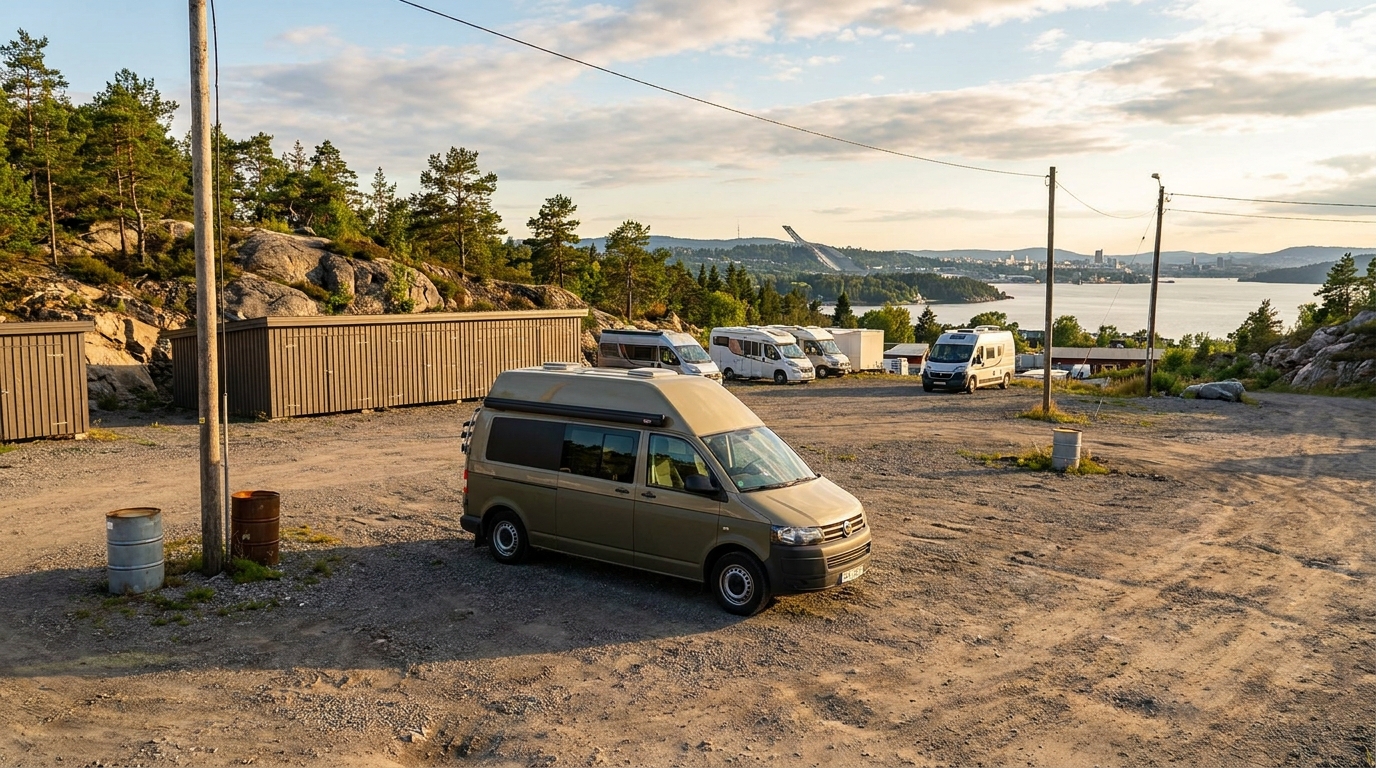
While Norway's 'Allemannsretten' (right to roam) famously permits wild camping for tents and sleeping bags on uncultivated land, it generally does not extend to motor vehicles like rented RVs or campervans for overnight stays. In and around Oslo, wild camping for RVs is strictly prohibited, especially within the municipal boundaries and along public roads; overnight parking must be in designated campsites, official RV parks, or approved parking areas. Fines can be issued for unauthorized overnight parking in urban areas, along public roads, or on private land without explicit permission. Rules for RV parking and camping vary by region within Norway – always check local regulations and follow local law before parking overnight, particularly within Oslo's municipal boundaries. For finding campsites and campgrounds during your trip, we recommend using RV PLANET (rvplan.net) – a great resource for locating available spots along your route, ensuring you comply with local regulations.Can I Drive an RV Into the City Center: Heights, Tunnels and Local Signage
Yes, you can generally drive a rented RV into Oslo's city center, but it comes with specific challenges like congestion charges, limited and expensive parking, and potential vehicle restrictions. Oslo has environmental zones and congestion charges that apply to all vehicles, and while most modern RVs meet emissions standards, these charges can accumulate, particularly if you drive frequently in and out of the central ring road. Pay close attention to local signage for height limits (especially for underground parking garages around the Central Station and some older tunnels), weight restrictions, and residents-only streets. For ease and a more relaxed experience, many RV travelers, particularly seniors, opt to park their motorhome at a designated campsite or perimeter parking lot outside the immediate city center, such as Bogstad Camping, and then use Oslo's efficient public transport system (trams, buses, and ferries) to explore attractions like the Royal Palace, Vigeland Park, or the Munch Museum.Can I rent an RV to drive across country?
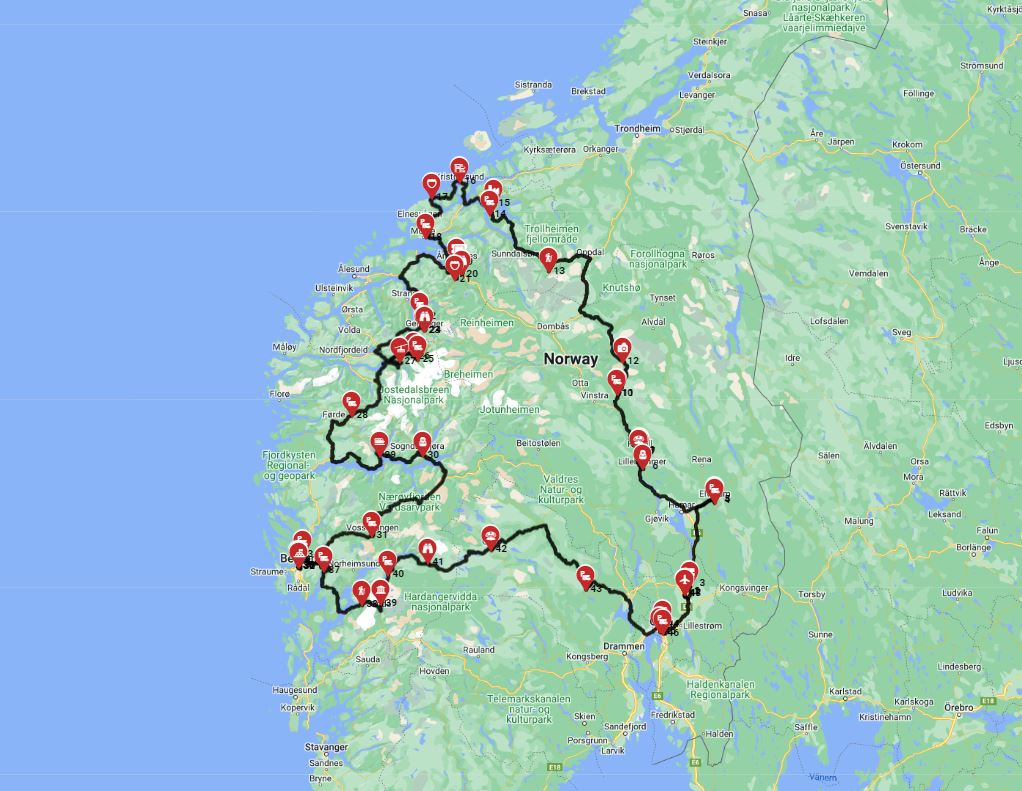
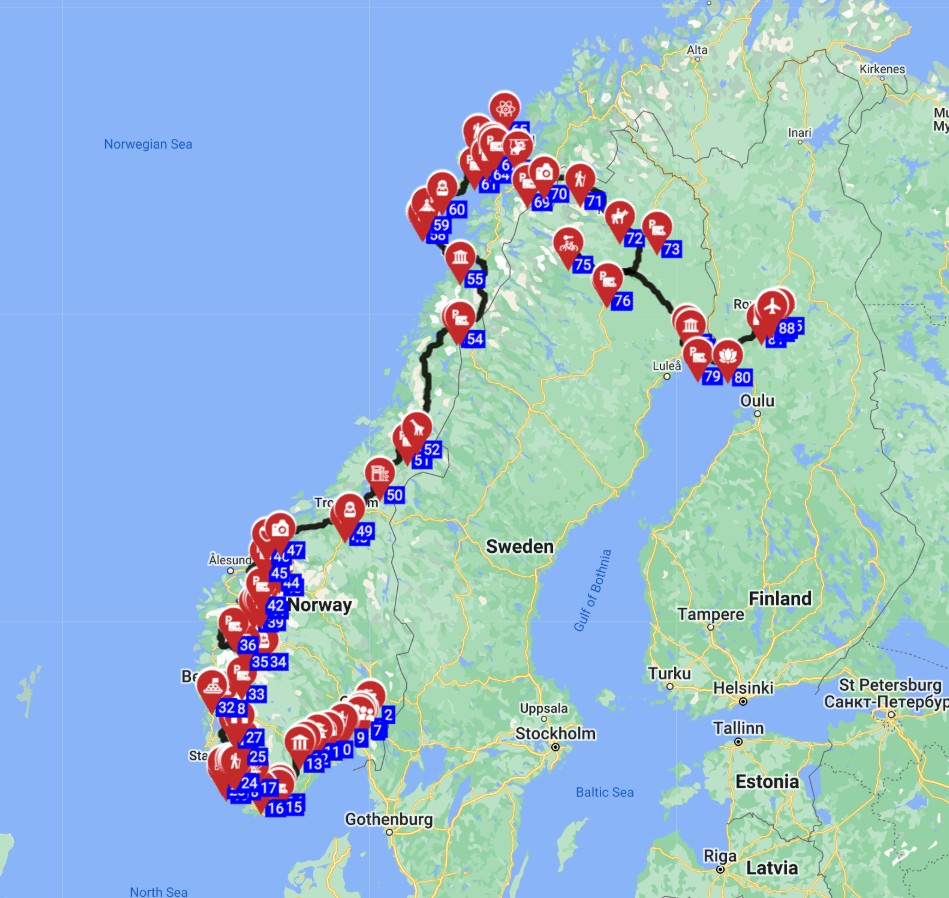
Yes, most RV rentals permit cross-country travel within Norway, allowing you to explore vast regions like the fjords, mountains, and coastal areas with your rented motorhome or campervan. Driving across international borders from Oslo, such as to Sweden or Denmark, is also often possible but requires prior notification and explicit permission from the rental company, such as El Monte or Cruise America. Additional fees or specific insurance coverage may be necessary for international travel, so always clarify this during the booking process with Bandana Caravan for full transparency. Ensure your rental agreement clearly outlines the geographical limits of your travel to avoid complications, especially if you plan an extensive Nordic nature escape route like the "Oslo to Tromsø - Fjord & Peaks Discovery Drive."Is Norway RV friendly?
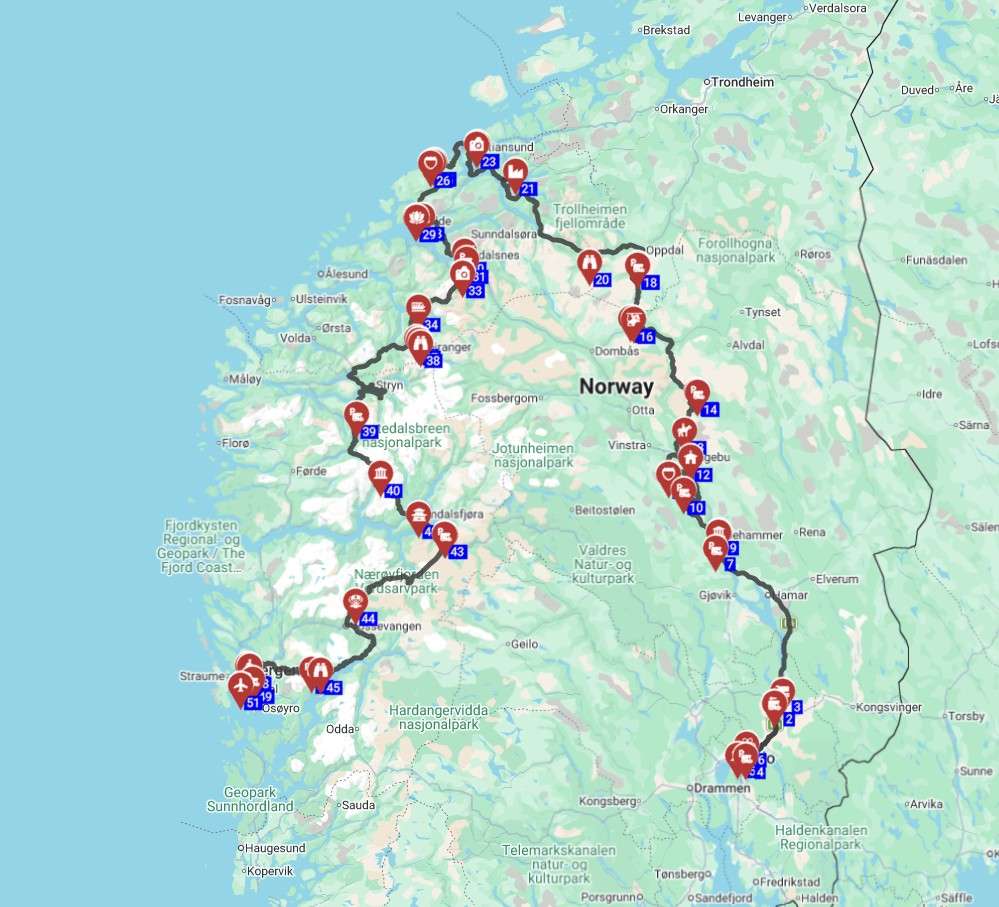
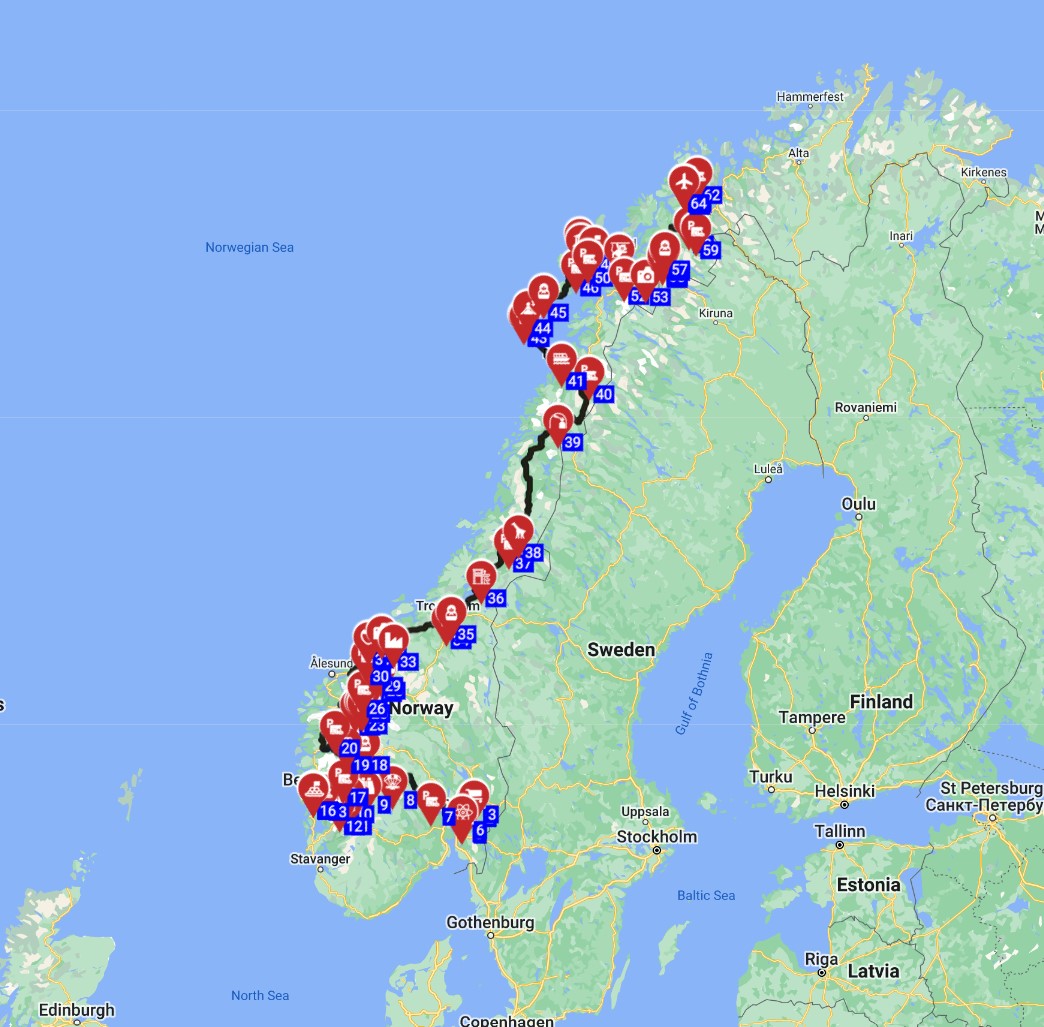
Norway is highly RV-friendly, offering an extensive network of stunning scenic routes, well-maintained campgrounds, and breathtaking natural attractions that are perfect for exploring with a rented motorhome. The country boasts diverse landscapes perfect for RV exploration, from the famous Western fjords to picturesque coastal roads and mountain ranges like those on the "
Tromsø to Oslo - Nordic Nature Escape
What are the requirements to rent an RV?
To rent an RV in Oslo, individuals typically need to be at least 21 years old, although some specific vehicle classes or rental companies might have a minimum age of 25. A valid driver's license held for at least two years is generally required; for visitors from non-English-speaking countries, an International Driving Permit (IDP) is usually recommended alongside their national license, though not always mandatory. Renters must also possess a major credit card for the security deposit and for payment of the rental fees. Bandana Caravan partners with 50+ leading RV suppliers worldwide, ensuring a wide selection and clear requirements for every booking. For example, a "campervan hire example Active Classic" might have slightly different age requirements than a larger "Euro Deluxe" Class C motorhome.Can you take a rented RV across the border?
Taking a rented RV across international borders from Norway is generally permitted, but it almost always requires prior approval from your rental company, such as Apollo or Britz. The rental agreement should explicitly state permitted countries, and additional insurance coverage or specific documentation might be necessary for cross-border travel into, for example, Sweden or Finland. Failing to inform the rental company about international travel can invalidate your insurance and lead to significant penalties, undermining your peace of mind. Always confirm cross-border policies when booking with Bandana Caravan to ensure a smooth journey into neighboring countries. Our full transparency policy means we'll guide you through these details.Can you park a motorhome anywhere in Norway?
While Norway's 'Allemannsretten' generally allows for wild camping in uncultivated land, motorhomes have stricter parking regulations and cannot be parked just anywhere, particularly in and around Oslo. Overnight parking for motorhomes is restricted in urban areas, on private land without permission, and often along main roads or in designated no-parking zones. Designated RV campsites, municipal parking lots, and official rest stops are the appropriate places for overnight motorhome parking. For example, near Oslo, Bogstad Camping is a popular and well-equipped option. Always respect local signage and regulations to avoid fines and ensure a responsible and enjoyable RV experience. Travel slowly, max 100-150 km per day on average, and you'll easily find suitable spots.Can I rent an RV with a driver's license?
Yes, you can rent an RV with a standard Category B driver's license in Norway, provided the vehicle's Gross Vehicle Weight (GVW) does not exceed 3,500 kg. This includes most campervans and many smaller semi-integrated RVs, such as the "Active Standard Auto" model, which are popular choices for their ease of driving and maneuverability, especially important for senior travelers. For larger RVs with a GVW exceeding 3,500 kg, a higher license category, such as C1 (up to 7,500 kg), is legally required. Always confirm the specific license requirements for your chosen rental RV class with the rental company through Bandana Caravan before booking, ensuring no surprises upon pickup. Our true RV specialists can help you navigate these details.Can I rent a campervan in Norway?
Yes, campervans (Class B motorhomes) are extensively available for rent across Norway, including numerous pick-up locations in and around Oslo, making them a popular choice for visitors seeking a compact and agile vehicle. Campervans are favored for their smaller size, typically averaging 5.8 meters in length like a "V2L" model, making them easier to navigate through Norway's winding roads and urban centers, and generally more fuel-efficient (e.g., consuming 8-11 Liters/100 km). They offer a balance of mobility and essential amenities, appealing particularly to seniors looking for a comfortable yet agile travel experience. Many Bandana partner rental companies offer a variety of campervan models, from basic setups to more luxurious options with integrated bathrooms and kitchens, perfect for a self-contained trip.How does insurance work when renting an RV?
When renting an RV through Bandana Caravan, basic third-party liability insurance is typically included by law, covering damages to other vehicles or property in an accident. Renters are usually advised to purchase additional comprehensive coverage, often referred to as Collision Damage Waiver (CDW) or similar, to reduce their financial liability for damages to the rental RV itself. This additional coverage often comes with an excess or deductible, which is the amount you are responsible for paying before the insurance covers the rest. You can upgrade to a top-level deductible for extra peace of mind, which can significantly reduce your out-of-pocket expenses in case of an incident. Review the insurance terms carefully and consider your options; our 24/7 support means real people are behind you before, during, and after your booking to answer any questions.How much does it cost to rent a camper van in Norway?
The cost to rent a campervan (Class B motorhome) in Norway varies significantly by season, typically ranging from €100-€150 per day in the low season to €180-€250 per day or more in peak summer (June-August). Rental duration, the specific model of campervan (e.g., a "Koru Star 4 Freedom" or "VW California Ocean"), its age, and included features also influence the daily rate. Additional costs to budget for include fuel (which averages €20-€24 per 100 km), tolls (like Oslo's congestion charge), ferry fees, and campsite charges, which can significantly add to the overall travel expense. Booking well in advance, especially for summer travel, can sometimes secure better rates and ensure availability. For accurate pricing and to compare options, use Bandana Caravan's platform, offering full price transparency with no hidden fees. Consider checking "Cheap RV Rental in Oslo - Budget Guide 2026" for more budget-friendly tips.How much is camper rental insurance?
Camper rental insurance, specifically for reducing the deductible (or excess amount), can range from €15-€40 per day, depending on the rental company, the level of coverage chosen, and the specific vehicle's value. This daily cost is an optional upgrade in addition to the base rental fee and covers a portion or the entirety of the excess amount in case of damage to the rented campervan or motorhome. Some credit cards offer rental insurance benefits, but it's crucial to confirm if RVs are included and if coverage is valid in Norway. It is always recommended to thoroughly understand what is covered and what your maximum liability would be before accepting or declining additional insurance, ensuring complete peace of mind for your senior RV trip through Oslo and beyond.What You Shouldn't Miss
- **Explore the Oslofjord by Ferry:** Park your RV at Bogstad Camping and take public transport to Aker Brygge to catch a ferry to islands like Hovedøya or Gressholmen. Enjoy car-free walking, swimming, and historical sites, offering a tranquil escape from the city buzz.
- **Visit the Viking Ship Museum:** Although currently under renovation (scheduled to reopen as the Museum of the Viking Age in 2027), this iconic museum, located on the Bygdøy peninsula, is a must-see for its incredibly preserved Viking ships. Check current status and alternative Viking exhibitions in Oslo.
- **Wander Through Vigeland Park:** This sculpture park, part of Frogner Park, is the world's largest sculpture park by a single artist, Gustav Vigeland, featuring over 200 bronze and granite sculptures. It's easily accessible by public transport from various RV-friendly locations on the city's outskirts.
- **Experience Holmenkollen Ski Jump:** Visit this impressive landmark for panoramic views of Oslo and the fjord. You can reach it easily from local campsites and even explore the Ski Museum on site.
- **Stroll through Gamlebyen (Old Town):** Discover Oslo's historic roots by walking through the charming streets of Gamlebyen. While navigating a large RV directly through here might be tricky, it's perfect for a day trip using public transport after parking at a convenient RV site.
- **Enjoy RV Cooking with a Fjord View:** Utilize your RV kitchen to prepare a delicious meal with local ingredients, perhaps enjoying it at a scenic overlook or a campground near the Oslofjord. Don't forget to check our RV-friendly recipes playlist for inspiration!
Final Thoughts
Embarking on an RV adventure in Oslo as a senior traveler offers an unparalleled sense of freedom and comfort, allowing you to explore Norway's stunning landscapes and vibrant city life at your preferred pace. From navigating urban environmental zones to enjoying tranquil fjord-side campsites, a rented motorhome provides a mobile home base for creating unforgettable memories. Remember to travel slowly, averaging no more than 100-150 km per day, to truly immerse yourself in the culture, food, and scenery that Norway has to offer. At Bandana Caravan, we're committed to making your planning and booking experience as smooth as possible. We provide full transparency, expert guidance, and access to a wide range of top-quality RVs, ensuring every detail is taken care of. Your comfort and peace of mind are our priority, allowing you to focus on the joy of discovery. So, imagine yourself on the route, savoring every moment of your Norwegian journey. Find Motorhome Rentals in OsloOn the routes offered through RV PLANET routes, you can itemize and track every expense along the way for easy budgeting.