For live availability and current prices, start with our RV Rental Chile - Complete Guide 2026 guide.
In This Guide
- Can You Drive an RV in Chile? License & Age Rules
- Road Conditions & Terrain in Chile
- RV Size Limits, Bridges & Restricted Zones
- Fuel: Diesel vs. Petrol & Cost per 100 km
- Tolls, Vignettes & Border Rules
- Driving Tips for RV Rental for Seniors Travelers
- Recommended RV Class for Chile Roads
- Should I Choose a Compact Van Instead of a Large RV in Chile?
- Can I Park Anywhere? Free & Wild Camping Rules in Chile
- Can I Drive an RV Into the City Center? Heights, Tunnels & Local Signage
- Top Cities for RV Rental in Chile
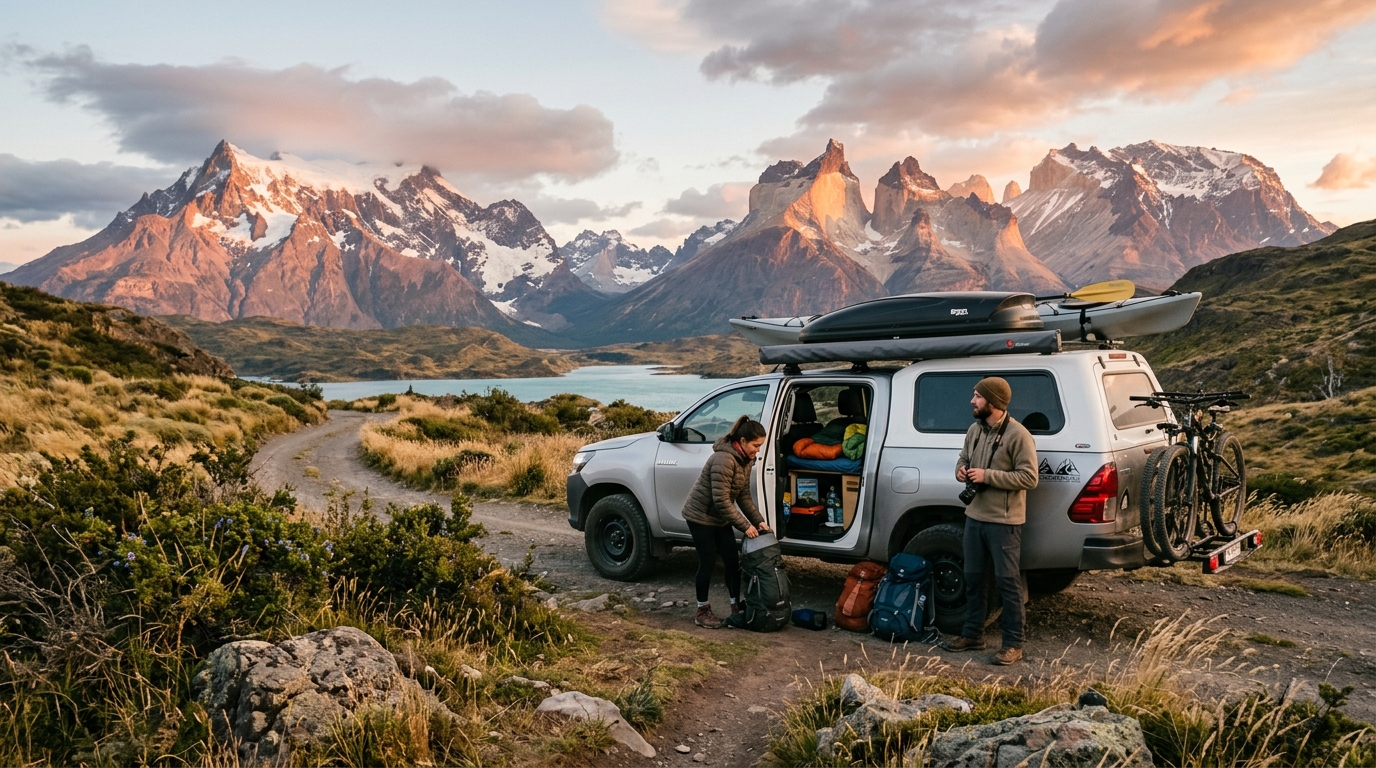
Chile, a country of unparalleled geographical diversity, offers an incredible canvas for an RV adventure, especially for senior travelers seeking comfort and independence. Imagine the freedom of waking up to views of snow-capped Andes, a serene Patagonian lake, or the vast, star-studded Atacama Desert, all from the comfort of your rented motorhome. At Bandana RV, we believe RV travel in Chile is not just a trip; it's a journey of discovery designed for those who appreciate the journey as much as the destination.
For live availability and current prices, start with our RV Rental Chile - Complete Guide 2024. This comprehensive resource is your first step toward planning an unforgettable experience on Chile's scenic routes.
Can You Drive an RV in Chile? License & Age Rules
Most foreign visitors can drive a rented RV in Chile for up to one year using their valid national driving license, though an International Driving Permit (IDP) is highly recommended for ease of translation and to avoid potential misunderstandings with local authorities. The minimum driver age for RV rentals in Chile typically starts at 21 years old across our partner suppliers, and happily, there are no specific young driver surcharges or vehicle class restrictions based on age. Standard Class B, Class C, and Class A motorhomes weighing up to 3,500 kg (approximately 7,700 lbs) generally only require a regular Class B (or equivalent) passenger car license. For unique rental options, like a "Patagonia Camper 4x4 double cab" or similar, always confirm specific age and license requirements directly with your chosen rental provider through Bandana RV, and ensure your insurance policy covers your license type for complete peace of mind.
Road Conditions & Terrain in Chile
Chile offers a diverse range of road conditions that RVers should be aware of, spanning from well-maintained paved highways to challenging gravel routes, particularly in Patagonia, and winding mountain passes in the Andes. Paved roads, including major arteries like the Pan-American Highway (Ruta 5), are generally in good condition, providing a comfortable and smooth experience for senior travelers. However, gravel roads, locally known as 'ripio,' are common in southern Chile, especially along the famed Carretera Austral; these require slower speeds, increased braking distance, and careful navigation to manage washboards and loose surfaces. Mountain passes can be steep and winding, subject to rapid weather changes, and may experience temporary closures during winter months or heavy snowfall, so checking conditions before driving is always wise. While extreme off-roading is generally not recommended, standard Class B Camper Vans and Class SI Semi-integrated RVs, such as the comfortable "2 Berth Rover", typically offer sufficient ground clearance for most accessible routes and graded gravel roads you might encounter on your adventure. Drive slowly and carefully, and you can drive almost anywhere without issues. No need to stress - just use common sense and pay attention.
RV Size Limits, Bridges & Restricted Zones
Most standard rental RVs for seniors will comfortably fit within Chile's general height and weight limits for bridges and tunnels, but vigilance for local signage, particularly in older towns or near specific ferry routes, is crucial for safe navigation. Chile's road infrastructure is designed to accommodate a wide array of vehicles, including larger motorhomes, with few country-wide size restrictions. However, when exploring charming historic city centers or navigating some Patagonian ferries, like those to Chiloé or along the Carretera Austral, specific length, weight, or height restrictions may apply, often with varying pricing tiers for larger vehicles, making pre-booking and confirmation with ferry operators advisable. Additionally, environmental zones, especially in a bustling metropolis like Santiago, may impose temporary driving restrictions on certain vehicle types or license plate numbers during peak pollution days. We strongly recommend checking local municipality rules for any potential restrictions before entering urban areas. Bandana RV offers a range of sizes, including compact options like the "rv rental denver example Category Van" which are often easier to maneuver in varied terrains.
Fuel: Diesel vs. Petrol & Cost per 100 km
Diesel is the predominant fuel for rented motorhomes in Chile and is widely available, with prices fluctuating but generally consistent across regions, so budgeting for approximately 10-12 Liters per 100 km for common Class C Alcove RVs is a practical approach. Most rental RVs, including Class B Camper Vans (typically consuming 8-10 Liters/100 km) and Class SI Semi-integrated RVs (around 10-11 Liters/100 km), operate on diesel, referred to as 'Diésel' at service stations throughout the country. To estimate your cost per 100 km, simply multiply the current diesel price per liter by your RV's average consumption rate. For example, a "cruise america rv rental example Explorer" with a 75 Liter fuel tank and 11 Liter/100 km consumption would offer a good range between fill-ups. Prices are dynamic like flight tickets, changing daily based on global markets and local factors, so always check current rates upon arrival. For managing all your expenses, remember that RV PLANET routes allow travelers to itemize and track every ancillary expense, from fuel to campground fees, for easy budgeting. On the routes offered through RV PLANET routes, you can itemize and track every expense along the way for easy budgeting.
Tolls, Vignettes & Border Rules
Chile primarily utilizes electronic tolling systems on major highways, especially around Santiago, but also features manual tolls in some regions, while crossing borders into neighboring countries like Argentina requires specific documentation and temporary import permits for your rental vehicle. Major highways, particularly those connecting larger cities, often employ electronic toll systems known as 'Tag' or 'Televía.' Rental companies typically provide a transponder for these tolls, or they will advise you on the payment process. Chile does not use a vignette system; tolls are generally paid per section or at specific points along the route. For adventurous senior travelers considering an extended road trip into Argentina, you will need your passport, valid driver's license, the rental agreement, and a notarized authorization from the rental company allowing the vehicle to be taken abroad. Mandatory cross-border insurance, known as 'Seguro Internacional,' is also required for international travel, which your rental provider can help arrange in advance. For more detailed information on trip costs, including tolls and other fees, explore our guide to One-Way RV Rental in Chile - Price Guide 2024.
Driving Tips for RV Rental for Seniors Travelers
Senior RV travelers in Chile can significantly enhance their journey by prioritizing a relaxed pace, planning frequent rest stops, ensuring reliable communication, and being well-prepared for diverse road conditions and potential challenges in remote areas. Embrace slow travel, aiming for a maximum of 100-150 km per day on average, which allows ample time to feel the place, connect to the culture, the food, and the stunning scenery. Plan frequent breaks for rest, stretching, and hydration, especially on longer driving days, to maintain comfort and alertness. Utilize offline GPS maps (like those available through rvplan.net) and consider purchasing a local SIM card for mobile data; for truly remote areas without cell service, a satellite communication device is a recommended safety measure. Familiarize yourself with your rental company's emergency procedures, carry basic tools, and know how to contact mechanical support, as specialized RV mechanics or parts can be scarce in very remote regions. Practice secure overnight parking by choosing designated campgrounds (for more, see RV Camping in Chile - Best Campgrounds 2026) or well-lit, populated areas, keep valuables out of sight, and be aware of your surroundings to prevent theft and enhance safety. Carry ample water, non-perishable food, and respect local communities by learning basic Spanish phrases and buying from local markets. Preparing meals in your RV kitchen can be a joyful part of the experience, and for some inspiration, check out our RV-friendly recipes playlist.
Recommended RV Class for Chile Roads
For seniors traveling through Chile, Class B Camper Vans and Class SI Semi-integrated RVs are highly recommended due to their optimal blend of maneuverability, comfort, and suitability for the country's varied road conditions. Class B Camper Vans, like the "Active Standard Auto" or "Juliette 2-3" models (Bandana's fleet averages around 5.8m in length), are ideal for couples or solo travelers, offering a compact size that makes them easy to drive and park, even on narrower roads, and better fuel efficiency, typically between 8-10 Liters/100 km. These are perfect for accessing more secluded spots. Class SI Semi-integrated RVs, such as the "Euro Quest" or "2 Berth Tamar" models (Bandana's fleet averages around 6.9m in length), provide more spacious living areas, often with separate sleeping arrangements and enhanced amenities, while remaining relatively manageable for driving, consuming around 10-11 Liters/100 km. Both classes generally offer sufficient ground clearance for most Chilean roads, including graded gravel sections, making them versatile for exploring diverse regions. When choosing your RV rental, consider comfort features like automatic transmission, easy-access beds, and spacious bathrooms to maximize enjoyment for your extended road trip. You can find excellent value by comparing options through our Cheap RV Rental in Chile - Budget Guide 2024 and RV Rental in Chile - Prices and Best Deals 2026.
Should I Choose a Compact Van Instead of a Large RV in Chile?
While a compact camper van offers superior maneuverability in tight spaces and on some challenging roads, a larger RV generally provides significantly more comfort and living space, which is often a more critical factor for senior travelers embarking on a multi-day journey across Chile. Compact vans, like a "Category Van" or "Juliette 2-3", excel in crowded city centers, navigating narrow mountain roads, and offer easier parking, which can be advantageous for specific itineraries, particularly those emphasizing urban exploration or very rugged paths. However, for extended week-long trips or two-week adventures, larger RVs such as Semi-integrated (Class SI) or Alcove (Class C) models offer greater headroom, dedicated sleeping areas, more spacious kitchens, and ample storage, significantly enhancing the overall travel experience. Modern RVs, even larger ones like the "rv rentals utah example Sunrise Escape" or "Benimar Sport 323", are typically equipped with power steering and automatic transmissions, making them surprisingly easy to drive. The decision ultimately balances the desire for maximum maneuverability against the need for enhanced comfort and living amenities for a relaxing trip. Consider the luxury options with more space if comfort is a priority, as detailed in our Luxury RV Rental in Chile - Premium Prices 2026 guide.
Can I Park Anywhere? Free & Wild Camping Rules in Chile
While wild camping is generally tolerated in very remote, non-private areas of Chile, especially in the vast southern regions like Patagonia, it is not universally permitted, and travelers should prioritize designated campsites or secure parking spots while always adhering to local regulations and 'Leave No Trace' principles. Numerous established campgrounds ('campings') exist throughout Chile, offering essential amenities such as water, electricity hookups, and waste disposal stations, which provide both safety and convenience, especially for senior travelers. Wild camping, or 'camping libre,' is often restricted in national parks, on private land, or near populated areas; always seek permission from landowners if you are unsure about a spot. For seniors, designated campgrounds offer enhanced security, reliable facilities for water refills and waste disposal, and overall peace of mind. Strict adherence to 'Leave No Trace' principles is paramount: pack out all trash, properly dispose of greywater and blackwater at designated dump stations, and minimize your environmental impact to protect Chile's diverse ecosystems. Rules vary by region, so always check local regulations, particularly near national parks or protected areas, and consult with locals or tourist information offices before parking overnight in an undesignated spot. For a comprehensive list of places to stay, refer to our guide on RV Camping in Chile - Best Campgrounds 2026.
Can I Drive an RV Into the City Center? Heights, Tunnels & Local Signage
Yes, most rented motorhomes can generally be driven into Chilean city centers; however, drivers must remain vigilant for specific local signage indicating height restrictions, narrow streets, low tunnels, and potential environmental or residents-only zones. Unlike some European cities, many Chilean city centers do not impose strict 'no RV' zones for standard-sized vehicles like a "24' Class C Motorhome". Always pay close attention to signs indicating height limits, especially for underground parking garages (where RVs will almost certainly not fit), low bridges, and tunnels. Historic city centers, such as those in Santiago or Valparaíso, may feature very narrow streets that can be challenging for larger RVs; in these cases, it's often more convenient to park on the outskirts at a designated RV park or larger parking lot and utilize public transport or taxis for city exploration. Santiago, in particular, may implement temporary driving restrictions in environmental zones during high pollution alerts, so it's advisable to monitor local news or municipal websites for current information. Drive slowly and carefully, and you can drive almost anywhere without issues. No need to stress - just use common sense and pay attention.
🎬 Video coming soon
Top Cities for RV Rental in Chile
Chile offers several excellent starting points for your RV rental adventure, each providing unique access to different regions of this diverse country. Whether you're drawn to the vibrant culture of the central valley or the rugged beauty of Patagonia, Bandana RV partners with top suppliers like El Monte, Cruise America, Apollo, and Britz to offer a wide selection of motorhomes and campervans from these key locations.
- Santiago: As Chile's capital, Santiago (and Santiago - Airport) is the primary hub for international arrivals and offers the widest selection of RV rentals. From here, you can easily head north to the Atacama Desert or south towards wine country and Patagonia.
- Arica: Located in the far north, Arica is perfect if you're planning to explore the Andean highlands, Lauca National Park, and the unique desert landscapes of northern Chile.
- Calama - Airport: Serving the Atacama Desert region, Calama - Airport is your gateway to San Pedro de Atacama, geysers, salt flats, and some of the world's best stargazing.
- Puerto Montt: The jumping-off point for Chile's Lake District and the beginning of the famous Carretera Austral, Puerto Montt offers access to stunning national parks, volcanoes, and ferry connections.
- Punta Arenas: For the ultimate Patagonian adventure, Punta Arenas is located at the southern tip of Chile, providing access to Tierra del Fuego, penguin colonies, and expeditions towards Torres del Paine.
What You Shouldn't Miss
- Drive the Carretera Austral: This iconic route stretches over 1,240 km (770 miles) through Chilean Patagonia, offering breathtaking landscapes, glacial lakes, and dense forests. While parts are gravel ('ripio'), the scenery is unmatched.
- Stargaze in the Atacama Desert: Head to the Elqui Valley or San Pedro de Atacama for an unparalleled astronomical experience. Imagine parking your campervan under the clearest night skies on Earth.
- Explore Torres del Paine National Park: Even if you don't trek the full W-Trek, driving your RV to key viewpoints like Salto Grande and Laguna Amarga offers spectacular vistas of granite peaks and turquoise lakes.
- Relax in Chilean Hot Springs: With Chile's volcanic activity, there are numerous natural hot springs across the country. Seek out places like Termas Geometricas in Pucón or Termas de Puritama near San Pedro de Atacama for a rejuvenating soak.
- Experience the Lake District: Drive around the beautiful lakes of Villarrica, Llanquihue, and Todos los Santos, enjoying views of active volcanoes, charming towns like Frutillar and Puerto Varas, and opportunities for gentle hikes and local cuisine.
Final Thoughts
Embarking on an RV adventure through Chile as a senior traveler promises an unparalleled blend of freedom, comfort, and discovery. With its stunning landscapes, from the arid north to the glacial south, Chile offers endless opportunities for exploration at your own pace. Remember to plan your route, choose the right-sized motorhome or campervan, and embrace the local culture, always prioritizing a slow and immersive travel style.
At Bandana RV, we are dedicated to making your journey as seamless and enjoyable as possible. Our commitment to full transparency and providing comprehensive support means you can book with confidence, knowing you have a team of true RV specialists behind you every step of the way. Get inspired for your next trip and discover top destinations, planning tips, all in one place!
Don't wait to begin creating memories that will last a lifetime. Compare Motorhome Prices for Chile today and find the perfect rented RV for your unforgettable Chilean expedition!