In This Guide
- Can You Drive an RV in Spain? License & Age Rules
- Road Conditions & Terrain in Spain
- RV Size Limits, Bridges & Restricted Zones
- Fuel: Diesel vs. Petrol & Cost per 100 km
- Tolls, Vignettes & Border Rules
- Driving Tips for RV Rental Travelers in Spain
- Recommended RV Class for Spain Roads
- Should I Choose a Compact Van Instead of a Large RV in Spain?
- Can I Park Anywhere? Free & Wild Camping Rules in Spain
- Can I Drive an RV Into the City Center? Heights, Tunnels & Local Signage
- How much does it cost to rent an RV in Spain?
- What is the best month to RV in Spain?
- What documents do I need to rent an RV in Spain?
- Experiencing Authentic Spain: Cultural Immersion by RV
- Staying Connected & Self-Sufficient: Utilities for Your Spanish RV Trip
- Emergency Preparedness & Troubleshooting for RV Travel in Spain
- Responsible & Sustainable RVing in Spain
- What You Shouldn't Miss
Can You Drive an RV in Spain? License & Age Rules
Most RVs under 3,500 kg, including many campervans and semi-integrated models like the "hire campervan example Paradise S/T" (a small, automatic campervan with shower and toilet), can be driven in Spain with a standard Category B car license. This means your regular driver's license from home is generally sufficient. For larger RVs between 3,500 kg and 7,500 kg, a Category C1 license is officially required, though most leisure travelers will find that the smaller, more agile motorhomes and campervans are perfectly suited for Spanish roads. Rental companies typically require drivers to be at least 21 years old and have a minimum of 1-3 years of driving experience, which is an important detail to confirm when comparing options for RV Rental in Spain for Seniors - Pricing 2026 or other demographics. Non-EU citizens must carry an International Driving Permit (IDP) in addition to their national driving license, making it easy to comply with local regulations.Road Conditions & Terrain in Spain
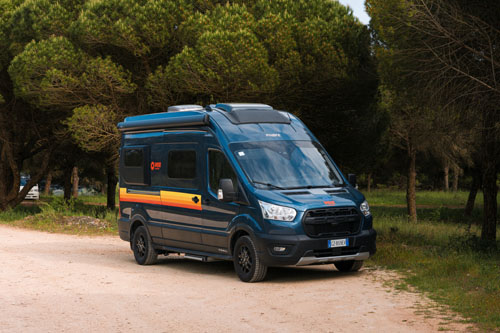
Spain boasts an excellent network of well-maintained roads, making RV travel generally smooth and enjoyable. This includes modern 'autovías' (motorways) and 'autopistas' (toll roads) that efficiently connect major cities and regions. The terrain, however, varies significantly across the country, from the flat plains of La Mancha, ideal for relaxed driving, to the mountainous regions of the Pyrenees, Sierra Nevada, and Picos de Europa, which feature winding roads and steep ascents. Rural roads, especially in charming villages, can be narrow and challenging for larger RVs, encouraging a slower, more scenic pace of discovery. It’s important to remember that driving slowly and carefully allows you to navigate almost anywhere without issues. No need to stress about narrow streets – just use common sense and pay attention. For instance, a Class SI Semi-integrated RV like the "Koru Star 4 Freedom," which offers 4 sleeping places and comes with a 280-watt solar system, provides enough power for remote areas and is still manageable on most roads.RV Size Limits, Bridges & Restricted Zones
Standard European road regulations apply in Spain, with typical rented RVs generally not exceeding general height and weight limits for major roads and tunnels. For example, a "cruise america rv rental example Explorer" motorhome is approximately 7.1 meters long and 2.78 meters wide, which fits within common limits. Drivers should always be vigilant for local signage indicating height restrictions (e.g., underpasses, parking garages) and weight limits, especially when entering historic towns or specific mountain routes. Environmental zones, known as 'Zonas de Bajas Emisiones' (ZBE), exist in major cities like Madrid and Barcelona, restricting access for vehicles that do not meet certain emissions standards; always check your rental RV's environmental sticker ('Distintivo Ambiental'). For instance, the "rv rentals utah example Sunrise Escape," while a larger motorhome at 7.6 meters with 5 sleeping places, might require checking ZBE compliance if you plan extensive city driving. Ferry travel to islands or across straits will have specific length, height, and weight restrictions, and booking in advance is essential to secure space and appropriate pricing for your RV size.Fuel: Diesel vs. Petrol & Cost per 100 km
The vast majority of RVs available for rent in Spain, including those in Bandana Caravan's global fleet, run on diesel fuel, which is widely available at service stations across the country. Based on Bandana's global fleet averages, common diesel consumption for RVs ranges from approximately 8-10 Liters/100 km for Class B Camper Vans like the "Category Van" (95L fresh water, 80L fridge), 10-11 Liters/100 km for Class SI Semi-integrated models such as the "K125" (115L fresh water, 12-14 Liter/100 km fuel consumption), and 10-12 Liters/100 km for Class C Alcove RVs like the "cruise america rv rental example Explorer". To estimate your fuel budget, multiply your rented RV's average consumption by the current diesel price in Spain (which fluctuates daily) and your total planned distance. Fuel stations are abundant on main roads and in towns, but it's wise to refuel before entering very rural or mountainous areas, especially on Sundays or public holidays when some smaller stations might have reduced hours. For managing all your trip expenses including fuel and tolls, remember that RV PLANET routes allow you to itemize and track every expense for easy budgeting.Tolls, Vignettes & Border Rules
Spain primarily uses a pay-as-you-go toll system ('autopistas de peaje') for its expressways, rather than a vignette system common in some other European countries. Tolls can be paid with cash, credit/debit cards, or via an electronic device called 'Via-T' (also known as telepeaje), which allows for automatic payment and faster passage through toll booths. While some rented motorhomes may allow pre-purchasing toll passes, travelers can also purchase a Via-T device or simply pay manually at each toll booth. Crossing borders within the Schengen Area, which includes Spain and its direct neighbors like France and Portugal, is typically seamless with no routine passport checks, but ensure your vehicle documentation is always accessible. Planning your European motorhome adventure often includes considering "RV Rental Europe - Complete Guide 2026" for broader advice on tolls and border rules.Driving Tips for RV Rental Travelers in Spain
When driving your rented RV in Spain, planning your route carefully is key. Use GPS for navigation but also consult physical maps for an overview, especially for larger motorhomes in areas with narrow roads or low bridges. Be mindful of siesta hours, as many shops and services, particularly in smaller towns, may close during mid-afternoon, so plan your fuel and grocery stops accordingly. Always stay alert to speed limits, as RVs and motorhomes often have lower limits than cars, especially on highways and secondary roads; always check local signage. For city visits, consider parking your RV on the outskirts in designated motorhome parking areas or large commercial parking lots and using public transport to access city centers. Spain has many roundabouts; remember to yield to traffic already in the roundabout and use your indicators correctly when entering and exiting. Remember, driving slowly and carefully helps you navigate almost anywhere without issues, regardless of your motorhome size.Recommended RV Class for Spain Roads
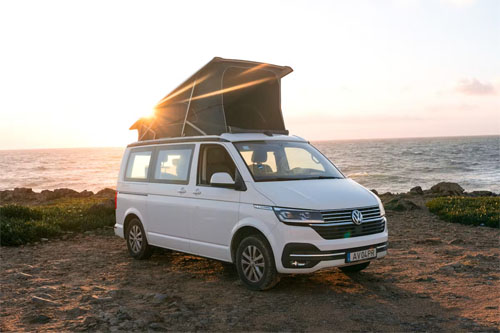
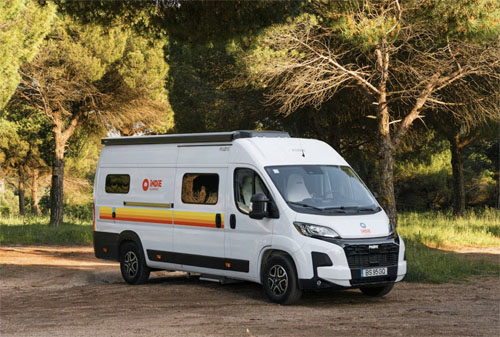
For navigating Spain's diverse road network, including historic towns and scenic coastal routes, Class B Camper Vans and Class SI Semi-integrated RVs are highly recommended. Class B Camper Vans, with an average length of around 5.8 meters, offer excellent maneuverability, making them ideal for narrower roads and easier parking in towns and cities. The "rv rental denver example Category Van" (small, ideal for a couple, with shower and toilet) exemplifies this flexibility. Class SI Semi-integrated RVs, typically around 6.9 meters long, provide a comfortable balance of living space and manageable size, suitable for families or couples seeking more amenities while still being adept on most Spanish roads. For example, the "F2" model (3 sleeping places, 140L fresh water, 6.5m length) offers comfort without excessive bulk. Both classes offer adequate ground clearance for varying terrains, ensuring a versatile and enjoyable travel experience across the country.Should I Choose a Compact Van Instead of a Large RV in Spain?
Choosing between a compact van, like a Class B Camper Van, and a larger RV in Spain depends primarily on your travel style and comfort priorities, as larger RVs can generally navigate Spain's main roads without issue. Compact vans offer superior maneuverability, easier parking access in crowded urban areas or historic centers with tight streets, and often lower fuel consumption (e.g., 8-10 Liters/100 km for a "Duo" campervan with a 140/190cm bed), making them ideal for flexible, spontaneous travel and city exploration. On the other hand, larger RVs, such as a Class C "rv rentals example Comfort Class" (large, 3 double beds, shower, toilet, up to 3 years old), provide significantly more living space, enhanced amenities (full bathrooms, larger kitchens), and greater comfort for longer trips or families. While a compact van genuinely helps when aiming for tight mountain passes or secluded beaches with limited access, for most of Spain's well-developed infrastructure and designated motorhome areas, the added comfort and space of a larger RV often outweigh minor maneuverability challenges. Consider your passenger count and desired amenities to make the best choice.Can I Park Anywhere? Free & Wild Camping Rules in Spain
Wild camping, which involves setting up camp with awnings, tables, or outdoor furniture, is generally prohibited or heavily restricted across Spain, especially in natural parks, protected areas, and along coastlines. However, overnight parking in a rented RV is often tolerated in legal parking spaces, provided the vehicle is merely 'parked' and not 'camped' (e.g., no external elements deployed, not obstructing traffic). Specific rules vary greatly by municipality and autonomous community, making local research essential. Designated 'Áreas de Autocaravanas' (motorhome service areas) are common throughout Spain, offering safe overnight parking, water refill, and waste disposal facilities, often for a small fee or even free. For example, models like the "MH2 - IDUNN" (2 sleeping places, 120L fresh water, 120L waste water) are perfect for utilizing these facilities. Always prioritize official campsites for secure parking, full amenities, and legal peace of mind, especially when staying for multiple nights, and remember that rules vary by region – always check local regulations and follow local law before parking overnight. For finding campsites and campgrounds during your trip, we recommend using RV PLANET (rvplan.net) - a great resource for locating available spots along your route.Can I Drive an RV Into the City Center? Heights, Tunnels & Local Signage
It is generally possible to drive a rented RV into the city center in Spain, particularly on main thoroughfares, but drivers must pay close attention to local signage regarding access restrictions, height limits, and environmental zones. For instance, a Class B campervan like the "Urban Luxury" (6.4 meters long, 2.05 meters wide) offers more flexibility than a larger Class A motorhome. Historic city centers in places like Seville, Toledo, or Granada often feature narrow streets, pedestrian-only zones, and low archways, making large RV navigation challenging or impossible; peripheral parking is usually the best approach. Environmental zones ('Zonas de Bajas Emisiones' or ZBE), such as those in Madrid and Barcelona, restrict access for vehicles based on their emissions sticker, so check if your rental RV complies before entering. Always observe specific local signage for height restrictions on tunnels and underground parking, as well as weight limits and 'residents-only' streets to avoid fines and potential damage. Drive slowly and carefully, and you can drive almost anywhere without issues. No need to stress – just use common sense and pay attention.How much does it cost to rent an RV in Spain?
The cost to rent an RV in Spain varies significantly based on the RV class, rental duration, season, and pick-up location, typically ranging from €50-€80 per day in low season to €150-€200+ per day in peak summer months (June-August). For example, a compact 2-berth campervan might start around €60/day, while a 6-berth Class C motorhome like the "MHC24" (7.3 meters long, 150L fresh water tank) could cost €180+/day during high season. Beyond the base rental fee, a realistic budget for an RV trip in Spain should account for additional expenses such as fuel (e.g., 8-12 Liters/100 km diesel consumption), road tolls, campsite fees (averaging €15-€40 per night), and groceries. Budget travelers might opt for smaller campervans and utilize free overnight parking where permitted, while those seeking comfort will incur higher costs for larger motorhomes and full-service campsites. Factor in potential costs for activities, dining out, insurance add-ons (you can upgrade to a top-level deductible for extra peace of mind), and a security deposit. Prices are dynamic, similar to flight tickets, changing daily based on availability, seasonality, and supplier marketing decisions. The final price is set at actual booking time. For managing all your trip expenses including fuel and tolls, remember that RV PLANET routes allow you to itemize and track every expense for easy budgeting. If you're looking for savings, consider our guide on Cheap RV Rental in Spain - Budget Guide 2026.What is the best month to RV in Spain?
The best months to RV in Spain are generally Spring (April-May) and Autumn (September-October) due to pleasant temperatures, fewer crowds, and vibrant festivals. Spring offers mild weather, typically 18-25°C, perfect for exploring cities like Seville and Barcelona or enjoying the blossoming landscapes of Andalusia. Autumn, with similar comfortable conditions, is ideal for hiking in the Pyrenees or enjoying the coastal regions. Summer (June-August) is popular for coastal destinations and Northern Spain, though inland regions can be very hot, often exceeding 30°C, and popular tourist areas will be crowded and more expensive. Winter (November-March) is best for seeking winter sun in Southern Spain, particularly Andalusia, offering mild temperatures (10-18°C) and a quieter travel experience, though many campsites may be closed in the north. Planning 3-4 months ahead for popular seasons can lead to significant savings. Our guide RV Rental in Spain - Prices and Best Deals 2026 offers more seasonal pricing insights.What documents do I need to rent an RV in Spain?
To rent an RV in Spain, you will primarily need a valid driving license, typically a standard Category B car license for most RVs under 3,500 kg, which you should have held for at least 1-3 years. If your license is not from an EU country, an International Driving Permit (IDP) is recommended, though not always legally mandatory, it greatly eases interactions. A valid passport or national ID card is required for identification, alongside a major credit card for the security deposit, which usually ranges from €500-€2500 depending on the vehicle and supplier. You will also need proof of your rental booking, such as a confirmation email or voucher, and ensure all listed drivers meet the rental company's minimum age requirements (often 21, but can be 25 for certain larger models). It's advisable to carry copies of all your essential documents, both physical and digital, in case of loss or theft, and to verify any additional specific requirements with your chosen rental provider for full transparency.Experiencing Authentic Spain: Cultural Immersion by RV
RV travel in Spain offers a unique opportunity for cultural immersion beyond typical tourist hotspots, allowing you to genuinely connect with local life, food, and traditions. We recommend you travel slowly, averaging a maximum of 100-150 km per day. This pace allows you to truly feel the place, connect to the culture, the food, and the scenery. Seek out local markets ('mercados') in lesser-known villages or specific neighborhoods in larger cities, such as the Mercado de Atarazanas in Málaga, for fresh produce, regional delicacies, and a glimpse into daily Spanish life. Imagine cooking up a delicious Spanish meal right in your rented motorhome's kitchen! If you’re looking for culinary inspiration, check out our RV-friendly recipes playlist. Plan your route to coincide with local fiestas or festivals, which are abundant throughout Spain and offer vibrant displays of traditional music, dance, and cuisine, providing an authentic community experience. Utilize motorhome service areas or smaller campsites located near non-touristy towns to facilitate visits to 'Pueblos Blancos' (white villages) in Andalusia or rural areas of Galicia, fostering deeper engagement with local communities. This approach aligns perfectly with our philosophy: we sell the way we'd like to buy- with honesty, and helping you truly live the journey.🎬 Video coming soon
Staying Connected & Self-Sufficient: Utilities for Your Spanish RV Trip
To stay connected on your RV trip in Spain, consider purchasing a local Spanish SIM card from major providers like Movistar, Vodafone, or Orange for reliable mobile data coverage across most regions. While many campsites offer Wi-Fi, it can be unreliable; a personal hotspot or mobile Wi-Fi device combined with a local SIM card provides greater flexibility and consistent internet access. Finding water refill stations is crucial for self-sufficiency and can be done at most campsites, designated motorhome service points ('áreas de autocaravanas'), and sometimes even larger gas stations or public fountains (check for 'agua potable'). For example, a "MIBC" Class C motorhome with its 100L fresh water tank provides a good balance for extended stays. Waste disposal, including grey water (from sinks/showers) and black water (from toilets), should always be done at official campsites or specific motorhome service points to comply with environmental regulations and prevent pollution. Ensure your RV is equipped for electricity hook-ups ('toma de corriente') at campsites, or consider bringing a portable power bank for devices if enjoying an occasional overnight parking spot, to maintain essential utilities throughout your journey.Emergency Preparedness & Troubleshooting for RV Travel in Spain
For any emergencies in Spain, the universal European emergency number is 112, connecting you to police, ambulance, or fire services; clearly state your location and the nature of the emergency. Keep the emergency contact number for your RV rental company readily available, as Bandana Caravan offers 24/7 support pre-booking and post-booking, assisting with supplier coordination, and ensuring real people are behind you every step of the way to confirm your booking and address any pre-trip concerns. They can also guide you on supplier-provided roadside assistance in case of a breakdown or vehicle-related issue during your trip. Carry a basic first-aid kit, a reflective safety vest for all occupants, and a warning triangle in your RV, as these are legally required items for roadside emergencies in Spain. Learning a few essential Spanish phrases for emergencies, such as 'Ayuda, por favor' (Help, please), 'Necesito un médico' (I need a doctor), or 'Mi caravana no arranca' (My RV won't start), can greatly facilitate communication. Ensure your travel insurance covers medical emergencies and vehicle breakdown assistance for RVs in Spain, and understand the process for filing claims or receiving support. Remember, we're with you before and after your booking to handle the details, so you can live the journey.Responsible & Sustainable RVing in Spain
Practicing responsible and sustainable RVing in Spain is essential for preserving its beautiful landscapes and rich culture. Always practice 'Leave No Trace' principles by taking all your waste with you and disposing of it properly in designated bins, including separating recyclables wherever possible. Minimize your environmental impact by conserving water and electricity, using eco-friendly cleaning products, and adhering to designated waste disposal points for grey and black water. For example, a motorhome like the "Glamys 40" (110L fresh water tank, 150L fridge) allows for efficient resource management. Respect local communities and noise regulations, especially when parking overnight in residential areas or near others; maintain a low profile and avoid disturbing the peace. Support local businesses by purchasing groceries from regional markets, dining at family-run restaurants, and visiting artisan shops, contributing directly to the local economy. Adhere strictly to all local laws regarding wild camping and protected areas, understanding that responsible behavior ensures continued access and positive relationships with the communities you visit. Our true RV specialists at Bandana Caravan are committed to helping you have an incredible and respectful journey.What You Shouldn't Miss
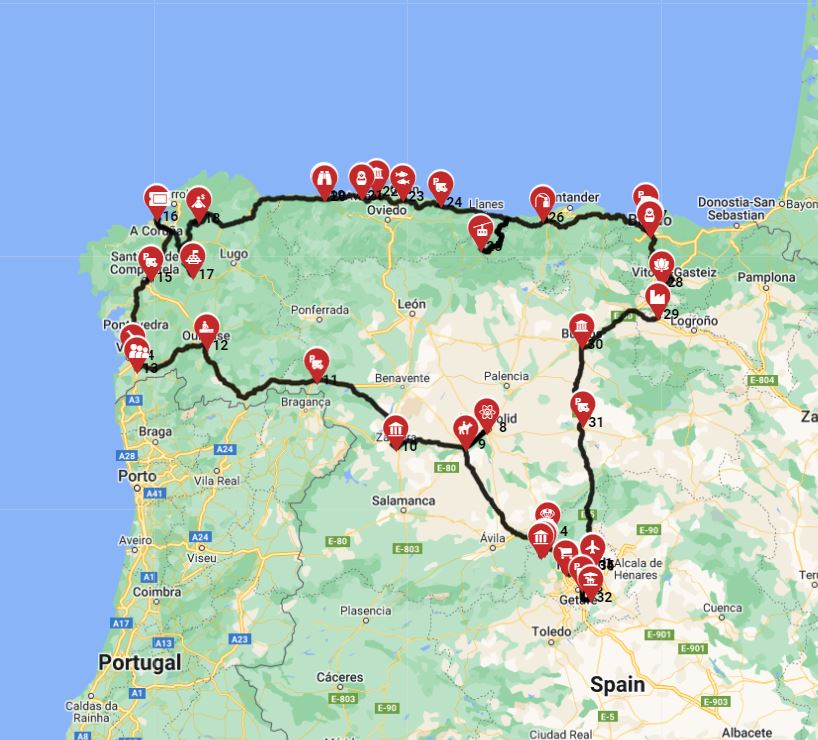
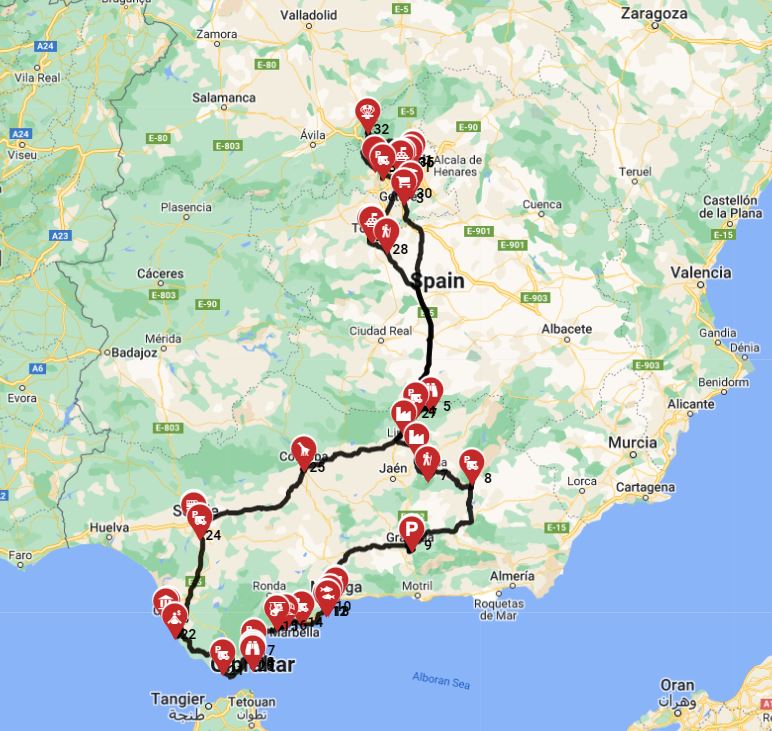
A motorhome adventure in Spain offers endless possibilities, allowing you to craft a personalized itinerary that truly speaks to your soul. Don't miss the chance to:- **Explore Andalusia's White Villages:** Drive your rented motorhome through the picturesque 'Pueblos Blancos' like Ronda and Grazalema, experiencing their unique charm and stunning mountain backdrops.
- **Discover the Picos de Europa National Park:** Head north to witness the dramatic limestone peaks and lush valleys, perfect for hiking and spotting wildlife. Many smaller campervans or Class SI motorhomes are well-suited for the winding roads here.
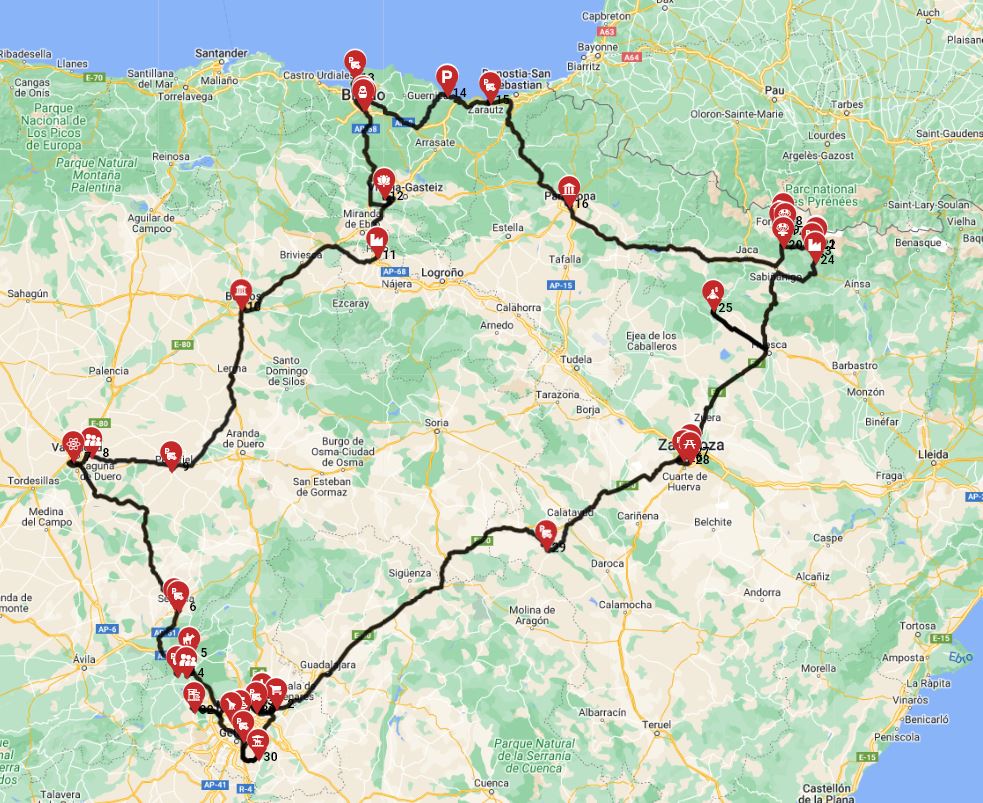
- **Indulge in Northern Spain's Culinary Delights:** Explore the Basque Country and Galicia, renowned for their exceptional gastronomy, from pintxos in San Sebastián to fresh seafood along the Galician coast. With your RV kitchen, you can even try recreating some local favorites from our RV-friendly recipes playlist.
- **Visit the City of Arts and Sciences in Valencia:** Marvel at the futuristic architecture in this cultural hub, easily accessible by public transport after parking your RV in a nearby dedicated area.
- **Hike a Section of the Camino de Santiago:** Experience a taste of this ancient pilgrimage route, utilizing your RV as a comfortable base to explore different segments without committing to the full trek.
- **Experience Europe's Only Desert, Tabernas:** Venture into Andalusia's Tabernas Desert for a truly unique, arid landscape, once the backdrop for Spaghetti Western films.
Looking for expert insights from Avi Bandana? Top 5 Adventures - recommendations from Avi Bandana.
Final Thoughts
Embarking on an RV adventure in Spain is an experience like no other, offering the freedom to explore ancient cities, breathtaking coastlines, and vibrant cultures at your own pace. With Bandana Caravan, you’re not just renting a vehicle; you’re gaining a partner dedicated to making your journey seamless, transparent, and unforgettable. Our expertise, 24/7 support, and commitment to honesty mean you can focus on making incredible memories.Whether you dream of a week-long trip through Andalusia or an extended road trip across the diverse landscapes of Spain, our wide selection of motorhomes and campervans from trusted suppliers ensures you’ll find the perfect home on wheels. Remember to travel slowly, average a maximum of 100-150 km per day, and truly immerse yourself in every place you visit.
Ready to discover the stunning routes and savings waiting for you? Compare Motorhome Prices for Spain now and let us help you plan the RV trip of a lifetime!
On the routes offered through RV PLANET routes, you can itemize and track every expense along the way for easy budgeting.