In This Guide
- What rv rental for seniors RV Rental Costs in Spain (CurrentYear)
- Seasonal Pricing - Peak vs. Shoulder vs. Off-Season in Spain
- What's Included vs. What's an Add-On
- Hidden Costs to Budget For in Spain
- How to Save on rv rental for seniors RV Rental in Spain
- How much does it cost to rent an RV in Spain for a month?
- Is RVing in Spain cheaper than France?
- How much does it cost to stay in an RV park in Spain?
- Is Spain safe for RV travel?
- What are the rules for wild camping in Spain?
- What documents do I need to rent an RV in Spain?
- What is the best time of year to RV in Spain for seniors?
- Are Spanish roads difficult for RVs?
- How do I deal with an RV breakdown in Spain?
- What are the cultural etiquette tips for RVers in Spain?
What rv rental for seniors RV Rental Costs in Spain (CurrentYear)
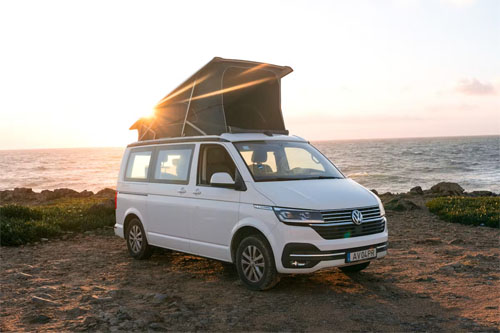
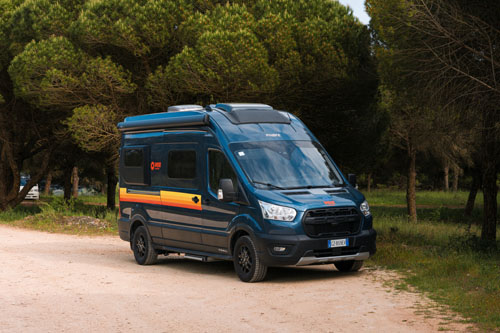
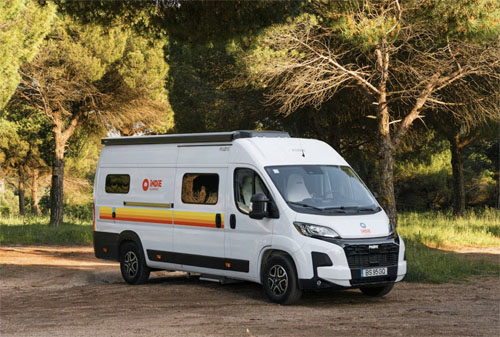
RV rental costs in Spain for seniors in 2026 vary significantly, with April typically being the most affordable month. For example, a compact campervan like the "Category Van" might rent for €70-€90 per day in April, while a mid-sized Class C motorhome such as the "F2" or "K3" could range from €90-€150 per day during the shoulder season. These prices are estimates and fluctuate daily based on demand, vehicle availability, and current supplier marketing decisions, similar to airline tickets. For live availability and current prices, start with our RV Rental Spain - Complete Guide 2026 guide.
Costs are directly influenced by the vehicle class, the total rental duration, and the season you choose to travel. Generally, smaller campervans and Class C motorhomes are preferred by many seniors for their ease of driving and maneuverability. Booking a two-week adventure often yields a better daily rate than shorter trips. We believe in full transparency: what you see is what you get, with no hidden fees or surprises when comparing final prices across our 50+ direct suppliers, including trusted names like Apollo and Britz.
Check live prices via the search box at the top of the page.
Seasonal Pricing - Peak vs. Shoulder vs. Off-Season in Spain
RV rental prices in Spain fluctuate significantly by season, presenting different opportunities for senior travelers. Peak season, typically July and August, is the most expensive and crowded time to rent a motorhome, with prices for a 4-berth "Euro Camper" easily reaching €200-€300+ per day. If your heart is set on a summer adventure, booking far in advance, ideally 3-6 months ahead, is crucial to secure your preferred model and potentially better rates.
Shoulder seasons, spanning April-June and September-October, offer a wonderful balance with pleasant weather, fewer crowds, and more moderate pricing. April often presents some of the lowest shoulder-season rates, with a "Category Medium" Class C motorhome potentially costing €100-€180 per day. These periods are ideal for seniors seeking a relaxed pace without the intensity of peak summer. Off-season, from November to March, has the lowest rental rates and virtually no crowds, with a compact campervan possibly costing as little as €70 per day. However, some attractions or campsites may have reduced hours or be closed, and the weather will be cooler, especially in northern Spain or at higher altitudes. Remember, prices can change daily; always check specific dates when planning your trip to Spain.
What's Included vs. What's an Add-On
Inclusions and add-ons for your rented motorhome in Spain vary by rental company and the specific vehicle class you choose. Basic insurance is always included, providing fundamental coverage for your trip. For enhanced travel with peace of mind, you can often upgrade to a top-level deductible for extra protection, which is an optional upgrade not included by default. We, as true RV specialists, understand these nuances and ensure you have full transparency throughout the booking process.
Common add-ons you might consider include mileage packages, a generator for off-grid power, kitchen kits with cookware and utensils (perfect for preparing delicious meals from our RV-friendly recipes playlist), bedding, and camping furniture for enjoying the outdoors. When browsing options, our comparison platform offers clear toggles for features like kitchenware and bedding, making it easy to tailor your campervan to your needs. Always verify the terms and conditions for your specific booking to understand exactly what is covered and what additional features might incur extra costs. We handle the details so you can live the journey, ensuring personal service from day one until your booking is confirmed. On the routes offered through RV PLANET routes, you can itemize and track every expense along the way for easy budgeting.
Want to check exactly what's included? Click here.
How to Save on rv rental for seniors RV Rental in Spain
Smart planning can lead to significant savings on your motorhome rental in Spain. The best strategy is to book during the shoulder seasons, specifically April-June or September-October, when demand and prices are lower than the peak summer months. This approach can save you up to 20-30% on daily rental rates compared to July and August.
Consider pre-purchasing tolls if your rental supplier offers this option, as it can sometimes be more cost-effective than paying individually and helps avoid unexpected charges. Utilizing campground discount cards, such as ACSI or CampingCard International, can also reduce your overnight parking expenses. Choosing a smaller Class B campervan like the "Active Classic" or a compact Class C motorhome like the "Category Small" will not only save on rental costs but also on fuel, making your Budget RV Driving in Spain - Save on Fuel 2026 trip even more economical. Opting for longer rental durations, such as a two-week adventure or more, typically results in better daily rates. Finally, keep an eye on dynamic flex-rate drops when using comparison tools, as prices can change, offering last-minute savings if you are flexible with your travel dates. This proactive approach ensures you find the cheapest RV rental for Spain.
How much does it cost to rent an RV in Spain for a month?
Renting an RV in Spain for a month typically ranges from €1,500 to €4,500+, providing a long-term mobile home for your extended road trip. This significant cost variation depends primarily on the RV class you choose, the specific travel month, and how far in advance you book your adventure. For instance, a compact campervan like the "Van - Economy" could be at the lower end of this range during the off-season, while a luxury Class A motorhome for two couples, such as the "Euro Deluxe", in peak season would be at the higher end.
Generally, longer rental durations, like a month-long trip, often provide a better daily rate compared to shorter week-long rentals. Off-season travel, from November to March, is consistently the most budget-friendly, potentially saving you hundreds of euros over a month. Refer to the pricing table provided earlier for more specific monthly estimates based on vehicle type and season. Planning a month-long journey allows for truly slow travel, averaging 100-150 km per day, giving you time to truly feel the place, connect to the culture, the food, and the scenery, as recommended in our Week-Long RV Driving Tour in Spain 2026 and longer itineraries available through RV PLANET (rvplan.net).
Is RVing in Spain cheaper than France?
RVing in Spain is generally more affordable than in France, making it an attractive destination for budget-conscious seniors. While rental vehicle costs can sometimes be comparable between the two countries, Spain consistently offers lower prices for crucial trip expenses such as fuel, tolls, and campsite fees. For instance, the average cost of diesel fuel is typically lower in Spain. The extensive network of budget-friendly `áreas de autocaravanas` (motorhome service areas) across Spain provides basic services and overnight parking for minimal fees or often free, which is a significant saving compared to standard French campgrounds.
Additionally, daily expenses like groceries and dining out are often less expensive in Spain, allowing your travel budget to stretch further. While specific routes and your chosen RV class will impact the total cost, travelers generally find that their overall trip budget is more manageable when exploring Spain. For a broader comparison of European RV travel, our RV Rental Europe - Complete Guide 2026 provides continent-wide insights.
How much does it cost to stay in an RV park in Spain?
Costs for RV parking in Spain range widely, from free options to around €40 per night, depending on the type of facility and its location. Traditional full-service campgrounds, known as `campings`, typically cost between €15-€40 per night. These offer high amenities, including showers, toilets, laundry, and sometimes swimming pools or restaurants, providing a comfortable base for your rented motorhome.
A popular and often more budget-friendly alternative for RV travelers in Spain are the `áreas de autocaravanas` (motorhome service areas), which cost significantly less, usually €5-€15 per night, or are sometimes even free. These areas offer essential services like fresh water, waste disposal, and often electricity. Beyond official sites, some private farm stays (agri-camping) or vineyard stays are available for €10-€25, sometimes in exchange for purchasing local products, offering unique cultural experiences. Prices are generally higher in popular coastal regions, major cities like Barcelona, and during peak season. Always call ahead or use apps like Park4Night to check availability and current prices for your chosen stops.
Is Spain safe for RV travel?
Spain is generally a very safe country for RV travel, with a welcoming atmosphere for tourists. However, as with any travel destination, it's wise to remain vigilant and take standard precautions against petty theft, especially in crowded tourist areas or major cities. Always ensure your campervan doors and windows are locked, and valuables are secured out of sight to minimize risks.
We recommend using secure parking strategies, such as opting for official campsites or well-lit `áreas de autocaravanas` for overnight stays, particularly for seniors who might prefer added security. Keep local emergency numbers handy (112 for all emergencies) and consider comprehensive travel insurance for extra peace of mind. Navigating less-traveled areas is generally safe, but it's always a good idea to inform someone of your route plans. With common sense and attention to your surroundings, RVing in Spain offers a wonderful and secure way to explore the country's diverse landscapes and cultures.
What are the rules for wild camping in Spain?
Wild camping, which involves setting up a full camp with chairs, awnings, and outdoor equipment, is generally prohibited or heavily restricted across most of Spain. These rules are particularly strict in coastal areas, national parks, and other environmentally protected zones. However, overnight RV parking is often permitted if you are not considered to be "camping." This means your rented motorhome must appear ready to drive, with no external items deployed.
The key distinction lies in parking versus camping; if your vehicle is simply occupying a parking space without extending beyond its footprint, it may be allowed. Rules vary significantly by region and even municipality, so always pay close attention to local parking signs and regulations. Websites and apps like Park4Night are invaluable resources for finding designated overnight parking spots and understanding local ordinances. Always respect private property, leave no trace, and prioritize environmental rules to ensure sustainable RV travel and positive experiences for everyone. This responsible approach ensures you can explore Spain freely and legally.
What documents do I need to rent an RV in Spain?
To rent an RV in Spain, a valid driver's license from your home country is mandatory for the primary driver and any additional drivers. A standard car driver's license is sufficient for driving all motorhome classes (Class A, Class B, and Class C) in Spain; no special license, CDL, or additional permits are required. For visitors from non-English-speaking countries, an International Driving Permit (IDP) is strongly recommended, though not strictly mandatory in most cases. The IDP serves as an official translation of your license, which can be very helpful if you encounter local authorities or need assistance.
You will also need your passport or a valid national ID card for identification purposes. A major credit card in the primary driver's name is essential to cover the security deposit and any additional charges, as cash deposits are typically not accepted. Finally, bring your rental confirmation details and any other documents provided by Bandana Caravan to ensure a smooth pickup process. Our 24/7 support means real people are behind you before, during, and after your booking, assisting with any documentation questions.
What is the best time of year to RV in Spain for seniors?
The best time for seniors to enjoy an RV adventure in Spain is overwhelmingly during the shoulder seasons: late spring (April-June) and early autumn (September-October). These periods offer consistently pleasant, mild weather, with average temperatures ranging from 18-25°C, making outdoor activities and touring incredibly comfortable. Crucially, there are significantly fewer crowds at popular attractions and campsites during these months compared to the peak summer, leading to a more relaxed and enjoyable experience for your rented motorhome journey.
RV rental prices and campsite fees are also typically lower than the peak summer rates, offering better value for your travel budget. While the off-season (November-March) can be budget-friendly with minimal crowds, it also brings cooler weather and the potential for reduced operating hours or closures at some tourist sites and smaller campgrounds, particularly in rural areas. For detailed insights into seasonal variations, refer to the "Seasonal Pricing - Peak vs. Shoulder vs. Off-Season in Spain" section above. We recommend slow travel, averaging max 100-150 km per day, allowing you to fully savor Spain's rich culture and beautiful landscapes.
Are Spanish roads difficult for RVs?
Major Spanish highways, known as `autovías` (free motorways) and `autopistas` (toll motorways), are generally modern, well-maintained, and straightforward to drive in a rented RV. These roads are designed for higher speeds and easily accommodate all motorhome classes. However, challenges for RVs in Spain, especially larger models like a 6-berth "Euro Deluxe," can arise on narrow, winding rural roads (`carreteras secundarias`) and within historic village streets. Many older town centers have restricted access or extremely tight turns that can be difficult to navigate.
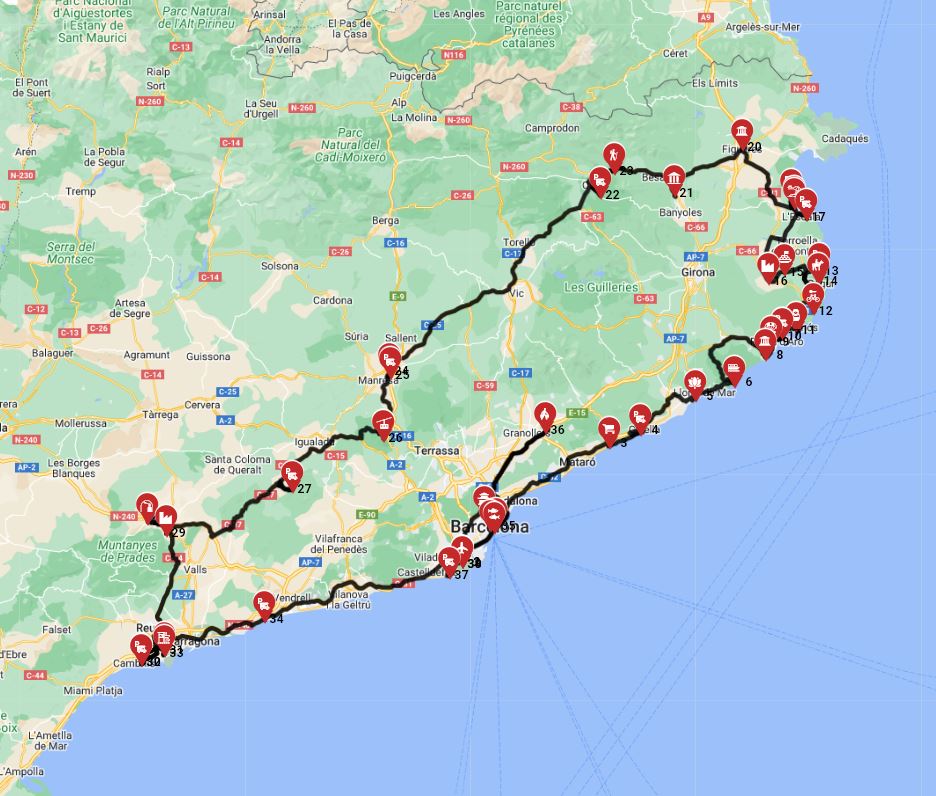
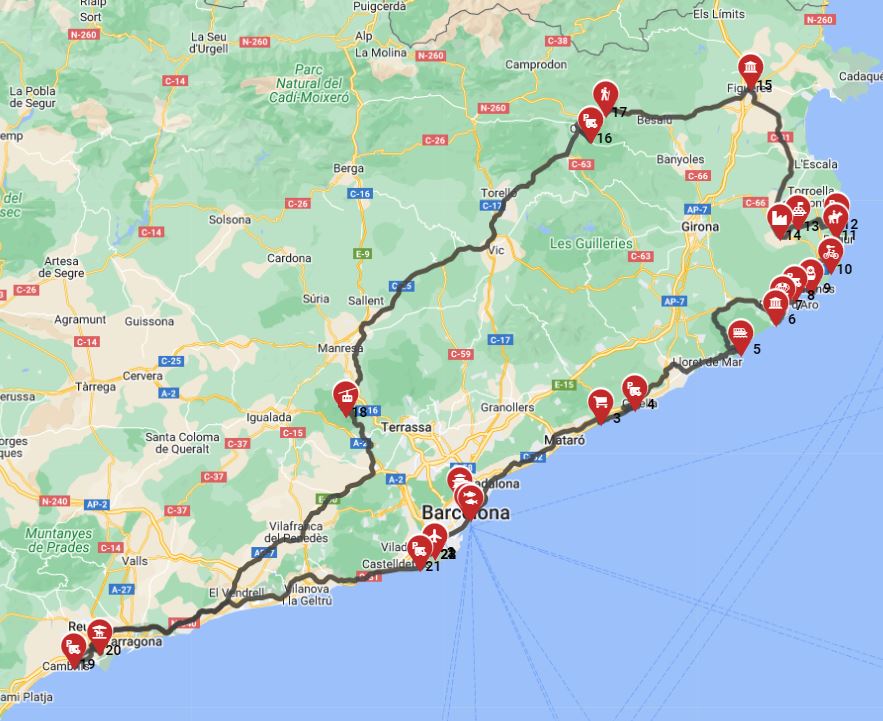
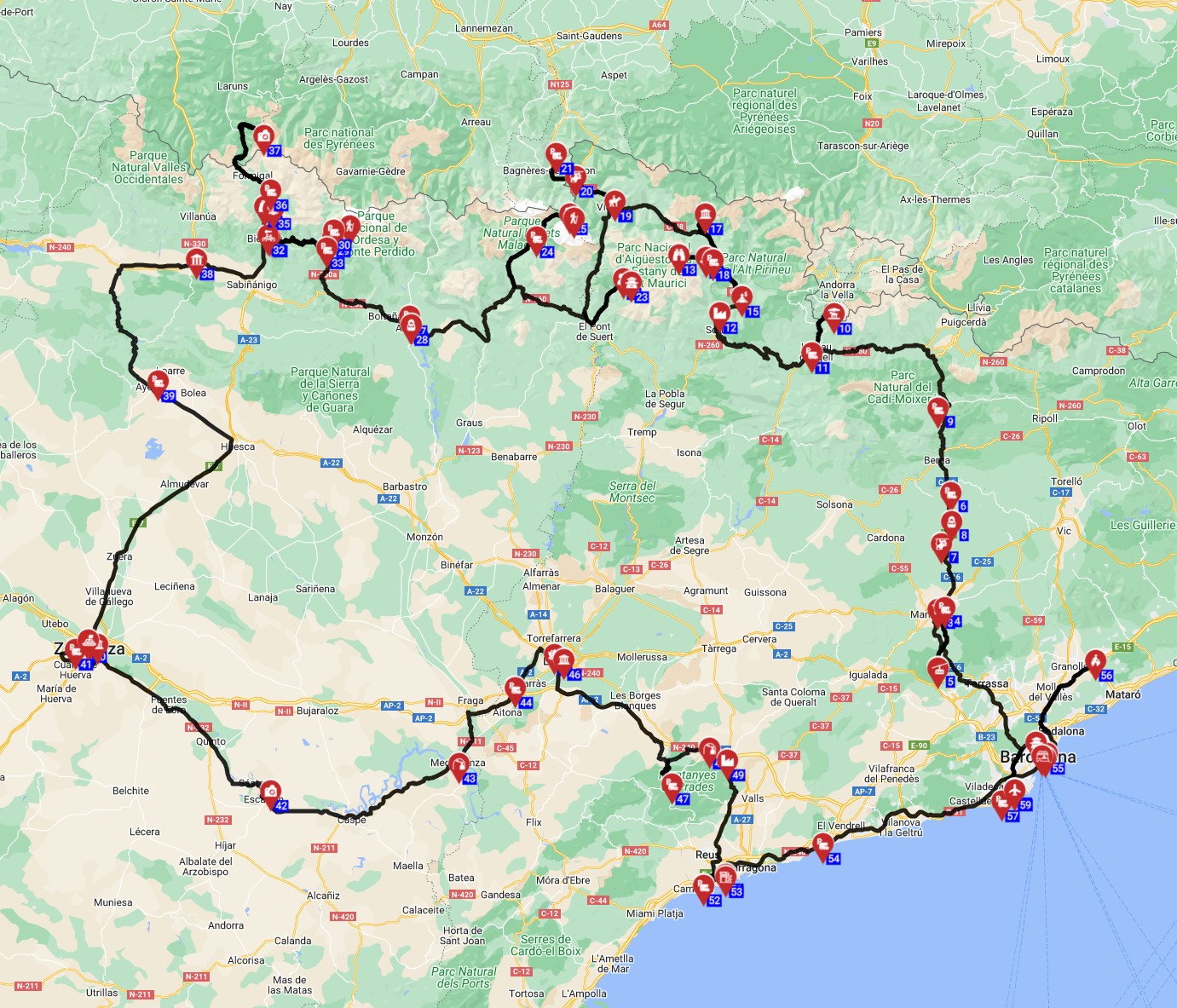
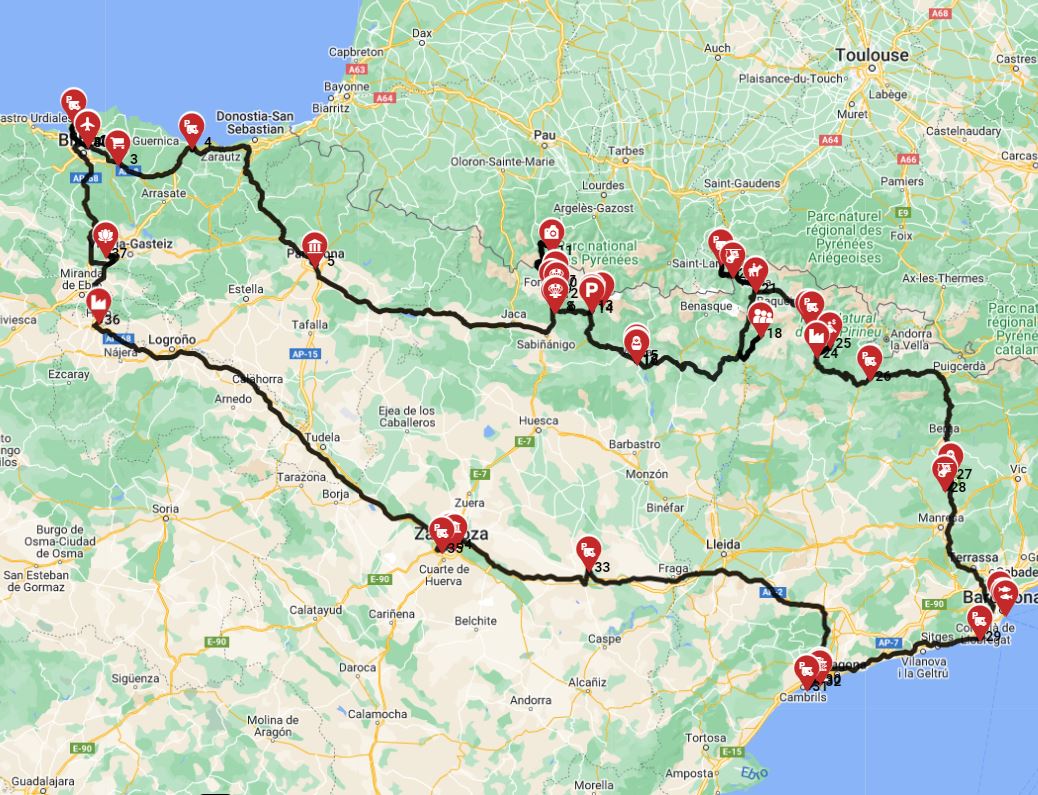
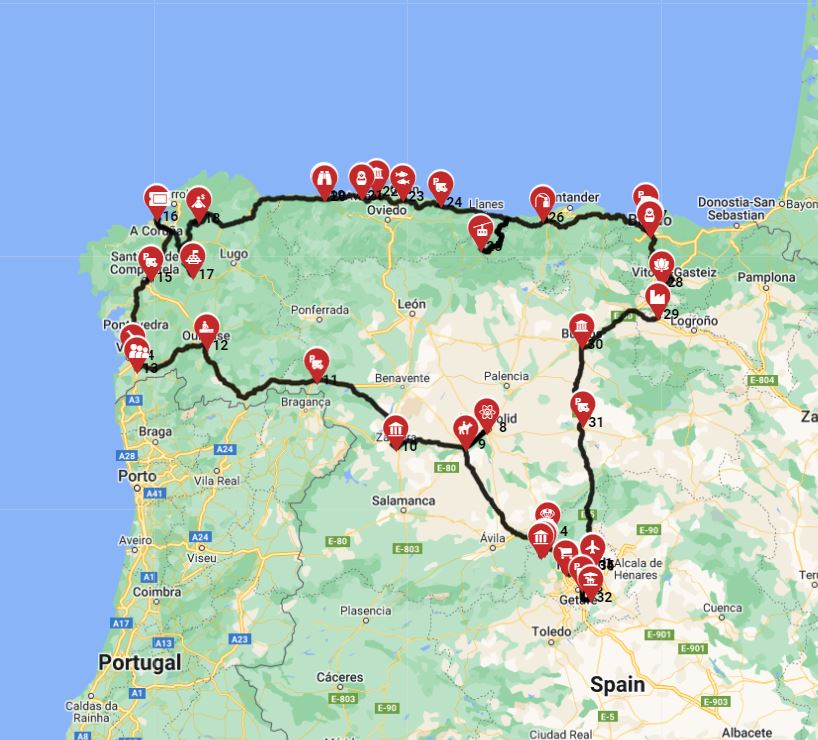
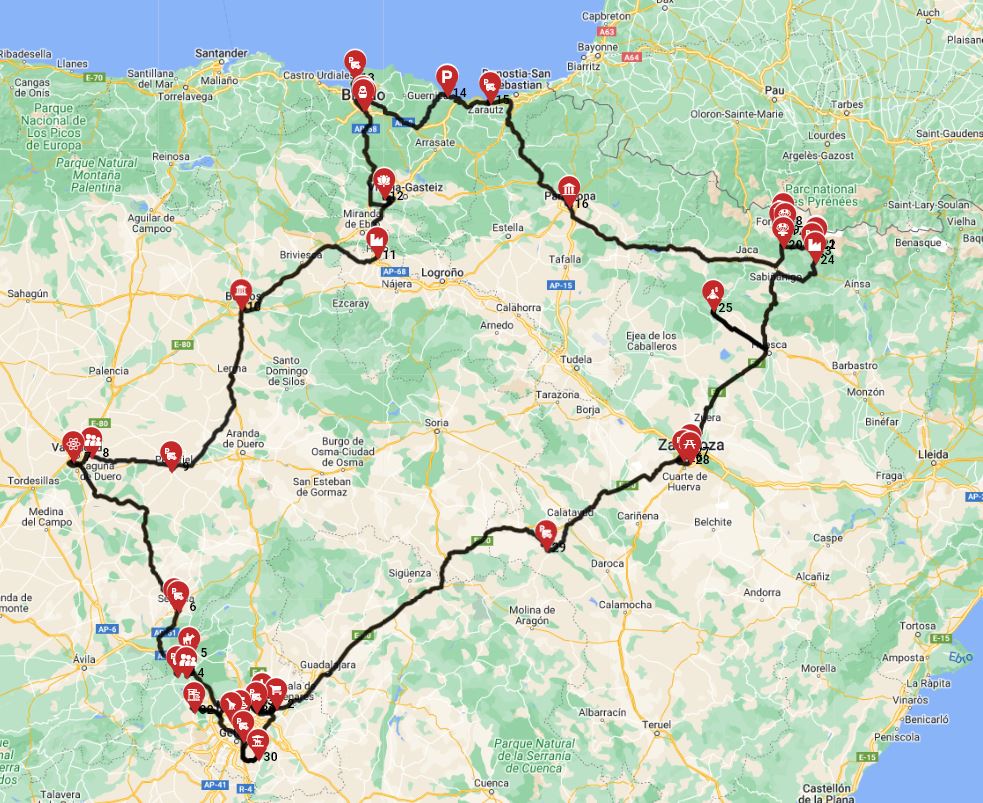
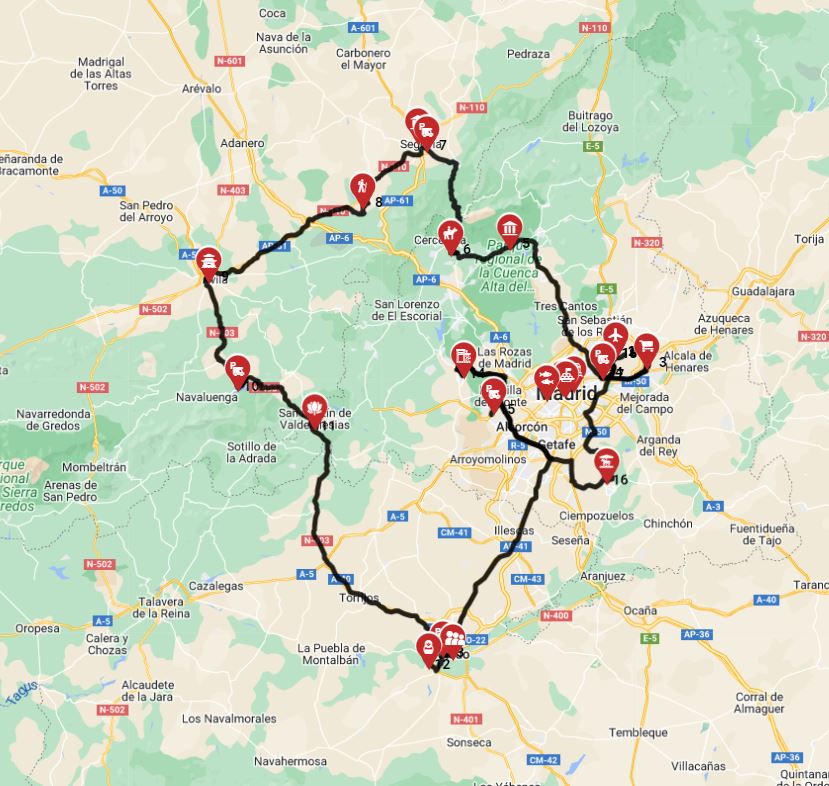
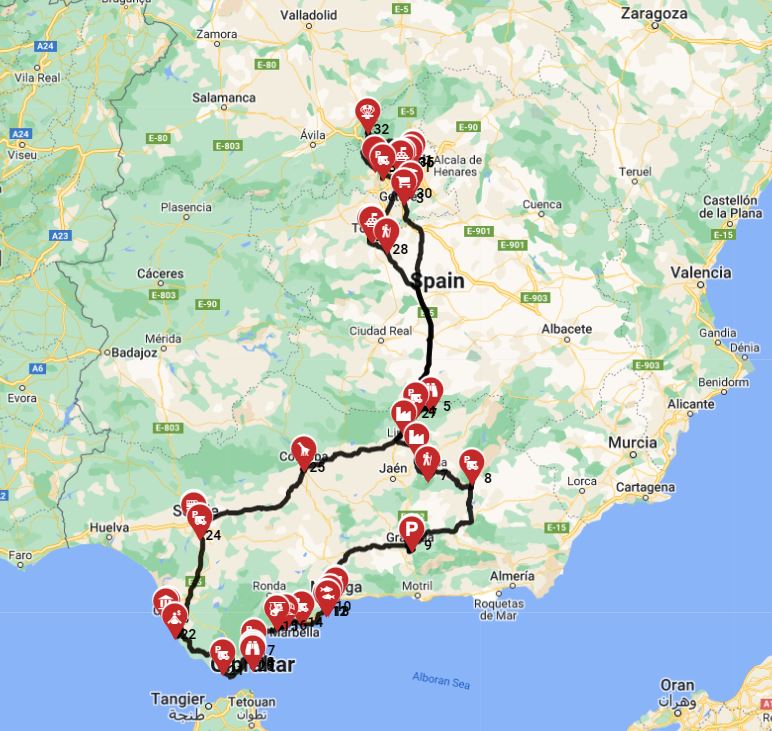
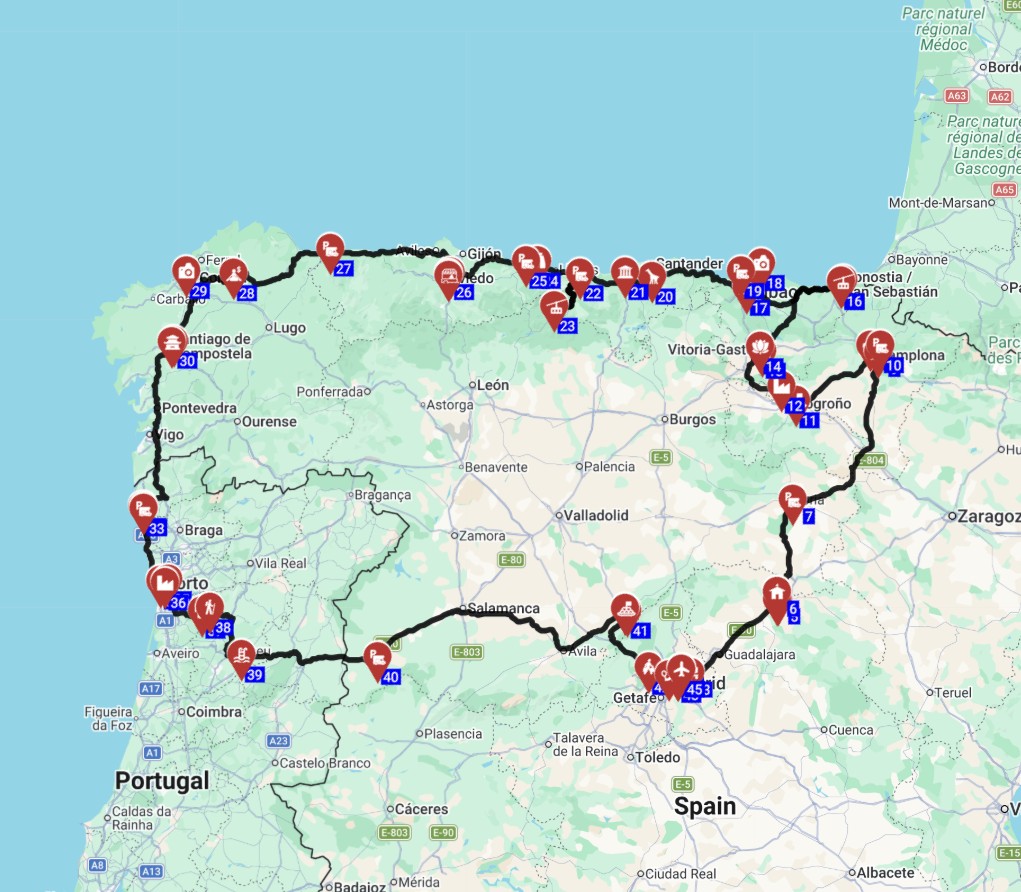
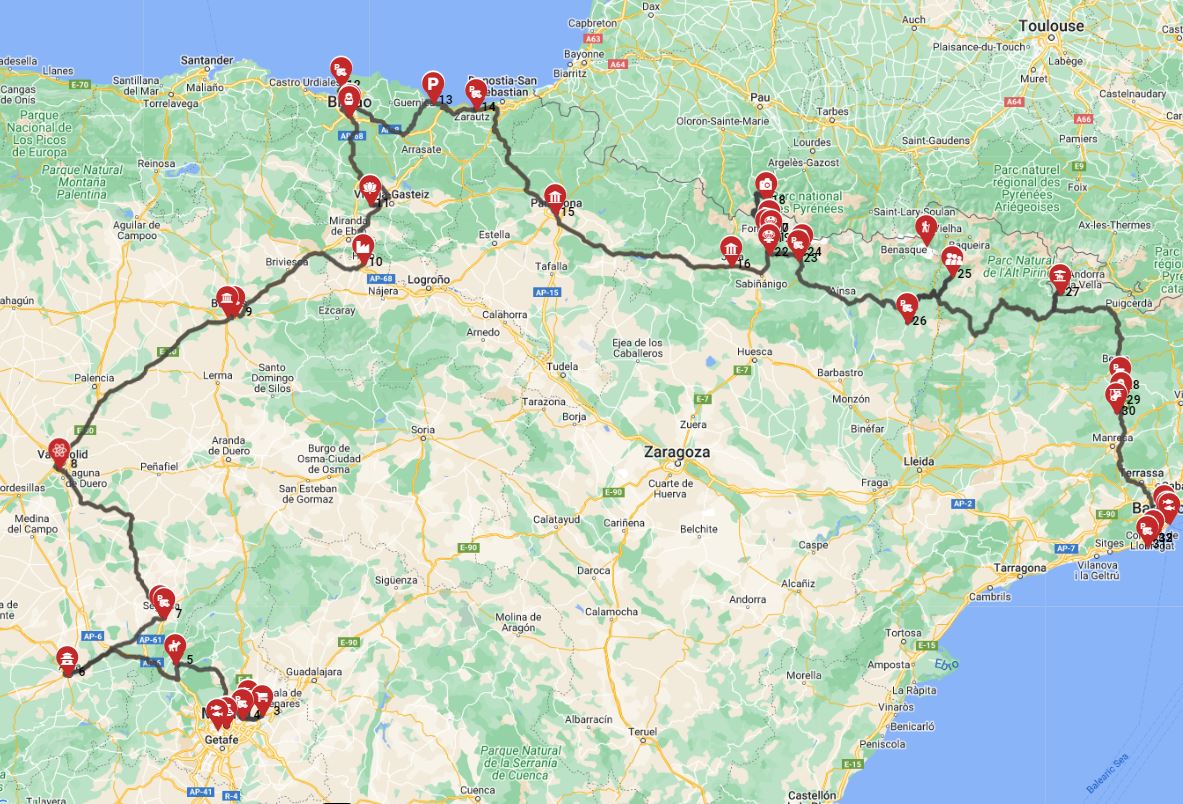
Drive slowly and carefully, and you can drive almost anywhere without issues. No need to stress - just use common sense and pay attention. For greater flexibility in maneuvering and parking, especially in charming smaller towns, many seniors prefer a smaller RV class, such as a compact Class C or a spacious campervan like the "V3" or "K125" (which has a length of 6.99 meters and external height of 2.95 meters). Always use an RV-specific GPS that can factor in vehicle dimensions, and research town parking options in advance. For route planning tailored to RVs, our pre-planned itineraries on RV PLANET (rvplan.net) are created by professionals who are true RV specialists.
How do I deal with an RV breakdown in Spain?
In the event of an RV breakdown in Spain, your first priority is always safety. Pull your rented motorhome over to a safe location if possible, activate your hazard lights, wear a reflective vest (mandatory in Spain if you exit the vehicle on the road), and place warning triangles (also mandatory) behind your vehicle to alert oncoming traffic. Immediately contact your RV rental company using the breakdown assistance number provided in your rental documents. All our direct partners, including El Monte and Cruise America, provide roadside assistance for their vehicles.
Ensure you understand the specifics of your insurance coverage regarding breakdowns, recovery, and potential replacement vehicles, as this is an area where our top-level deductible reimbursement can provide extra peace of mind. Keep local emergency contact numbers (112 for all emergencies, including police, fire, and ambulance) handy. Be prepared to provide your exact location details, preferably using GPS coordinates, to aid responders. Rental companies typically connect you with their support network and local repair shops. Our commitment is to be supportive, assisting you before, during, and after your booking, and helping coordinate with the suppliers' support networks in such situations.
What are the cultural etiquette tips for RVers in Spain?
Engaging respectfully with local customs can greatly enhance your RV trip in Spain. Always greet people politely with a friendly "Hola" (hello), "Buenos días" (good morning), or "Buenas tardes" (good afternoon/evening), accompanied by a smile. Spaniards appreciate this effort. Be mindful of siesta hours, typically from around 2 PM to 5 PM, especially in smaller towns and southern regions; many businesses close, and noise levels are generally lower, so try to keep your RV activities quiet during this time.
When parking your rented motorhome, be considerate. Avoid blocking access for residents or creating obstructions, especially in residential areas or tight village streets. Always use designated facilities for waste disposal, including grey and black water tanks, to protect Spain's beautiful environment. Learning basic Spanish phrases like "por favor" (please) and "gracias" (thank you) will facilitate smoother interactions with locals. Seek authentic experiences by visiting local markets, trying regional dishes, and engaging with the community, rather than solely sticking to tourist traps. This approach allows you to connect more deeply with the culture and scenery, embodying the spirit of slow travel we often recommend.
What You Shouldn't Miss
- Andalusia's Historic Cities: Explore the architectural marvels of Seville (Alcázar, Cathedral), Granada (Alhambra), and Cordoba (Mezquita-Cathedral). Park your motorhome at nearby campsites and use public transport to navigate these historic centers.
- The Northern "Green Spain" Coastline: Drive the scenic coastal routes of Asturias and Cantabria, discovering charming fishing villages like Cudillero and Comillas, and enjoying lush, mountainous landscapes quite different from the typical Spanish image.
- Rioja Wine Region: Indulge in wine tasting and explore picturesque vineyards around Logroño. Many bodegas offer RV parking, sometimes even overnight, making it a perfect stop for wine lovers.
- Pyrenees Mountain Escapes: Head to the Spanish Pyrenees for breathtaking mountain scenery, hiking trails suitable for various fitness levels, and tranquil RV camping spots in national parks like Ordesa y Monte Perdido.
- Mediterranean Beaches: Relax on the golden sands of the Costa Brava or the southern coast. Find RV-friendly campgrounds right near the beach for easy access to the sea and sun.
Looking for expert insights from Avi Bandana? Top 5 Adventures - recommendations from Avi Bandana
Final Thoughts
Embarking on an RV rental adventure in Spain as a senior offers unparalleled freedom and comfort to explore this vibrant country at your own pace. Imagine waking up to the gentle sounds of the Mediterranean, enjoying a freshly prepared breakfast in your mobile home, and then setting off for another day of cultural discovery. Whether you dream of tracing the ancient paths of the Camino de Santiago, savoring the flavors of Rioja, or unwinding on a tranquil beach, an RV gives you the flexibility to create truly personalized travel experiences.
With Bandana Caravan, you’re not just renting a vehicle; you're gaining a supportive partner dedicated to making your journey seamless. We provide the tools, expertise, and transparent pricing to ensure your RV rental in Spain is everything you hoped for and more. So, pack your bags, choose your perfect motorhome, and get ready to discover the heart of Spain with confidence and joy. Life is waiting!
Discover top destinations, planning tips, all in one place! Plan a trip itinerary in advance with minimal effort and maximum enjoyment.