In This Guide
- Can You Drive an RV in Spain? License & Age Rules
- Road Conditions & Terrain in Spain
- RV Size Limits, Bridges & Restricted Zones
- Fuel: Diesel vs. Petrol & Cost per 100 km
- Tolls, Vignettes & Border Rules
- Driving Tips for weekly rv rental Travelers
- Recommended RV Class for Spain Roads
- Should I Choose a Compact Van Instead of a Large RV in Spain?
- Can I Park Anywhere? Free & Wild Camping Rules in Spain
- Can I Drive an RV Into the City Center? Heights, Tunnels & Local Signage
- How much does it cost to rent an RV in Spain for a week?
- What is the best time of year to RV in Spain?
- Is it easy to drive an RV in Spain?
- Can you wild camp in Spain in an RV?
- What is the average cost of a campsite in Spain?
- Are RV parks common in Spain?
- How many miles can you drive in an RV in a week?
- Do I need an international driving permit to drive an RV in Spain?
- Where can I empty my grey water in Spain?
- Is it expensive to live in an RV in Spain?
- Top Cities for RV Rental in Spain
- Practical Information for Your Weekly RV Rental in Spain
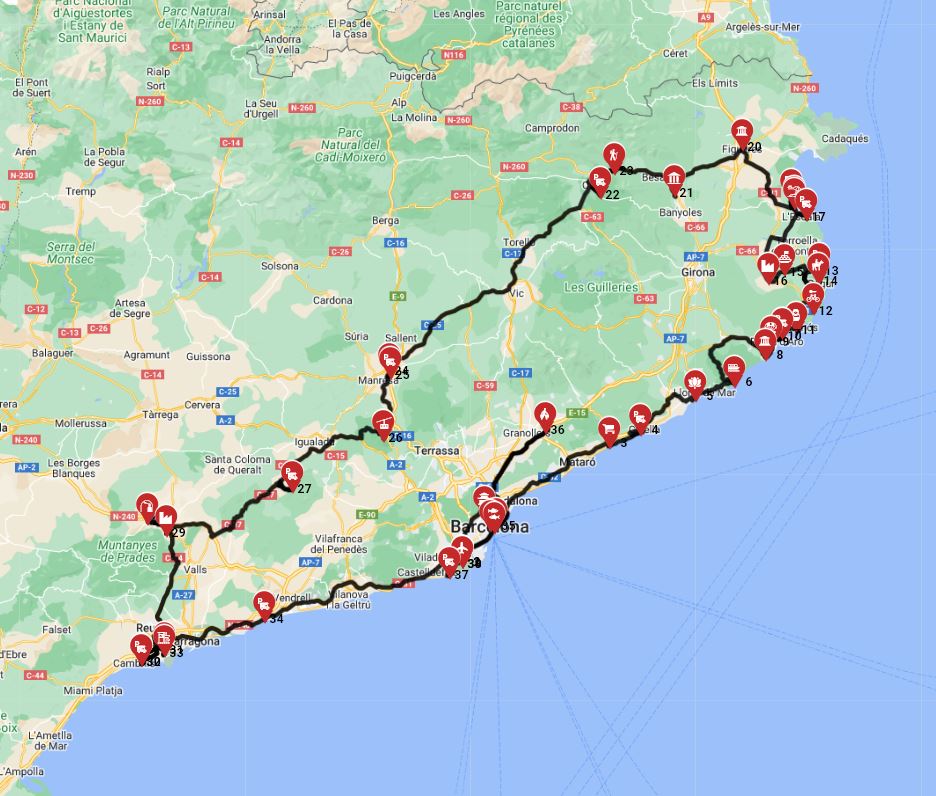
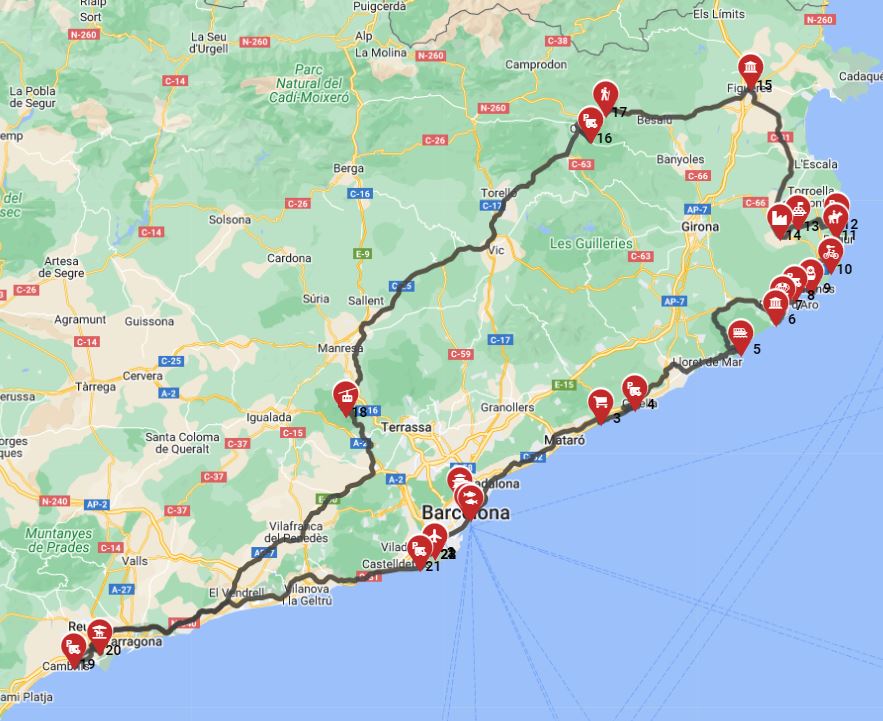
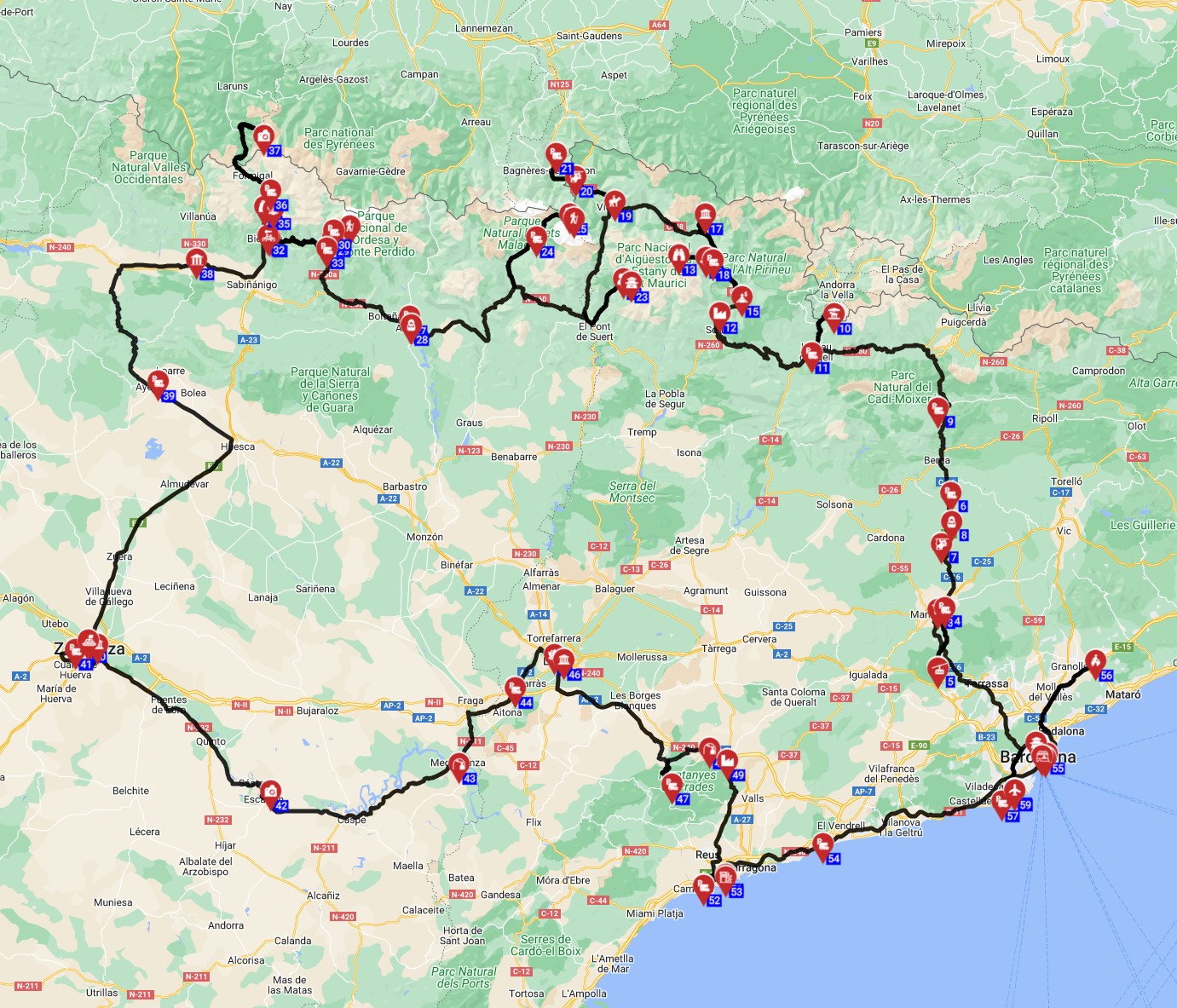
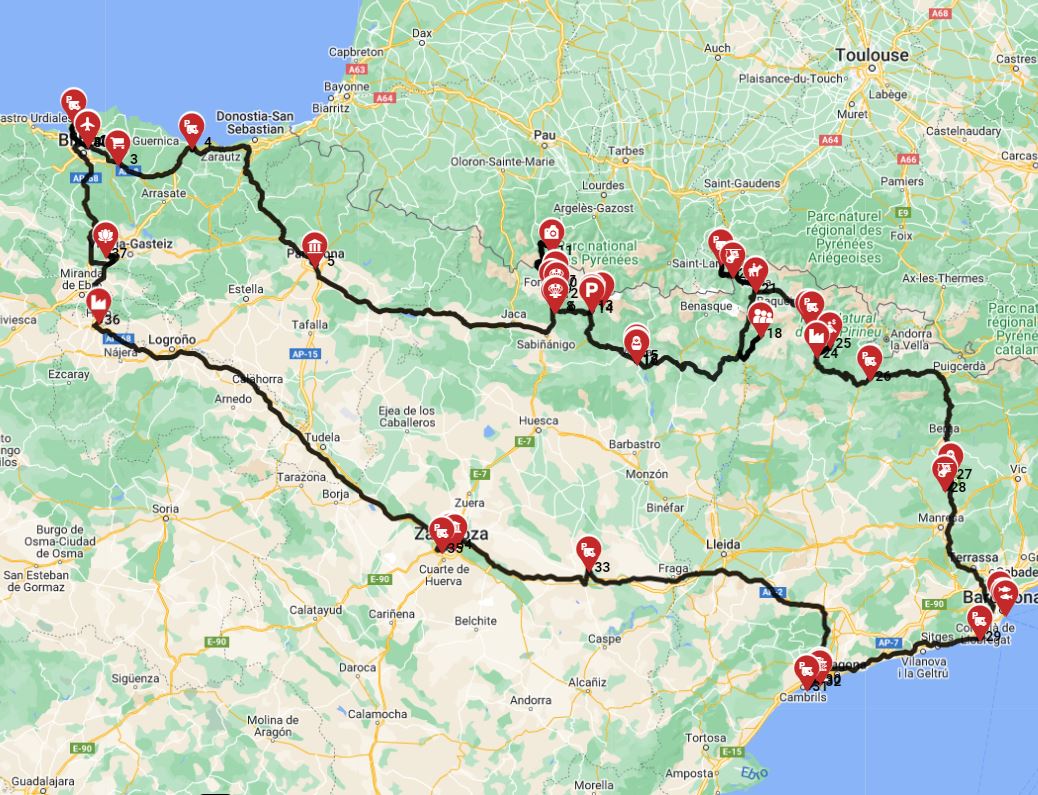
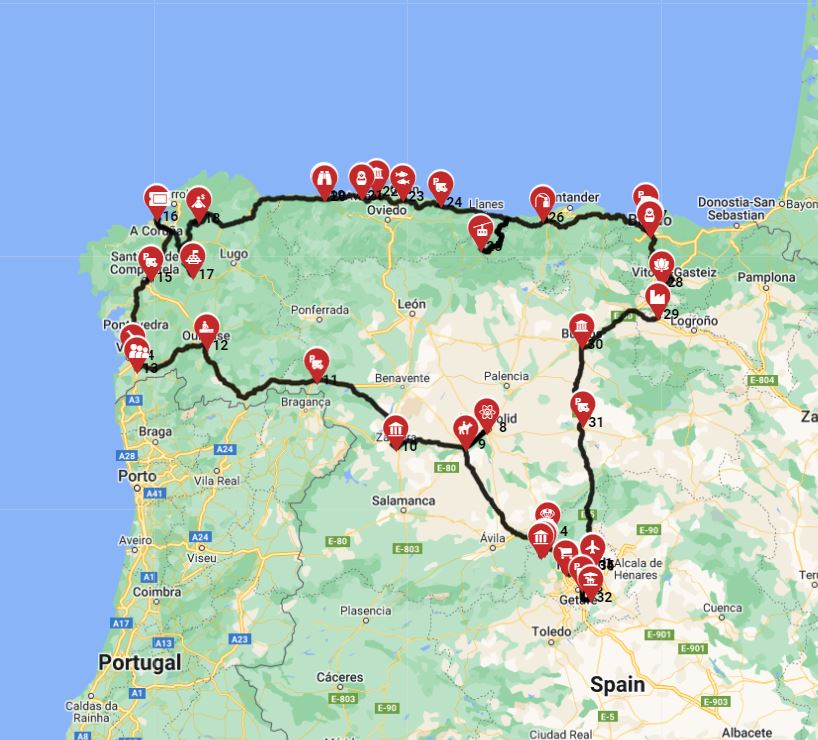
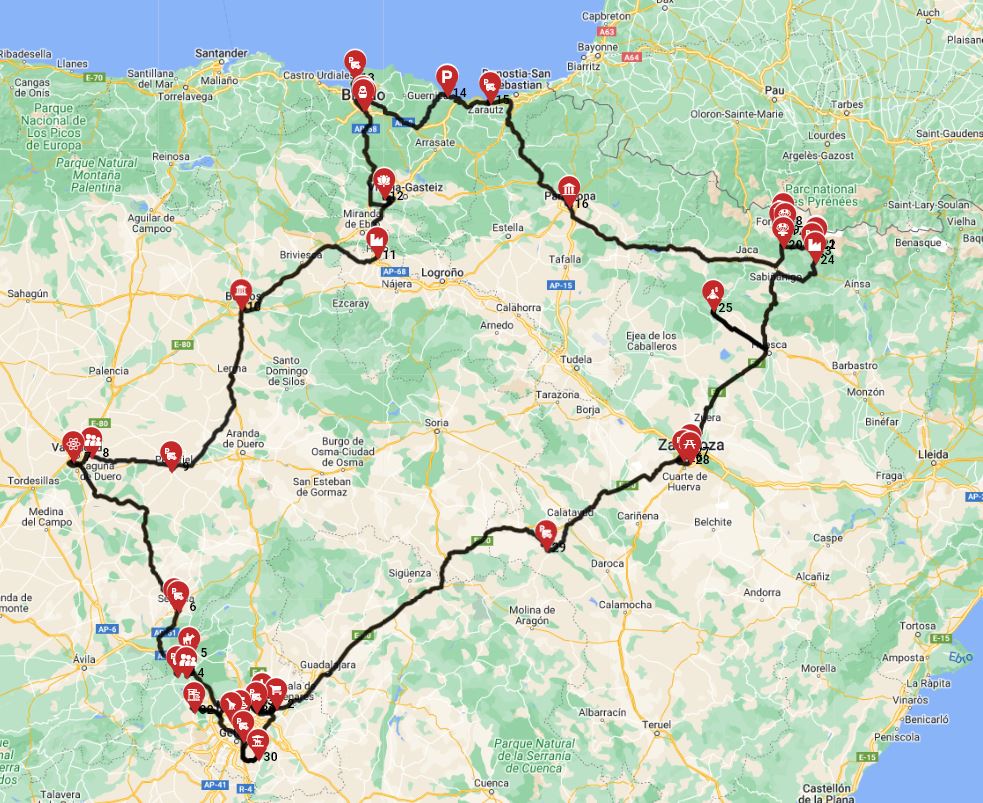
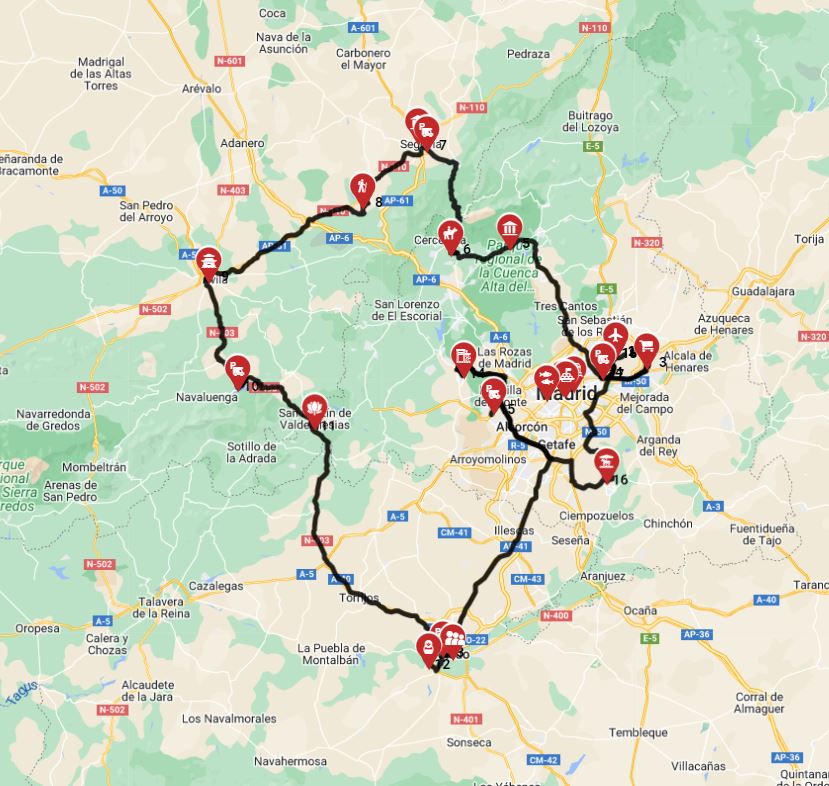
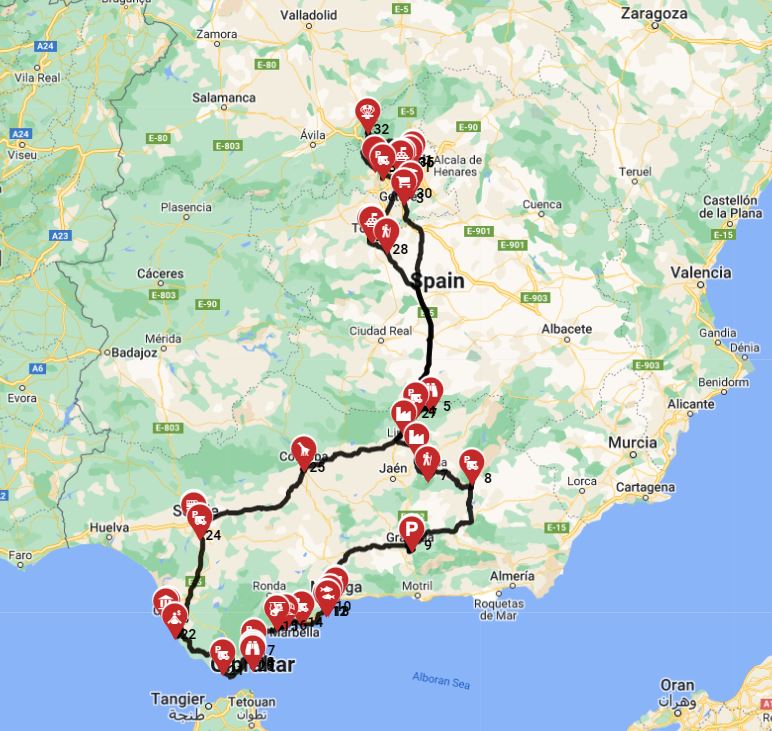
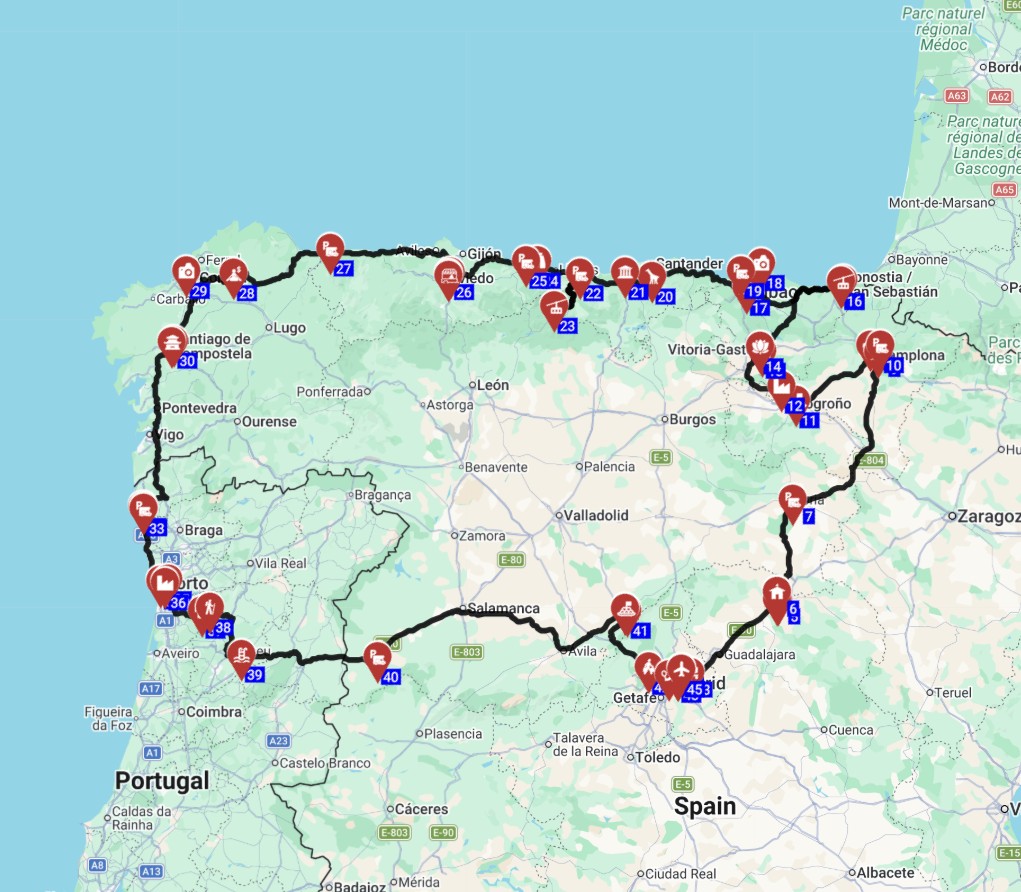
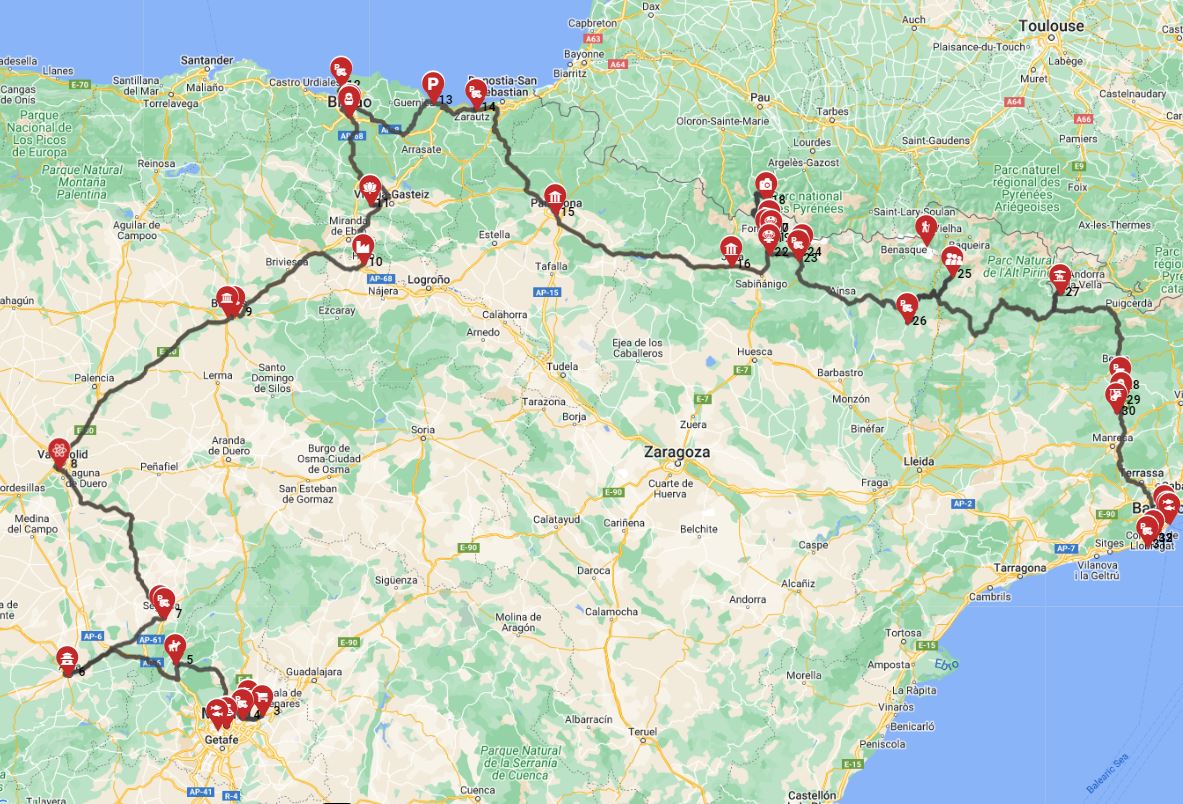
Imagine waking up to the gentle lapping of waves on a Mediterranean beach, or the crisp mountain air as you gaze at a sunrise over the Pyrenees. A week-long RV driving tour in Spain 2026 offers an unparalleled sense of freedom, allowing you to explore this vibrant country at your own pace, from its sun-drenched coasts to its historic cities and dramatic landscapes. With a rented motorhome or campervan, you have a home-on-wheels, providing comfort and flexibility for a truly immersive journey. For live availability and current prices, start with our RV Rental Spain - Complete Guide 2026 guide.
🎬 Video coming soon
Can You Drive an RV in Spain? License & Age Rules
Yes, you can absolutely drive an RV in Spain, and the licensing requirements are straightforward for most travelers. Most drivers with a standard B license, typically issued for at least two years, can legally drive motorhomes and campervans in Spain with a maximum authorized mass (MAM) of up to 3,500 kg.
For visitors from outside the European Union (EU) or European Economic Area (EEA) whose licenses are not in English, an International Driving Permit (IDP) is legally required to drive in Spain. It acts as an official translation of your national license, which you must always carry alongside it. The minimum driver age for most weekly RV rentals in Spain is 21 years old, regardless of vehicle class, though some premium or larger models might have a slightly higher age requirement of 25 with certain suppliers. There are no young driver surcharges at Bandana Caravan, and no vehicle class restrictions based on age, making it accessible for a wide range of adventurous spirits.
Road Conditions & Terrain in Spain
Spain boasts excellent motorway networks (autopistas) that are well-maintained and highly suitable for RV travel, offering smooth journeys between major cities and regions. However, travelers should be prepared for diverse terrain, from the flat, sprawling coastal roads of Andalusia to the winding, sometimes steep, mountain passes found in regions like the Pyrenees or Sierra Nevada. Driving a rented RV in Spain naturally encourages a slower, more scenic pace, which is precisely how we recommend you travel: max 100-150 km per day on average, allowing you to truly take time to feel the place, connect to the culture, the food, and the scenery.
RV Size Limits, Bridges & Restricted Zones
Standard RVs up to approximately 7.5 meters, such as Bandana's Class C Alcove models which average 7.1-7.5m, are generally well-suited for Spanish roads, including major arteries and most secondary routes. It is crucial to pay close attention to signage for height, weight, and width restrictions, especially when navigating tunnels, entering older towns, or exploring certain rural routes. Many Spanish cities, including Barcelona and Madrid, have established low emission zones (ZBEs) which may restrict access for certain vehicles, particularly older models; always check specific city regulations before entering these areas.
Fuel: Diesel vs. Petrol & Cost per 100 km
Most motorhomes and campervans in Bandana's fleet, and generally across Spain, operate on diesel fuel, which is widely available at gas stations throughout the country. Bandana's Class SI Semi-integrated RVs, such as the "K3" or "K2D" models, typically consume 10–11 Liters per 100 km, offering a good balance of fuel efficiency and living space. Smaller Class B Camper Vans like the "V3" or "Acer" average an even better 8-10 Liters per 100 km, making them economical for weekly rentals.
Expect average fuel costs for a diesel RV to be around €16-€20 per 100 km, but these prices can fluctuate daily based on global oil markets and local taxes. When planning your budget for ancillary trip costs like fuel, tolls, and campground fees, remember that RV PLANET routes allow travelers to itemize and track every expense along the way for easy budgeting. This full transparency means no hidden fees or surprises. On the routes offered through RV PLANET routes, you can itemize and track every expense along the way for easy budgeting.
Tolls, Vignettes & Border Rules
Spain operates a comprehensive toll road system, known as 'autopistas de peaje,' where fees are paid at toll booths rather than through a vignette system common in some other European countries. The costs for these tolls vary by distance traveled and the category of your vehicle, so it's wise to factor them into your trip expenses. Many Bandana RVs may offer optional pre-purchased toll passes, which can significantly save time and simplify travel on Spanish motorways, preventing potential fines.
While planning your RV Rental Europe - Complete Guide 2026 adventure, it's good to know that cross-border travel within the Schengen Area (which includes Spain) generally has no hard border controls, making journeys into neighboring countries like France or Portugal seamless. However, always carry your identification (passport or national ID) and all vehicle rental documents, including insurance, as routine checks can occur.
Driving Tips for weekly rv rental Travelers
For a truly enjoyable weekly RV rental in Spain, embracing the philosophy of slow travel is key. Plan for frequent stops, especially when traveling with family or a group of friends, to fully immerse yourselves in Spain's diverse landscapes, vibrant culture, and delicious food. Aim for no more than 100-150 km of driving per day to truly savor each region.
Consider opting for automatic transmission options, as many Bandana motorhomes and campervans offer this, making for a more relaxed driving experience, particularly across Spain's varied terrains from coastal routes to mountain passes. To streamline your journey and potentially reduce costs, look into pre-paying tolls or using a toll transponder. Always remember, whether you are in Barcelona or exploring a remote village in Andalusia, drive slowly and carefully, and you can drive almost anywhere without issues. No need to stress - just use common sense and pay attention to local signs and customs.
Recommended RV Class for Spain Roads
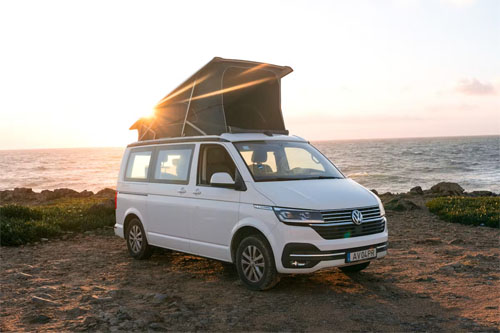
For optimal maneuverability and ease of navigation on Spain's varied road network, from bustling cities to charming rural villages, Bandana's Class B Camper Vans are highly recommended. Models like the "V3" or "Active Pop Top" average around 5.8 to 6.0 meters in length, making them exceptionally nimble for narrower Spanish roads and parking spaces. They offer features like front air conditioning, a shower, and toilet, making them ideal for a couple or small family seeking adventure.
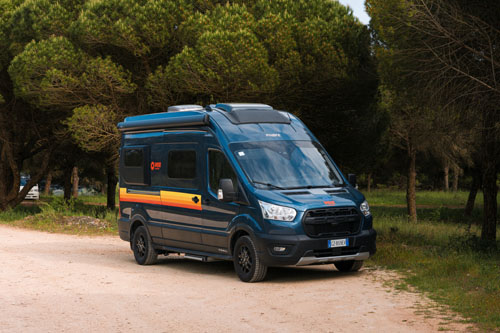
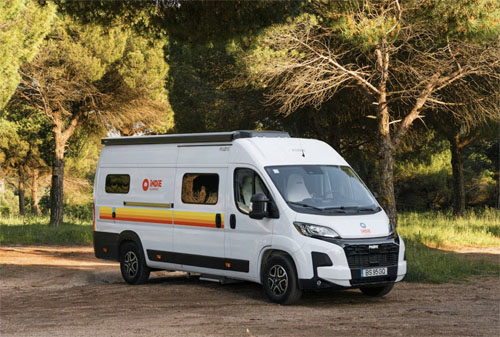
For those desiring a balance of comfort and drivability, our Class SI Semi-integrated RVs, such as the "K125" or "Koru Star 2 Freedom (LDV)" (averaging 6.5-6.9 meters), provide ample living space without being overly challenging to navigate. These classes generally offer sufficient ground clearance for most Spanish road conditions, ensuring a smooth experience from well-paved motorways to slightly less maintained rural routes. If you are looking for a more spacious option, our Class C Alcove models like the "24' Class C Motorhome" (approx. 7.46m long) are perfectly manageable on main roads and offer more sleeping capacity, such as a double bed over the cab and another in the rear, ideal for families of 2+2.
Should I Choose a Compact Van Instead of a Large RV in Spain?
Choosing between a compact van and a larger motorhome for your weekly RV rental in Spain depends on your travel priorities. While a compact campervan, like Bandana's Class B models (e.g., "Active Classic" or "Juliette 2-3"), certainly offers superior maneuverability for navigating tight historic city centers, very remote mountain passes, and easier parking, larger RVs (such as a Class SI Semi-integrated like the "Koru Star 4 Freedom" or a Class C Alcove) are perfectly manageable on Spain's main roads and most secondary routes.
Often, the enhanced comfort, generous living space, and additional amenities of a larger motorhome can outweigh the slight maneuverability trade-off, especially for a week-long trip with family or friends. Consider a compact van if extensive urban exploration or deeply rural, narrow routes are your primary focus. Otherwise, a Class SI or Class C motorhome provides a more comfortable and well-equipped base for touring, offering spacious interiors, private showers, and fully-equipped kitchens for preparing delicious RV-friendly recipes playlist.
Can I Park Anywhere? Free & Wild Camping Rules in Spain
In Spain, it is generally permitted to *park* an RV overnight anywhere parking is not explicitly forbidden, as long as no "camping" activity is taking place. This crucial distinction means your rented motorhome must remain self-contained, with no awnings extended, no chairs or tables set outside, and no leveling jacks deployed. True "wild camping," which involves setting up a full camp outside of designated areas, is largely restricted and often illegal across the country, with significant regional variations in enforcement, particularly in natural parks or sensitive coastal areas.
To find safe and legal overnight parking, utilize dedicated RV apps like Park4Night and Campercontact, which frequently list designated "áreas de autocaravanas" (motorhome service points) and informal parking spots with user reviews. These spots often provide essential services like fresh water and waste disposal. Always prioritize safety, respect local communities by leaving no trace, and thoroughly check local regulations before parking overnight, especially in less populated regions like "La España Vaciada" where rules might be more relaxed but still require common sense.
Can I Drive an RV Into the City Center? Heights, Tunnels & Local Signage
Yes, it is generally possible to drive a rented RV into Spanish city centers, but it requires extreme caution and meticulous attention to local signage. Be particularly vigilant for specific height restrictions on tunnels and low bridges, which are common in older European cities. Also, be aware of environmental zones (ZBEs) in major cities like Barcelona and Madrid, which may limit access for certain vehicles or require special permits.
Many historic centers in Spain feature narrow, winding streets that can be challenging for even smaller campervans. Therefore, while you can drive almost anywhere without issues if you drive slowly and carefully and use common sense, it is often advisable to park your motorhome on the outskirts of major cities and utilize public transport to explore the pedestrianized or restricted-access historic areas. For example, when visiting Barcelona (to participate in festivals), you might find it easier to use designated RV parking lots outside the central zone.
How much does it cost to rent an RV in Spain for a week?
The cost of a weekly RV rental in Spain typically ranges from €700 to €1,500, fluctuating significantly based on the season, RV class, and how far in advance you book. Peak season, usually during summer months (June-August) and national holidays, will naturally incur higher prices, while shoulder seasons (April-May and September-October) often offer better value and more pleasant weather conditions for your adventure.
Rental costs generally include basic insurance coverage, but travelers should anticipate additional fees for extras such as unlimited mileage packages, upgrading to a top-level deductible for extra peace of mind, bedding and kitchen kits, and one-way drop-off fees if you plan to return your vehicle in a different city. For precise pricing and to compare options, explore our "Weekly RV Rental in Spain - Pricing 2026" guide. Prices are dynamic, similar to flight tickets, changing daily based on availability and supplier marketing decisions, so the final price is always set at the actual booking time. Bandana Caravan offers full transparency with no hidden fees, ensuring what you see is what you get.
Cost by Group Type: Couples vs. Families with Kids in Spain
The weekly RV rental cost for couples versus families with kids in Spain varies primarily by the size and class of the motorhome or campervan needed. Couples might opt for a compact Class B campervan like the "V2L" (around 5.99m long), which offers efficient fuel consumption (11–13 Liters/100 km) and a lower rental price, typically starting from €700-€1,000 per week in shoulder season. These smaller units are ideal for intimate exploration, offering a comfortable double bed, kitchen, and bathroom facilities.
Families with 2 adults and 2-4 kids, however, will likely require a larger Class C Alcove motorhome or a spacious Class SI Semi-integrated model, such as the "Group G" (approx. 6.75m long, sleeping up to 7) or "F4" (around 6.99m long, sleeping up to 5). These vehicles provide multiple sleeping areas, including bunk beds or larger dinette conversions, and more storage capacity for luggage and gear. Such larger RVs typically range from €1,000 to €1,500 or more per week, depending on features and season. The added space ensures everyone has room to relax and enjoy the journey, making the trip more comfortable. Remember, when planning ancillary trip costs, including groceries for meals cooked on board in your RV, RV PLANET routes help itemize and track every expense for easy budgeting.
Can I find last-minute weekly RV rental deals in Spain?
Yes, finding last-minute weekly RV rental deals in Spain is possible, though it requires flexibility and a bit of luck, as prices are dynamic and change daily based on availability. While it's generally recommended to book 3-6 months in advance for the best selection and rates, spontaneous travelers can sometimes find attractive offers, particularly during the low season (November-March, excluding holidays) or for less popular pick-up locations. Suppliers may offer discounts to fill their fleets. Our platform provides real-time comparisons across 50+ leading RV suppliers worldwide, including trusted partners like El Monte, Apollo, and Britz, increasing your chances of finding a last-minute option.
I'm flexible - how do I find the cheapest weekly RV rental?
If you're flexible with your travel plans, you have a significant advantage in finding the cheapest weekly RV rental in Spain. Firstly, consider traveling during the shoulder seasons (April-May or September-October) or the low season (November-March, excluding major holidays), when demand and prices are considerably lower. Secondly, be flexible with your pick-up and drop-off dates and even locations; sometimes shifting your trip by a few days or choosing a slightly less central city like Alicante - Airport or Almeria - Airport can result in substantial savings. Thirdly, compare campervan and motorhome rental prices across multiple suppliers using a comparison tool like Bandana Caravan, which allows you to see all available options side-by-side with full price transparency. You can save up to 25% by booking 90+ days in advance, but last-minute deals sometimes appear if suppliers need to fill a specific vehicle. Remember, many national and state parks reserve only 25-30% of their spots in advance, leaving the rest for first-come-first-serve, so you'll often find a spot even if you book day-to-day; just call ahead before driving.
What is the best time of year to RV in Spain?
The shoulder seasons of spring (April-May) and autumn (September-October) are widely considered the best times for RVing in Spain, offering mild weather, fewer crowds, and often lower rental prices. These periods are ideal for experiencing vibrant local festivals, enjoying comfortable hiking temperatures in regions like the Pyrenees, and connecting with Spanish culture without the intense summer heat or winter chill.
Summer (June-August) is popular for coastal trips, especially along the Mediterranean or in Galicia for its cooler climate, but expect high temperatures, crowded campsites, and peak rental rates, particularly in southern regions like Andalusia. Winter (November-March) offers a chance to explore southern Spain with mild temperatures, or to visit ski resorts in the Sierra Nevada, though many campsites may be closed, especially in the interior.
Is it easy to drive an RV in Spain?
Driving an RV in Spain is generally considered easy due to the country's excellent road infrastructure, including a network of well-maintained motorways (autopistas) and clear signage. Many international travelers find the driving experience comfortable and enjoyable. Challenges might arise when navigating very narrow village streets, encountering busy city traffic in major hubs like Madrid or Barcelona, or tackling steep, winding mountain roads.
In these situations, a smaller RV, such as Bandana's Class B campervans, can be advantageous due to their superior maneuverability. Spanish drivers are typically assertive; staying aware of your surroundings, maintaining a safe distance, and using your mirrors frequently will ensure a smooth journey. Remember, drive slowly and carefully, and you can drive almost anywhere without issues. No need to stress - just use common sense and pay attention.
Can you wild camp in Spain in an RV?
While strictly illegal in many areas of Spain, "wild parking" is a common practice where a rented RV is parked for the night without any camping paraphernalia extended (like awnings, tables, or leveling jacks), adhering strictly to local parking rules. This differs from "wild camping," which involves setting up a full camp and is largely restricted or illegal nationwide, with varying enforcement by region.
To find safe, legal, and community-approved overnight parking, actively utilize RV-specific apps such as Park4Night and Campercontact, which often provide lists of designated "áreas de autocaravanas" (motorhome service points) and informal, vetted parking spots with valuable user reviews. Always prioritize safety, respect local communities, and commit to leaving no trace. Be aware that rules and enforcement can vary significantly between Spain's autonomous communities and even individual municipalities, particularly in natural parks or coastal areas, so always check local signs or call ahead before settling for the night.
What is the average cost of a campsite in Spain?
The average cost for a night at a dedicated RV campsite in Spain typically ranges from €20 to €40, depending on the season, geographical location, and the range of facilities offered. Prices will generally be higher in popular coastal areas like the Costa del Sol, within or near major national parks, or during peak travel seasons (June-August and major holidays).
Campsites with extensive amenities such as swimming pools, restaurants, and organized entertainment, or those closer to sought-after attractions like Valencia's City of Arts and Sciences, will naturally command higher rates. Many campsites offer discounts for longer stays, making a week-long RV rental more economical, or for holders of international camping cards like ACSI and Camping Card International. These cards can significantly reduce your daily expenses, which you can track precisely using RV PLANET routes to manage your overall ancillary trip costs.
Are RV parks common in Spain?
Yes, RV parks and campsites are very common and widely available throughout Spain, making it an excellent destination for a weekly RV rental. These facilities range from basic "áreas de autocaravanas" (motorhome service points) to full-service camping resorts, catering to diverse preferences and budgets.
Most facilities are well-equipped with essential services, including fresh water supply, waste disposal points for both grey and black water, and electricity hook-ups, ensuring a comfortable stay. Finding and booking RV parks is easy via online platforms, dedicated apps, or simply by looking for "Camping" or "Área de Autocaravanas" signs along major routes. While pre-booking is recommended during peak season, many national and state parks reserve a significant portion (25-30%) of their spots for first-come-first-serve arrivals, so you'll generally find a spot if you call ahead before driving.
How many miles can you drive in an RV in a week?
For a comfortable and truly immersive weekly RV rental in Spain, a realistic driving target is often between 700 to 1,000 miles (approximately 1,100 to 1,600 km). This allows for enjoyable travel and ample sightseeing without rushing your experience. When planning your route, factor in an average driving speed of 50-60 mph (80-100 km/h) for motorhomes and campervans, keeping in mind that scenic routes, winding mountain passes like those in the Sierra Nevada, and city navigation will significantly reduce your daily mileage.
To truly experience local cultural immersion and avoid driver fatigue, we recommend planning for no more than 3-4 hours of driving per day. This leaves plenty of time for exploration, relaxation, and connecting with the local culture and scenery, embodying our philosophy to travel slowly. This measured pace is crucial for a memorable trip, ensuring you don't just see Spain, but truly feel it.
Do I need an international driving permit to drive an RV in Spain?
Yes, if your national driving license was issued by a country outside the European Union (EU) or European Economic Area (EEA), an International Driving Permit (IDP) is legally required to drive an RV in Spain. The IDP serves as an official translation of your existing license and must always be carried alongside your valid national driver's license. It is not a standalone document but a supplement.
For EU/EEA license holders, your national license is sufficient, provided it is valid and accompanied by photo identification, such as your passport or national ID card. It's always a good idea to check the specific requirements before you travel, but for most international visitors, securing an IDP in your home country is a necessary and straightforward step to ensure a legal and stress-free RV rental in Spain.
Where can I empty my grey water in Spain?
Grey water, which is the wastewater from your RV's sinks and showers, can be responsibly emptied at designated service points found throughout Spain. These facilities are commonly located at official campsites, "áreas de autocaravanas" (motorhome service points), and some larger gas stations.
To easily locate the nearest grey water disposal stations along your route, utilize RV-specific navigation apps like Park4Night or Campercontact. These apps are invaluable resources for planning stops and ensuring you dispose of waste correctly. It is critically important never to dispose of grey water (or black water) in unauthorized locations, as this practice pollutes the environment and can result in significant fines. By using designated facilities, you contribute to responsible and sustainable RV travel in Spain.
Is it expensive to live in an RV in Spain?
For a *weekly RV rental trip* in Spain, costs primarily revolve around the rental fee itself, fuel, campsite fees, food, and activities. This can be a very economical way to travel compared to hotels and restaurants, especially for families or groups, depending on your choices. A weekly rental's expense is driven by the upfront motorhome rental cost, typically ranging from €700-€1500 per week, plus daily operational expenses like diesel fuel (around €16-€20 per 100 km) and campground fees (€20-€40 per night).
Budget-conscious travelers can significantly reduce costs by utilizing their RV's kitchen facilities for cooking meals, which you can find inspiration for in our RV-friendly recipes playlist, choosing free overnight parking where legally permitted (distinguishing between parking and camping), and planning fuel-efficient routes. While long-term RV living has different financial dynamics, our focus is exclusively on RV rentals for vacation travel, offering a flexible and often more affordable way to explore Spain.
Top Cities for RV Rental in Spain
Spain offers numerous fantastic cities to start or end your weekly RV rental adventure, each providing unique cultural experiences and convenient access to diverse regions. Here are some top picks:
- Barcelona: A vibrant city perfect for culture and festivals, with excellent connections to Catalonia's coast and the Pyrenees. Consider starting your journey from Barcelona - Airport for ease.
- Alicante: Located on the Costa Blanca, Alicante - Airport is a gateway to beautiful beaches, charming towns, and quick access to Andalusia.
- A Coruña: In the lush region of Galicia, A Coruña - Airport is ideal for exploring the rugged Atlantic coastline, historic lighthouses, and the end of the Camino de Santiago.
- Almeria: Home to Europe's only desert, Almeria - Airport offers a unique landscape and easy access to the Sierra Nevada mountains and unspoiled beaches.
- Madrid: While a bustling capital, Madrid serves as a central hub, providing access to "La España Vaciada" and the heart of Spain's rich history and gastronomy. Park on the outskirts and use public transport for city exploration.
- Seville: The capital of Andalusia, Seville is a perfect base to explore the region's famous white villages, flamenco culture, and the historic Guadalquivir river.
- Valencia: A dynamic city combining modern architecture with ancient roots, Valencia offers coastal charm, innovative cuisine, and a relaxed atmosphere, making it a great starting point for eastern Spain.
These cities, among others like Alpedrete, Amezketa, and Andorra, provide a great starting point for your one-way or round trip RV exploration, ensuring you experience the best of Spain.
Practical Information for Your Weekly RV Rental in Spain
Preparing for your weekly RV rental in Spain means being informed about local nuances. Spain drives on the right side of the road, and speed limits for motorhomes typically range from 90 km/h on national roads to 100-120 km/h on motorways, always adhering to local signage. For emergencies, dial 112, the universal European emergency number. For mobile connectivity, purchasing a local SIM card (from providers like Movistar, Vodafone, or Orange) is easy and affordable, ensuring you stay connected for navigation and keeping in touch.
When it comes to water and waste, ensure your fresh water tank (e.g., a "MIA" Class C motorhome has a 100-liter tank) is filled at designated service points in campsites or "áreas de autocaravanas." Grey and black water disposal is similarly handled at these dedicated points. Planning your stops with apps like Park4Night helps ensure responsible and convenient waste management. For pet travel, Spain is generally pet-friendly, but always check specific campground rules, as some may have restrictions, and ensure your pet's microchip and vaccination records are up to date for international travel. Practicing responsible RV travel, including supporting local economies and adhering to 'leave no trace' principles, enhances the experience for everyone.
What You Shouldn't Miss
- Explore the Camino de Santiago by RV: While traditionally walked, a rented RV allows you to follow sections of this historic pilgrimage route in Galicia, stopping at key towns like Santiago de Compostela, enjoying the regional cuisine, and supporting walkers.
- White Villages of Andalusia: Drive your campervan through the picturesque 'Pueblos Blancos' like Ronda and Grazalema, experiencing stunning hilltop views and local charm. Find specific parking areas outside these historic centers.
- Discover the Tabernas Desert: Visit mainland Europe's only true desert in Almería. Explore its unique landscapes and Western film sets, a striking contrast to Spain's green north.
- Route of the Lighthouses in Galicia: Take your motorhome along the rugged coastline of Galicia, visiting iconic lighthouses such as the ancient Tower of Hercules in A Coruña, often with accessible parking nearby for photo opportunities.
- Taste Local Gastronomy in Northern Spain: Slow travel through regions like Basque Country and Asturias, known for their culinary excellence. Enjoy pintxos in San Sebastián or Asturian cider, sourcing fresh ingredients from local markets for your RV kitchen.
- Looking for expert insights from Avi Bandana? Top 5 Adventures - recommendations from Avi Bandana
Final Thoughts
A week-long RV driving tour in Spain promises an unforgettable adventure, offering the ultimate freedom to explore its rich tapestry of landscapes, cultures, and culinary delights. Whether you're seeking the sun-drenched beaches of Alicante, the historic charm of A Coruña, or the dramatic vistas of the Tabernas Desert, a rented motorhome or campervan is your key to a truly personalized experience.
At Bandana Caravan, we are with you every step of the way, from pre-booking comparisons to post-booking coordination, ensuring your trip is seamless and stress-free. Our commitment to full transparency, dedicated support, and expert planning resources means you can embark on your Spanish adventure with complete peace of mind. So, pack your bags, choose your perfect RV, and get ready to create lasting memories on the open roads of Spain. Remember to travel slowly and savor every moment.
Ready to plan your escape? Discover weekly RV Rental prices for Spain now and embark on your journey of a lifetime!