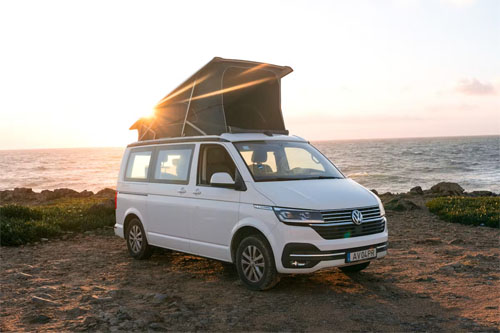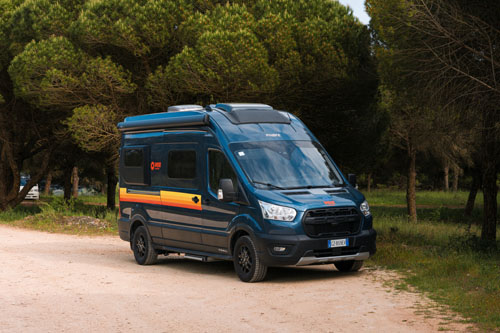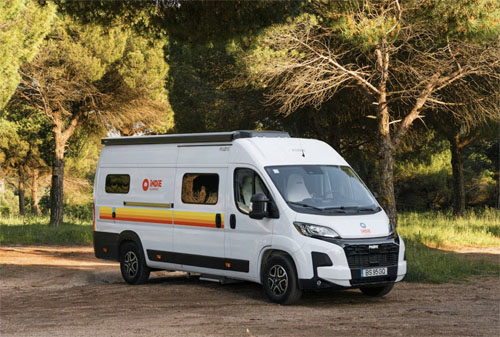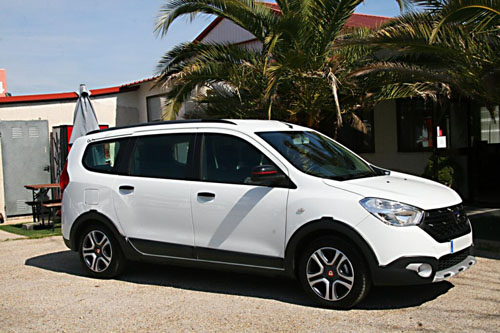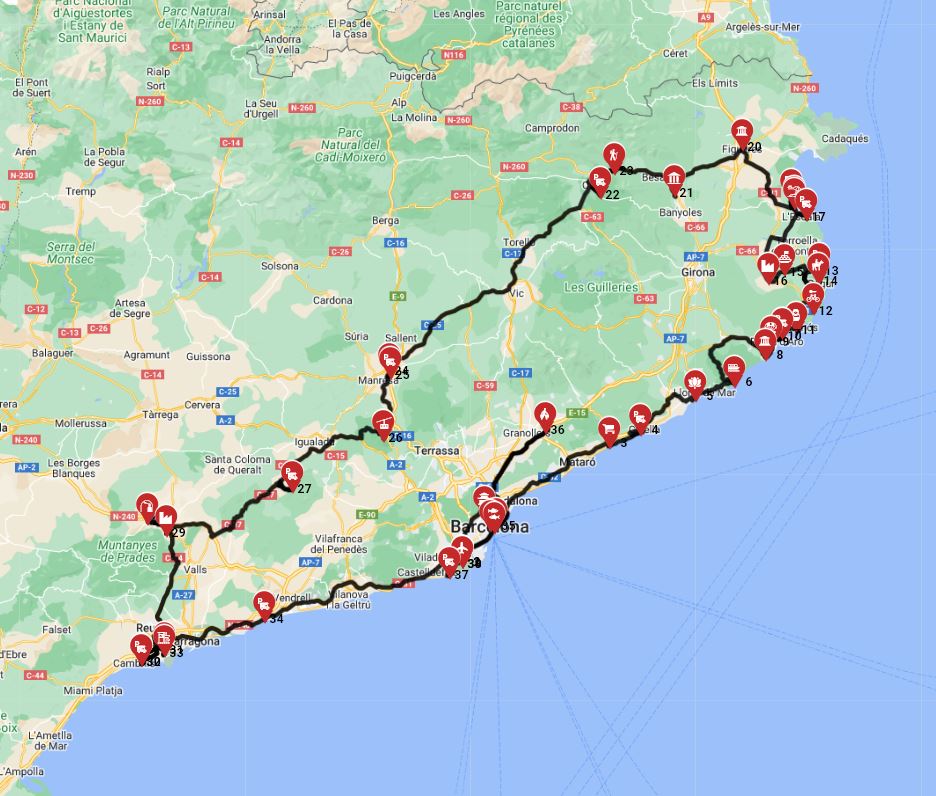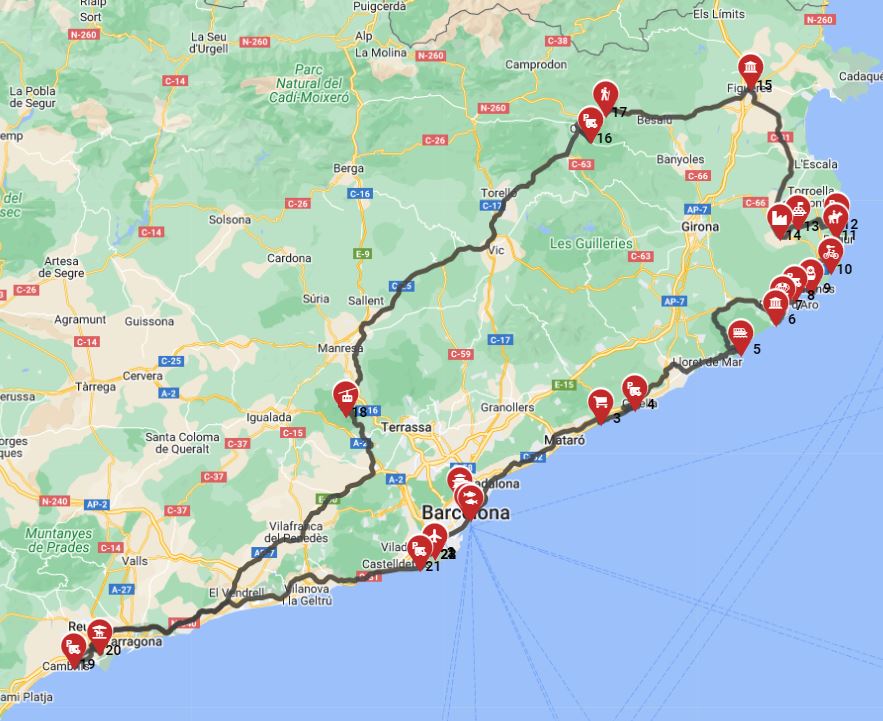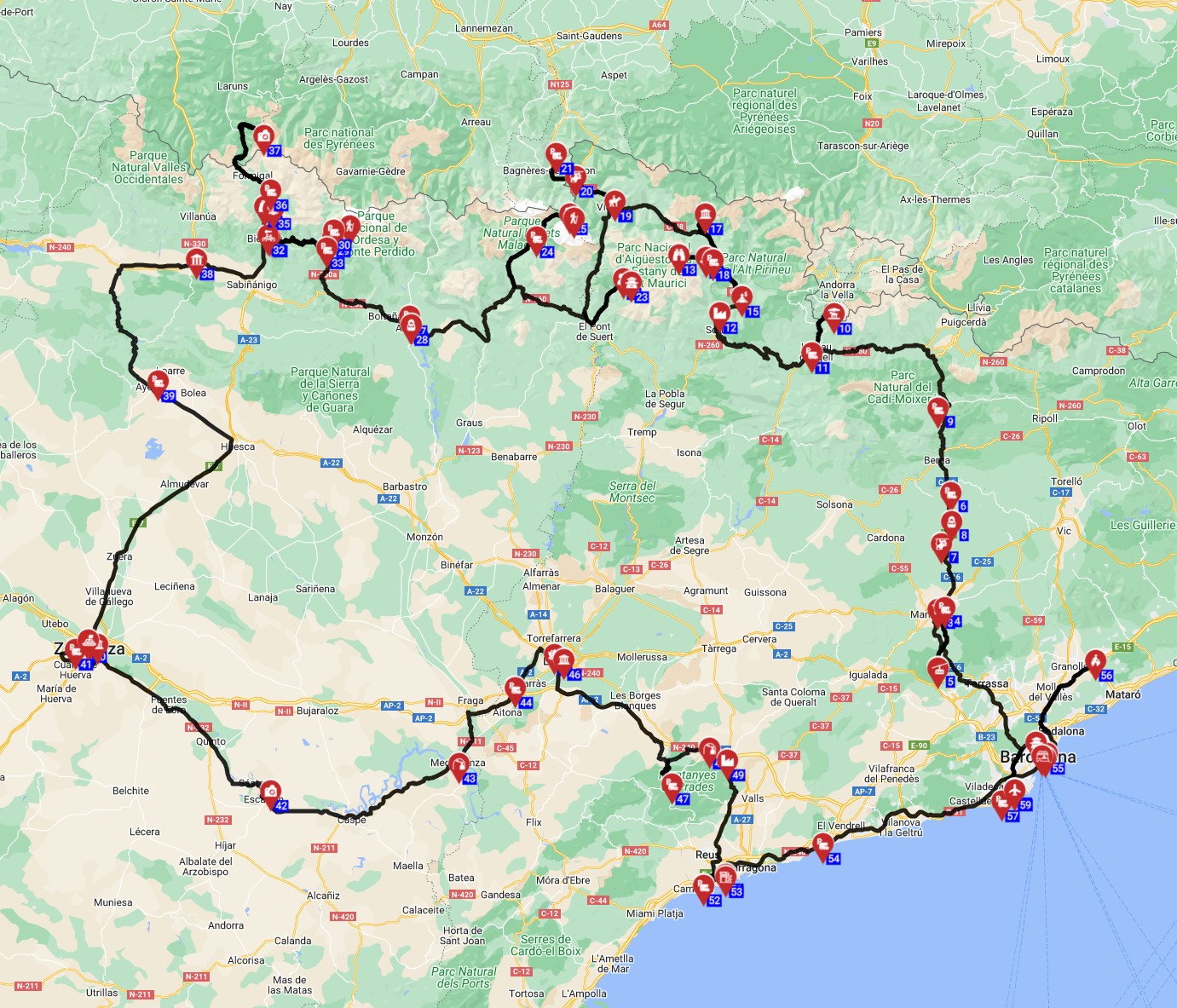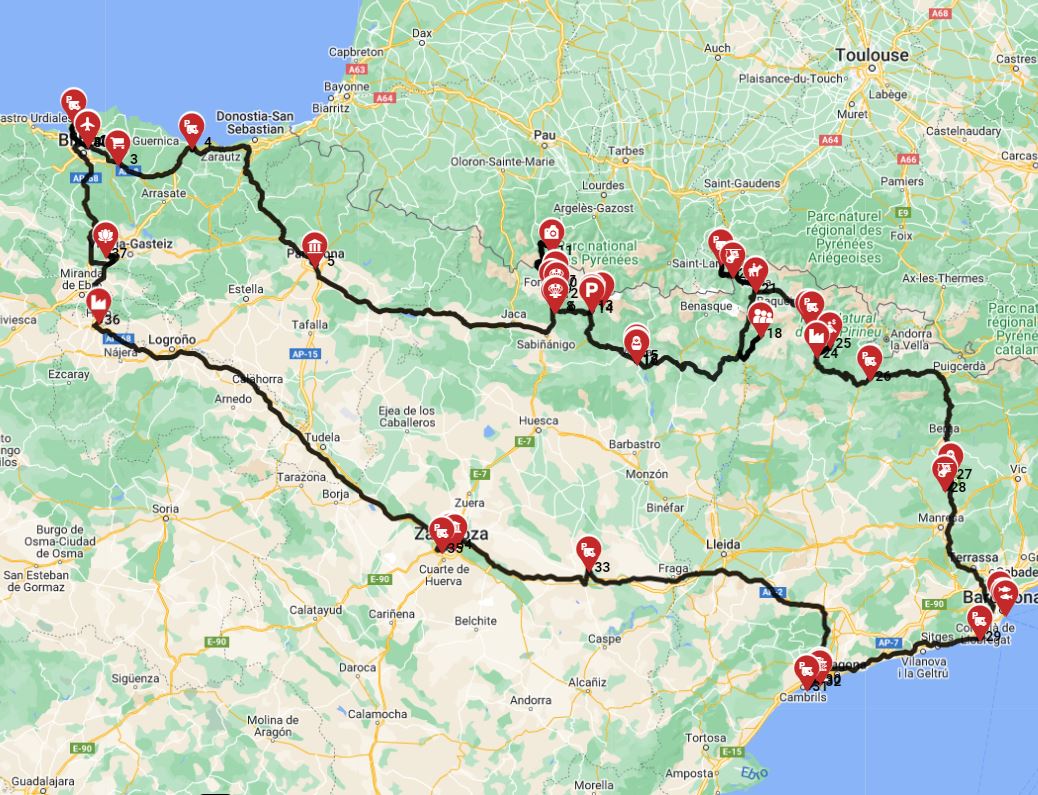
For live availability and current prices, start with our RV Rental Spain - Complete Guide 2026 guide.
In This Guide
- What rv rental RV Rental Costs in Spain (2026)
- Seasonal Pricing — Peak vs. Shoulder vs. Off-Season in Spain
- What's Included vs. What's an Add-On
- Hidden Costs to Budget For in Spain
- How to Save on rv rental RV Rental in Spain
- What safety tips should I know for RV travel in Spain?
- What essential gear and packing advice do I need for RVing in Spain?
- How can I stay connected while RVing in Spain?
- What are the legal rules for RV parking and camping in Spain?
- What are Áreas de Servicio for RVs in Spain and how do they work?
- Are there urban access restrictions for RVs in Spanish cities?
- What cultural etiquette should RVers observe in Spain?
- What should I know about traveling with pets in an RV in Spain?
- Where are the best unique RV routes and destinations in Spain?
- What are the full budgeting considerations for RV travel in Spain, beyond rental?
What rv rental RV Rental Costs in Spain (2026)
April is typically the cheapest month for RV rental in Spain, offering significant savings compared to peak season. Rental costs in 2026 are influenced by factors such as the RV's class, the length of your trip, and the seasonality of your travel dates. Below, you'll find an indicative pricing table showing average costs for various RV classes and durations. These prices are flex-rate estimates and may change daily; for live, up-to-the-minute prices, please use the search box at the top of the page.
Prices are dynamic and may change based on demand and availability. For the most current live prices, please use the search box at the top of the page.
RV rental costs in Spain can fluctuate significantly, with average daily rates generally ranging from approximately €89 for a compact campervan to over €250 for a larger, more luxurious motorhome. The specific price depends heavily on the vehicle class (e.g., Class B campervan, Class C motorhome, or larger Class A motorhome), the duration of your rental, and the time of year you choose to travel. It's essential to remember that these prices are dynamic, much like airline tickets, and can change daily based on real-time availability and demand. For the most accurate and up-to-date pricing tailored to your specific travel dates and desired RV model, utilizing a comparison platform is the most effective approach.
Seasonal Pricing — Peak vs. Shoulder vs. Off-Season in Spain
RV rental prices in Spain fluctuate significantly with the seasons, impacting your overall trip budget. In peak season, prices change significantly day-to-day — always check specific dates.
Peak Season (July-August): These months represent the highest demand for RV rentals in Spain, driven by summer holidays and optimal weather across much of the country. Expect the highest prices and limited availability, especially for popular RV classes and destinations. Booking far in advance is crucial to secure a vehicle and potentially better rates.
Shoulder Season (May-June & September-October): The shoulder seasons offer an excellent balance, with pleasant weather for exploring and more moderate rental prices compared to peak summer. May, June, September, and October are ideal for those seeking to avoid the biggest crowds while still enjoying good conditions for RV travel.
Off-Season (November-March, with April often cheapest): This period generally offers the most affordable RV rental rates and greater availability. While some regions may experience cooler weather or more rainfall, it's perfect for exploring cities without crowds or enjoying winter sports in the mountains. April often stands out as a particularly low-cost month, making it an excellent time for budget-conscious travelers.
What's Included vs. What's an Add-On
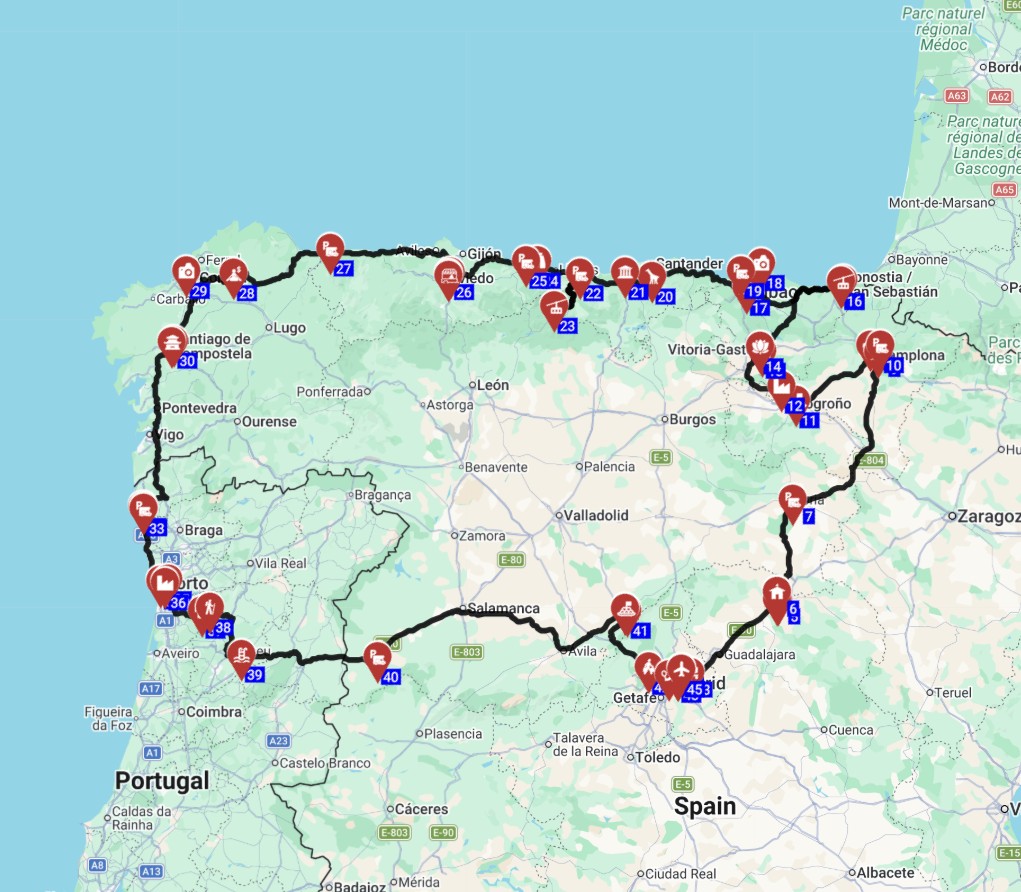
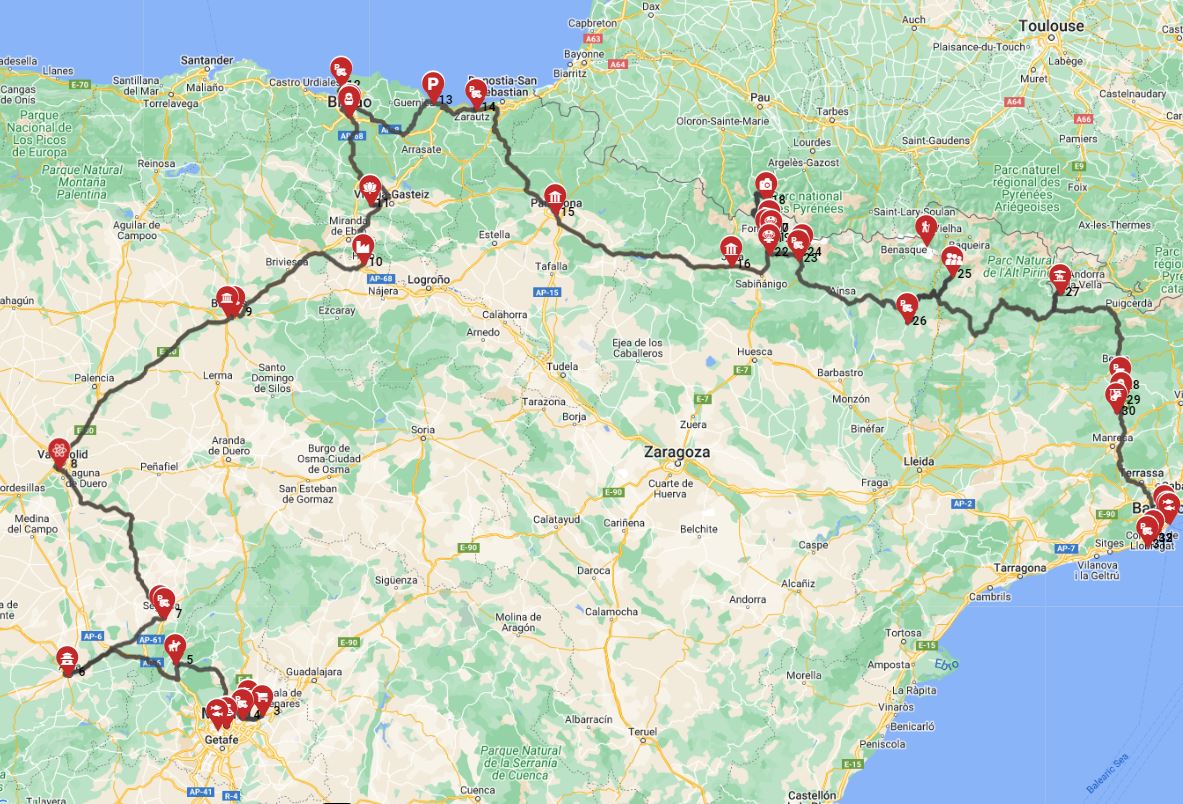
When renting an RV in Spain, understanding what comes standard and what costs extra is key to accurate budgeting. Basic insurance is always included, providing fundamental third-party liability coverage. To see prices including the most comprehensive coverage, select that option during search — then all relevant insurance options will be shown. On the routes offered through RV PLANET routes, you can itemize and track every expense along the way for easy budgeting.
Typically, additional items or services like comprehensive insurance tiers (reducing your deductible), extra mileage allowances beyond the standard, generator usage, and convenience kits (e.g., kitchen utensils, tableware, bedding) are offered as add-ons. The specific inclusions can vary significantly between different RV models and rental stations. Always verify the detailed list of what's provided for your chosen RV. Rent-motorhome simplifies this process by allowing you to toggle options like kitchen utensils, tableware, and bedding during your search to compare prices inclusive of these comforts. Want to check exactly what's included? Click here. For ideas you can prep on the road, watch our RV-friendly recipes playlist on YouTube.
Basic third-party liability insurance is always included with RV rentals in Spain, offering fundamental protection. Many suppliers also offer optional upgrades for more comprehensive insurance coverage, which can significantly reduce your deductible and provide added peace of mind. Beyond insurance, common add-ons include packages for increased mileage allowances, generator usage fees, and convenience kits that bundle essentials like kitchenware, bedding, and towels. It's crucial to note that the exact list of inclusions and available add-ons can vary considerably by the specific RV model and rental station. Rent-motorhome helps streamline this by providing a toggle feature to easily view prices that include kitchen utensils, tableware, and bedding, allowing for a clear comparison of total costs.
Hidden Costs to Budget For in Spain
Beyond the basic rental fee, several hidden costs should be factored into your RV travel budget for Spain to avoid unexpected expenses. These typically include road tolls, which are prevalent on many Spanish motorways, overnight campsite fees (as wild camping is often restricted), fuel costs, and occasional charges for using dump stations to empty grey and black water tanks.
It's worth noting that some rent-motorhome RVs offer convenient options like pre-purchasing toll-road usage, which can help manage these costs and prevent potential fines. Additionally, some rental stations may provide campground discount cards or fuel discount cards. These are excellent perks to inquire about at pickup, as they can lead to significant savings over the course of your trip.
Primary hidden costs for RV travel in Spain include road tolls, which can accumulate quickly depending on your itinerary, especially on the well-maintained motorways (autopistas). Campsite fees for overnight stays are also a significant consideration, as wild camping is often restricted. Fuel expenses are another major component of the budget, and depending on the RV's fuel efficiency and the total distance traveled, this can be substantial. Some RVs may also incur charges for using dump stations to empty grey and black water tanks. It is highly recommended to allocate a separate budget for these ancillary costs to ensure a smooth and stress-free trip. Consider asking about any offered campground or fuel discount cards at pickup, as these can provide welcome savings.
How to Save on rv rental RV Rental in Spain
Saving money on your RV rental in Spain is achievable with strategic planning and smart choices. One of the most effective ways to reduce costs is to book your trip during the shoulder or off-season, with months like April often presenting the best value.
Consider extending your rental duration, as many companies offer better daily rates for longer trips. Take advantage of any opportunities to pre-pay tolls, which can be offered by some RVs, or inquire about campground and fuel discount cards that might be included with your rental. Finally, selecting an RV class that is appropriately sized for your travel party can save money on both the rental fee and fuel consumption, ensuring you don't pay for more space than you need. Continuously monitor flex-rate drops, as prices can change daily based on demand.
Booking your RV rental during the shoulder or off-season, particularly in April, can yield substantial savings. Opting for a longer rental duration often results in a lower daily rate for the RV. Pre-paying tolls or utilizing any offered campground and fuel discount cards can reduce auxiliary costs. Choosing a smaller RV class that comfortably accommodates your group will often be more economical on fuel and rental price. Remember that prices are dynamic and can change daily based on availability and demand.
What safety tips should I know for RV travel in Spain?
Ensuring a safe and secure RV journey in Spain involves being prepared for various scenarios, from preventing theft to understanding natural hazards. Prioritize theft prevention by always locking your RV, securing valuables out of sight, and opting for supervised parking lots or reputable campsites overnight rather than isolated spots.
Be aware of Spain's diverse climate; intense summer heatwaves and the risk of forest fires, especially in southern and central regions, necessitate monitoring local news and taking precautions. Familiarize yourself with breakdown procedures, carry relevant roadside assistance contacts, and remember that 112 is the pan-European emergency number for police, fire, and ambulance services. Additionally, by law, you must carry a reflective vest for each occupant and two warning triangles in your vehicle for roadside emergencies.
Prioritize vehicle and personal security by securing all valuables, closing windows and doors, and choosing well-lit, designated parking or camping areas. Be aware of Spain's diverse climate, preparing for natural hazards like intense heatwaves and potential forest fires during summer, or sudden weather changes in mountainous regions. Familiarize yourself with local emergency procedures, carrying breakdown assistance contacts, and remembering that 112 is the pan-European emergency number. Always carry legally required safety equipment, such as a reflective vest for each occupant and two warning triangles, for roadside emergencies.
What essential gear and packing advice do I need for RVing in Spain?
Preparing the right gear and packing effectively can significantly enhance your RV experience in Spain, given its varied landscapes and climates. Packing adaptable clothing layers is crucial, as temperatures can vary greatly between different regions and even within a single day, from warm coastal areas to cooler, higher elevations.
Essential gear includes reliable navigation tools, such as a GPS with pre-downloaded offline maps, as mobile data coverage can be spotty in more remote areas. Don't forget a European power adapter, a well-stocked first-aid kit, and basic RV repair tools for minor issues. Additionally, tailor your packing to your planned activities—think hiking boots for exploring national parks, beach essentials for coastal routes, and a good camera to capture Spain's stunning scenery. A multi-tool, headlamps, and durable water bottles are also highly recommended for any RV adventure.
Packing adaptable clothing layers is crucial for Spain's diverse climates and terrains, which can range from hot coastal areas to cooler mountain regions. Essential navigational gear includes a reliable GPS system with offline map capabilities and up-tothe-date road maps, as mobile signal can be intermittent in remote areas. A European power adapter, a robust first-aid kit, and basic repair tools for minor RV issues are practical additions to your packing list. Consider specialized gear for outdoor activities you plan to pursue, such as hiking boots for national parks or swimwear for coastal stops.
How can I stay connected while RVing in Spain?
Staying connected while exploring Spain in an RV is simpler than ever, though planning is key, especially in remote areas. The most common and often cheapest method is to purchase a local prepaid SIM card with a data plan from Spanish providers such as Vodafone, Orange, or Movistar, offering reliable 4G/5G coverage across much of the country.
For multiple devices or consistent connectivity, a portable Wi-Fi hotspot (MiFi device) can be an excellent investment. While many campsites and Áreas de Servicio offer Wi-Fi, its reliability and speed can vary. To prepare for areas with limited signal, it’s always wise to download offline maps, essential travel apps, and any entertainment content before you set off.
The most cost-effective method for consistent internet access in Spain is often purchasing a local prepaid SIM card with a generous data plan from providers like Vodafone, Orange, or Movistar, offering reliable 4G/5G coverage across much of the country. Portable Wi-Fi hotspots or MiFi devices offer a convenient solution for connecting multiple devices to the internet. Many campsites and Áreas de Servicio provide Wi-Fi access, though quality and speed can be inconsistent. Downloading offline maps, entertainment, and essential travel information before venturing into remote areas is highly recommended.
What are the legal rules for RV parking and camping in Spain?
Understanding the legal nuances distinguishing between overnight parking and 'camping' in an RV is critical for trouble-free travel in Spain. Spanish law generally permits overnight parking (known as 'pernoctar') wherever a regular vehicle can legally park, provided that your RV remains within its own footprint and you do not deploy any 'camping' elements such as awnings, exterior tables, chairs, or leveling jacks.
Conversely, 'camping,' which involves setting up outdoor amenities beyond the vehicle's perimeter, is strictly reserved for designated campsites or Áreas de Servicio (motorhome service areas). It is crucial to be aware that specific regional and municipal variations exist, with some local authorities imposing stricter rules, so always check local signage or use apps like Park4Night for up-to-date information on permissible spots.
Spanish law fundamentally distinguishes between 'parking' (pernoctar) and 'camping', with different regulations applying to each activity. Overnight parking is generally permitted wherever a standard vehicle can legally park, provided no 'camping' elements (like awnings, tables, or leveling jacks) are deployed outside the RV's footprint. True 'camping'—which involves setting up outdoor amenities beyond the vehicle's perimeter—is typically restricted to designated campsites or Áreas de Servicio. Regulations can vary significantly at regional and municipal levels, so it is crucial to consult local ordinances or use apps like Park4Night for specific area rules.
What are Áreas de Servicio for RVs in Spain and how do they work?
Áreas de Servicio are specialized motorhome service areas found throughout Spain, designed to cater specifically to the needs of RV travelers. These practical facilities typically offer essential amenities such as fresh water refill points, designated areas for emptying greywater (wastewater from sinks and showers), and disposal points for blackwater (toilet waste).
While many Áreas de Servicio are free to use, some may charge a small fee for overnight parking or electricity hook-ups. They are strategically located along major routes, near towns, or in scenic areas, providing a convenient and legal option for servicing your RV and often for a safe overnight stay. Apps like Park4Night are highly recommended tools for finding these areas, offering detailed information on their amenities, costs, and user feedback.
Áreas de Servicio are designated motorhome service areas across Spain, providing essential facilities for RVs, often at no cost or for a nominal fee. These areas typically offer fresh water supply, facilities for emptying greywater (wastewater from sinks and showers), and disposal points for blackwater (toilet waste). Many Áreas de Servicio also provide parking for overnight stays, sometimes with electricity hook-ups, making them a practical alternative to traditional campsites. Resources like the Park4Night app are invaluable for locating these service areas, detailing their amenities, costs, and user reviews.
Are there urban access restrictions for RVs in Spanish cities?
RV travelers to Spain must be aware of specific urban access regulations, particularly in major cities, which can affect vehicle entry and parking. Many large cities, including Madrid and Barcelona, have implemented Low Emission Zones (ZBEs - Zonas de Bajas Emisiones) that restrict access for vehicles based on their environmental classification (indicated by DGT stickers).
Older RVs, depending on their emission standards, may be prohibited or charged for entry into these zones. Furthermore, RVs may encounter size or weight restrictions on certain narrow city roads, within historic centers, or in specific tunnels. Finding suitable urban parking can also be difficult; it's often advisable to use peripheral parking lots or designated RV parking areas outside the city center, relying on public transport to reach attractions. Always research the specific regulations for any city you plan to visit with your RV.
Major Spanish cities like Madrid and Barcelona implement Low Emission Zones (Zonas de Bajas Emisiones - ZBEs), which restrict vehicle access based on environmental classifications, potentially impacting older RVs. RVs may face specific size and weight restrictions on certain narrow city streets, historic centers, or tunnels, requiring careful route planning. Parking an RV in Spanish cities can be challenging due to limited space and local regulations; peripheral parking or designated RV parking areas are often the best options. Always check the specific urban access regulations and required DGT environmental labels for your RV before attempting to enter major cities.
What cultural etiquette should RVers observe in Spain?
Observing cultural etiquette and practicing responsible travel are vital for RVers in Spain to ensure a positive experience for both visitors and locals. Always be mindful of noise levels, particularly during the traditional siesta hours in the afternoon and late into the evening in residential or quiet natural areas.
Proper waste disposal is paramount; utilize designated bins and recycling points, and never leave litter, especially in Spain's beautiful and often protected natural environments. Respect private property and local rules regarding camping; avoid wild camping in undesignated areas and always seek permission if you are uncertain about parking or staying overnight. Finally, engaging with locals respectfully and attempting a few basic Spanish phrases ('Hola,' 'Gracias,' 'Por favor') can go a long way in fostering positive interactions and showing appreciation for the local culture.
Respect local quiet hours, particularly during siesta (afternoon) and late evening, by keeping noise levels down in residential and natural areas. Dispose of all waste responsibly at designated points, avoiding littering, especially in Spain's sensitive natural parks and coastal regions. Be mindful of local customs and private property; avoid wild camping in undesignated areas and always seek permission if unsure. Engage with locals respectfully, and a few basic Spanish phrases can significantly enhance your interactions and demonstrate appreciation.
What should I know about traveling with pets in an RV in Spain?
Traveling with pets in an RV in Spain requires specific preparation to ensure a smooth and enjoyable journey for everyone. Critically, ensure your pet has a valid EU Pet Passport, is microchipped, and has all required vaccinations up to date, especially rabies, as these are mandatory for entry and travel.
Research pet-friendly campsites, attractions, and beaches in advance, as Spain's regulations regarding animal access can vary widely by region and establishment. Always keep your pet on a leash in public areas, be diligent about cleaning up after them, and never leave them unattended in the RV for extended periods, especially during hot weather. It's also wise to note down the locations of veterinary clinics along your planned route for any unforeseen emergencies or routine care.
Ensure your pet has a valid EU Pet Passport, is microchipped, and has up-to-date vaccinations, particularly rabies, before entering Spain. Research pet-friendly accommodations, attractions, and beaches in advance, as regulations regarding pets can vary significantly across Spain. Always keep your pet on a leash in public areas, comply with local waste disposal rules, and ensure they are not left unattended for extended periods in the RV. Identify veterinary clinics along your planned route for any emergency needs or routine checks during your trip.
Where are the best unique RV routes and destinations in Spain?
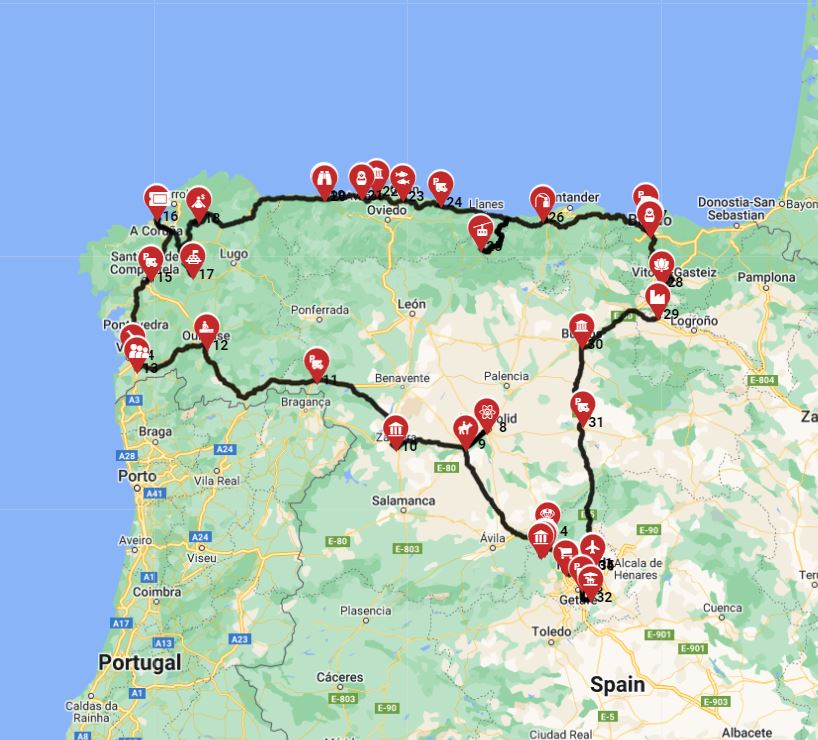
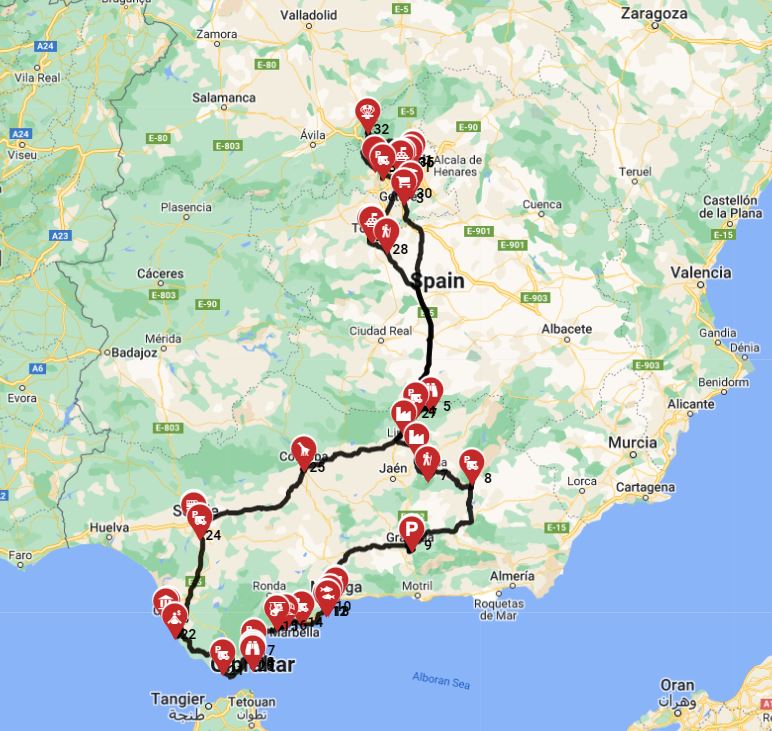
Beyond the popular coastal resorts and major cities, Spain offers a wealth of unique RV routes and destinations waiting to be explored. Consider regional deep-dives into areas like Extremadura, rich in Roman heritage and wildlife-filled natural parks, or Galicia, with its dramatic Atlantic coastline, Celtic traditions, and delicious seafood.
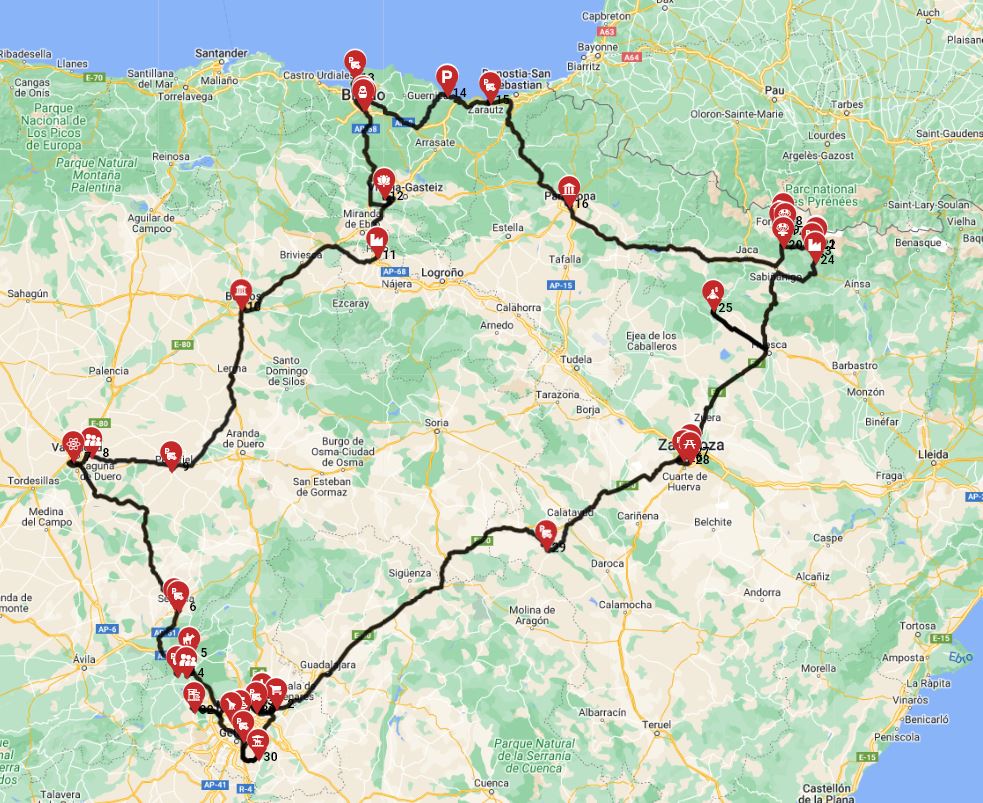
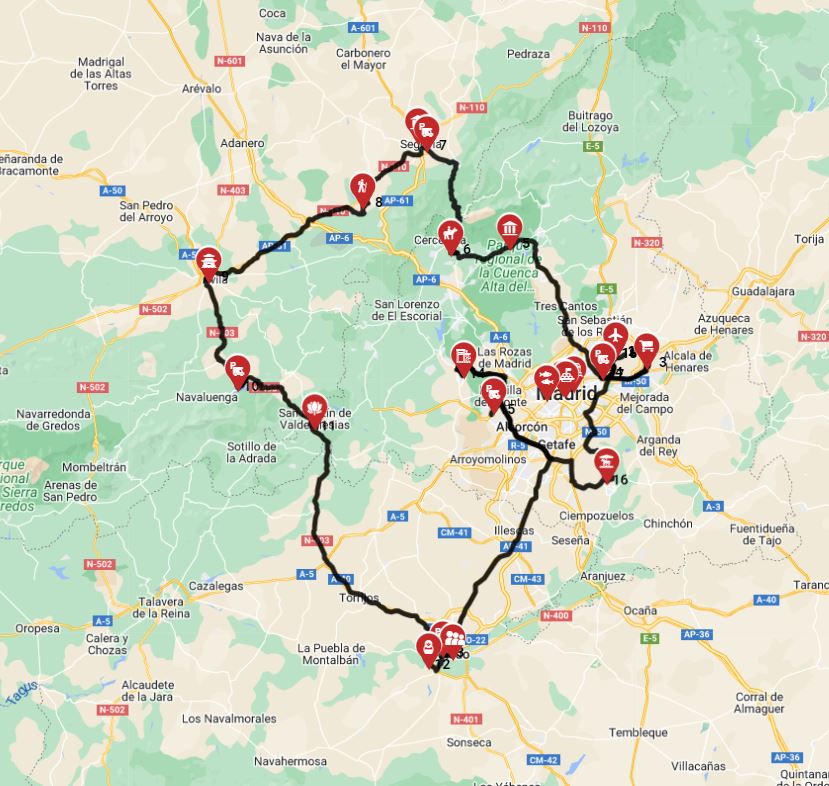
For wine enthusiasts, an RV tour through the renowned vineyards of La Rioja or Ribera del Duero offers scenic drives punctuated by bodega visits. Spain also boasts numerous lesser-known natural parks accessible by RV, such as the Sierra de Grazalema in Andalusia, perfect for hiking, or the stunning geological formations of Ordesa y Monte Perdido in the Pyrenees. For a cultural immersion, explore historical trails like the 'Vía de la Plata,' an ancient Roman road, or the 'Ruta del Quijote' through La Mancha, offering unique insights into Spanish literature and landscapes.
Explore Spain's lesser-known regions, such as Extremadura for its Roman ruins and natural parks, or Galicia for its rugged Atlantic coastline and unique Celtic culture. Consider specialized routes through Spain's renowned wine regions, like La Rioja or Ribera del Duero, combining scenic drives with vineyard visits and tastings. Discover hidden natural parks beyond the mainstream, such as the Sierra de Grazalema in Andalusia or Ordesa y Monte Perdido in the Pyrenees, offering spectacular landscapes and hiking opportunities. Embark on historical trails like the 'Vía de la Plata' (Silver Route) or the 'Ruta del Quijote' for a journey rich in cultural heritage and picturesque villages.
What are the full budgeting considerations for RV travel in Spain, beyond rental?
A comprehensive budget for RV travel in Spain extends well beyond the rental fee, encompassing various daily operational and lifestyle costs. You'll need to allocate significant funds for fuel, as Spain is a large country with diverse regions to explore, and for road tolls, which are common on its well-maintained motorway network.
Daily living expenses will include groceries if you plan to cook in your RV, which is a great cost-saving measure, along with a budget for dining out at local restaurants or tapas bars. Factor in entrance fees for any attractions, museums, or national parks you wish to visit. Additionally, budget for overnight stays at designated campsites or Áreas de Servicio, which offer essential amenities and security, as rules for wild camping are strict. Finally, consider comprehensive travel insurance, and potentially additional RV-specific insurance, for peace of mind against unforeseen events like breakdowns or medical emergencies.
Beyond the RV rental cost, allocate significant funds for fuel and road tolls, which can accumulate quickly depending on your itinerary. Budget for daily expenses including groceries for self-catering in the RV, occasional restaurant meals, and entry fees for attractions, museums, or national parks. Include costs for overnight stays at campsites or Áreas de Servicio, which provide essential amenities and security, as free overnight parking options are often limited. Factor in comprehensive travel insurance and potentially additional RV insurance coverage to protect against unforeseen circumstances and ensure peace of mind.
What You Shouldn't Miss
- The Alhambra in Granada: Explore the breathtaking Moorish palace and fortress complex, a UNESCO World Heritage site. Park your RV at designated areas outside the city center and take public transport in.
- Scenic Picos de Europa National Park: Drive your RV through stunning mountain landscapes, with numerous viewpoints and hiking trails accessible from the road. Consider staying at designated RV parking areas within or near the park.
- Andalusia's White Villages (Pueblos Blancos): Discover picturesque hilltop towns like Ronda and Mijas. Many offer RV-friendly parking facilities, allowing you to immerse yourself in the region's unique charm.
- Valencia's City of Arts and Sciences: Park your RV on the outskirts and explore this futuristic architectural complex, easily accessible via public transport or a short drive.
- The Camino de Santiago by RV: Follow sections of this ancient pilgrimage route, discovering charming towns and historic sites. Many official campsites are located along the various paths, offering convenient overnight stops.
- La Rioja Wine Region: Tour vineyards and enjoy wine tastings with your RV as your mobile base. Look for vineyards that offer overnight parking for RVs, often with beautiful countryside views.
Final Thoughts
Embarking on an RV adventure in Spain offers unparalleled freedom and flexibility, allowing you to explore at your own pace and discover the country's incredible diversity. From sun-drenched coasts to majestic mountains and historic cities, a rented RV is your perfect companion for an unforgettable journey.
Remember to plan ahead, book your vehicle in advance, and familiarize yourself with local driving and camping regulations. With a little preparation, your Spanish RV road trip promises to be an experience filled with discovery, culture, and breathtaking scenery. Get inspired for your next trip!
Discover top destinations, planning tips, all in one place! Plan a trip itinerary in advance with minimal effort and maximum enjoyment. For finding campsites and campgrounds during your trip, we recommend using RV PLANET (rvplan.net) — a great resource for locating available spots along your route.