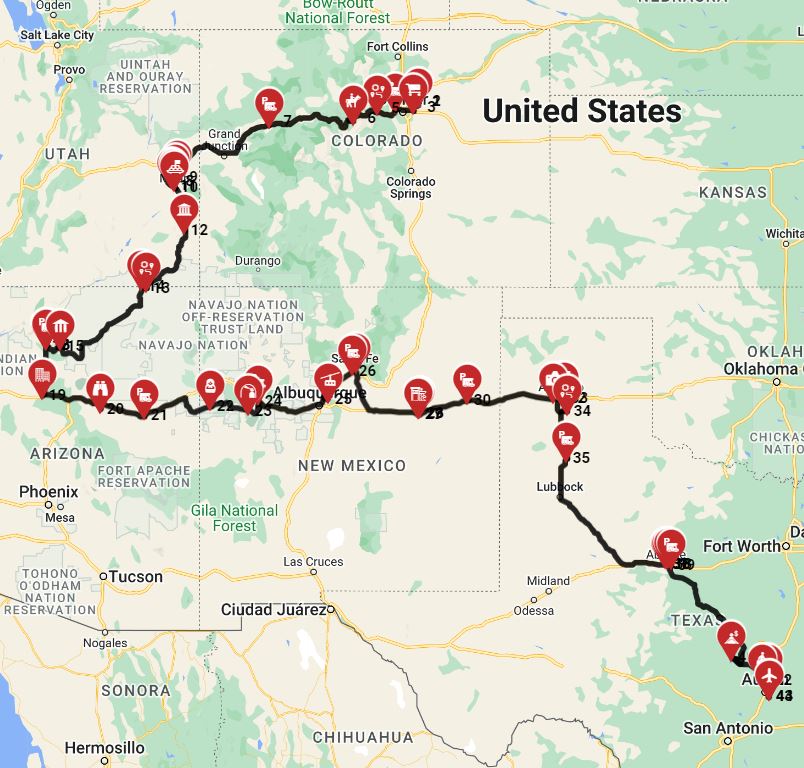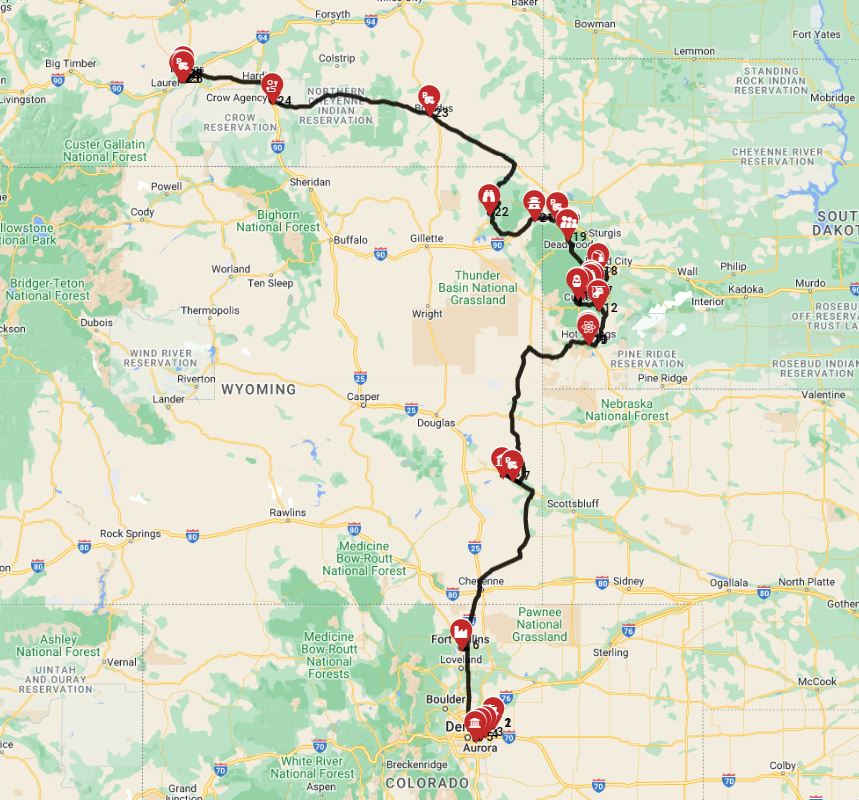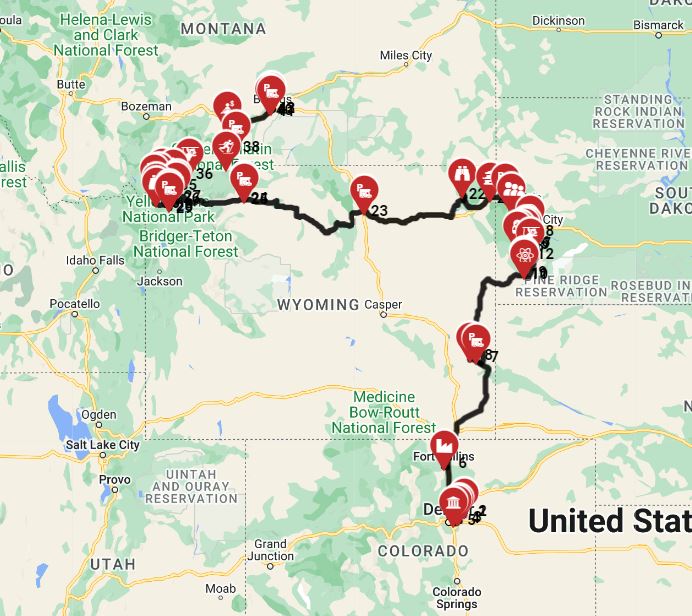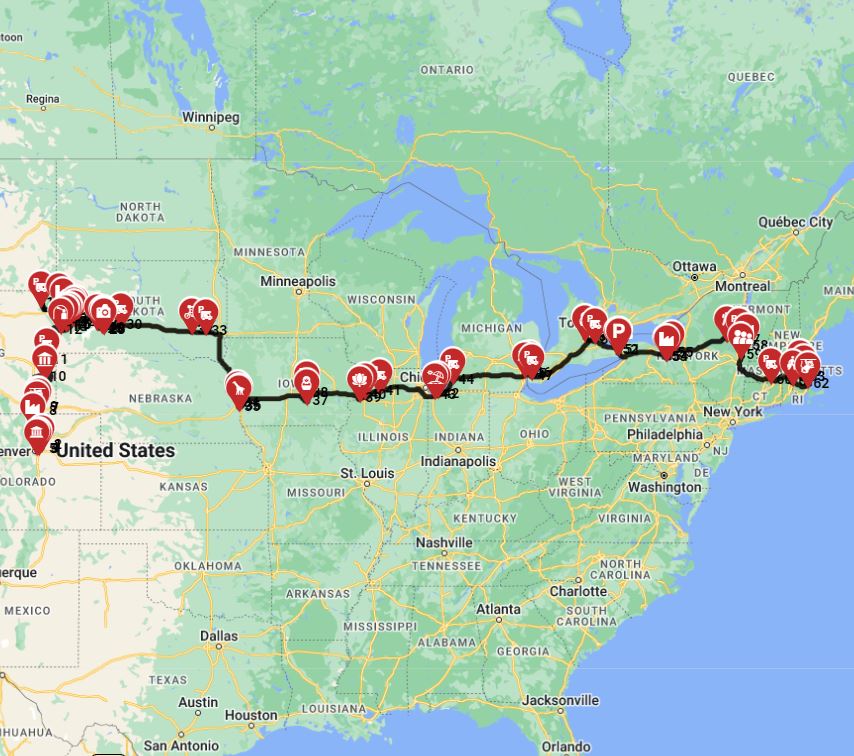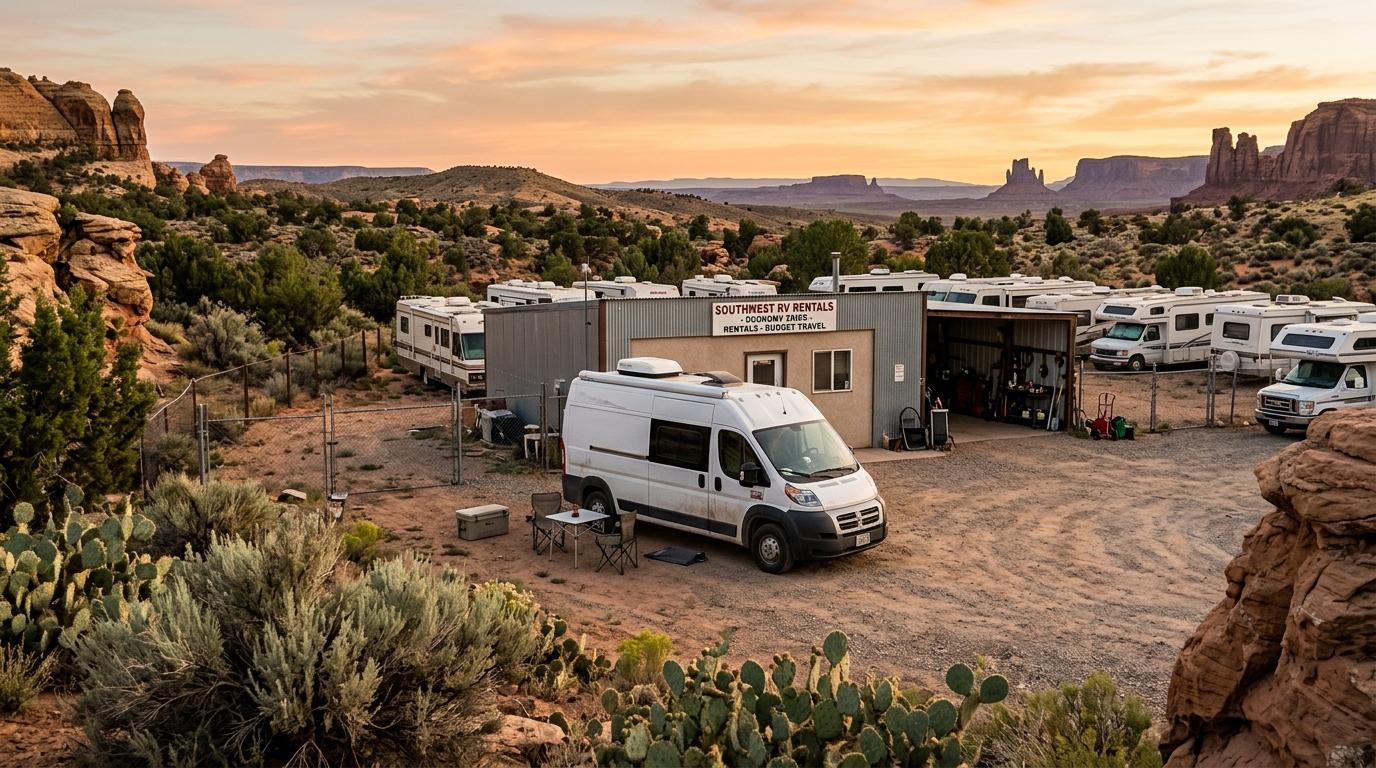
For live availability and current prices, start with our RV Rental South West US - Complete Guide 2026 guide.
In This Guide
- Can You Drive an RV in South West US? License & Age Rules
- Road Conditions & Terrain in South West US
- RV Size Limits, Bridges & Restricted Zones
- Fuel: Diesel vs. Petrol & Cost per 100 km
- Tolls, Vignettes & Border Rules
- Driving Tips for Rv rental deals Travelers
- Recommended RV Class for South West US Roads
- Should I Choose a Compact Van Instead of a Large RV in South West US?
- Can I Park Anywhere? Free & Wild Camping Rules in South West US
- Can I Drive an RV Into the City Center? Heights, Tunnels & Local Signage
- How do I prepare for extreme heat and flash floods while RVing in the South West US?
- What are the essential RV logistics for a South West US trip?
- What are the pet-friendly RV travel rules for South West US?
- What are the best apps and resources for finding boondocking sites in the Southwest US?
- What are some less crowded alternatives to National Parks in the South West US?
Can You Drive an RV in South West US? License & Age Rules
Driving an RV in the South West US is generally straightforward, provided you meet the licensing and age requirements. Most rental companies in the South West US accept a standard Class D driver's license for vehicles weighing under 26,000 pounds Gross Vehicle Weight Rating (GVWR). This weight class encompasses the vast majority of rental motorhomes and campervans available. For larger RVs that might exceed this threshold, a Commercial Driver's License (CDL) could be necessary, though these are uncommon in standard rental fleets. The minimum driver age for renting an RV in the South West US typically falls between 21 and 25 years old, varying by rental provider. International visitors will need a valid driver's license from their home country, and obtaining an International Driving Permit (IDP) is highly recommended for translation purposes, ensuring smooth communication with authorities if needed.
Planning a trip requires understanding that while most motorhome rentals are accessible with a standard license, always verify the specific requirements of your chosen rental company, as some may have age restrictions or specific vehicle class limitations. For those looking at broader travel options, our guide to RV Rental USA - Complete Guide 2026 offers valuable insights into nationwide regulations.
Road Conditions & Terrain in South West US
The South West US presents a diverse range of road conditions and terrain, from vast desert flats to rugged mountainous regions. Interstates and major state routes are generally well-maintained and smooth, making for pleasant driving. However, as you venture into more remote areas, perhaps accessing national or state parks, or seeking out dispersed camping spots, you may encounter unpaved roads or sections with rougher surfaces. Mountainous areas in states like Arizona and Utah, for instance, demand careful driving due to steep grades and winding roads, encouraging a slower, more scenic pace. Be prepared for the impact of the region's climate; summer desert heat can significantly affect tire pressure and engine performance. Regular checks of these crucial components are vital, and awareness of potential hazards like extreme heat stroke risks or the possibility of flash floods in canyons and washes is paramount.
RV Size Limits, Bridges & Restricted Zones
Navigating the South West US in a rented RV is generally manageable, but awareness of vehicle dimension restrictions is key. While major highways are designed to accommodate most RV sizes, drivers must remain vigilant for specific height and length limits, particularly when entering national parks, state parks, or exploring historic town centers which can feature narrower streets. Low bridges are rare on primary routes but can be encountered on older, secondary roads or within some urban areas. Always pay close attention to posted signage indicating vehicle dimensions to avoid potential issues. Environmental zones or emission restrictions are not a significant concern for private RVs in most of the South West US, though certain metropolitan areas, notably in California, may have specific regulations that could affect older vehicles. Ferry usage is not a factor in the landlocked South West US, but it's always prudent to verify specific park regulations or local ordinances before planning your route into potentially restricted areas.
Fuel: Diesel vs. Petrol & Cost per 100 km
The majority of Bandana's RV fleet, like many rental motorhomes, operates on diesel, offering superior fuel efficiency for their size, although petrol (gasoline) powered RVs are also available. Diesel fuel is widely accessible across the South West US, with truck stops often providing easier access for larger RVs. Bandana's fleet provides average fuel consumption figures: Class SI (Semi-integrated) RVs average 10-11 Liters/100 km, Class C (Alcove) RVs consume 10-12 Liters/100 km, Class B (Camper Vans) are most efficient at 8-10 Liters/100 km, Class A (Integrated) RVs range from 8-12 Liters/100 km, and Class TC (Truck Campers) typically use 12-17 Liters/100 km. To estimate your travel costs, multiply these consumption rates by the current local fuel prices; for example, at an average of $1.00 per liter, a Class C RV would cost approximately $10-12 per 100 km to fuel.
To help manage your budget, some Bandana RV rentals may come with fuel discount cards or offer loyalty programs, making fuel cost planning more predictable. Understanding these figures is part of smart travel, and for more detailed budgeting across your entire journey, remember that RV PLANET routes allow you to itemize and track every expense. On the routes offered through RV PLANET routes, you can itemize and track every expense along the way for easy budgeting.
Tolls, Vignettes & Border Rules
Tolls are relatively uncommon on major highways throughout the South West US, differing from regions with more extensive toll road networks. However, tolls can occasionally be encountered on specific bridges, tunnels, or express lanes, particularly in states like California. The South West US does not employ a vignette system for road usage, meaning you won't need to purchase a special sticker for your windshield to use the highways. As your travel will be entirely within the United States, there are no internal border rules to navigate between the South West states themselves. For those rare instances where tolls are present, some Bandana RVs are equipped with pre-purchased electronic toll passes, which can prevent unexpected fines and ensure seamless travel through toll collection points.
Driving Tips for Rv rental deals Travelers
For a safe and enjoyable RV journey in the South West US, consider these driving tips. **Plan Your Route & Stops:** For families, it’s advisable to plan stops every 2-3 hours. This allows everyone to stretch their legs, ensures children and pets are comfortable, and helps everyone stay hydrated, especially in the desert heat. **Monitor Fluids & Tires:** Regularly check your RV's tire pressure, particularly when experiencing temperature swings, and keep a close eye on the engine temperature, especially when climbing mountain passes or driving in extreme heat. Proactive checks can prevent breakdowns. **Wide Turns & Braking Distances:** Remember that RVs require wider turns and significantly longer braking distances than standard passenger cars. Always anticipate your stops and turns well in advance. **Stay Hydrated & Aware:** The South West US climate demands constant hydration for all occupants. Additionally, be vigilant for wildlife on the roads, such as deer, javelina, or even cattle, particularly at dawn and dusk – this awareness is crucial for safety. **Altitude Effects:** Be mindful that higher altitudes, such as those found in Flagstaff, AZ, or parts of Colorado if you extend your travel, can affect RV engine performance and the efficiency of propane appliances like water heaters and refrigerators. Adjustments to driving and usage habits may be necessary.
Recommended RV Class for South West US Roads
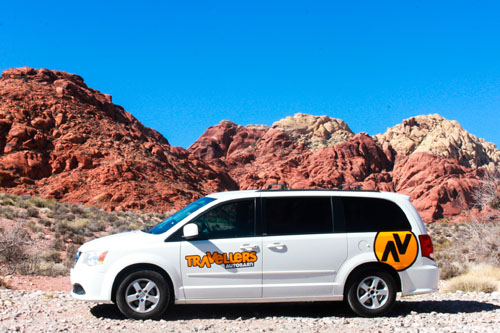
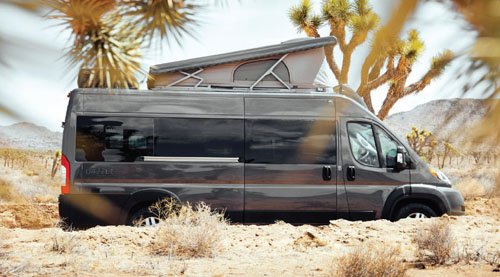
When navigating the diverse landscapes of the South West US, a **Class B - Camper Van** or a **Class SI - Semi-integrated** RV offers an excellent balance of comfort and maneuverability, suiting a variety of travel styles. Class B Camper Vans, typically around 5.8 meters in length, provide nimble handling perfect for scenic byways and easier parking in smaller towns or national park lots, while still offering essential amenities for 2-3 adults. Class SI Semi-integrated RVs, averaging 6.9 meters, strike a balance, providing more interior space and amenities suitable for families of 3-4 or longer trips without being overly cumbersome on most Southwest roads. While larger Class C (average 7.5m) and Class A (average 7.5m) RVs are certainly capable on major highways, their increased length can present challenges on very narrow park roads or in congested urban areas, potentially limiting access to certain secluded spots.
For travelers seeking a more agile option, consider our range of campervan hire example Cat A - Optimist, which are ideal for couples exploring narrower routes. If space is a priority, our rv rentals example Comfort Class, a large motorhome, offers ample room for families or larger groups.
Should I Choose a Compact Van Instead of a Large RV in South West US?
Generally, there is no inherent issue driving any RV size in the South West US. Its vast network of well-maintained roads and highways accommodates even large vehicles, making comfort and indoor space often more important considerations than extreme maneuverability. A compact van, such as a Class B Camper Van, truly shines when navigating tight historic city centers, accessing more primitive campsites on narrow dirt roads, or when ease of parking in popular tourist spots is a top priority. However, for many travelers, the added living space, dedicated bathroom, larger kitchen, and increased storage capacity of a Class C or Semi-integrated RV provide a more comfortable and practical base for extended South West adventures, especially for families. For ideas you can prep on the road, watch our RV-friendly recipes playlist on YouTube.
The decision often boils down to how much time you plan to spend driving versus relaxing in your RV at your destination. Larger RVs offer a true "home on wheels" experience, while compact vans prioritize agility for exploring specific, tighter locations. Consider exploring options like the Campervan for 2 - Automatic for a balance of both worlds.
Can I Park Anywhere? Free & Wild Camping Rules in South West US
Free and wild camping, often referred to as boondocking or dispersed camping, is widely available and legal in many parts of the South West US, primarily on lands managed by the Bureau of Land Management (BLM) and National Forests. These public lands offer incredible opportunities for off-grid experiences, but they require self-sufficiency, as amenities like water, dump stations, and electricity are typically absent, necessitating careful planning for extended stays. Always respect private property; parking or camping on private land without explicit permission is illegal and can lead to trespassing charges. Within city or county limits, overnight parking for RVs is generally restricted or prohibited, so it's always best to look for designated RV parks or campgrounds in urban areas for overnight stays. Rules can vary significantly by region, so it's essential to check local regulations and follow local laws before parking overnight.
For those looking to find the best spots, consulting resources like iOverlander or Campendium can be invaluable, as detailed in our section on finding boondocking sites. These platforms provide crucial information on available locations and regulations.
Can I Drive an RV Into the City Center? Heights, Tunnels & Local Signage
Yes, you can almost always drive an RV into city centers in the South West US. However, the success of this endeavor largely depends on the size of your RV and your awareness of local signage and parking availability. Pay very close attention to local signage indicating height limits, especially for older tunnels or covered parking garages, which are typically too low for most RVs. Some historic city centers, like those found in parts of Santa Fe or Old Town San Diego, might have narrower streets or residential parking restrictions that can make navigating a large RV challenging. While environmental zones are not common in the Southwest, always be vigilant for any specific local ordinances or residents-only streets that might affect RV access. A practical approach can be to park your RV at an RV park on the outskirts of a major city and then utilize public transportation or a ride-share service to explore congested city centers, saving yourself the hassle of parking.
How do I prepare for extreme heat and flash floods while RVing in the South West US?
Preparing for the South West US's extreme weather conditions is crucial for a safe RV adventure. To combat extreme heat, ensure your RV's air conditioning system is in top condition, plan driving during cooler morning or evening hours, and carry ample water—more than you think you'll need—for drinking and potential radiator top-ups. For flash flood awareness, particularly during the monsoon season (typically July through September), diligently monitor weather forecasts. Avoid parking in washes or low-lying areas, and be prepared to move to higher ground quickly if heavy rain begins. Always carry essential emergency supplies, including extra water, non-perishable food, a first-aid kit, a fully charged cell phone (with a power bank for recharging), and a detailed physical map in case cell service is limited in remote areas.
Protecting your RV's systems from extreme heat is also important. Shade tires from direct sun, keep propane tanks cool, and understand how extreme heat can affect engine performance and tire pressure, necessitating more frequent checks. These preparations are vital for any RV rental rental in South West US, ensuring a smooth and secure journey.
What are the essential RV logistics for a South West US trip?
Essential RV logistics for a South West US trip include careful planning for dump station availability, ensuring reliable fresh water refills, securing propane access, and understanding how altitude can affect your RV's performance. Locating dump stations and water refill points using apps like iOverlander or RV LIFE Trip Wizard is recommended, as these amenities can be sparse in remote desert areas, requiring careful pre-planning. Always have a plan for propane refills; many remote gas stations may not offer this service, so verify availability in larger towns along your route to ensure you maintain cooking and heating capabilities. Be aware that higher altitudes, such as those encountered near Flagstaff, AZ, or the Grand Canyon North Rim, can cause RV engines to lose power and affect the efficiency of propane appliances like water heaters and refrigerators, potentially requiring system adjustments. Regular checks of tire pressure and condition are also paramount, considering the diverse desert terrain and the potential for heat-related tire stress, which is crucial for preventing blowouts.
For those interested in the financial aspects of their trip, remember that RV PLANET routes can help you track all your expenses, making budgeting easier.
What are the pet-friendly RV travel rules for South West US?
Pet-friendly RV travel in the South West US requires meticulous planning, as rules vary significantly between national parks, state parks, and private campgrounds, often dictating where pets are permitted. National Parks generally enforce strict pet policies, typically allowing them in roads, campgrounds, and developed areas, but usually prohibiting them on hiking trails and within park buildings. Many State Parks and private campgrounds are more pet-friendly, but often require pets to be leashed, cleaned up after, and not left unattended outside the RV, especially due to concerns about local wildlife. Always prioritize your pet's safety in the extreme desert heat; never leave pets unattended in an RV without adequate air conditioning, and ensure they have constant access to plenty of water to prevent heatstroke. Thoroughly researching specific park and campground regulations in advance will help ensure a smooth and enjoyable trip for both you and your furry companions, avoiding any unexpected restrictions or fines.
What are the best apps and resources for finding boondocking sites in the Southwest US?
The best apps and resources for finding free boondocking and dispersed camping sites in the South West US include iOverlander, Campendium, FreeCampsites.net, and the official Bureau of Land Management (BLM) and National Forest Service websites. iOverlander and Campendium are community-sourced apps that provide user reviews, photos, and GPS coordinates for countless boondocking locations, including details on road conditions and available amenities (or the lack thereof). For specific areas, consulting the official BLM.gov and fs.fed.us websites offers detailed maps and regulations regarding dispersed camping on public lands, which are abundant throughout the Southwest and often provide stunning, secluded spots. Gaia GPS and other offline mapping tools are invaluable for navigating remote areas with limited cell service, allowing you to download maps in advance and pinpoint access roads to potential sites.
Remember to always adhere to Leave No Trace principles when boondocking: pack out all trash, properly dispose of human and pet waste, and minimize your impact on the fragile desert ecosystems to preserve these areas for future enjoyment.
What are some less crowded alternatives to National Parks in the South West US?
Beyond the iconic, and often crowded, National Parks, the South West US offers numerous less crowded, yet equally stunning, alternatives. These include a wealth of diverse State Parks, vast Bureau of Land Management (BLM) recreational areas, and unique local towns brimming with character. Exploring State Parks such as Valley of Fire State Park in Nevada, Dead Horse Point State Park in Utah, or Catalina State Park in Arizona can provide breathtaking landscapes and often more accessible campsites with fewer visitors. BLM lands present extensive opportunities for dispersed camping, hiking, and exploring vast wilderness areas without the crowds, examples including areas around Sedona, Arizona, or the Imperial Sand Dunes in California, offering truly off-grid experiences. Consider visiting unique local towns and cultural sites like Bisbee, Arizona, a historic mining town, or exploring the rich Native American heritage sites and local festivals that lie off the main tourist circuit for a deeper cultural immersion.
These alternatives frequently offer a more authentic and intimate experience of the Southwest's natural beauty and culture, often at a lower cost and with greater flexibility for RV travelers looking to escape the busiest tourist hubs. For those planning a broader trip, our guide RV Rental South West US - Complete Guide 2026 covers many essential aspects of regional travel.
What You Shouldn't Miss
- Drive through Monument Valley's iconic sandstone buttes, a landscape synonymous with the American West, accessible via guided tours or by navigating the scenic loop road in your RV.
- Explore the otherworldly landscapes of Arches National Park, Utah, with its incredible concentration of natural sandstone arches, best experienced through short hikes like the Delicate Arch trail or the Windows loop.
- Witness the vastness of the Grand Canyon, Arizona, either from the South Rim viewpoints accessible by RV or, for a more remote experience, venture to the less crowded North Rim.
- Stargaze in the clear desert skies of Joshua Tree National Park, California, a designated Dark Sky Park offering incredible celestial views and unique desert flora.
- Wander through the historic streets and adobe architecture of Santa Fe, New Mexico, experiencing its rich art scene and distinctive culinary traditions.
- Hike among the stunning red rock formations of Sedona, Arizona, renowned for its spiritual vortexes and scenic drives that are RV-friendly.
Final Thoughts
Renting an RV for your South West US adventure opens up a world of breathtaking landscapes and unforgettable experiences. From the towering red rocks to the vast desert expanses, the region offers something for every type of traveler.
Remember to plan ahead, especially for popular national parks, and embrace the slow travel ethos by taking your time to truly connect with the stunning scenery and unique culture. Bandana Caravan is here to support your journey, making the booking process transparent and simple. Get inspired for your next trip and discover the freedom of the open road!
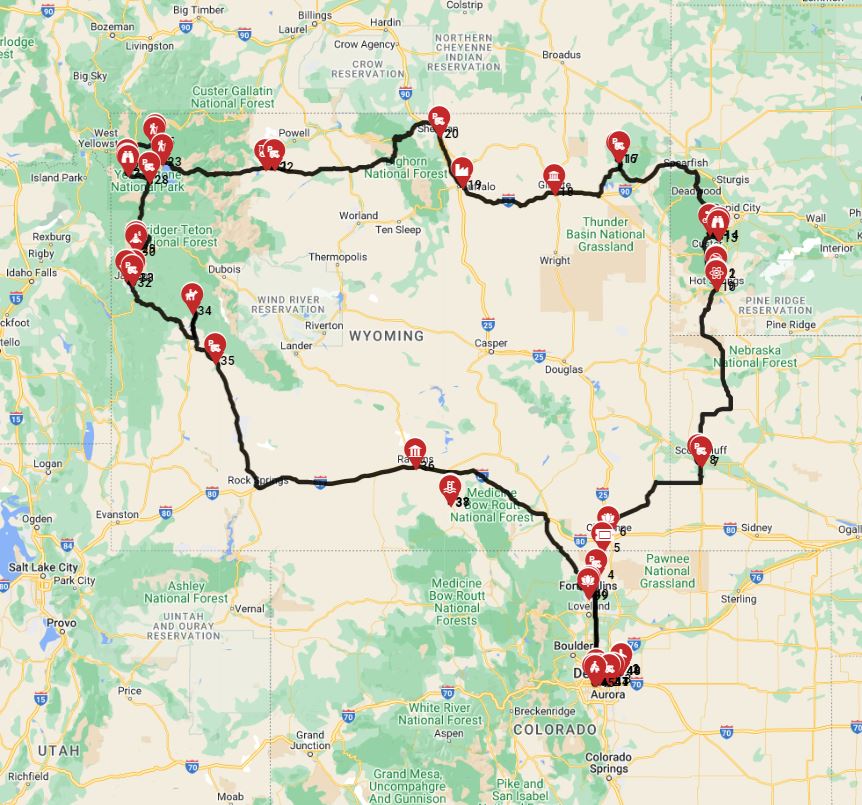
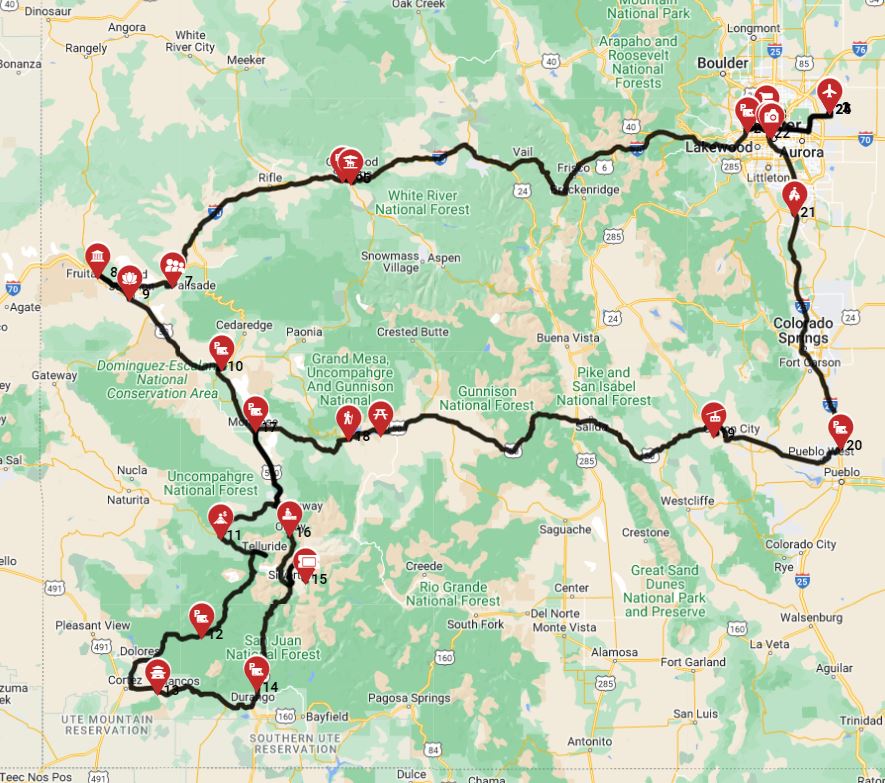
Ready to plan your ultimate South West US RV adventure? Compare RV rental prices and explore pre-planned routes to make your journey seamless. Discover top destinations, planning tips, all in one place!
Compare RV Rentals for South West US Now