In This Guide
- Can You Drive an RV in Seattle? License & Age Rules
- Road Conditions & Terrain in Seattle
- RV Size Limits, Bridges & Restricted Zones in Seattle
- Fuel: Diesel vs. Petrol & Cost per 100 km in Seattle
- Tolls, Vignettes & Border Rules for Seattle RV Travelers
- Driving Tips for RV Rental Travelers in Seattle
- Recommended RV Class for Seattle Roads
- Should I Choose a Compact Van Instead of a Large RV in Seattle?
- Can I Park Anywhere? Free & Wild Camping Rules in Seattle
- Can I Drive an RV Into the City Center? Heights, Tunnels & Local Signage in Seattle
- What You Shouldn't Miss
Exploring Seattle and the breathtaking Pacific Northwest with a rented RV promises an unforgettable journey, offering both freedom and comfort. Navigating a new city, especially with a motorhome, comes with its own considerations, but with the right information and a dash of common sense, you can unlock incredible routes and savings. For live availability and current prices, start with our RV Rental Seattle - Complete Guide 2026.
Can You Drive an RV in Seattle? License & Age Rules
A standard Class D driver's license is generally sufficient for most RV rentals in Washington State, provided the Gross Vehicle Weight Rating (GVWR) is under 26,000 pounds (approximately 11,793 kg). This means almost any recreational vehicle you rent from Bandana will be accessible with your regular license, eliminating the need for a Commercial Driver's License (CDL) or special permits, which are only required for much larger, non-rental vehicles. Most RV rental companies in Seattle require drivers to be at least 21 years old, ensuring a broad range of travelers can embark on their adventure without age-related class restrictions or young driver surcharges. International visitors can typically drive an RV with their valid foreign driver's license for up to one year, though an International Driving Permit (IDP) is highly recommended as a translation document, especially if your original license is not in English. As true RV specialists, we offer full transparency on all requirements, ensuring no surprises before or during your booking process.
Road Conditions & Terrain in Seattle
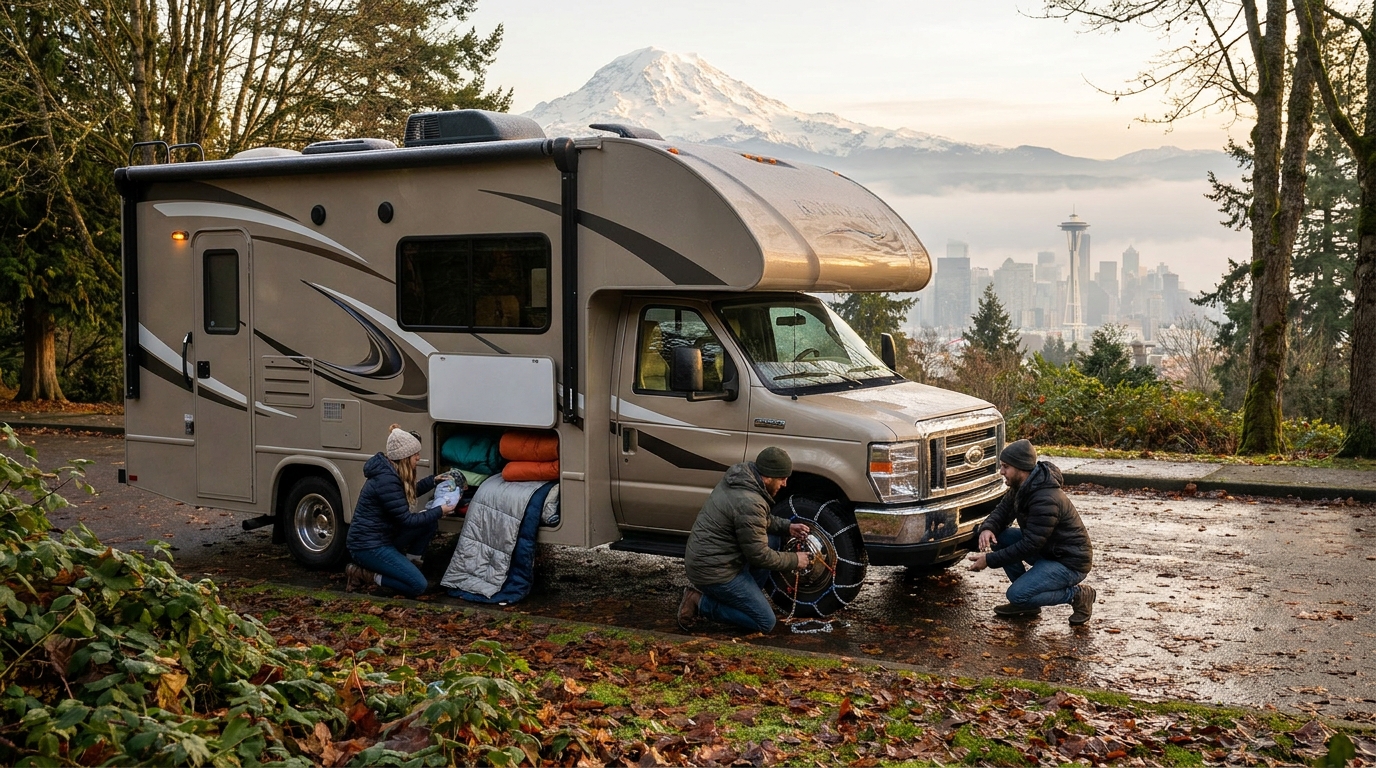
Seattle's road conditions are generally good within the city, featuring well-maintained urban arteries and highways, though drivers should be prepared for varied terrain including significant hills and winding roads. The urban core, particularly around downtown and popular attractions like Pike Place Market or Lumen Field, can experience heavy traffic, especially during peak hours, and suburban or scenic routes outside the city might include narrower sections or occasionally less-maintained roads leading to natural attractions. For RV travelers exploring Seattle, encouraging slow, scenic driving allows for better appreciation of the diverse landscapes and safer navigation of city streets and potentially challenging grades. The Puget Sound region's maritime climate means wet roads are common, particularly from fall through spring, requiring increased caution and awareness of braking distances for larger vehicles. Drive slowly and carefully, and you can drive almost anywhere without issues. No need to stress - just use common sense and pay attention to signage.
RV Size Limits, Bridges & Restricted Zones in Seattle
While there are no blanket 'RV size limits' for Seattle, drivers must be vigilant for specific height and weight restrictions, particularly on bridges, in tunnels, and on certain urban routes. Common bridge clearances in the US are typically 13 feet 6 inches (approximately 4.1 meters), but lower clearances can exist on older city bridges or underpasses, so always check signage carefully. Seattle does not currently implement specific Low Emission Zones (LEZs) akin to European cities, but all vehicles, including RVs, must comply with general Washington State emissions standards. Ferry travel, an integral part of exploring the Puget Sound islands and a popular activity mentioned in the RV Travel Guide to Seattle - Tips and Top Spots 2026, often involves higher fares for RVs exceeding certain lengths or weights, and reservations are highly recommended, especially for popular routes like those to Bainbridge Island or the Olympic Peninsula, due to limited space and high demand during peak seasons.
Fuel: Diesel vs. Petrol & Cost per 100 km in Seattle
In Seattle, both diesel and petrol (gasoline) are widely available at service stations, with larger Class C and Class A RVs often running on diesel, while Class B camper vans and some smaller Class TC truck campers typically use petrol. Based on Bandana's fleet data, a Class C - Alcove RV like the 'cruise america rv rental example Explorer' (7.1m length) typically consumes 11 Liters per 100 km. Other Class C - Alcove RVs can consume 25-35 Liters/100km, Class A - Integrated RVs can consume 30-45 Liters/100km, and Class TC - Truck Campers, like the 'rv rental usa example T17 Truck Camper' (4.75m length), consume 13-19.5 Liters per 100km. Fuel costs in Seattle fluctuate based on global market prices and local taxes; budgeting for average fuel expenses is crucial for any RV trip. You can easily track and itemize every expense along the way on RV PLANET routes, helping you stay within your budget. For more insights on overall trip costs, refer to our RV Rental in Seattle - Prices and Best Deals 2026 guide. On the routes offered through RV PLANET routes, you can itemize and track every expense along the way for easy budgeting.
Tolls, Vignettes & Border Rules for Seattle RV Travelers
Seattle and the broader Puget Sound region utilize electronic tolling on several key infrastructure elements, including the SR 520 bridge, SR 99 tunnel, and the Tacoma Narrows Bridge, requiring careful attention from RV travelers. Washington State uses the 'Good To Go!' electronic tolling system, which can be managed with a transponder or by mailed bills if a license plate is registered; rental RVs often have a system in place (e.g., a transponder or an administrative fee for tolls handled by the rental company). There are no 'vignettes' or similar road usage stickers required in Washington State or the United States as found in some European countries. For travelers considering crossing the US-Canada border into British Columbia, standard passport and customs regulations apply; RVs may be subject to additional inspection, and drivers should ensure all rental documentation allows for international travel. If you're considering a cross-border adventure, our One-Way RV Rental in Seattle - Price Guide 2026 provides details on potential fees and options for flexible drop-off locations.
Driving Tips for RV Rental Travelers in Seattle
Always use an RV-specific GPS or navigation app that accounts for vehicle height, weight, and length to avoid low bridges or restricted routes in Seattle, particularly around downtown. Be mindful of Seattle's often congested traffic, especially during rush hour on major freeways like I-5 or I-90; planning your routes to avoid peak times (typically 6-9 AM and 3-6 PM) and allowing extra travel time will significantly reduce stress. Practice wide turns and remember your RV's rear swing, particularly when maneuvering through Seattle's narrower streets, older neighborhoods like Capitol Hill, or parking lots. If your journey involves ferry travel to the Puget Sound islands, such as Vashon or the San Juans, make reservations well in advance, especially with a larger RV, as space can be limited and popular routes fill up quickly. For families, plan regular stops every 2-3 hours to ensure comfort and minimize driver fatigue, utilizing scenic pull-offs or rest areas along the way. Remember our mantra: travel slowly, max 100-150 km per day on average. Take time to feel the place, connect to the culture, the food, and the scenery.
Recommended RV Class for Seattle Roads
For navigating Seattle's blend of urban environments and scenic getaways, a Class C - Alcove or Class B - Camper Van offers an excellent balance of comfort and maneuverability. Class C - Alcove RVs, with an average length of 8.2 meters (based on Bandana's Seattle fleet), like the 'rv rentals utah example Sunrise Escape' (7.6m length, 5 sleeping places, 167L fresh water tank), provide ample living space and sleeping for families (avg. 5.5 places), making them suitable for longer trips while still manageable in most driving scenarios. These vehicles, including the '24 Class C Motorhome' (7.46m length, 5 sleeping places, 166L fresh water tank), often feature amenities like a microwave and refrigerator, ideal for preparing meals from our RV-friendly recipes playlist. Class B - Camper Vans, averaging 6.4 meters in length, are highly agile and easier to park in tighter urban settings, ideal for couples or small groups prioritizing city exploration and flexibility. Other options like Class SI - Semi-integrated (avg. 7m) and Class TC - Truck Camper (avg. 6.9m) also offer good maneuverability and specific advantages for different travel styles, with Class A - Integrated (avg. 10.3m) being best suited for experienced drivers seeking maximum luxury and space for longer excursions. Whether you're looking for a great value, like those in our Cheap RV Rental in Seattle - Budget Guide 2026, or something more upscale as detailed in Luxury RV Rental in Seattle - Premium Prices 2026, choosing the right size is key to enjoying your journey.
Should I Choose a Compact Van Instead of a Large RV in Seattle?
While a compact van certainly offers superior maneuverability and easier parking in urban Seattle, larger RVs often provide significantly more comfort, amenities, and indoor space that many travelers prioritize for an enjoyable road trip experience. There is generally no inherent issue with driving most RV sizes in Seattle; the primary trade-off comes down to parking convenience versus onboard living space and features. A compact van (like a Class B Camper Van such as the '2 Berth Hi Top', an automatic with front air condition, ideal for a couple, and 2-4 seat belts) genuinely helps in very tight historic centers like Pioneer Square or navigating crowded streets, making quick stops and parking less of a logistical challenge. However, if your trip involves multiple days of camping, cooking meals from an RV-friendly recipes playlist, or traveling with family, the added comfort, dedicated sleeping areas, and kitchen/bathroom facilities of a larger Class C or even Class A RV can make it a far better trade-off for overall trip enjoyment. For example, a Class C - Alcove like the 'MHC24' (7.3m length, 6 sleeping places, 150L fresh water tank) offers substantially more room.
Can I Park Anywhere? Free & Wild Camping Rules in Seattle
Free and wild camping (boondocking) is generally restricted within Seattle city limits and most developed areas, requiring adherence to local ordinances that typically prohibit overnight parking of RVs on residential streets or public lots. For legal overnight stays, RV travelers in Seattle should plan to book spots at designated RV parks, campgrounds, or commercial establishments that permit overnight parking, such as the Seattle-area KOA or Manchester State Park across Puget Sound. Outside of Seattle, within Washington State, dispersed camping (boondocking) is often permitted on certain public lands managed by the US Forest Service or Bureau of Land Management (BLM), particularly in national forests like the Olympic National Forest or Mount Baker-Snoqualmie National Forest, but specific rules, stay limits (often 14 days), and 'Leave No Trace' principles must be strictly followed. Always prioritize checking local regulations and following local law before parking overnight, as rules vary significantly by jurisdiction and can lead to fines or towing if ignored. RV PLANET (rvplan.net) is a great resource for locating available spots along your route.
Can I Drive an RV Into the City Center? Heights, Tunnels & Local Signage in Seattle
Yes, you can generally drive an RV into Seattle's city center, but drivers must remain highly vigilant for specific height restrictions, tunnel clearances, and clear local signage that may restrict larger vehicles. Pay close attention to height limit signs for parking garages, underpasses, and specific tunnels such as the SR 99 tunnel, ensuring your RV's clearance is always below the posted limit; a Class C motorhome like the 'rv rental seattle example ERA VAN' (7.34m length) has a manageable height for most roads. While Seattle doesn't have strict 'environmental zones' preventing RV entry based on emissions, certain streets or areas might have weight or size restrictions, often indicated by local signage, especially in older, denser neighborhoods. Always be aware of local parking regulations, including residents-only streets and metered parking zones, as finding suitable parking for a large RV in the bustling city center can be challenging; consider utilizing designated RV parking lots or parking just outside the core and using public transit, like the Link Light Rail, to explore downtown attractions.
What You Shouldn't Miss
Seattle and its surrounding regions are ripe for discovery by a rented motorhome or campervan. To truly experience the magic, embrace slow travel and let our expertly crafted itineraries guide you. Remember, you can earn a 25% Planning Discount by using rvplan.net to plan your trip.
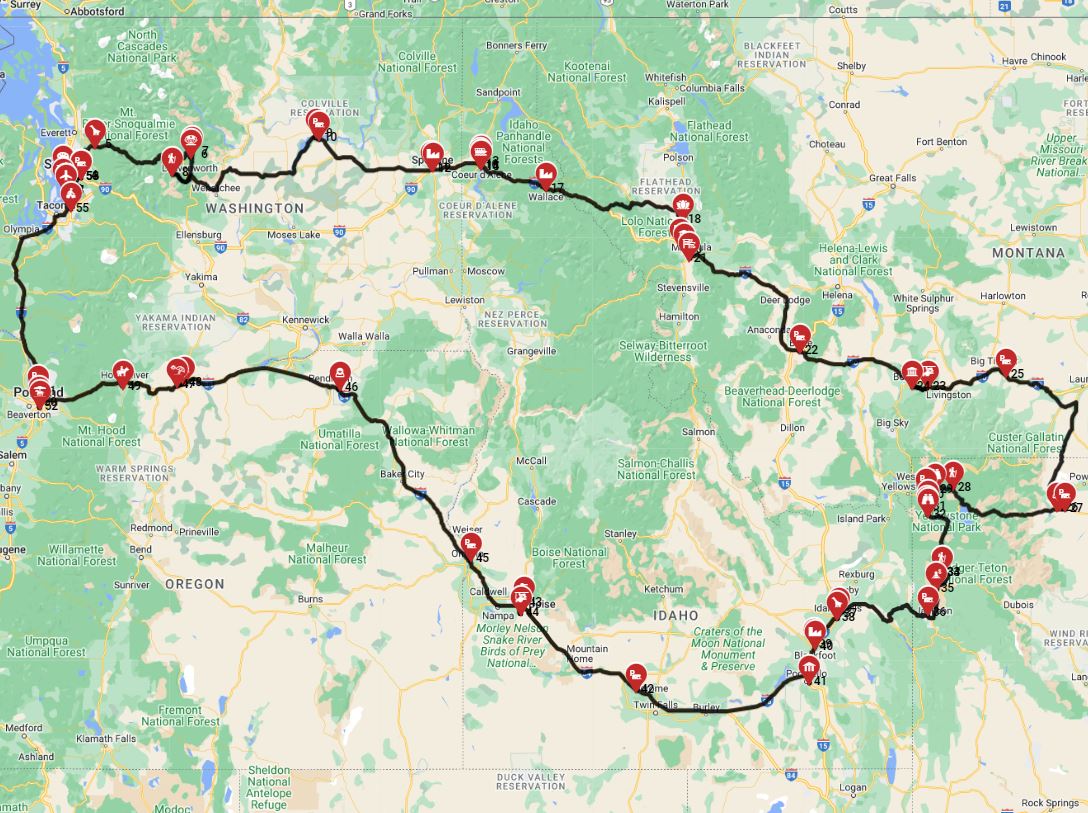
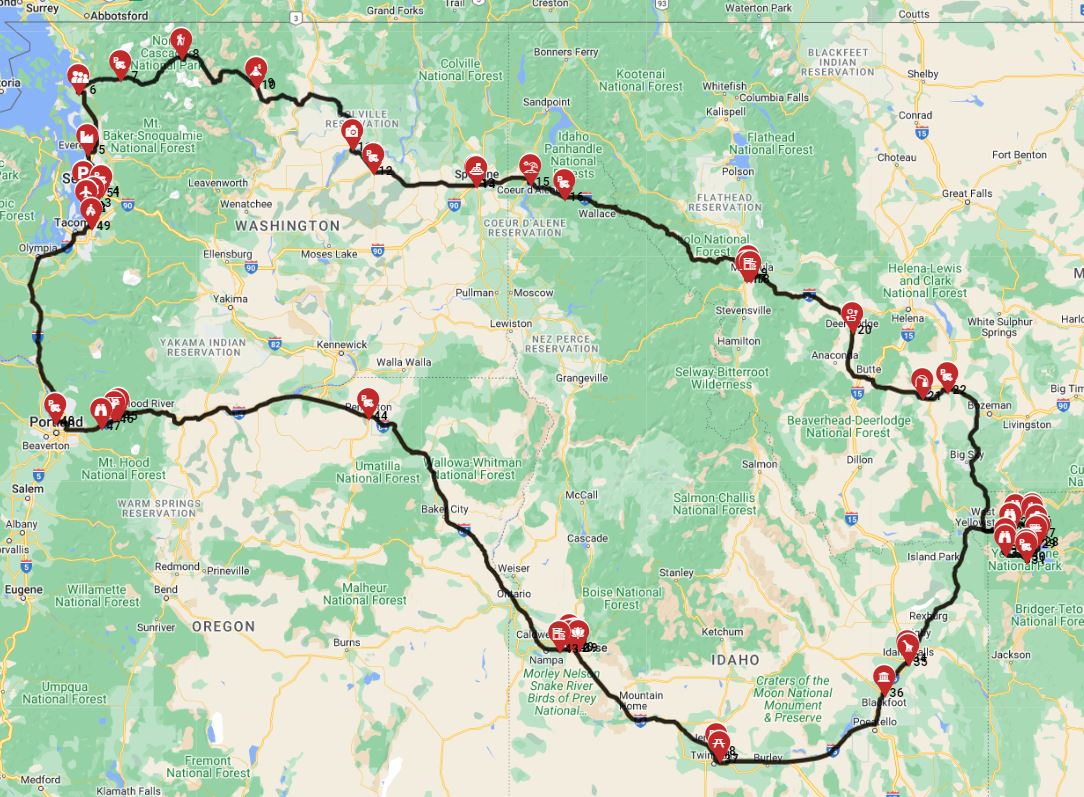
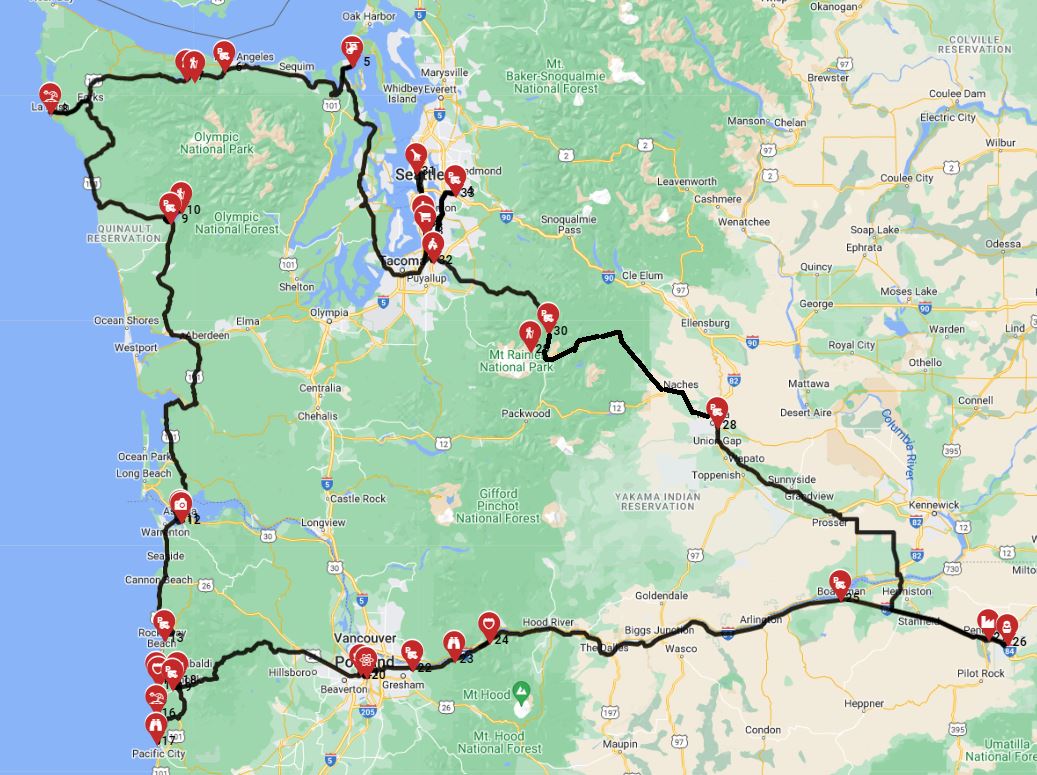
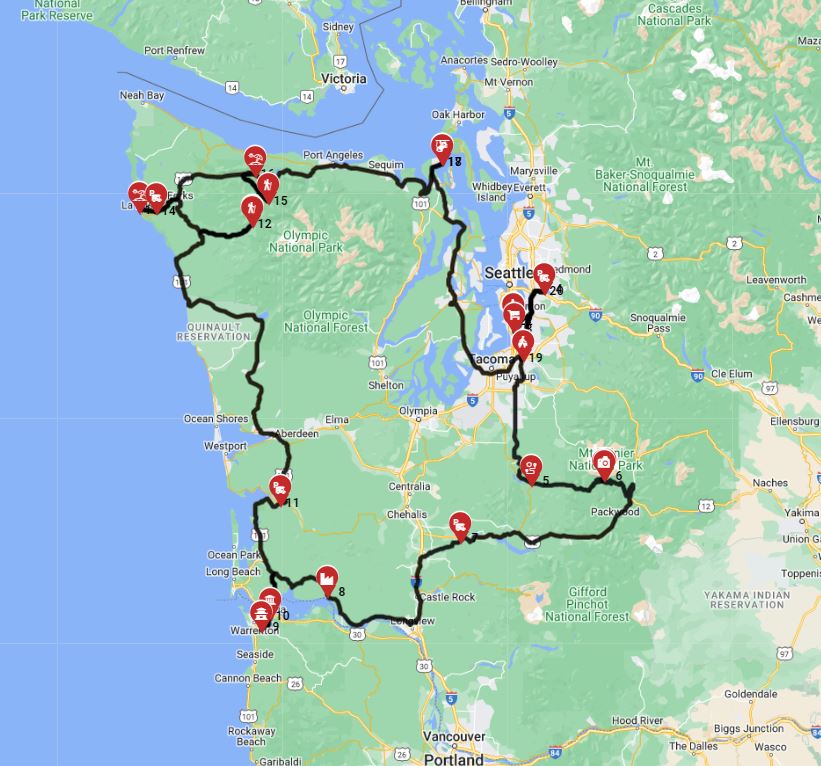
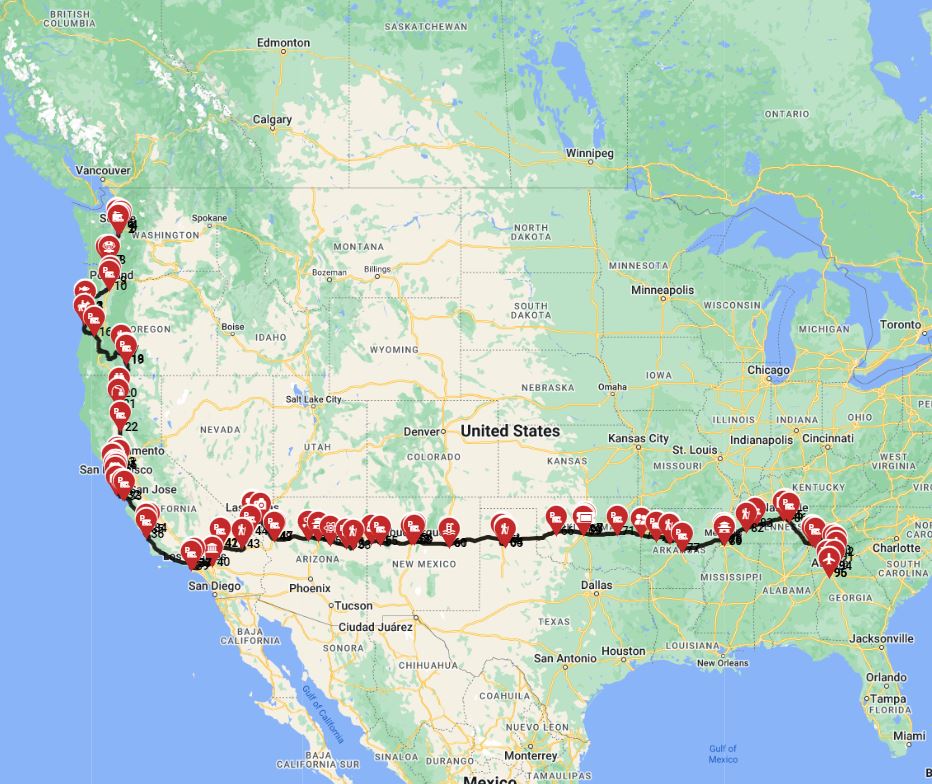
- Explore the Puget Sound: Head out on a 16-day "Seattle Roundtrip - South" RV PLANET itinerary. This route covers 2640.1 km and includes 3 wildlife watch opportunities, 1 aquarium, 1 botanical garden, and 2 traditional restaurants, offering a diverse taste of the region.
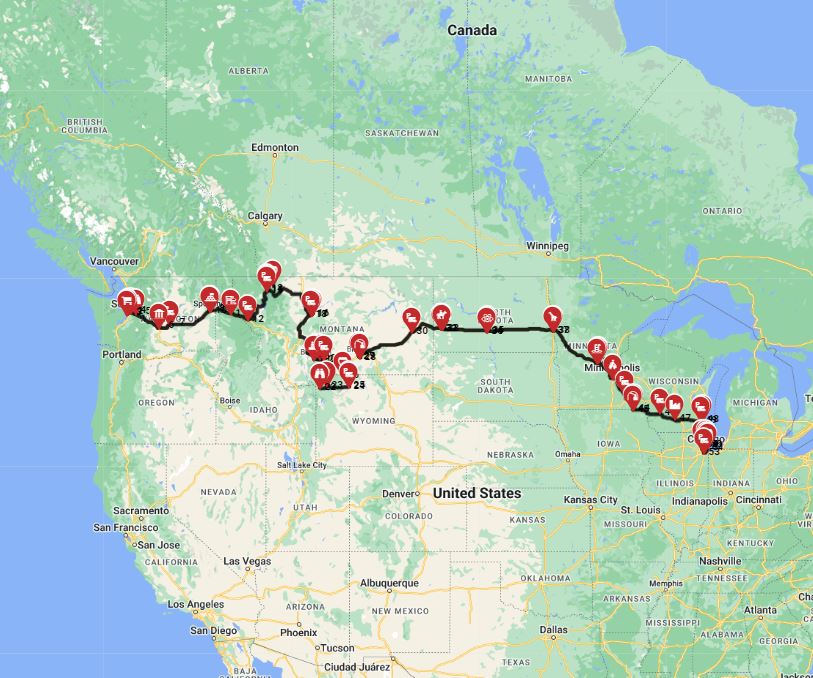
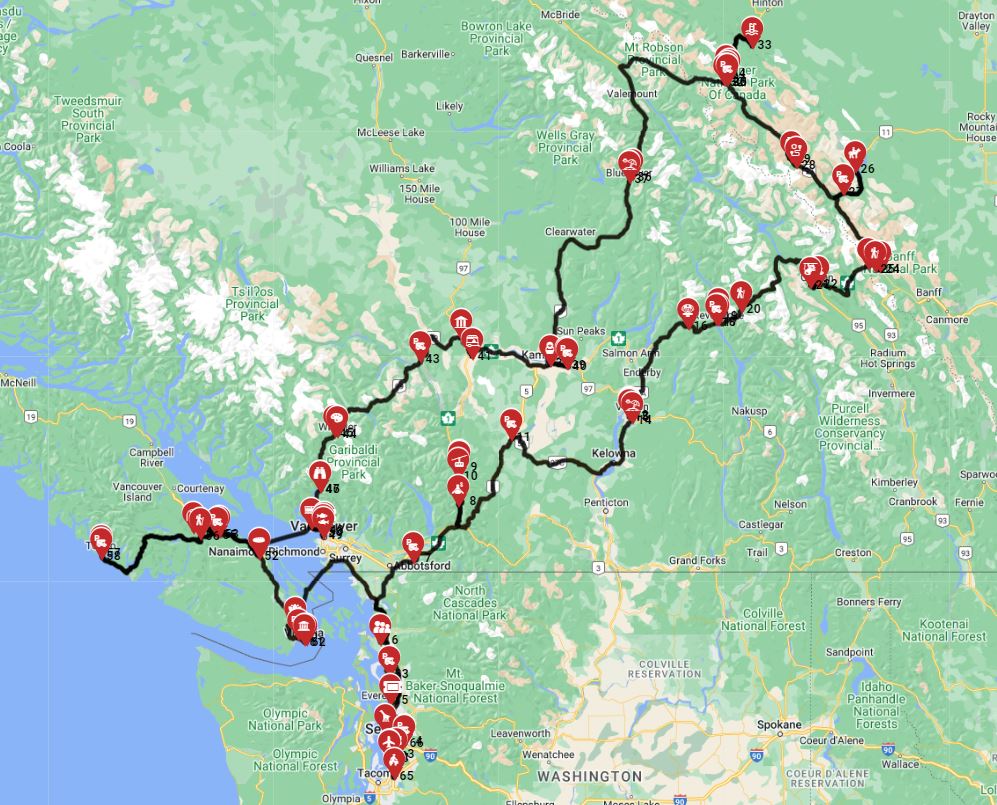
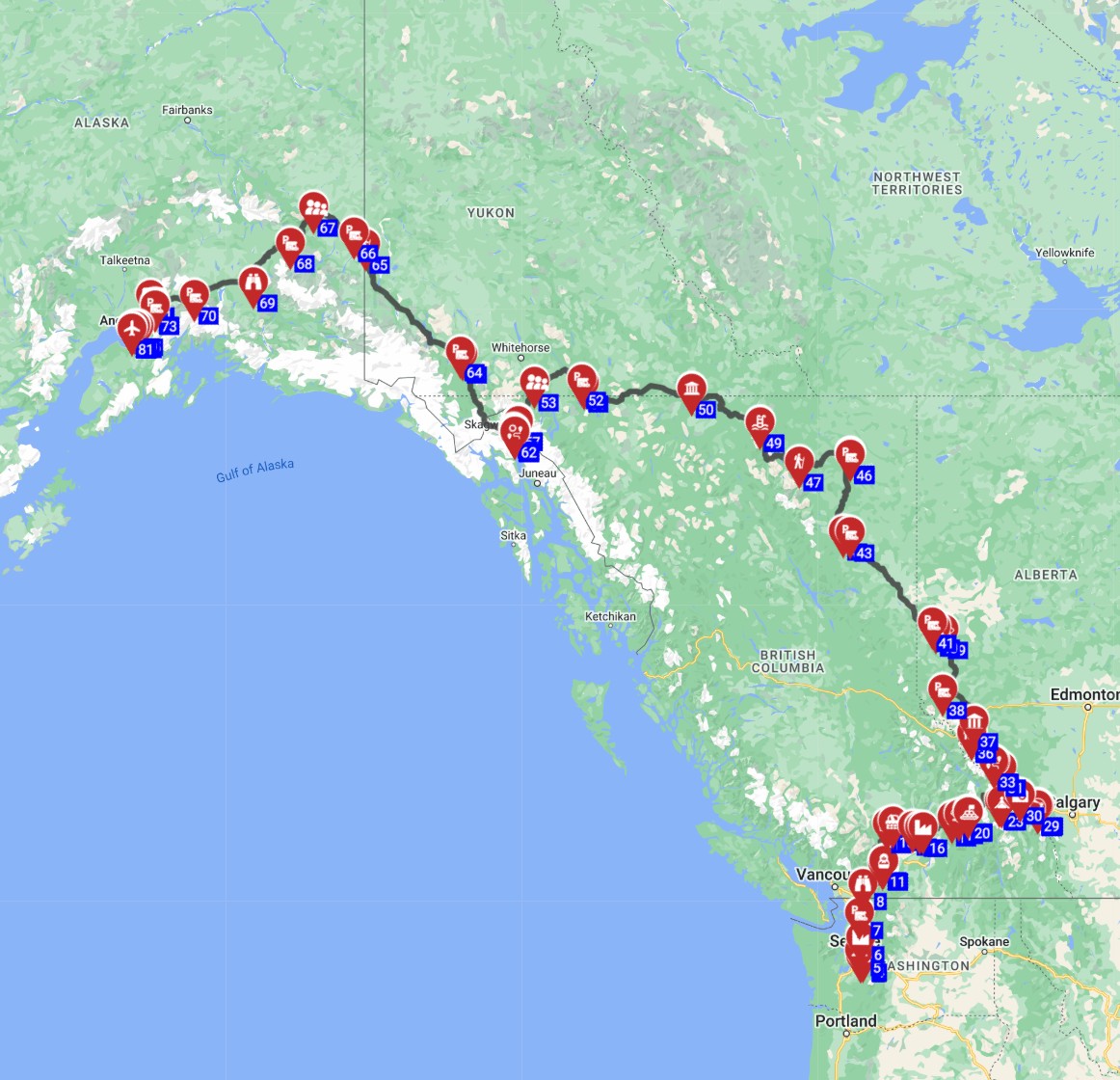
- Journey to Northern Wilderness: Embark on the epic 29-day "Seattle to Anchorage - Rockies & Northern Wonders Road Trip". This 5076.2 km adventure includes 5 hiking areas, 4 museums, and 2 day tours, guiding you through some of North America's most stunning landscapes. For a broader context, explore our RV Rental Washington - Complete Guide 2026.
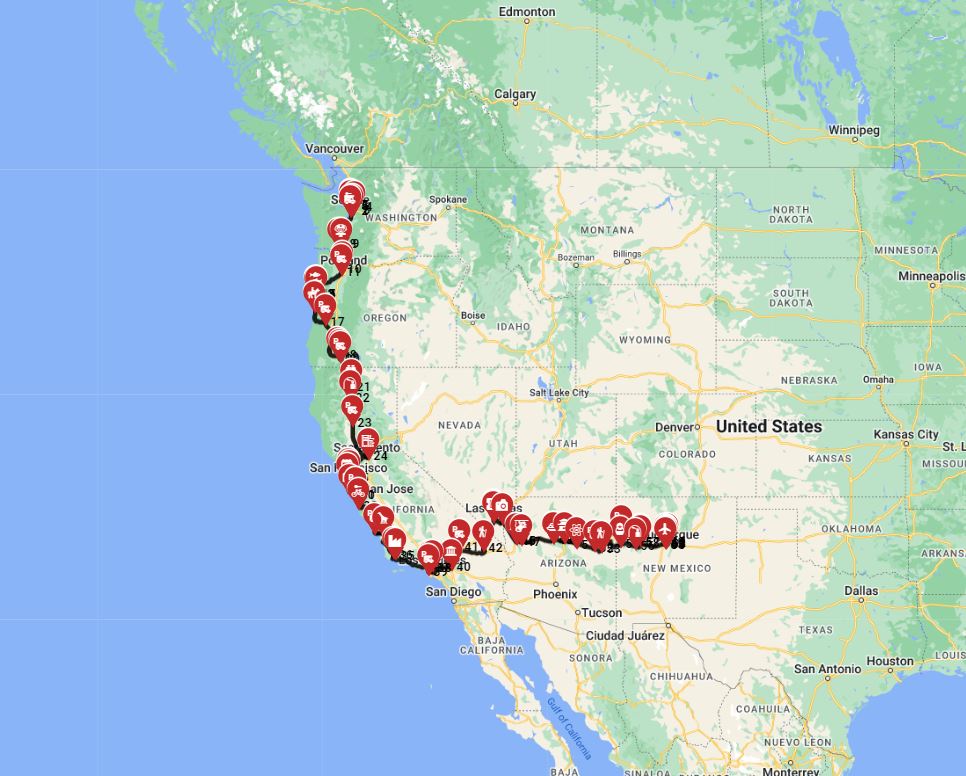
- Return via the Wilderness Trail: The "
" is a 35-day, 5872.7 km journey back, featuring 6 hiking areas, 5 museums, and 3 historical sites. It’s a perfect way to immerse yourself in nature and culture.
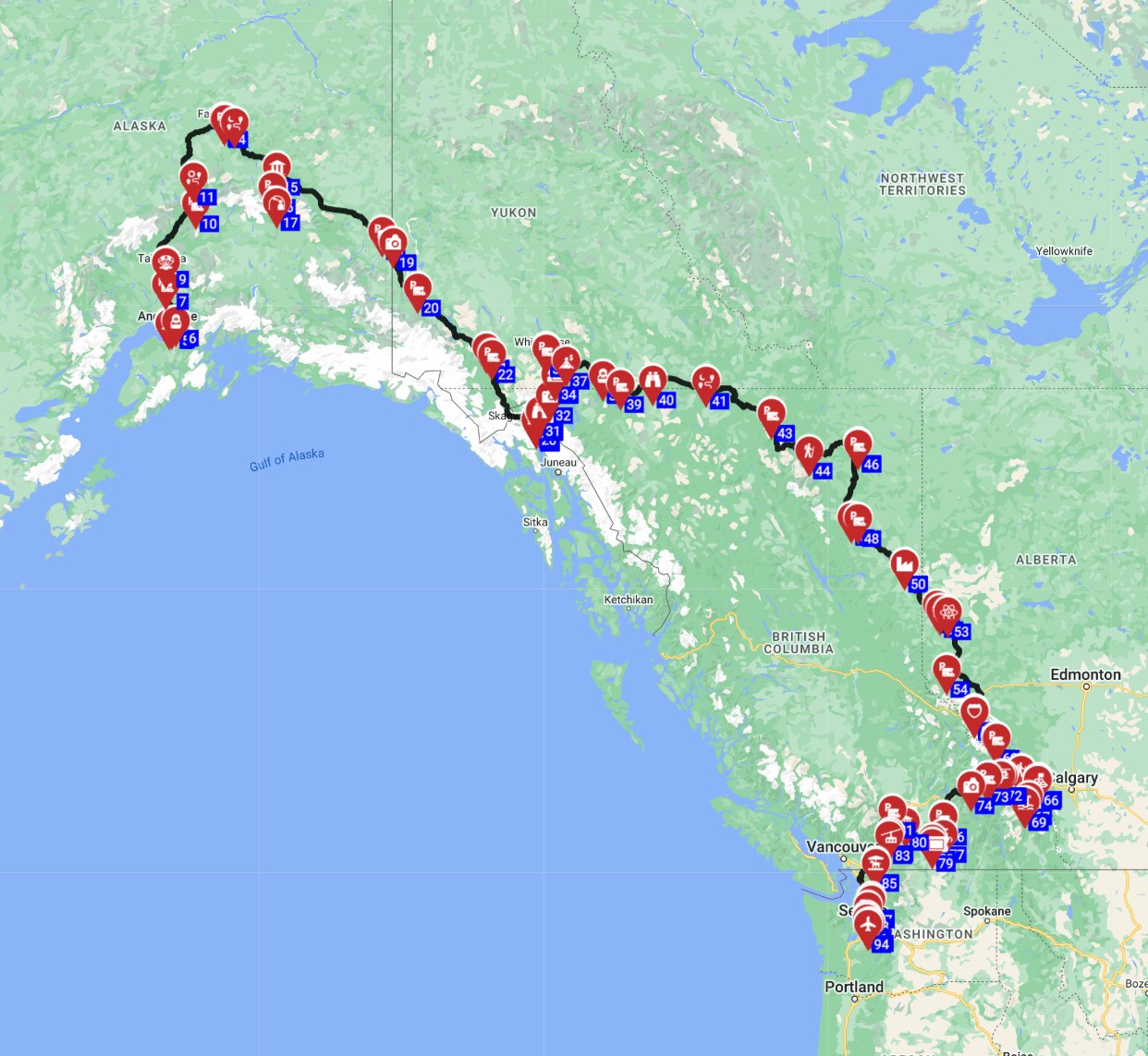 Anchorage to Seattle - The Northern Wilderness Trail
- Olympic Peninsula Adventure: Take a week-long trip to Olympic National Park, a UNESCO World Heritage site, famous for its temperate rainforests, rugged coastlines, and glacier-capped peaks. Access multiple campgrounds via Highway 101.
- Mount Rainier National Park: Just a couple of hours southeast of Seattle, Mount Rainier offers stunning mountain views, hiking trails, and several RV-friendly campgrounds like Cougar Rock Campground or Ohanapecosh Campground.
- Charming Island Hopping: Use your RV as a base for exploring the San Juan Islands via Washington State Ferries. Discover quaint towns, whale watching tours, and scenic drives, ensuring reservations are made in advance for ferry travel.
Final Thoughts
Embarking on an RV adventure from Seattle offers an unparalleled sense of freedom, allowing you to explore the stunning landscapes of Washington State and beyond at your own pace. With Bandana Caravan, you're not just renting a vehicle; you're gaining a supportive partner dedicated to ensuring your trip is as smooth and enjoyable as possible, from your initial inquiry to the moment you return your campervan.
Remember to plan your route thoughtfully, keep an eye on road conditions, and allow yourself the flexibility to truly connect with the places you visit. We're here to handle the details, so you can focus on living the journey. Discover top destinations, planning tips, all in one place and let the Emerald City be the starting point for your next great road trip!
Ready to hit the road? Your Seattle RV rental adventure awaits!
Find Motorhome Rentals in Seattle