In This Guide
- Can You Drive an RV in Melbourne? License & Age Rules
- Road Conditions & Terrain in Melbourne
- RV Size Limits, Bridges & Restricted Zones in Melbourne
- Fuel: Diesel vs. Petrol & Cost per 100 km in Melbourne
- Tolls, Vignettes & Border Rules for RVs in Australia
- Driving Tips for RV Rental Travelers in Melbourne
- Recommended RV Class for Melbourne Roads
- Should I Choose a Compact Van Instead of a Large RV in Melbourne?
- Can I Park Anywhere? Free & Wild Camping Rules in Melbourne
- Can I Drive an RV Into the City Center? Heights, Tunnels & Local Signage
- What license do I need to drive an RV in Australia?
- Do you have to get a license for renting an RV?
- What requirements do you need to drive an RV?
- Is it worth renting a campervan in Australia?
- Can I sleep in my motorhome in a layby?
- What licence do you need to drive an RV in Australia?
- How much does it cost to insure a rental RV in Melbourne?
- Does my credit card cover RV rental insurance in Australia?
Embarking on an RV adventure from Melbourne offers unparalleled freedom to explore Victoria’s vibrant cityscapes and stunning natural wonders. At Bandana Caravan, we are true RV specialists, dedicated to making your journey seamless and unforgettable, from the moment you start planning to the end of your trip. We've been helping tens of thousands of travelers explore the world by RV since 2001, forging direct partnerships with 50+ leading RV suppliers worldwide, including trusted names like Apollo and Britz. For live availability and current prices, start with our RV Rental Melbourne - Complete Guide 2026 guide.
Can You Drive an RV in Melbourne? License & Age Rules
Yes, you can absolutely drive an RV in Melbourne, as a standard C-class Australian driver's license is sufficient for most rental RVs under 4.5 tonnes Gross Vehicle Mass (GVM), which includes the majority of Class B campervans, Class C alcove motorhomes, and Class SI semi-integrated models. For international visitors, an International Driving Permit (IDP) is recommended if your license is not in English, although it's not strictly mandatory in all cases, it eases communication with authorities. Rental companies, including our partners, typically enforce a minimum driver age of 21 for RV rentals in Melbourne, with no young driver surcharges based on vehicle class. For larger RVs exceeding 4.5 tonnes GVM, a Light Rigid (LR) or Medium Rigid (MR) license is necessary, though these are rarely required for recreational rental motorhomes.
🎬 Video coming soon
Road Conditions & Terrain in Melbourne
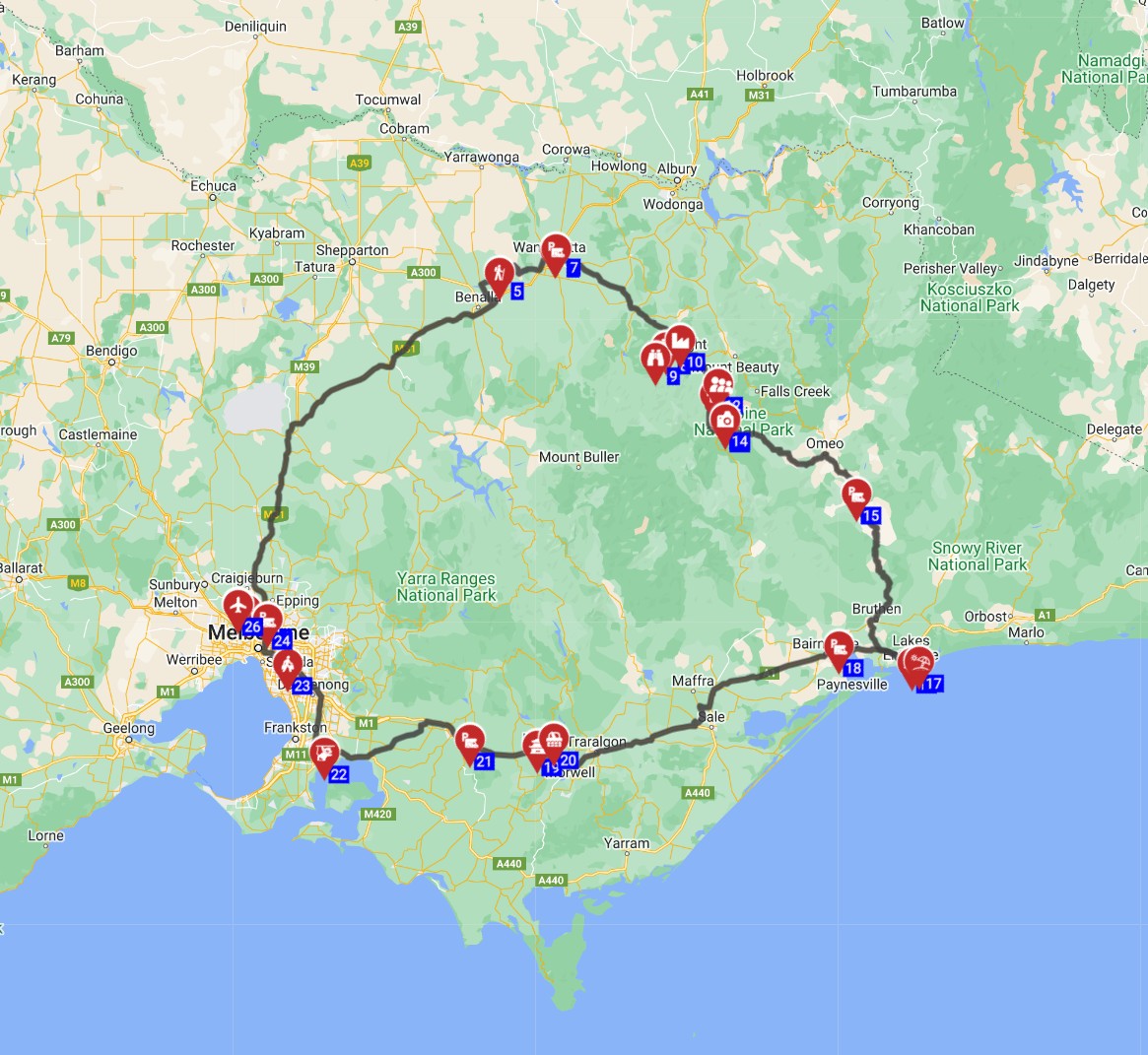
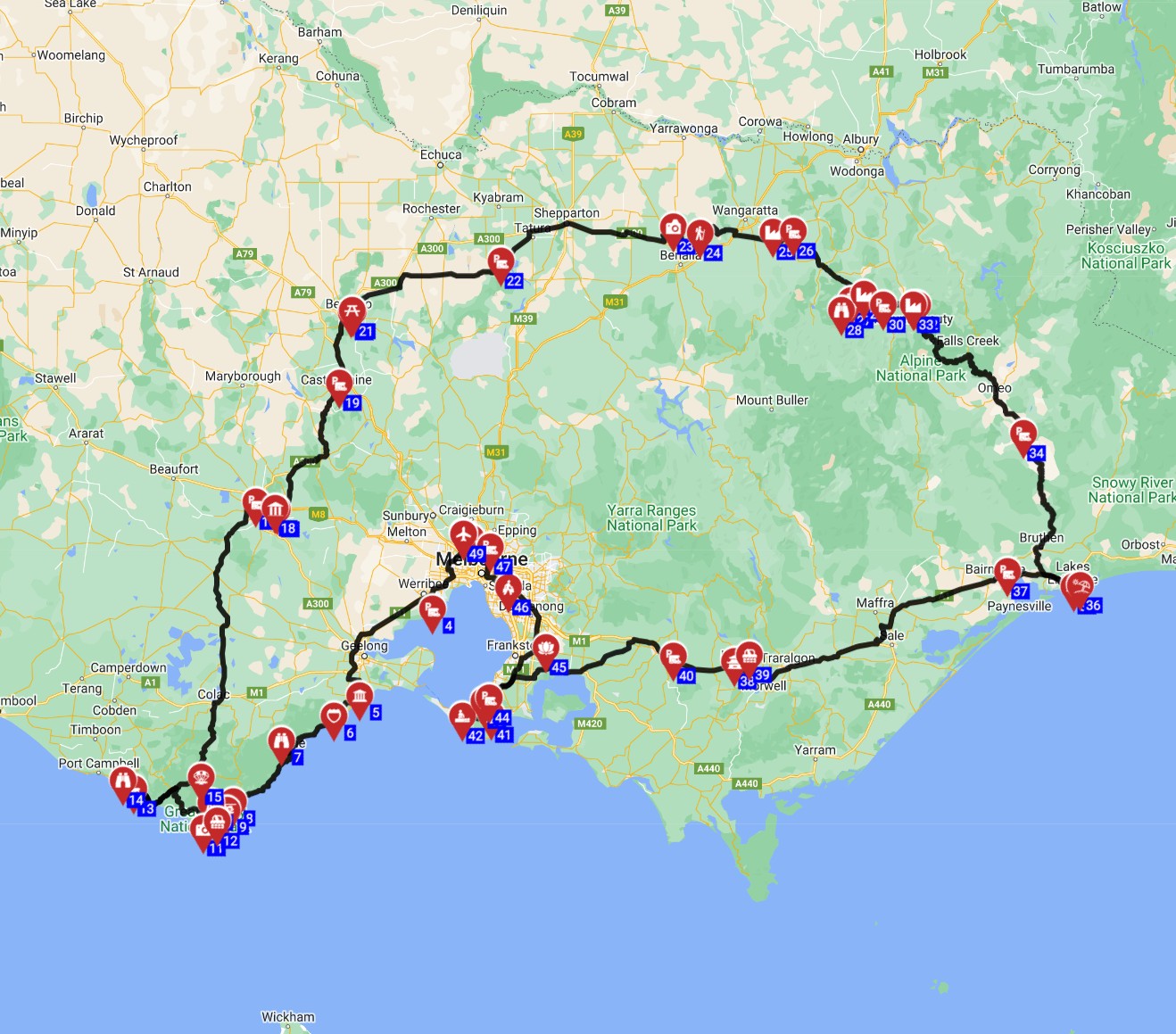
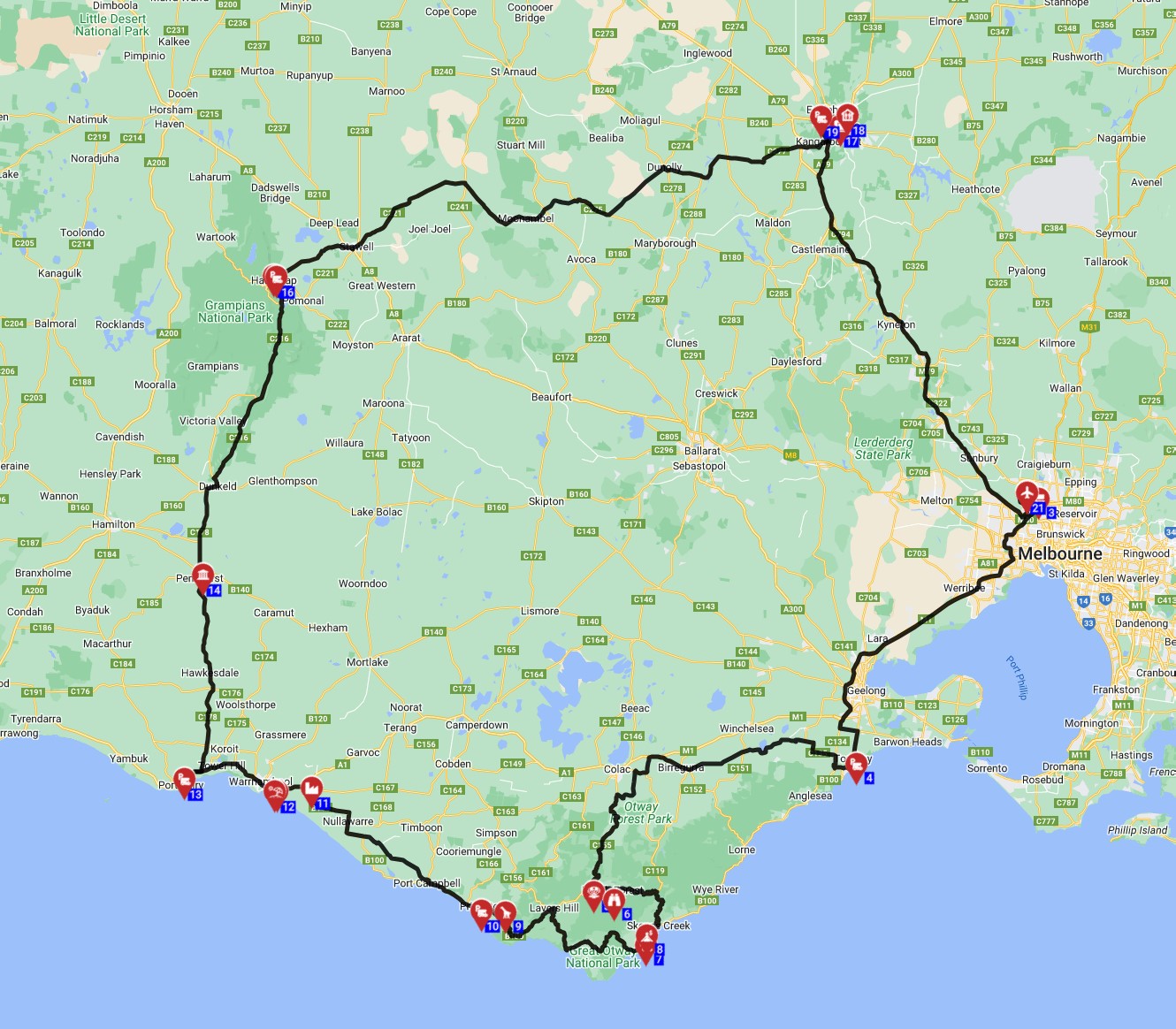
Melbourne and regional Victorian roads are generally well-maintained and suitable for RV travel, offering a comfortable driving experience across diverse landscapes. The terrain around Melbourne varies from flat urban and coastal areas, perfect for cruising along scenic routes like the Great Ocean Road, to rolling hills in regions like the Dandenong Ranges or Yarra Valley, which present gentle inclines and winding roads. While Melbourne's city center can be dense with traffic, requiring slow and careful navigation for larger RVs, it is completely manageable. Beyond the city, roads open up to stunning scenic routes, encouraging a slower, more deliberate driving pace to truly connect to the culture, the food, and the scenery. We always recommend slow travel, aiming for a maximum of 100-150 km per day on average, to fully immerse yourself in the beauty of each location.
RV Size Limits, Bridges & Restricted Zones in Melbourne
When driving a rented RV in Melbourne, drivers must pay close attention to height and weight restriction signage, particularly for older bridges or car park entrances found throughout the city. While specific tunnels or underpasses may have height limits (such as parts of the CityLink tunnels, which restrict vehicles over 4.8 meters or 4.5 tonnes), most standard rental motorhomes from our diverse fleet are typically below these thresholds, like the Class SI - Semi-integrated models which average 6.5 meters in length. Melbourne does not have specific environmental zones that restrict RV access, but general emissions standards apply to all vehicles. If planning an extended trip that involves taking an RV on a ferry, such as the Spirit of Tasmania from Port Melbourne to Devonport, be aware of specific length and weight limits, and ensure advance bookings as spots for RVs are often limited and fill up quickly.
Fuel: Diesel vs. Petrol & Cost per 100 km in Melbourne
Both diesel and petrol are widely available across Melbourne and regional Victoria, with numerous fuel stations in and around the city, and along major highways. Many larger motorhomes, particularly Class C - Alcove and Class SI - Semi-integrated models, operate on diesel, which is often more fuel-efficient for their size and weight. Based on Bandana's fleet data, Class B - Camper Vans, such as the "Active Standard Auto" or "Hi5 Camper," typically consume 13-14 Litres/100 km. Class C - Alcove RVs, like the "24' Class C Motorhome," average around 14 Litres/100 km, while Class SI - Semi-integrated models such as the "Koru Star 2 Freedom (LDV)" or "2 Berth Rover" can range from 10-15 Litres/100 km. The approximate cost per 100 km for an RV in Melbourne can be calculated by multiplying the vehicle's average fuel consumption by the current fuel price, which fluctuates daily. While some RV rental deals may include fuel discount cards, offering potential savings, fuel costs are a primary ancillary expense. For budgeting and tracking all trip costs, from fuel to campground fees, RV PLANET routes allow you to itemize every expense along the way. On the routes offered through RV PLANET routes, you can itemize and track every expense along the way for easy budgeting.
Tolls, Vignettes & Border Rules for RVs in Australia
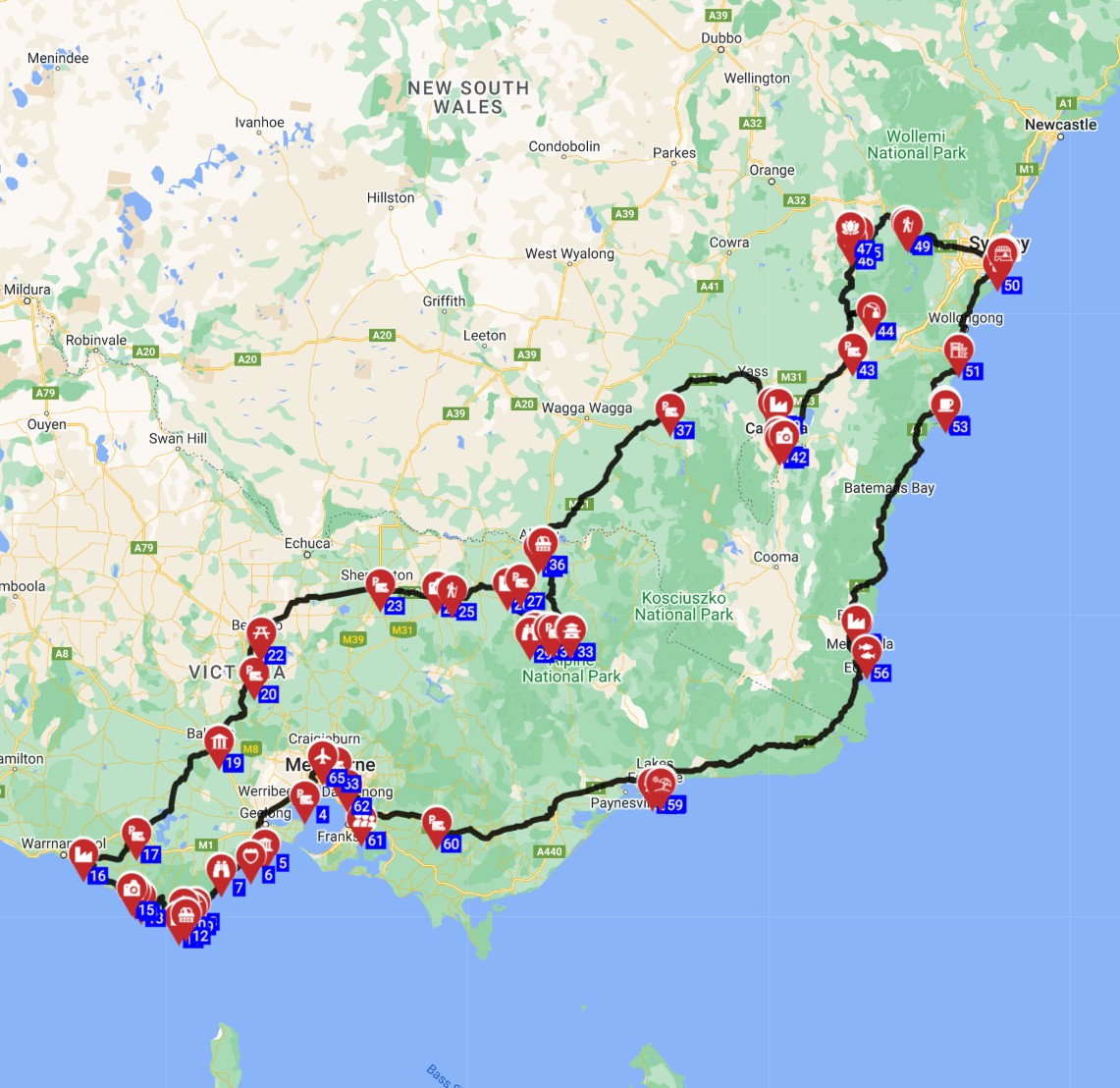
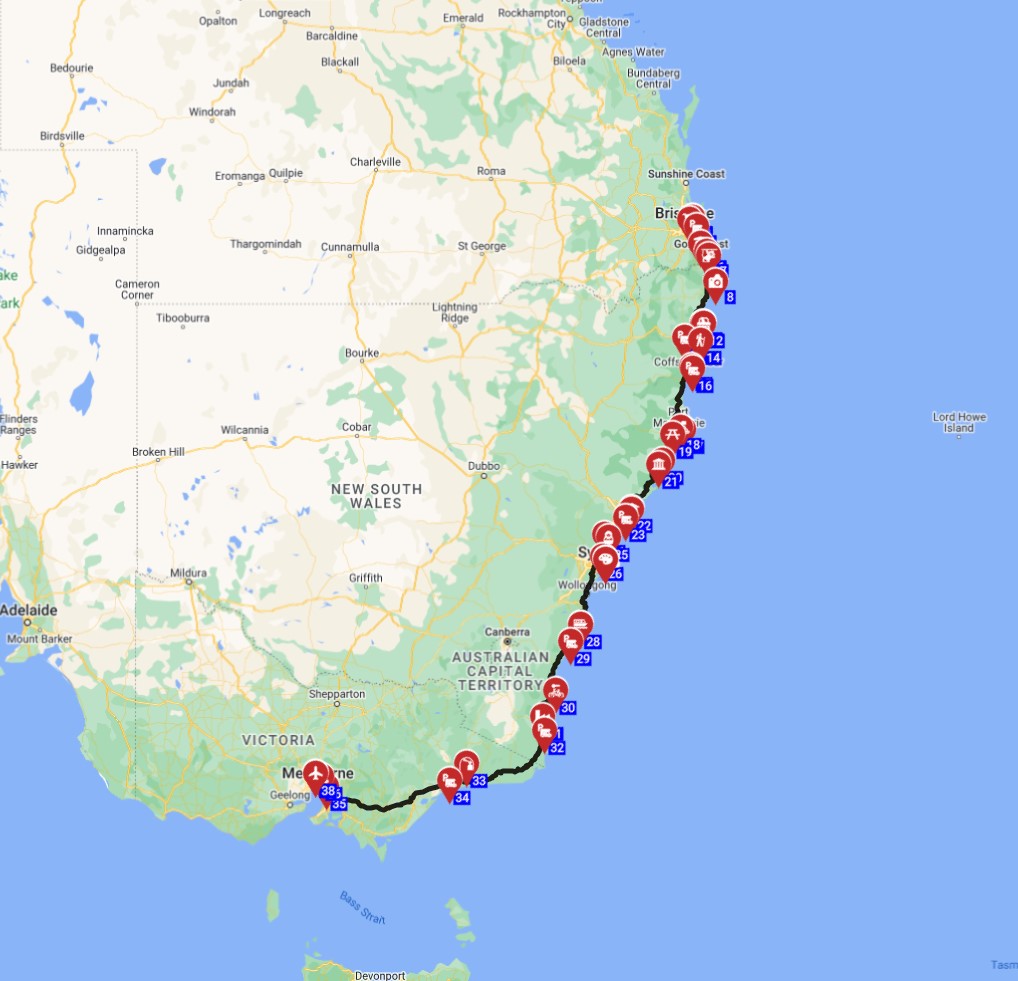
Melbourne has electronic toll roads, primarily CityLink and EastLink, which require an e-tag or a visitor pass, so it’s essential to plan for these in your budget. We believe in full transparency, so there are no hidden fees or surprises when it comes to tolls; discuss with your rental supplier or Bandana Caravan representatives how tolls are handled (often via a pre-purchased pass or post-trip billing system) to avoid fines. There are no vignettes (pre-paid road use stickers) required for driving in Australia, simplifying cross-state travel. Within Australia, there are no internal border rules or checks when driving a rented RV between states, allowing for seamless extended road trips like a "
Driving Tips for RV Rental Travelers in Melbourne
For RV rental travelers in Melbourne, always drive on the left side of the road in Australia. Familiarize yourself with Melbourne's unique 'hook turns' in the CBD for right-hand turns at specific intersections; these are clearly signed and involve waiting in the left lane before moving into the intersection center when safe. When venturing into regional Victoria, be aware of wildlife, especially kangaroos and wallabies, when driving on regional roads, particularly at dawn and dusk. Take regular breaks, ideally every two hours, to combat fatigue, which is crucial for safe motorhome travel across longer distances. Always allow extra braking distance and make wider turns due to the RV's larger size and weight, even for a compact "RV rental denver example Category Van." Drive slowly and carefully, and you can drive almost anywhere without issues. No need to stress - just use common sense and pay attention.
Recommended RV Class for Melbourne Roads
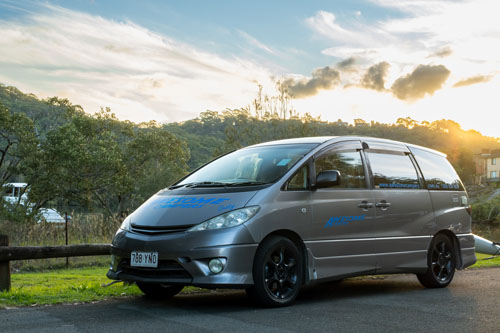
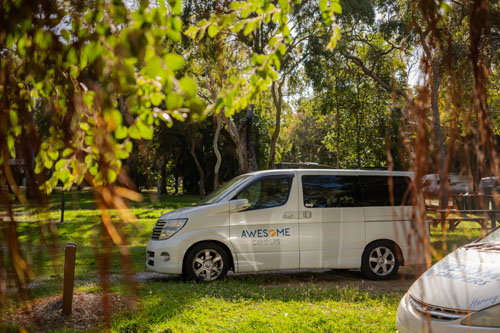
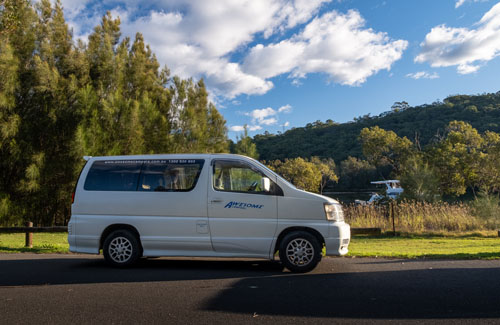
For navigating Melbourne's urban environment and touring regional Victoria, a Class B - Camper Van or Class SI - Semi-integrated RV is highly recommended for its excellent balance of maneuverability and onboard amenities. Class B - Camper Vans, such as the "Active Classic" with an average length of 5.7 meters, offer superior agility and easier parking in urban settings, allowing you to access more city locations with ease. Class SI - Semi-integrated RVs, averaging 6.5 meters in length like the "2 Berth Tamar" or "2 Berth Rover," provide a comfortable living space with a toilet and shower while still being relatively easy to drive on both city and regional roads. All common RV classes from Bandana's Melbourne fleet, including larger Class C - Alcove models (e.g., "6 Berth Deluxe"), are suitable for Victoria's sealed road network, ensuring a smooth journey no matter your choice. We handle the details, so you can live the journey, ensuring you get the perfect RV for your trip.
Should I Choose a Compact Van Instead of a Large RV in Melbourne?
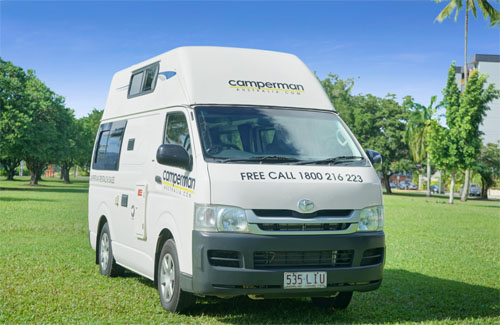
The choice between a compact van and a larger RV in Melbourne depends entirely on your travel style and itinerary. While Melbourne's roads can comfortably accommodate most RV sizes, a compact van, like a Class B Camper Van such as "HiTop Campervan" or "Budget Camper," offers superior maneuverability and easier parking in congested city areas and tighter spots. This can be a benefit if your focus is primarily urban exploration. However, larger RVs, such as Class C - Alcove or Class SI - Semi-integrated models, provide significantly more living space, comfort, and amenities, often including a separate shower and toilet, which usually outweigh minor maneuverability benefits on longer, multi-destination trips. For instance, a "Euro Deluxe" Class C motorhome offers three double beds and exclusive features, ideal for families. For itineraries extending beyond the city to regional Victoria, the added space, comfort, and facilities of a larger rented motorhome significantly enhance the overall experience. Consider your group size, desired amenities, and parking preferences when deciding between a compact van and a larger RV for your Melbourne adventure; you'll find options for every group type, from couples to families of 2+2.
Can I Park Anywhere? Free & Wild Camping Rules in Melbourne
No, free or wild camping is generally not permitted within Melbourne's city limits or most developed areas of regional Victoria, and attempting to do so can result in fines. Designated rest areas along highways may allow overnight stays of up to 24 hours, but always check local signage carefully before settling in. Overnight parking in laybys or public car parks for camping purposes is usually prohibited unless explicitly signed as an approved camping area, particularly around popular tourist spots near Melbourne. National and State Parks in Victoria require bookings and fees for designated campgrounds; remember that many national/state parks reserve only 25-30% of spots, with the rest being first-come-first-serve. Reassure yourself that you'll find a spot, and if not at the first campground, then the next one, but call ahead before driving. Rules vary by region, so always check local regulations and follow local law before parking overnight. For finding campsites and campgrounds during your trip, we recommend using RV PLANET (rvplan.net) - a great resource for locating available spots along your route.
Can I Drive an RV Into the City Center? Heights, Tunnels & Local Signage
Yes, you can generally drive a rented RV into Melbourne's city center, but careful attention to height, weight, and local parking signage is absolutely essential. Drivers should be vigilant for height limits on car park entrances (many multi-story car parks are unsuitable for RVs), some older underpasses, and specific tunnels. For instance, the Burnley and Domain Tunnels on CityLink have restrictions for vehicles over 4.8 meters high and vehicles weighing over 4.5 tonnes GVM, but most standard rental motorhomes fall under these limits. Pay close attention to local parking signage, including residential permit zones, clearway times, and instructions for Melbourne's unique 'hook turns.' For larger RVs, finding suitable and affordable parking in the immediate CBD can be challenging; consider parking on the outskirts, perhaps near the Melbourne Cricket Ground or Federation Square (check for RV-specific parking areas), and utilizing Melbourne's extensive public transport network of trams, trains, and buses to navigate the city. Drive slowly and carefully, and you can drive almost anywhere without issues. No need to stress - just use common sense and pay attention. If you're looking for expert insights from Avi Bandana, check out "RV Travel Guide to Melbourne - Tips and Top Spots 2026" for more local advice.
What license do I need to drive an RV in Australia?
To drive most rental RVs in Australia, typically those with a Gross Vehicle Mass (GVM) under 4.5 tonnes, a standard Class C (car) driver's license is all you need. This is the same license required for driving a regular passenger car and applies to all motorhome classes (Class A, Class B, and Class C) commonly available for rent. If your driver's license is not in English, an International Driving Permit (IDP) or a certified English translation is also required, which can help avoid any language barriers with local authorities. For larger RVs exceeding 4.5 tonnes GVM, a Light Rigid (LR) or Medium Rigid (MR) vehicle license may be necessary, though these are less common for standard rental vacation vehicles and are not typically offered by Bandana's partners.
Do you have to get a license for renting an RV?
Yes, you must possess a valid driver's license to rent and operate an RV in Australia, matching the vehicle's classification. Rental companies require drivers to hold the appropriate license class for the RV's size and weight, which for most motorhome and campervan rentals available through Bandana Caravan is a standard C-class car license. In addition to a valid license, rental companies usually enforce minimum age requirements, typically 21 years old, and may require a certain period of driving experience, often a minimum of one year. Bandana ensures full transparency in all licensing requirements before you book, so there are no surprises.
What requirements do you need to drive an RV?
To legally drive an RV in Australia, you primarily need a valid driver's license, specifically a Class C (car) license for rented vehicles under 4.5 tonnes GVM, which covers nearly all available rental motorhomes and campervans. You must also meet the minimum age requirements set by the rental company, which is typically 21 years old, with no young driver surcharges applied to our fleet. For international visitors, an International Driving Permit (IDP) or an official English translation of your foreign license is highly recommended, though not always mandatory for non-English licenses. Drivers should also be familiar with Australian road rules, including driving on the left side of the road and specific state regulations like Melbourne's unique 'hook turns.' We are true RV specialists, here to support you with all pre-booking comparison and post-booking coordination details.
Is it worth renting a campervan in Australia?
Renting a campervan or motorhome in Australia is absolutely worth it for its unparalleled freedom and flexibility to explore diverse landscapes at your own pace, creating a memorable journey. It often offers significant cost savings on accommodation and dining, as you can prepare your meals with the onboard kitchen facilities (check out our RV-friendly recipes playlist for inspiration) and often stay at budget-friendly campgrounds or designated free camping sites. A rented RV allows access to remote and scenic areas that might be difficult to reach with traditional accommodation options, making it ideal for experiencing Australia's unique natural beauty, from the Great Ocean Road to the Grampians National Park. While factors like fuel costs and initial learning curves exist, the overall experience of an Australian RV road trip from Melbourne is considered incredibly rewarding and allows you to travel slowly, max 100-150 km per day, truly feeling the place.
Can I sleep in my motorhome in a layby?
In Australia, sleeping in a rented motorhome in a layby is generally permissible only at designated rest areas, often for a limited duration such as 24 hours, particularly on longer highways. It is typically prohibited to sleep overnight in urban laybys, roadside pull-offs, or any undesignated areas within Melbourne city limits or populated regional areas. Always look for specific signage indicating permissible overnight stays, and be aware that rules vary significantly between states and individual local councils. Failing to adhere to local regulations regarding overnight parking can result in fines, so it's always best to plan your stops at approved campgrounds or dedicated RV-friendly rest areas. Our RV PLANET (rvplan.net) platform is an excellent resource for finding legal and convenient overnight parking options along your route.
What licence do you need to drive an RV in Australia?
For the vast majority of rental RVs available in Australia, especially those with a Gross Vehicle Mass (GVM) under 4.5 tonnes, your standard Class C (car) driver's license is sufficient. This includes everything from a compact "Juliette 2-3" campervan to a larger "Jayco Conquest Royale 6" motorhome. If your driver's license is from overseas, it must be current, and if not in English, it must be accompanied by an International Driving Permit (IDP) or a certified English translation. An IDP is recommended for visitors from non-English-speaking countries but is NOT mandatory in most cases. Always confirm the specific license requirements with your chosen RV rental company in Melbourne before booking, as some larger or specialized vehicles (not typically offered for recreational rental) may have different stipulations. We offer full transparency, so you'll always know the requirements upfront.
How much does it cost to insure a rental RV in Melbourne?
The cost of insuring a rental RV in Melbourne varies widely based on the rental company, the chosen level of coverage, the specific RV model (e.g., a "Patagonia Camper 4x4 double cab" vs. a "Paradise Family 5" motorhome), the rental duration, and the driver's profile. Most rental RVs include a basic level of insurance as part of the rental agreement, which typically comes with a high excess (deductible) in case of damage. You can upgrade to a top-level deductible for extra peace of mind, significantly lowering or even eliminating this deductible, though this optional upgrade adds to the daily rental cost. Bandana Caravan ensures full price transparency, detailing all insurance options and costs upfront so you can make an informed decision without hidden fees or surprises.
Does my credit card cover RV rental insurance in Australia?
While some premium credit cards offer rental vehicle insurance as a perk, it is exceptionally rare for this coverage to extend to RVs or motorhomes in Australia. Credit card rental insurance policies almost universally exclude 'recreational vehicles,' 'motorhomes,' or 'campervans' in their terms and conditions, focusing primarily on standard passenger cars. It is crucial to meticulously review your specific credit card's benefits guide or contact your card issuer directly to confirm any coverage before relying on it for an RV rental. Due to these exclusions, it is almost always necessary to purchase insurance directly from the rental company or secure a dedicated third-party RV rental insurance policy to ensure adequate protection for your Melbourne adventure.
What You Shouldn't Miss
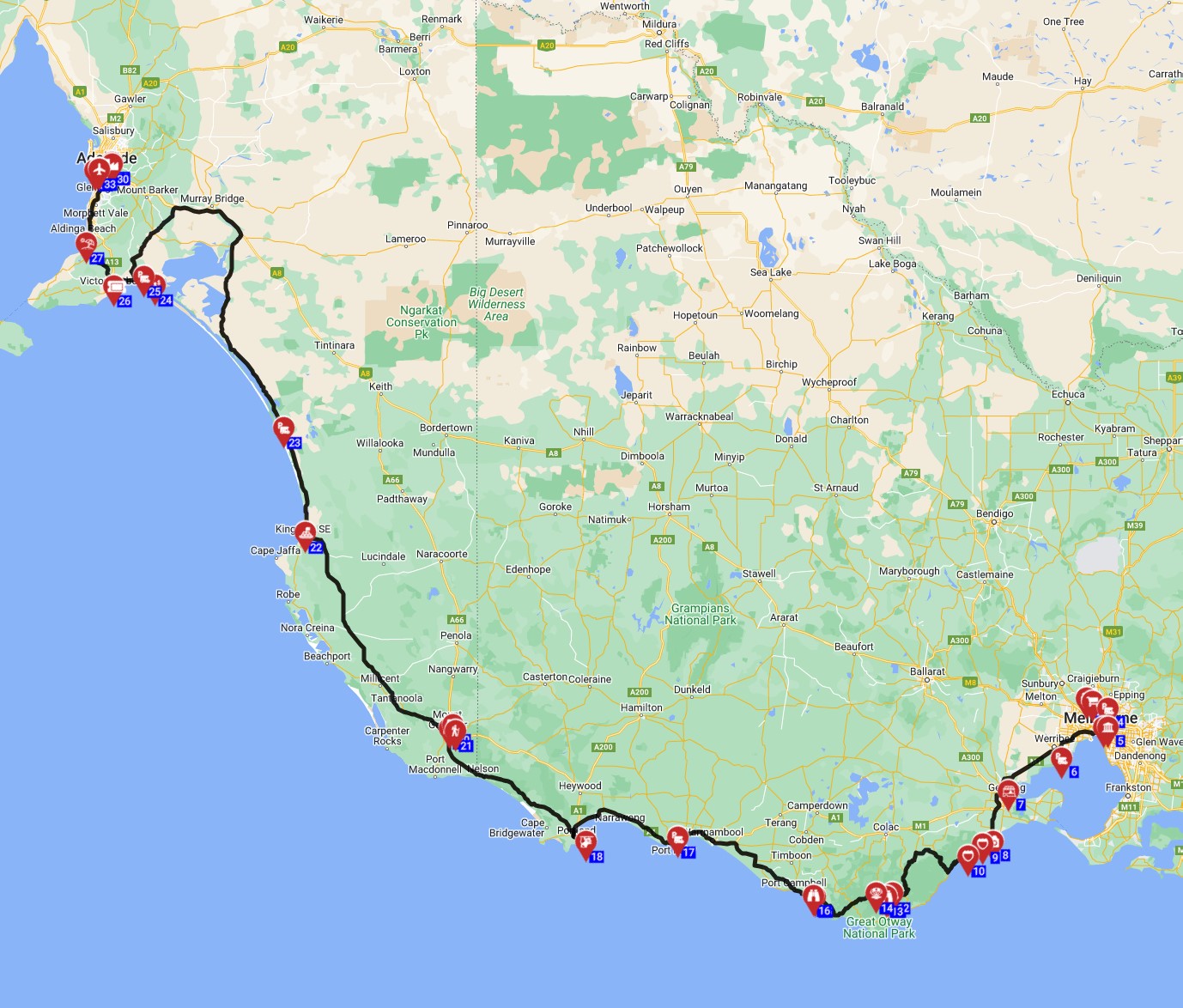
- **Great Ocean Road Drive:** Experience one of the world's most scenic drives from Melbourne, stretching over 243 kilometers and featuring iconic landmarks like the Twelve Apostles, charming coastal towns, and lush rainforests. Plan a minimum of 3-4 days to savor it slowly.
- **Phillip Island Penguin Parade:** Witness the magical nightly spectacle of thousands of Little Penguins returning to shore at Phillip Island. This unique wildlife experience is just a 90-minute drive from Melbourne.
- **Yarra Valley Wine Region:** Drive your motorhome to the picturesque Yarra Valley, only an hour's drive from Melbourne, to indulge in wine tastings at over 80 wineries and enjoy gourmet food experiences.
- **Grampians National Park:** Head west from Melbourne (about 3 hours drive) to explore the rugged peaks, stunning waterfalls, and rich Aboriginal heritage of Grampians National Park, offering over 160 kilometers of hiking trails.
- **Melbourne's Laneway Culture:** Park your RV on the city's outskirts and take public transport into Melbourne's CBD to discover its famous laneways, filled with street art, hidden cafes, and boutique shops.
- Looking for expert insights from Avi Bandana? Top 5 Adventures - recommendations from Avi Bandana
Final Thoughts
Driving a rented RV in Melbourne is an incredible way to experience both the vibrant city and the breathtaking natural beauty of Victoria. With proper planning for licenses, road conditions, and parking, your adventure promises unparalleled freedom and comfort. Remember to embrace slow travel, allowing yourself to truly connect with the culture, food, and scenery that makes this region so special.
At Bandana Caravan, we are here to support you every step of the way, from comparing prices to coordinating your booking. Our commitment to full transparency and personalized service ensures your Melbourne RV journey is as smooth and enjoyable as possible. Get inspired for your next trip and discover top destinations, planning tips, all in one place!
Find Motorhome Rentals in Melbourne